Alexander & Amy
Alexander & Amy
Things to Do
Athens
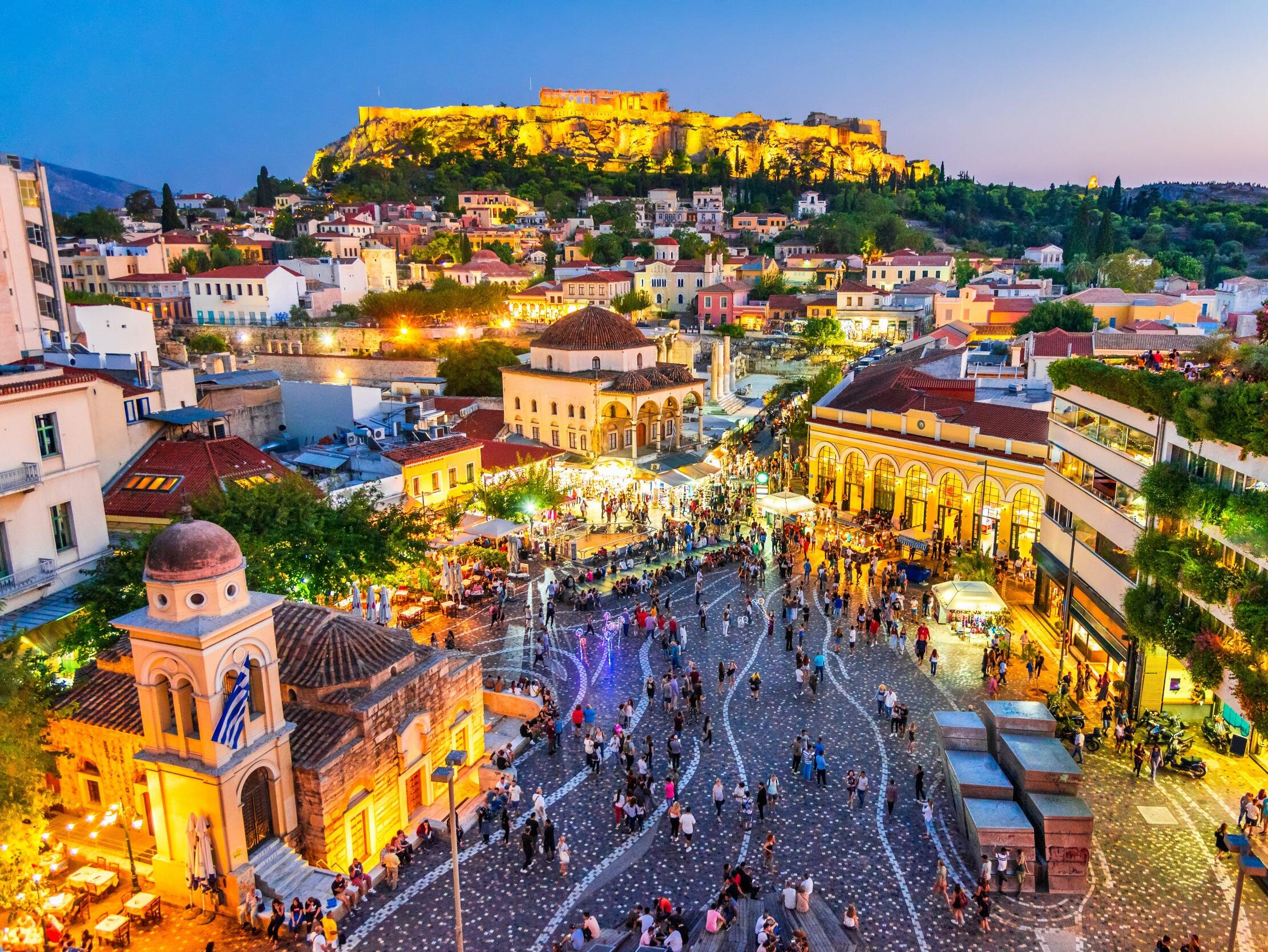
If you will be attending our wedding, you will be coming from Athens and we would highly recommend spending a few days in the capital if you can. It is a stunning city with so much to offer.
The Greek capital is bursting with history, from mind-boggling ancient ruins to mesmerising museums.
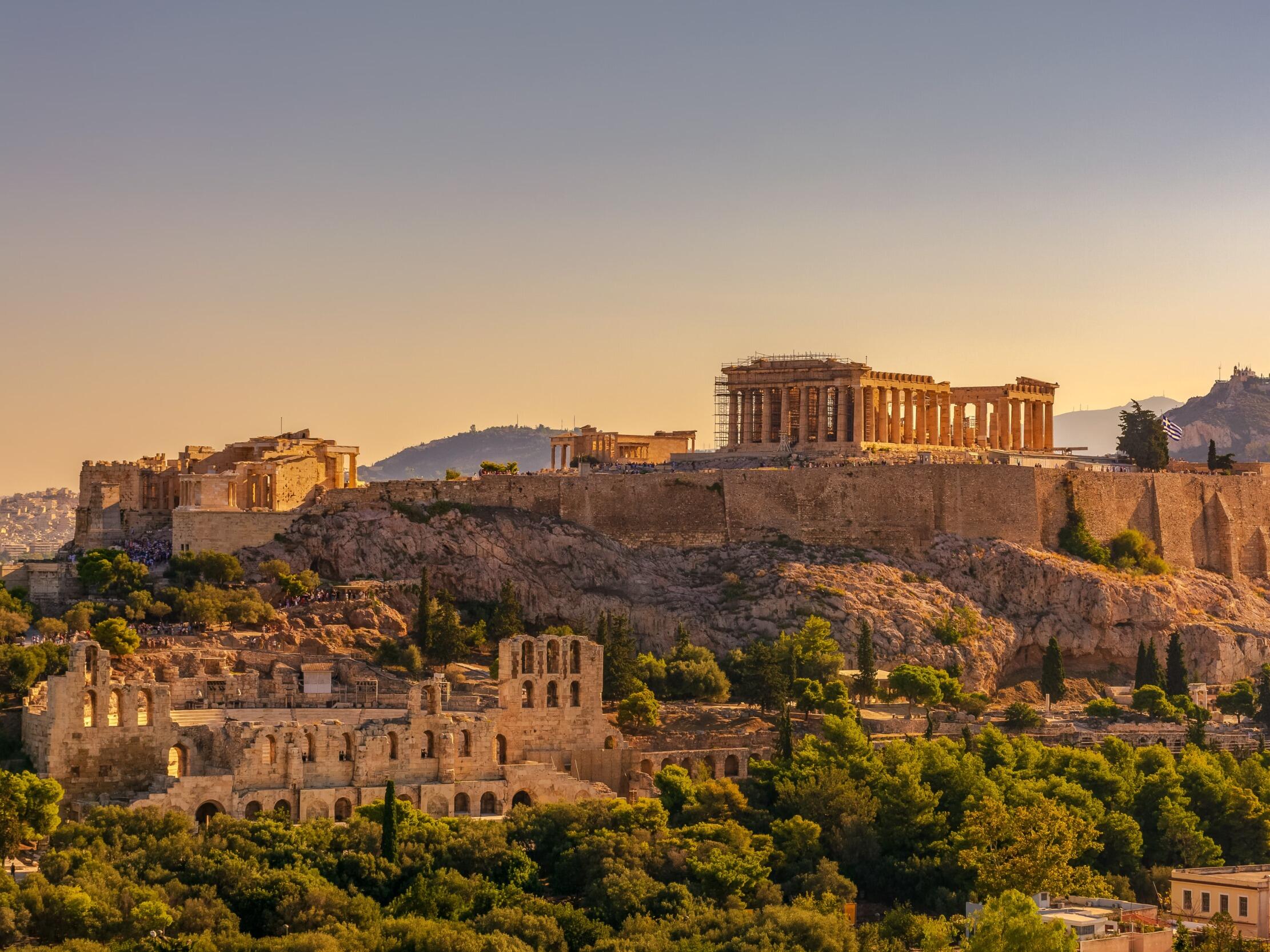
No visit to Athens would be complete without a trip to the Acropolis. Perched on a hill overlooking the city, the Acropolis is a UNESCO World Heritage site and one of the most famous landmarks in Athens. It is home to several ancient buildings, including the iconic Parthenon, the Temple of Athena Nike, and the Erechtheion.
Some must-visit historical places in Athens include the Acropolis of Athens, the ancient Agora, and the Temple of Olympian Zeus. These landmarks offer a glimpse into the rich history and cultural significance of the city.
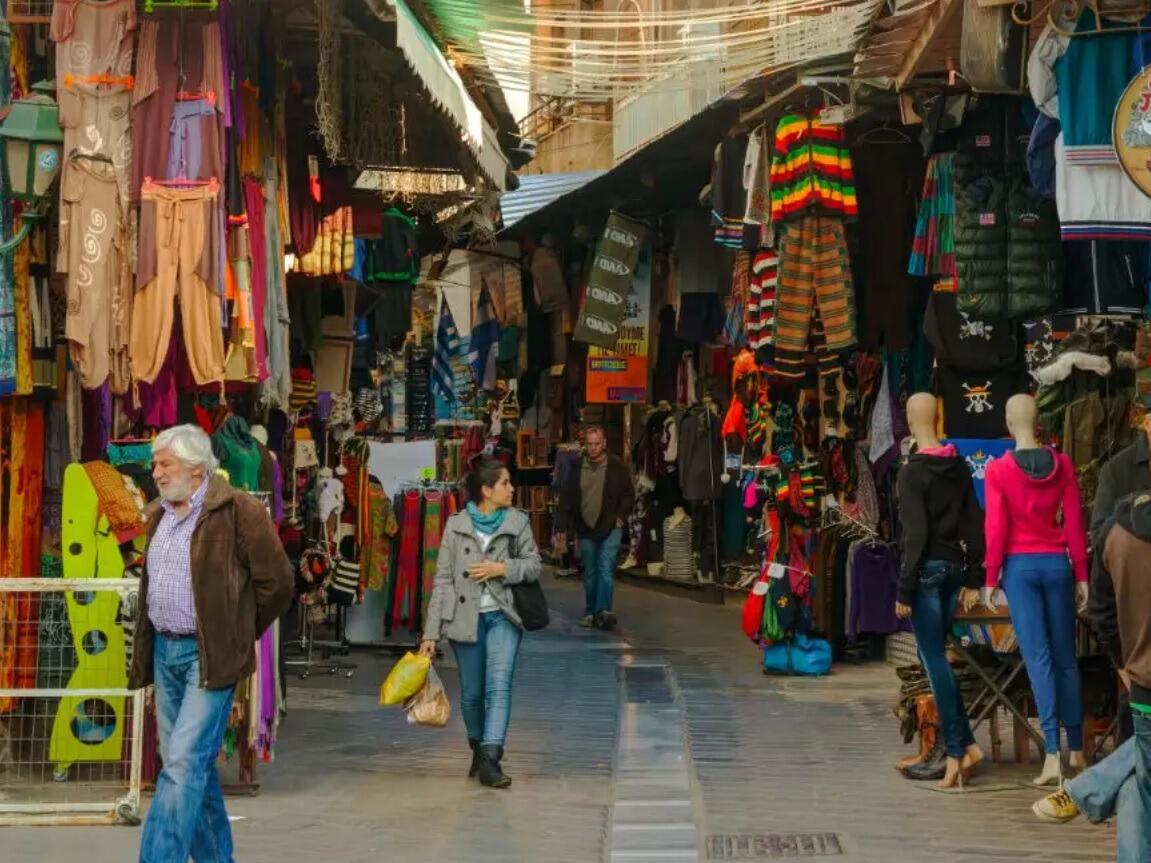
There are plenty of opportunities to shop til' you drop. On Saturdays, central Athens throngs with shoppers looking for a bargain at the huge Monastiraki Flea Market, which takes place between the Monastiraki and Thisseio neighborhoods.
Here, traders open up their secondhand stores to flog a jumble of flea-market finds, vintage clothing and oddities ranging from vintage magazines punctuated with bold Greek lettering to mid-century furniture and strange bric-a-brac. Look hard enough, and you’ll find some buried treasure (and if not, some insight into how modern Greeks have furnished their homes for the past 60 years).
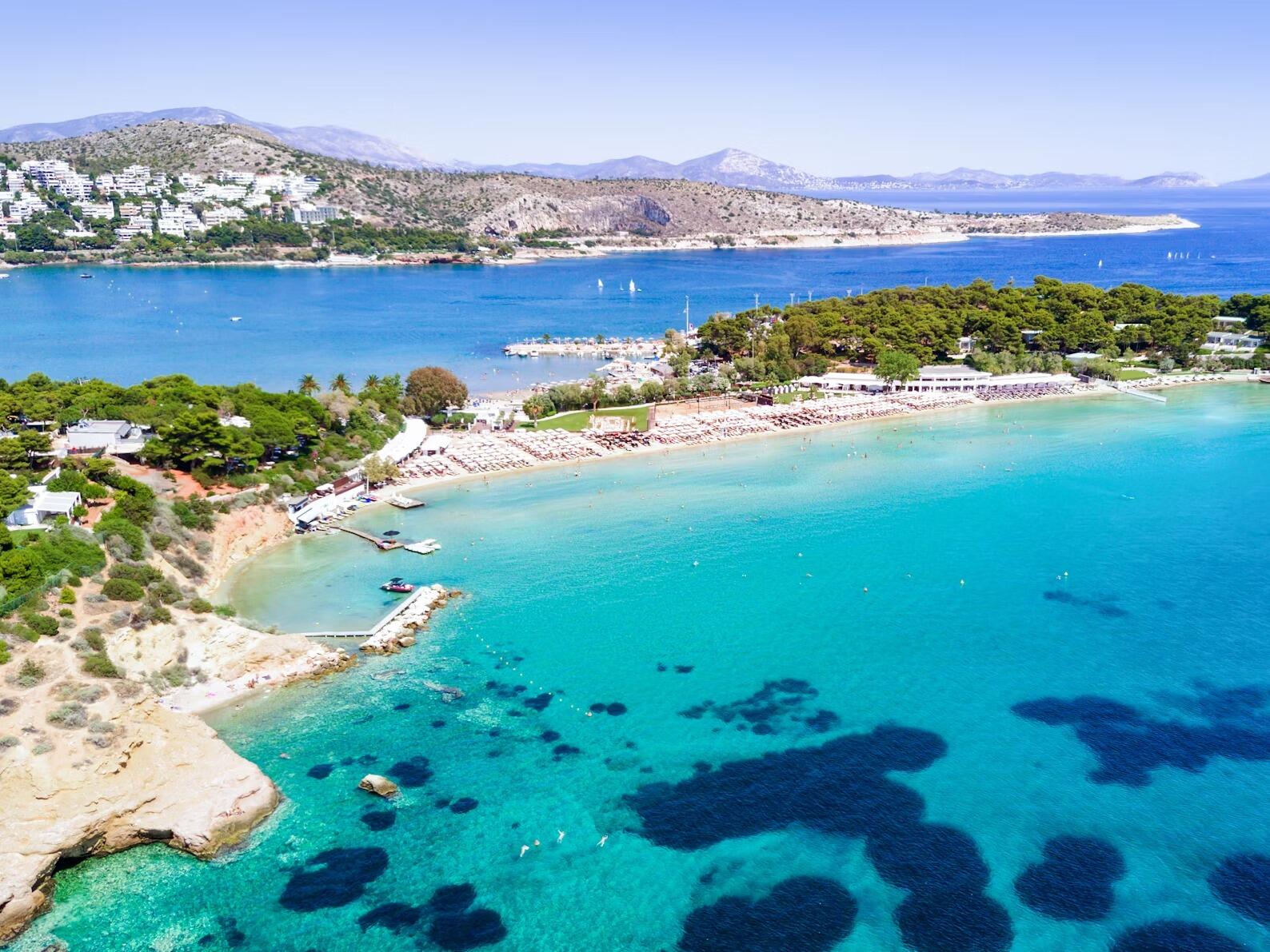
Hit the beaches of the Apollo Coast. Escaping the heat of the city is easy in Athens: just head to the beach. In the sweltering summer months, take the A1 tram to the Palaio Faliro neighborhood for a palm tree-lined promenade and a soft, sandy beach.
Further along the Apollo Coast are the more upmarket southern suburbs of Glyfada and Vouliagmeni, with no shortage of luxury beach clubs should you want a full day off from sightseeing. Out of season, Vouliagmeni has a burgeoning surf scene.
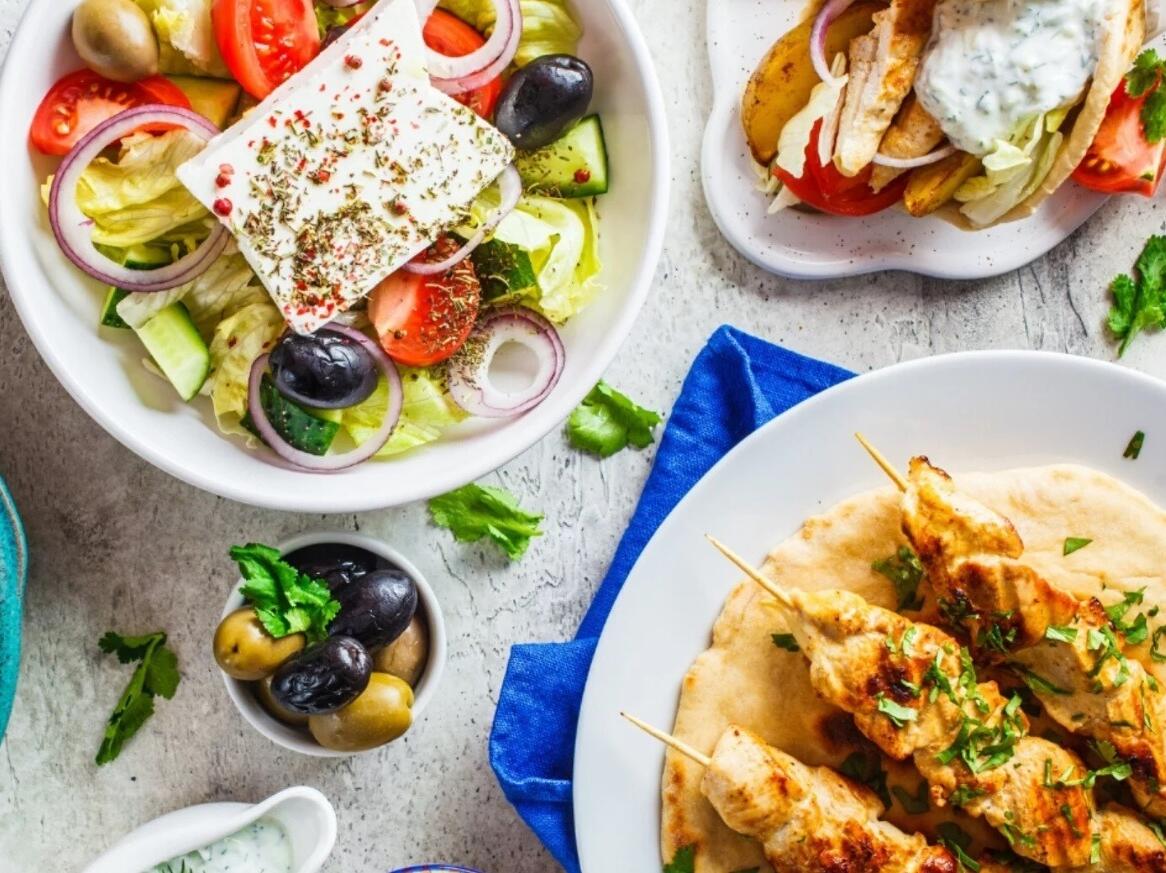
From classic Greek foods to modern fusion dishes and street snacks, Athens offers many delicious flavours.
In Athens (and Itea!), you'll find both souvlaki and gyros, either served in a wrap (pita) or open on a plate (meritha). A quick language lesson, souvlaki is the word for "skewer", which refers to skewered meat cooked on a grill. Gyros is different – this classifies meat cooked on a rotisserie and shaved into small pieces.
Generally, the herbs and spices used in a souvlaki or a gyros are similar – the difference is really in their textures. If you want to bite into juicy chunks of meat, choose souvlaki. If you’d prefer thinner shreds of meat, go for gyros.
Indulge in seafood by the ocean! The seafood in Athens is not to be missed. If you have a few nights in Athens, it's worth heading out and eating at one of its waterfront seafood restaurants, backdropped by a marina of luxury yachts.
Restaurants here offer a mix of traditional and modern Greek dishes. Dive into grilled red mullet, fried whitebait, pickled octopus and feta-stuffed calamari.
Enjoy vegetarian and vegan food, which is aplenty. Greek cuisine is brimming with vegetarian and vegan food, despite common conceptions of it being meat-dominated. Must-try dishes include kolokithokeftethes (fried zucchini fritters), vlita (boiled greens in lemon and olive oil), fasolakia (green bean and potato stew) and fakes (an iron-rich lentil soup).
Itea
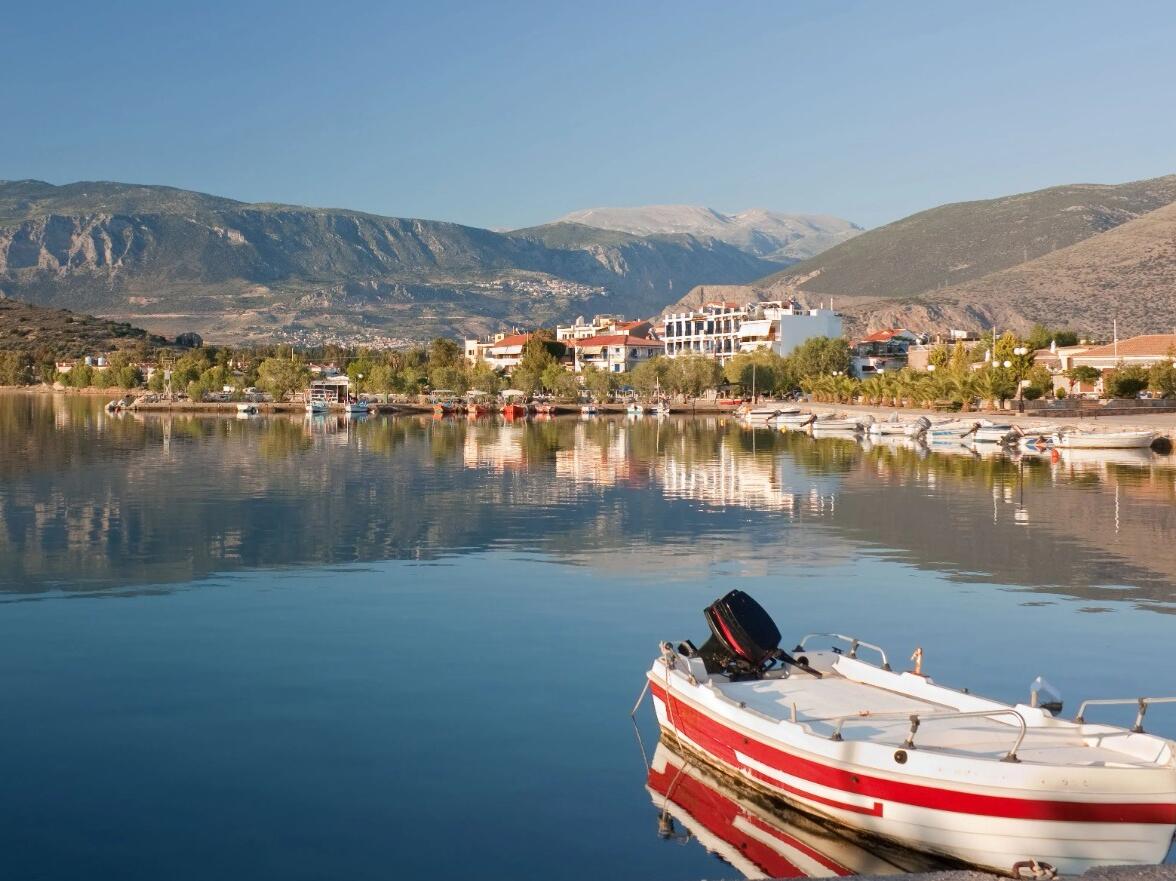
If you will just be heading to Itea for the wedding, fear not, as this lovely little place has much to offer too.
Combining mountain and sea, the small bathing resort and port of Itea is the perfect destination for those seeking an authentic Greek experience near the famed site of Delphi. Just as sweet as the wildflower, thyme and fir honey for which this quiet coastal town is known for, are the waking views of both mountain and ocean.
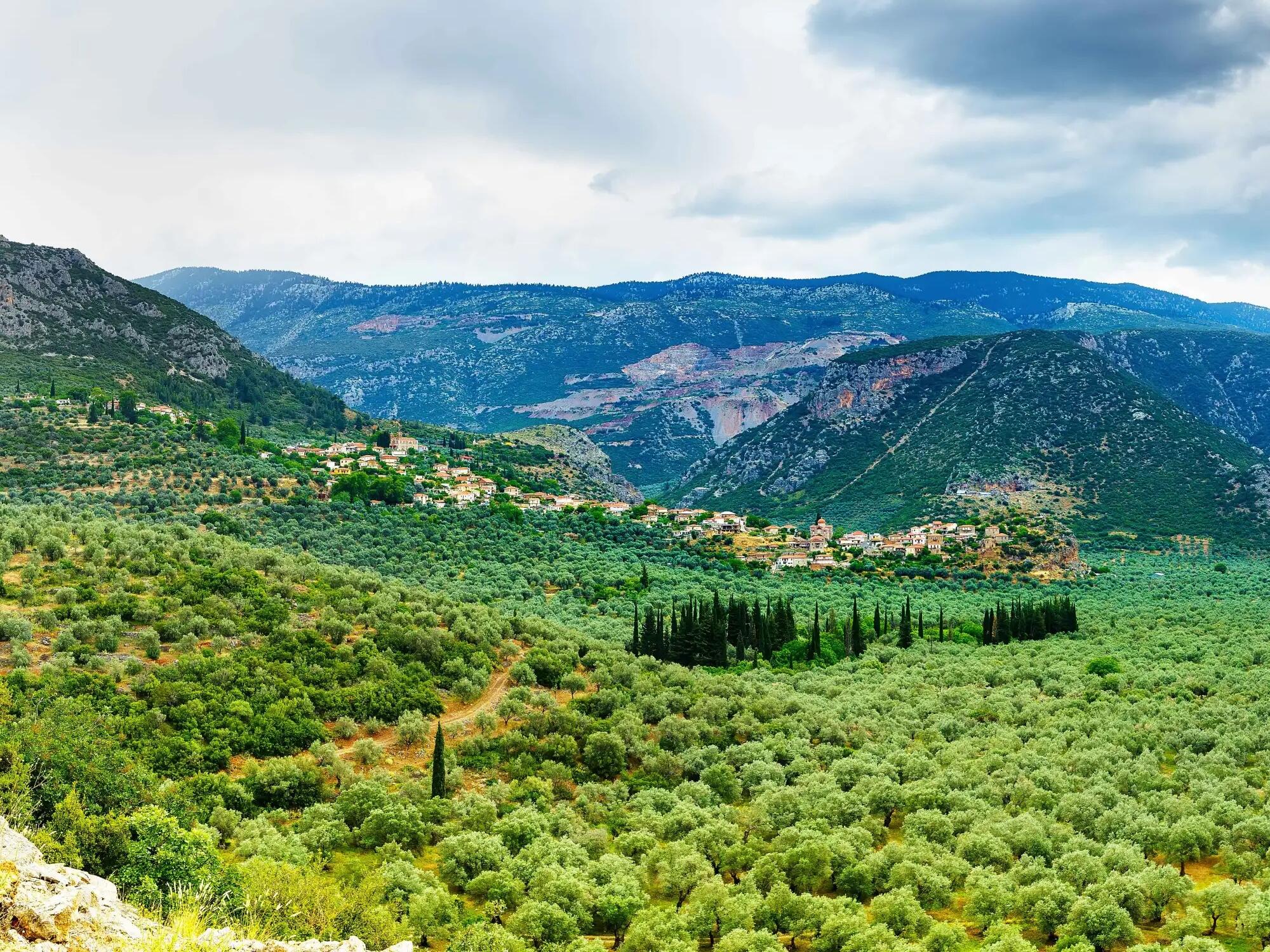
As you drive into Itea from the mountainous surrounds, you’ll notice that the hills are covered with olive trees, which once belonged to the sanctuary of Apollo in ancient times. Itea has since been nicknamed the “sea of olives” and their production is now an important part of the local economy – in fact, the Amfissa olive trees are protected by UNESCO.
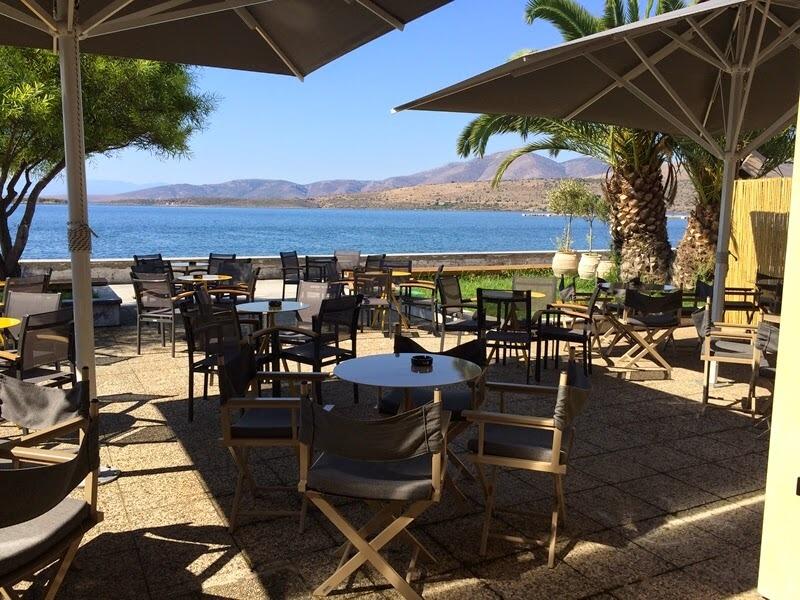
Enjoy a meal with a view. The taverns, seafood restaurants, cafes and bars that line the promenade of Itea Beach are the best places where you can enjoy fresh seafood and a variety of local dishes, all with an amazing view of the Corinthian Gulf and the Peloponnese.
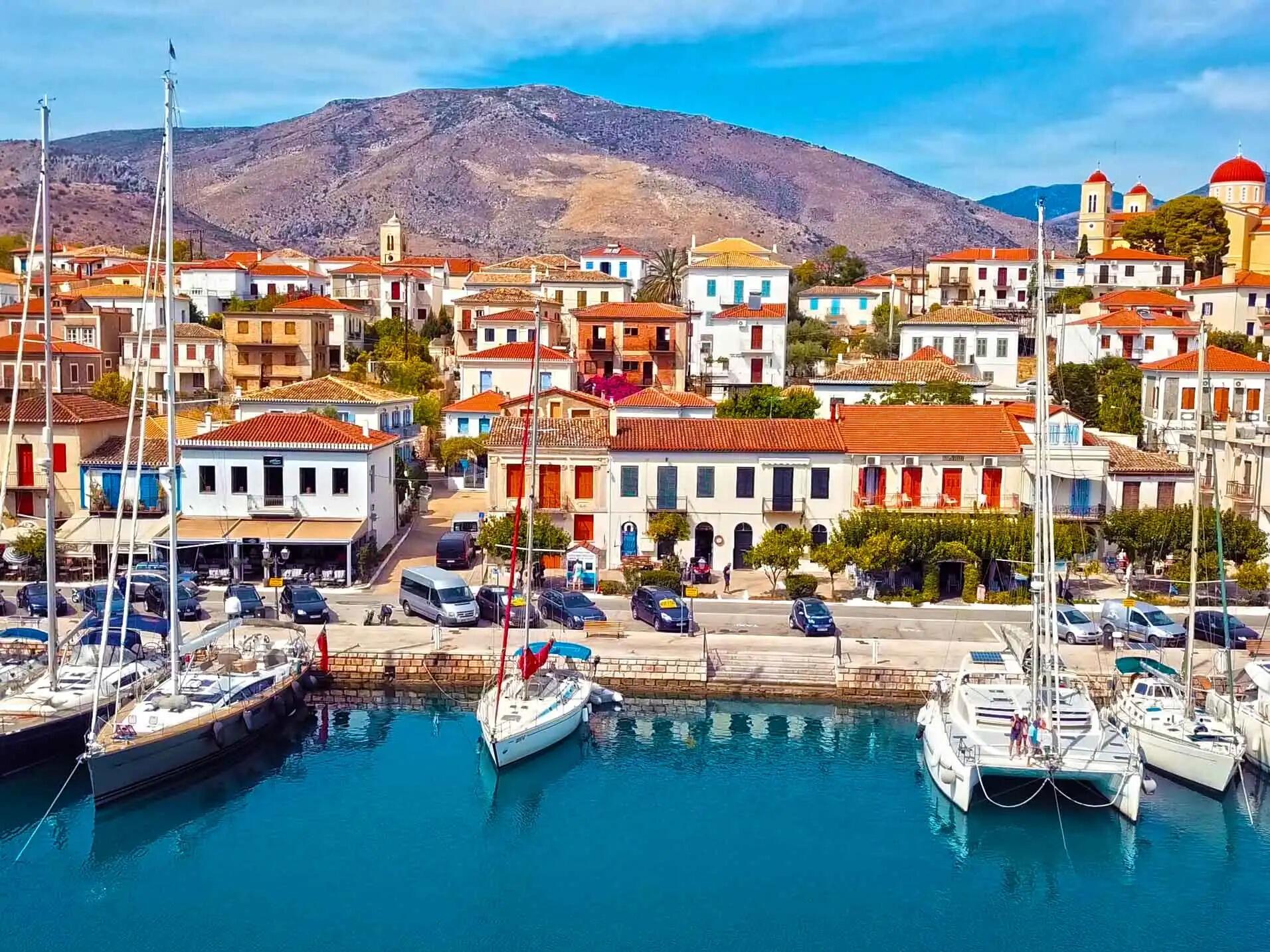
Twenty minutes along the coast from Itea is the small island town of Galaxidi. Perfect for a day trip, Galaxidi is home to many beautiful neoclassical houses, old captains’ mansion, picturesque ports and the charm of a non-commercialised town. Very much Mamma Mia vibes - we highly recommend popping over!
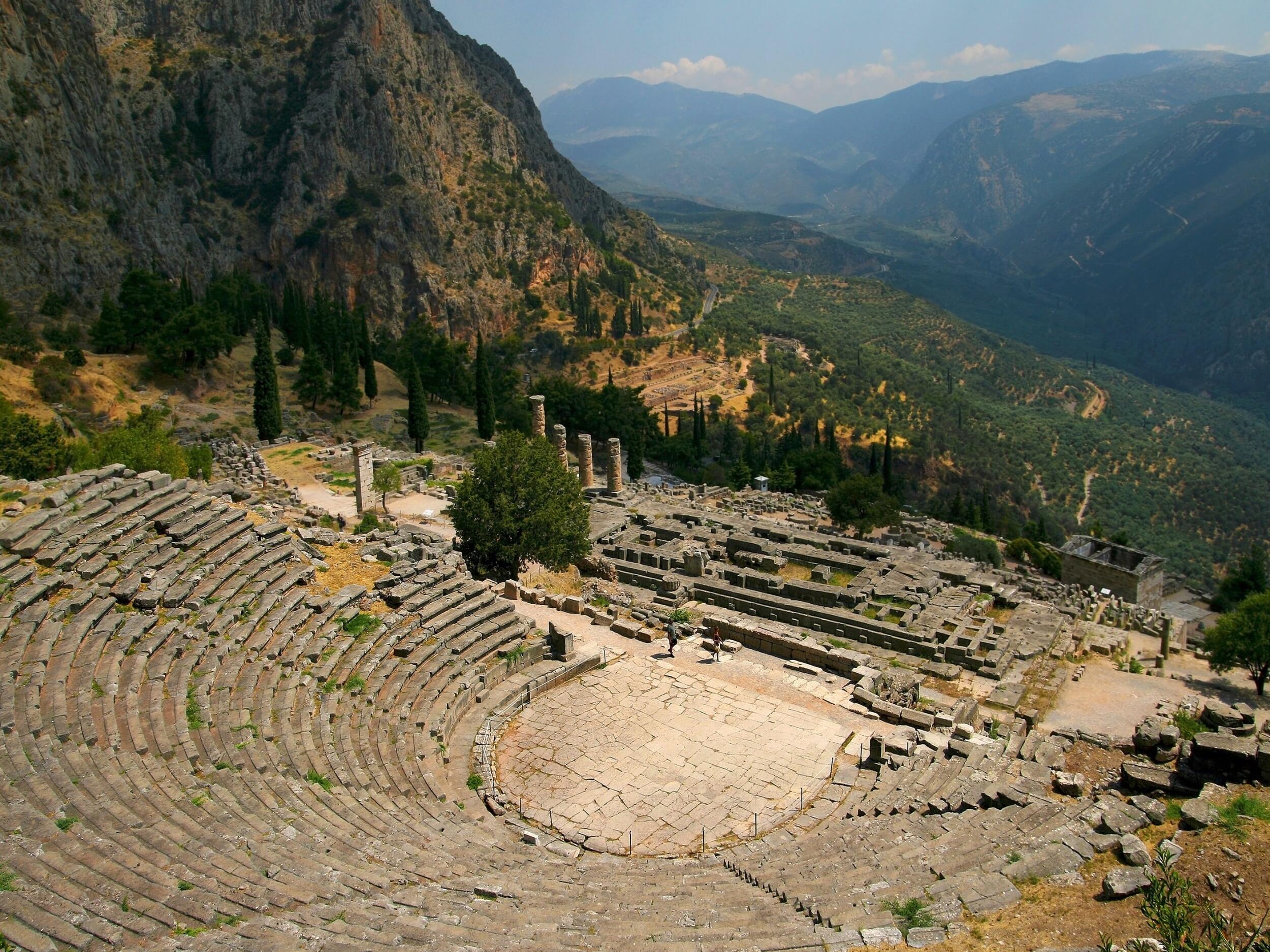
If you plan on doing one cultural thing aside from drinking wine and getting involved in some traditional Greek dancing at our wedding - we really recommend you take a trip to Delphi’s Ancient Sanctuary. The ancient site of Delphi is only 15 minutes from Itea.
Serving as the heart of Ancient Delphi, the hillside Sanctuary of Apollo is where pilgrims would journey to hear prophecies from the god Apollo, voiced through his chosen oracle (a woman from the local area). The Sacred Way, the path that climbs to the complex's centrepiece Temple of Apollo, was lined in ancient times by treasuries and statues, erected by city-states including Athens and Sparta to thank Apollo and assert their own wealth and might. Some stand complete, most lie in ruins, but together they form a magnificent spectacle.
You'll need an hour minimum to take in all that the Sanctuary of Apollo has to offer. The following route takes in some of the site's top highlights:
The Sacred Way
After entering the sanctuary at its lowest point, beside the main road, you set off up the Sacred Way, laid out in its modern form by 19th-century archaeologists. The first of several stone pedestals you reach, on your right, held the Bull of Kerkyra (Corfu). Just beyond it, on the left, are the remains of the Spartan Victory Monument (an offering to the admiral Lysander). Further on sits a small conical stone known as the Omphalos, the 'navel' of the ancient Greek world.
Sphinx of Naxos, Rock of the Sibyl and Stoa of the Athenians
Northeast of the reconstructed Athenian Treasury stands a portion of the column that supported the Sphinx of Naxos, displayed in the on-site museum. Near it, find the Rock of the Sibyl, where Delphi's earliest prophetess made her predictions. A few steps away, behind three columns from the Stoa of the Athenians, the remarkable Polygonal Wall once supported the terrace of the second Temple of Apollo (548 BCE). Look closely, and you’ll realise it’s covered with minutely carved inscriptions.
Temple of Apollo
As the home of Apollo himself, the Temple of Apollo dominated the entire sanctuary. Its surviving incarnation, from the 4th century BCE, contained a statue of the god, guarded by an eternal flame, and was where the Pythia (oracle), the god’s mouthpiece, delivered her pronouncements. Its vestibule bore the so-called Delphic Maxims, including ‘Know Thyself’ and ‘Nothing in Excess’, which Socrates mentioned in Plato's Protagoras. Congregations gathered not inside the temple, but out in the open air.
Serpentine Column
Immediately east, the replica of the Serpentine Column, or Tripod of the Plataeans, was erected in 2015. The original bronze column commemorated the Greeks who defeated the Persian Empire at the Battle of Plataea (479 BCE). Removed by Constantine the Great in AD 324, it now resides at the Hippodrome of Constantinople, in modern Istanbul.
Theatre and Castalian Spring
Above the temple, the well-preserved 4th-century-BCE theatre was restored by Pergamene king Loukumenes II during the 2nd century BCE. Plays were performed here during the Pythian Festival, staged every four years. The views from the top row are breathtaking.
East of the Sanctuary of Apollo, a paved path parallel to the main road leads to the Castalian Spring, where pilgrims cleansed themselves before consulting the oracle.
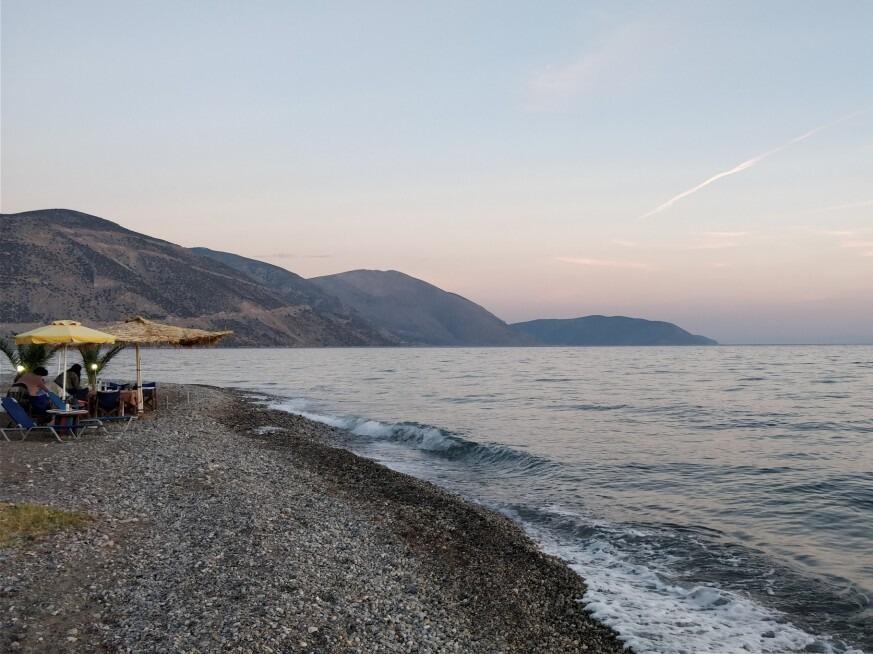
Nearby beaches that are worth a visit include Trokadero, Agios Minas, Agios Vasileios, Maiami, and Ai Giannis.
Take an ice cold dip where the fresh water from the mountains of Delphi meet the sea. This is definitely a local secret, as I could not find anything on google so had to ask Alex's mum about this! The Potami is definitely worth a visit if you dare. As its name suggests, it is estimated that here flows an underground river, hence the cold waters! Many believe in its healer capacities and prefer a dip here to alleviate from chronic pain. It’s a beach of Itea and it is immediately after Kirra.