Edlyn & Jia Wei
Edlyn & Jia Wei
Things to Do
Travel Information
To help you make the most out of your holiday,
please find our travel tips below!
****************************************************
Weather 🌤️
Our wedding will be hosted during spring,
so you can expect cool weather between 10 - 20 degrees.
Remember to bring a warmer jacket for the evenings.
~~~~~~~~~~~~~~~~~~~~~
Things to See and Do 🧳
Zhengzhou
Henan Museum 河南博物院
This museum houses over 130,000 pieces of relics, most of which were discovered through archaeological excavations in Shangqiu, Luoyang, Anyang, Kaifeng, Xichuan, Sanmenxia, Huixian, Xinzhen.
◊
Kaifeng
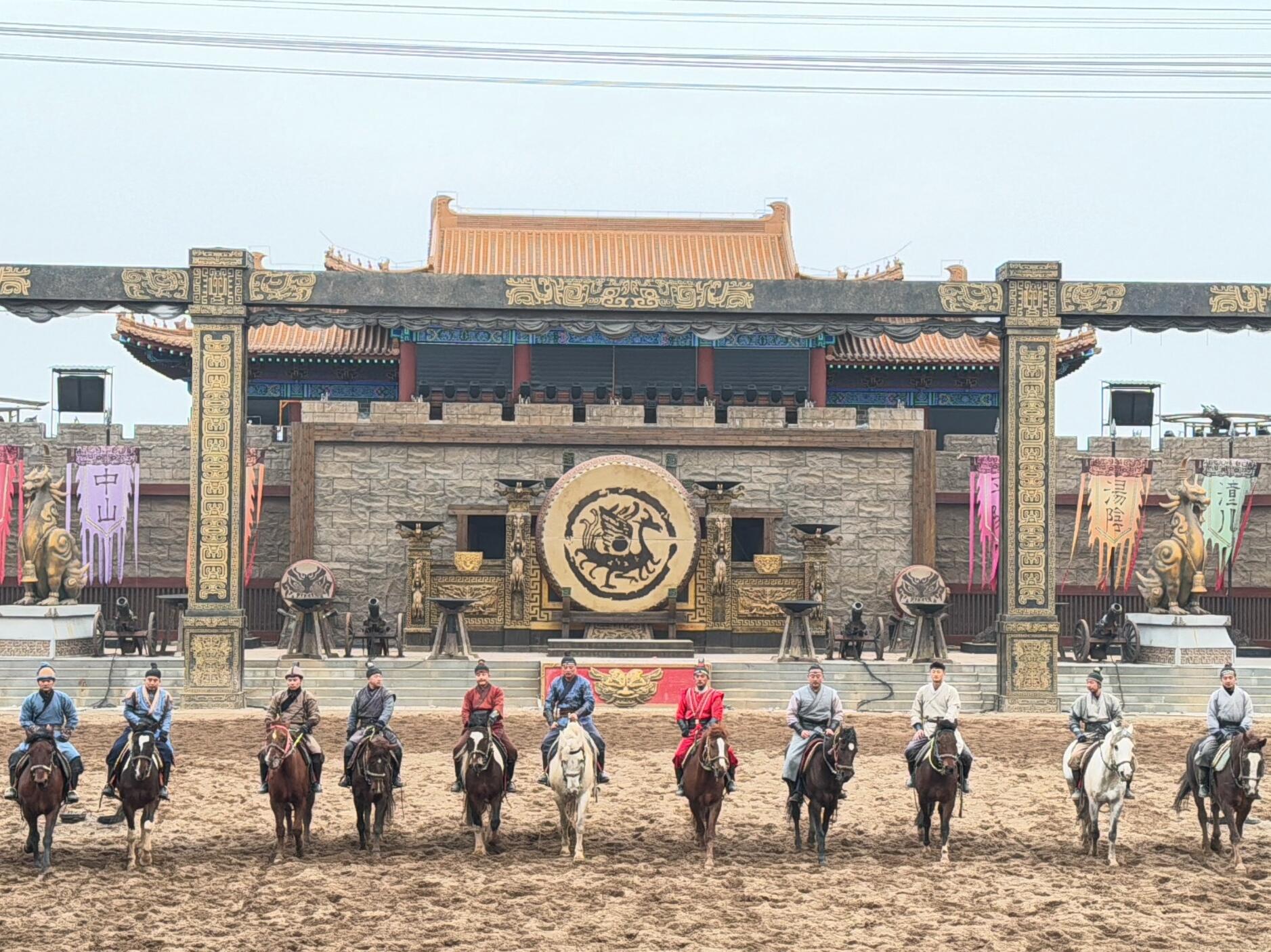
Qingming Riverside Landscape Garden 清明上河园
This theme park is built in the style of the ancient Song Dynasty. It was constructed based on the famous painter Zhang Zeduan's masterpiece "Qingming Shanghe Tu (清明上河图)", which was painted in Kaifeng. This is a huge cultural theme park which showcases traditional skits, local folk activities, and acrobatics. You can spend a whole day here just watching the performances and experiencing life in that historical period.
◊
Luoyang
Longmen Grottoes 龙门石窟
This place has a history of over 1400 years and was added to the UNESCO World Heritage List in 2000.
It is one of the 4 main grottoes well known across China. The grottoes are built next to the Yi River and have an amazing scenic view. There are more than 2000 grottoes containing Buddha statues, carvings that showcases the importance of Buddhism in the area over the history. These grottoes were built from the Northern Wei Dynasty in 493 AD, and you can see the evolution of the statues and carvings all the way through the Song and Tang Dynasty. 60% of the carvings are from the Tang Dynasty as the only female empress (Wu Zetian 武则天) was a big believer of Buddhism and heavily promoted it during her reign.
The most impressive and largest figure is the statue of Buddha in the outdoors, sitting cross-legged on the eight-square lotus throne. It is 17.14 metres tall.

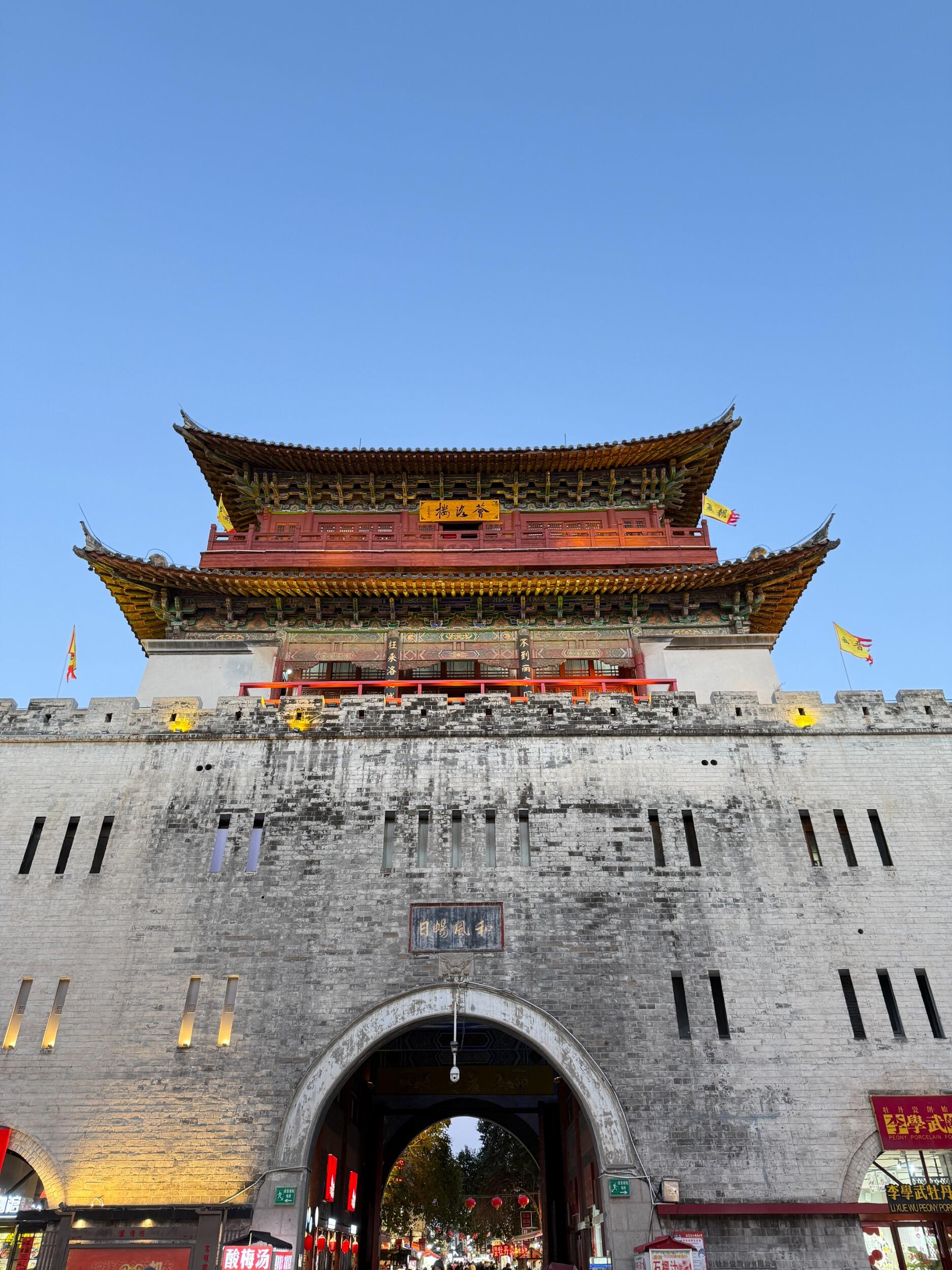
Lijing Gate 丽景门
Originally built in the Sui Dynasty (581–618 AD), it used to be the office space for imperial court officials and a place of worship. Due to various wars and other reasons throughout history, it declined in its appearance. But it has been restored to its old grandeur in the recent years.
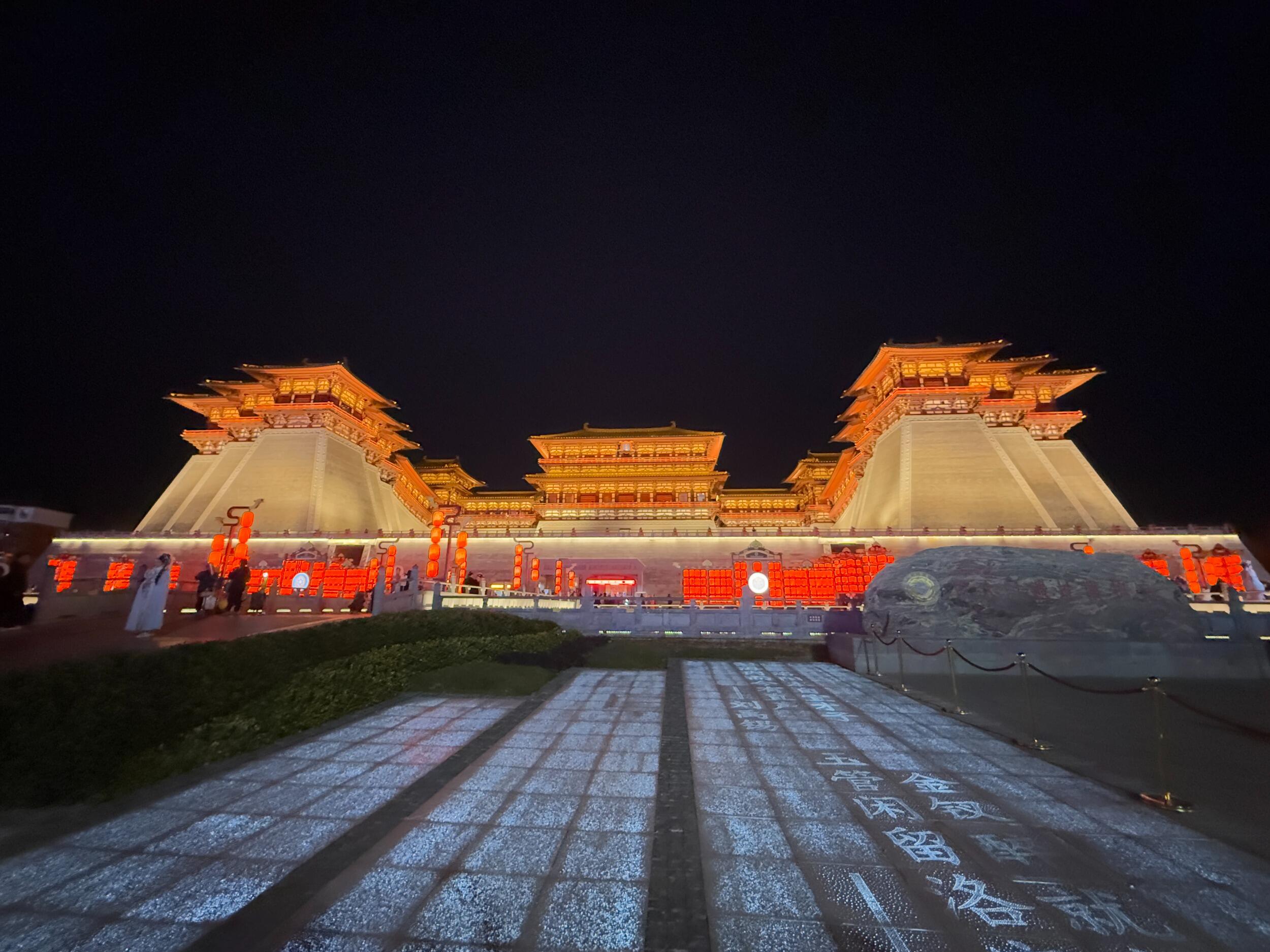
Yingtian Gate 应天门
Built in the Sui dynasty, and was initially named the Zetian Gate (则天门). The gate was destroyed during the Northern Song Dynasty and was reconstructed at its original site in 2016.
◊
Dengfeng
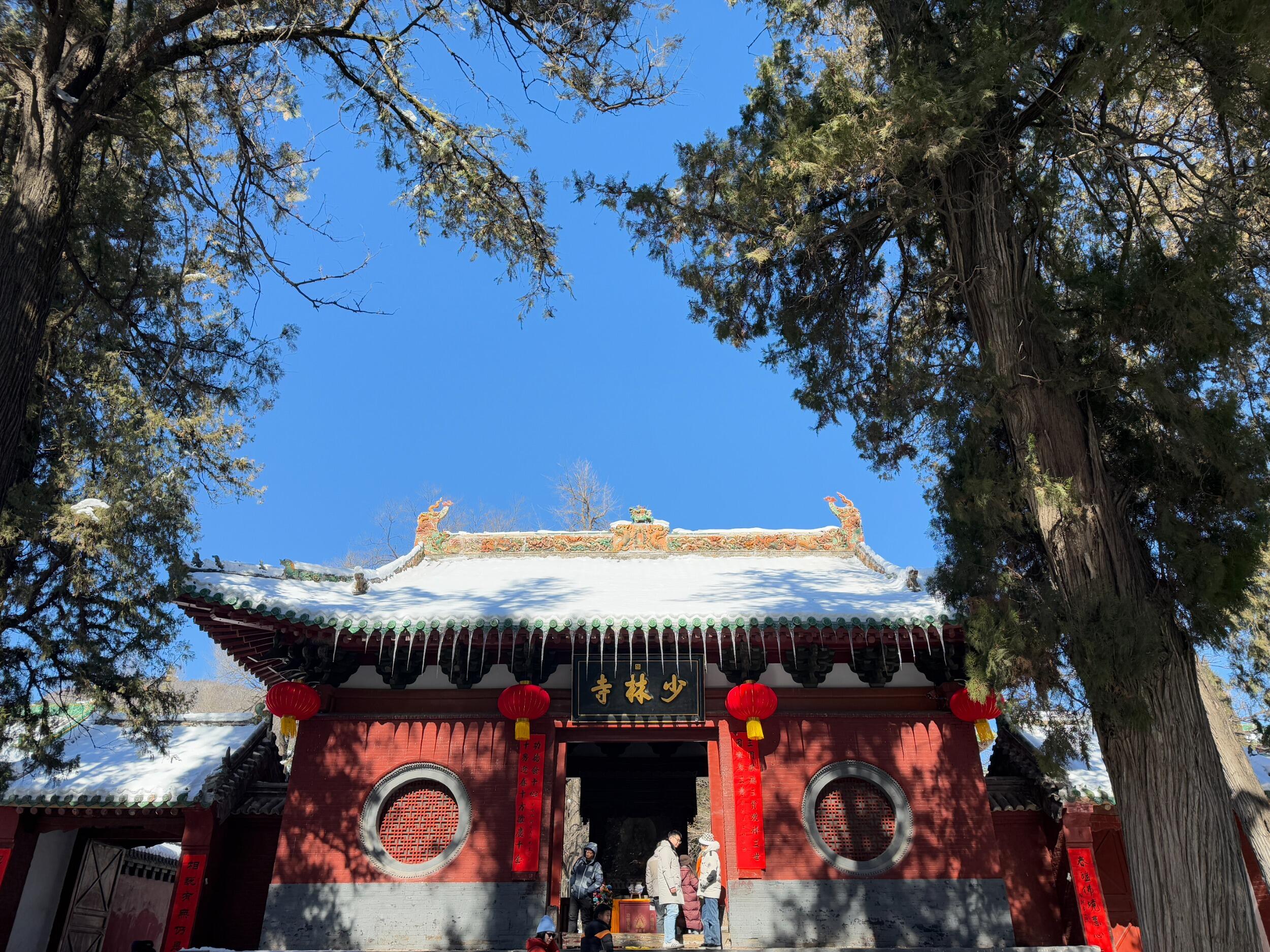
Shaolin Temple 少林寺
Shaolin Temple, the birthplace of Shaolin Kungfu, is located at the west foot of Mt. Songshan and was included in the UNESCO World Cultural and Heritage list in 2010. This temple dates back to the Northern Wei Dynasty (495 AD) and played an important role in the development of Buddhism over the years. It is the most famous for its martial arts.
◊
Xi'an
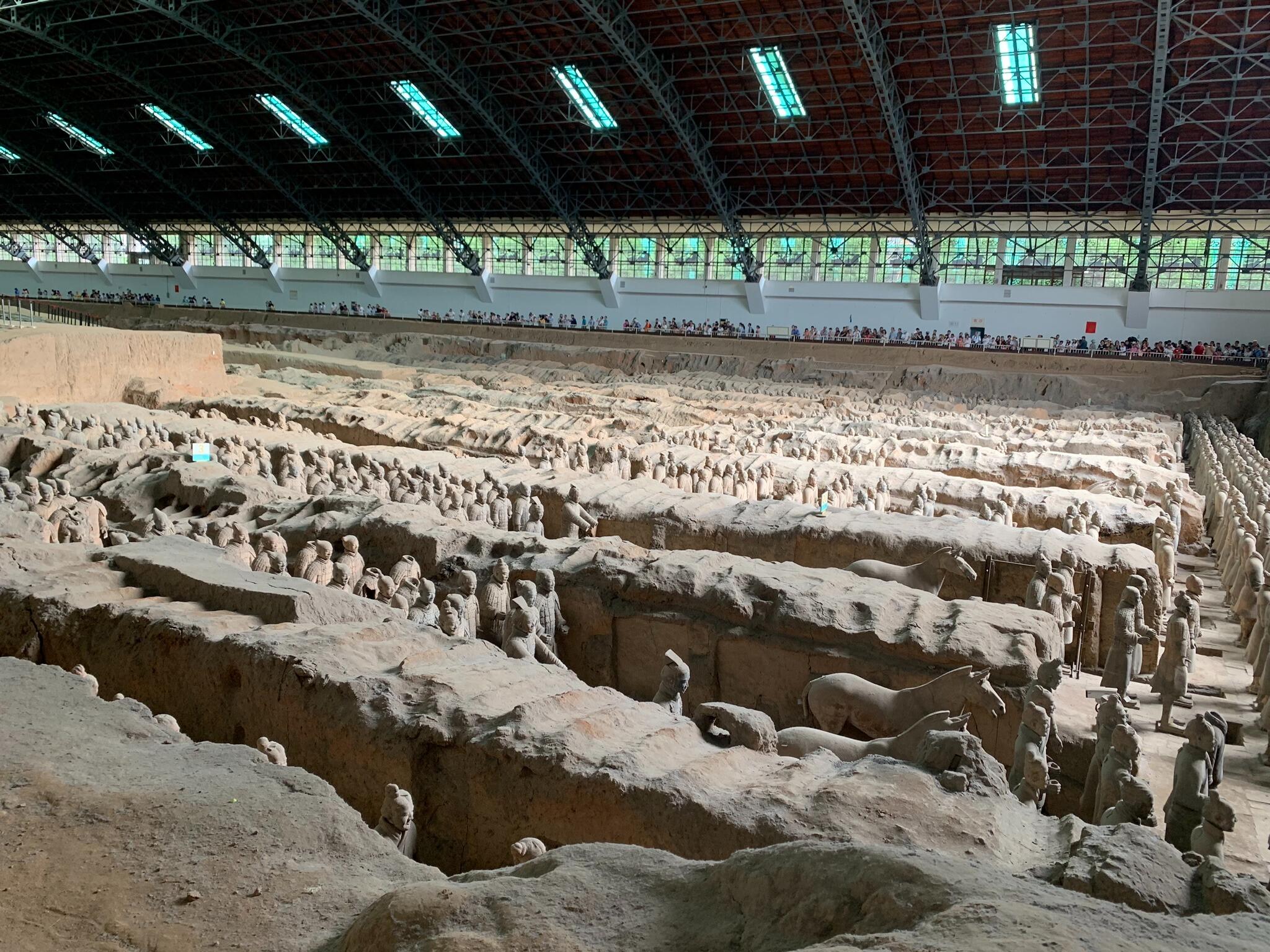
Terracotta Army 兵马俑
This was the one of the world’s biggest archaeological findings, discovered in 1974 and has been inscribed on the UNESCO World Heritage List. Constructed by Emperor Qin Shi Huang (259 BC - 210 BC) to safeguard his after life, it consists of a whole entire legion composed of life-sized terracotta warriors and horses. There are only 4 pits open to the public today, with many areas remain unexcavated.