

Elaine & Matthias
Elaine & Matthias
Things to Do
Lisbon Centre
The Bairro Alto/Chiado areas lie within the heart of the bustling tourist centre of Lisbon. Literally “upper neighborhood,” Bairro Alto sits at the top of a hill, and is the most “recent” of Lisbon's old quarters and home to some of the best bars, restaurants and shops in the city. Chiado is Lisbon's shopping and theatre hub, where everyone meets for coffee, shopping, or before a night out in neighbouring Bairro Alto.
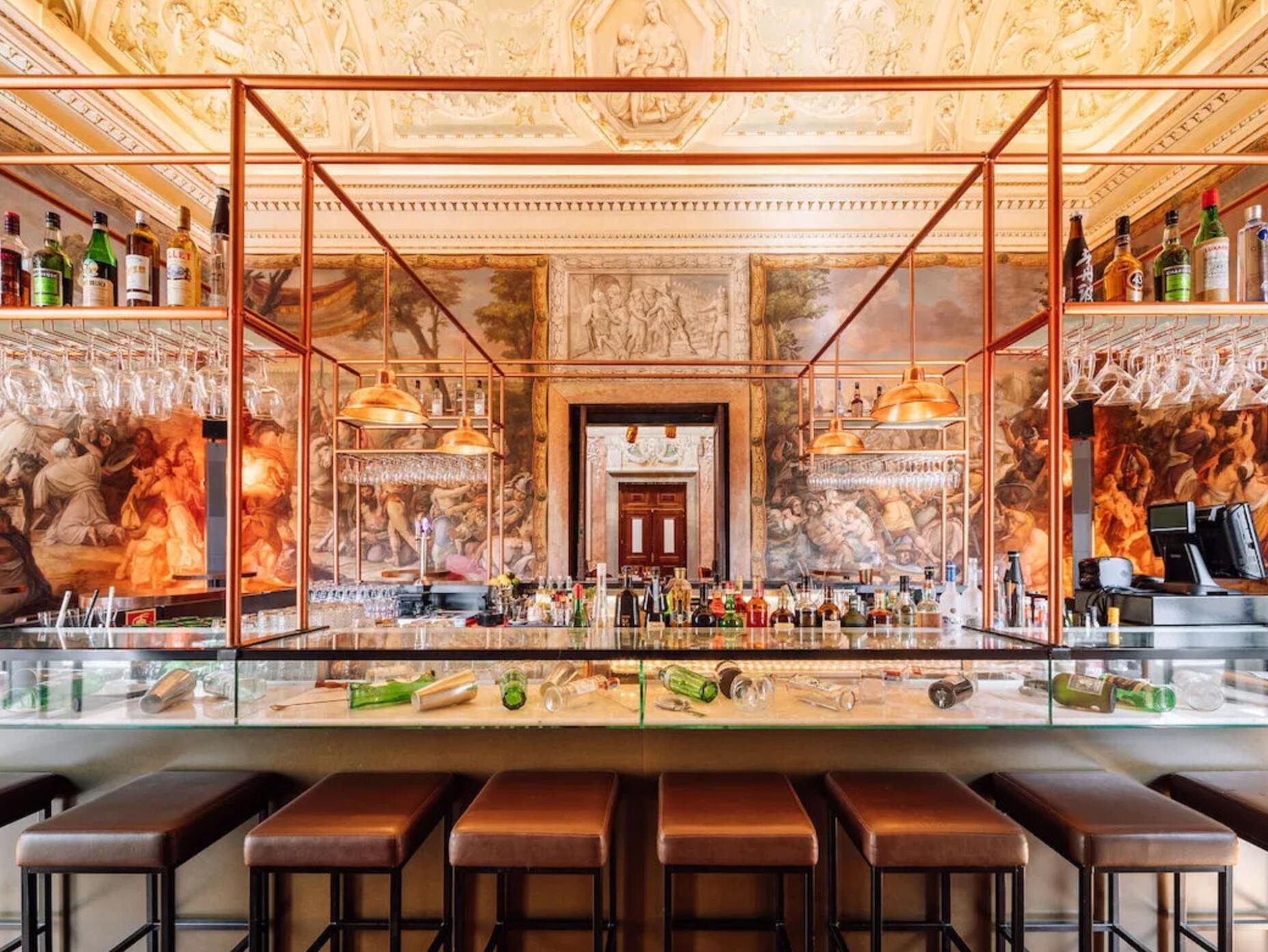
If you are looking for good bars to go to check out Jazz at Hot Club for live music, Red Frog (one of the top 50 bars in the world), Palácio Chiado for happy hour in a gorgeous 18th-century palace, Pharmacia Felicidade for a cute outdoor setting, Cinco for great cocktails, Lost In for a drink with a view, or By The Wine for an amazing selection of delicious Portuguese wines (including green wine!).
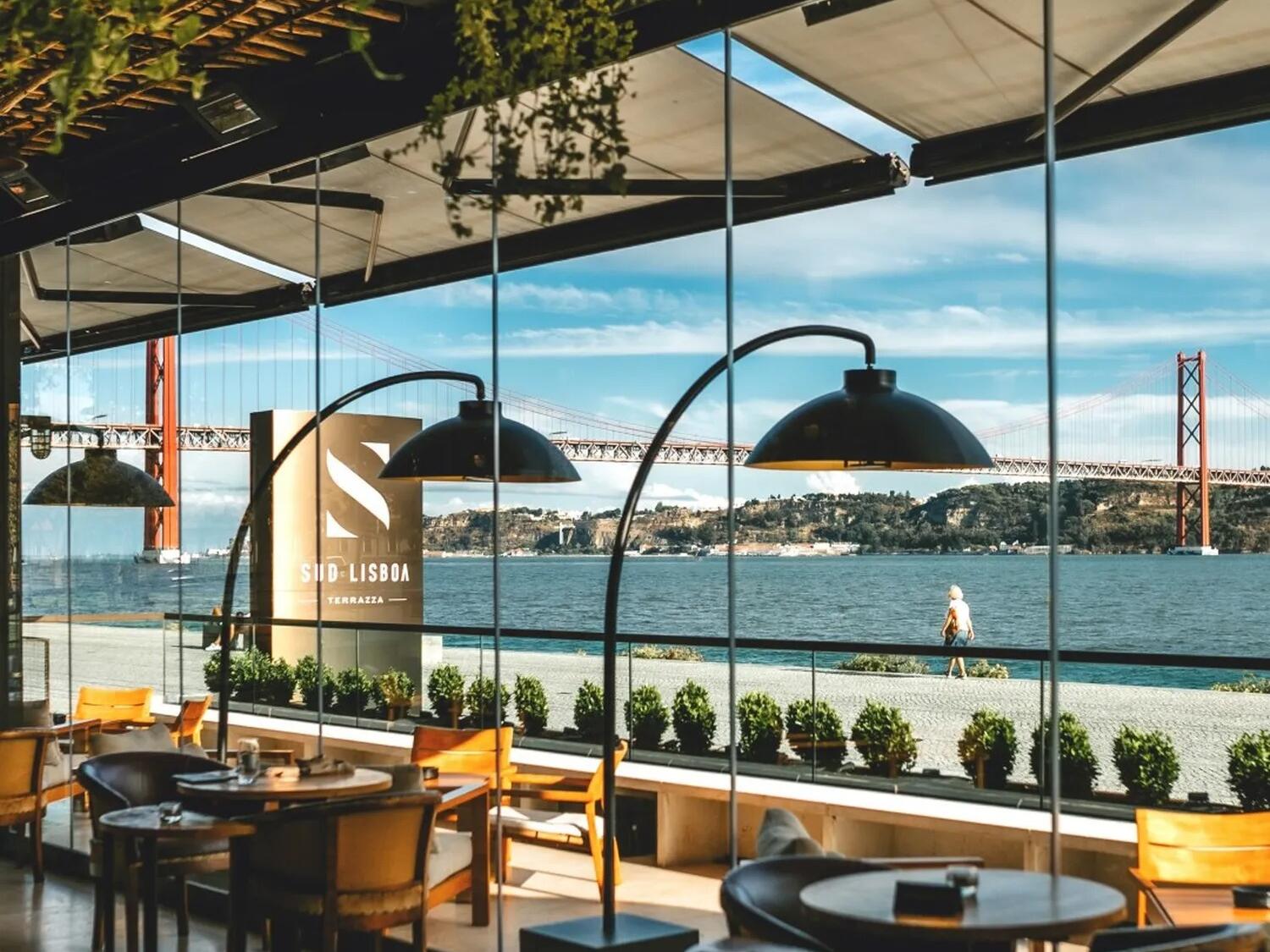
If you need any restaurant recommendations, here are some of our favourites; By The Wine is a hidden gem with an amazing selection of Portuguese wine and delicious food, Time Out Market -is a food-lovers food hall with 26 different restaurants, 8 bars and various shops, check out V Rooftop for a sky-high urban oasis, if you're in the mood for Italian head to Pizzeria Mezzogiorno, visit SUD if you want something fancy with views of the river, and for brunch/lunch spots try Dear Breakfast, Seventh Brunch or Breakfast Lovers.
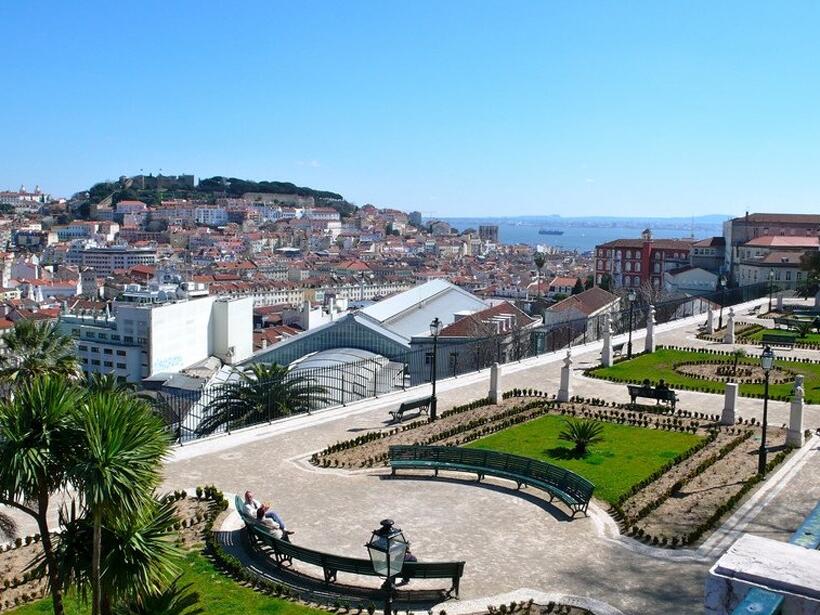
São Pedro de Alcântara Viewpoint is one of Lisbon’s must-see viewpoints and one of the most romantic. The upper level is paved with Portugal’s traditional cobblestone designs, and has a fountain at the center. The lower level is a geometric garden and features a fountain hidden on the wall, which received the waters of a reservoir of the city’s monumental aqueduct.
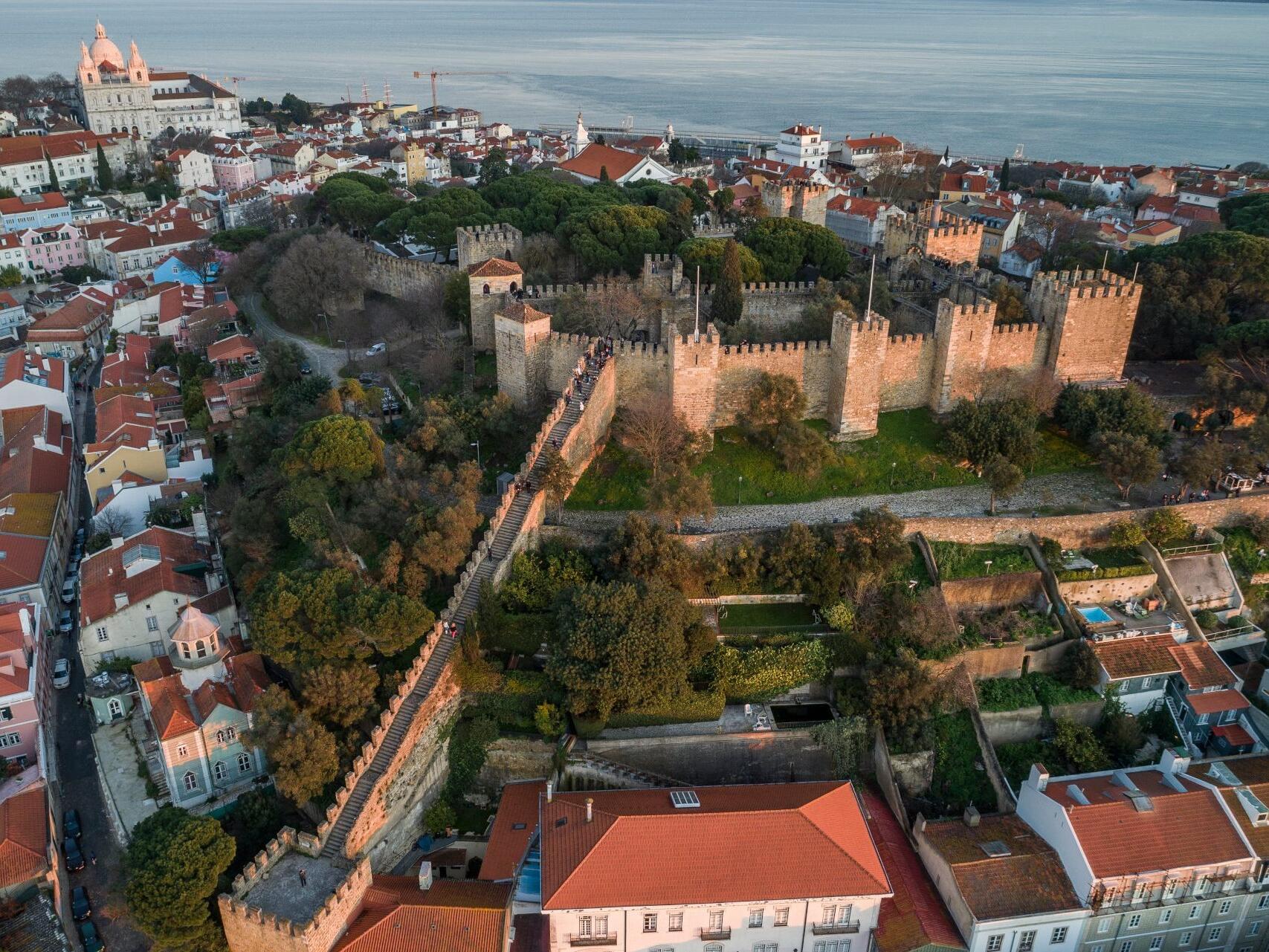
São Jorge Castle is located on the peak of Lisbon's highest hill with incredible views of the entire city. The castle was established by the Romans in 200 BC and is definitely worth a visit. Tickets cost €15. Tip: get a taxi up and walk down :)
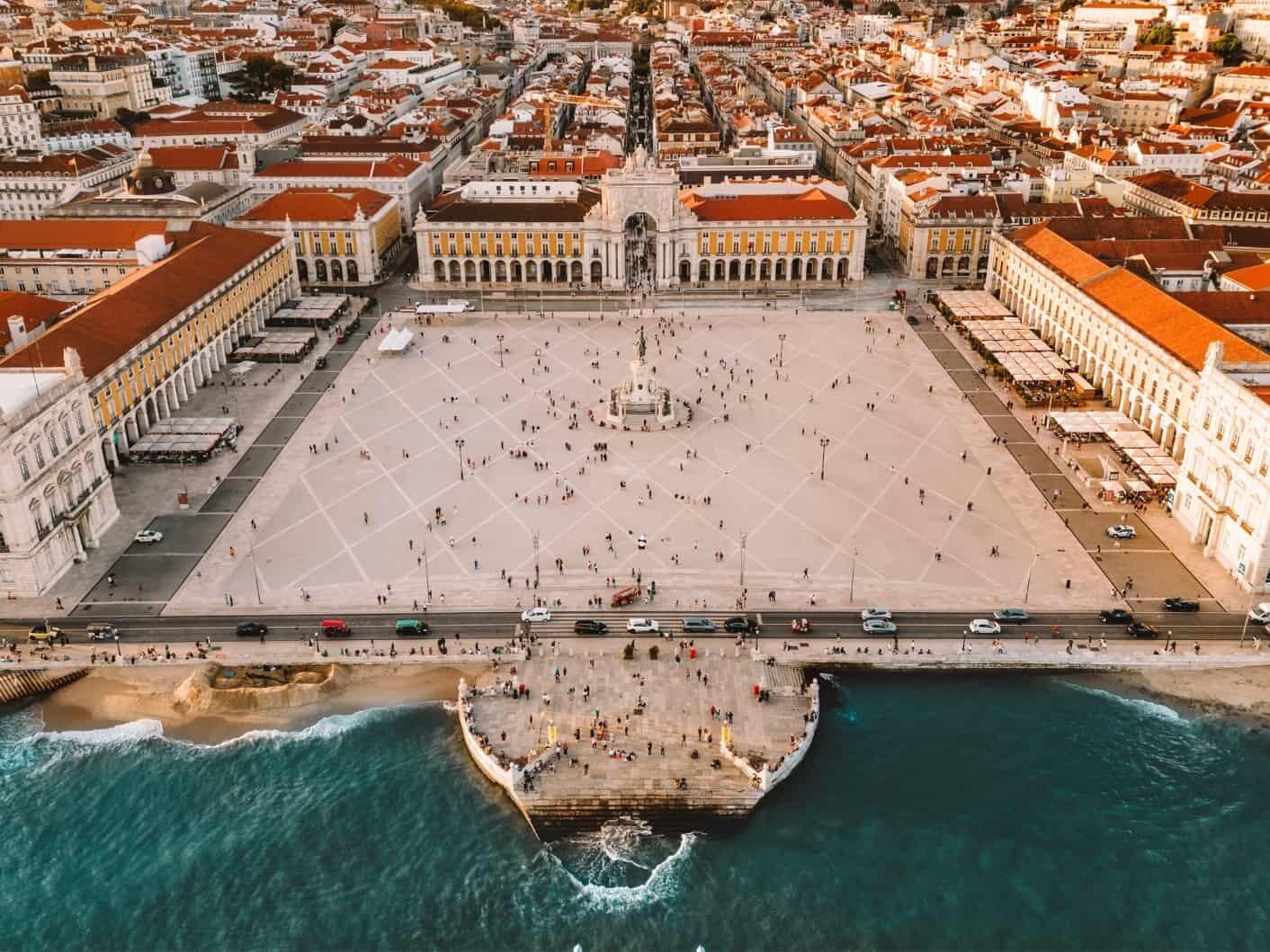
The Praça do Comércio is a large, harbour-facing plaza and is one of the largest in Portugal, with an area of 175 by 175 metres. It is one of Lisbon’s most emblematic squares, better known by locals as Terreiro do Paço, since it was once where the paço, or palace, used to stand before the earthquake in 1755, it is one of the largest squares in Europe.
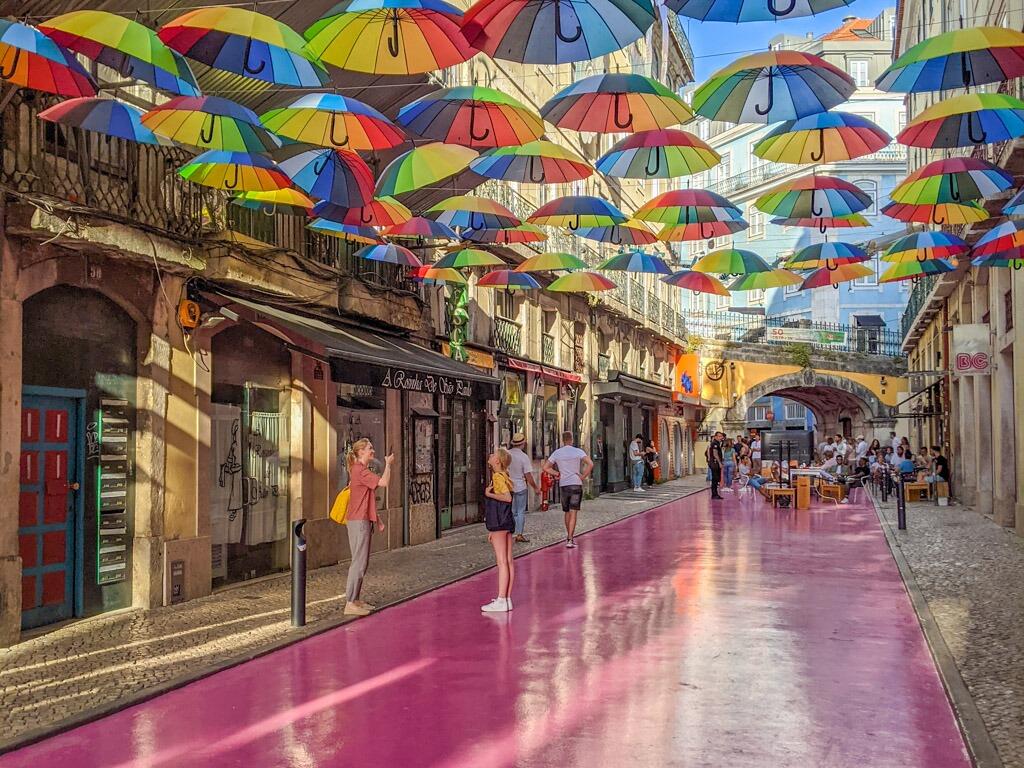
Officially called Rua Nova do Carvalho, this small pedestrian street is better known as “Pink Street” since 2013, when an urban renewal project painted the pavement between the terraces, bars and clubs in pink. It has become Lisbon’s hottest destination at night, and is also often used as an open-air art gallery.
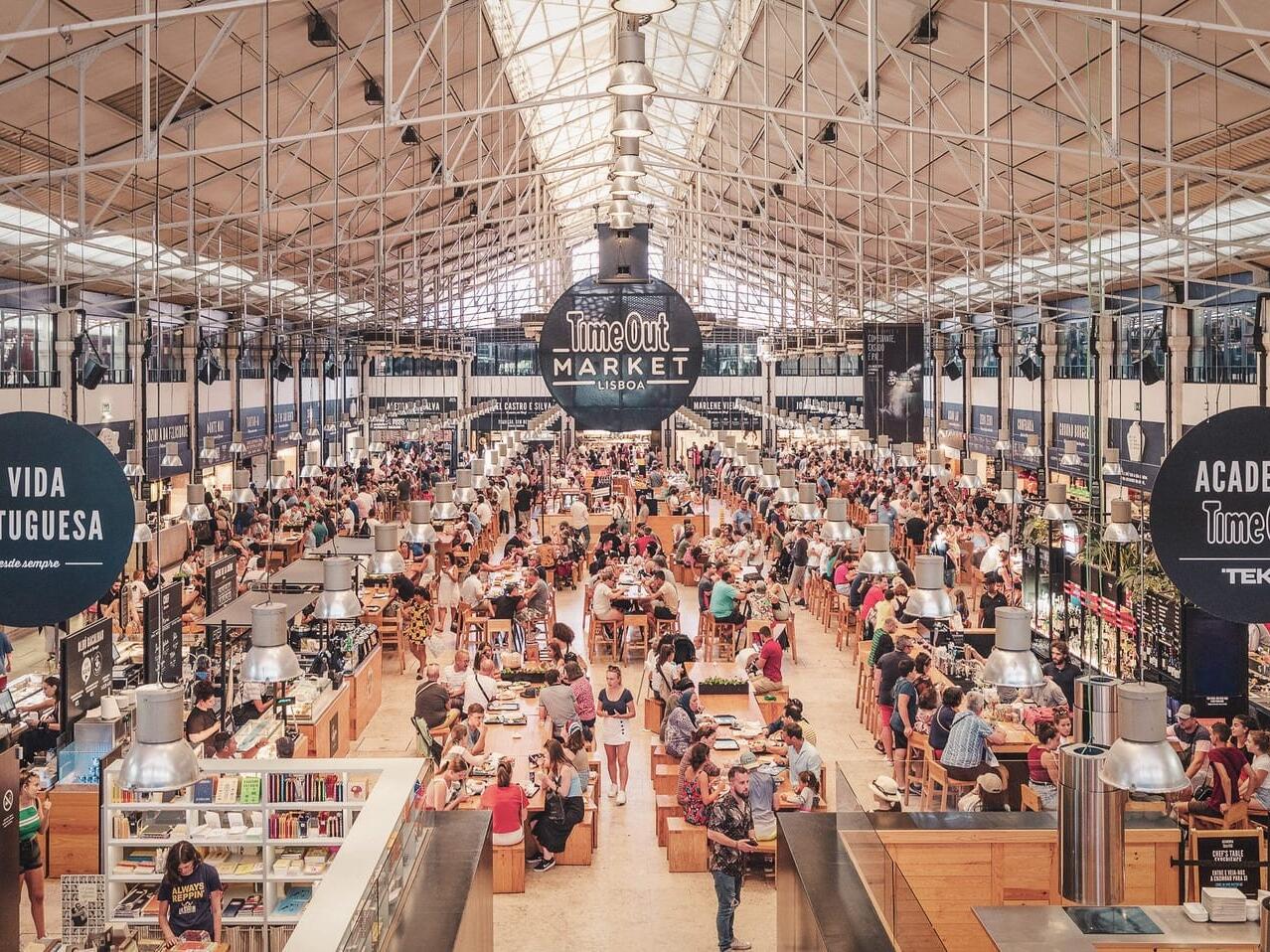
It’s the first market in the world bringing together a multitude of 5 star restaurants of diverse world cuisines, exquisite bars, and staple produce vendors, each chosen by an independent panel of culinary experts. Also known as the Mercado da Ribeira, the TimeOut Market is an idea curated from scratch in 2014 by the editorial team of the TimeOut Magazine. Stall holders of this market rotate on a weekly to a maximum of 3-year basis. You can also purchase local products and gifts in the many shops that are located in the market.

Explore the city with a local guide on one of the many Tuk-Tuk tours you will find around the city. A great way to see a lot in one or two hours.
Belém
Belém is the "capital of the Portuguese Discoveries" and a photographer's paradise. You can spend an entire day exploring this neighborhood: monuments (Jerónimos Monastery, Belém Tower, Monument to the Discoveries), museums (Coach Museum, Centro Cultural de Belém) and breathtaking views of the Tagus river will make your visit worth your time. Belém also offers a variety of restaurants and cafes. Easily accessible from Lisbon's historic centre, Belém is a must-do, especially if you're spending more than one day visiting the Portuguese capital.
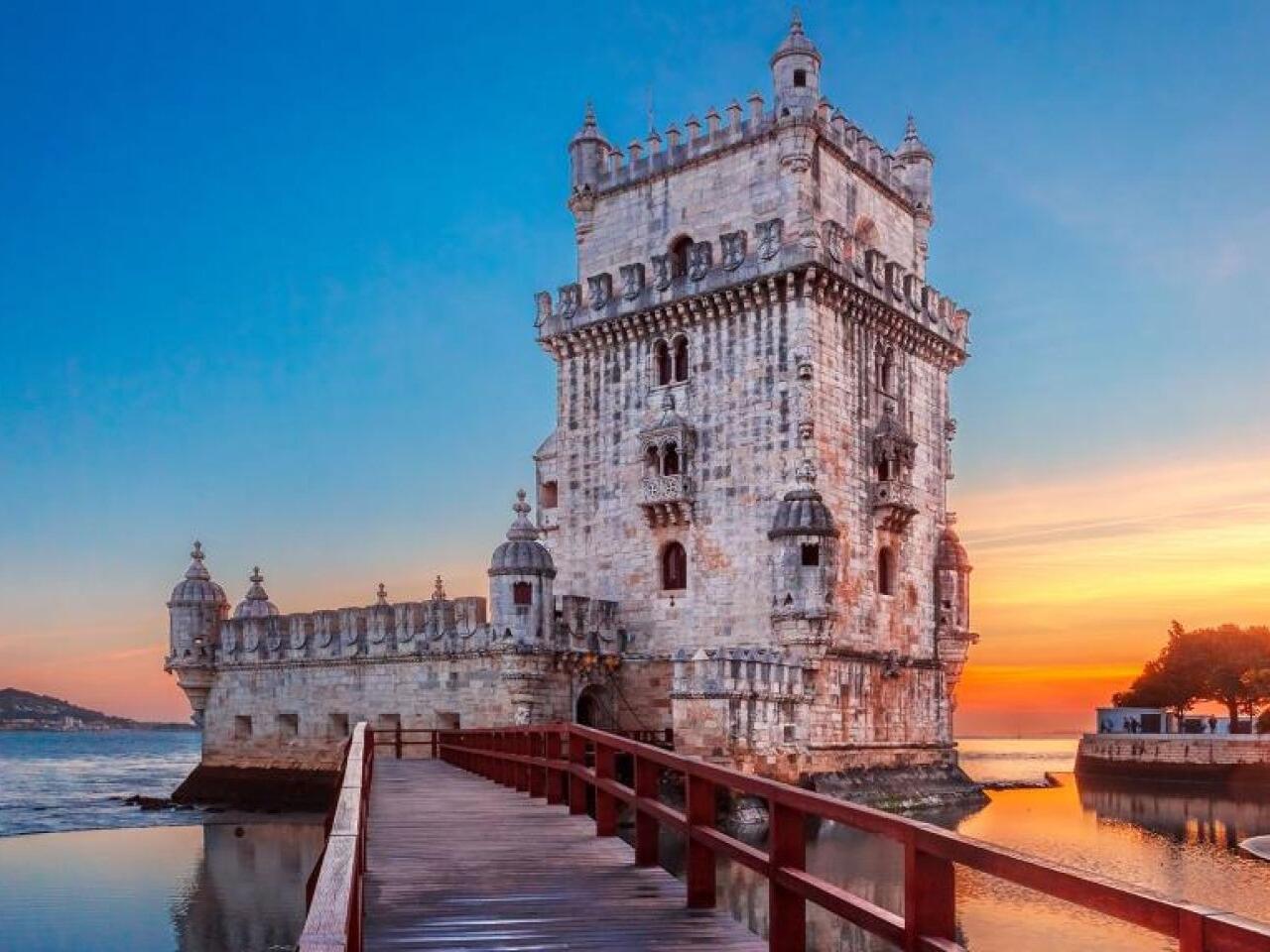
Belém Tower is a 16th-century fortification located on the banks of the Tagus river that served as a point of embarkation and disembarkation for Portuguese explorers and as a ceremonial gateway to Lisbon. The district is filled with parks, tree-lined plazas and scenic riverside walks, and has a much calmer atmosphere than central Lisbon
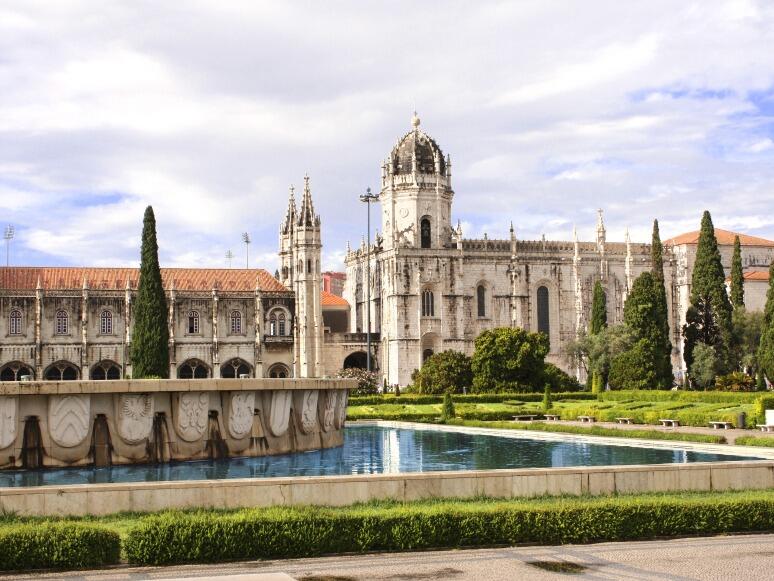
The Jerónimos Monastery is, along with the Belem tower, the most important tourist attraction in Lisbon, inside which lies the tomb of Vasco de Gama.
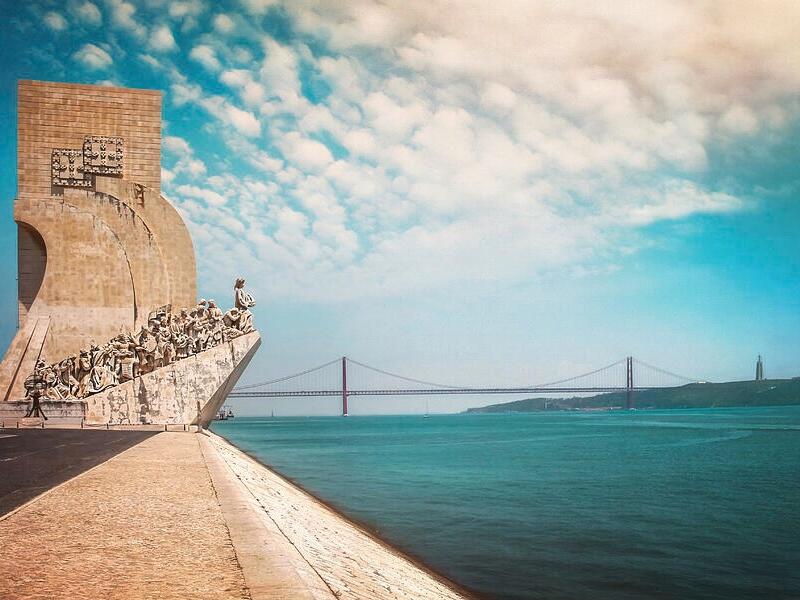
The Padrão dos Descobrimentos (Monument to the Discoveries) stands 52 metres tall, and was designed to commemorate the Age of Discoveries in Portugal.

Pastéis de Belém is a famous bakery serving the delicious Portuguese baked pastry, filled with custard. Make sure to go early or expect long queues.
Sintra
Sintra is a UNESCO World Heritage site, filled with castles, palaces, and beautiful views of the surrounding area. It is a short tram journey from Lisbon centre. If you’re planning a trip to Portugal, visiting Sintra is a must! You can get the train at Rossio Station in Lisbon. Trains depart for Sintra about every 20 minutes and the return ticket price is less than €5.
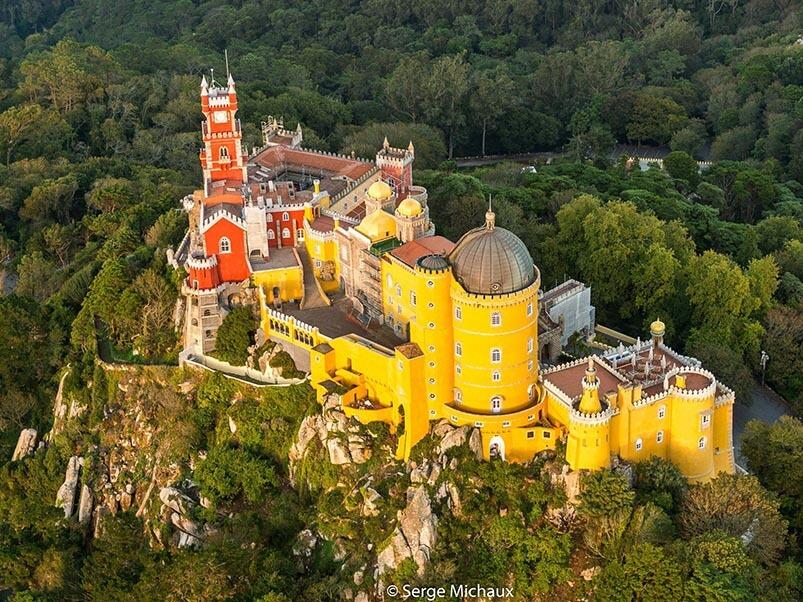
The National Palace of Pena stands out as the renowned jewel in the crown of the Sintra Hills. You can get tickets that give you access to both the Park and the National Palace of Pena starting from €10.