Emily & Dennis
Emily & Dennis
Things to Do
If you are wanting to extend your trip, we have compiled a list of things to do. Feel free to ask us for more advice!
In Germany
Bamberg, Germany

Explore the bride and groom's home!
Ranked among Germany's most picturesque destinations, Bamberg’s old town, with its 2,400 timber-framed houses, has been a UNESCO World Heritage Site since 1993. Here, medieval charm blends seamlessly with historic architecture and quaint, romantic alleyways, making Bamberg home to one of the best-preserved town centers in the country.
In 1007, Holy Roman Emperor Henry II established Bamberg as the seat of a bishopric, envisioning it as a 'second Rome.' The Bamberg Cathedral holds the tomb of Pope Clement II, the only pope interred north of the Alps. Fond of the city, he referred to it as his "sweetest bride" and wished for his remains to rest there.
During its peak prosperity from the 12th century onward, Bamberg’s architectural influence extended to northern Germany and Hungary. Bamberg's Baroque era, shaped by the prince-bishops of the 17th and 18th centuries, is evident in its architecture, including the New Residence, St. Martin's Church, and St. Michael's Monastery, showcasing the city's rich cultural heritage In the late 18th century, it became the epicenter of the Enlightenment in southern Germany, attracting notable philosophers and writers like Georg Wilhelm Friedrich Hegel and E.T.A. Hoffmann.
Renowned for having the highest concentration of breweries in the world, Bamberg embodies traditional beer culture, best experienced in its cozy brewery pubs, alongside modern shopping, all set against a historic backdrop.
Stuttgart, Germany
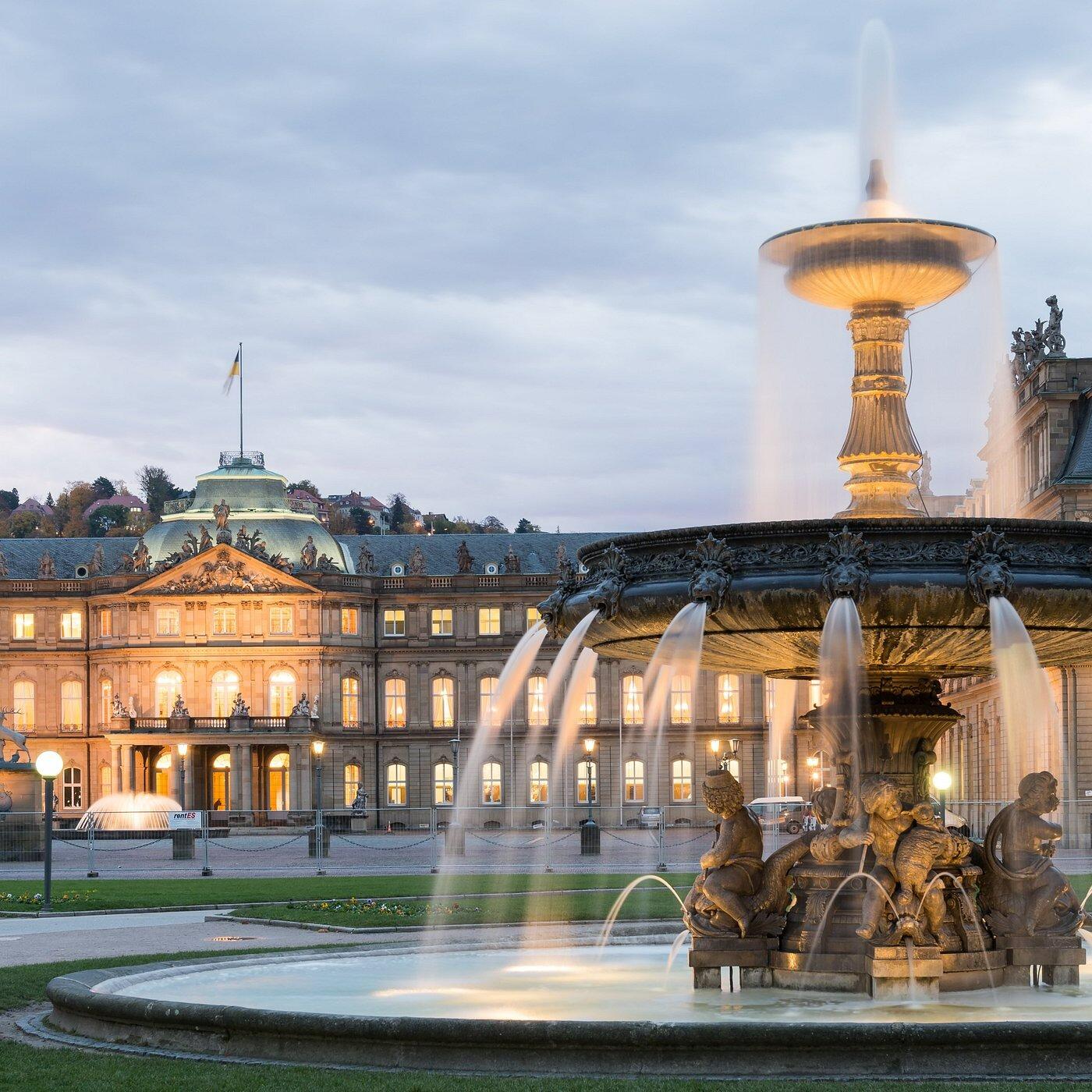
The capital and largest city of the German state of Baden-Württemberg, and also where the groom was born and where his family currently lives. Stuttgart is known for its rich cultural heritage, including the Staatsgalerie Stuttgart and the former residence of the dukes and kings of Württemberg Neues Schloss. If you love cars, the city is famously home to both Porsche and Mercedes-Benz: Das Porsche Museum and Mercedes-Benz Museum are worth the visit. Surrounded by vineyards and parks, Stuttgart is a beautiful location for outdoor activities. The Wilhelma Zoo and Botanical Garden is a popular attraction.
Heidelberg, Germany

The former Electoral Palatinate residence city is perhaps most known for the venerable Heidelberg University; founded in the 14th century, it is the oldest university in what is now Germany. The city attracts visitors and scholars from all over the world. The gothic Heiliggeistkirche church towers over the cafe-lined Marktplatz, a town square in the Altstadt (Old Town). The red-sandstone ruins of Heidelberg Castle dominate the view of the old town and are among the most important Renaissance structures north of the Alps.
Nürnberg, Germany

Steeped in art and culture, Nürnberg is often referred to as the "treasure chest of the German Empire." It is the birthplace of Germany’s most renowned artist, Albrecht Dürer, as well as the celebrated composer Johann Pachelbel. Like Bamberg, Nürnberg is famous for its well-preserved historical landmarks, including the impressive Imperial Castle and the charming walled Old Town. It is also home to Germany's most famous Christmas market, the Christkindlmarkt. The city is also home to the Germanishes Nationalmuseum; founded in 1852, it houses a large collection of items relating to German culture and art extending from prehistoric times through to the present day. The museum is Germany's largest museum of cultural history.
Nürnberg's history also carries a darker chapter. During the Nazi era, the city played a significant role due to its historical ties to the Holy Roman Empire and its central location in Germany. As a result, it became the venue for the notorious Nürnberg rallies, which served as major gatherings for the Nazi Party.
Coburg, Germany
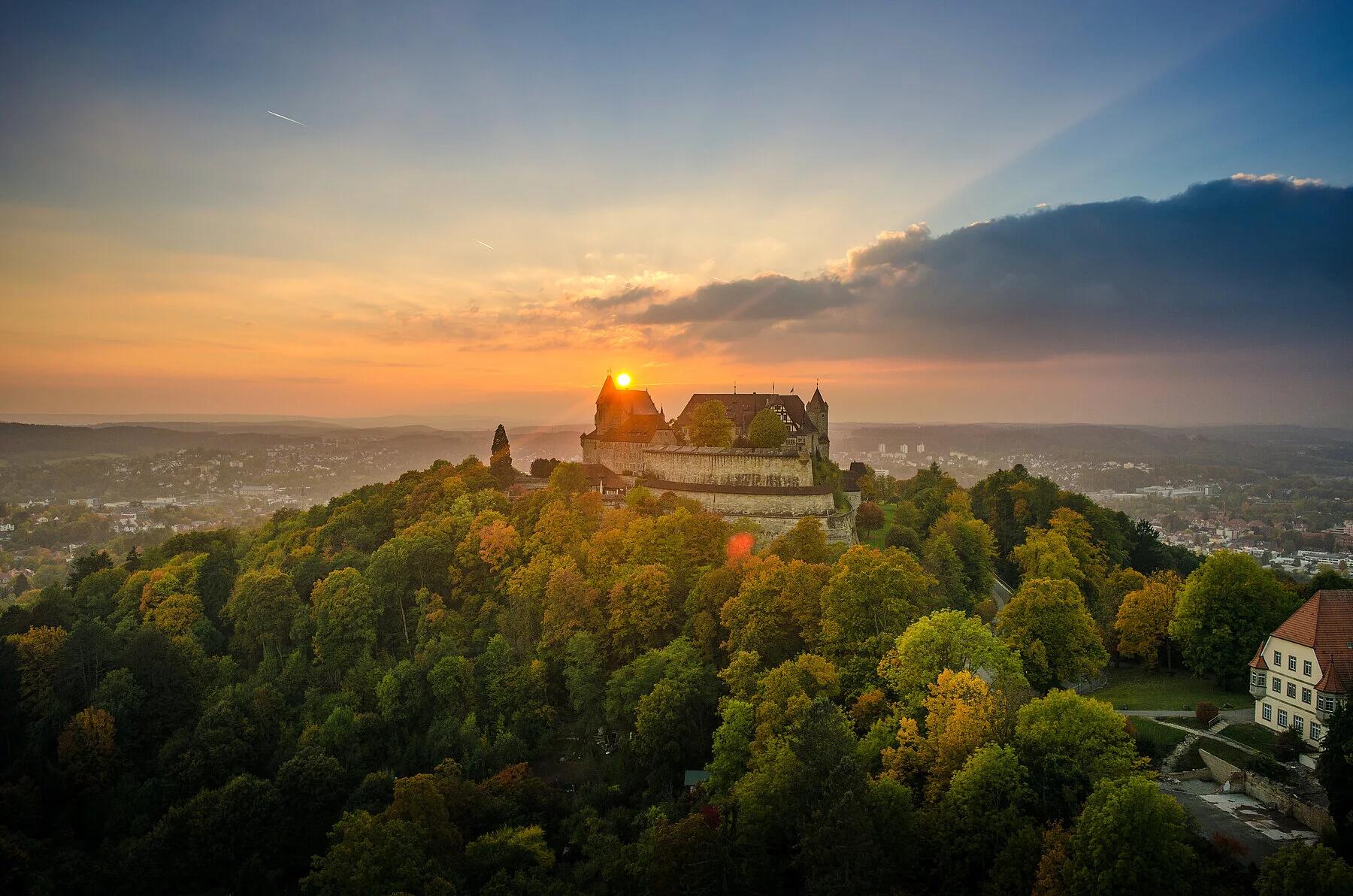
Coburg is a city with links to royalty as the home of Prince Albert, husband of Queen Victoria. Long the home of a ruling princely family, Coburg was a common holiday destination for the royals of Europe until the early 20th century. In addition, the town is home to one of Germany’s largest castles, the Veste Coburg, and remains relatively untouched, having avoided major damage in World War II.
Lake Constance, Germany
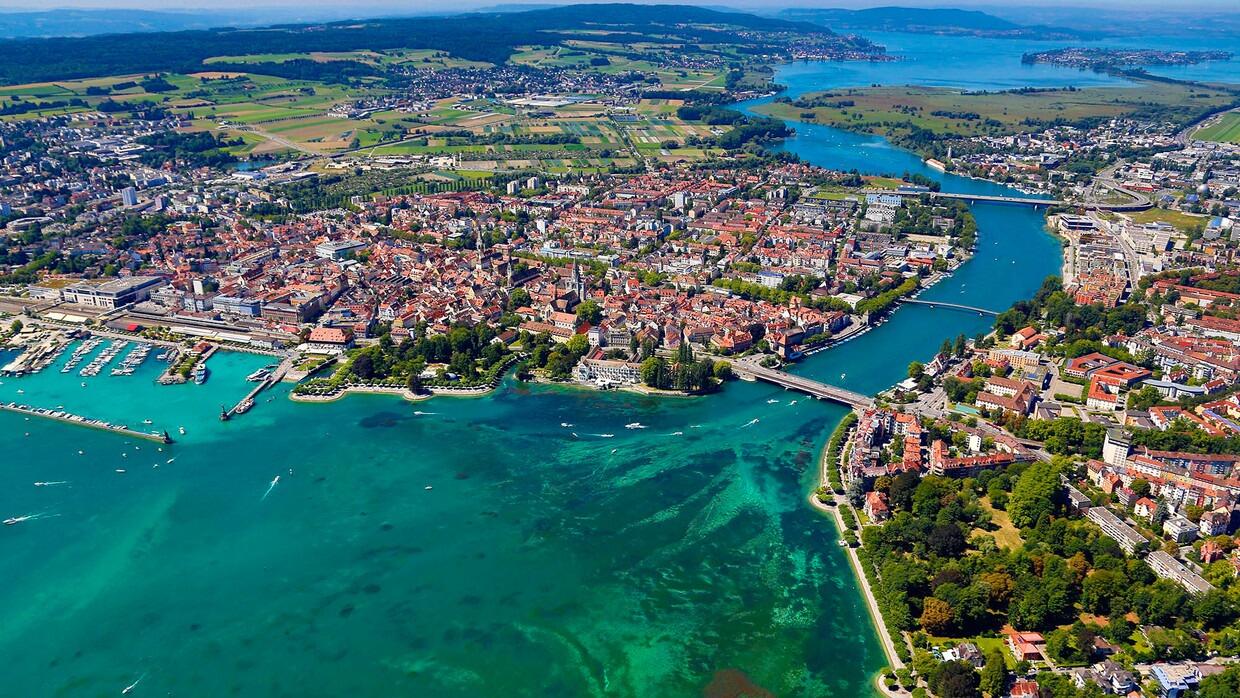
Lake Constance (known as the Bodensee in Germany) is Europe's third-largest lake, bordering Germany, Austria, Switzerland, and the Duchy of Liechtenstein. Surrounded by stunning views of the nearby Swiss Alps and ringed by idyllic resort towns, it is a popular summer destination for sailing, windsurfing, and swimming. The world-famous Flower Island of Mainau features around a million tulips, rhododendrons, scented roses, perennials, and colorful dahlias.
Fränkische Schweiz, Germany
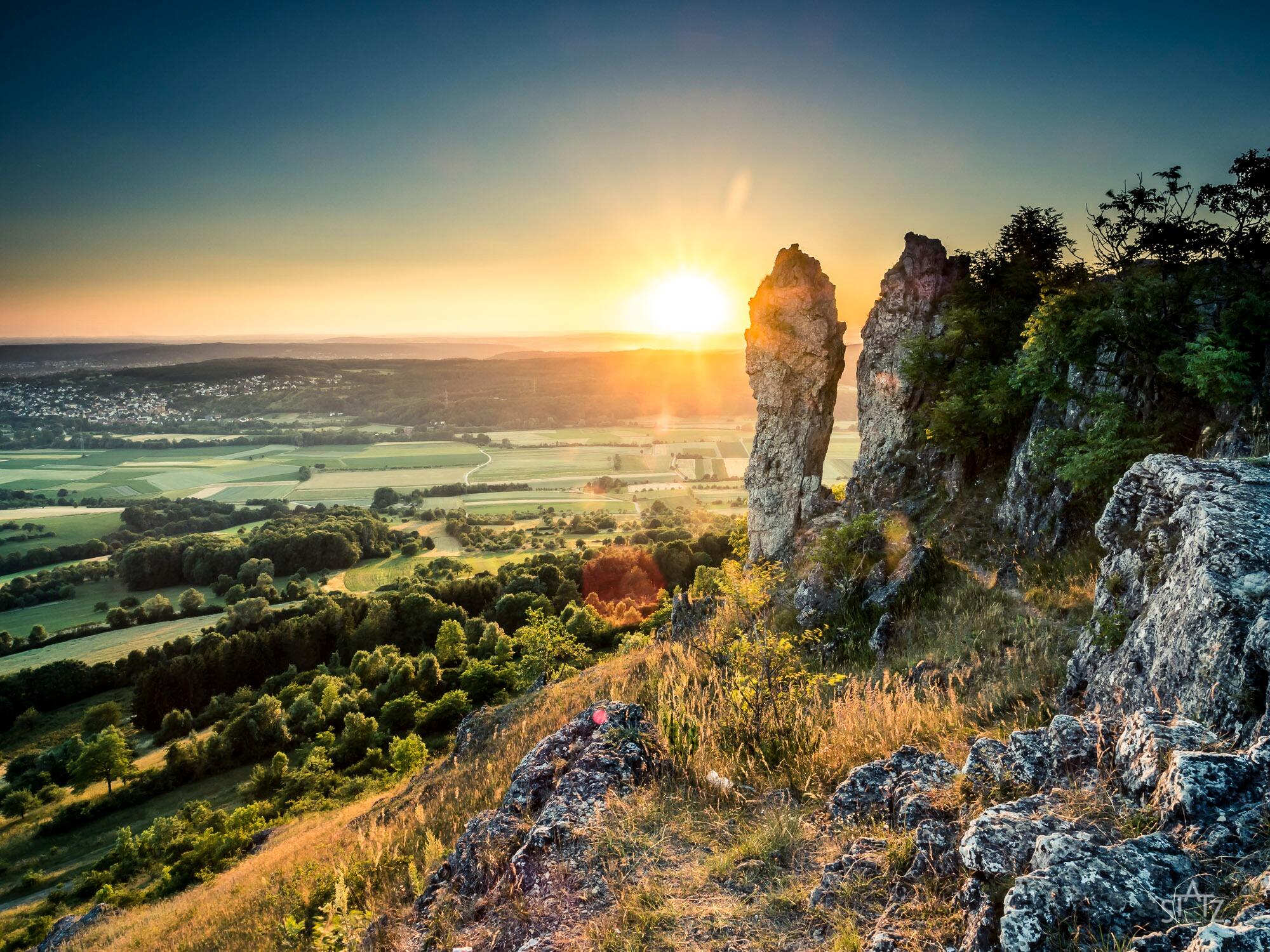
For those that are wanting an adventurous, nature-filled holiday: escape from everyday life and discover the magical Franconian Switzerland in the city triangle of Nürnberg, Bamberg, and Bayreuth. Majestic cliffs and caves, picturesque valleys and castles as well as charming villages form an incomparable natural landscape. It is no wonder that the Germans famously love hiking. :)
Devil's Cave, Germany

One of the largest and most beautiful stalactite caves in Bavaria. The subterranean wonderland of the Devil's Cave is located in the middle of Franconian Switzerland and is one of the most famous excursion destinations in the region.
The Eagle's Nest, Germany
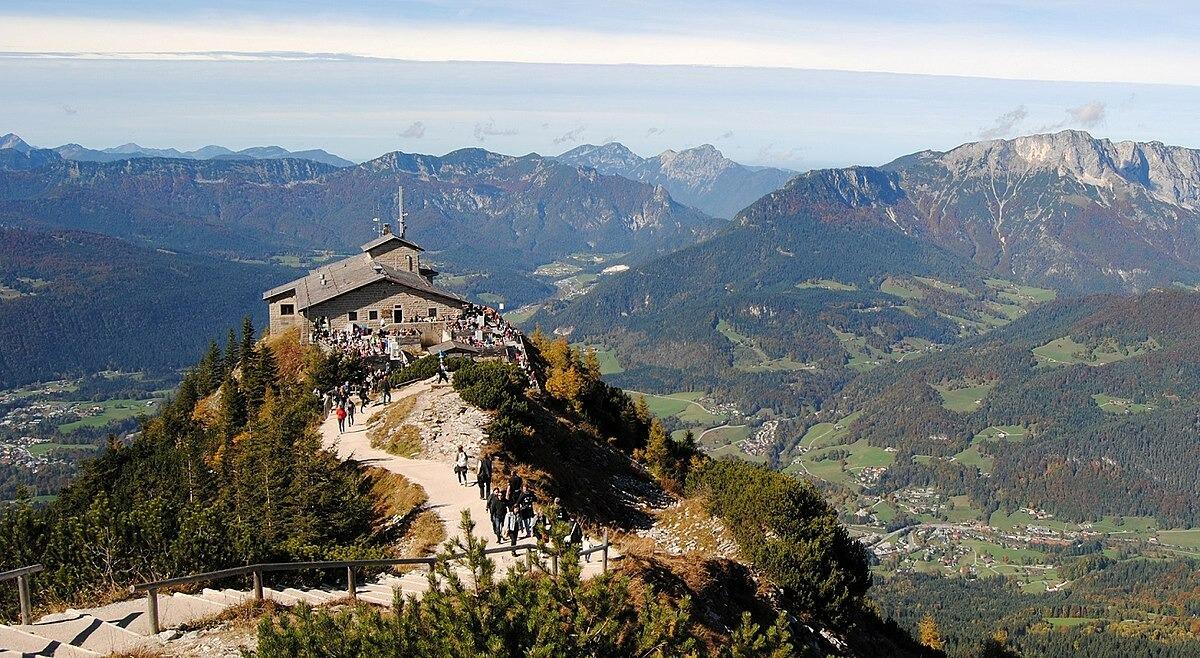
Occupying a commanding mountain perch above Berchtesgaden village, The Eagle's Nest is a summertime chalet-restaurant—but it spent its former life as a power symbol for Hitler’s Nazi regime. Those curious about its World War II history can visit the Documentation Centre in Obersalzberg instead, home to original underground bunkers and exhibits.
Outside of Germany
In France
Strasbourg, France

Roman ruins and wine are two hallmarks of Strasbourg and the greater Alsace region. Also known as the Capital of Europe, it is a European Union capital and the formal seat of the European Parliament. It sits near the German border, with culture and architecture blending German and French influences. Its Gothic Cathédrale Notre-Dame features daily shows from its astronomical clock and sweeping views of the Rhine River from partway up its 142m spire.
Lyon, France

Commanding a strategic spot at the confluence of the Rhône and the Saône Rivers, Lyon has been luring people ever since the Romans named it Lugdunum in 43 BC. Commercial, industrial, and banking powerhouse for the past 500 years, Lyon is France's third-largest city, and offers today's urban explorers a wealth of enticing experiences. This vibrant city offers a blend of old-town charm, famous landmarks, a lively sporting scene, and world-class cuisine. France as a whole is renowned for its food, and Lyon is often considered as the world capital of gastronomy. It is the home city of Paul Bocuse (1926-2018), one of the most renowned French chefs in history.
Provence, France

Provence, a region in southeastern France bordering Italy and the Mediterranean Sea, is known for its diverse landscapes, from the Southern Alps and Camargue plains to rolling vineyards, olive groves, pine forests, and lavender fields. Provence was the first part of French Gaul to be brought under Roman rule. The Romans were no fools: They recognized Provence as a prime trading and wine-growing region, where good living was — and is — easy to come by. Roman ruins such as aqueducts, bridges, temples, and colosseums are everywhere to be found. To the south is the Côte d'Azur (or French Riviera), where the elegant city of Nice and glamorous resort towns such as Saint-Tropez and Cannes line the coast. The region is also historically famous as a hive for artists seeking inspiration in its sun-soaked valleys; Van Gogh, Monet, Picasso, Matisse, Renoir, Cézanne, and Chagall among many others belong to its best-known residents.
In the Netherlands
Maastricht, Netherlands
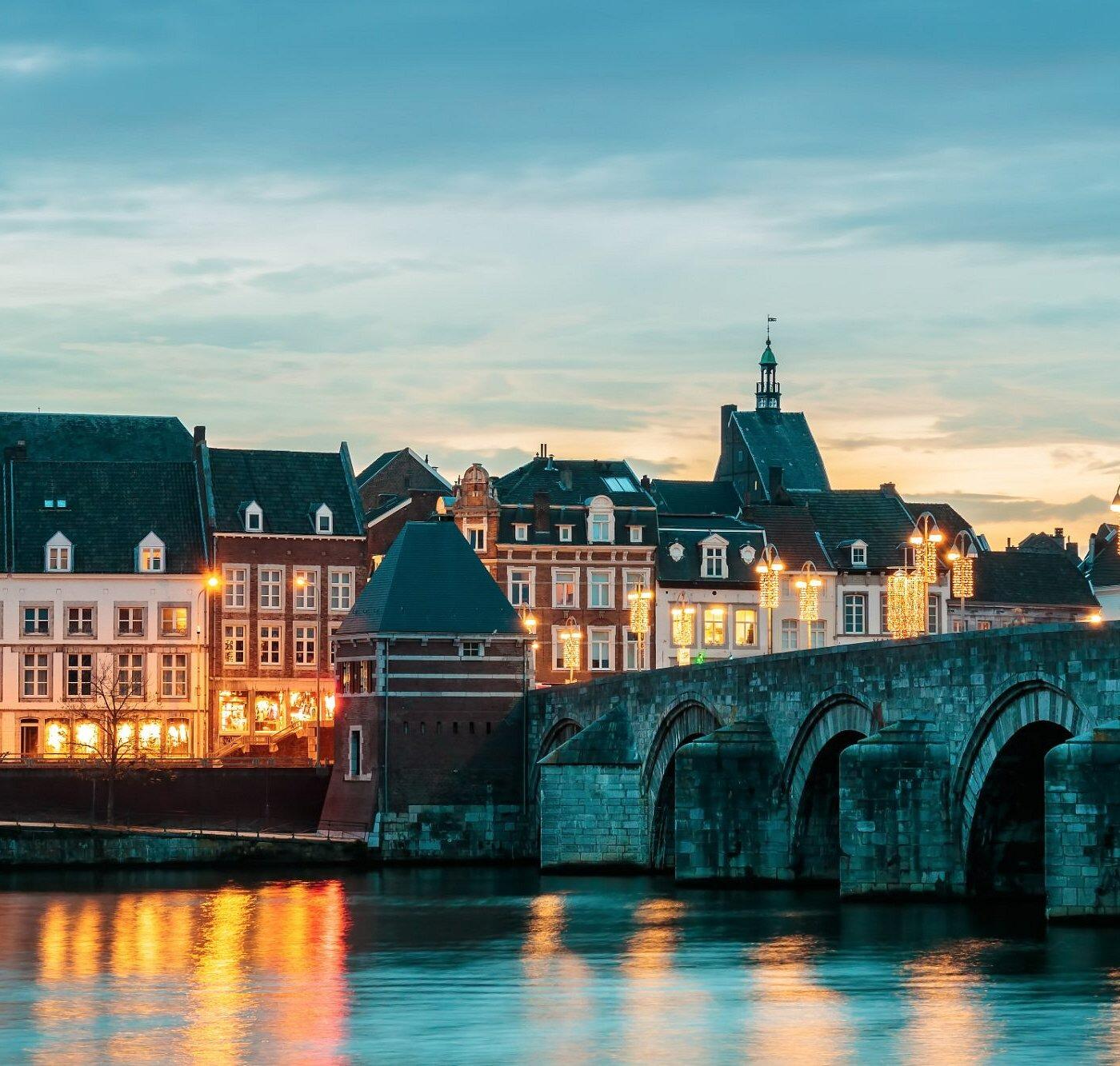
Maastricht, a university city on the southern tip of the Netherlands, is distinguished by its medieval-era architecture and vibrant cultural scene. In its cobbled old town, is the Gothic-style church Sint Janskerk, and the Romanesque Basilica of St. Servatius houses a significant collection of religious art. On the banks of the Maas River, bisecting the city, lies the futuristic-looking Bonnefanten art museum.
Amsterdam, Netherlands

Amsterdam is the Netherlands’ capital, known for its artistic heritage, elaborate canal system and narrow houses with gabled facades, legacies of the city’s 17th-century Golden Age. Its Museum District houses the Van Gogh Museum, works by Rembrandt and Vermeer at the Rijksmuseum, and modern art at the Stedelijk. Cycling is key to the city’s character, and there are numerous bike paths.
In Belgium
Brussels, Belgium
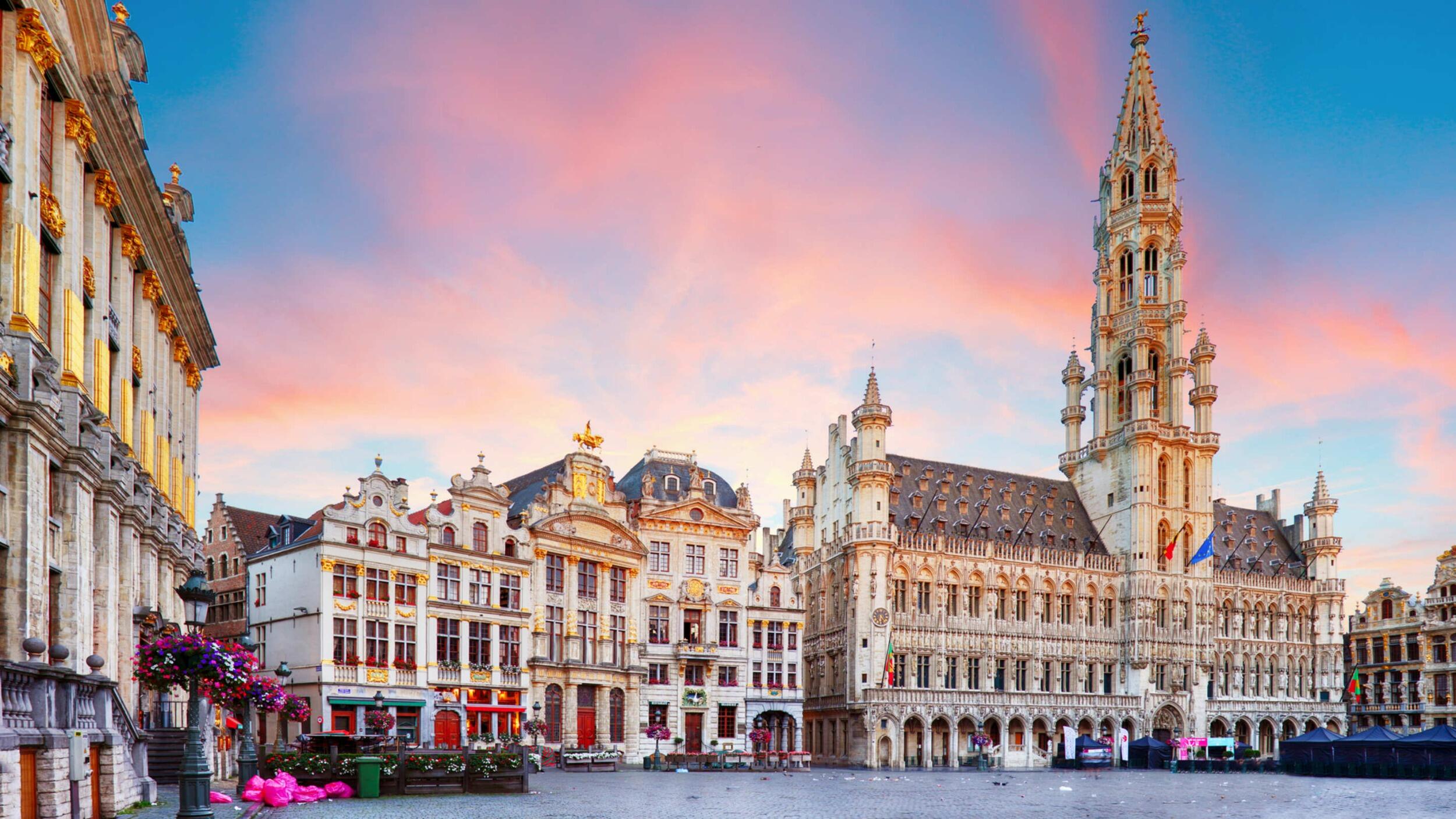
Brussels is Belgium’s capital and home to the European Union headquarters. The Grand-Place square at the heart of the city has shops and cafes inside ornate 17th-century guildhouses, and the intricate Gothic Hôtel de Ville (town hall) with a distinctive bell tower. The 19th-century Maison du Roi houses the Musée de la Ville de Bruxelles city-history museum, including costumes for the city’s famed Manneken Pis statue.
Ghent, Belgium

Ghent offers you a quirky, fascinating cultural cocktail brimming with rich history, culture, and a trendy city vibe. During the Middle Ages it was a prominent city-state, while today it’s a university town and cultural hub. Its pedestrianized center is known for medieval architecture such as 12th-century Gravensteen castle and the Graslei, a row of guildhalls beside the Leie river harbor.
Bruges, Belgium

Bruges, the capital of West Flanders in northwest Belgium, is distinguished by its canals, cobbled streets and medieval buildings, making it a romantic destination. The charming city center, a UNESCO World Heritage Site, is packed with history and heritage. Along with a few other canal-based northern cities, the city is sometimes referred to as the Venice of the North. Bruges' best-known landmark is the Belfry of Bruges, a 13th-century belfry housing a municipal carillon comprising 47 bells.
In Switzerland
Basel, Switzerland

Basel is commonly considered to be the cultural capital of Switzerland and the city is famous for its many museums, including the Kunstmuseum Basel, which is the first collection of art accessible to the public in the world (1661). Its medieval old town centers around Marktplatz, dominated by the 16th-century, red-sandstone Town Hall. Its 12th-century Gothic cathedral Basler Münster has city views, and contains the tomb of the famous 16th-century Dutch scholar, Erasmus.
Zürich, Switzerland
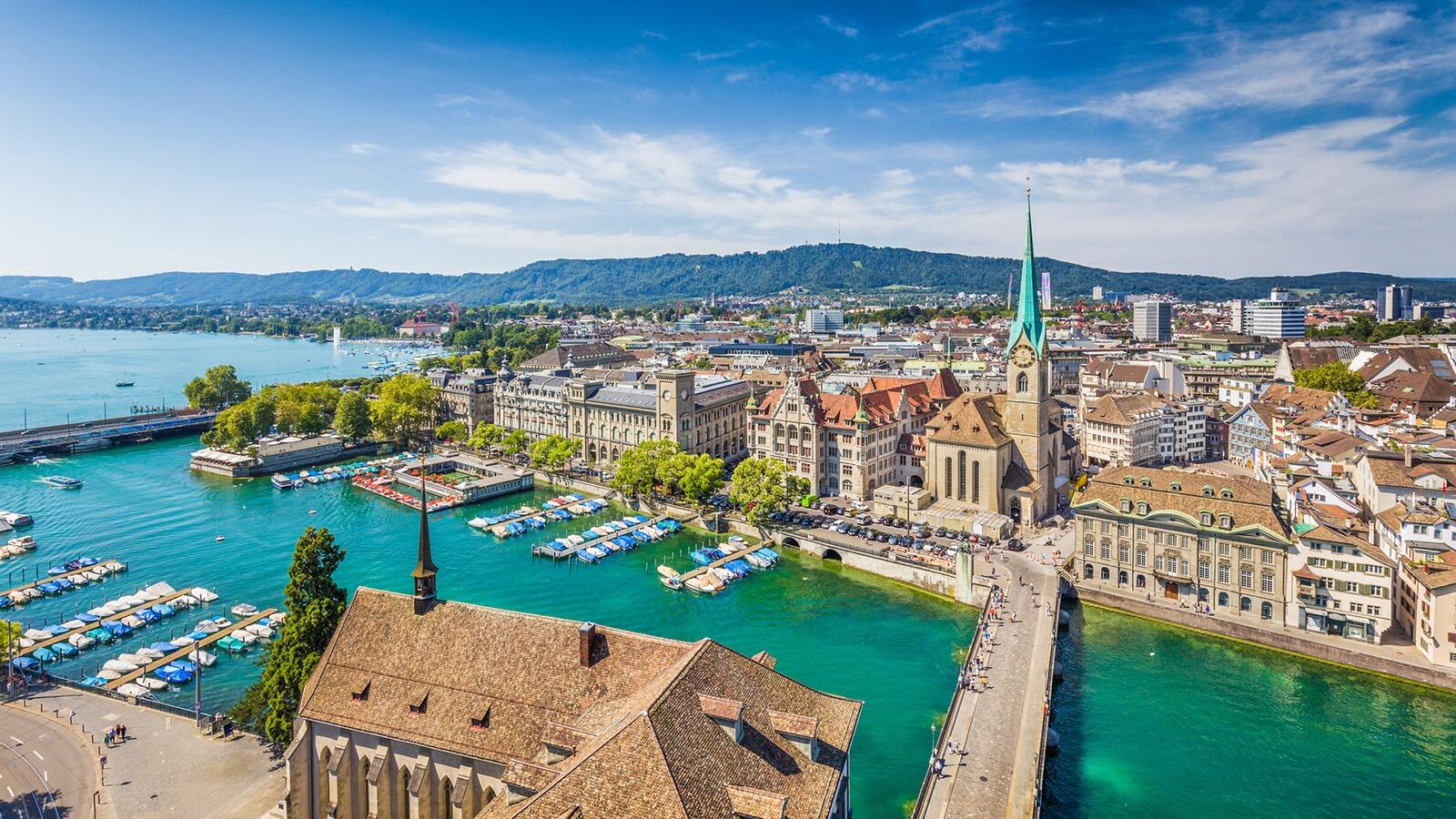
This ritzy Alpine city set on a bright blue lake is the largest in Switzerland, the country's economic and financial center, and a major destination for contemporary art, luxury shopping, and nightlife. The city also has easy access to nearby mountains for day trips; however, be aware that it can be quite expensive compared to other European cities.
In Austria
Vienna, Austria

The capital of Austria and often referred to as "The City of Music", Vienna's artistic and musical legacy was shaped by residents including Beethoven, Brahms, Haydn, Mahler, Mozart, and Schubert among others. The city is also known for its imperial palaces, including Schönbrunn Palace, the Habsburgs’ summer residence and famously home to Sisi, Empress of Austria. In the Museums Quartier district, historic and contemporary buildings display works by Egon Schiele, Gustav Klimt, and other artists.
Salzburg, Austria
