Jake & Alex
Jake & Alex
First Gay Wedding?
Welcome! We're excited you're celebrating with us! 🎉
What to expect
A classic wedding, with the same great food, heartfelt speeches, and terrible dance moves you'd expect anywhere else. The whole day is built on acceptance, joy, and love for everyone in the room.
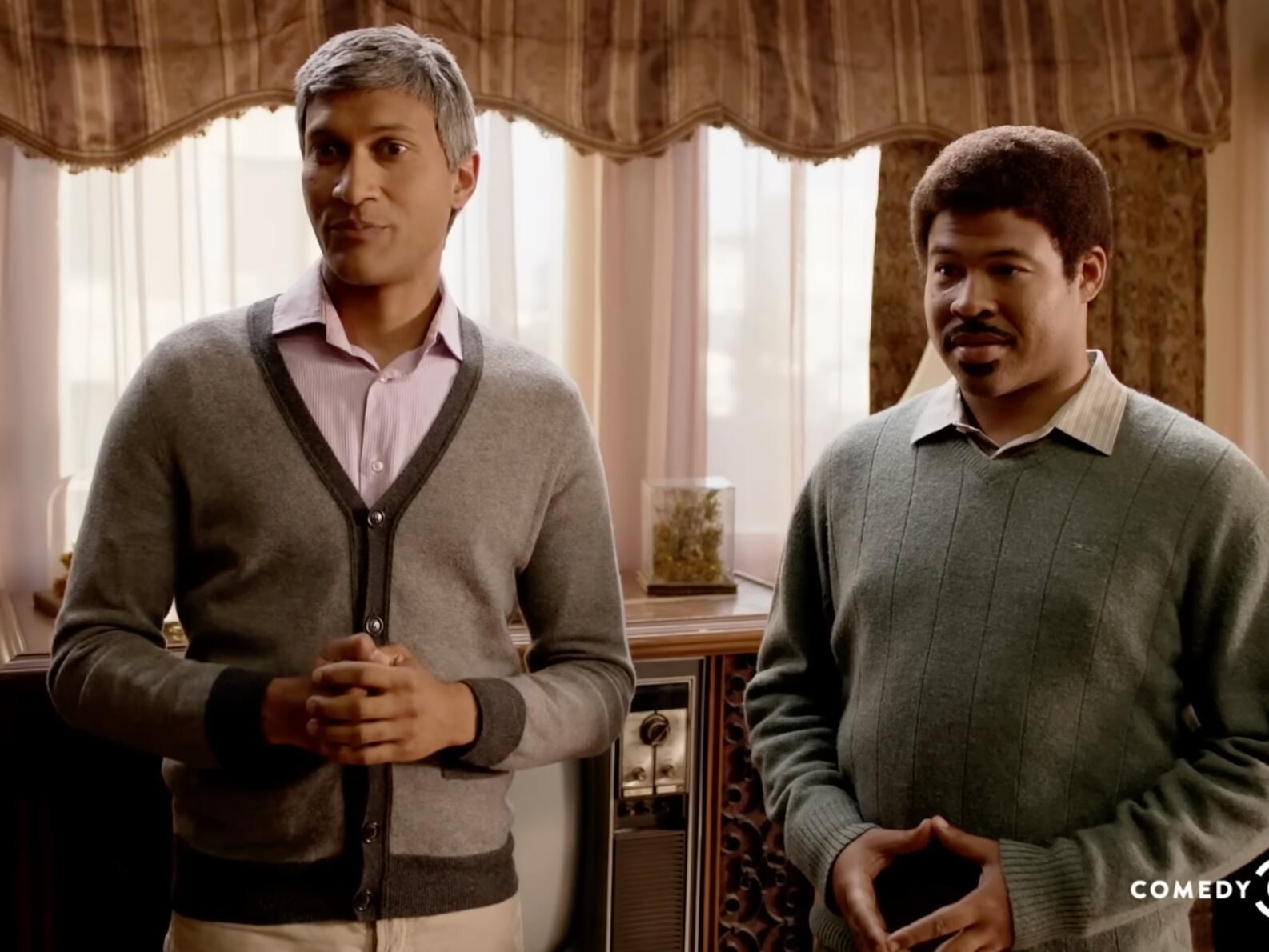
For additional reference please watch the following Gay Wedding Advice
Before we dance
As we've been planning this day, we've realized what a profound privilege it is to get to stress over "normal" wedding details. For most of history, and still in many parts of the world today, LGBTQ couples have had to hide their relationships rather than celebrate them.
We only get to have a traditional wedding today because of centuries of extraordinary activism by people who were tired of living on the margins. So before we all celebrate, we wanted to share a little of their history, as a small tribute to everyone whose courage made today possible.
The queer folks who got us here 🏳️🌈
Time and again, it's been Black, Hispanic, and transgender individuals, often women, who have carried the heaviest weight in the fight for everyone's liberation, even while being pushed to the margins of the queer community itself. The notorious charge at Stonewall was led by trans women of color and lesbians: icons like Marsha P. Johnson, Sylvia Rivera, and Stormé DeLarverie.
Historically, white cisgender gay men have often pursued mainstream acceptance by projecting "respectability," and in doing so, distanced themselves from transgender people and queer people of color, whose visibility felt like a threat to their own progress.
It's the instinct to say "I'm gay, but not that gay" - to step back from the pride flag, to quietly distinguish ourselves from those deemed too loud, too visible, too much. That impulse comes from a real place: the hope that if we seem palatable enough, we can carve out a safer space for ourselves. But trans people and queer people of color have always rejected that bargain. They aren't fighting to fit into a broken system — they're living as their full, authentic selves, unbounded by gender roles or anyone else's expectations of who they should be.
So none of us are truly free until the most vulnerable among us, trans women of color, are protected, celebrated, and loved.
How did New York get so gay? 🗽
You know about Stonewall, but queer people didn't arrive in New York in 1969 — they helped build it. For well over a century, gay, lesbian, trans, and gender-nonconforming New Yorkers have shaped the culture, arts, nightlife, and spirit of this city in ways most history books have quietly left out.
1850s:
The poet who wrote Leaves of Grass, one of the most celebrated works in American literature, was building community in New York long before anyone called it that. Walt Whitman frequented the underground beer cellars of Lower Broadway, and his verse captured exactly what he found there, the charged anonymity of city streets, the freedom of being unknown, the electricity of finding your people in a crowd.
1890s:
Long before Broadway became the city's entertainment capital, the Bowery was New York's original nightlife district — a gritty, electric stretch of saloons, dance halls, and theaters that drew working-class New Yorkers of every background. Venues like Paresis Hall became gathering spots where flamboyantly effeminate men mingled openly with sailors, laborers, and immigrants.
1920s:
During the Harlem Renaissance, queer culture wasn't underground — it was the main event. The drag balls at Rockland Palace drew crowds of up to 7,000 people across racial and class lines, at a time when the rest of America was rigidly segregated. Queer Black artists were right at the center of one of the most celebrated cultural explosions in American history.
1940s:
As the primary port for the Atlantic theater, millions of WWII soldiers passed through New York City, and for many, it was the first time they realized they weren't the only one. When the war ended, thousands of gay soldiers who had been dishonorably discharged, stripped of their GI Bill benefits and too ashamed to go home, simply stayed. They settled in neighborhoods like the West Village, quietly building lives among people who understood them.
1950s:
Senator Joseph McCarthy's Red Scare pushed unsubstantiated claims that communist infiltrators were quietly subverting the nation from within, and gay people became the perfect target to fold into that panic. The "Lavender Scare" conflated homosexuality with communism, branding gay government employees as blackmail risks and enemies of American values, and forcing thousands out of their jobs.
At the same time, the State Liquor Authority ruled that any bar serving gay patrons could lose its liquor license for "disorderly conduct." That drove every gay bar in the city underground, and straight into the hands of mafia families, who ran unlicensed clubs like the Stonewall Inn while police raided them routinely — to collect bribes and keep the community too frightened to organize.
1970s:
In Harlem, Black and Latino LGBTQ communities, fed up with the racism of white-led drag competitions, built their own world entirely. The ballroom scene, born in 1972, gave rise to "Houses" led by chosen-family "Mothers" who provided food, safety, and belonging to kids with nowhere else to go. Voguing, the fashion, the performance language that would eventually take over the world — it all started here.
Interested in watching more? 📺
🏆 Jake & Alex's Favorite 🏆
Pose (FX / Hulu): If you only watch one thing on this list, make it this. It's a brilliant, joyful, and heartbreaking drama series about the underground Ballroom culture of 1980s/90s New York, centered on the Black and Hispanic trans women and gay men who built their own "chosen families" in the middle of the AIDS crisis.
Fellow Travelers (Showtime / Paramount+): A recent, incredible limited series that stretches from the 1950s "Lavender Scare" through the 1980s. It captures the paranoia of the era and the decades-long fight to simply live openly.
The Death and Life of Marsha P. Johnson (Netflix): A powerful documentary about the life, impact, and tragic death of the trans rights activist and Stonewall veteran mentioned in the sections above.
Paris is Burning (HBO Max): The legendary 1990 documentary that captured the real-life NYC ballroom scene that Pose is based on. A masterclass in how marginalized people use fashion, dance, and community to survive.
Interested in reading more? 📖
🏆 Jake & Alex's Favorite 🏆
The Great Believers (Rebecca Makkai): A Pulitzer-finalist novel that moves between the 1980s AIDS epidemic and the present day. A beautiful, devastating story about friendship, loss, and the ripple effects of a generation taken too soon.
The Heart's Invisible Furies (John Boyne): A beloved epic that follows one gay man's life from the repressed 1940s, through 1980s New York, and into the modern era. Hilarious, heartbreaking, and a beautiful celebration of finding your place in the world.
Gay New York (George Chauncey): For the history buffs! The fascinating, definitive book that provided much of the timeline above. It uncovers the hidden world of gay life in NYC from the 1890s to the 1940s, proving that queer culture has always been a cornerstone of the city.
How to Survive a Plague (David France): Available as both a novel and an Oscar-nominated documentary. It tells the story of the young men and women in NYC who, facing a terminal diagnosis, taught themselves virology and took on the U.S. government and pharmaceutical industry to win the drugs that ultimately saved millions of lives.