Jennifer Lynn & Orlando
January 29, 2021 • Las Vegas, NV, USA
Jennifer Lynn & Orlando
January 29, 2021 • Las Vegas, NV, USA
Photos

November 19, 2019
God brought us back together again!
On the road to a couple of forevers.

November 19, 2019

December 05, 2019
December 07, 2019
December 07, 2019
December 14, 2019

December 20, 2019
December 20, 2019

December 20, 2019

December 21, 2019

December 22, 2019

December 22, 2019
December 24, 2019

December 24, 2019

December 25, 2019
December 25, 2019

December 25, 2019

December 27, 2019

December 27, 2019
December 27, 2019

December 29, 2019

December 30, 2019
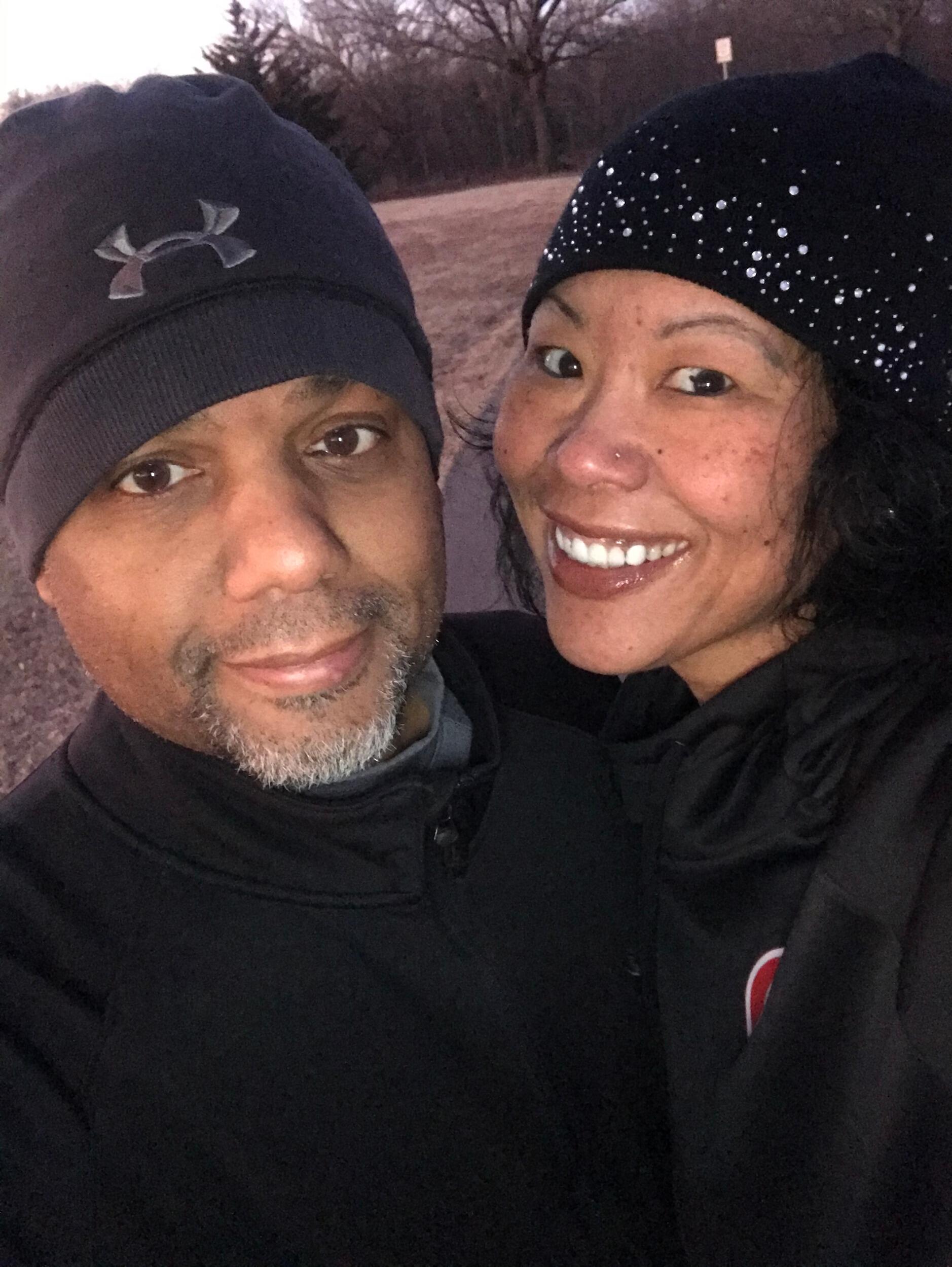
December 30, 2019

January 01, 2020

January 02, 2020
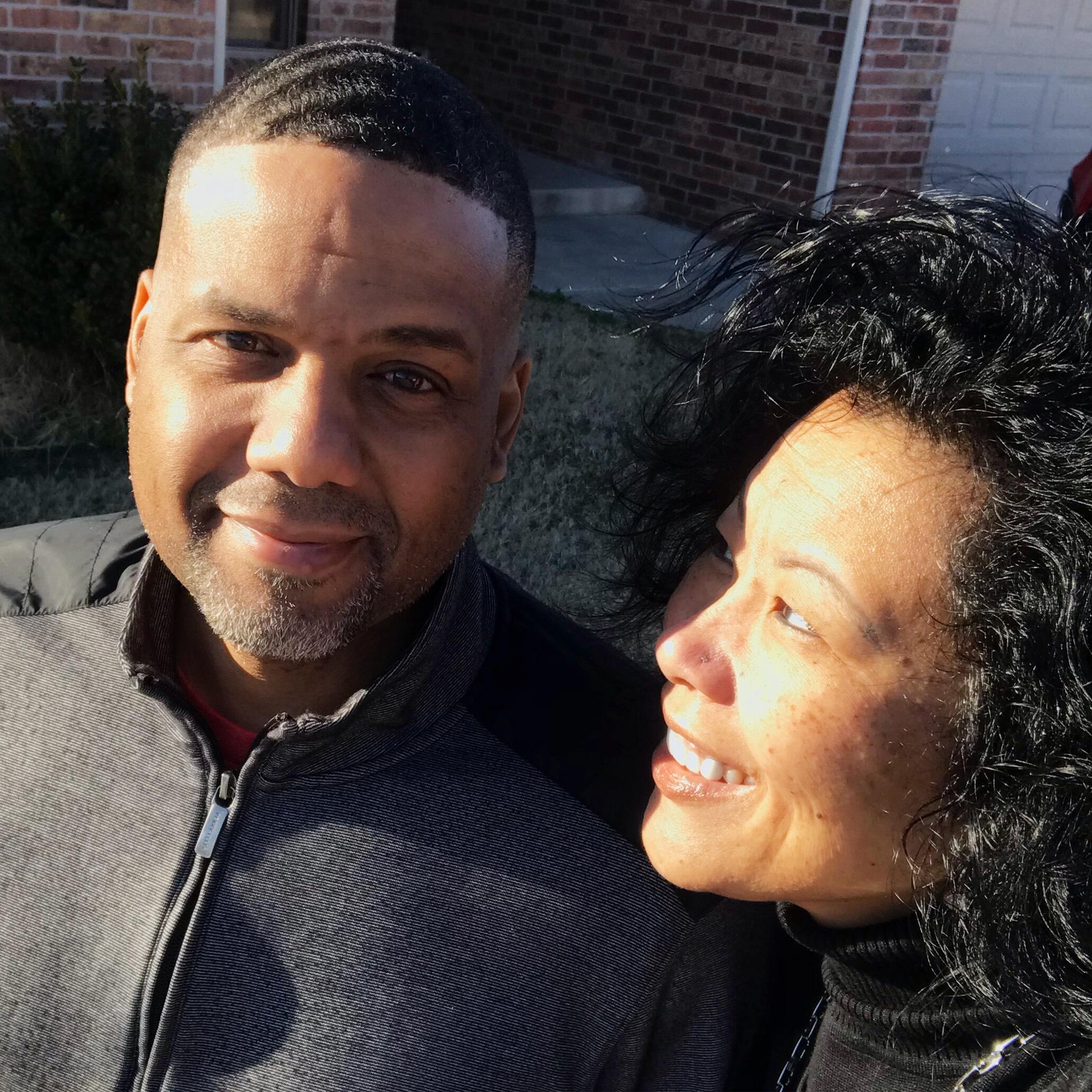
January 03, 2020
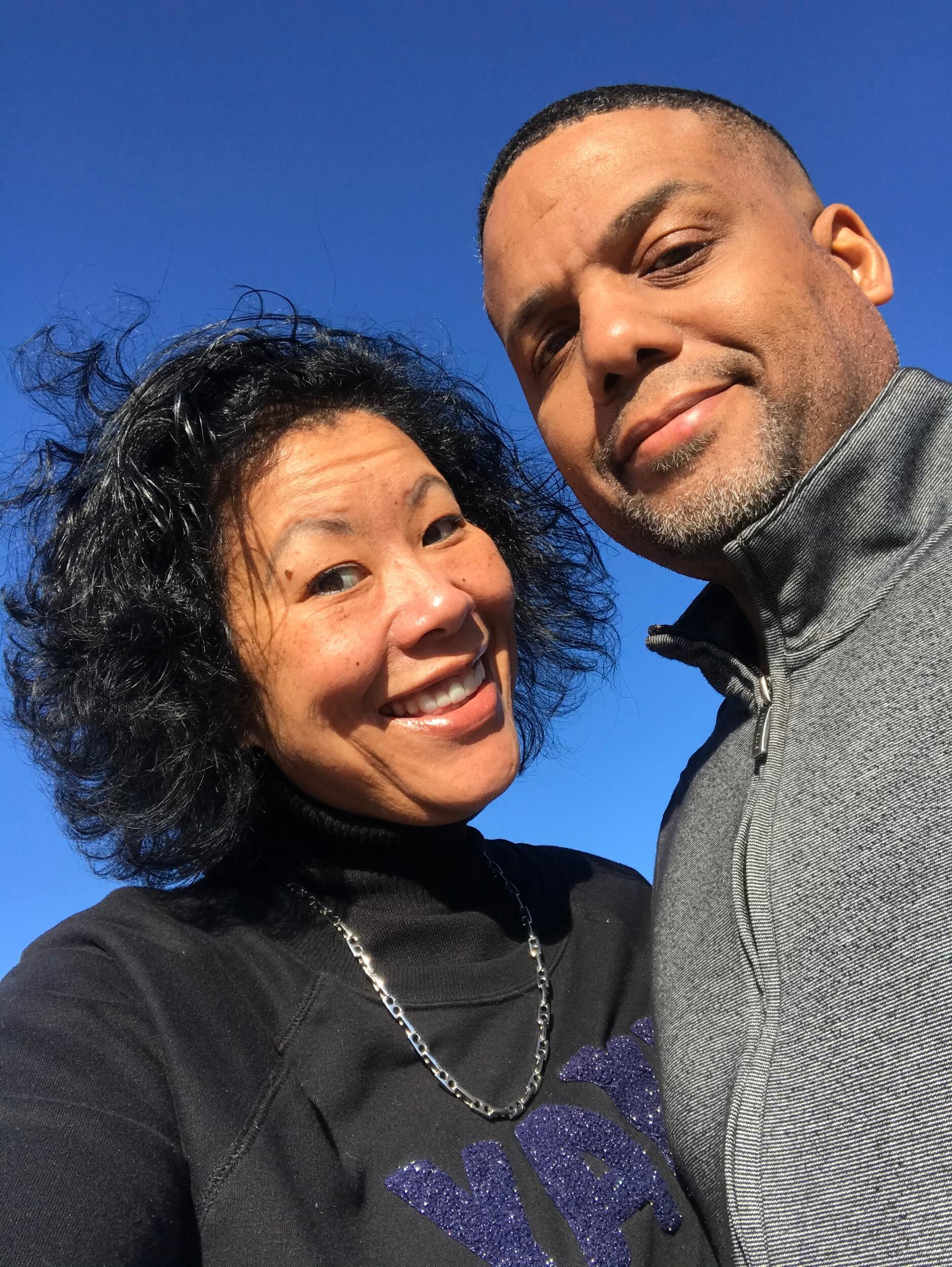
January 03, 2020

January 04, 2020
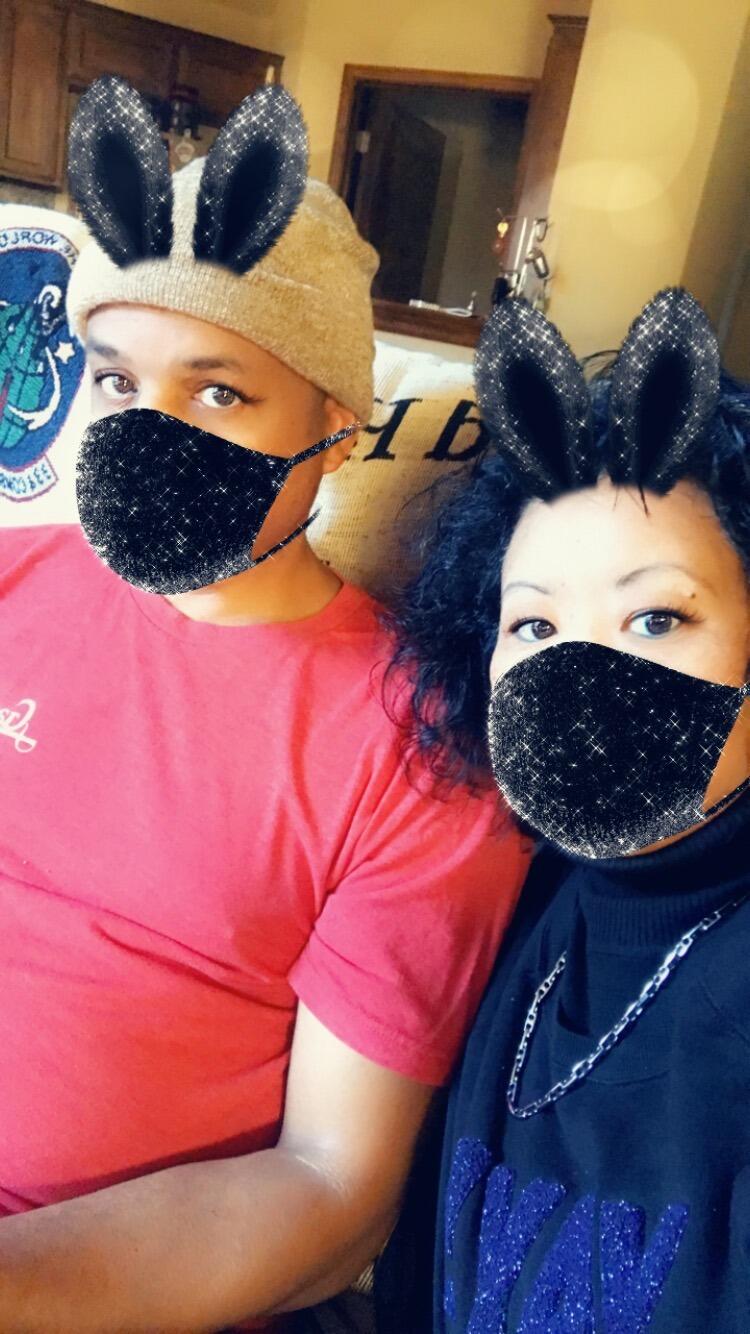
January 04, 2020

January 04, 2020

January 05, 2020

January 06, 2020
January 08, 2020

January 09, 2020
January 9 — WHO Announces Mysterious Coronavirus-Related Pneumonia in Wuhan, China
At this point, the World Health Organization (WHO) still has doubts about the roots of what would become the COVID-19 pandemic, noting that the spate of pneumonia-like cases in Wuhan could have stemmed from a new coronavirus. There are 59 cases so far, and travel precautions are already at the forefront of experts’ concerns.

January 09, 2020
January 10, 2020
January 10, 2020

January 11, 2020

January 12, 2020

January 13, 2020
January 13, 2020

January 14, 2020
January 15, 2020

January 15, 2020

January 18, 2020

January 18, 2020

January 18, 2020
January 18, 2020
January 18, 2020

January 18, 2020

January 18, 2020

January 18, 2020
Celebrating Boston's Big 50!
January 22, 2020
January 21 — Chinese Scientist Confirms COVID-19 Human Transmission
At this point, the 2019 novel coronavirus has killed 4 and infected more than 200 in China, before Zhong Nanshan, MD, finally confirms it can be transmitted from person to person. However, the WHO is still unsure of the necessity of declaring a public health emergency.
January 23 — Wuhan Now Under Quarantine
In just 2 days, 13 more people died and an additional 300 were sickened. China makes the unprecedented move not only to close off Wuhan and its population of 11 million, but to also place a restricted access protocol on Huanggang, 30 miles to the east, where residents can’t leave without special permission. This means up to 18 million people are under strict lockdown.

January 25, 2020

January 25, 2020

January 27, 2020

January 29, 2020
It's OUR Anniversary!

January 29, 2020
It's OUR Anniversary!

January 29, 2020

January 29, 2020

January 29, 2020
It's OUR Anniversary!
https://www.sushineko.com/gallery

January 29, 2020
It's OUR Anniversary!
https://vimeo.com/48897765

January 31, 2020
January 31 — WHO Issues Global Health Emergency
With a worldwide death toll of more than 200 and an exponential jump to more than 9800 cases, the WHO finally declares a public health emergency, for just the sixth time. Human-to-human transmission is quickly spreading and can now be found in the United States, Germany, Japan, Vietnam, and Taiwan.

January 31, 2020
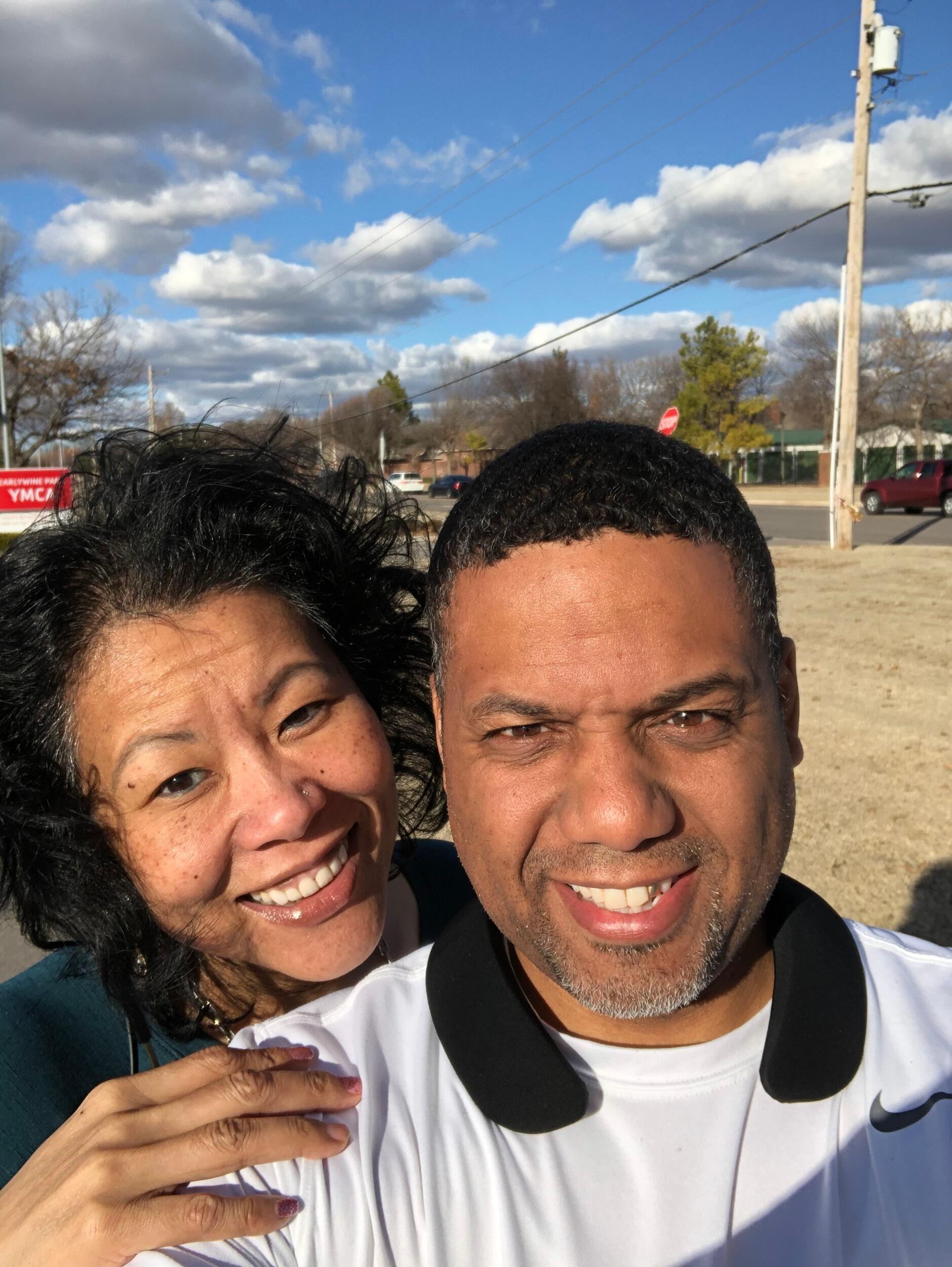
January 31, 2020
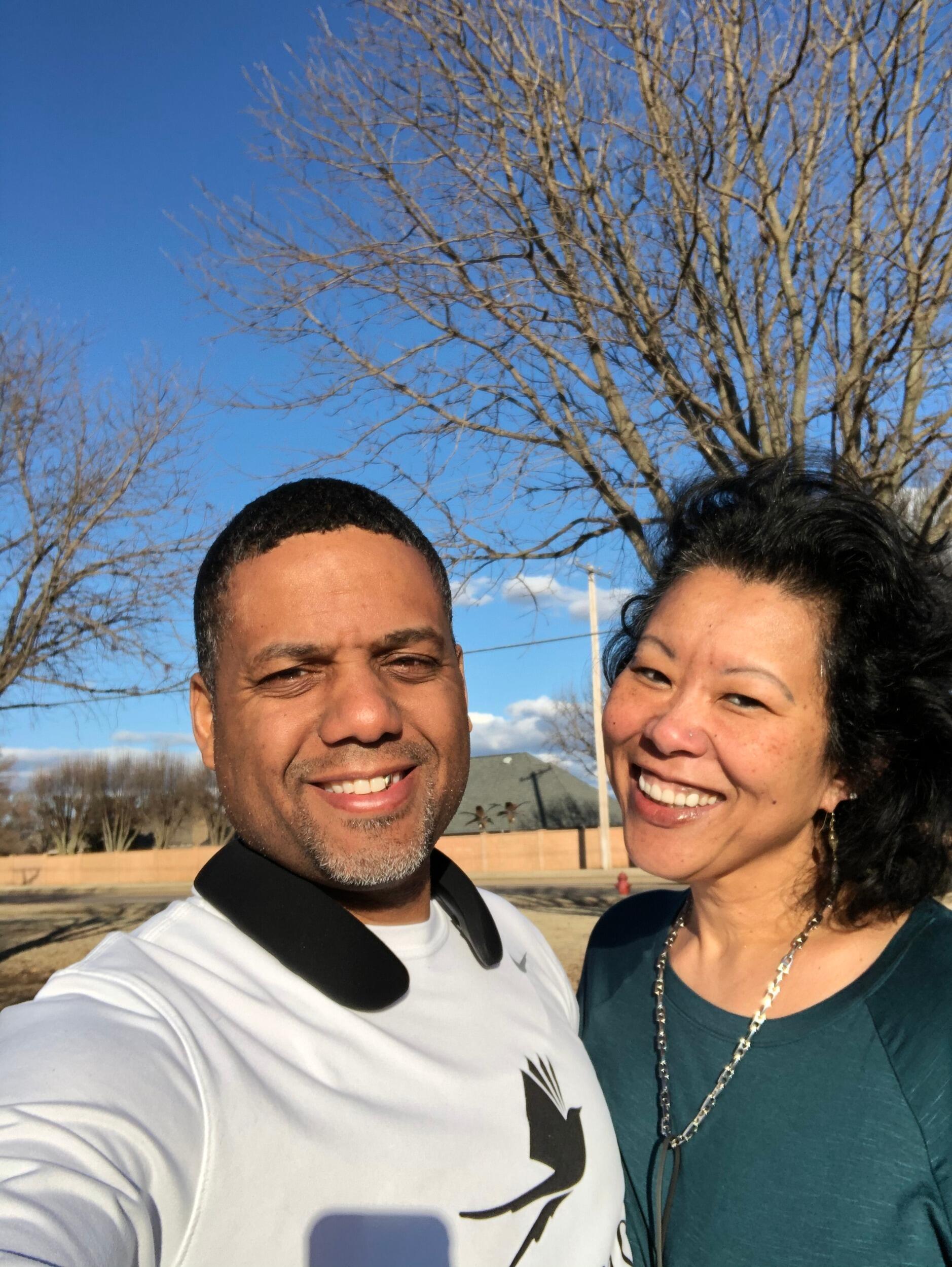
January 31, 2020
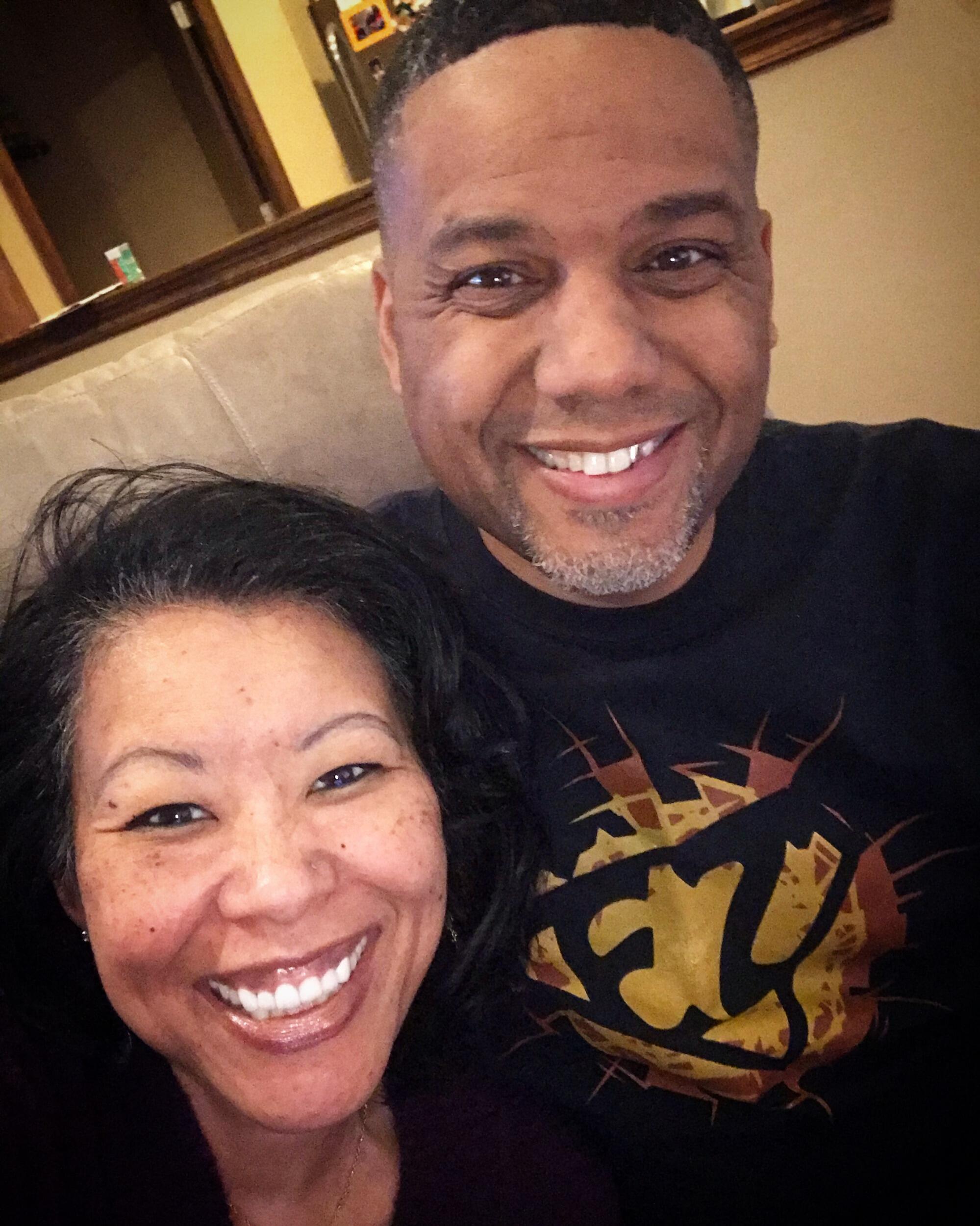
February 02, 2020
February 2 — Global Air Travel Is Restricted
By 5 pm on Sunday, those en route to the United States have to have left China or they can face a 2-week home-based quarantine if they had been in Hubei province. Mainland visitors, however, will need to undergo health screenings upon their return, and foreign nationals can even be denied admittance. Other countries beginning to impose similar air-travel restrictions at this point include Australia, Germany, Italy, and New Zealand.
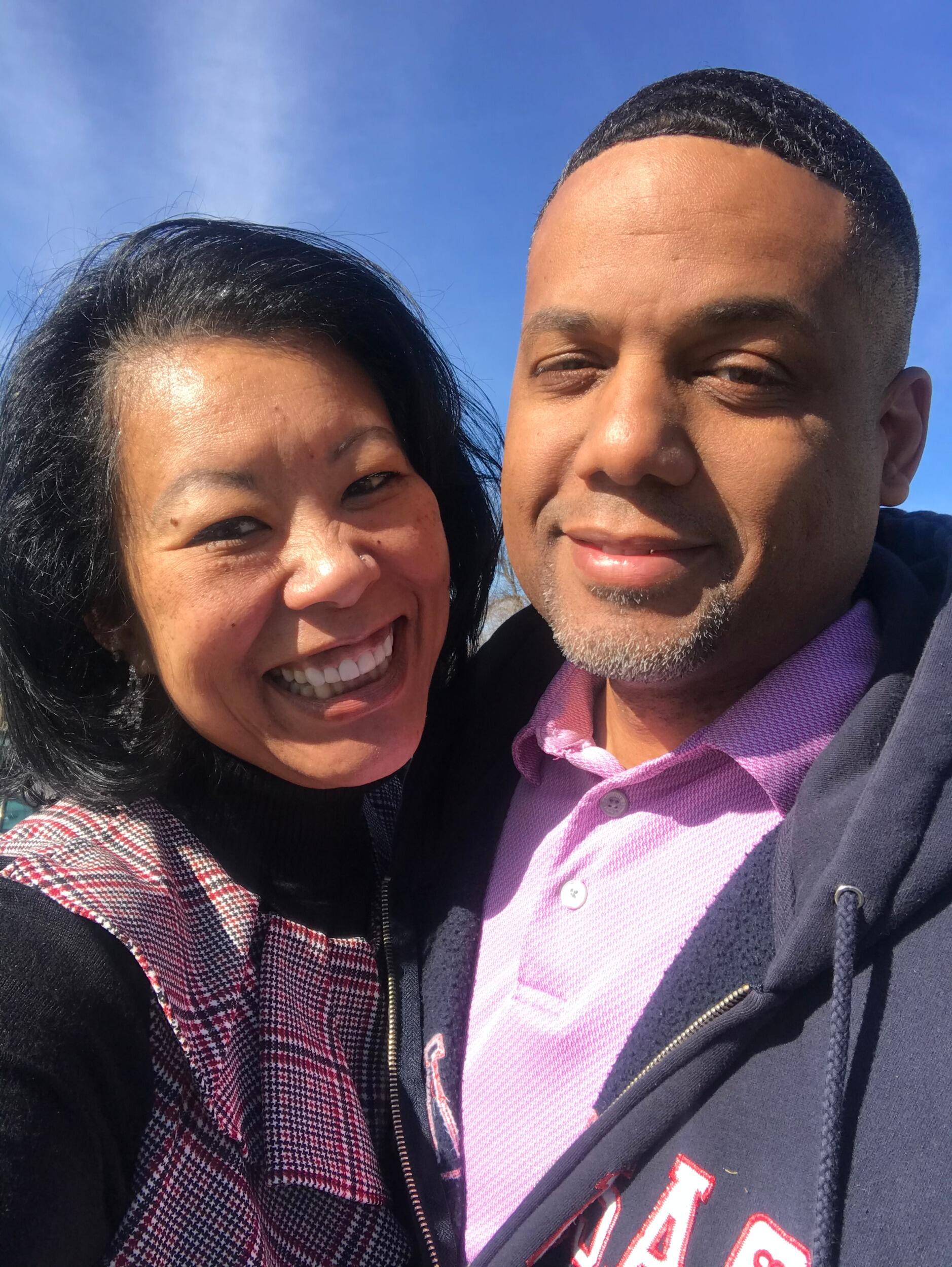
February 02, 2020
February 04, 2020

February 07, 2020

February 08, 2020

February 08, 2020

February 08, 2020
February 09, 2020
February 09, 2020

February 10, 2020

February 11, 2020

February 11, 2020

February 11, 2020

February 11, 2020
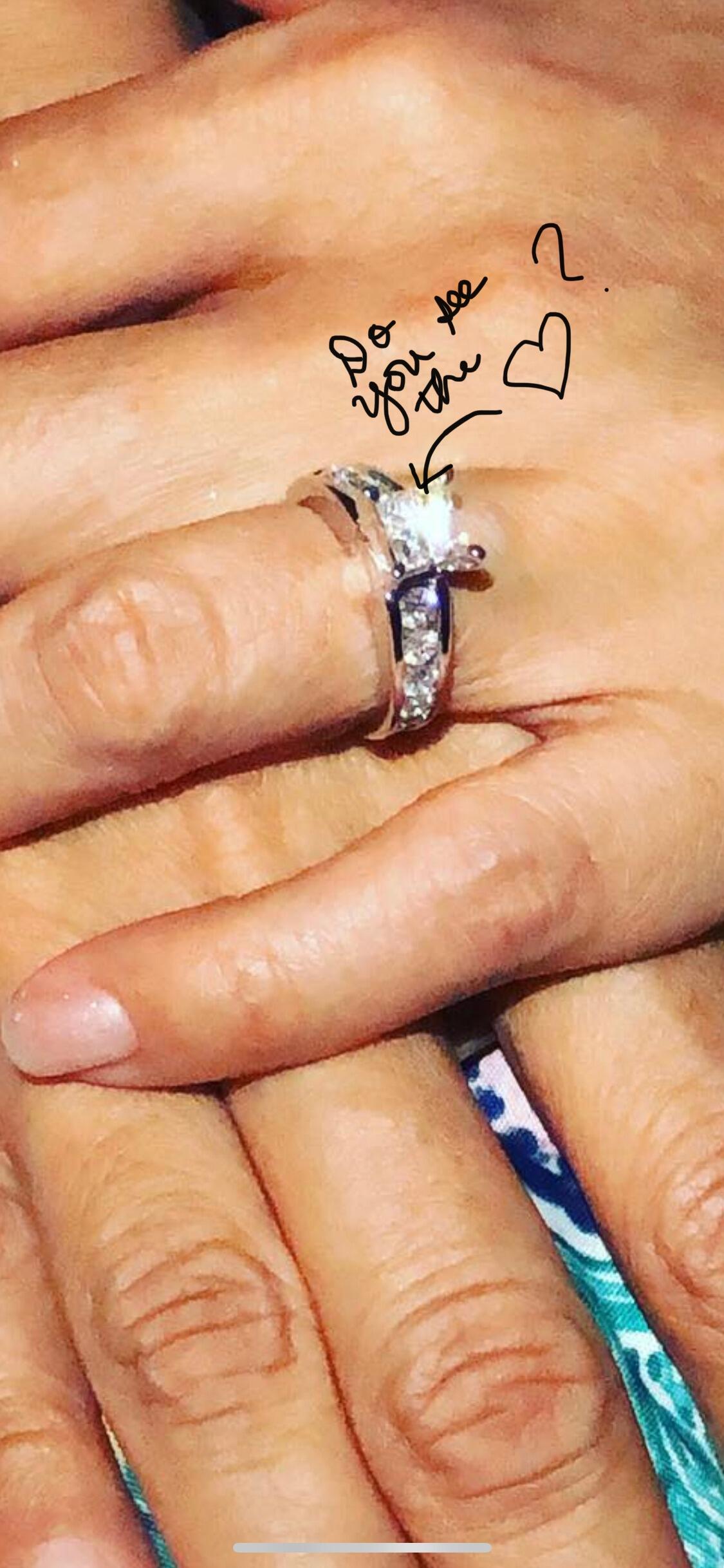
February 14, 2020
We are ENGAGED!

February 14, 2020
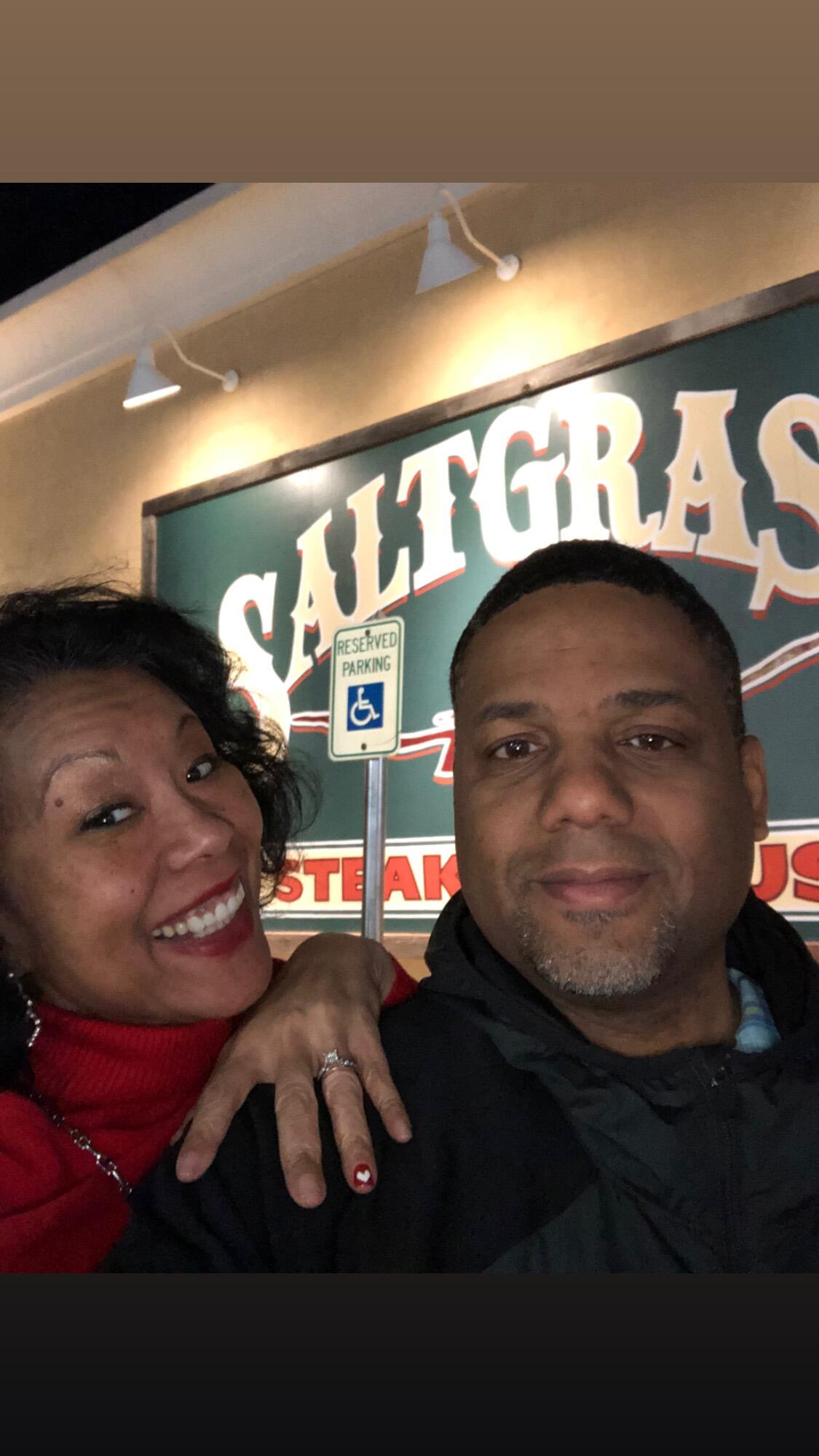
February 14, 2020

February 14, 2020

February 15, 2020

February 16, 2020
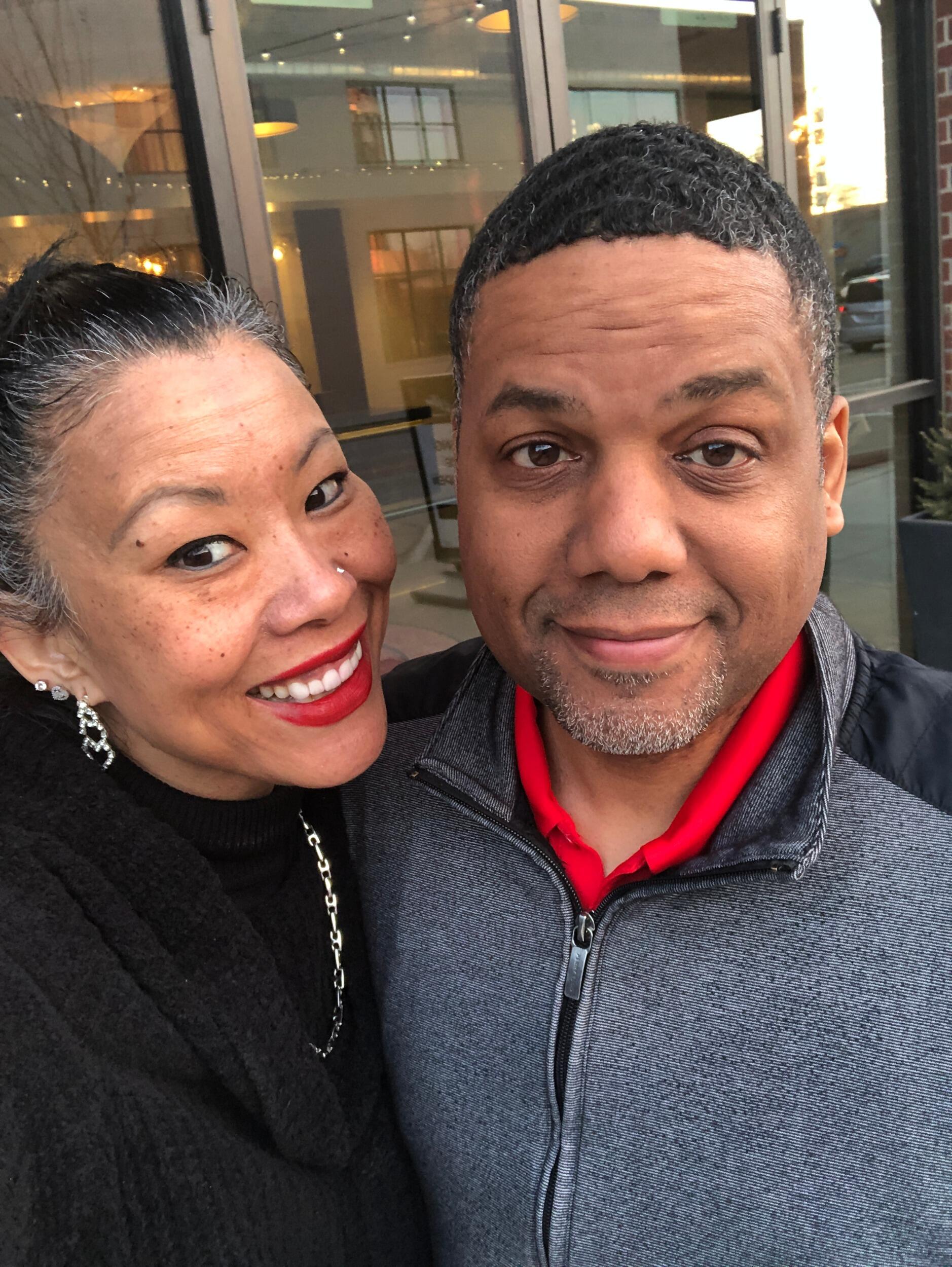
February 17, 2020

February 17, 2020
February 20, 2020

February 21, 2020
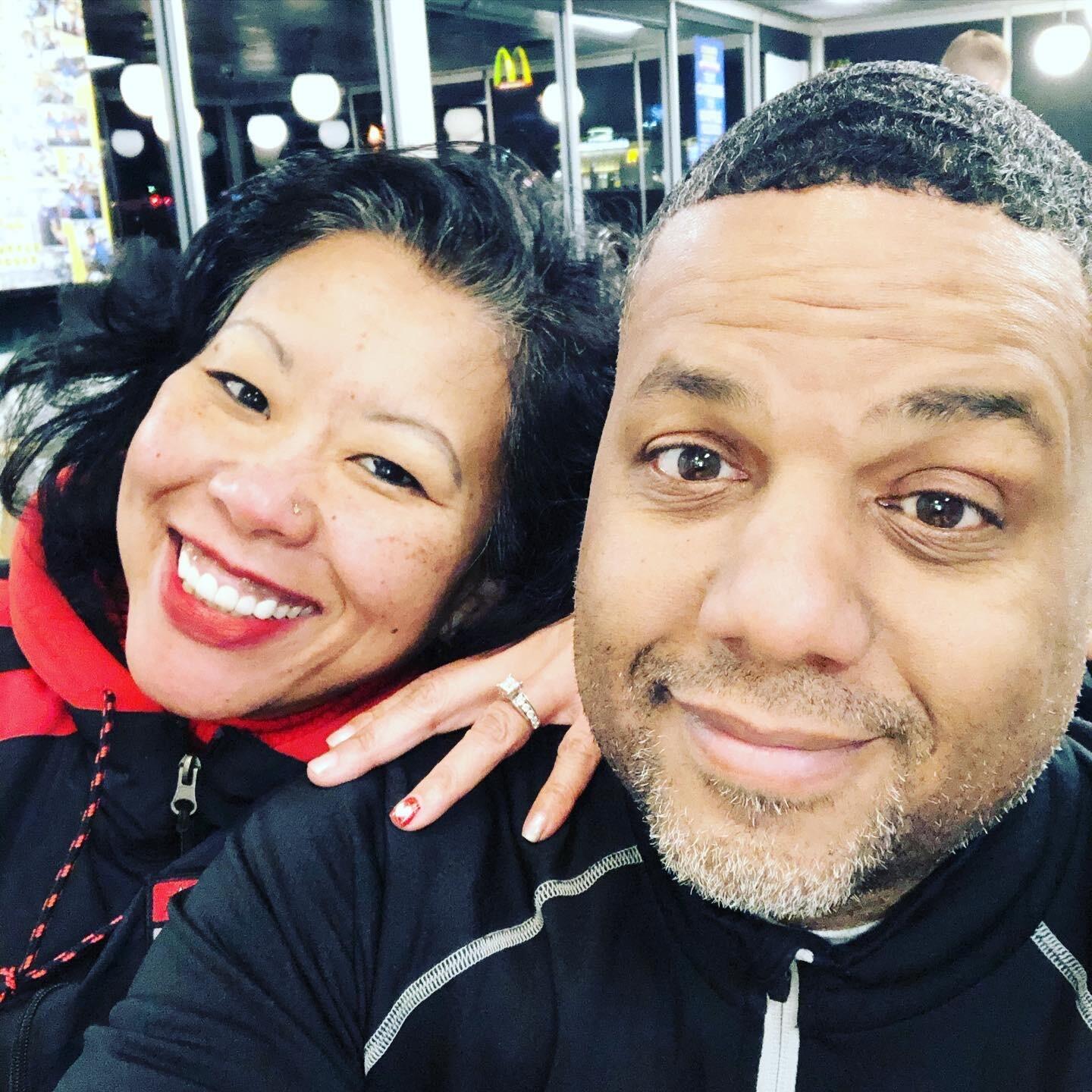
February 21, 2020
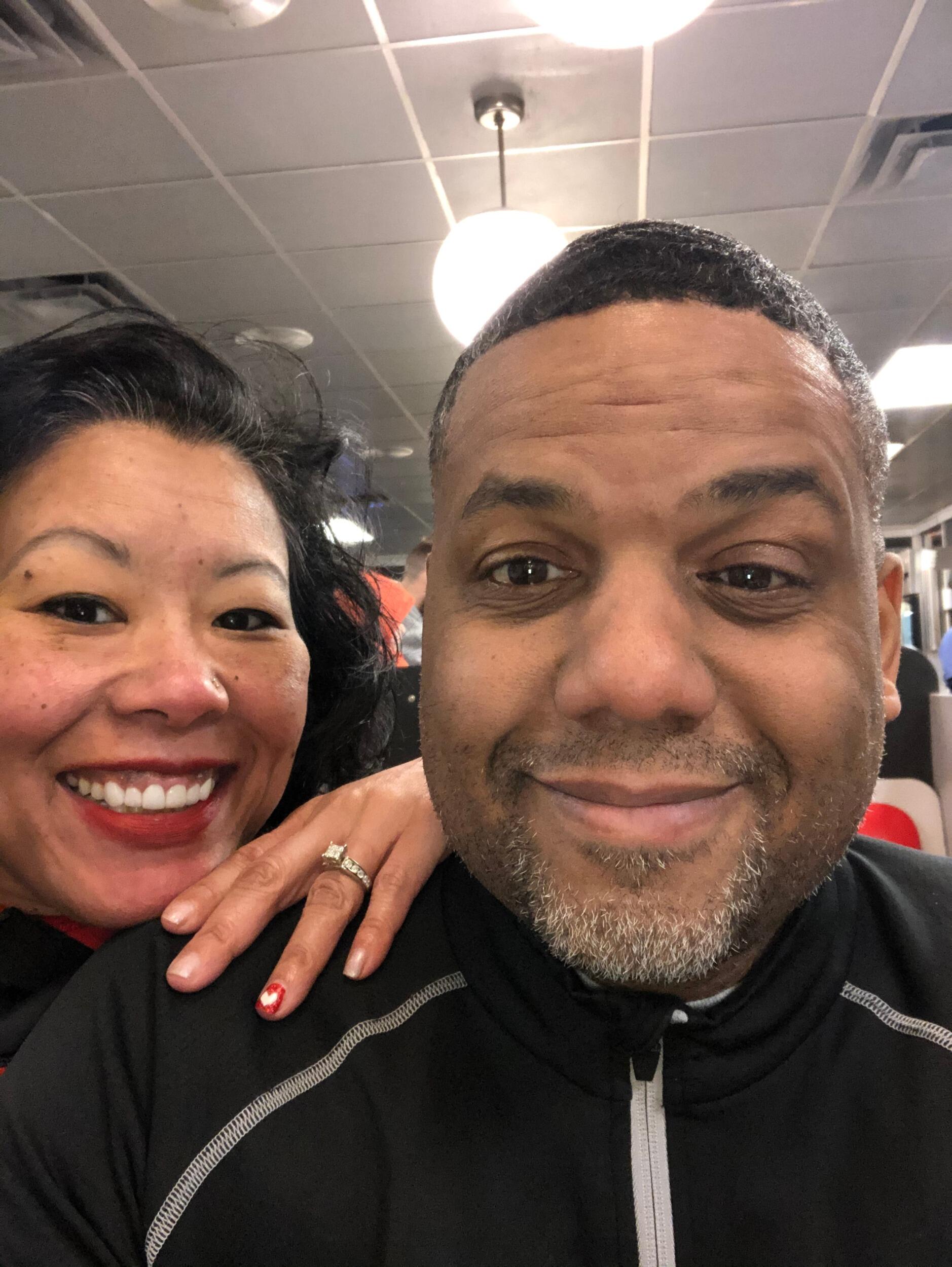
February 22, 2020
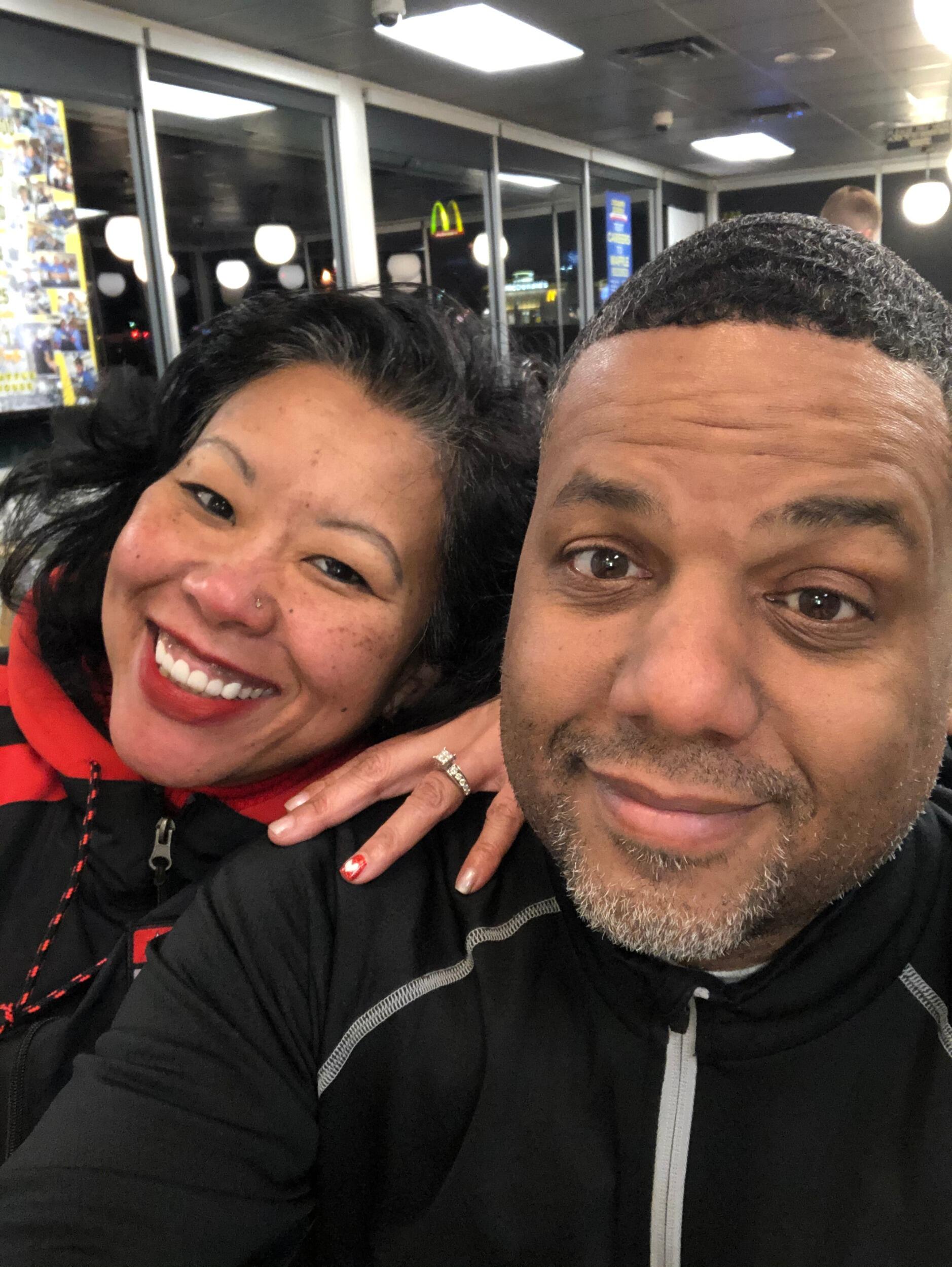
February 22, 2020

February 22, 2020

February 23, 2020

February 24, 2020

February 25, 2020

February 25, 2020

February 25, 2020
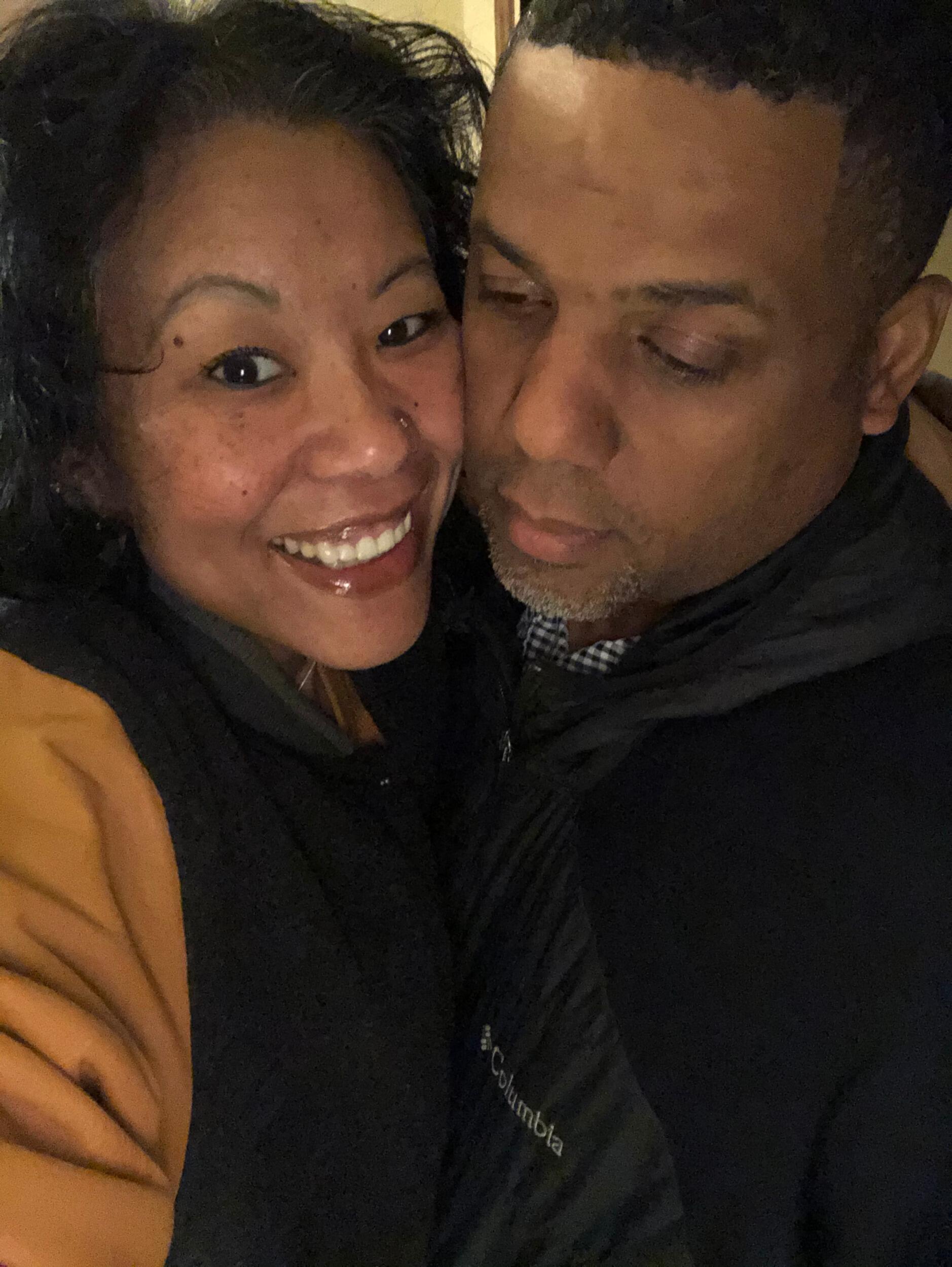
February 25, 2020
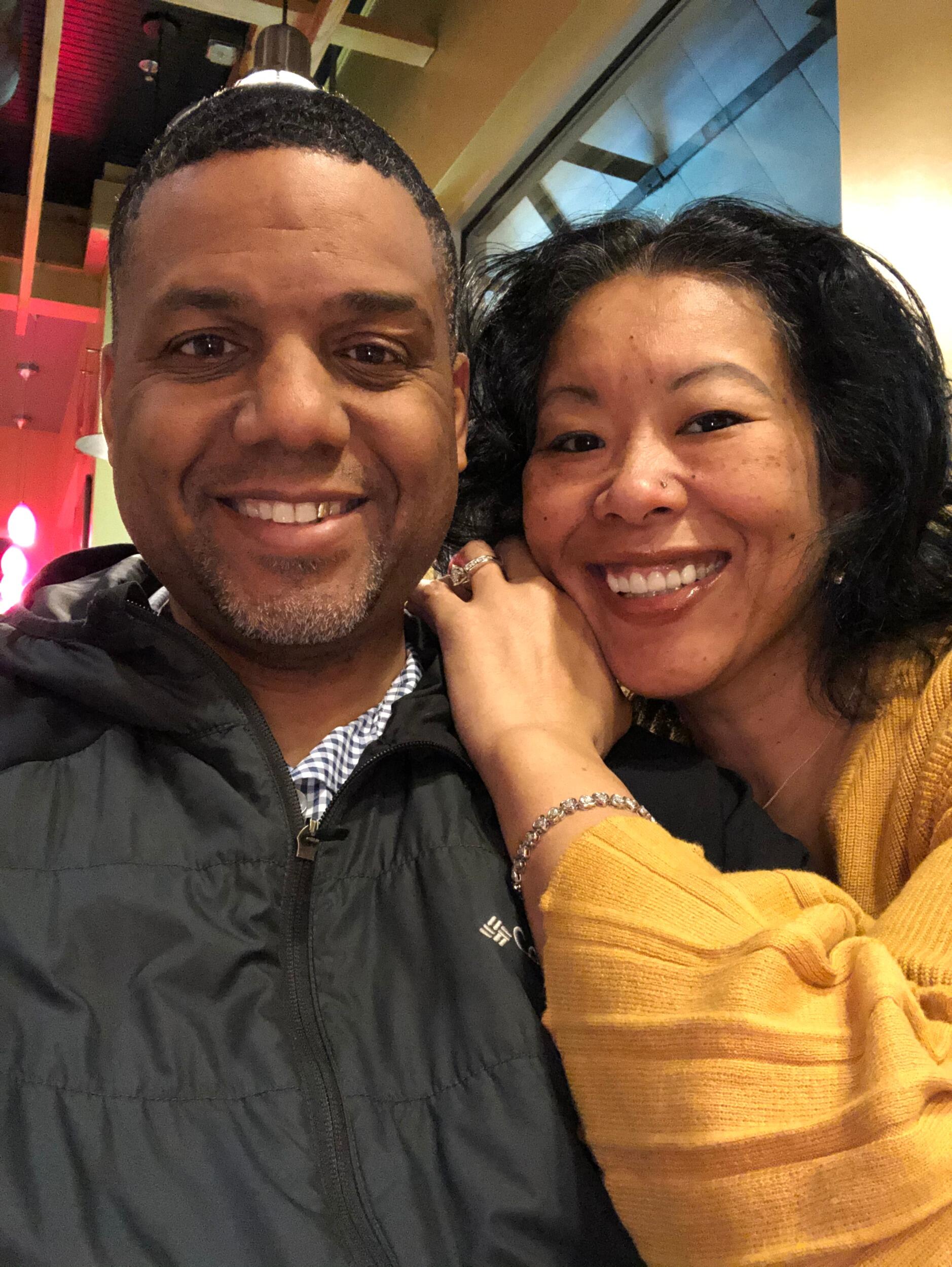
February 25, 2020
February 26, 2020

February 27, 2020
Community Service at the City Rescue Mission
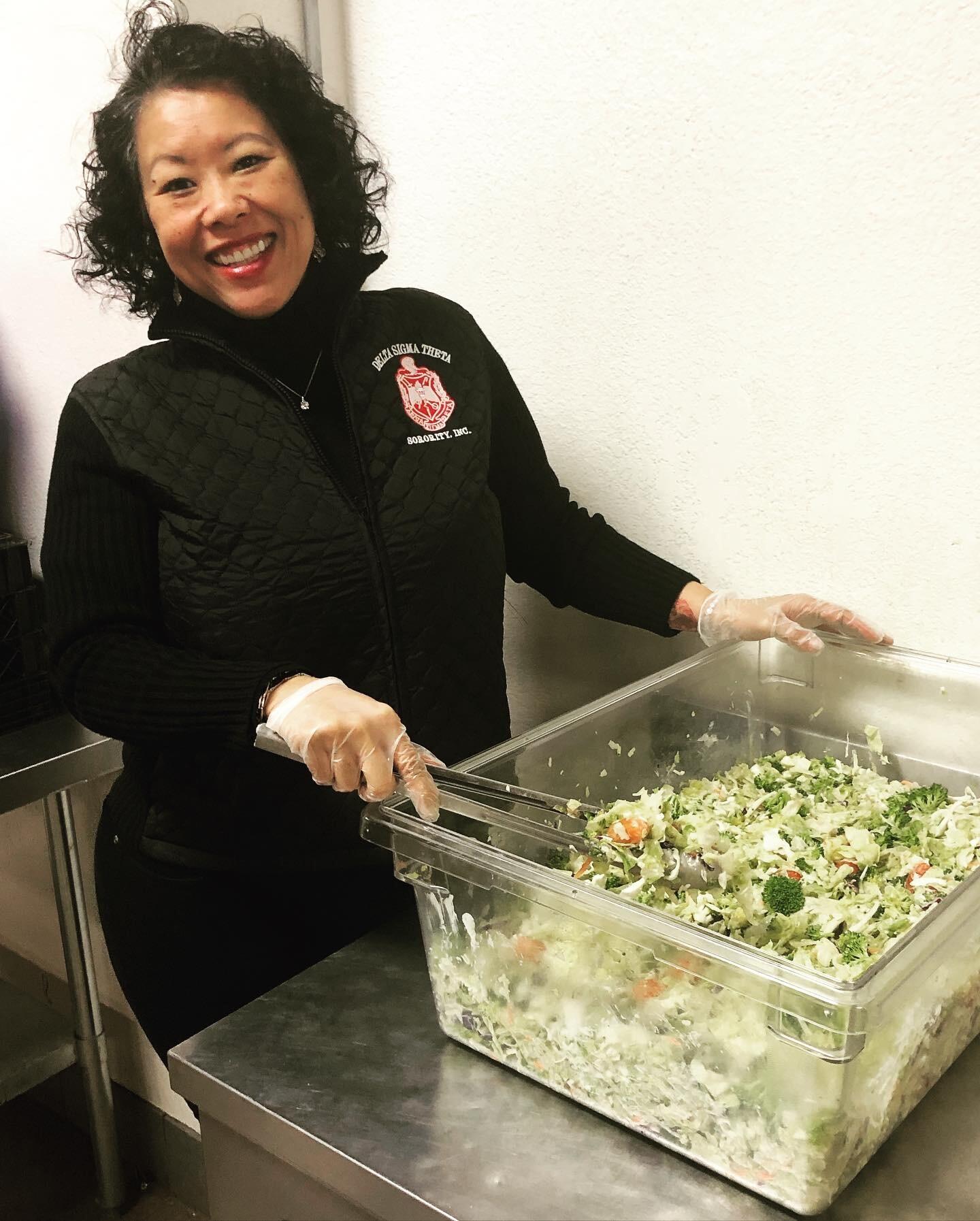
February 27, 2020
Community Service at the City Rescue Mission

February 27, 2020

February 27, 2020
Community Service at the City Rescue Mission
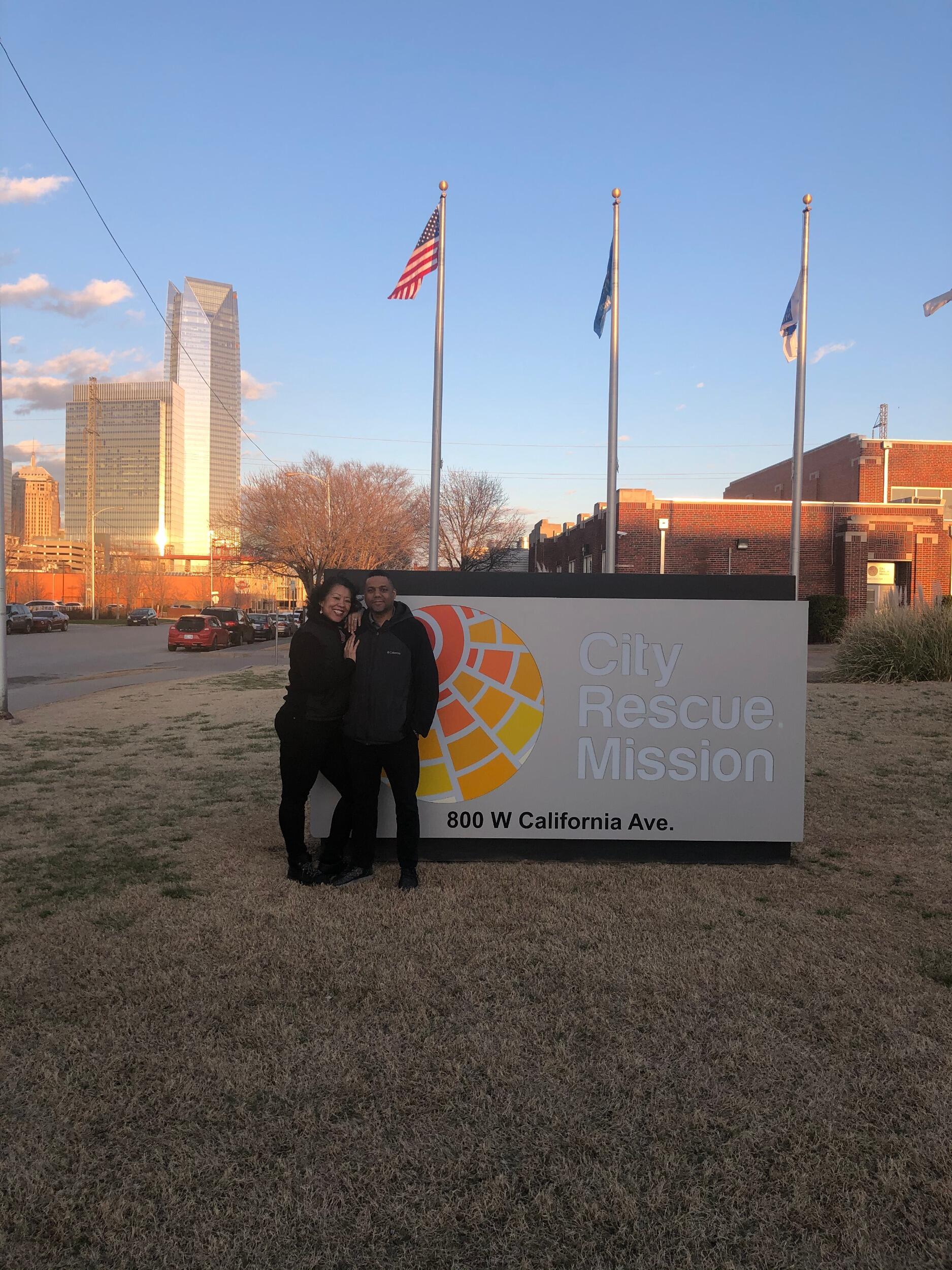
February 27, 2020
Community Service at the City Rescue Mission
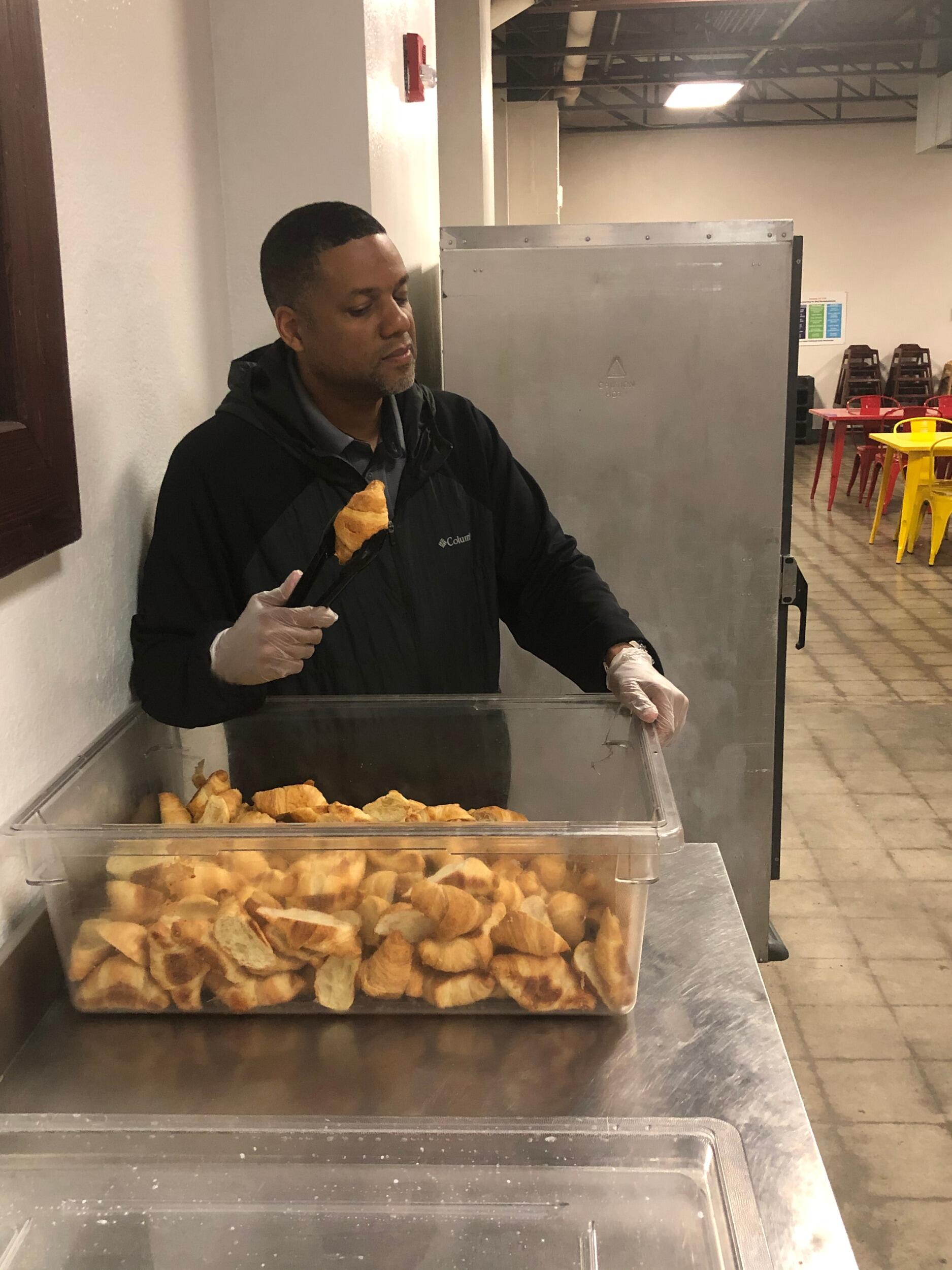
February 27, 2020
Community Service at the City Rescue Mission
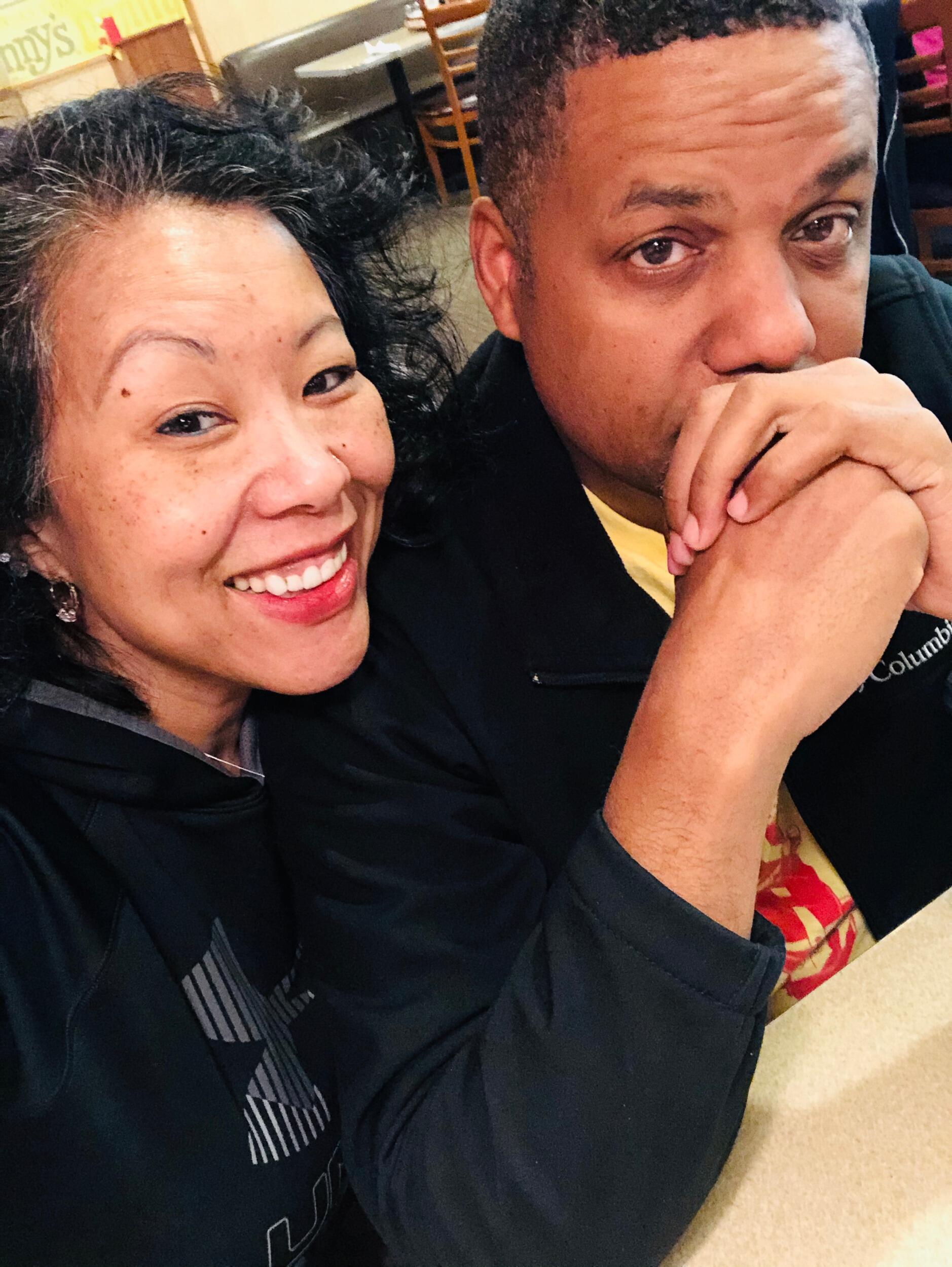
February 28, 2020

February 29, 2020

February 29, 2020

February 29, 2020

March 01, 2020

March 01, 2020

March 01, 2020
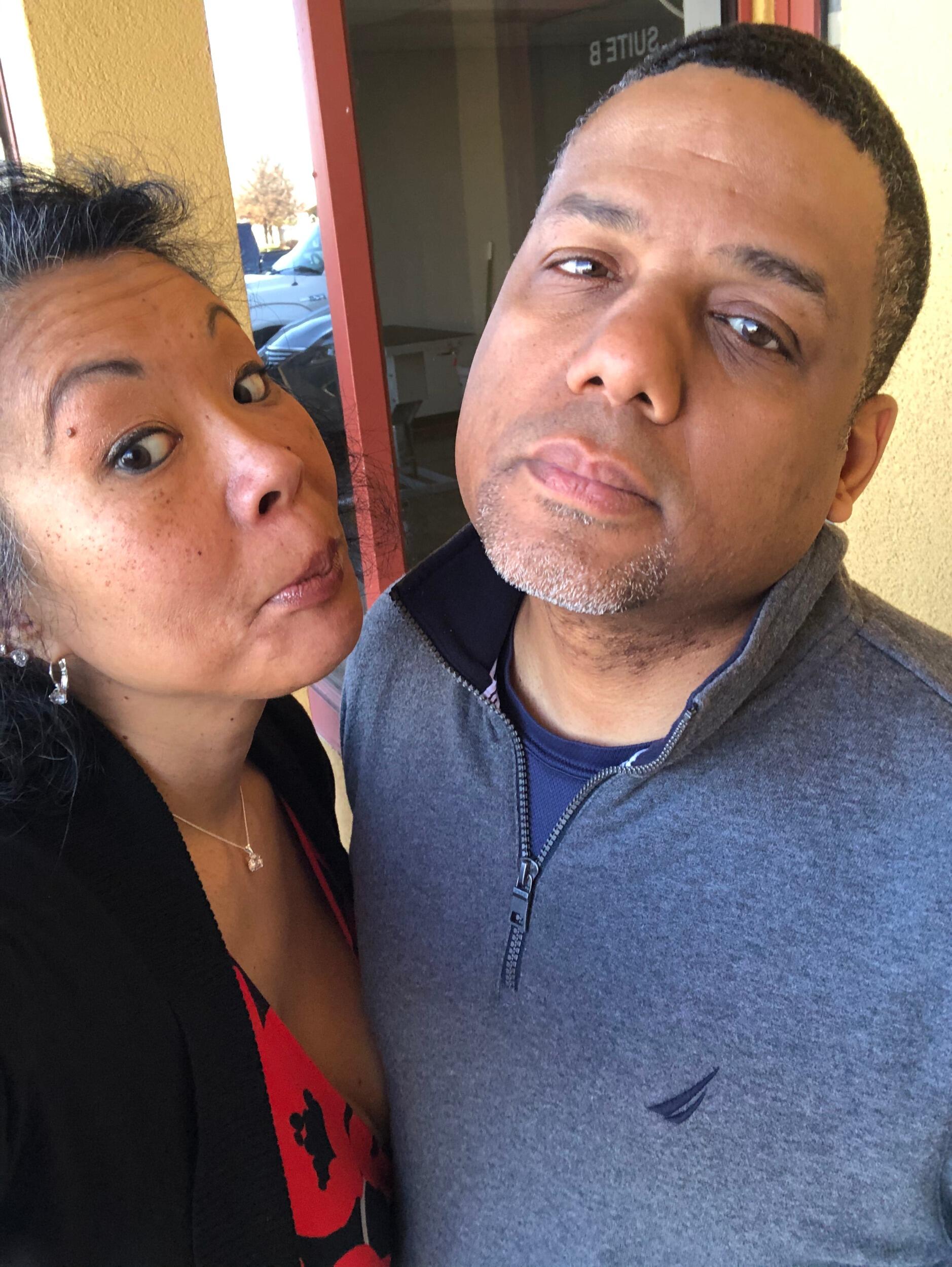
March 01, 2020

March 02, 2020

March 04, 2020

March 04, 2020
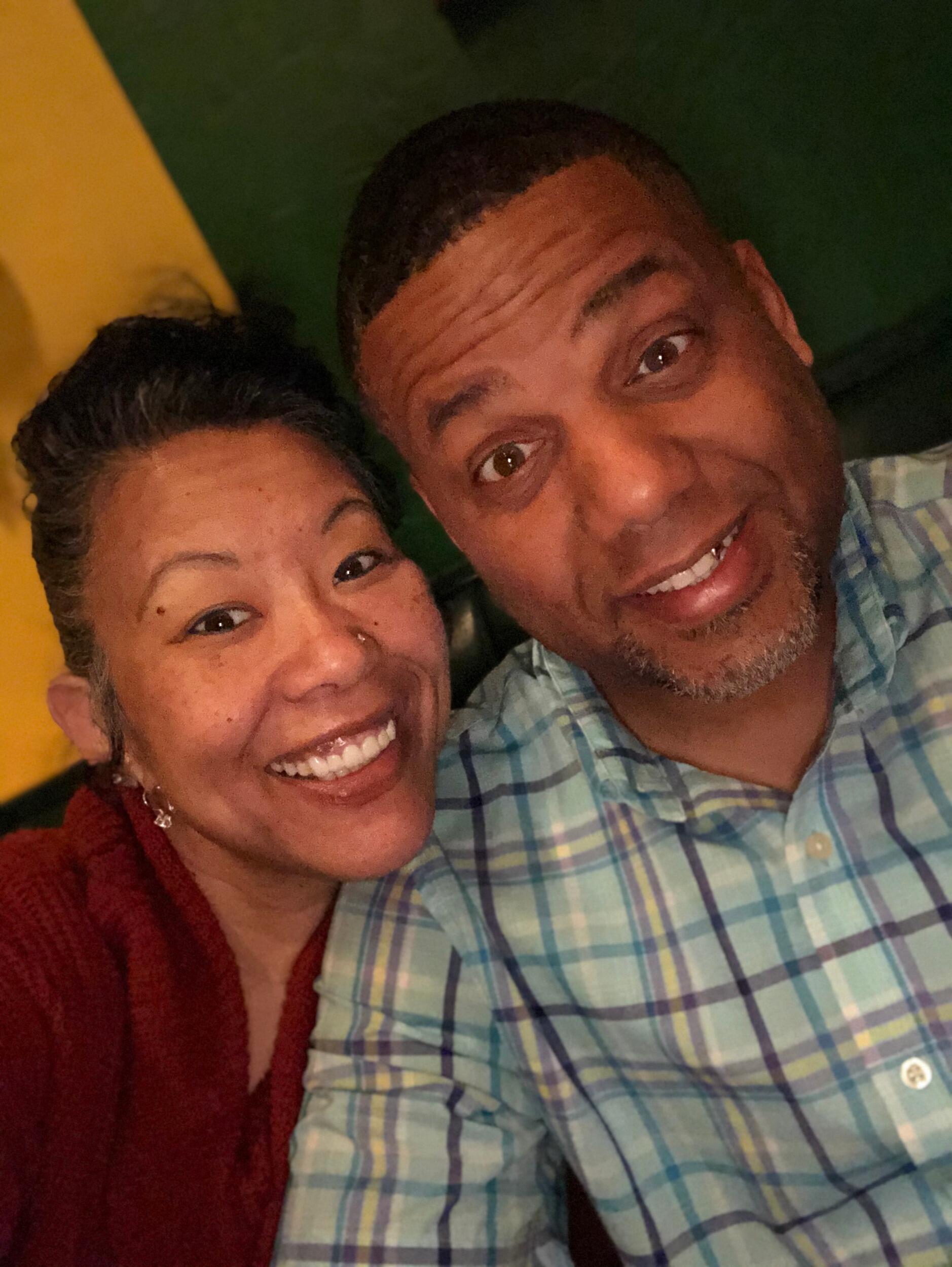
March 05, 2020
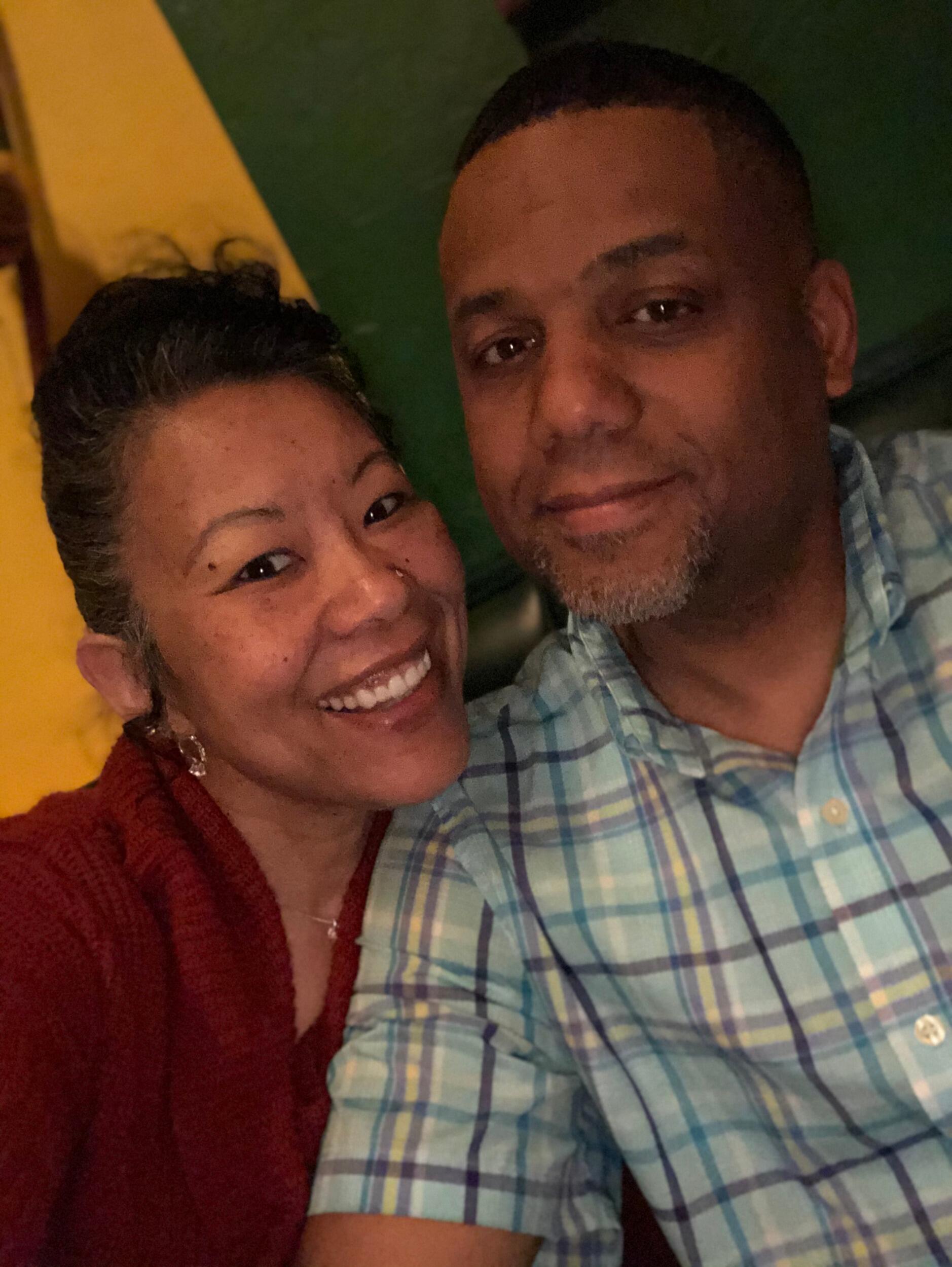
March 05, 2020
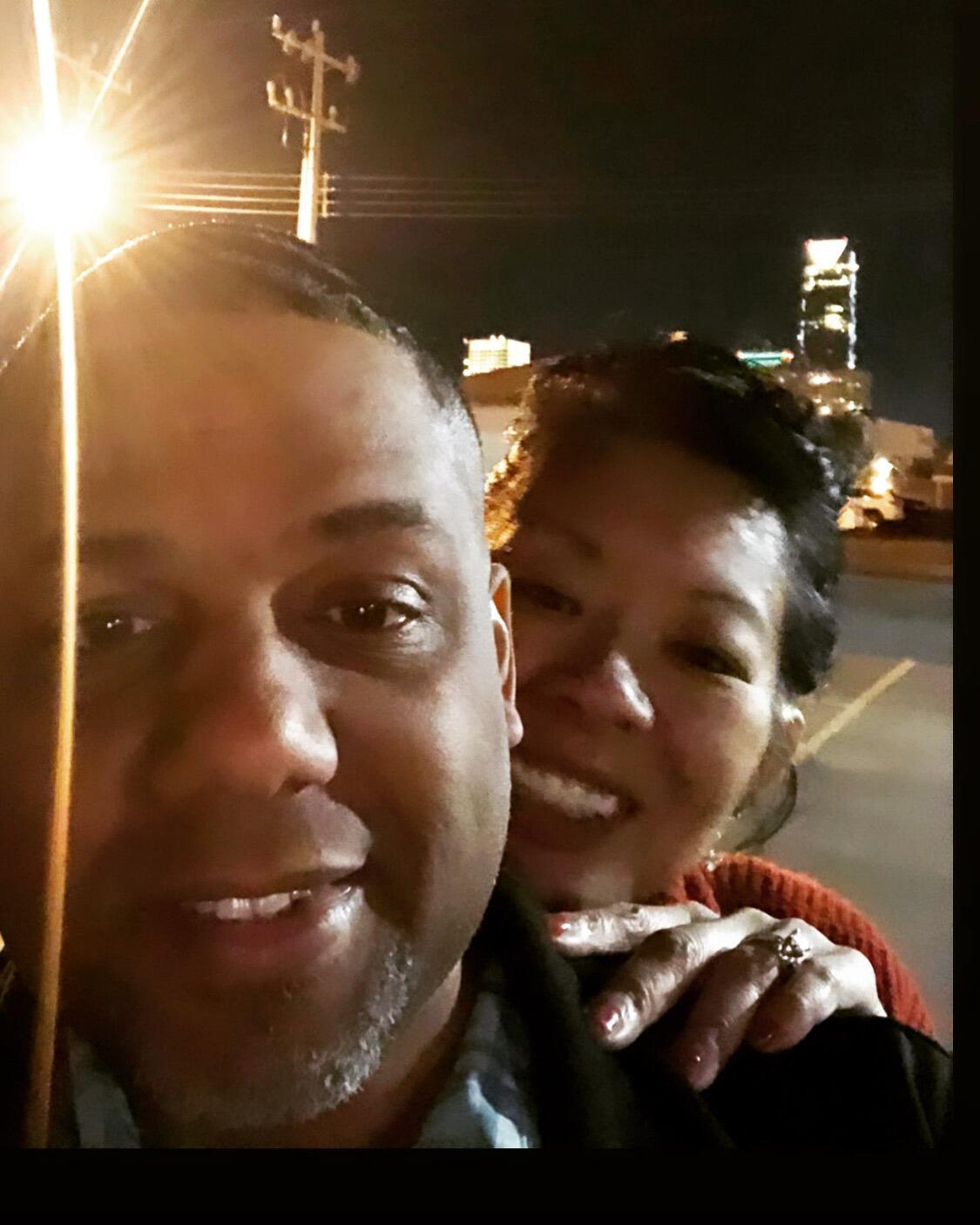
March 05, 2020

March 05, 2020
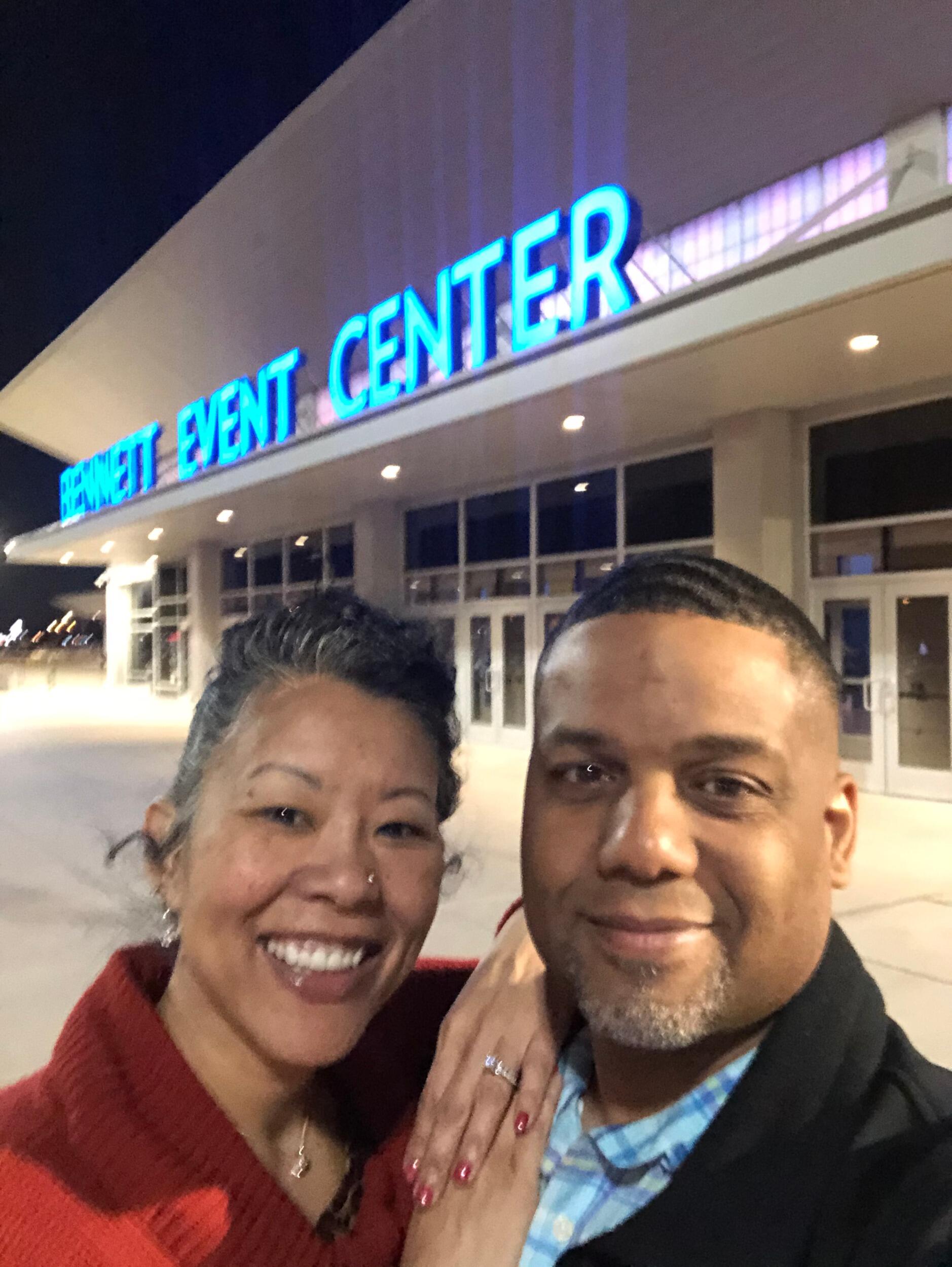
March 05, 2020

March 05, 2020
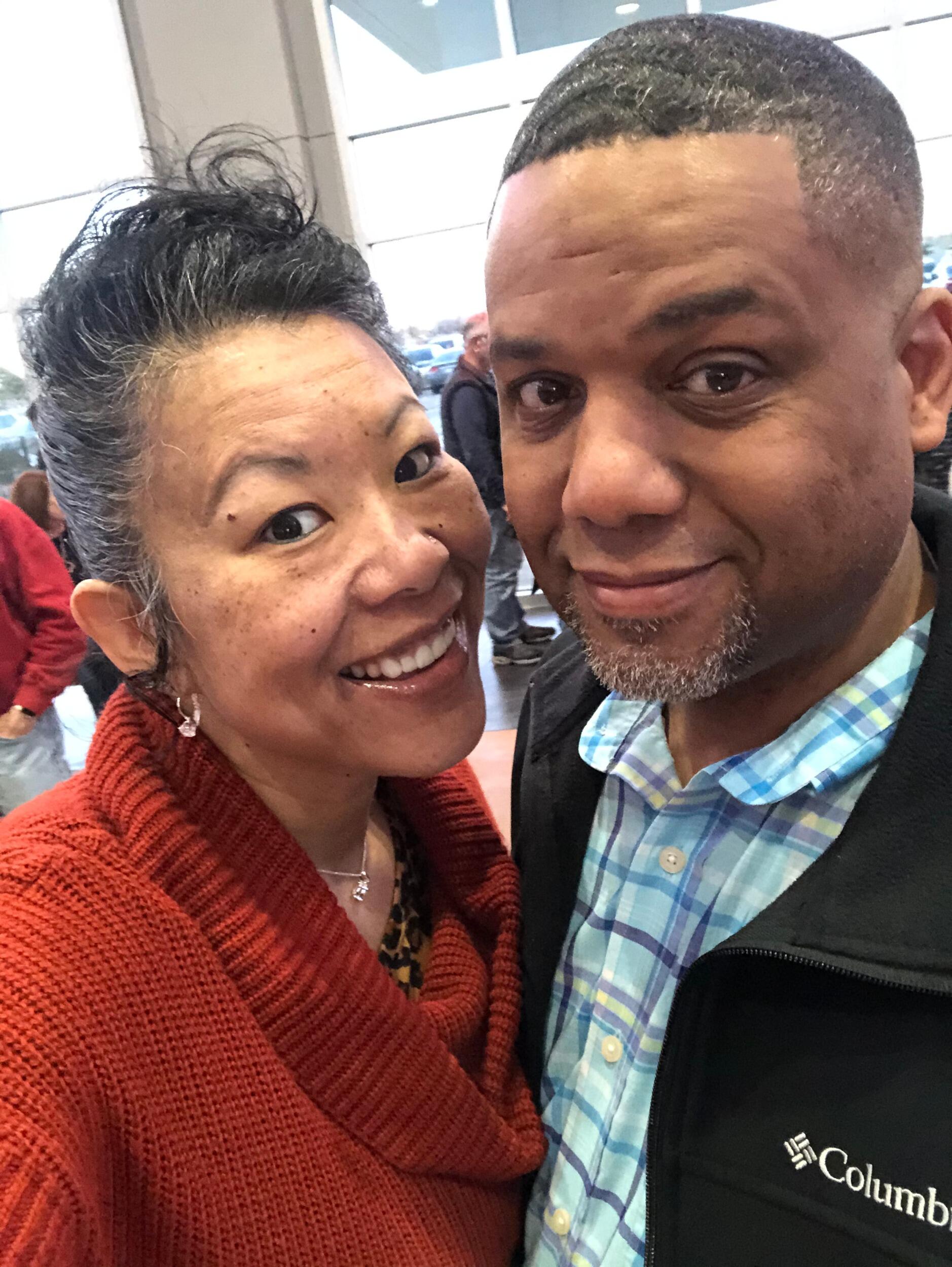
March 05, 2020

March 06, 2020
March 6 — 21 Passengers on California Cruise Ship Test Positive
Twenty-one people of just 46 tested aboard a cruise ship carrying more than 3500 people off the California coast test positive for COVID-19, with 19 being crew members. The ship is held at sea instead of being allowed to dock in San Francisco while testing is conducted. Since the event, 60 passengers have sued the cruise line and parent company, Carnival Corp, for gross negligence in how passenger safety was handled.

March 06, 2020
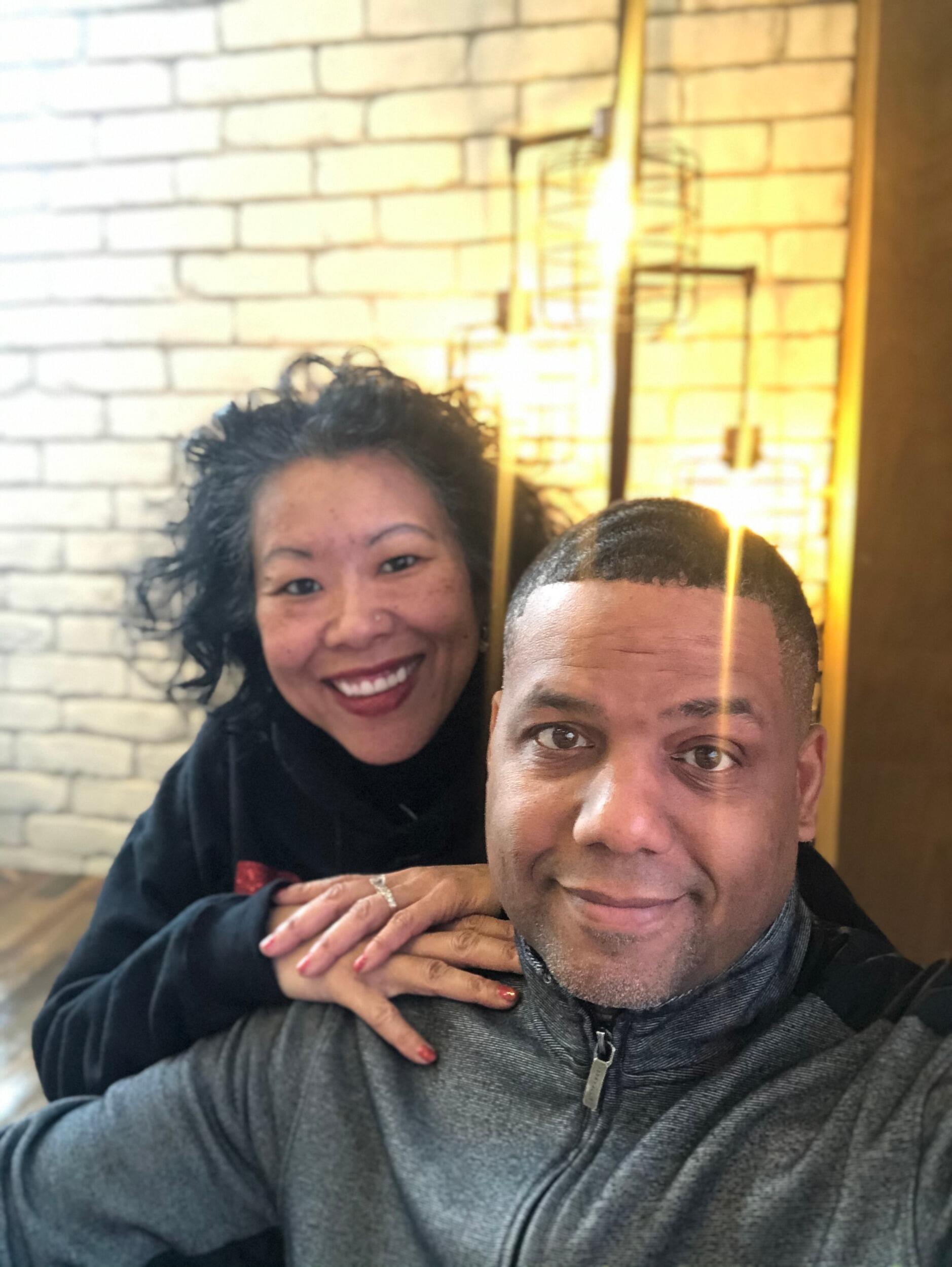
March 07, 2020
On March 7, 2020, the first case of COVID-19 was confirmed in Oklahoma in a patient who had returned from Italy on February 23 and began showing symptoms on February 29.
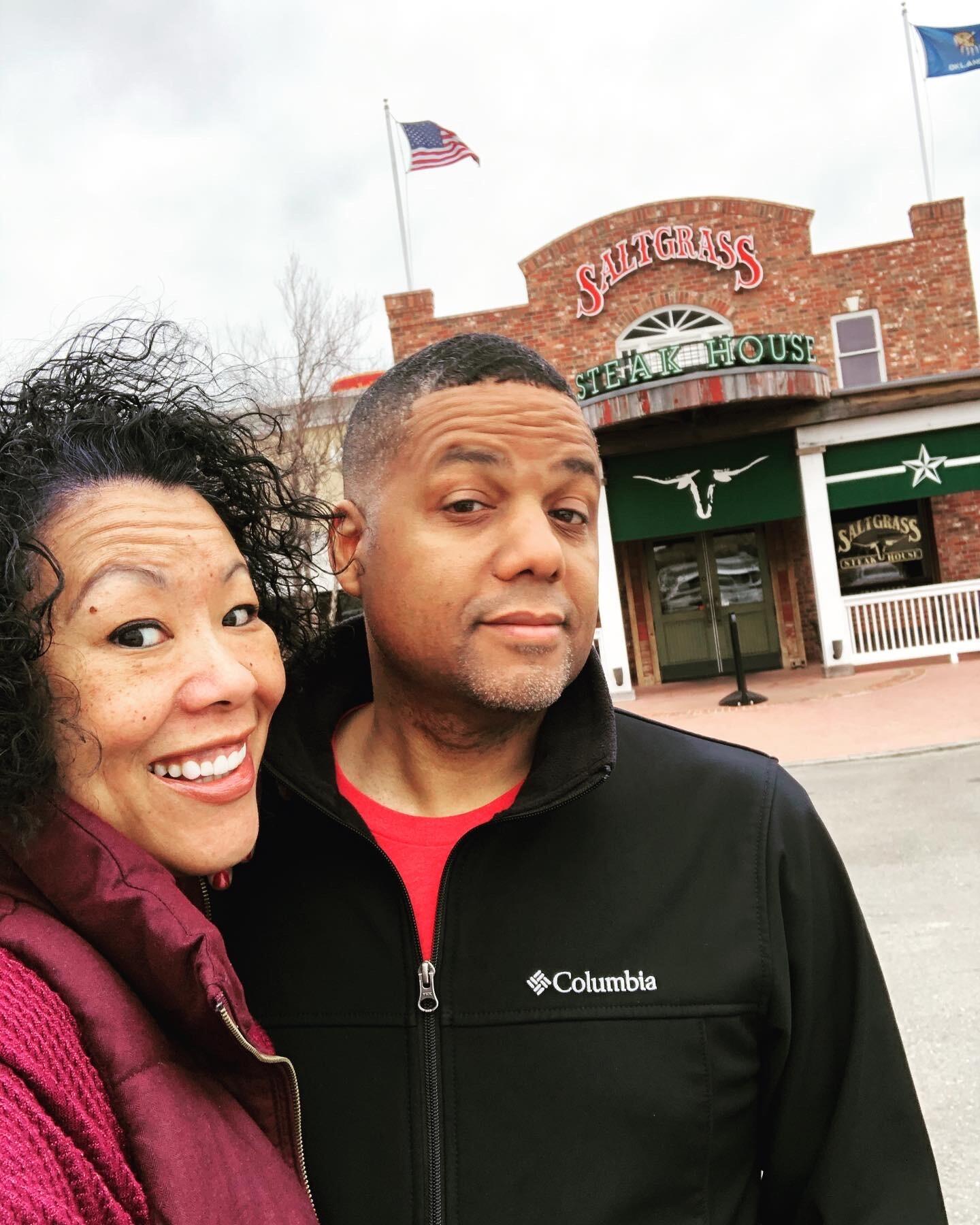
March 08, 2020
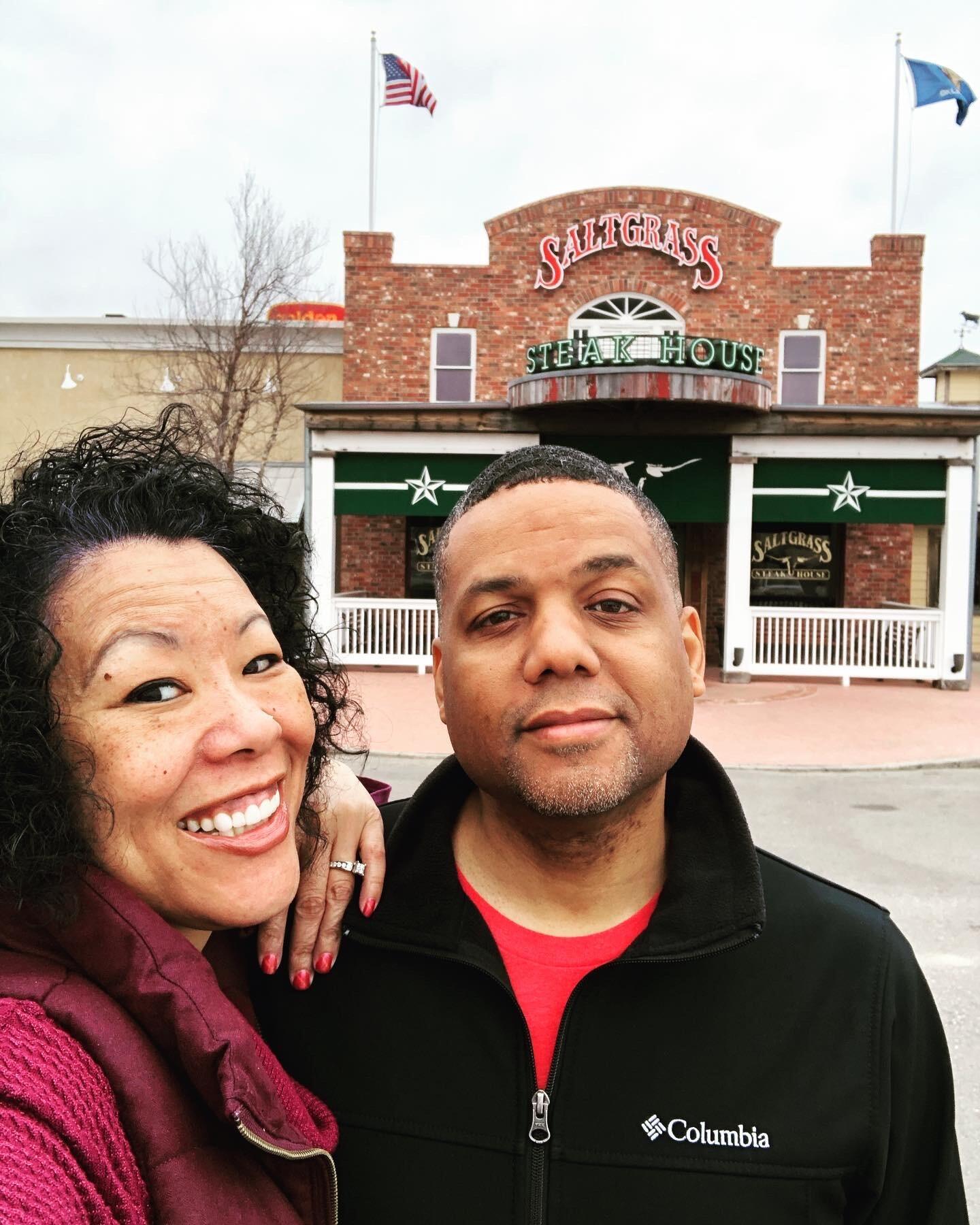
March 08, 2020
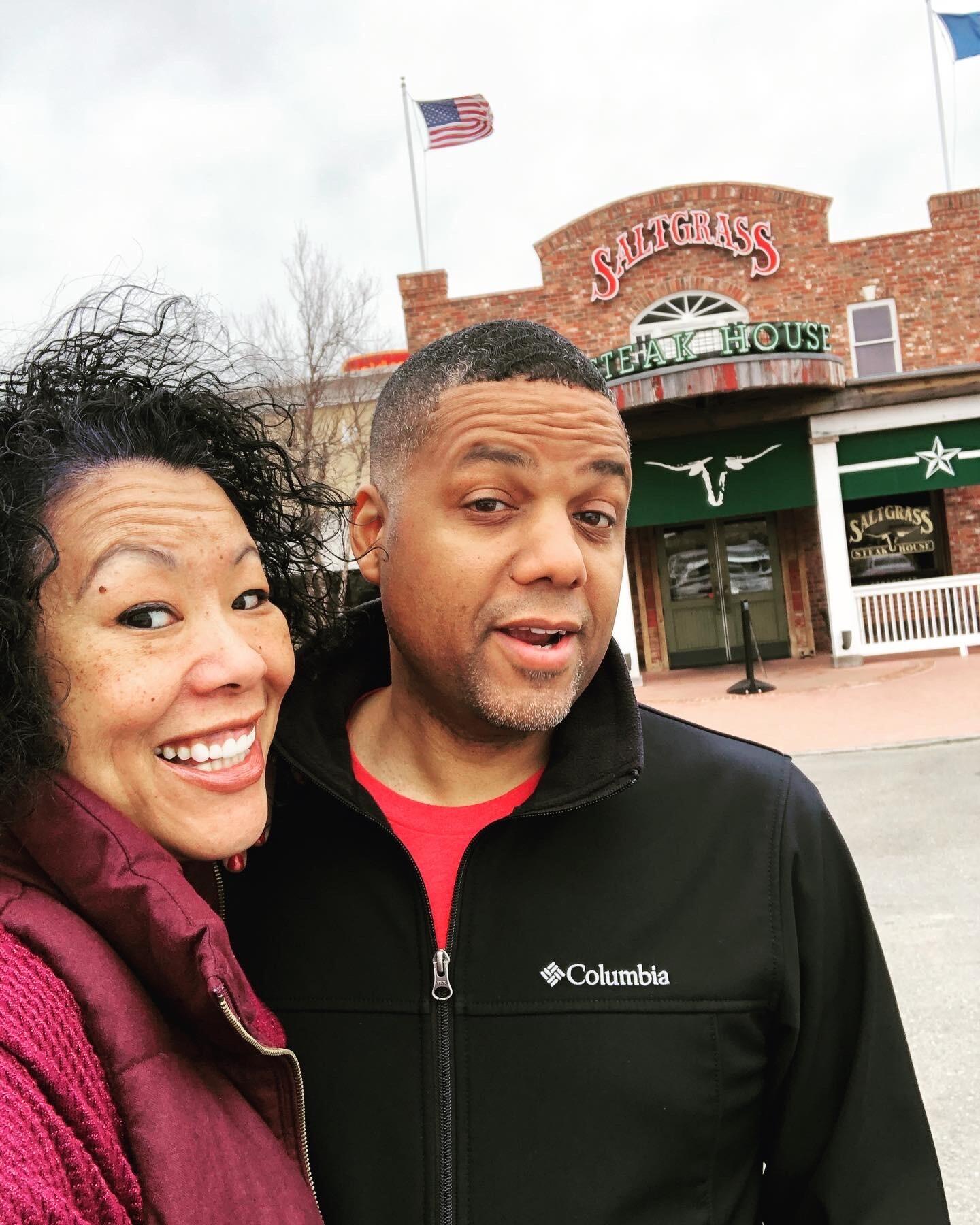
March 08, 2020
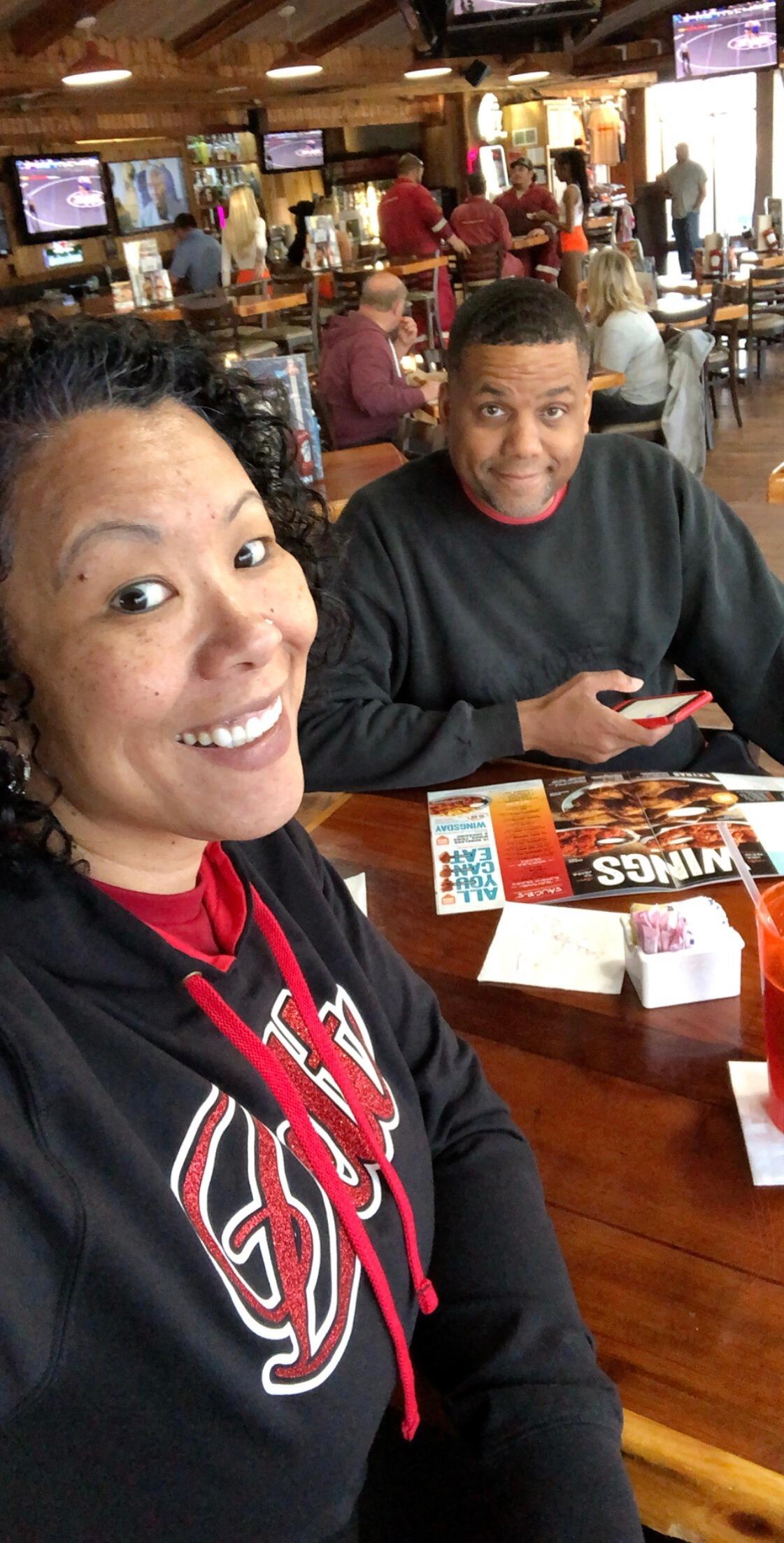
March 09, 2020
March 09, 2020
March 09, 2020

March 11, 2020
March 11 — WHO Declares COVID-19 a Pandemic
In declaring COVID-19 a pandemic, Tedros Adhanom Ghebreyesus, director general of WHO, said at a briefing in Geneva the agency is “deeply concerned by the alarming levels of spread and severity” of the outbreak. He also expressed concern about “the alarming levels of inaction.”

March 12, 2020

March 13, 2020
March 13 — Trump Declares COVID-19 a National Emergency
President Donald Trump declares the novel coronavirus a national emergency, which unlocks billions of dollars in federal funding to fight the disease’s spread.
March 13 — Travel Ban on Non-US Citizens Traveling From Europe Goes Into Effect
The Trump administration issues a travel ban on non-Americans who visited 26 European countries within 14 days of coming to the United States. People traveling from the United Kingdom and the Republic of Ireland are exempt.

March 13, 2020

March 13, 2020

March 13, 2020
March 13, 2020
March 13, 2020
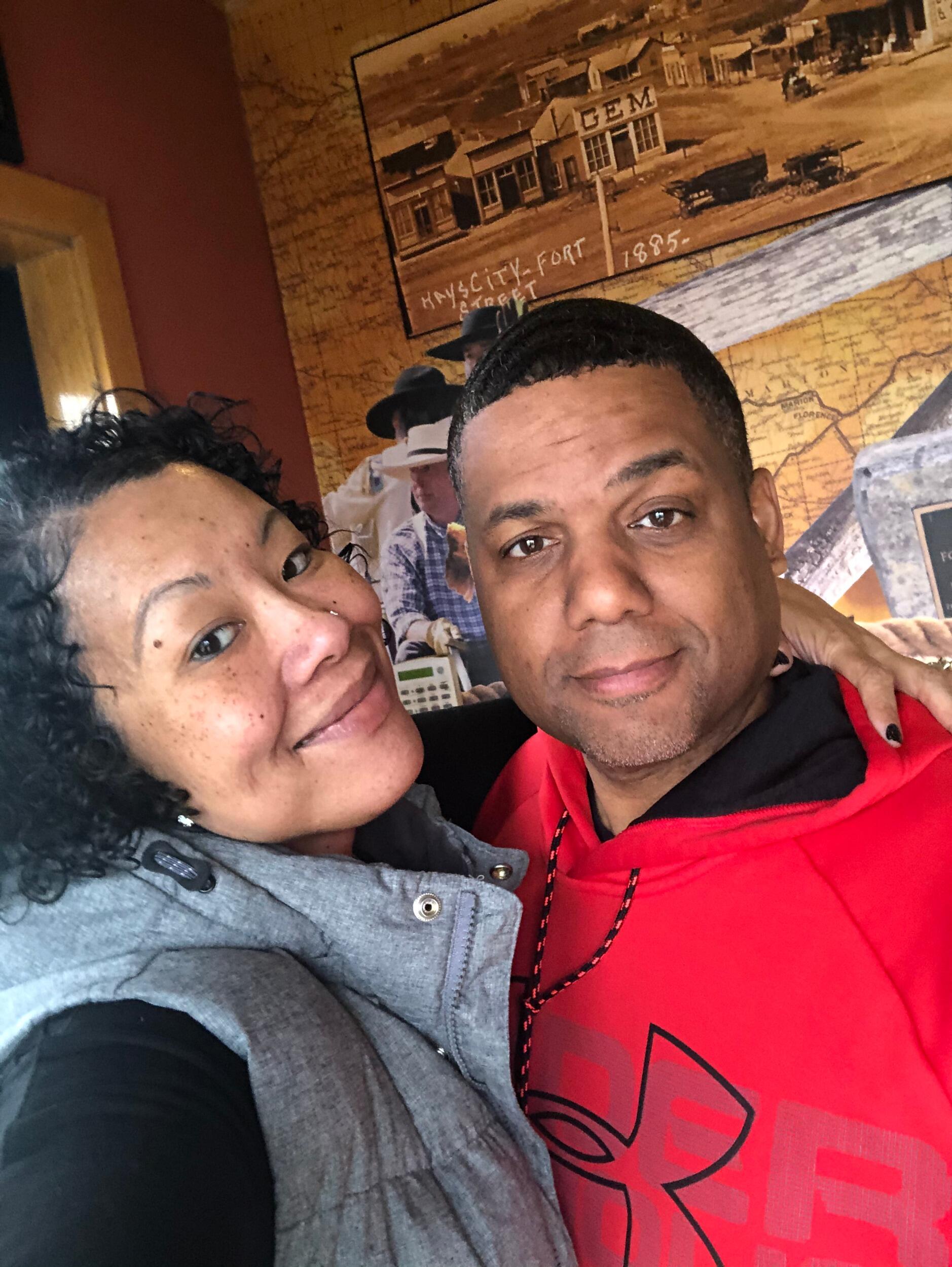
March 13, 2020
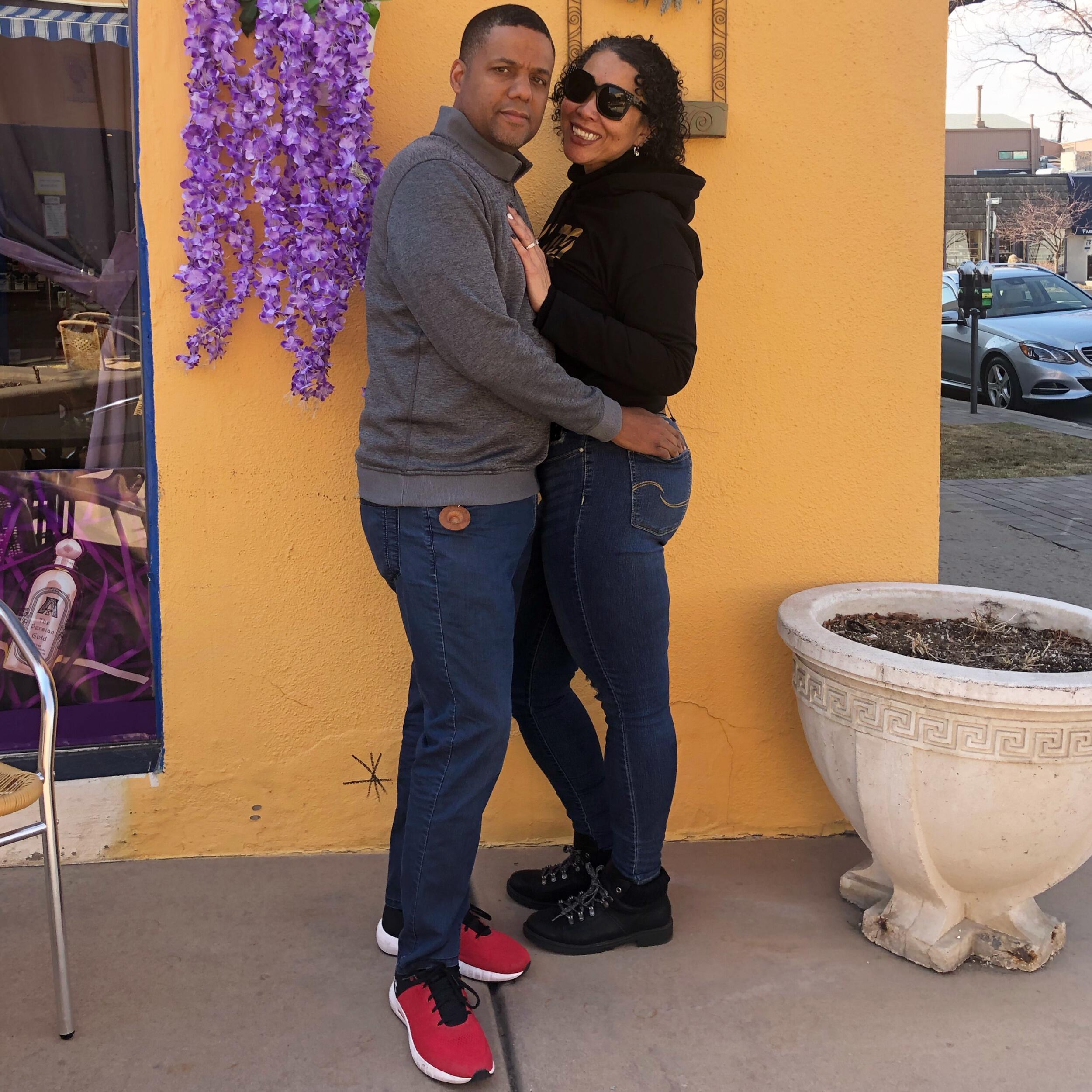
March 14, 2020
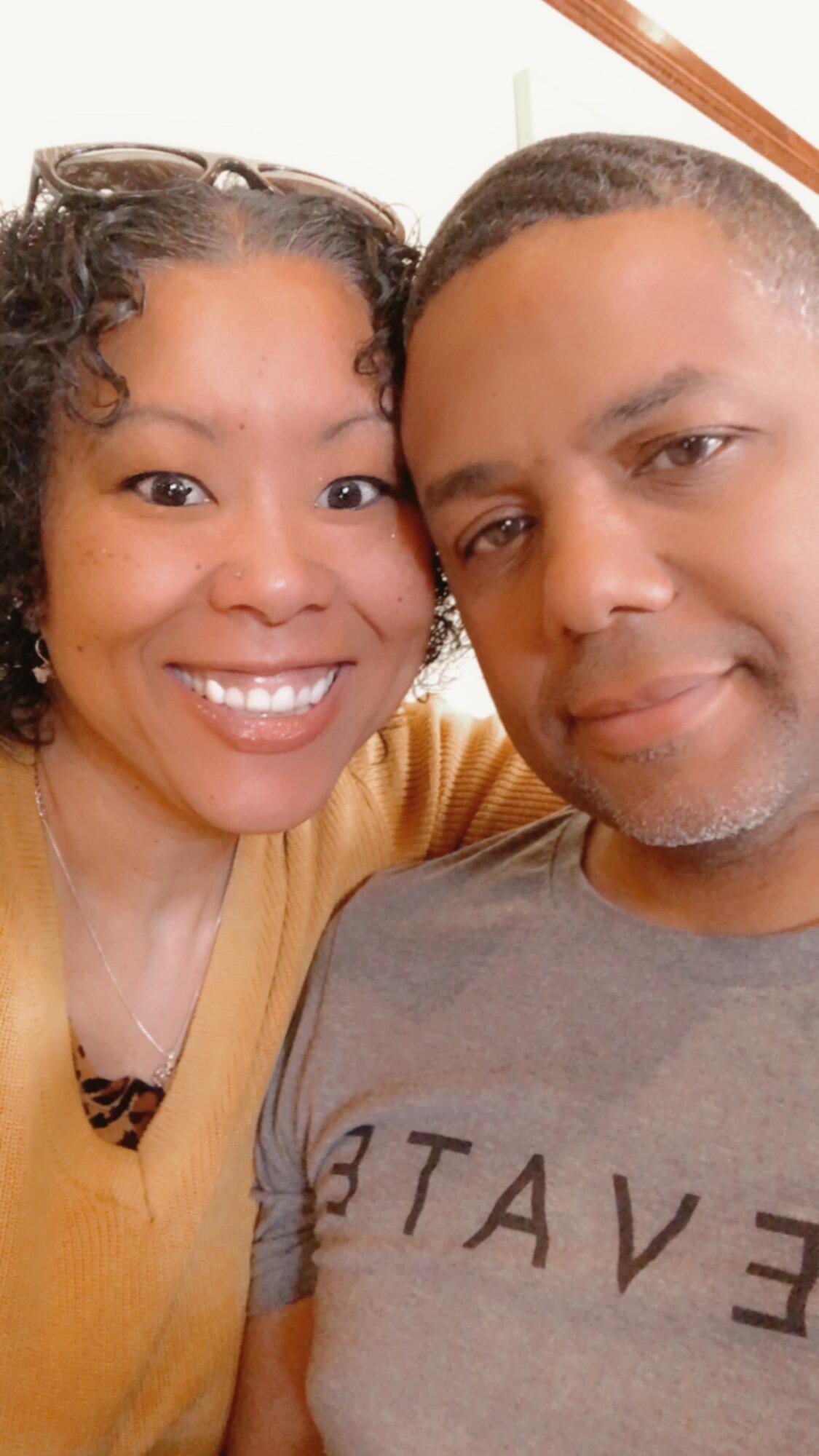
March 14, 2020

March 14, 2020

March 15, 2020

March 17, 2020
Happy Alphaversary!

March 17, 2020
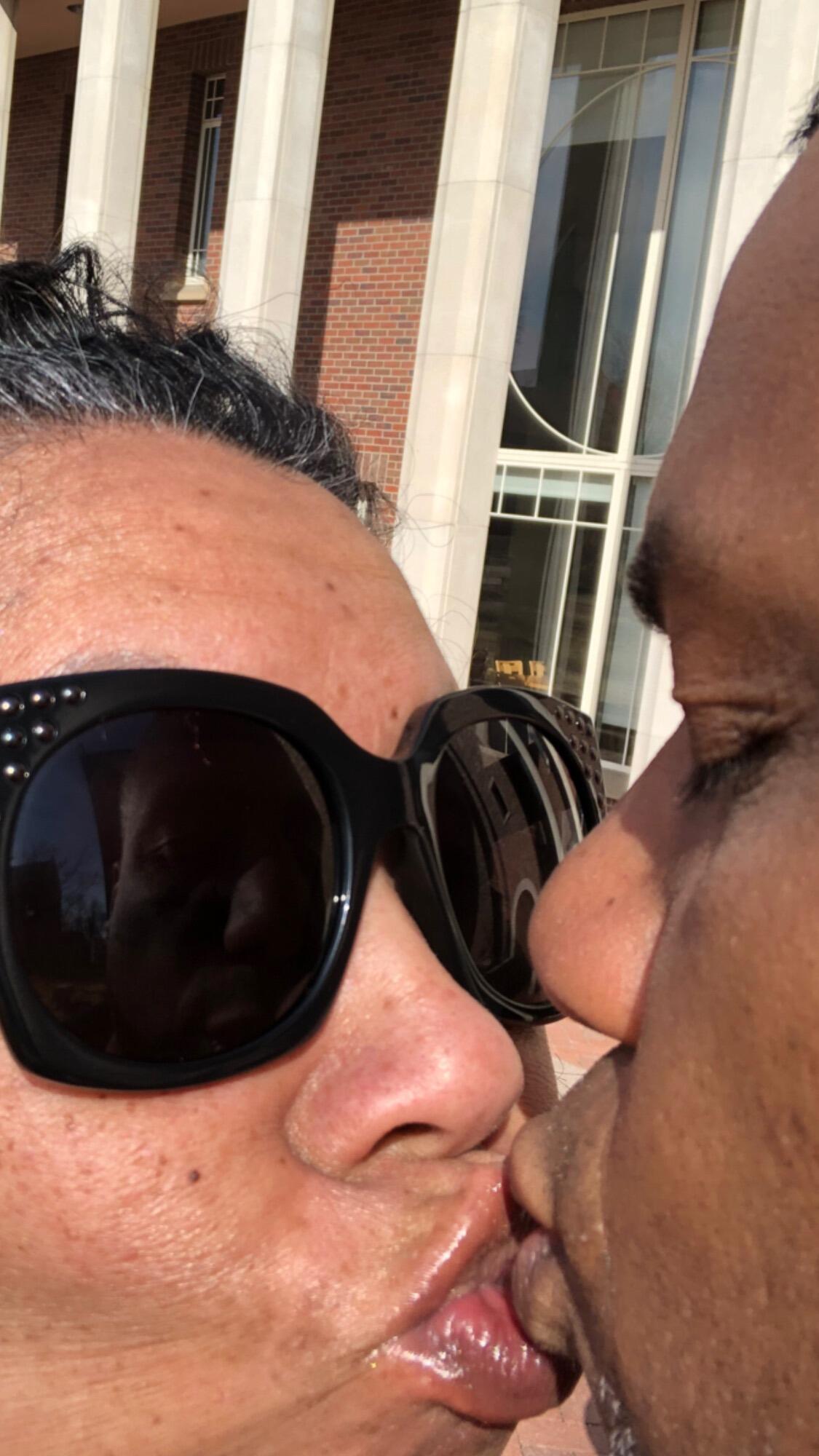
March 17, 2020
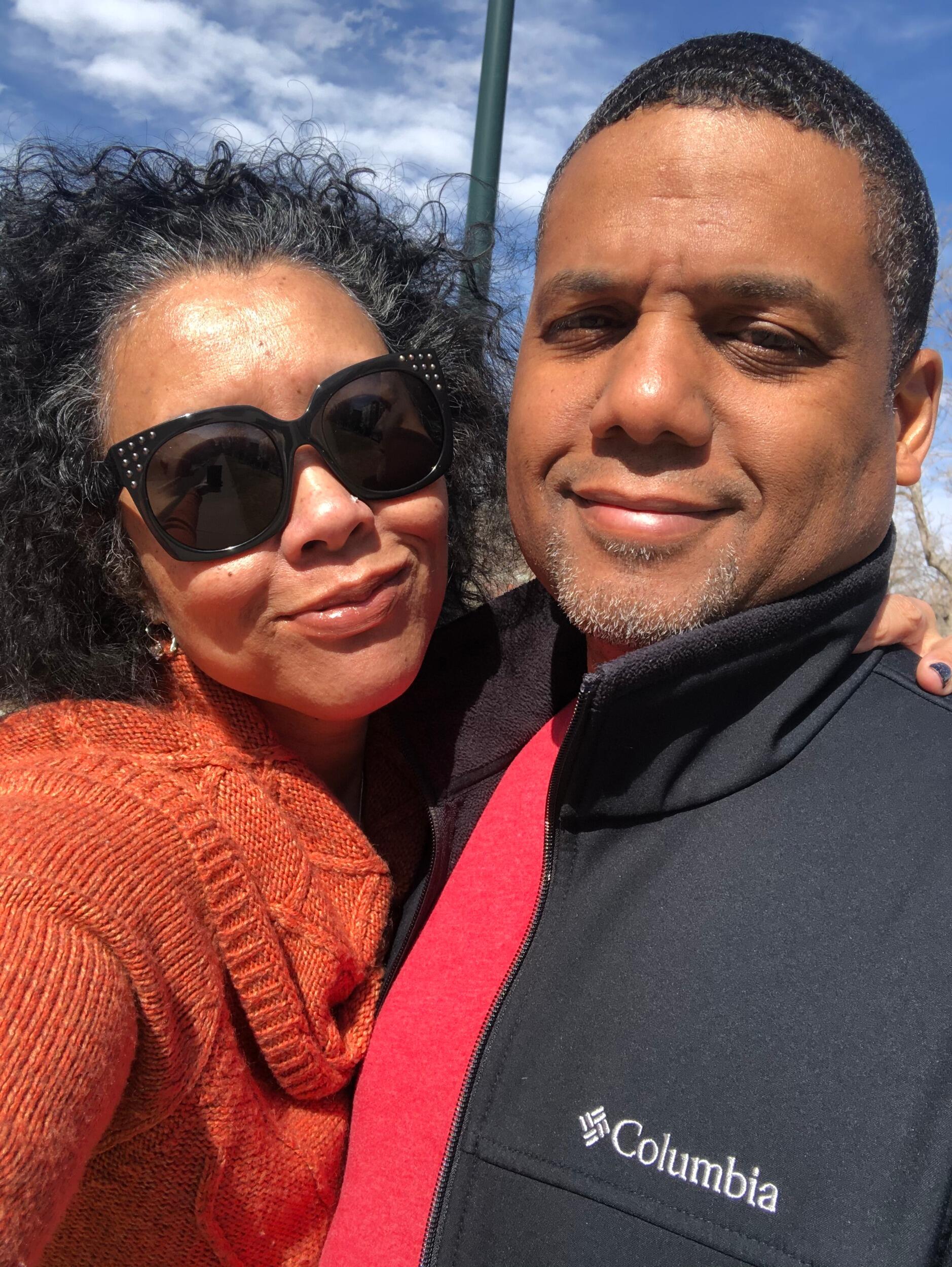
March 17, 2020
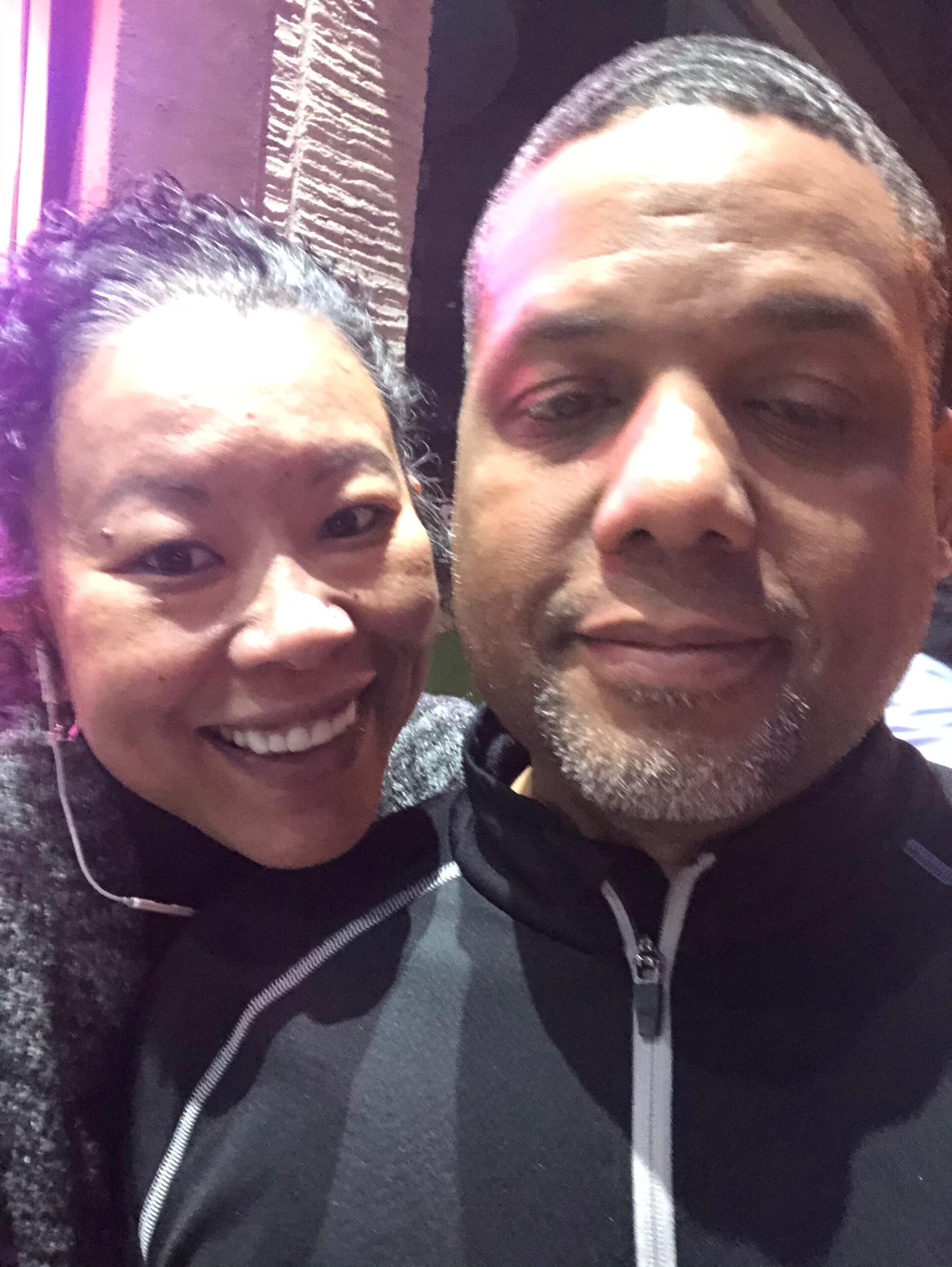
March 18, 2020
On March 18, there were 29 cases, an increase of 71% from the previous day's total.[14] In addition, the first COVID-19 patient died of the disease in Tulsa. He was a man in his 50s who had been admitted the day before. Testing capabilities remain limited in Oklahoma.

March 19, 2020
March 19 — California Issues Statewide Stay-at-Home Order
California becomes the first state to issue a stay-at-home order, mandating all residents to stay at home except to go to an essential job or shop for essential needs. The order also instructs health care systems to prioritize services to those who are the sickest.

March 19, 2020
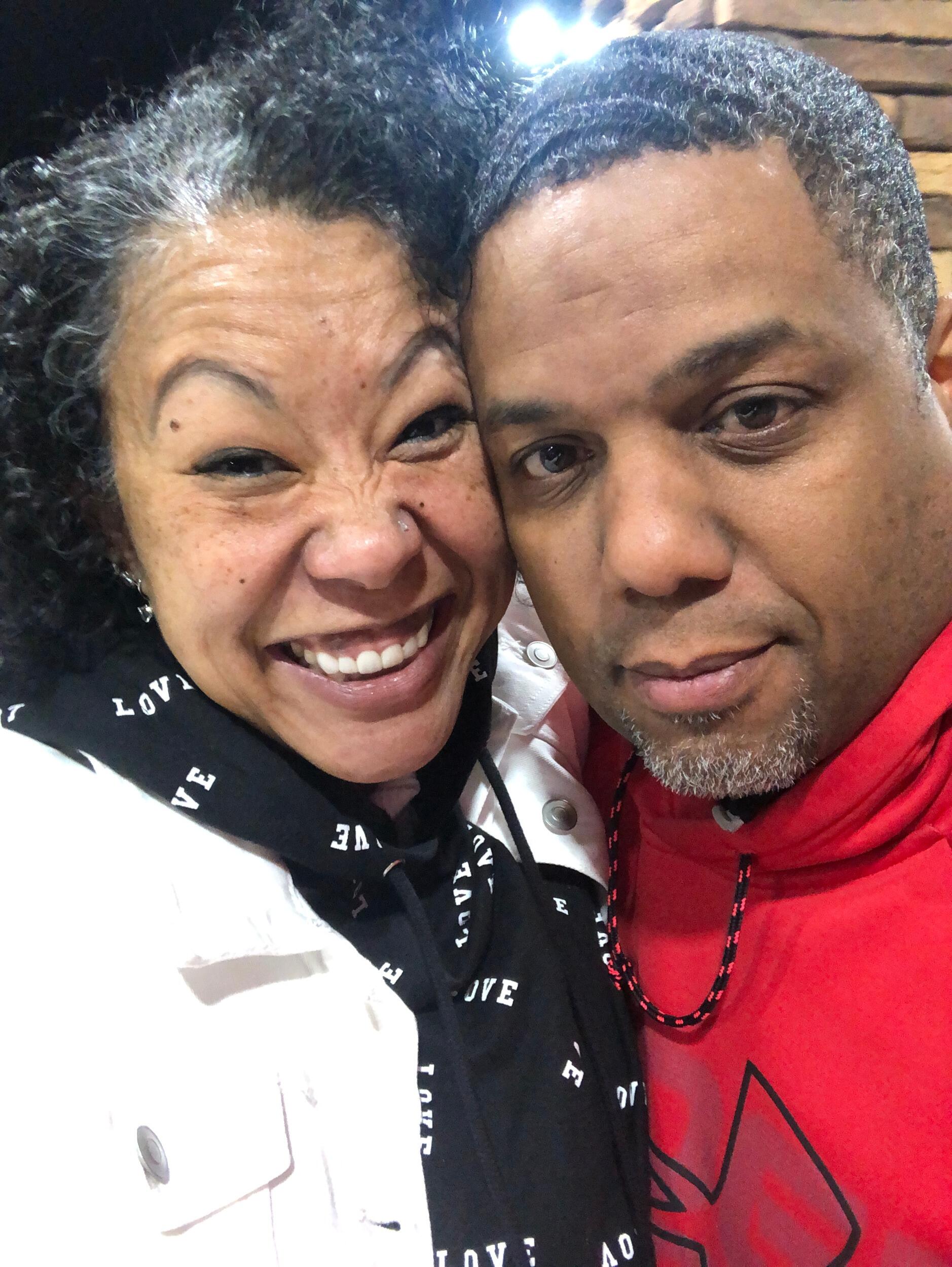
March 19, 2020
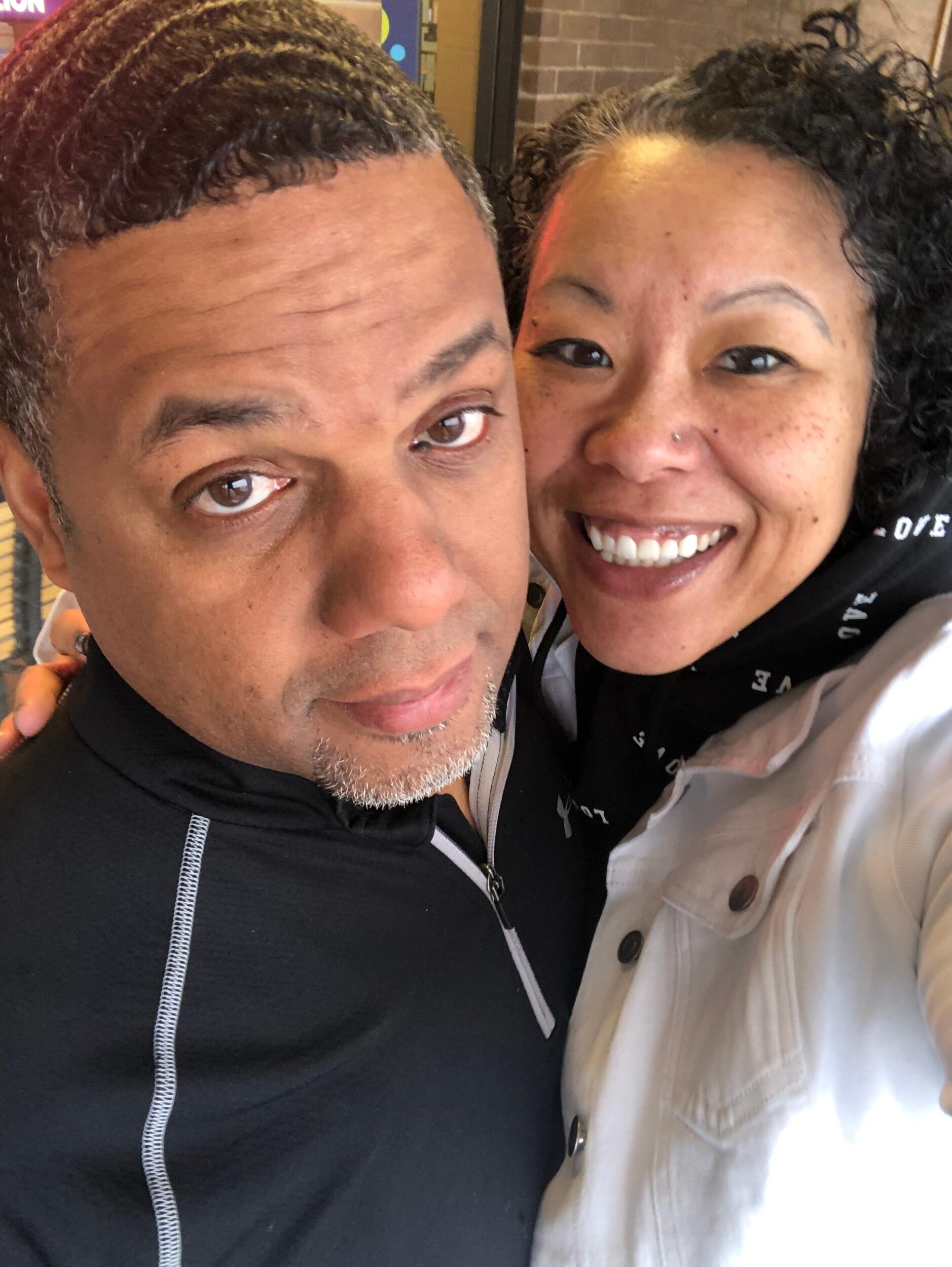
March 19, 2020
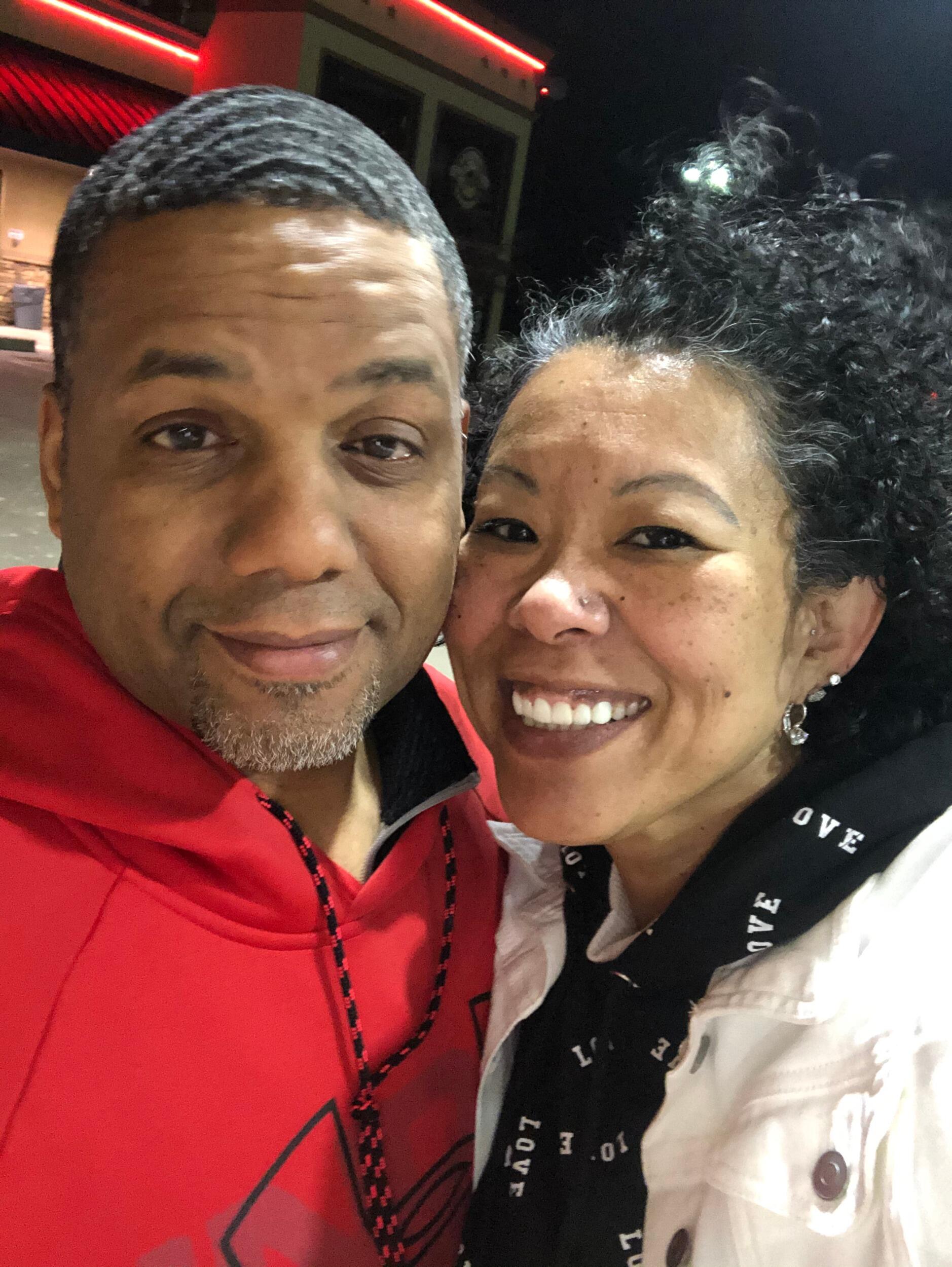
March 19, 2020

March 20, 2020
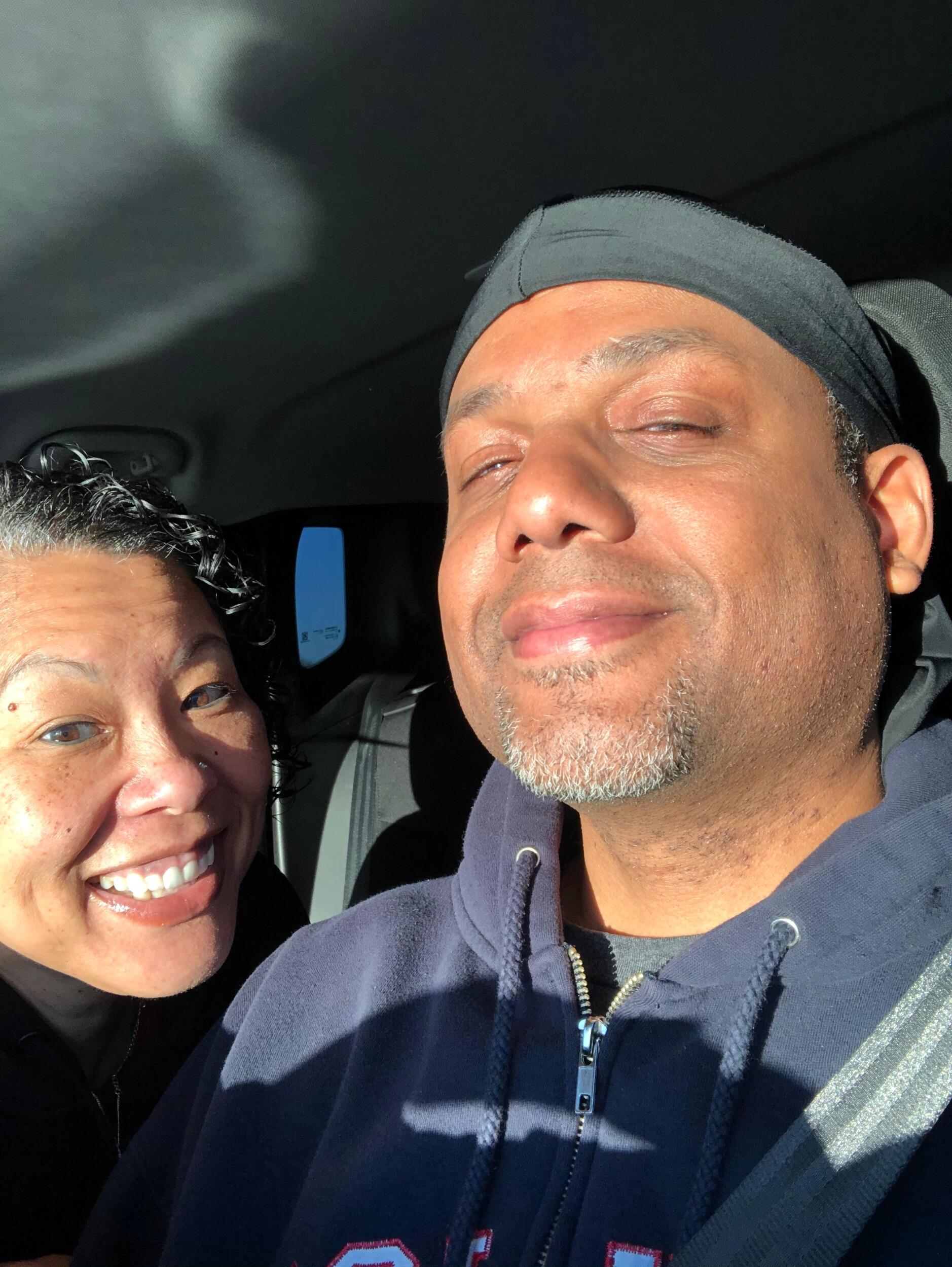
March 20, 2020
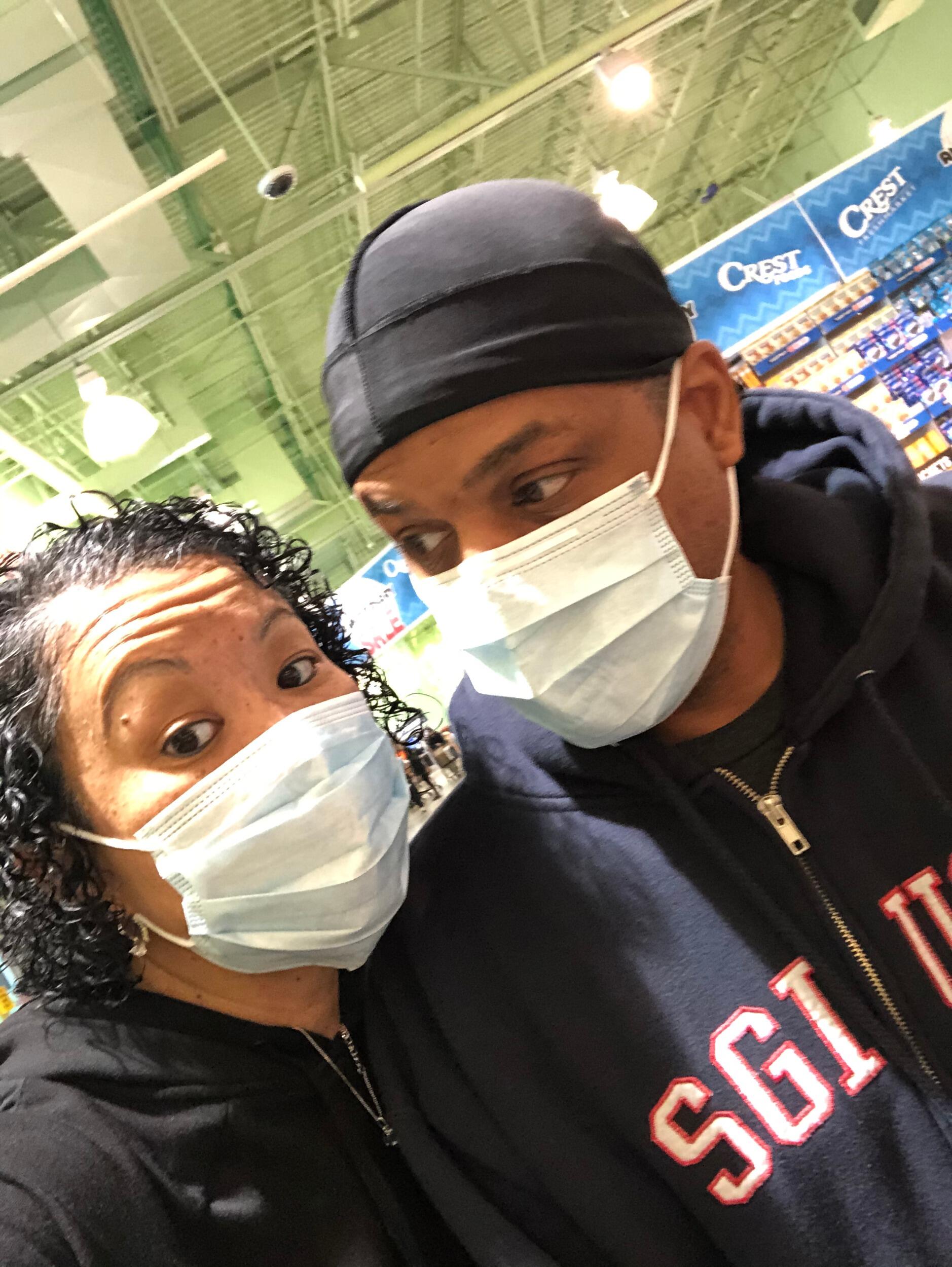
March 20, 2020

March 22, 2020
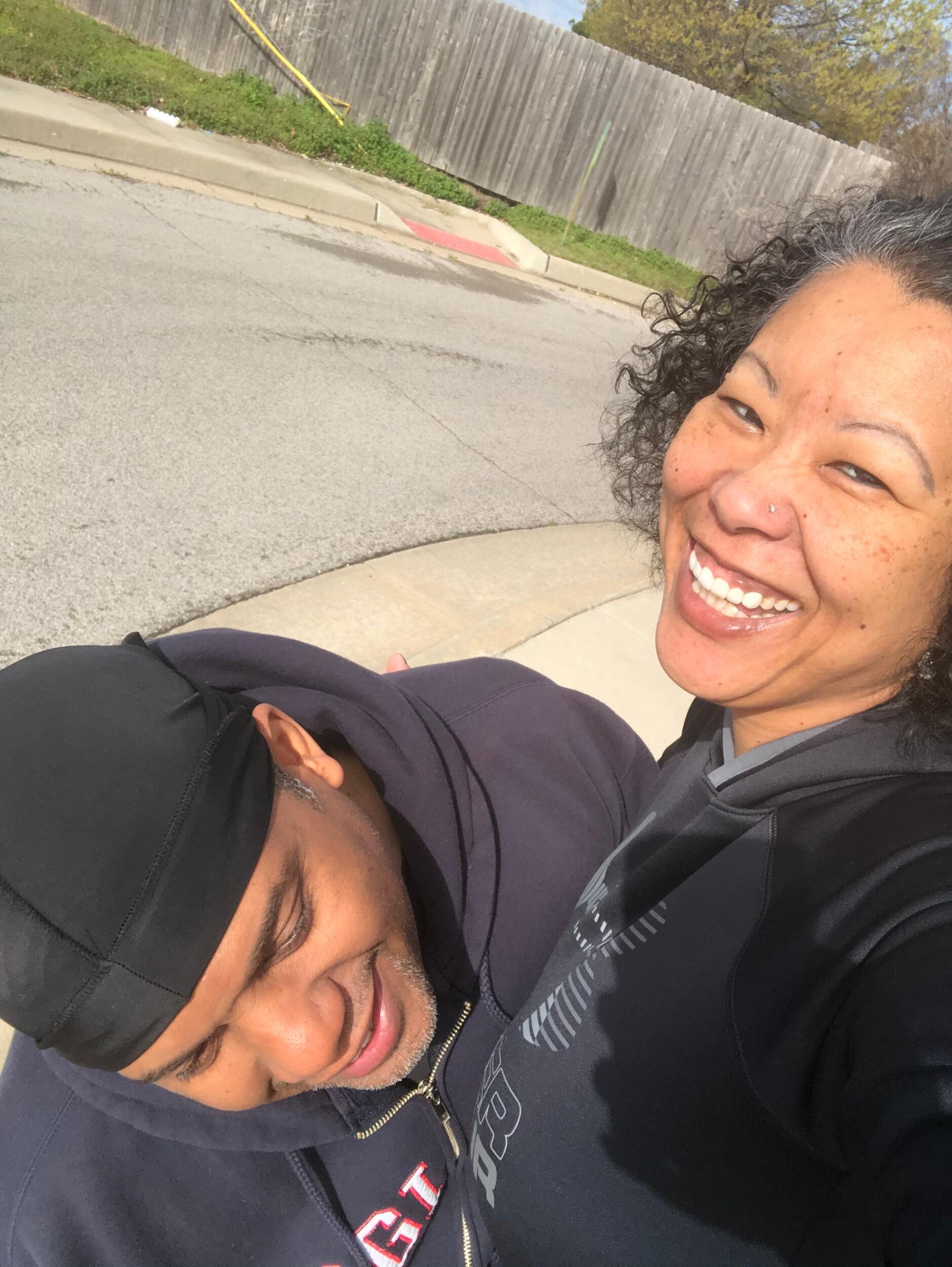
March 24, 2020
On March 24, Governor Stitt announced a "Safer at Home" executive order effective through April 30, requiring vulnerable populations (including those over the age of 65 or with underlying health conditions) to remain at their residences unless conducting essential shopping, medical appointments, or exercise.
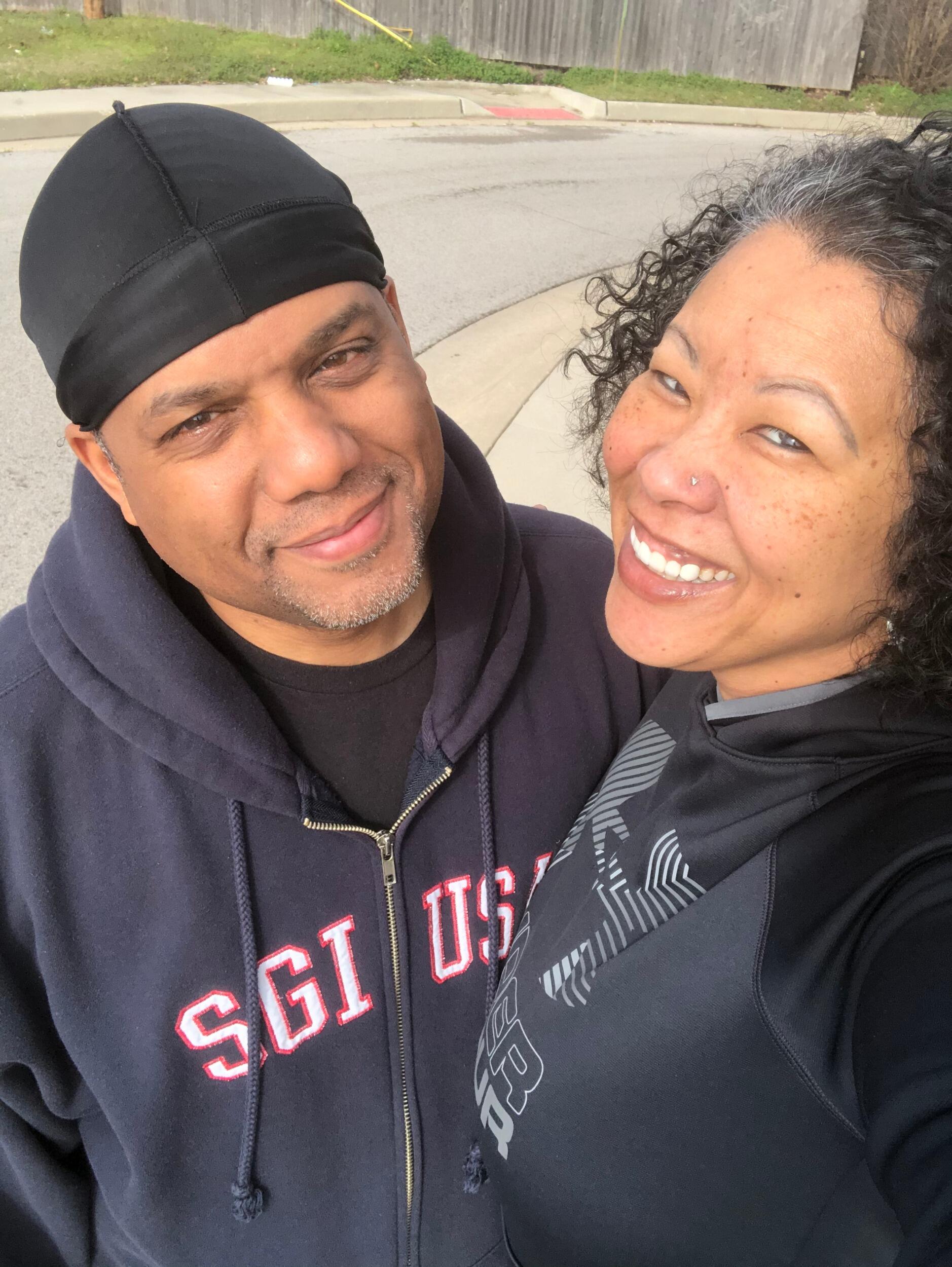
March 24, 2020
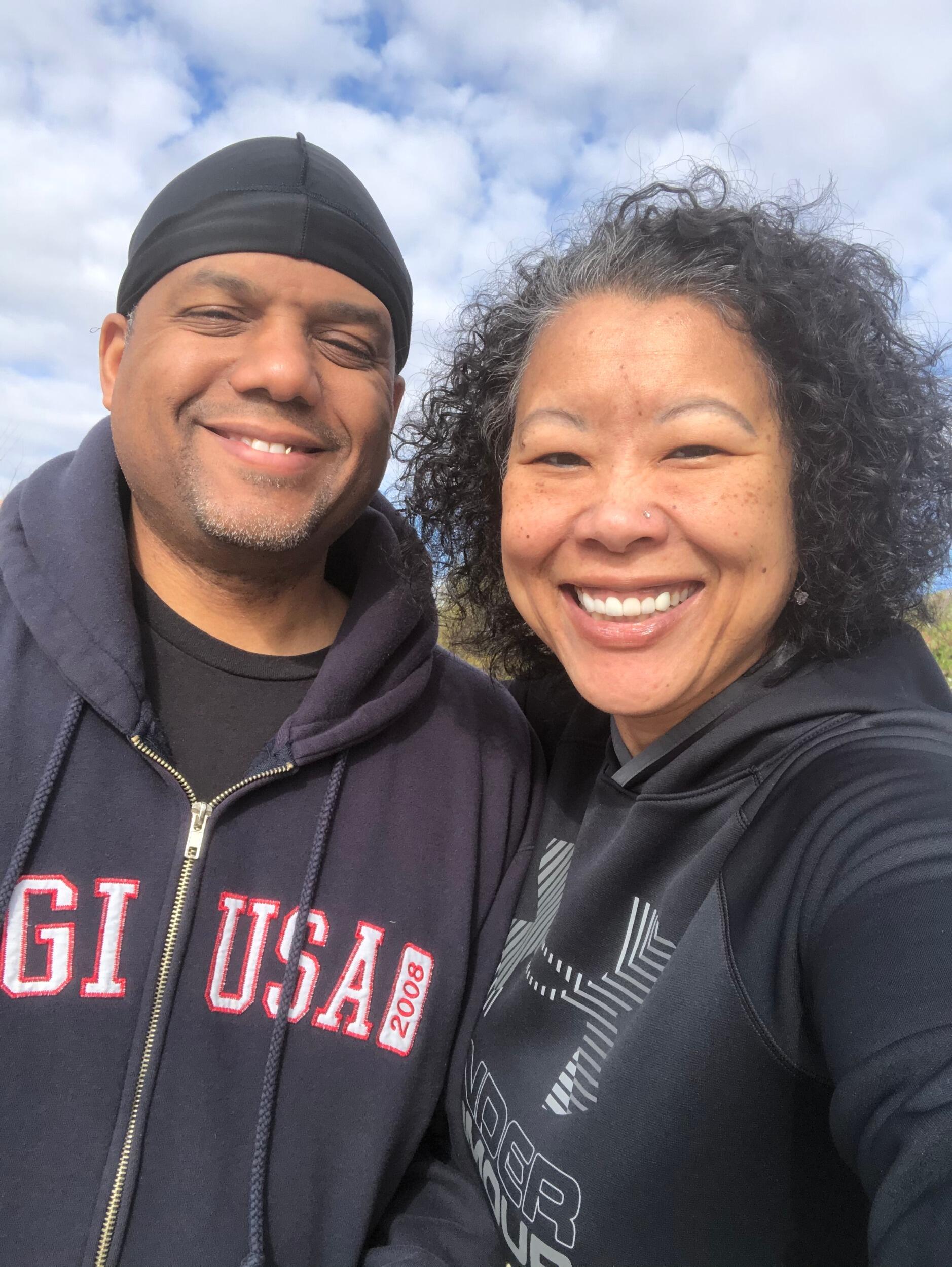
March 24, 2020
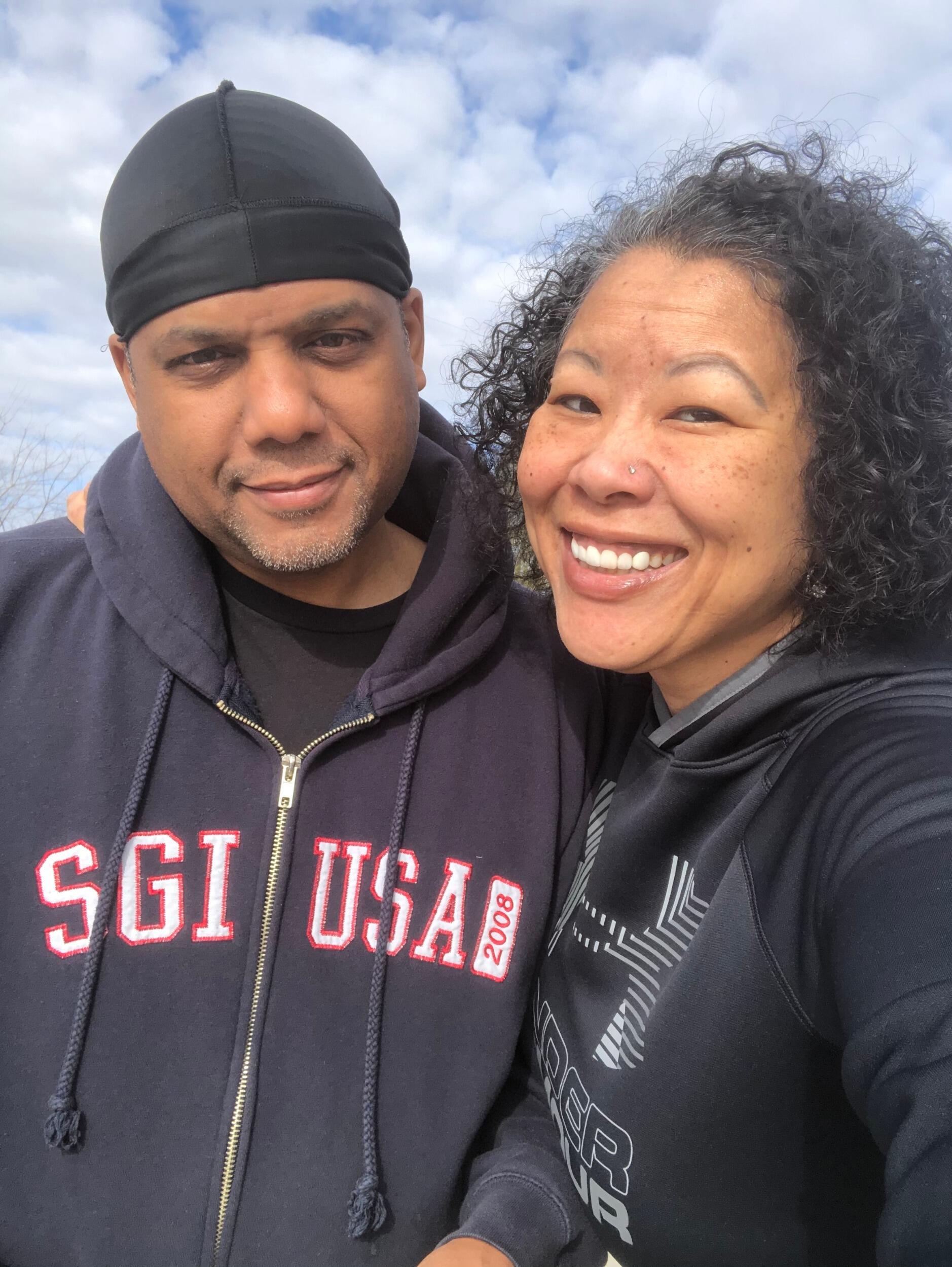
March 24, 2020
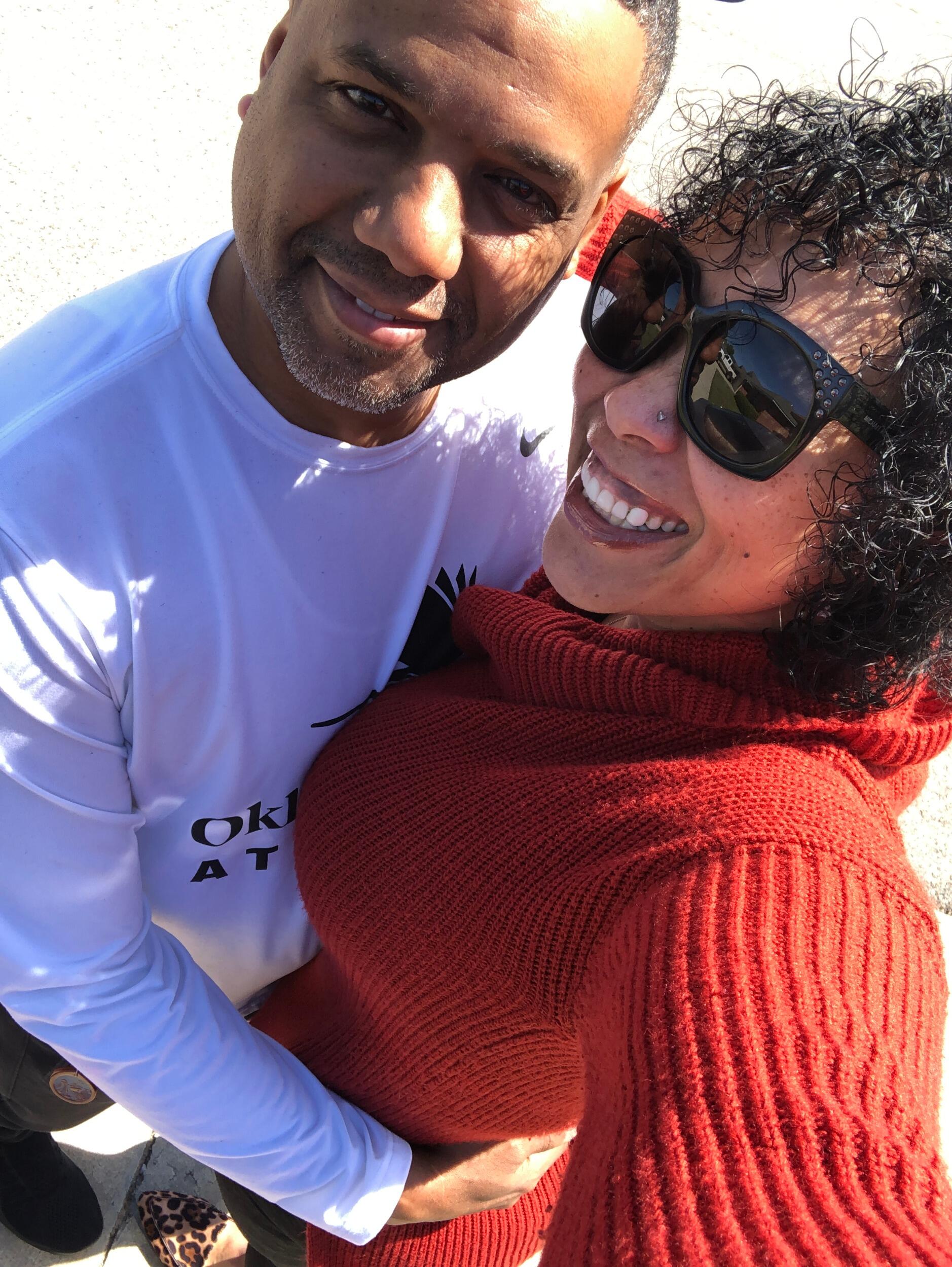
March 25, 2020
Effective March 25, gatherings of more than 10 people were prohibited. In the 19 counties that had a confirmed case, "non-essential" businesses that involve social gatherings or close contact (such as bars, dine-in restaurants, gyms, and personal care facilities) were ordered to close for 21 days. This order would also be applied to any other county that had new positive cases going forward. On March 25, the state board of education voted to close all public schools until the end of the school year.
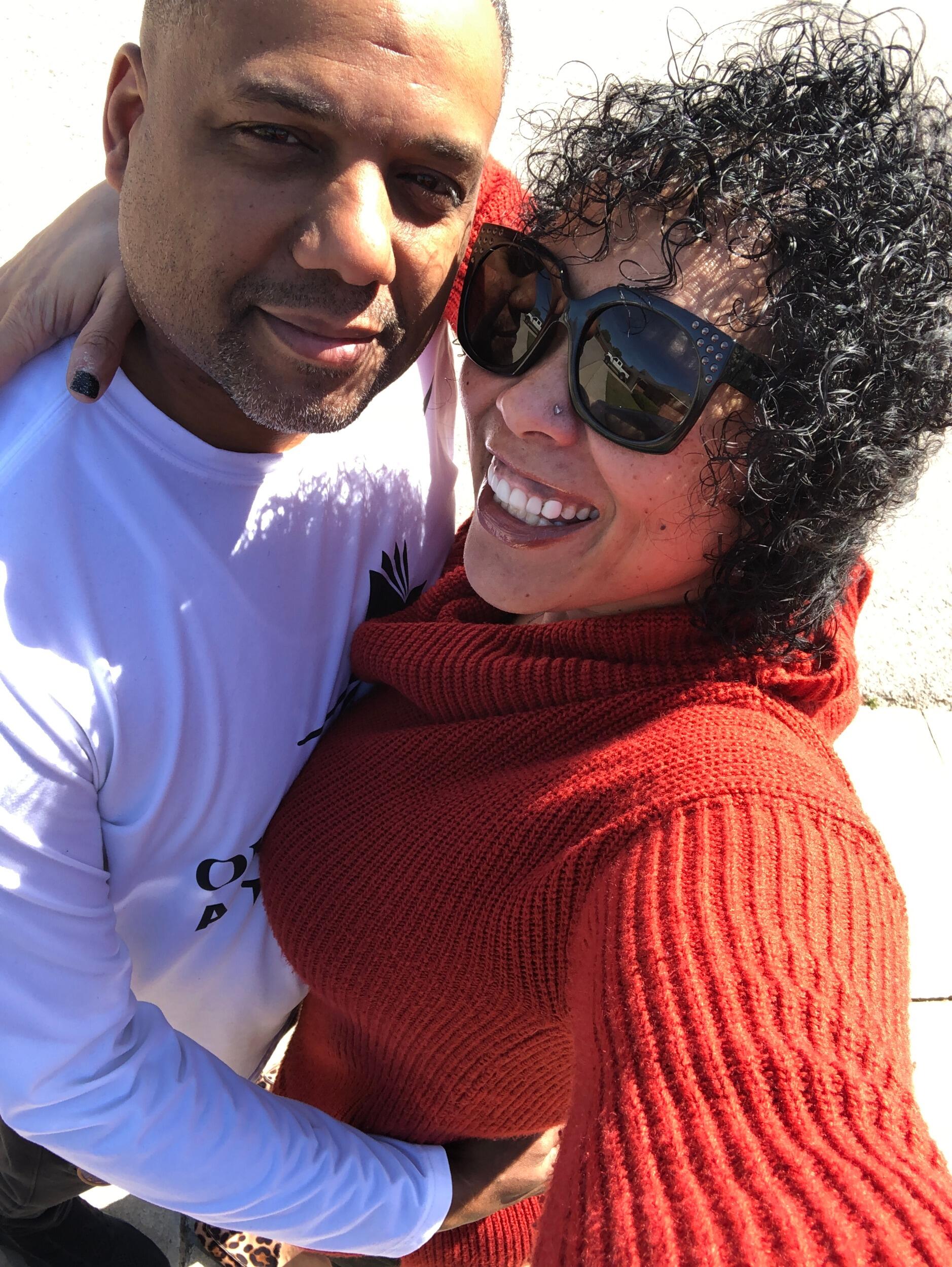
March 25, 2020

March 25, 2020
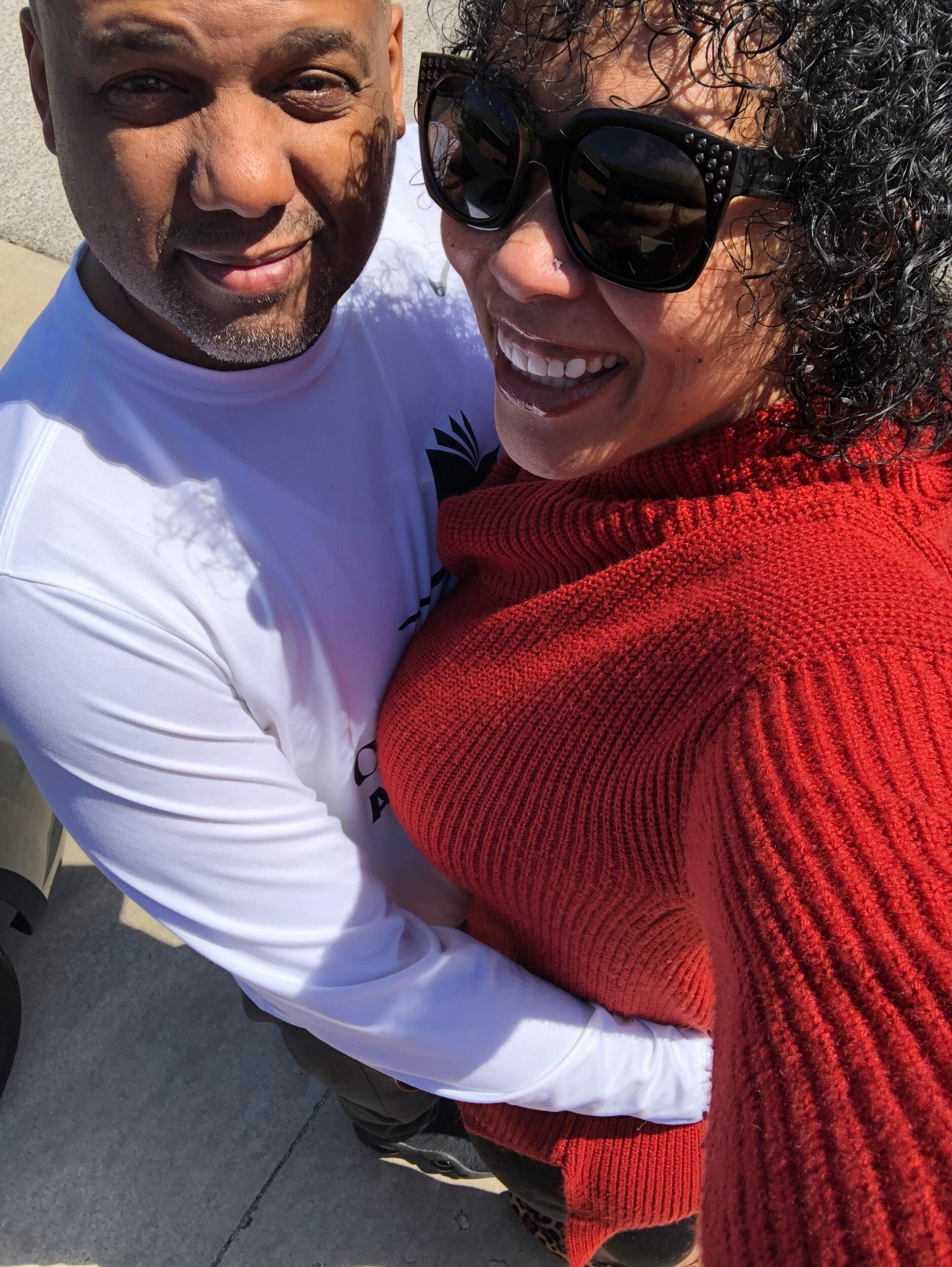
March 25, 2020
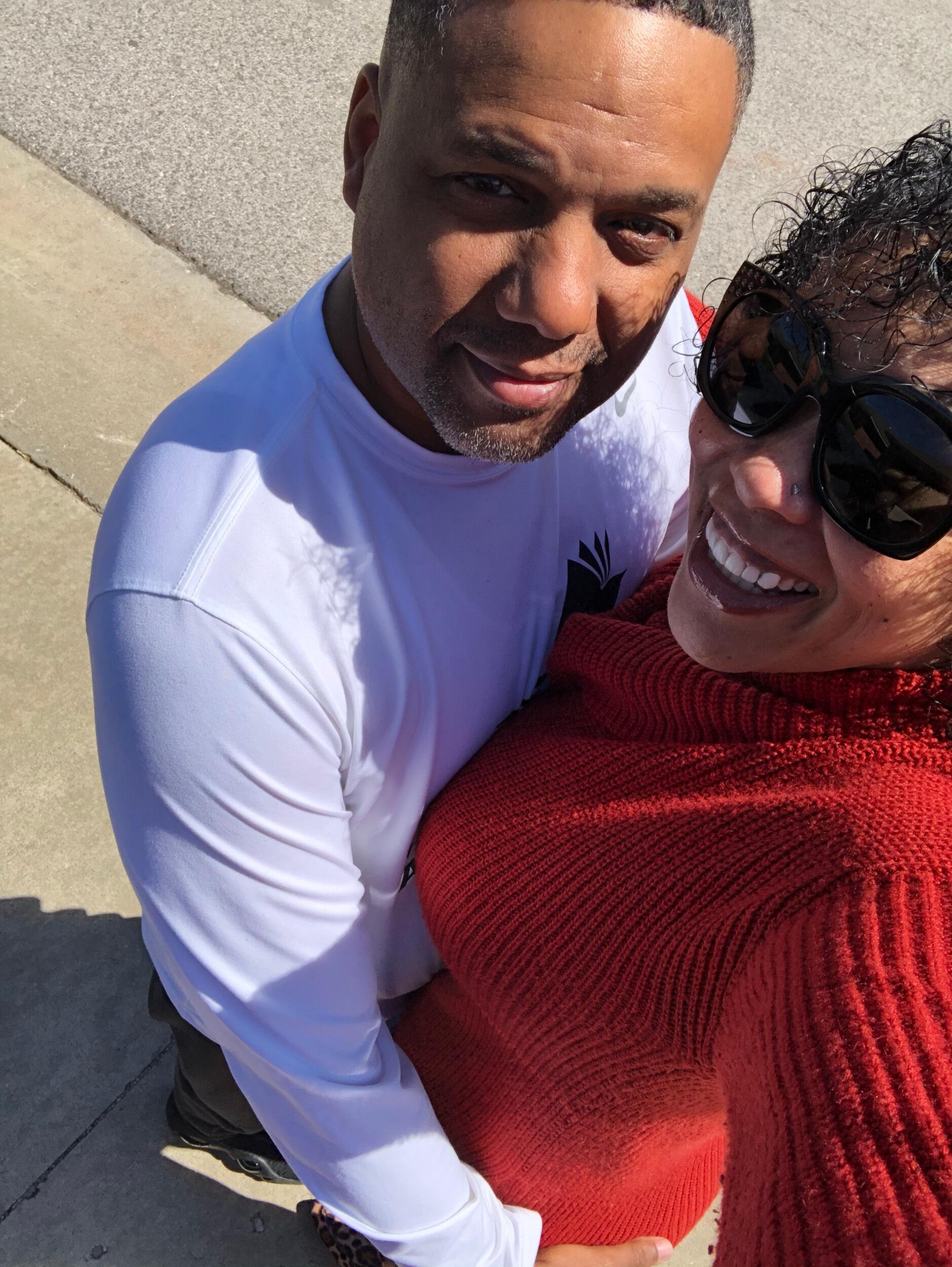
March 25, 2020
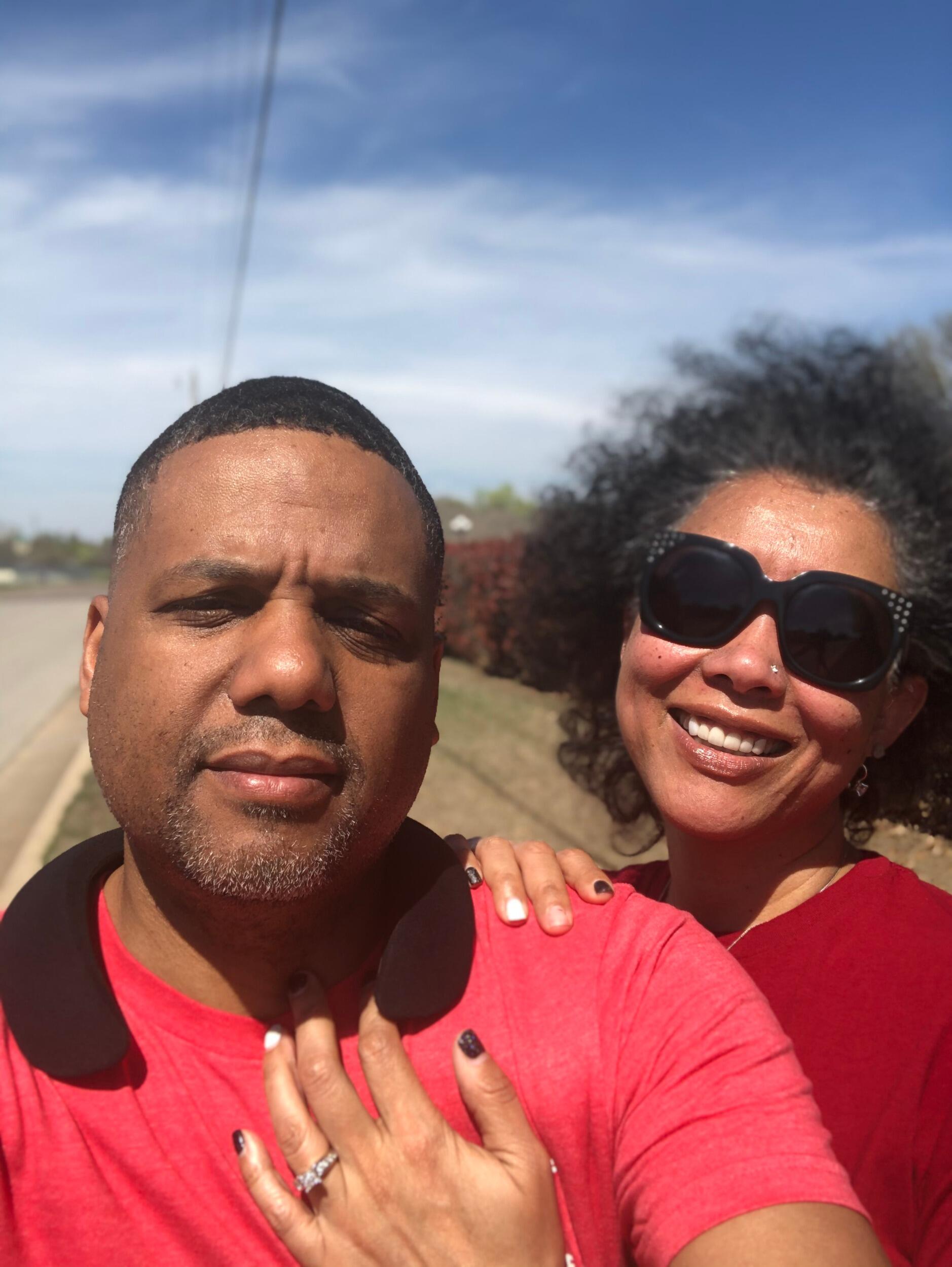
March 26, 2020
March 26, 2020

March 26, 2020

March 27, 2020

March 28, 2020
Oklahoma
Gov. Kevin Stitt has told older and vulnerable people across Oklahoma to stay home, but mayors in the state's major cities, including Oklahoma City, Tulsa and Norman, ordered all residents to do so. "We want to leave no doubt," Mayor David Holt of Oklahoma City said. "The safest course of action during this public health crisis is to stay home."
Ardmore About 25,000 people | Shelter in place, effective April 6 at 11:59 p.m.
Claremore About 19,000 people | Stay at home, effective April 6 at 8 a.m.
Edmond About 93,000 people | Shelter in place, effective March 30 at 11:59 p.m.
Moore About 62,000 people |Shelter in place, effective April 4 at 11:59 p.m.
Norman About 123,000 people |Stay at home, effective March 25 at 11:59 p.m.
Oklahoma City About 649,000 people| Shelter in place, effective March 28 at 11:59 p.m.
Sallisaw About 9,000 people | Shelter in place, effective April 4 at 11:59 p.m.
Stillwater About 50,000 people | Shelter in place, effective March 30 at 11:59 p.m.
Tulsa About 401,000 people |Shelter in place, effective March 28 at 11:59 p.m.

March 28, 2020

March 29, 2020
March 29, 2020

March 29, 2020
March 29, 2020

March 29, 2020

March 29, 2020
April 01, 2020
On March 31, the business closures were extended through April 30, and became effective state-wide on April 1. Stitt encouraged residents to support local restaurants, which would still be allowed to offer take-out services. Stitt also encouraged medical officials to increase their testing of those with any symptoms or had been recently in contact with someone who had tested positive.
Oklahoma’s safety requires statewide “stay-at-home” order
CARLY PUTNAM // APRIL 1, 2020 // UPDATED: APRIL 1, 2020
COVID-19 // OK POLICY BLOG // HEALTH
Gov. Stitt on Wednesday extended his executive order to close non-essential businesses to all 77 counties through April 30. However, that’s not enough. To slow the virus’s spread and give our health systems the resources to respond, Gov. Stitt should issue a statewide stay-at-home order.
Oklahoma, along with Michigan and Georgia, have been identified as emerging hotspots where outbreaks are intensifying and per capita testing rates are some of the lowest in the nation. There are already signals of rapidly expanding outbreaks in some parts of the state, as the number of confirmed infections has more than doubled during the past five days.
This weekend, Tulsa and Oklahoma City joined 43 of the nation’s largest cities in issuing “stay-at-home” orders, restricting residents’ movement to essential errands and occupations. Following Norman’s stay-at-home order earlier last week, more than 1 in 4 Oklahomans are now staying home except when absolutely necessary.
At present, Gov. Stitt’s executive order closes non-essential businesses in all 77 counties, and only “high-risk” persons are asked to stay at home. Gov. Stitt has acknowledged that Oklahoma’s number of COVID — and by extension, their locations — are almost certainly underreported because there aren’t enough tests available. Without adequate testing, many medical officials are concerned the virus will spread. This can be especially troubling to our rural areas, which are already underserved by doctors and hospitals. Without a statewide stay-at-home order, the virus will continue to spread, putting more people at risk.
The previous patchwork approach and its apparently narrow application created widespread confusion, something the mayors of Tulsa and Oklahoma City both cited when they issued stay-at-home orders this weekend. With the Governor currently asking only elderly and other high-risk Oklahomans to stay at home, it’s not clear to whom the order applies. This leaves it up to the individual to decide for themselves. Among other issues, this might force workers to disclose a medical condition to explain to their boss why they can’t come into work. In addition, given Oklahoma’s sky-high uninsured rate, Oklahomans themselves may be understandably unsure if they have health conditions that could make them high-risk, such as asthma or diabetes.
As of Wednesday afternoon, 34 states have issued statewide stay-at-home or nearly identical shelter-in-place orders. Oklahoma should join them, as the state’s health care providers have urged. As many epidemiologists have noted over the last few weeks, “flattening the curve” assumes that a substantial number of people will contract COVID-19. These medical experts say the best chance at keeping our health system from being overwhelmed is for us to avoid getting sick all at once. This also maximizes access to health care for sick Oklahomans. A statewide stay-at-home order recognizes the gravity of the situation, and it gives Oklahomans and local businesses the power to limit their exposure, keeping all of us safer.
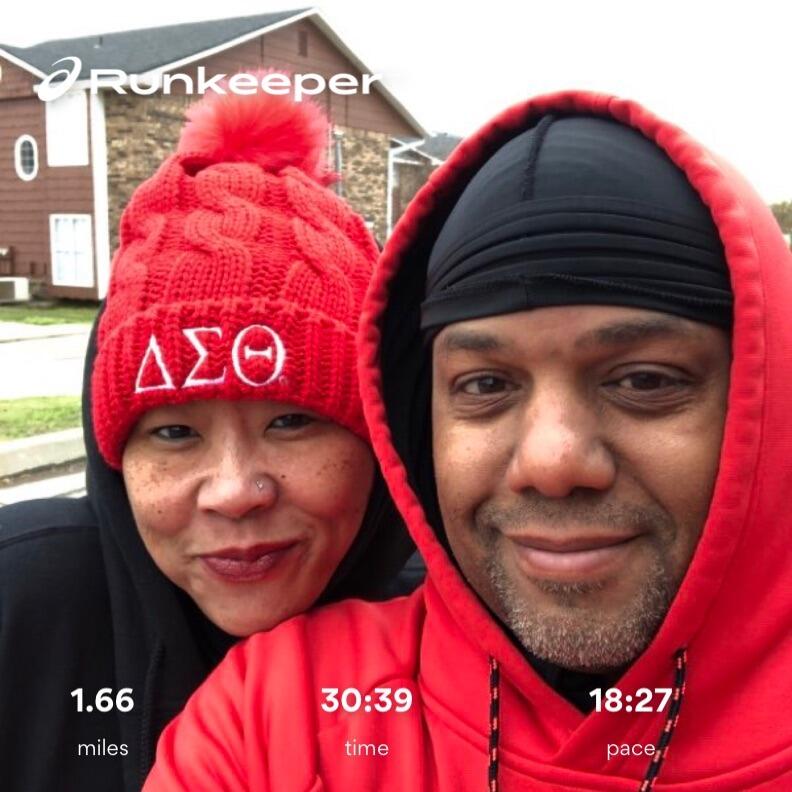
April 03, 2020
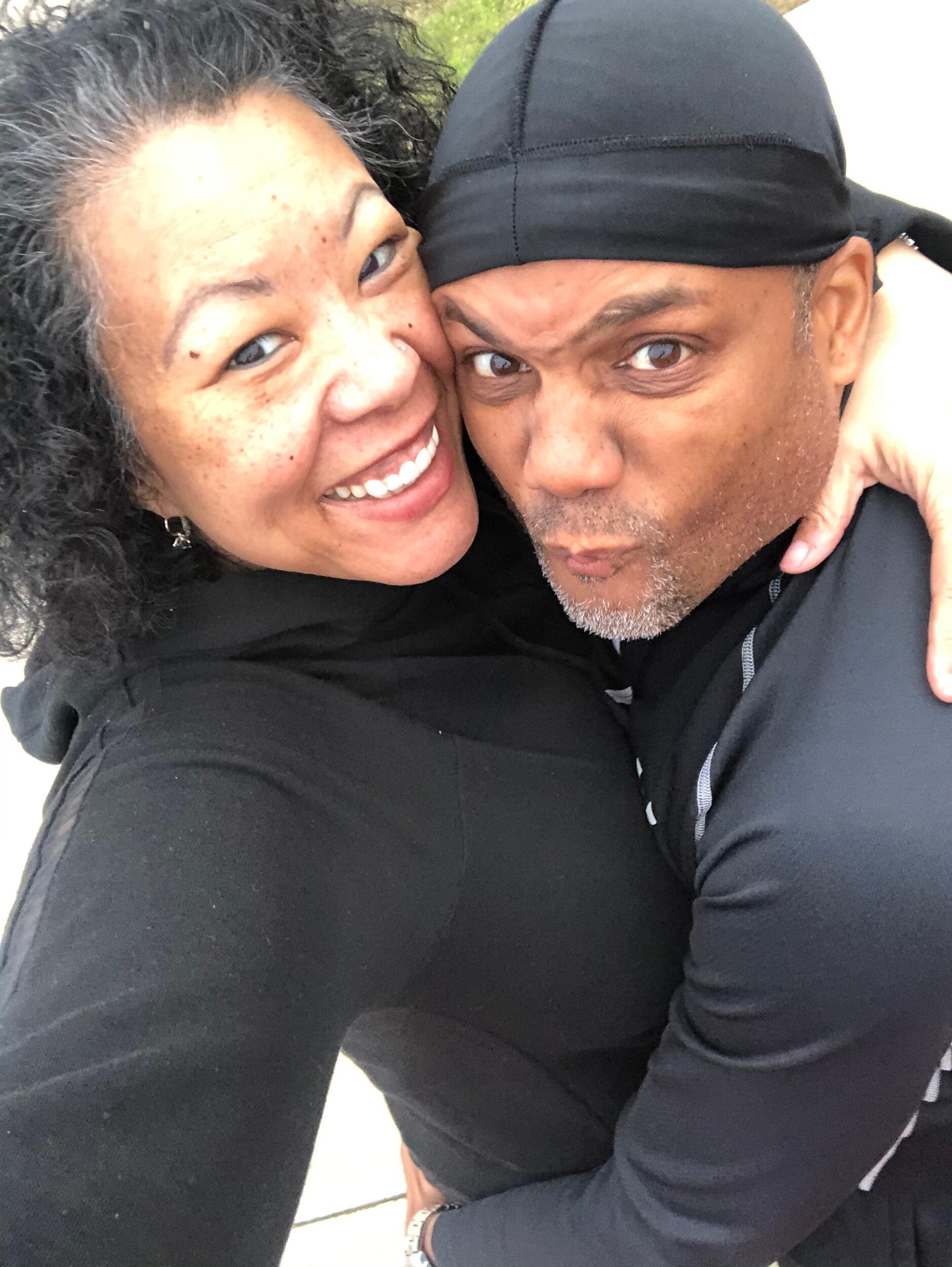
April 04, 2020
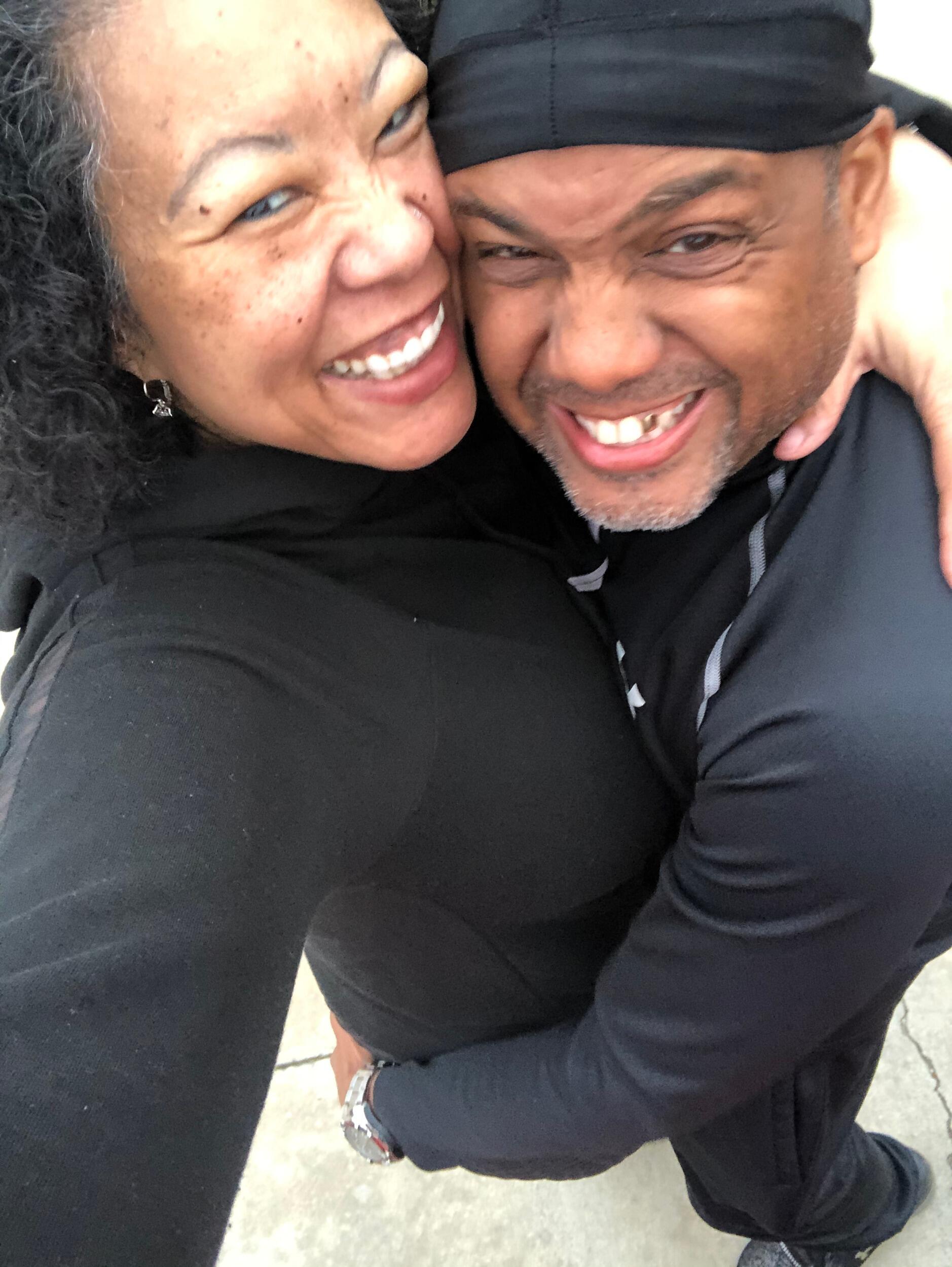
April 04, 2020
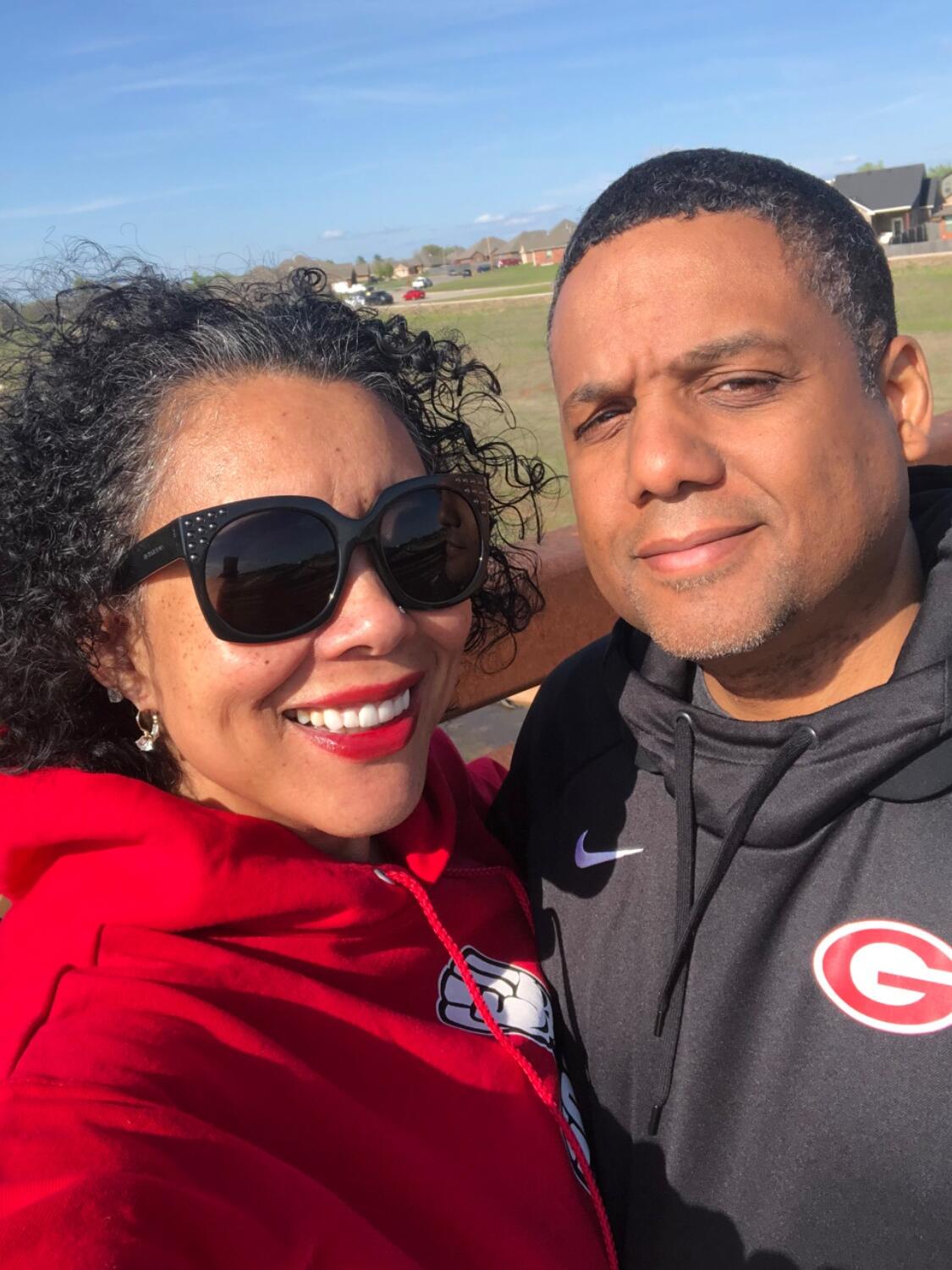
April 05, 2020

April 05, 2020

April 05, 2020
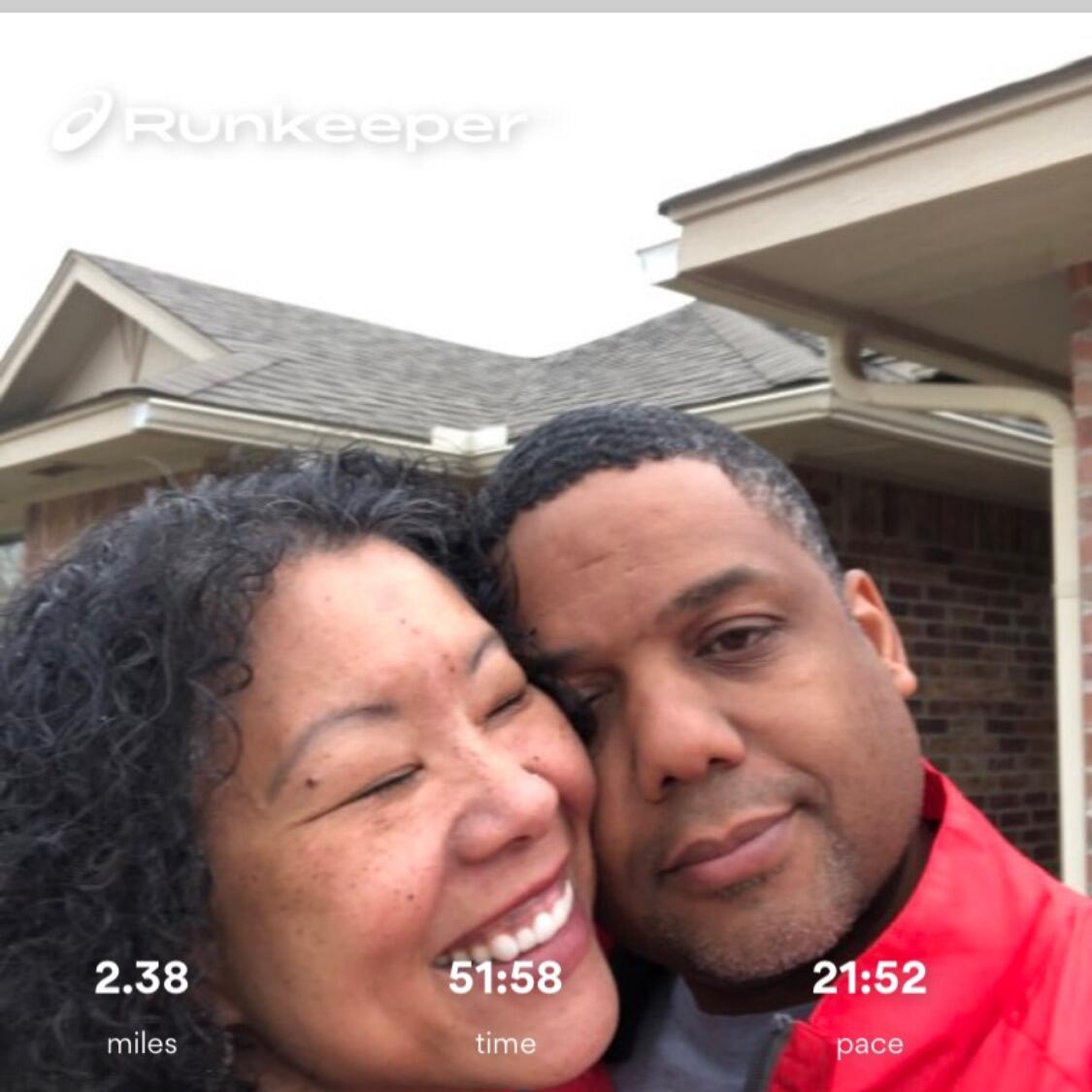
April 06, 2020
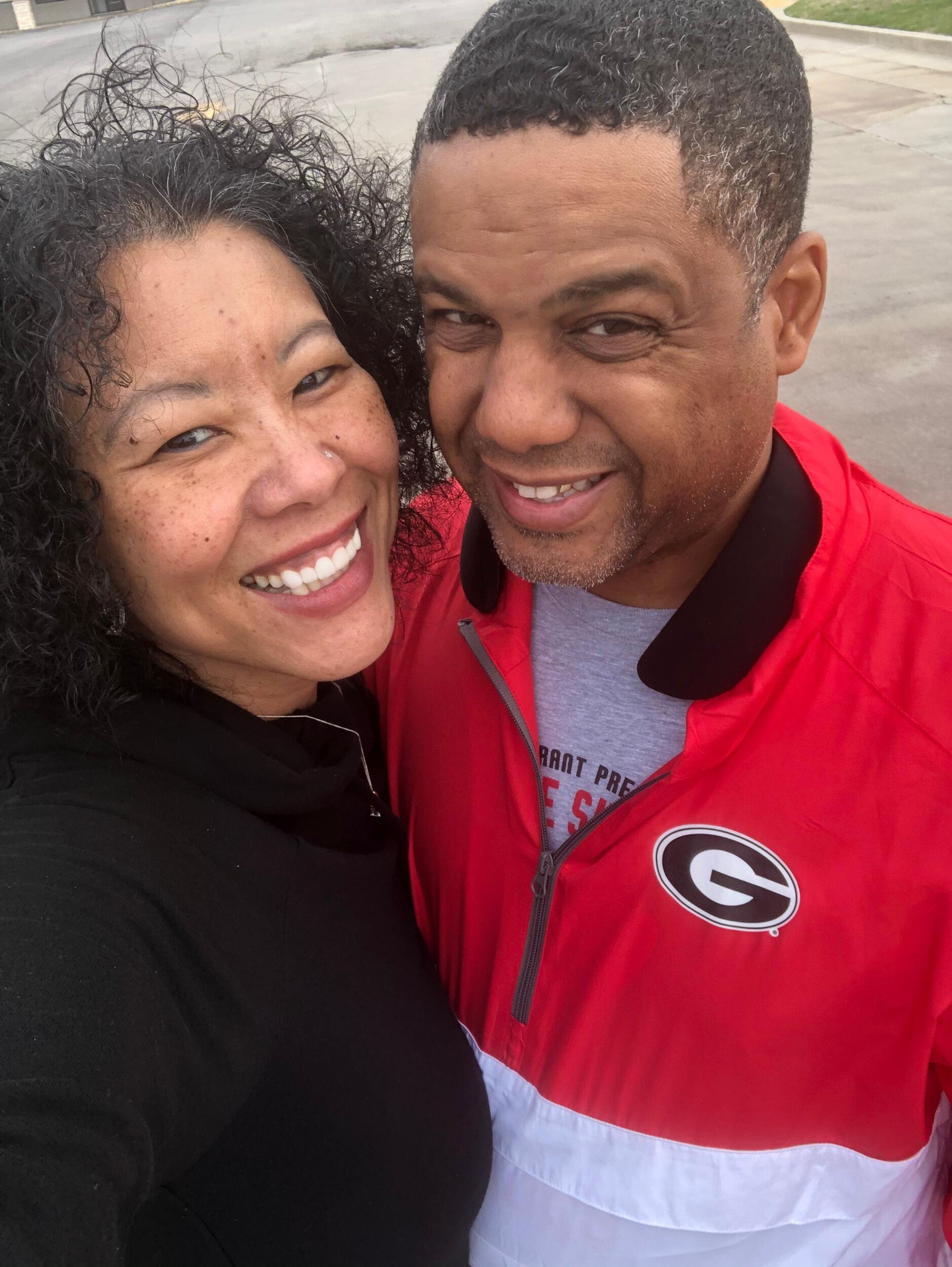
April 06, 2020

April 06, 2020

April 07, 2020

April 07, 2020

April 07, 2020

April 07, 2020
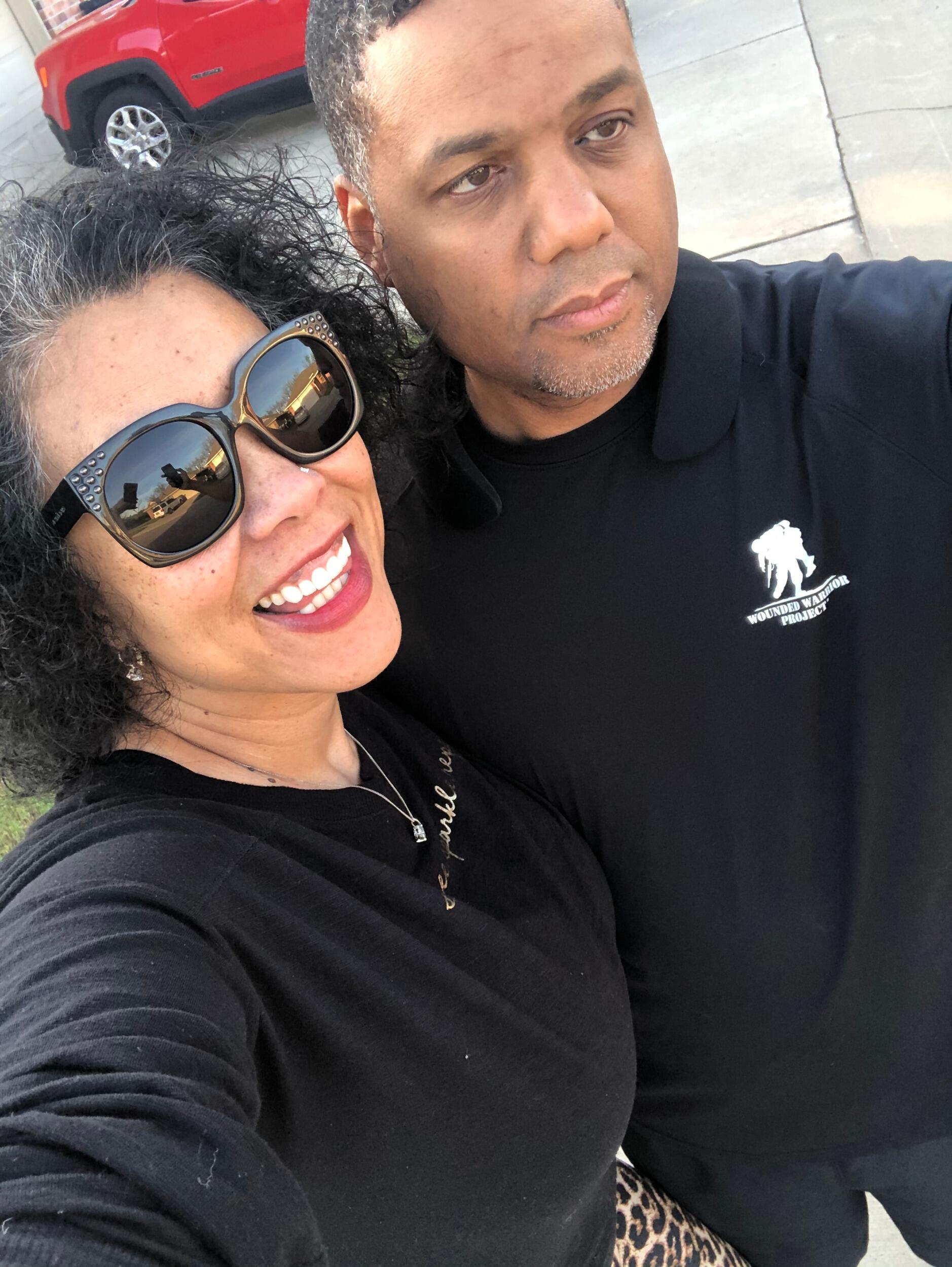
April 07, 2020

April 08, 2020

April 08, 2020

April 08, 2020
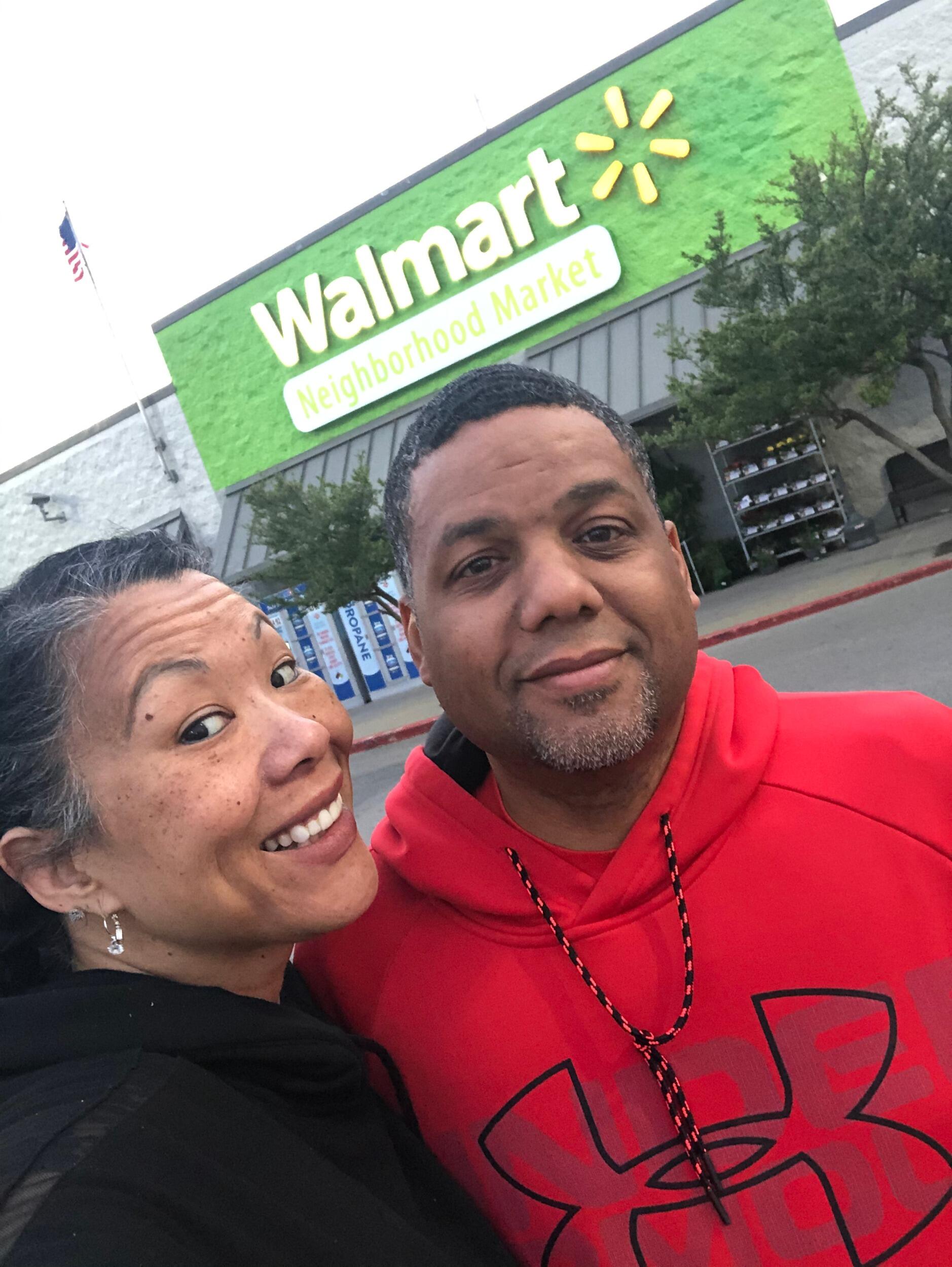
April 09, 2020
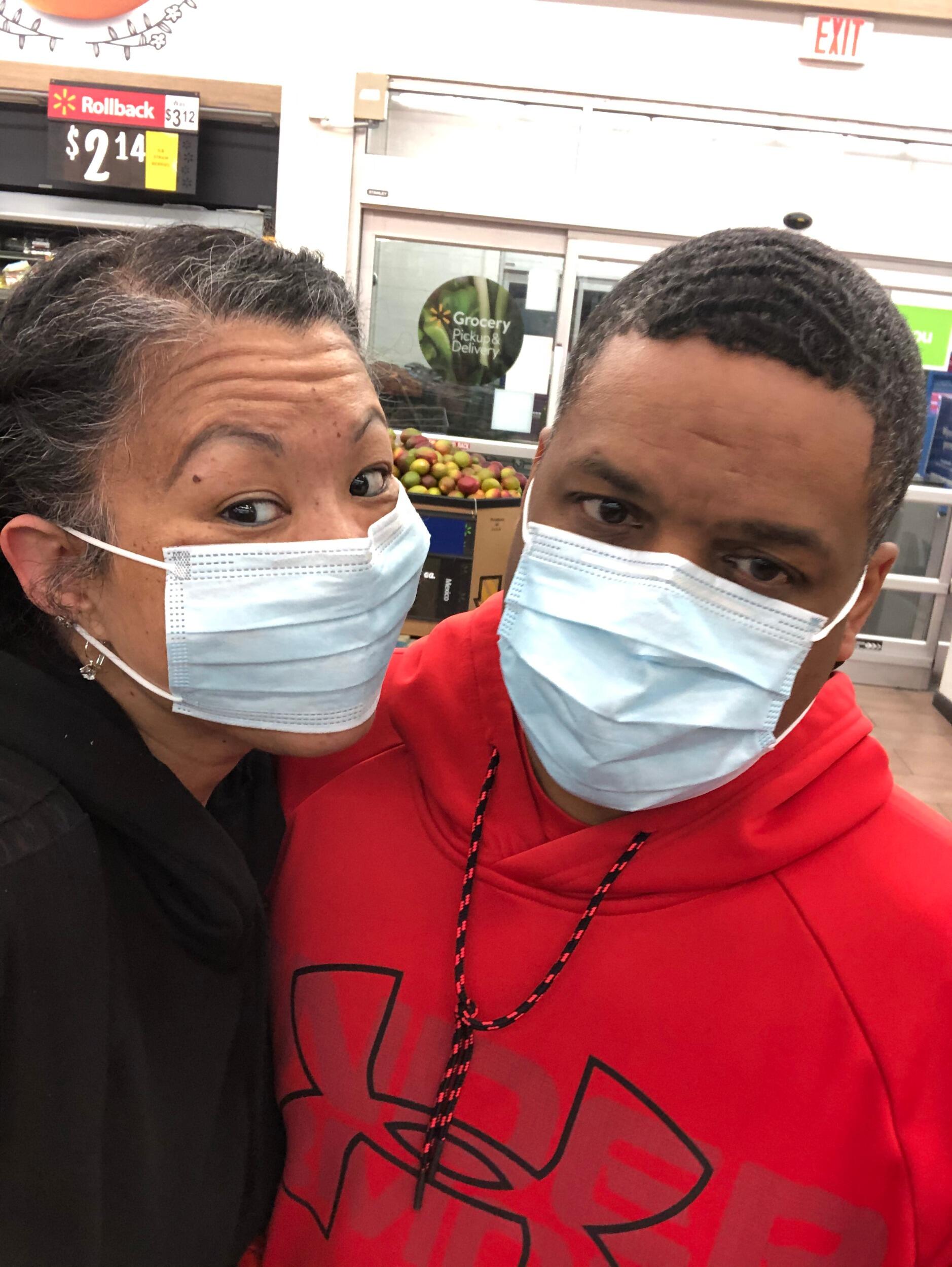
April 09, 2020
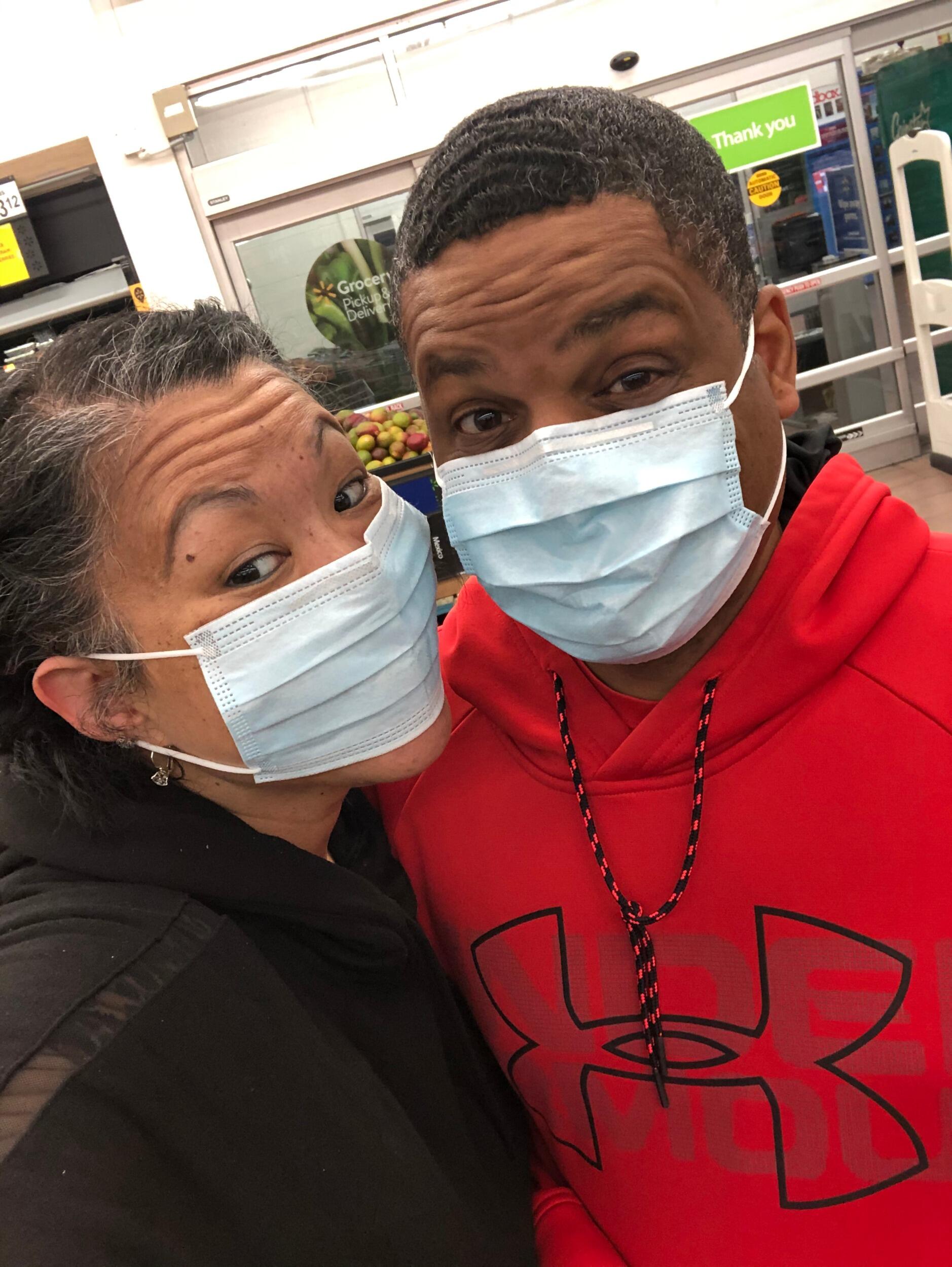
April 09, 2020

April 10, 2020

April 10, 2020

April 10, 2020

April 14, 2020

April 14, 2020
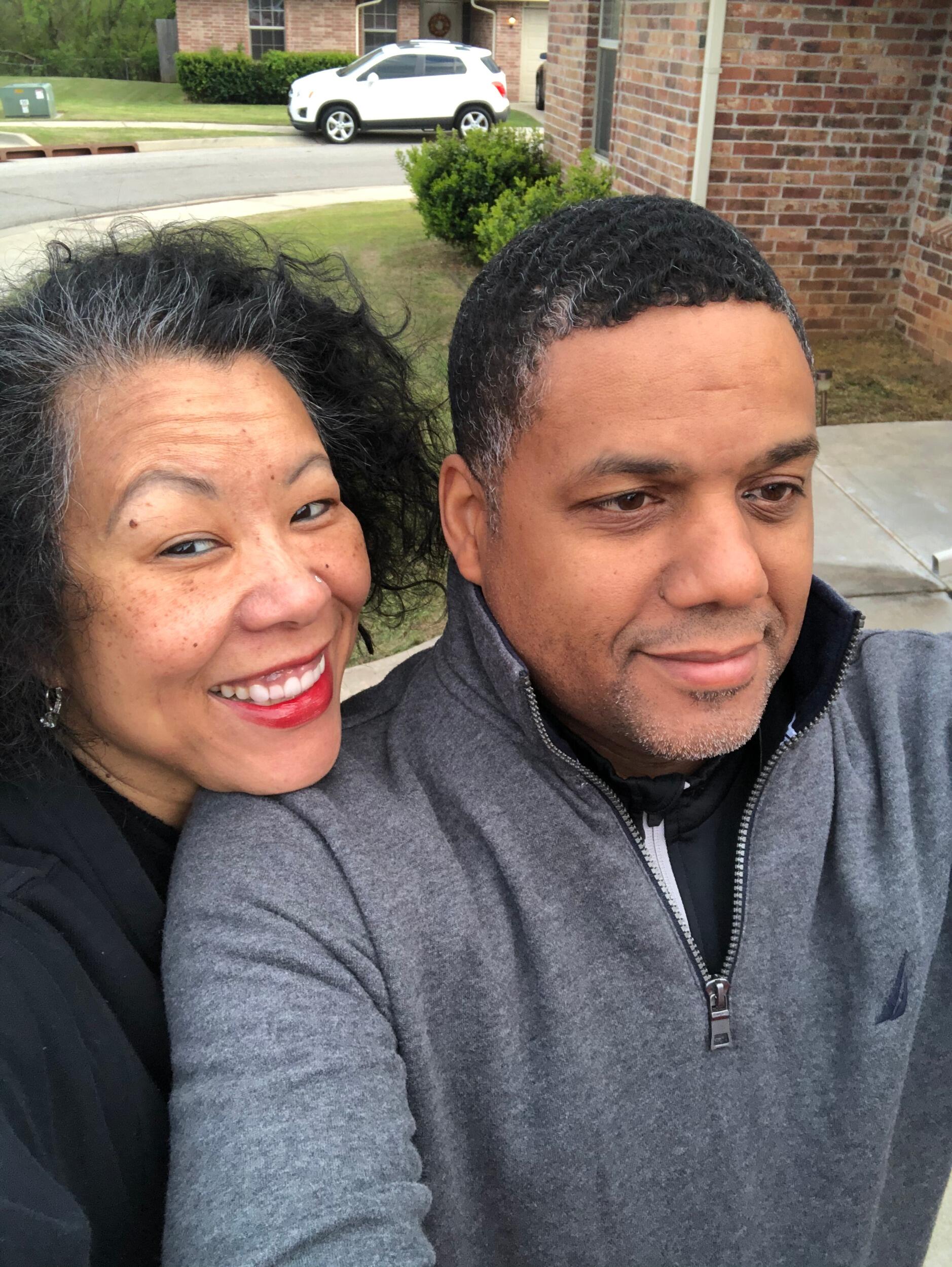
April 14, 2020
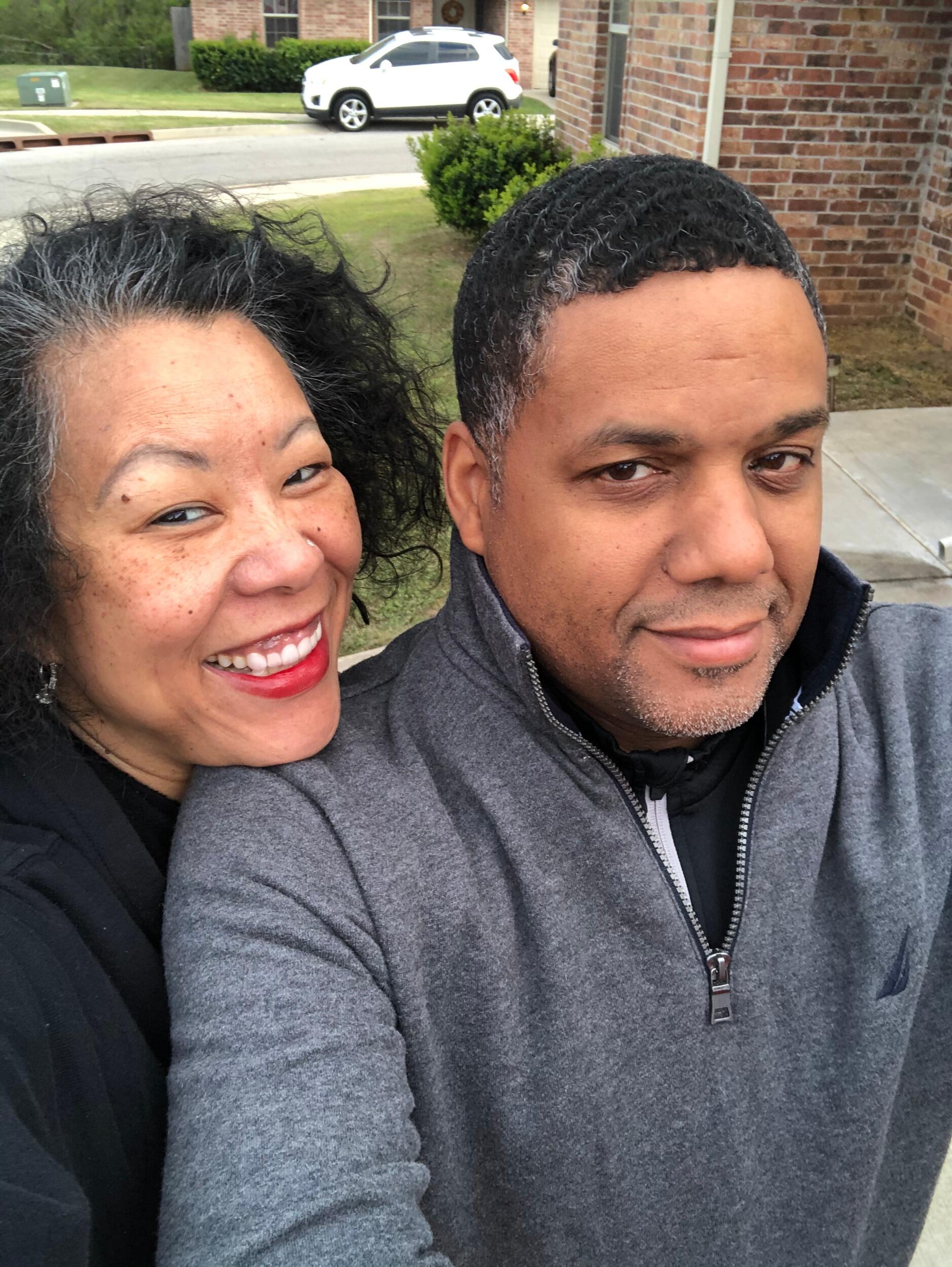
April 14, 2020
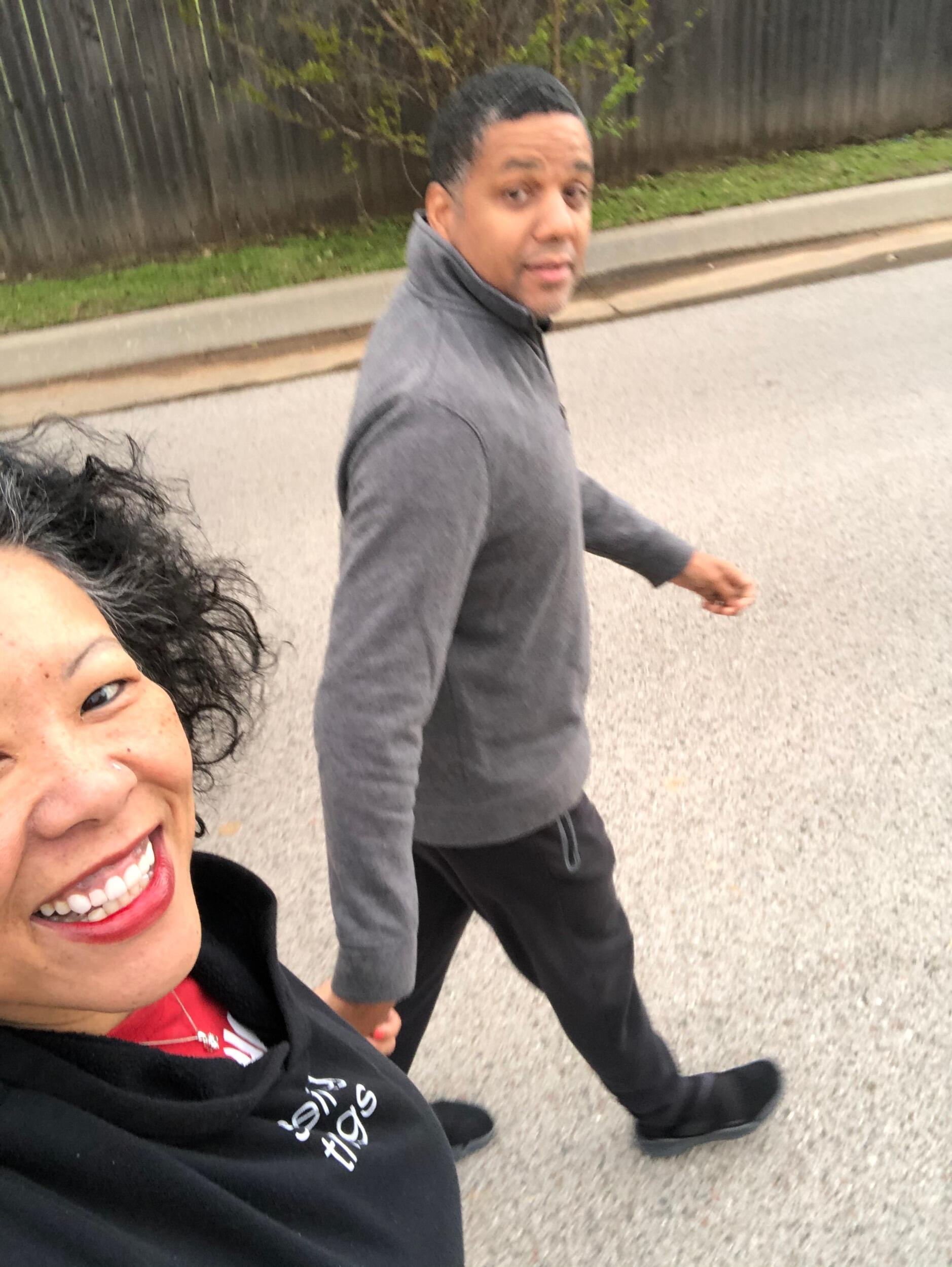
April 14, 2020
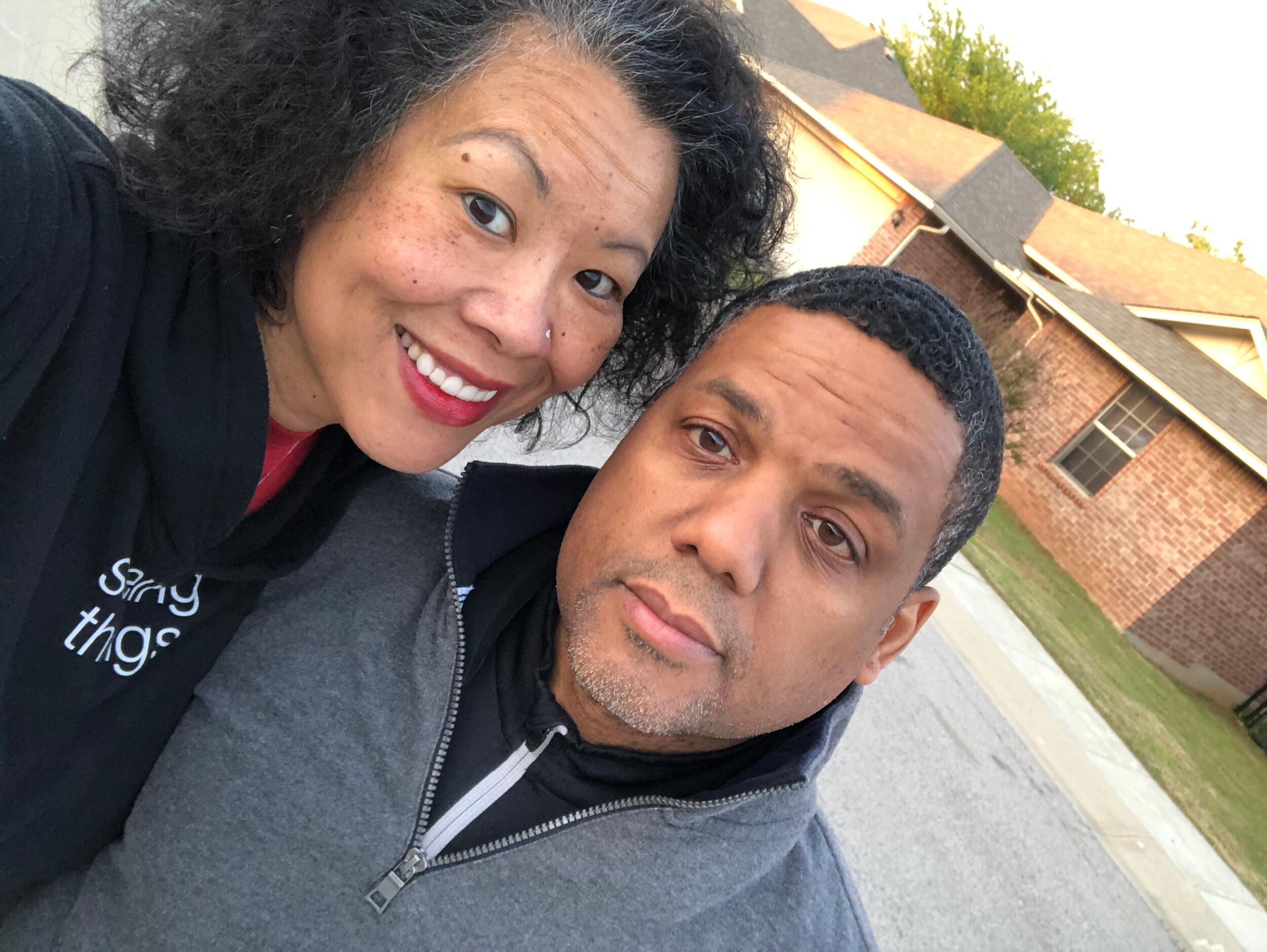
April 14, 2020
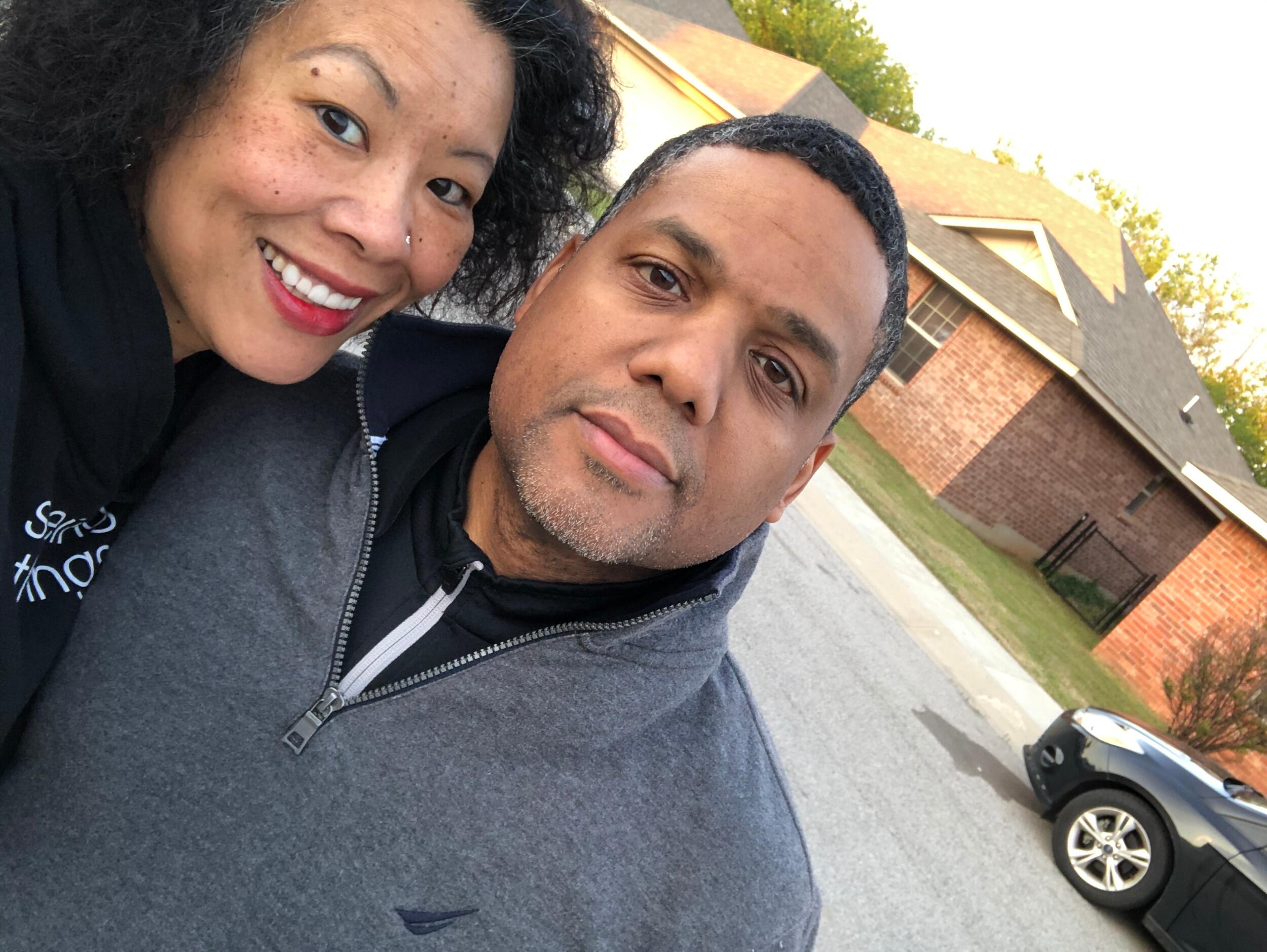
April 14, 2020
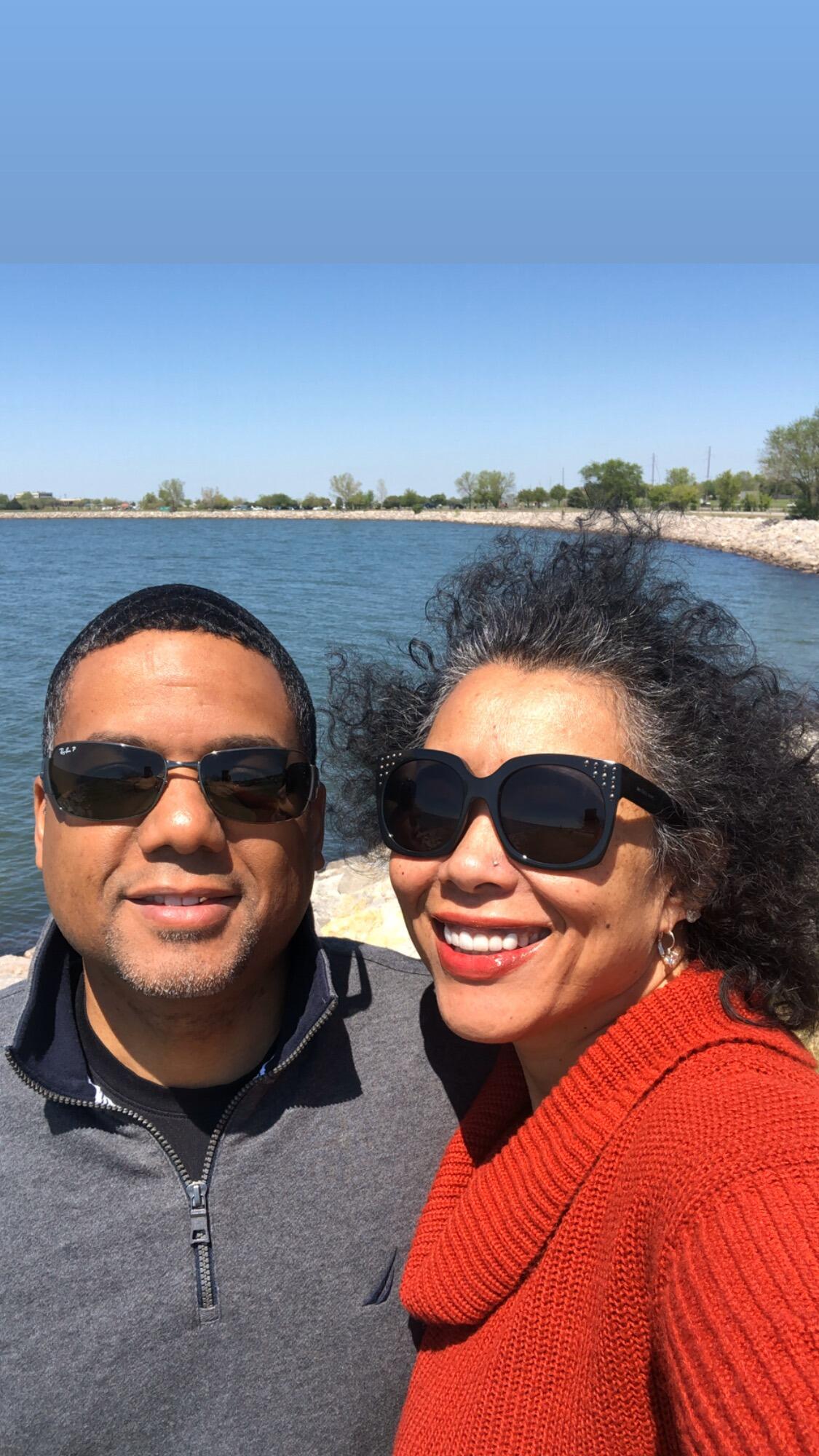
April 15, 2020
On April 15, the Safer at Home order was extended through May 6, with Stitt stating that elective surgeries could resume on April 24.
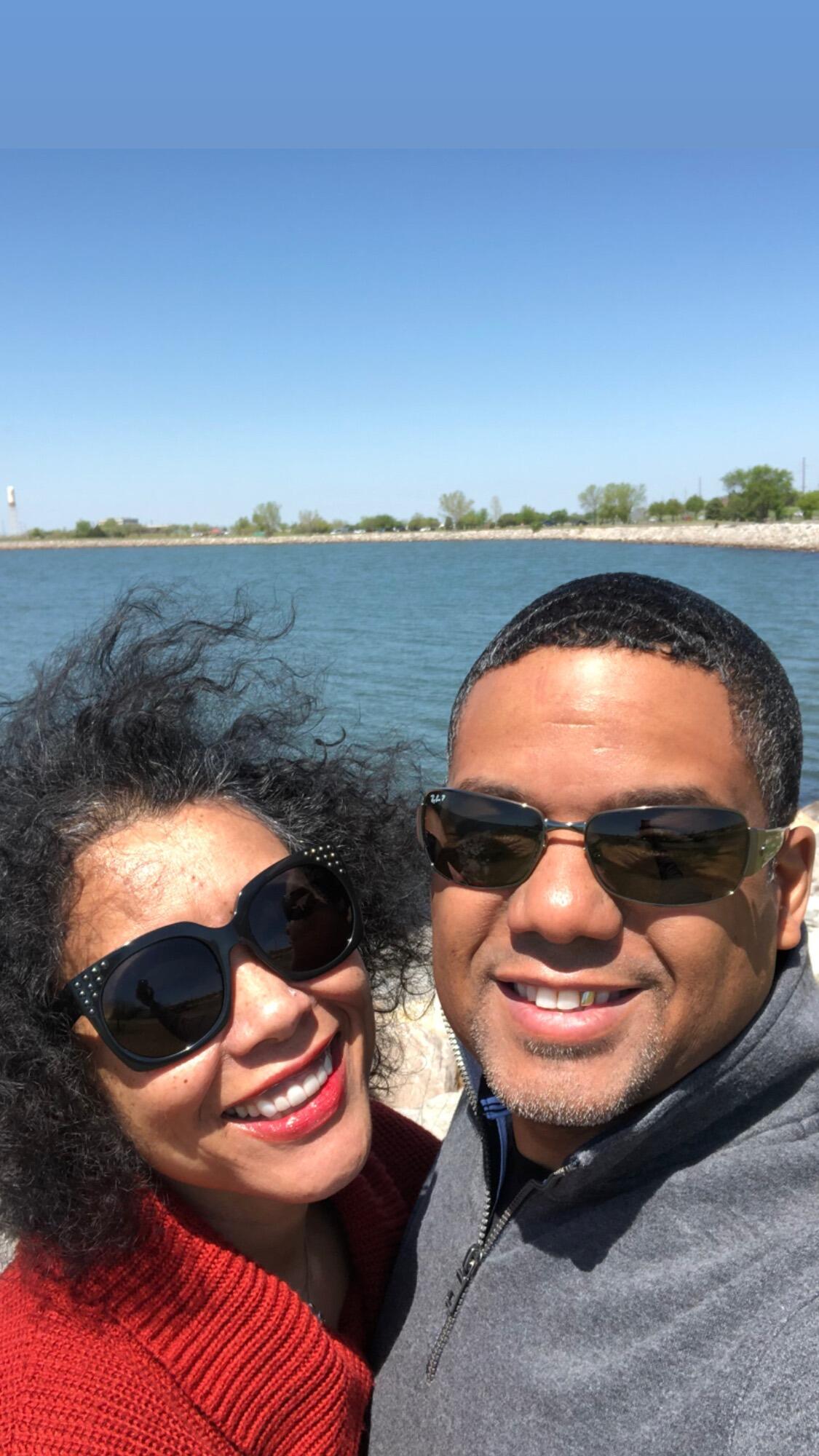
April 15, 2020

April 15, 2020
April 15, 2020

April 16, 2020
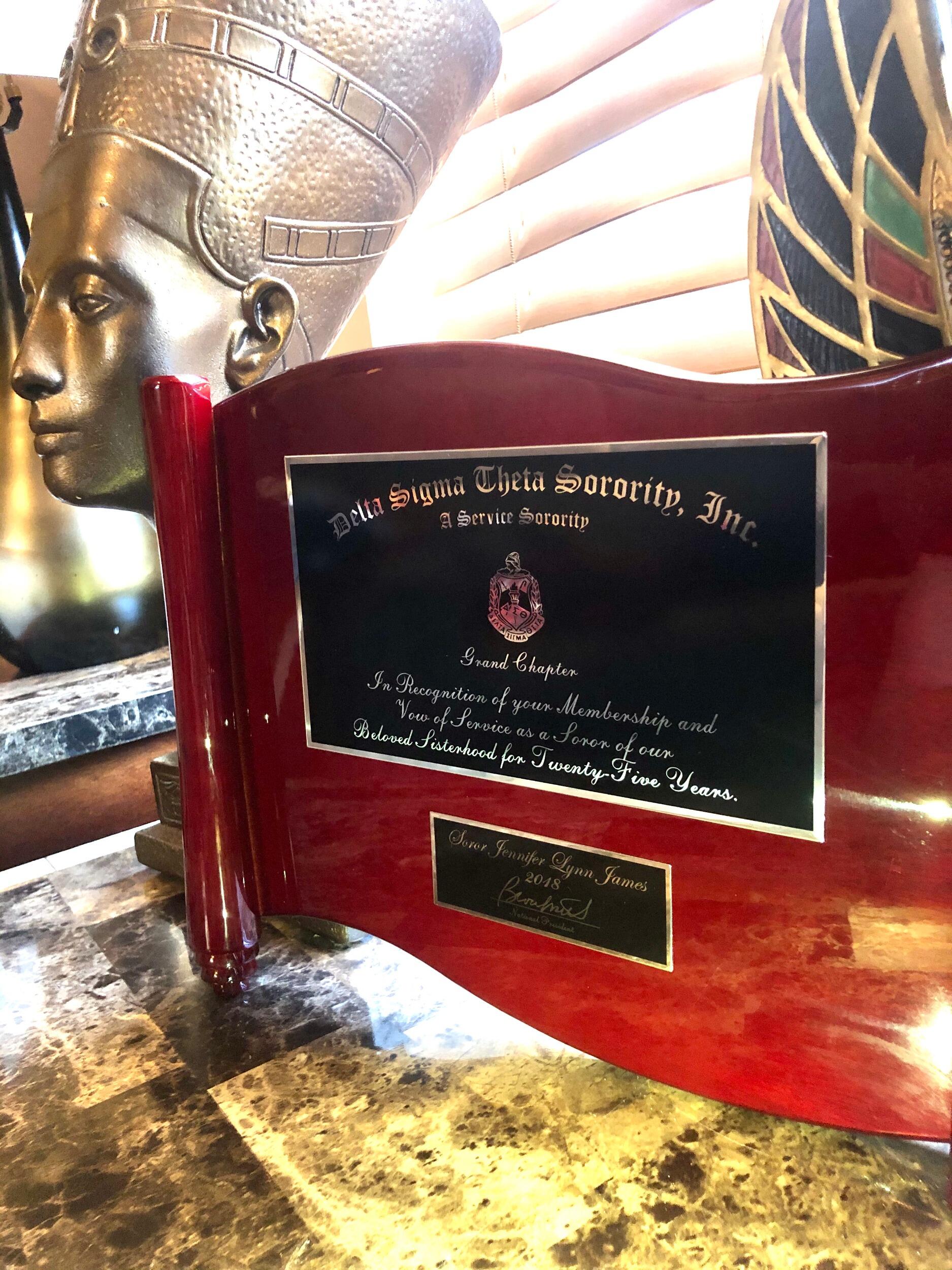
April 16, 2020

April 16, 2020
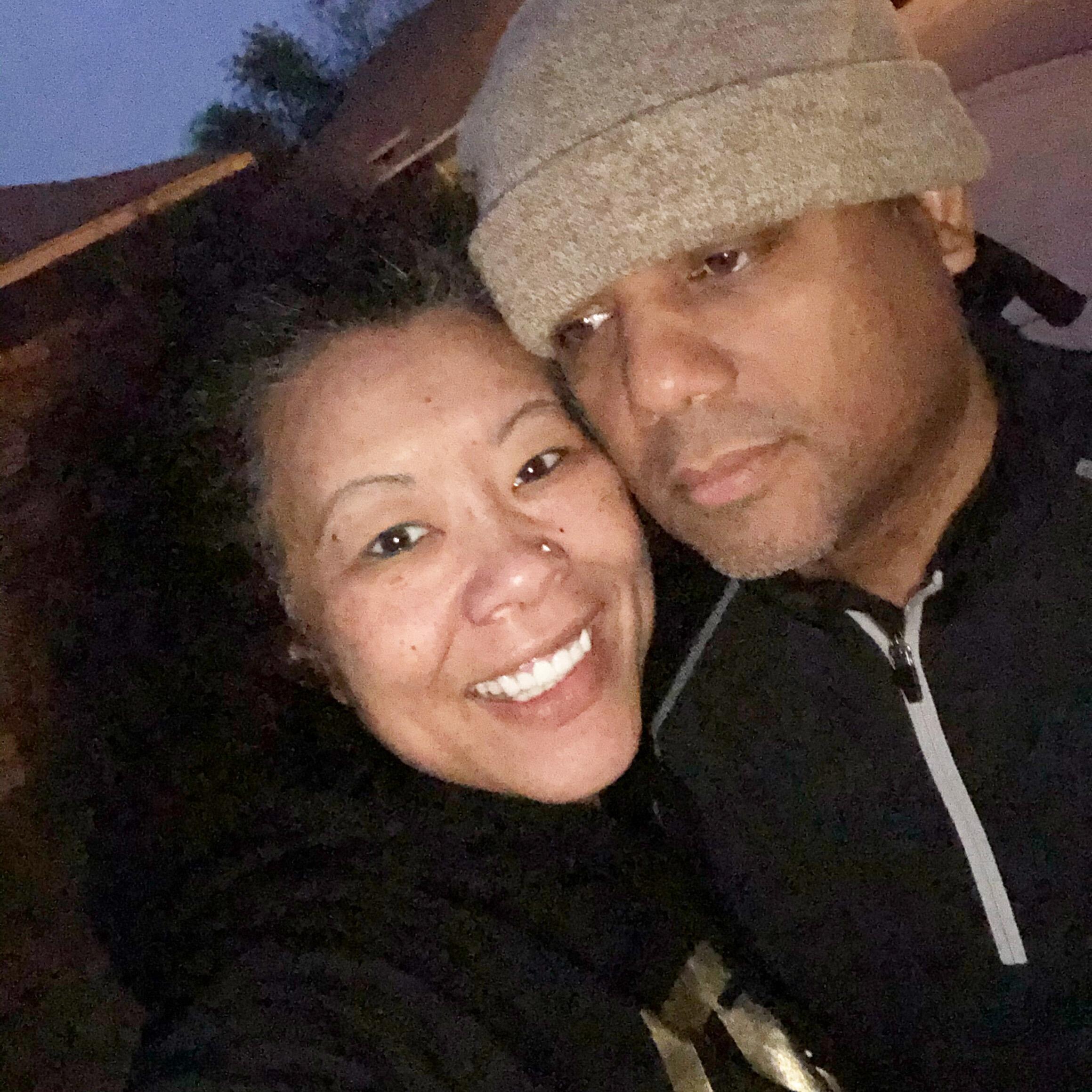
April 18, 2020
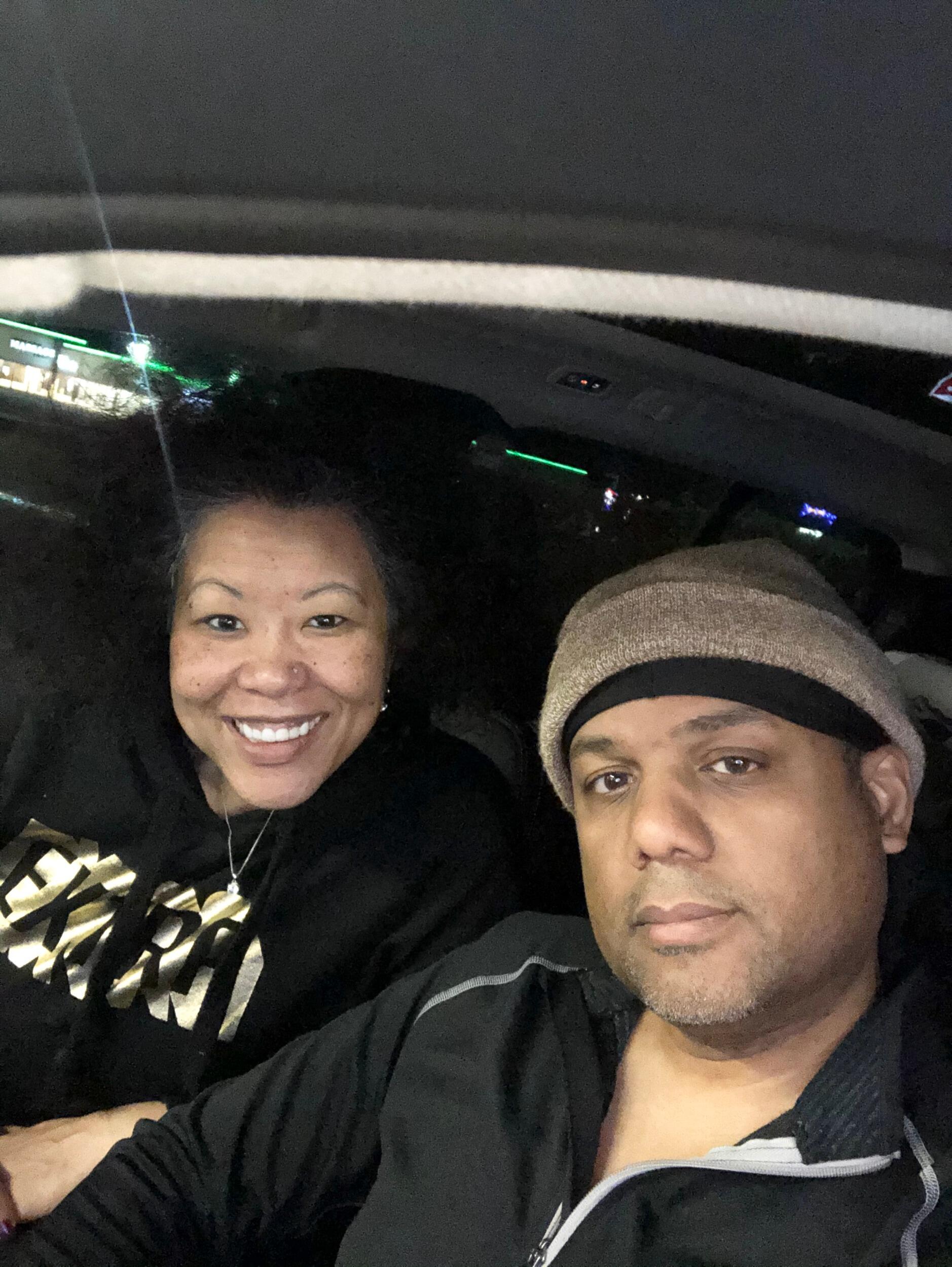
April 18, 2020
April 18, 2020
April 18, 2020
April 18, 2020
April 18, 2020
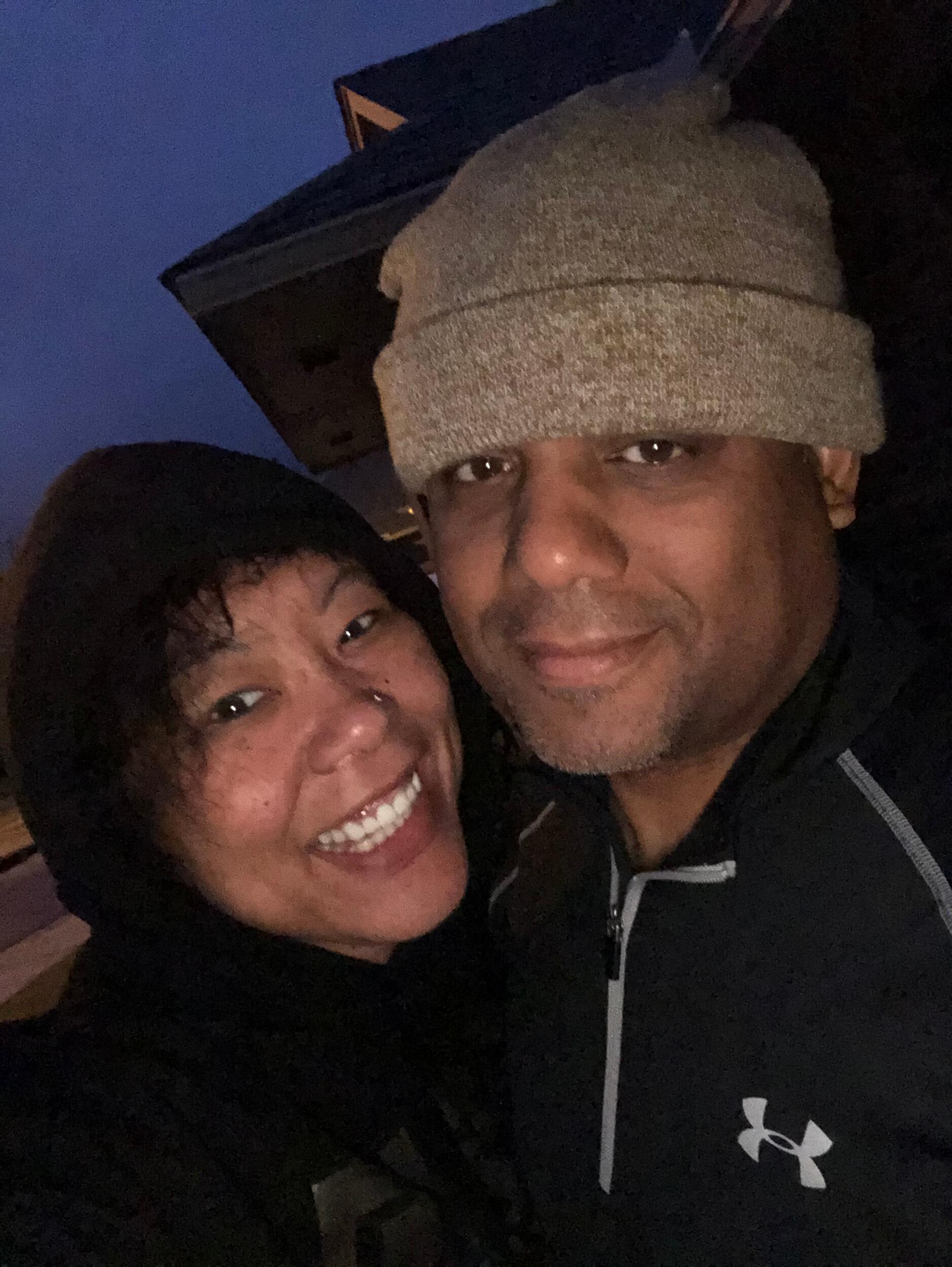
April 18, 2020

April 19, 2020

April 19, 2020

April 20, 2020

April 20, 2020
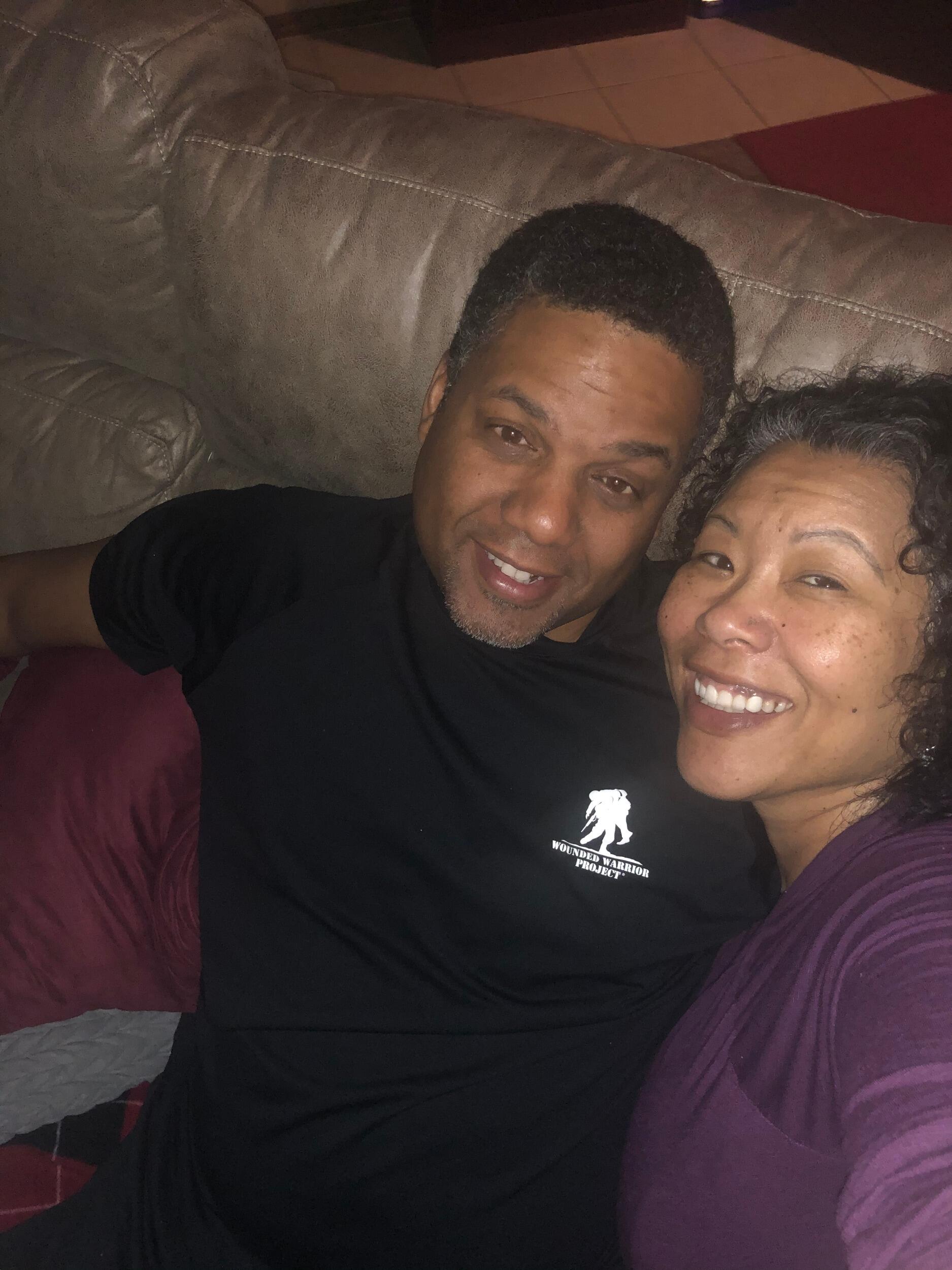
April 20, 2020
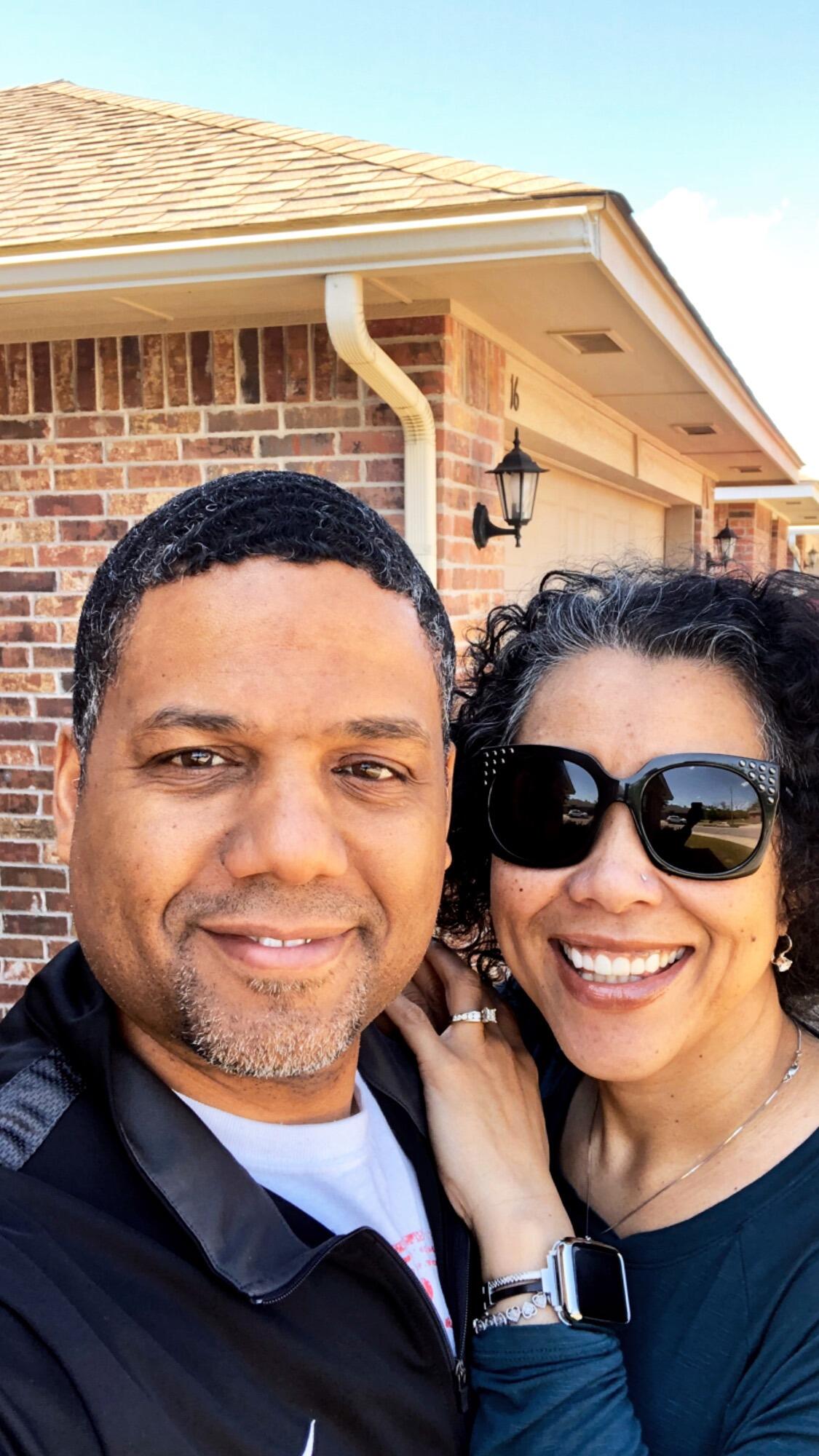
April 21, 2020
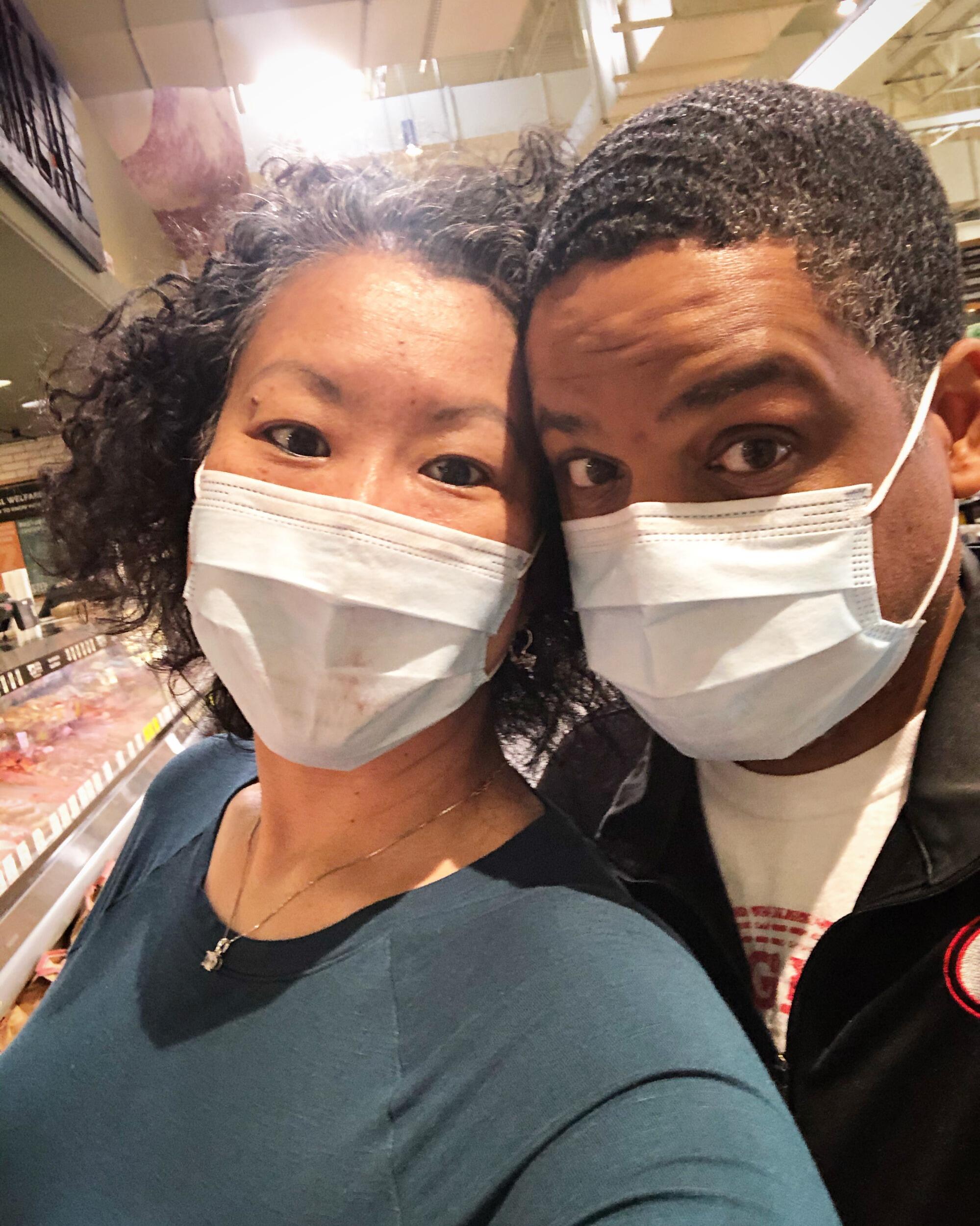
April 21, 2020
COVID-19 hits the US and Oklahoma is officially quarantined.
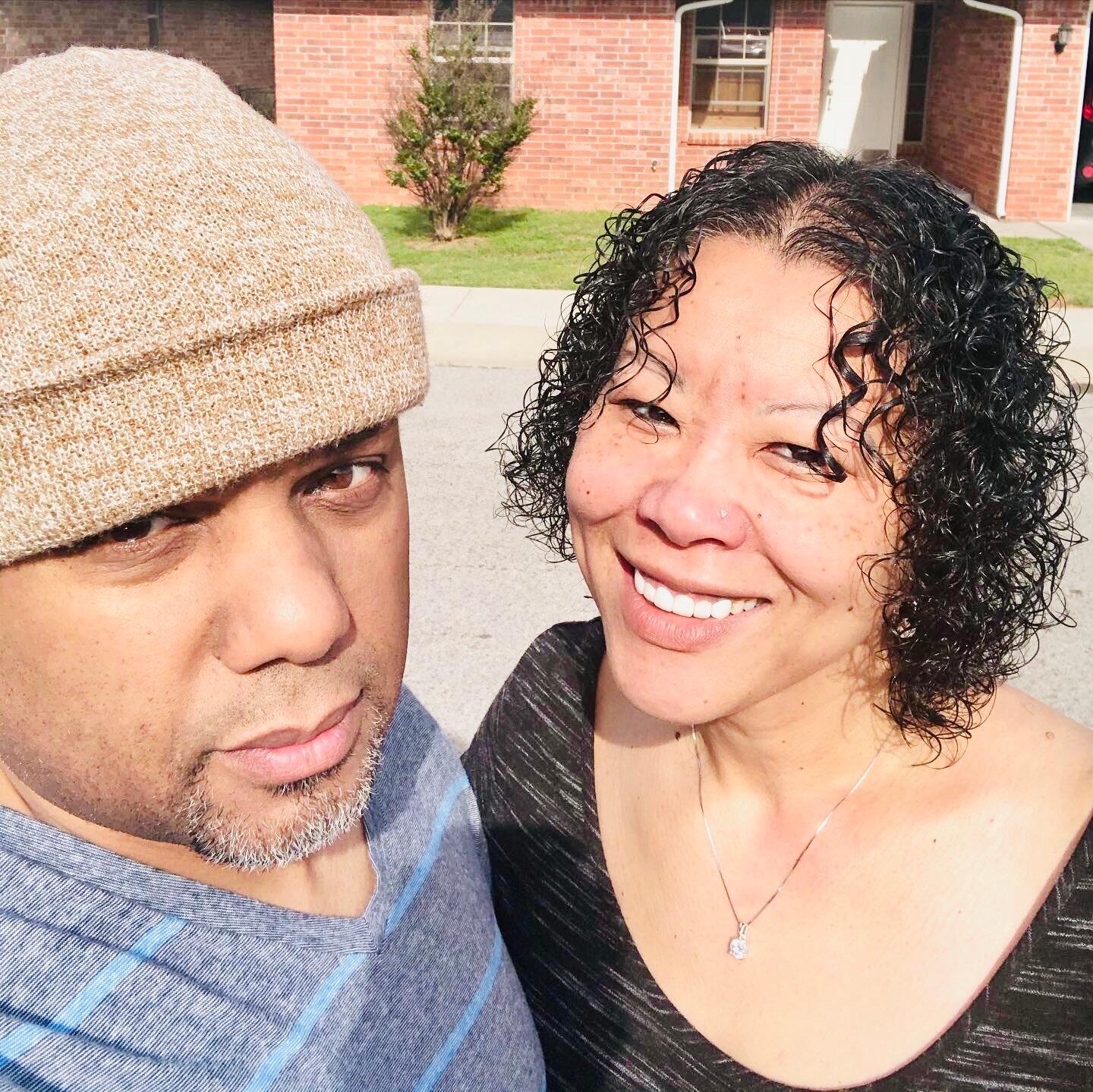
April 26, 2020
On April 23, Governor Kevin Stitt announced that phase 1 of the reopening of business would begin April 24, including personal care facilities, state parks, outdoor recreation, and that dine-in restaurants (excluding bars), cinemas, gyms, sports venues, and places of worship could reopen on May 1, subject to social distancing and other sanitation protocols and guidelines per-industry. Phase 2 began May 15, including reopening of bars at limited capacity, funerals and weddings, and organized sports, subject to social distancing. Phase 3 began June 1, including businesses that had been restricted to appointments only, summer camps, and limited visitation at hospitals, and for long-term care facilities in end-of-life situations. Guidance regarding social distancing and the Safer at Home guidelines for vulnerable residents remain in force.
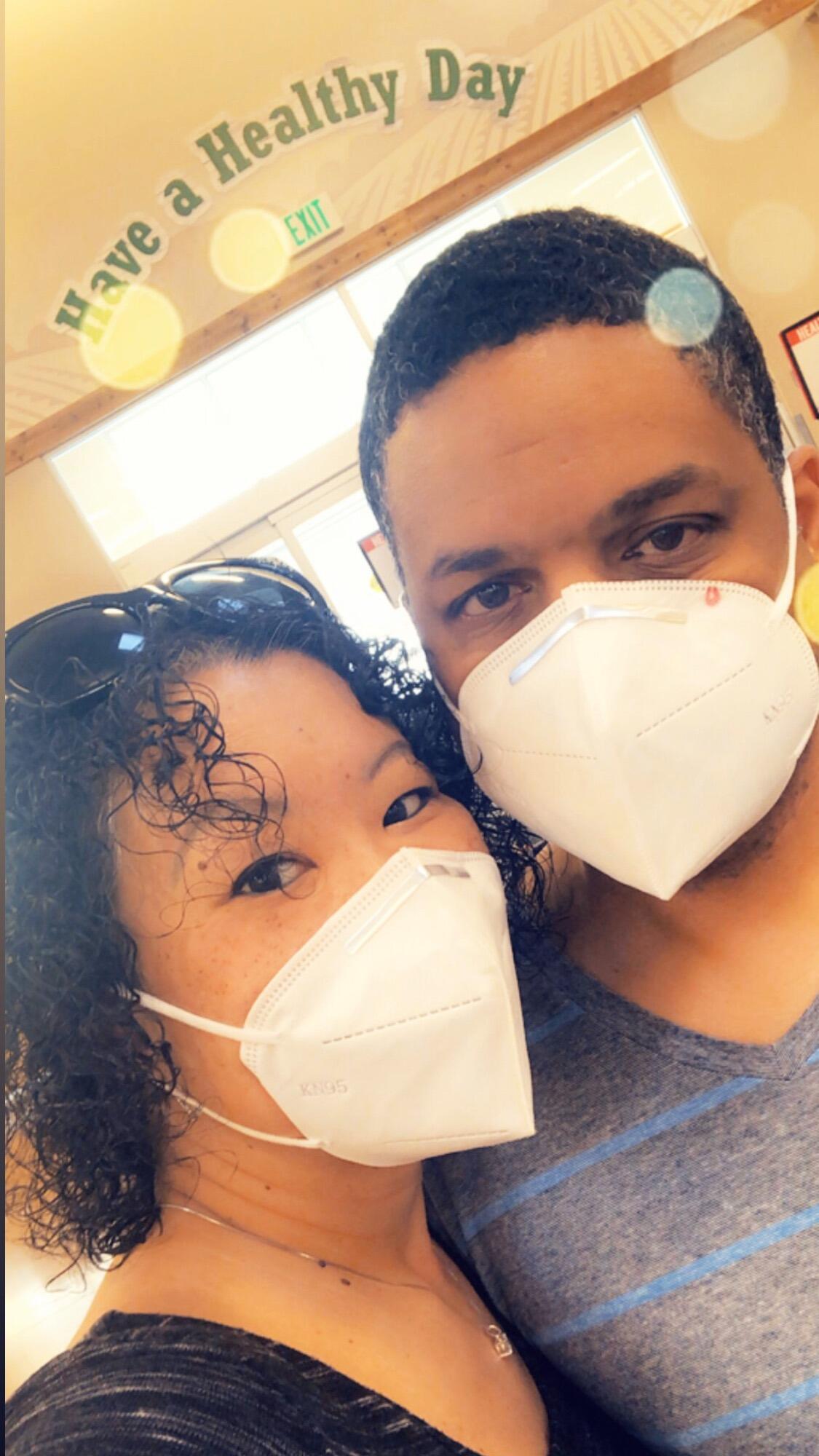
April 26, 2020

April 26, 2020

April 27, 2020

April 28, 2020
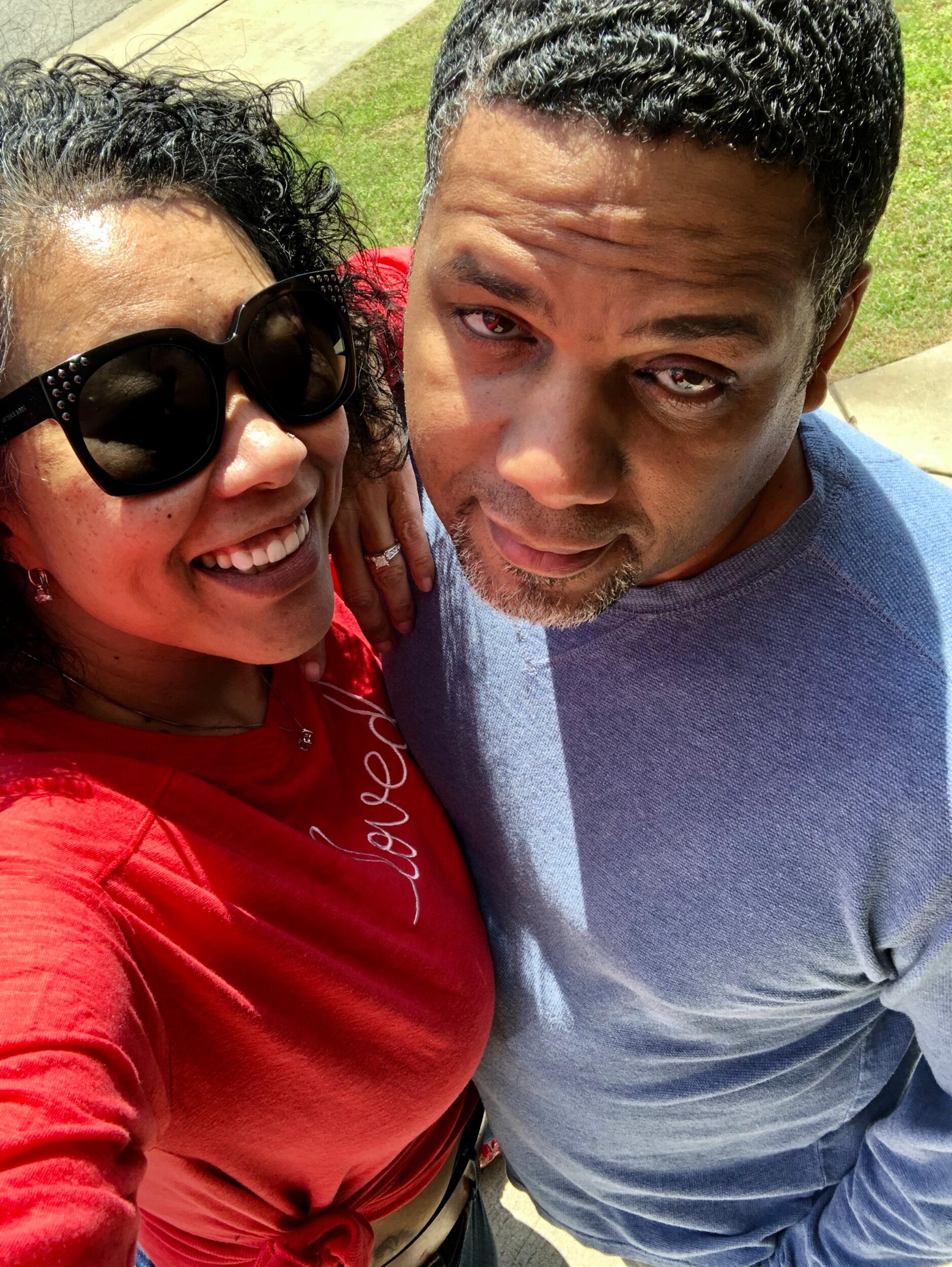
April 28, 2020

May 03, 2020
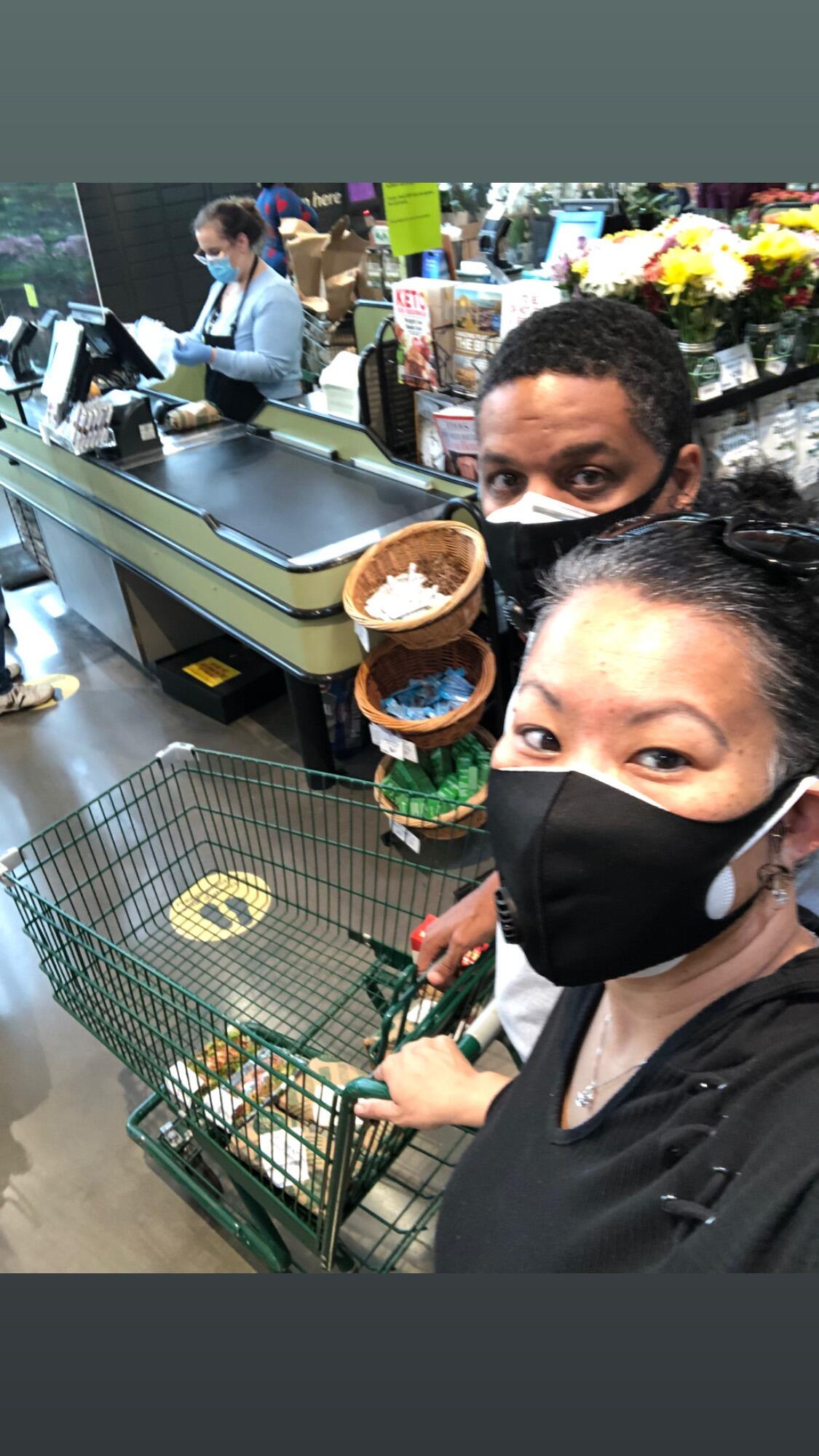
May 03, 2020
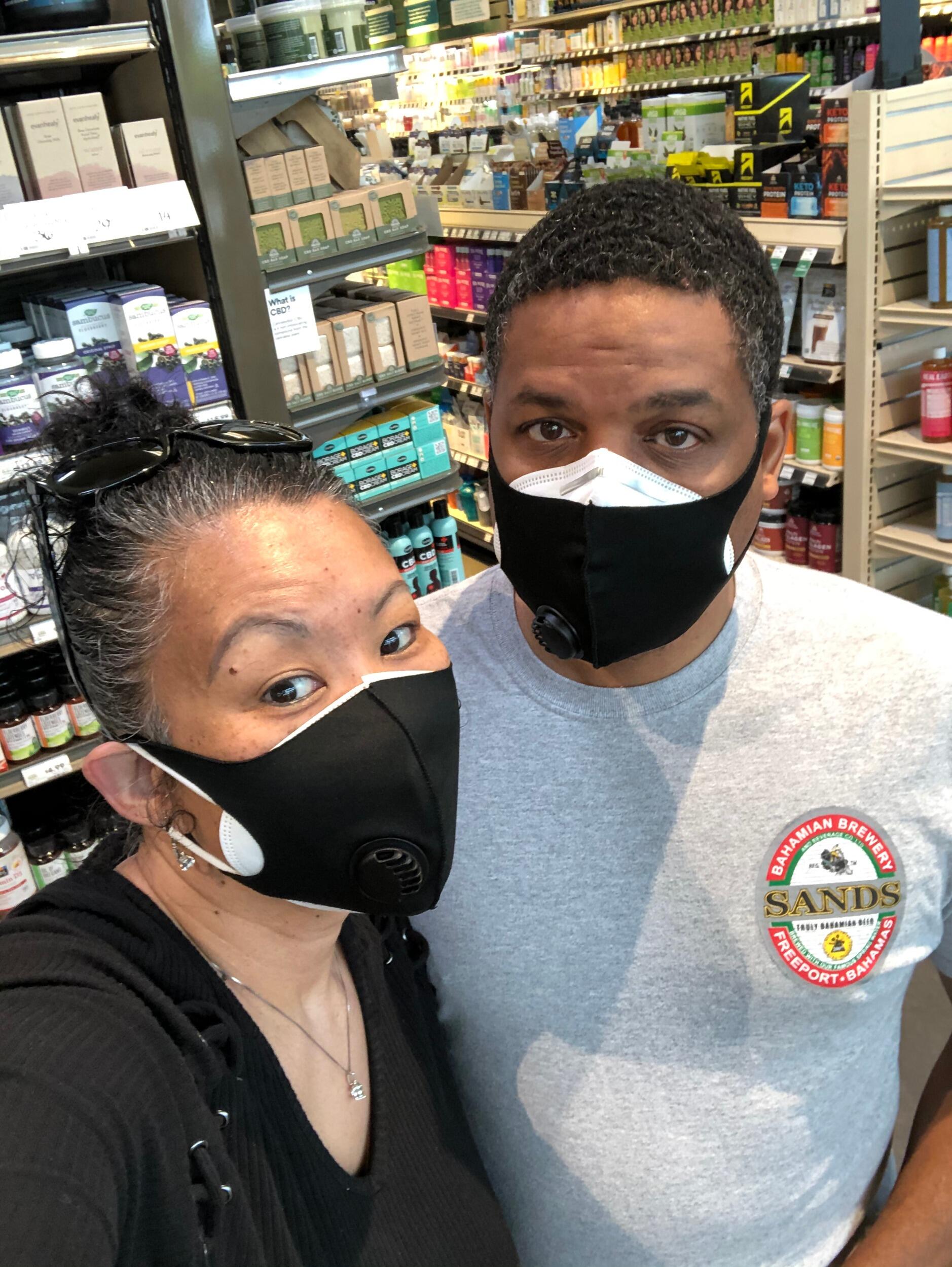
May 03, 2020
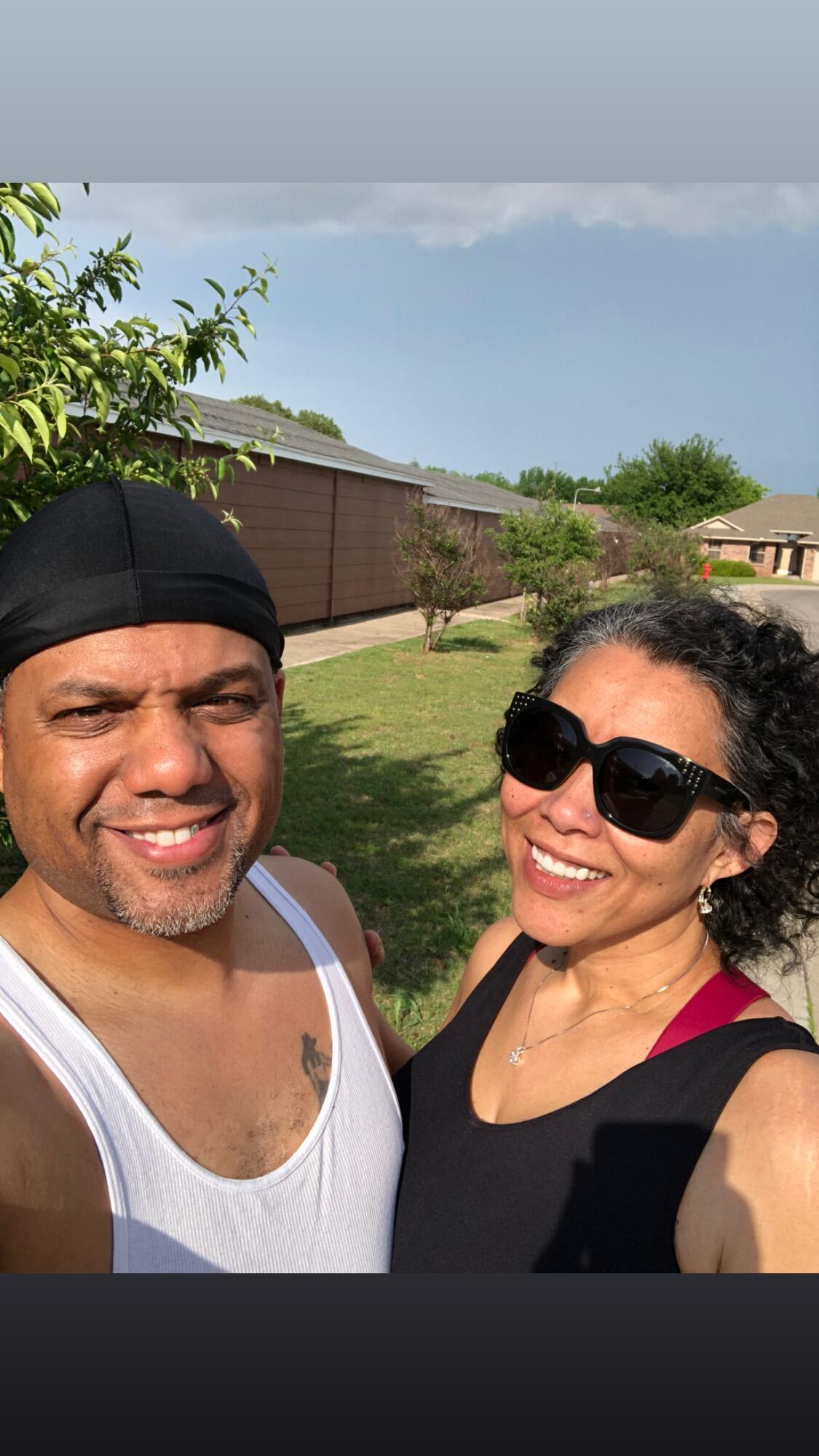
May 04, 2020

May 06, 2020

May 06, 2020
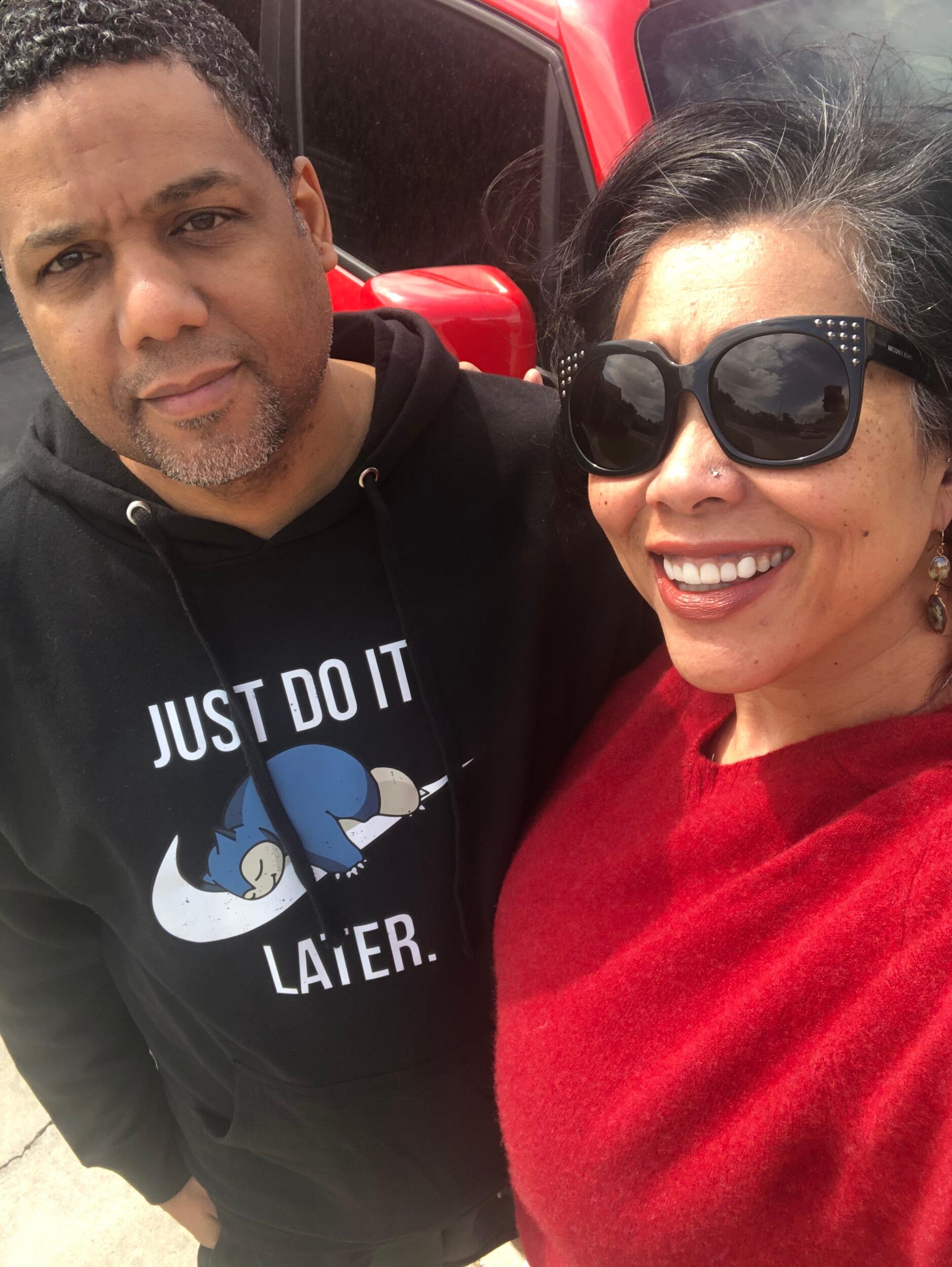
May 07, 2020

May 08, 2020
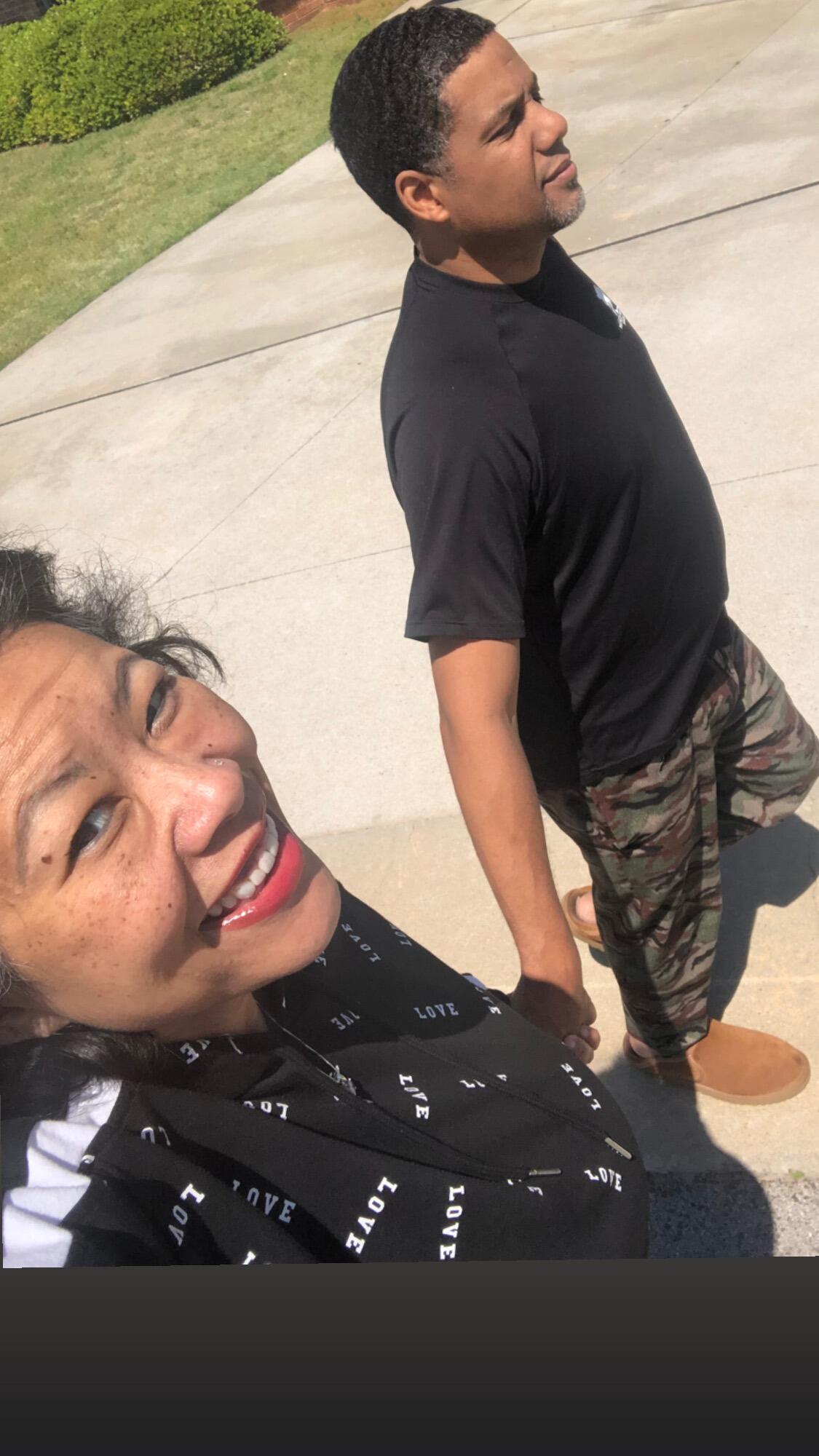
May 08, 2020
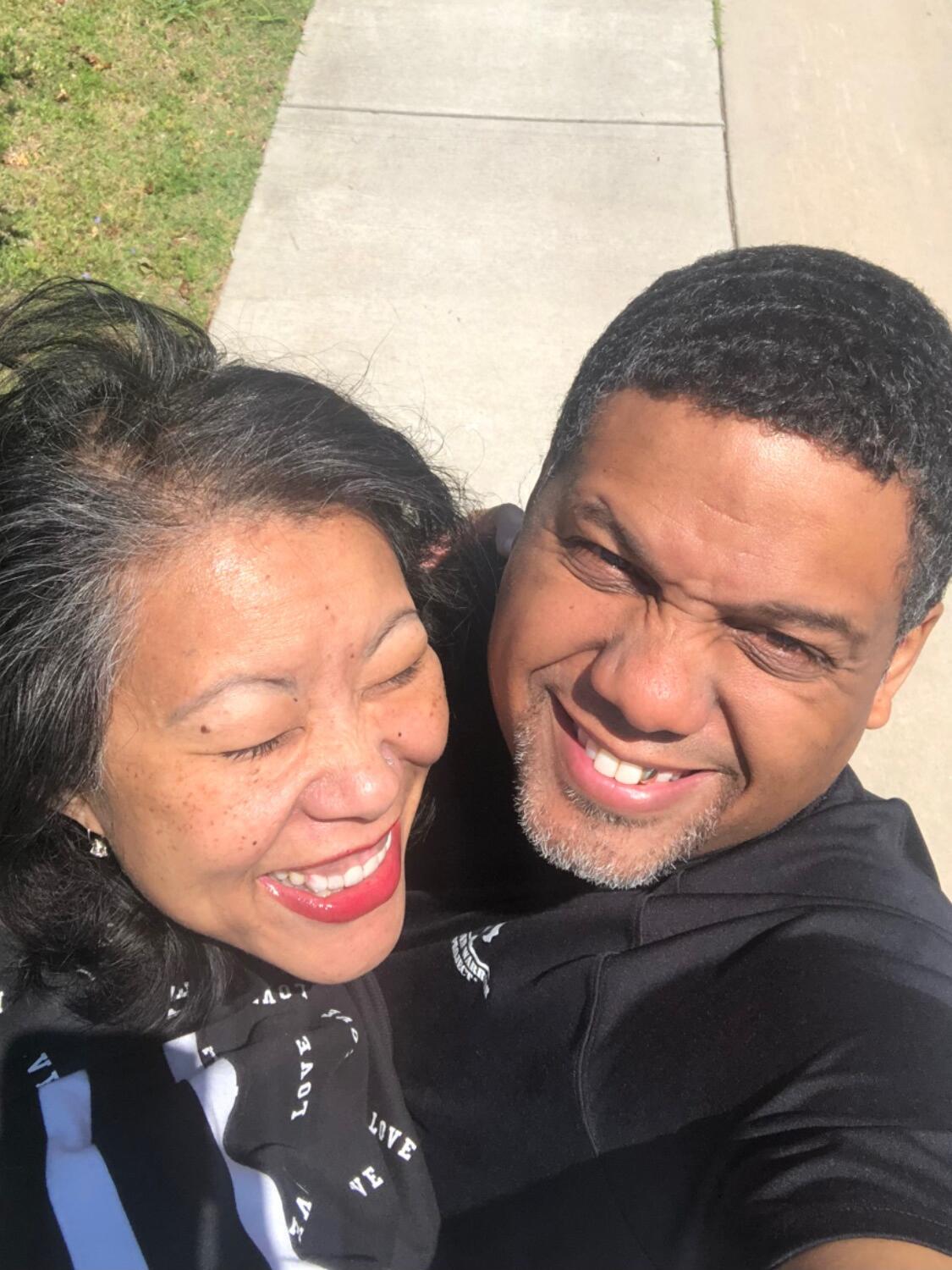
May 09, 2020

May 09, 2020
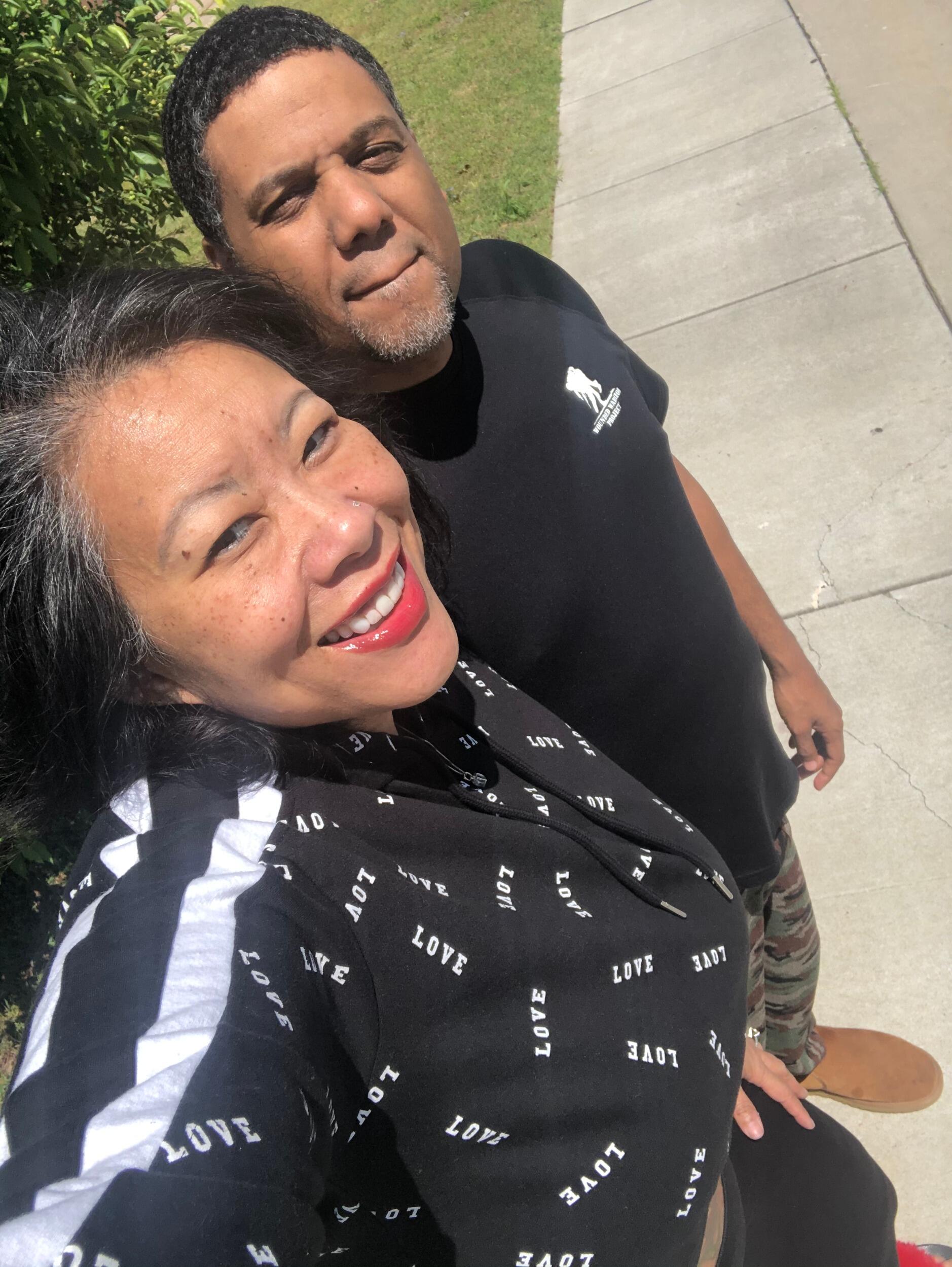
May 09, 2020
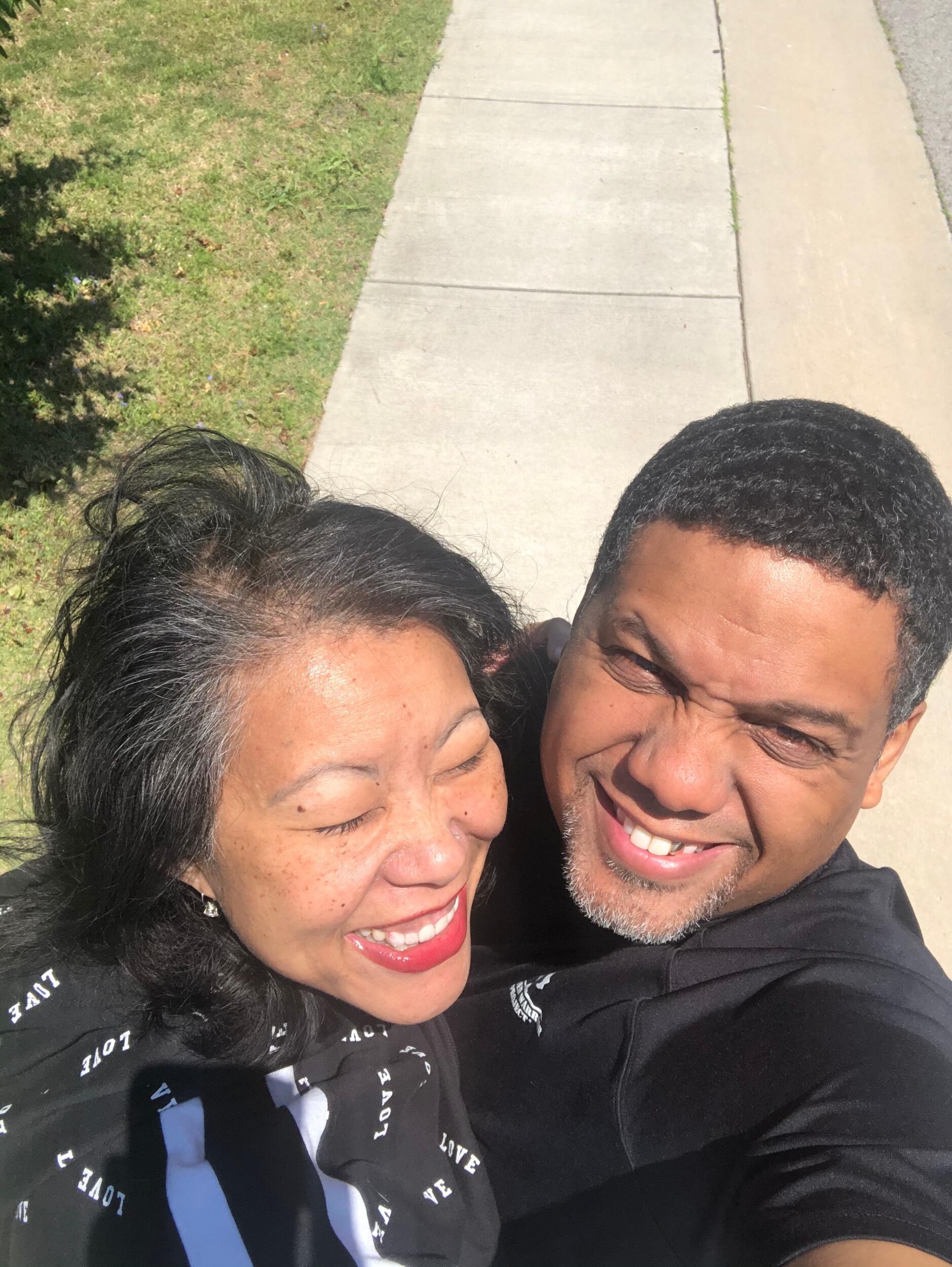
May 09, 2020
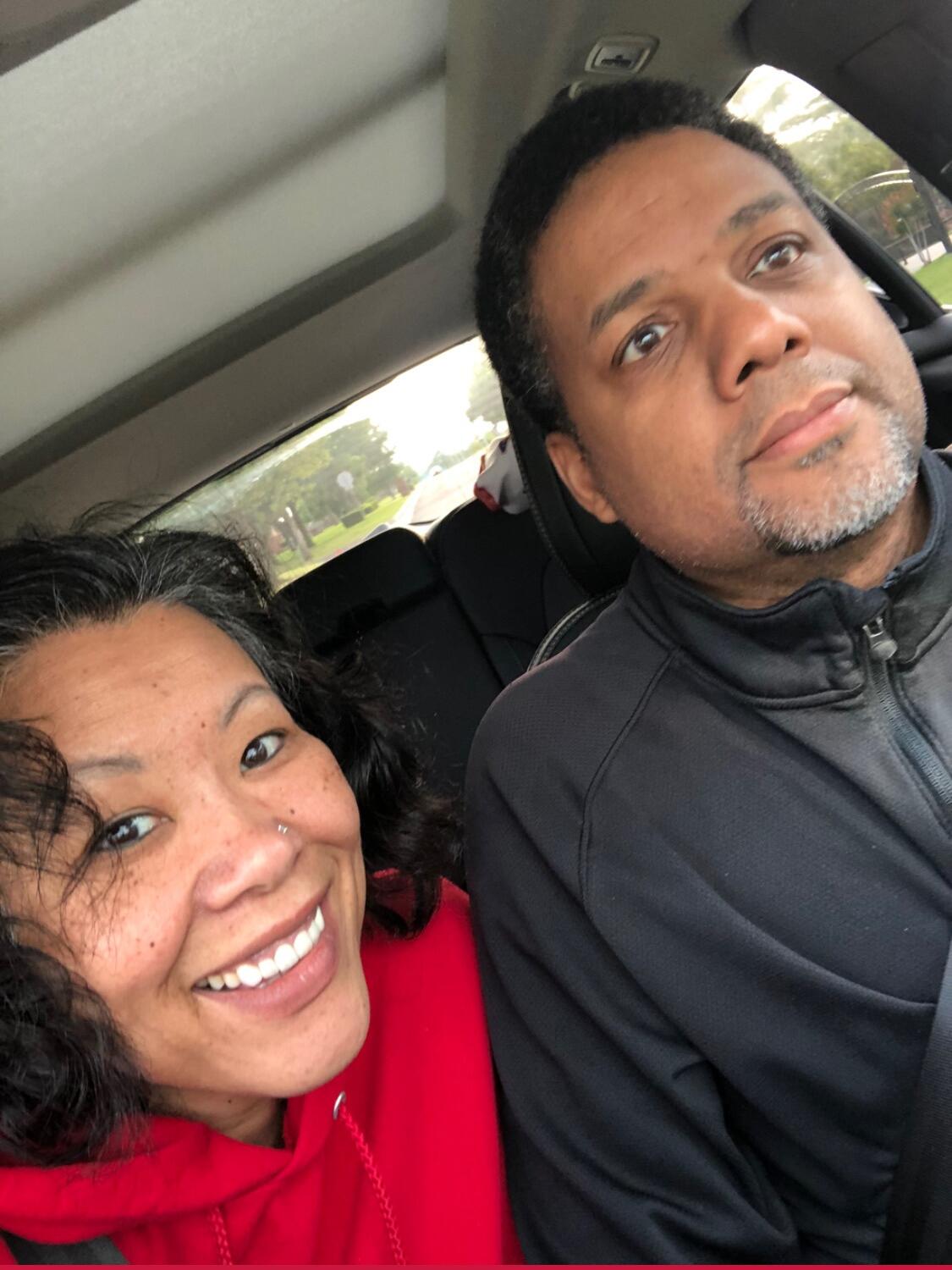
May 11, 2020
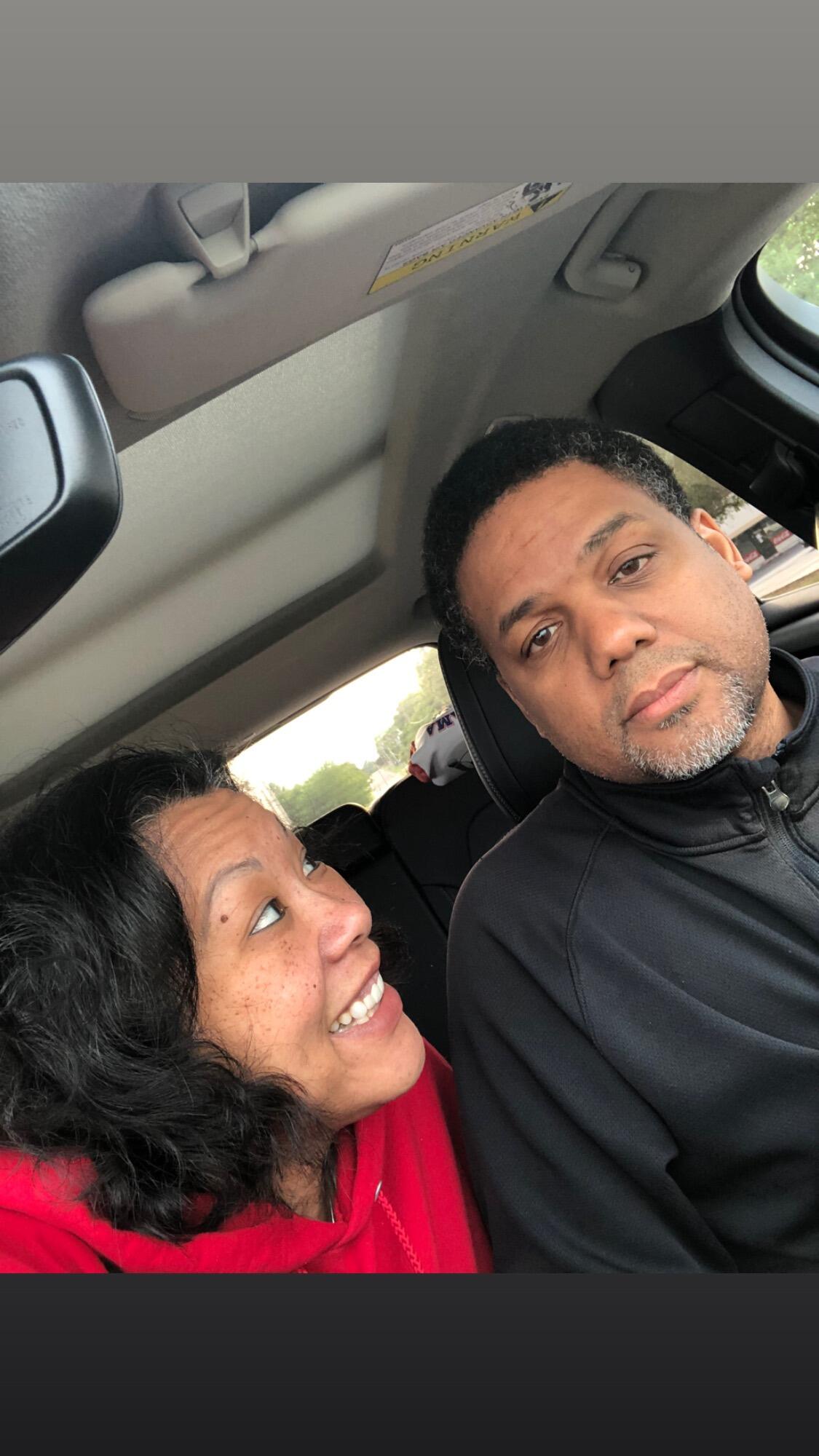
May 11, 2020

May 11, 2020
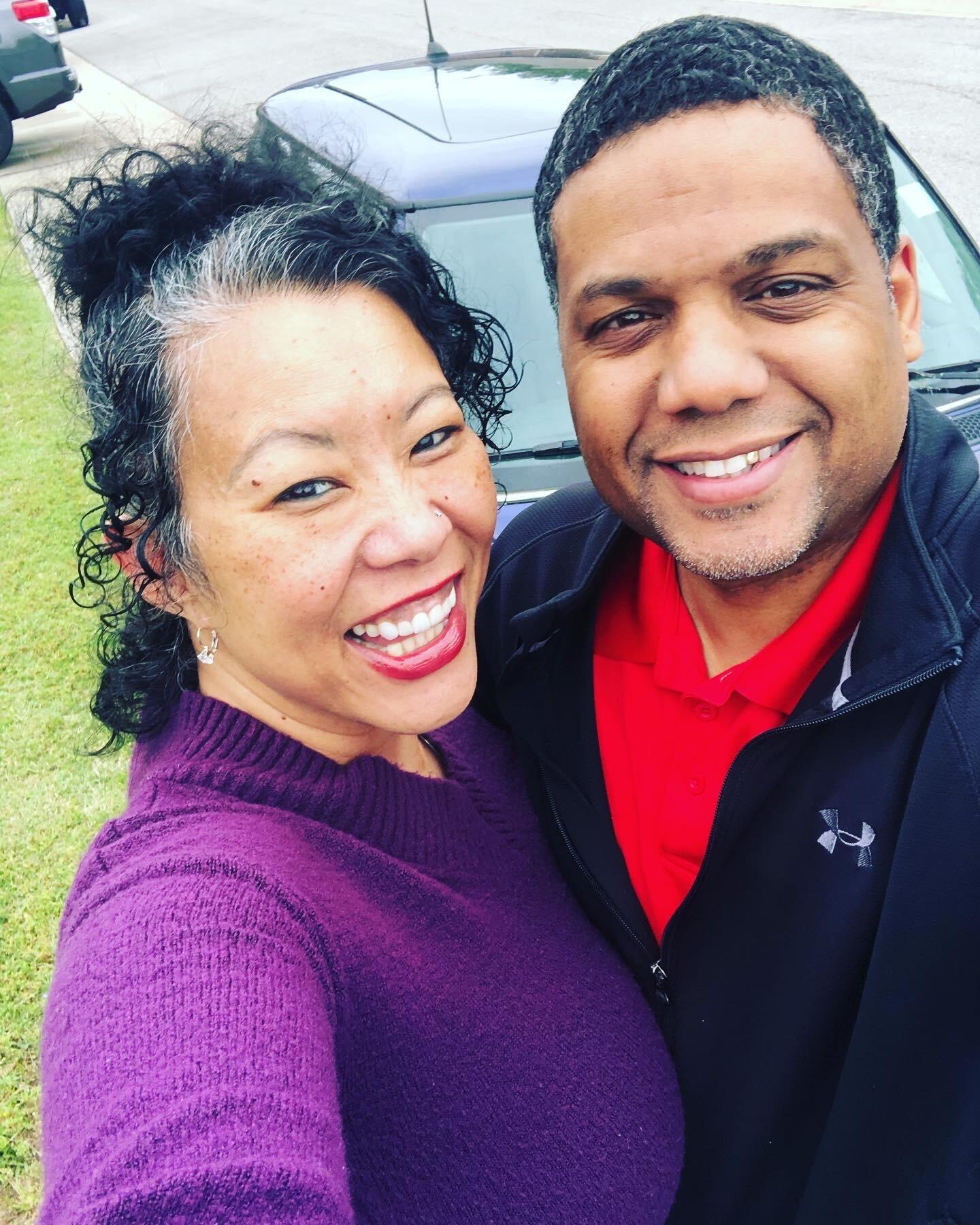
May 13, 2020
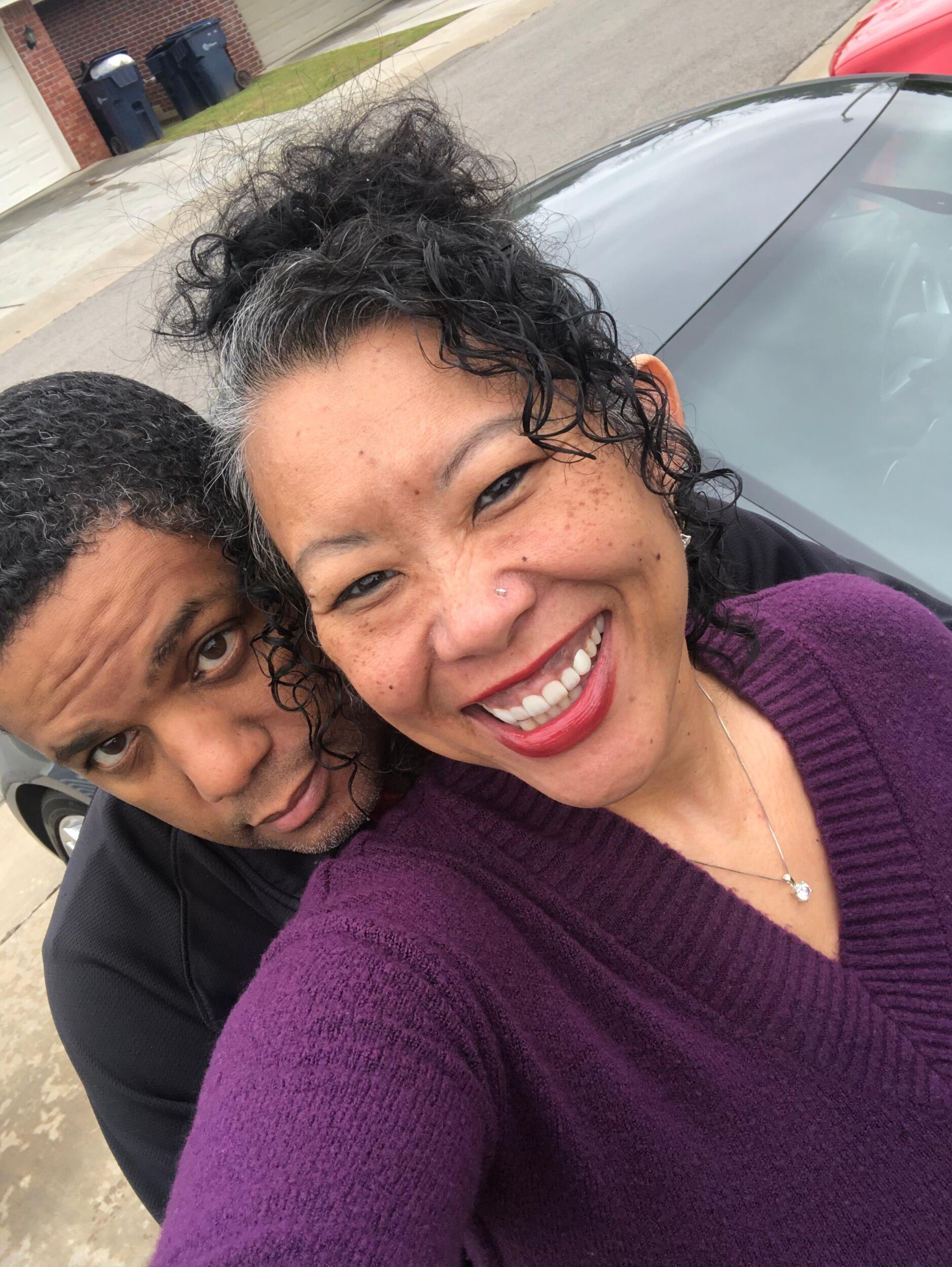
May 13, 2020
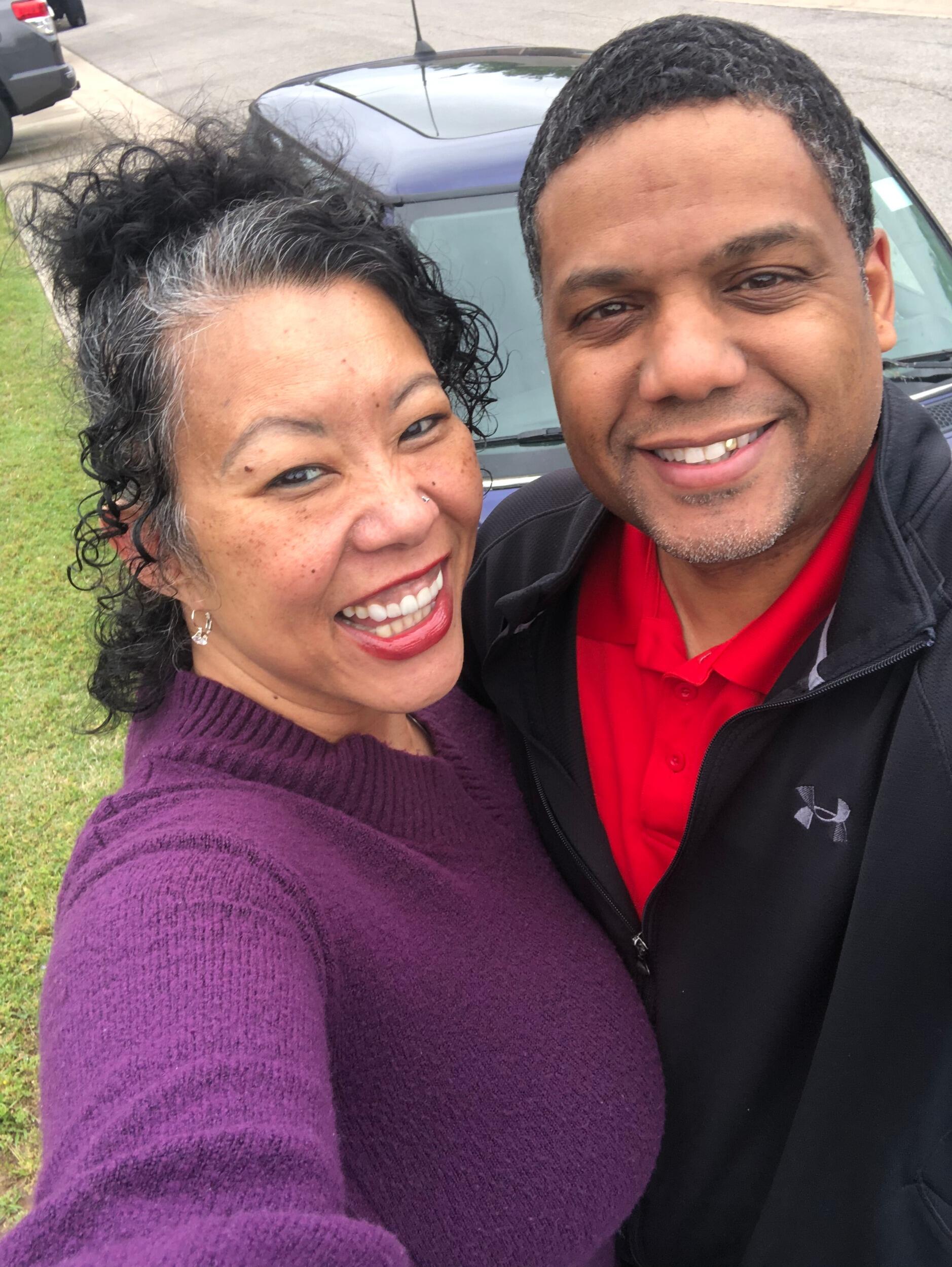
May 13, 2020

May 14, 2020
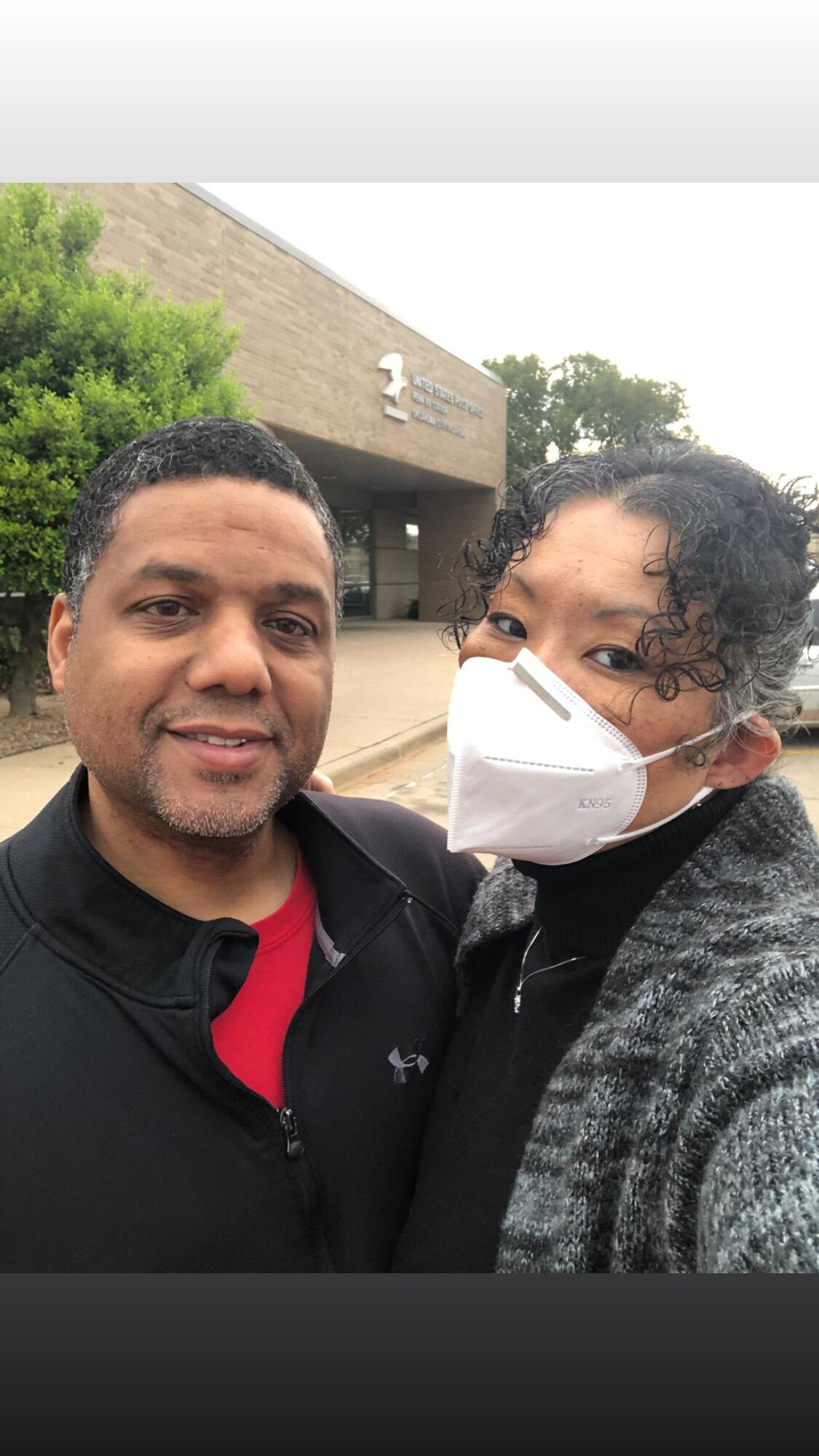
May 15, 2020
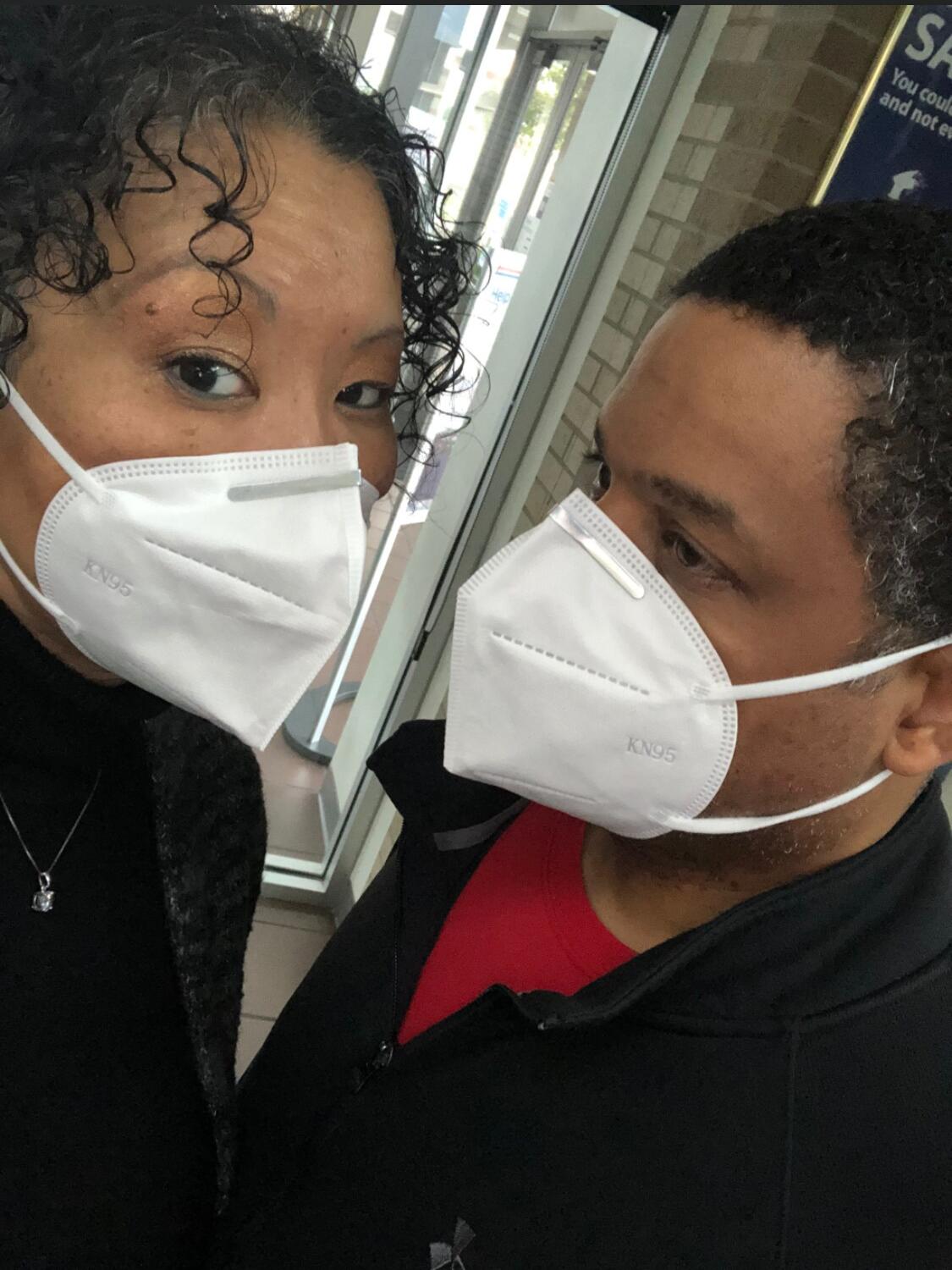
May 15, 2020
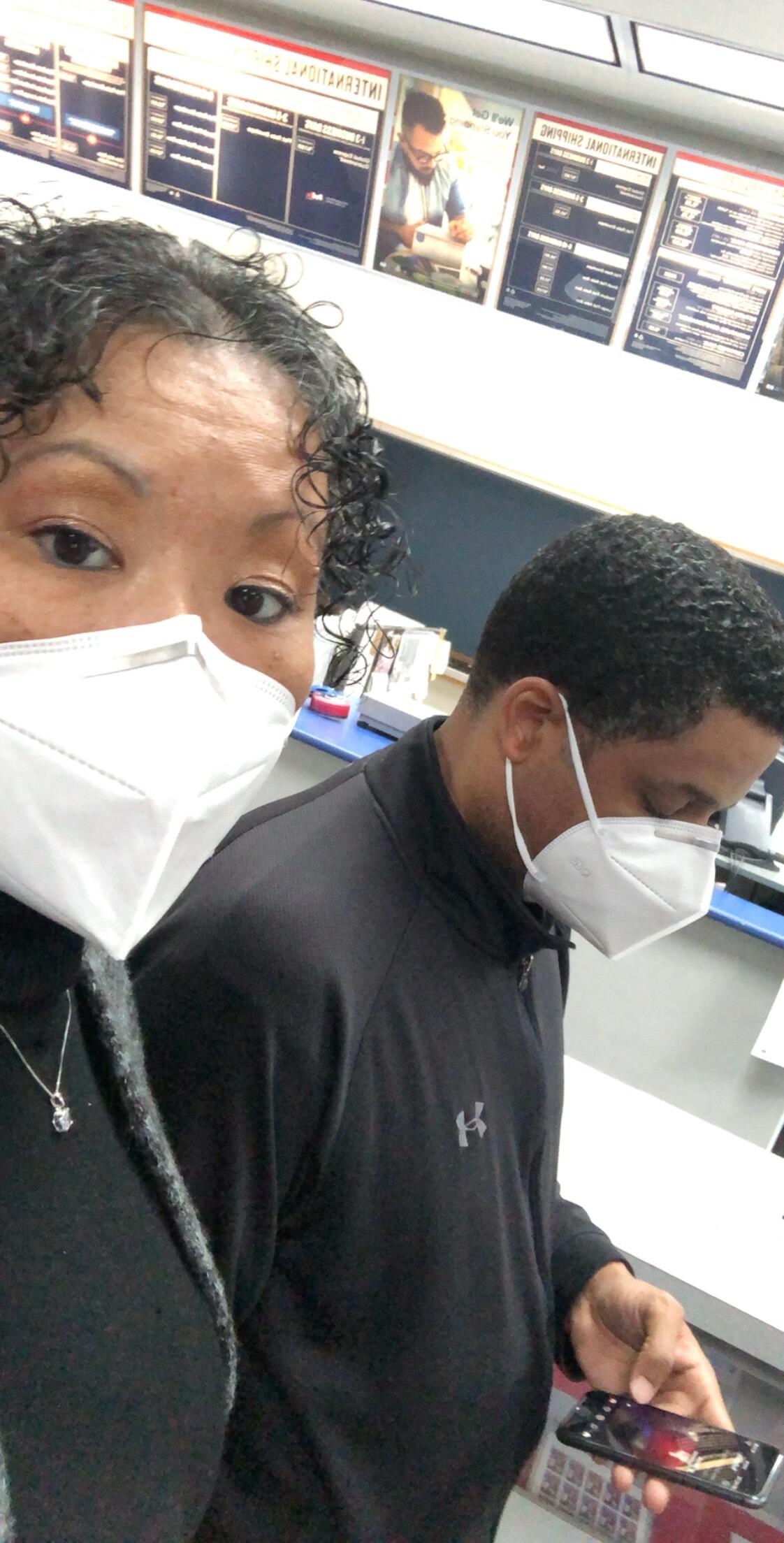
May 15, 2020

May 16, 2020

May 16, 2020

May 17, 2020
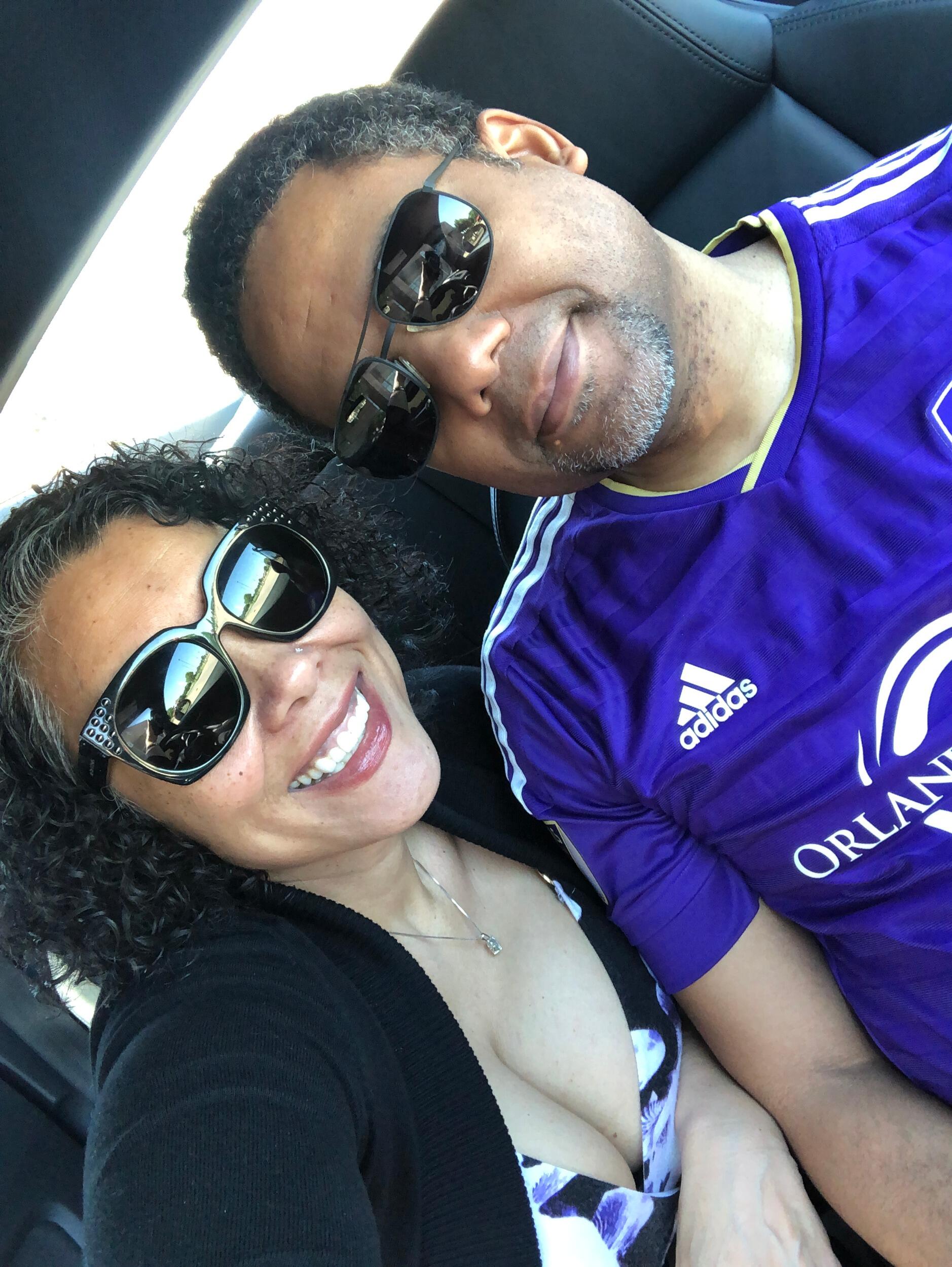
May 17, 2020

May 17, 2020
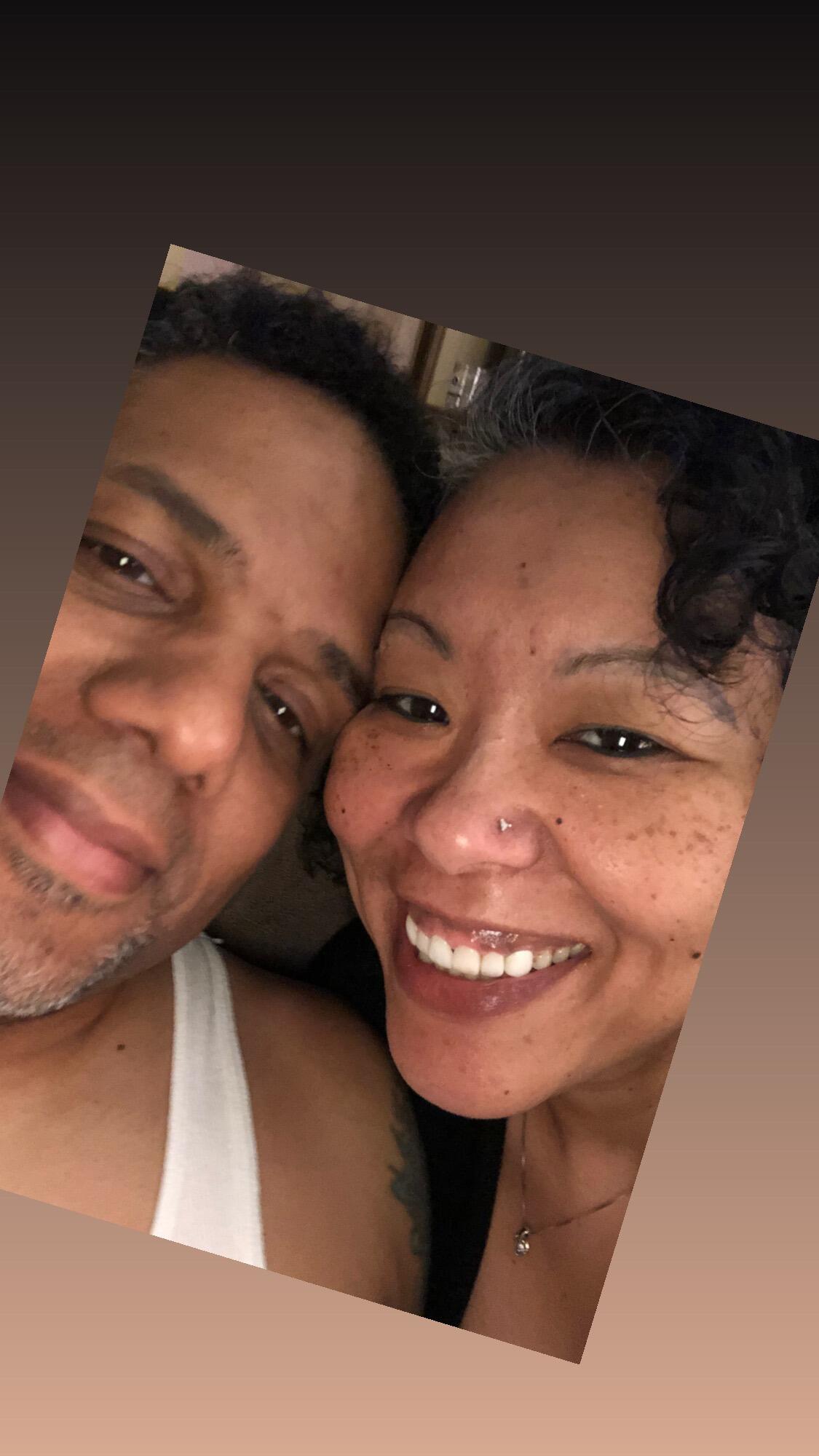
May 17, 2020

May 17, 2020
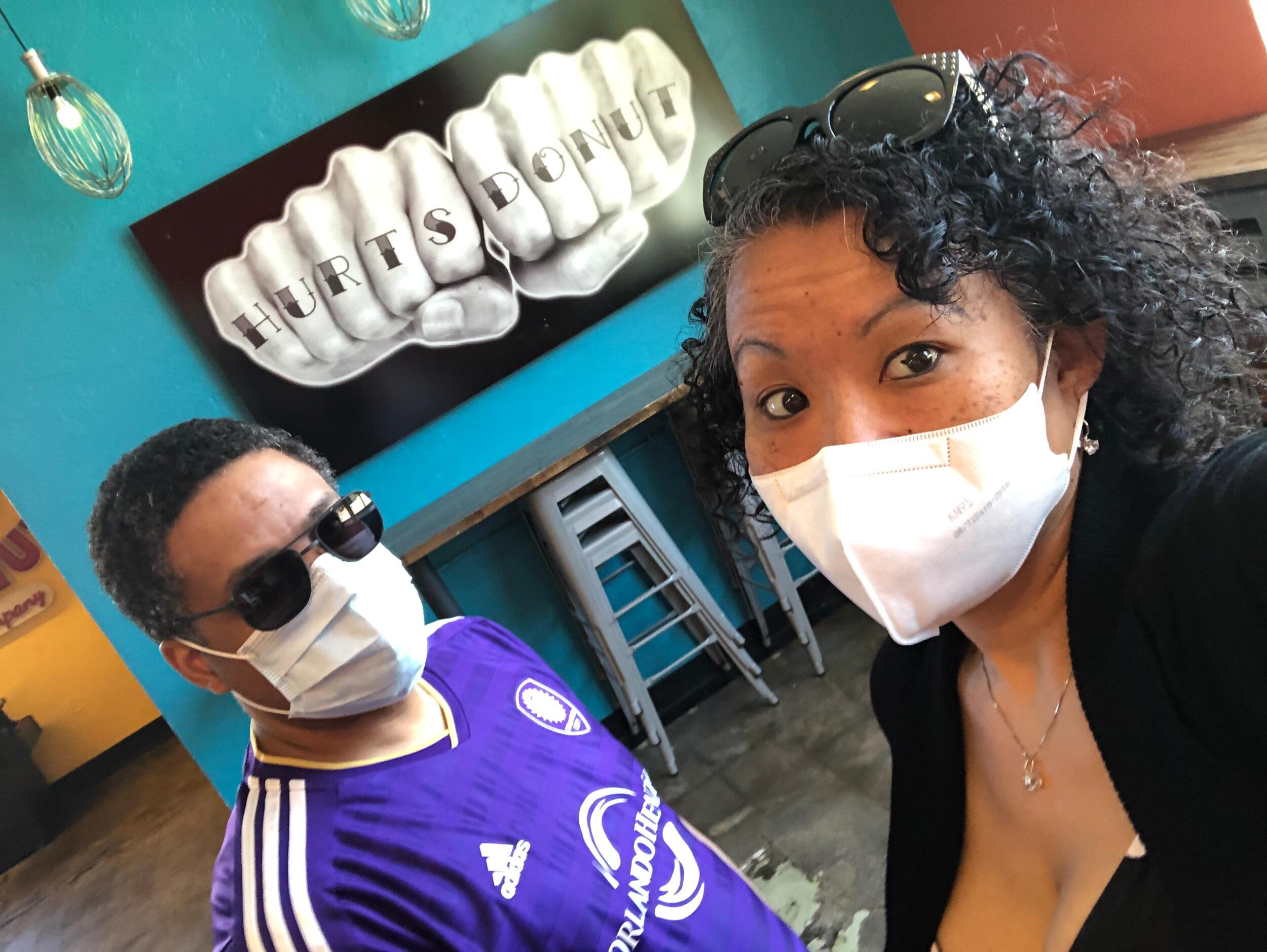
May 17, 2020
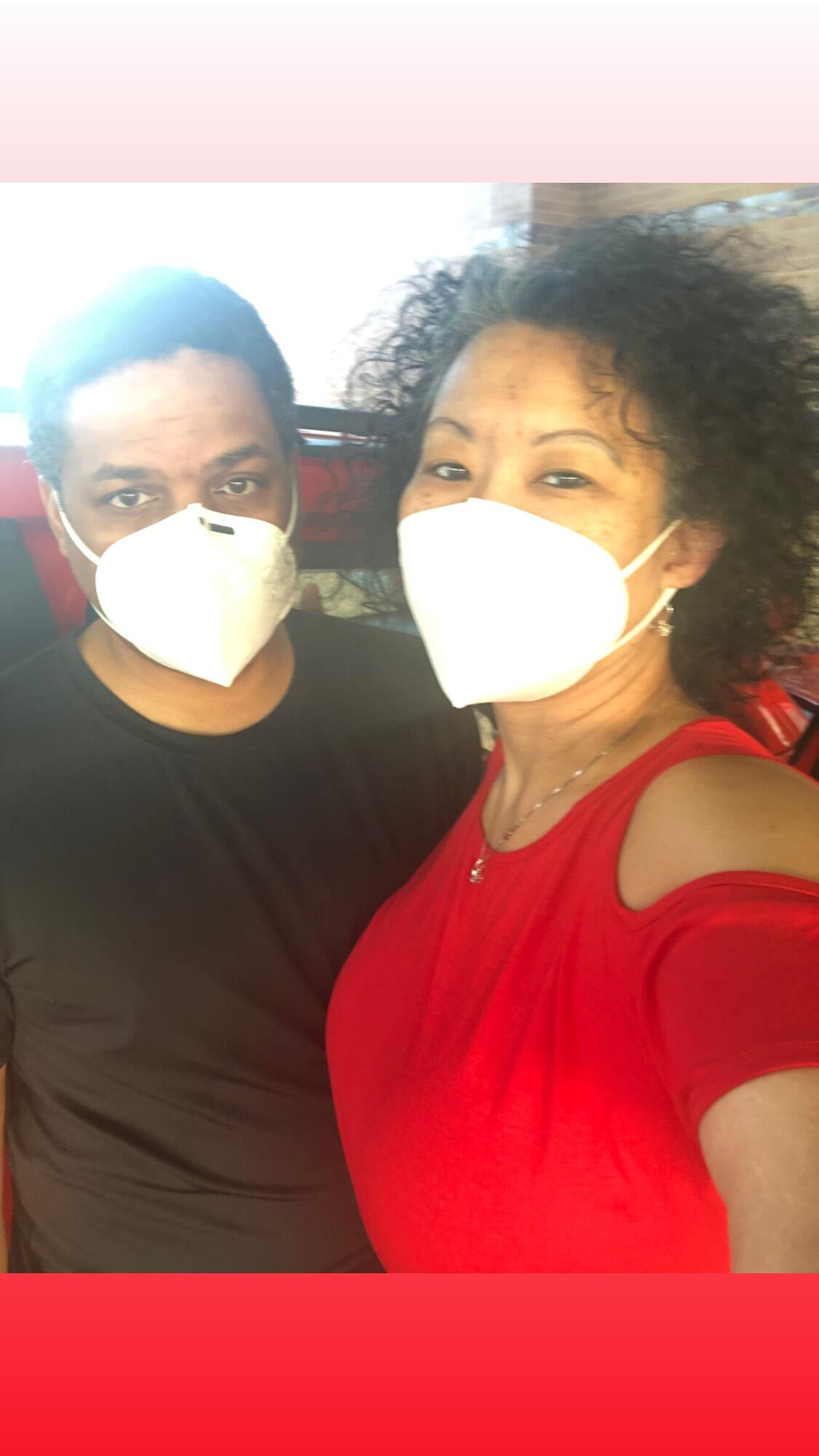
May 20, 2020
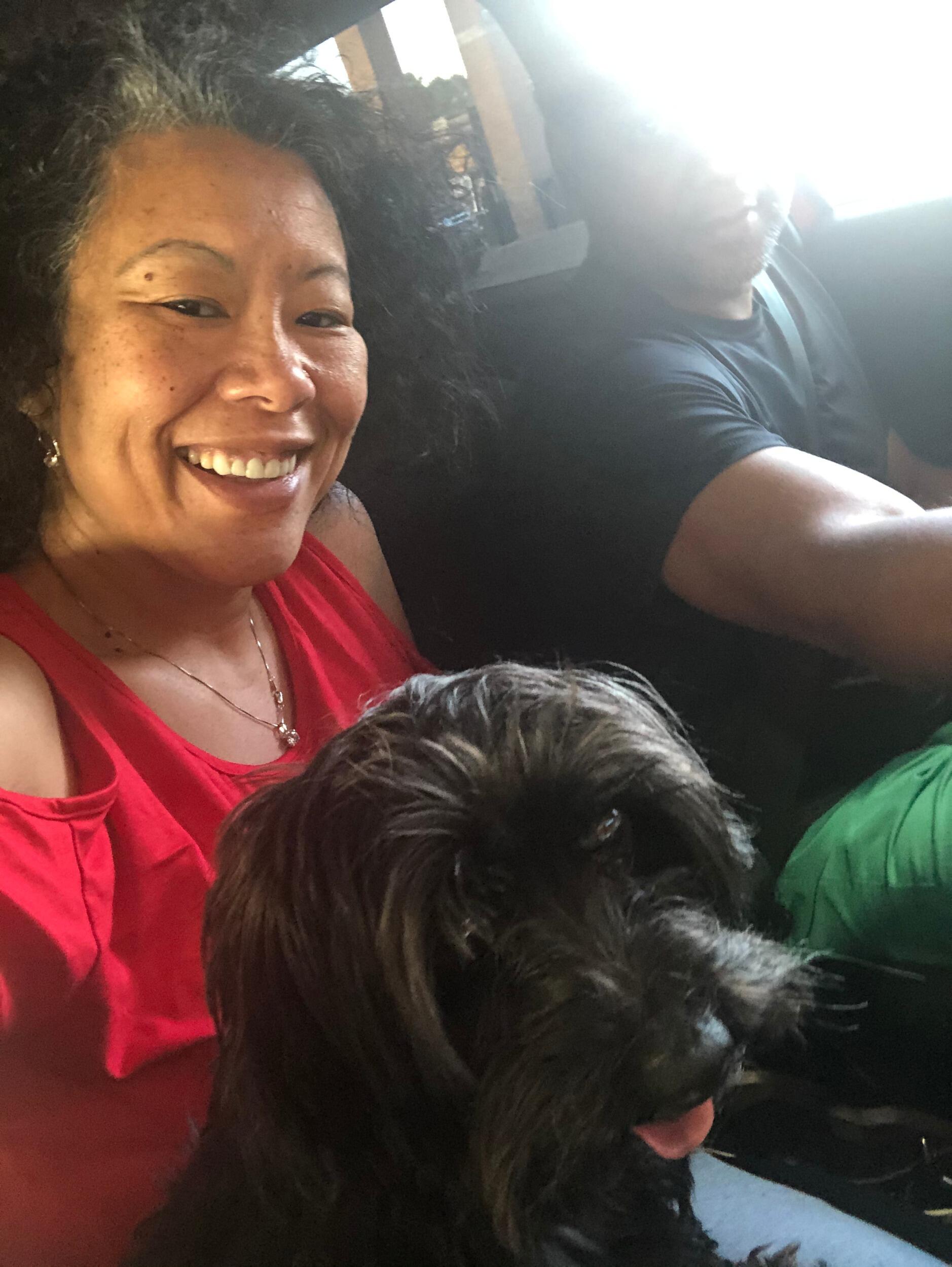
May 20, 2020

May 20, 2020
May 23, 2020
May 23, 2020
May 23, 2020

May 24, 2020
May 24, 2020
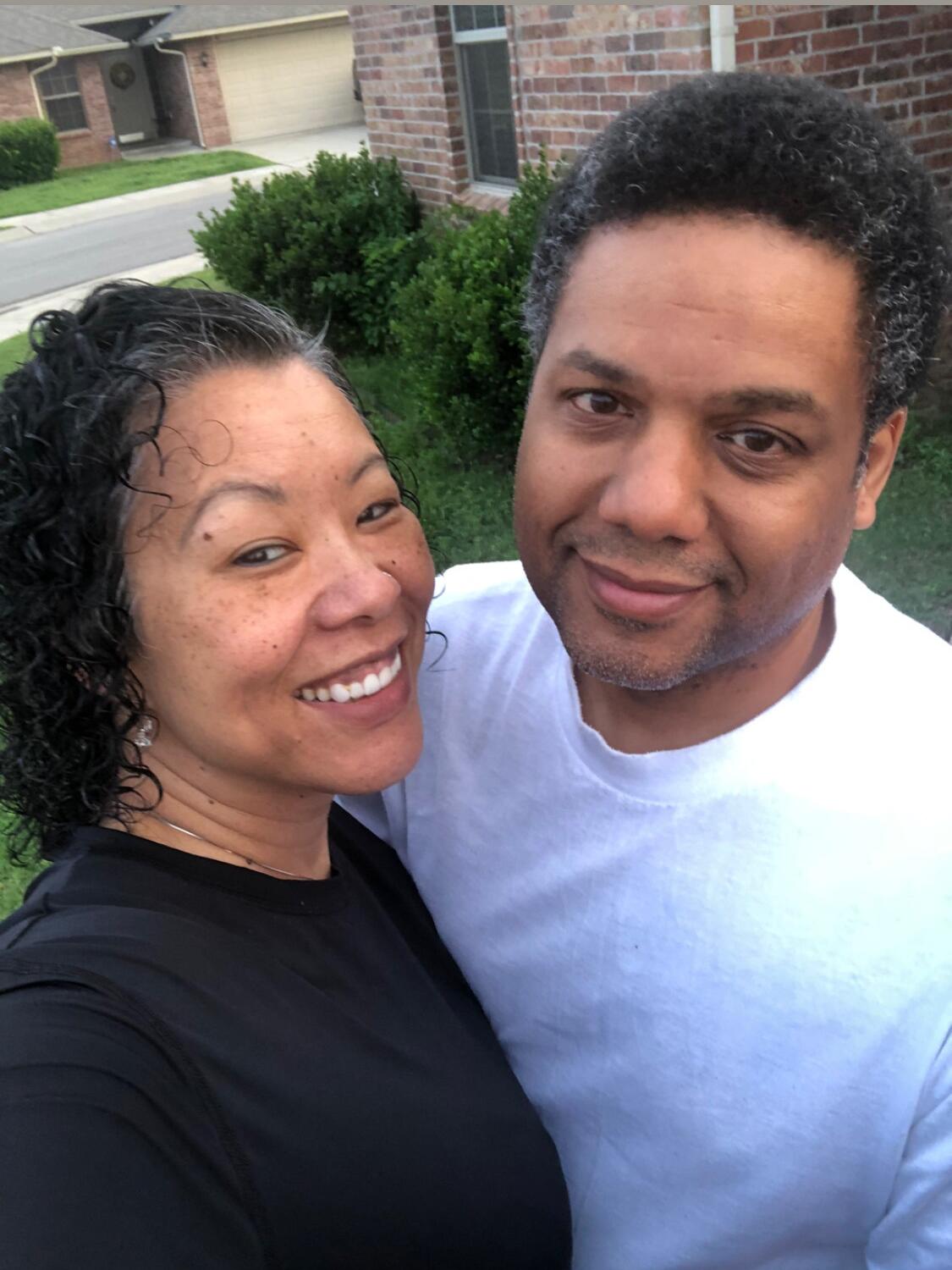
May 24, 2020

May 24, 2020

May 25, 2020
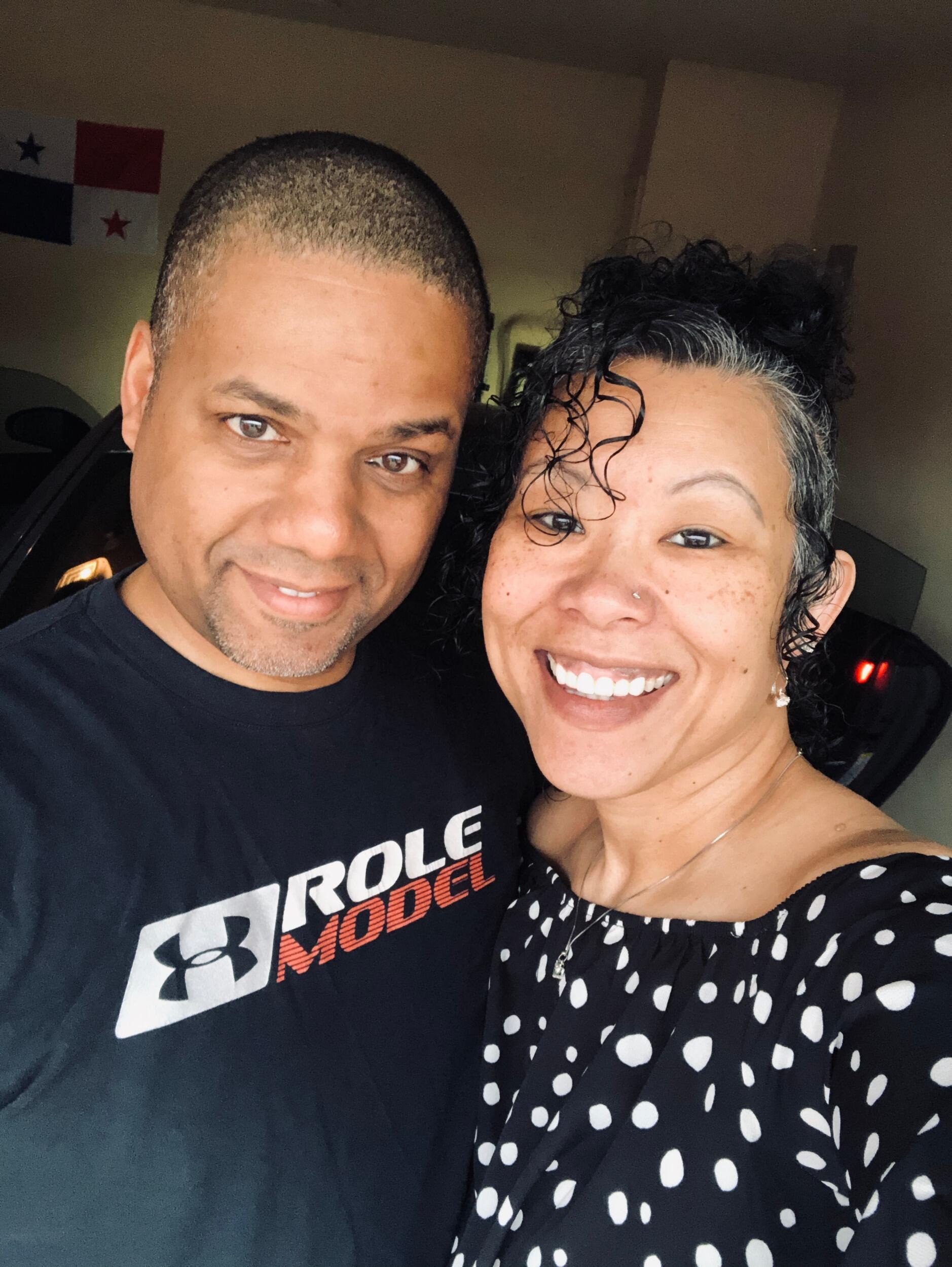
May 25, 2020
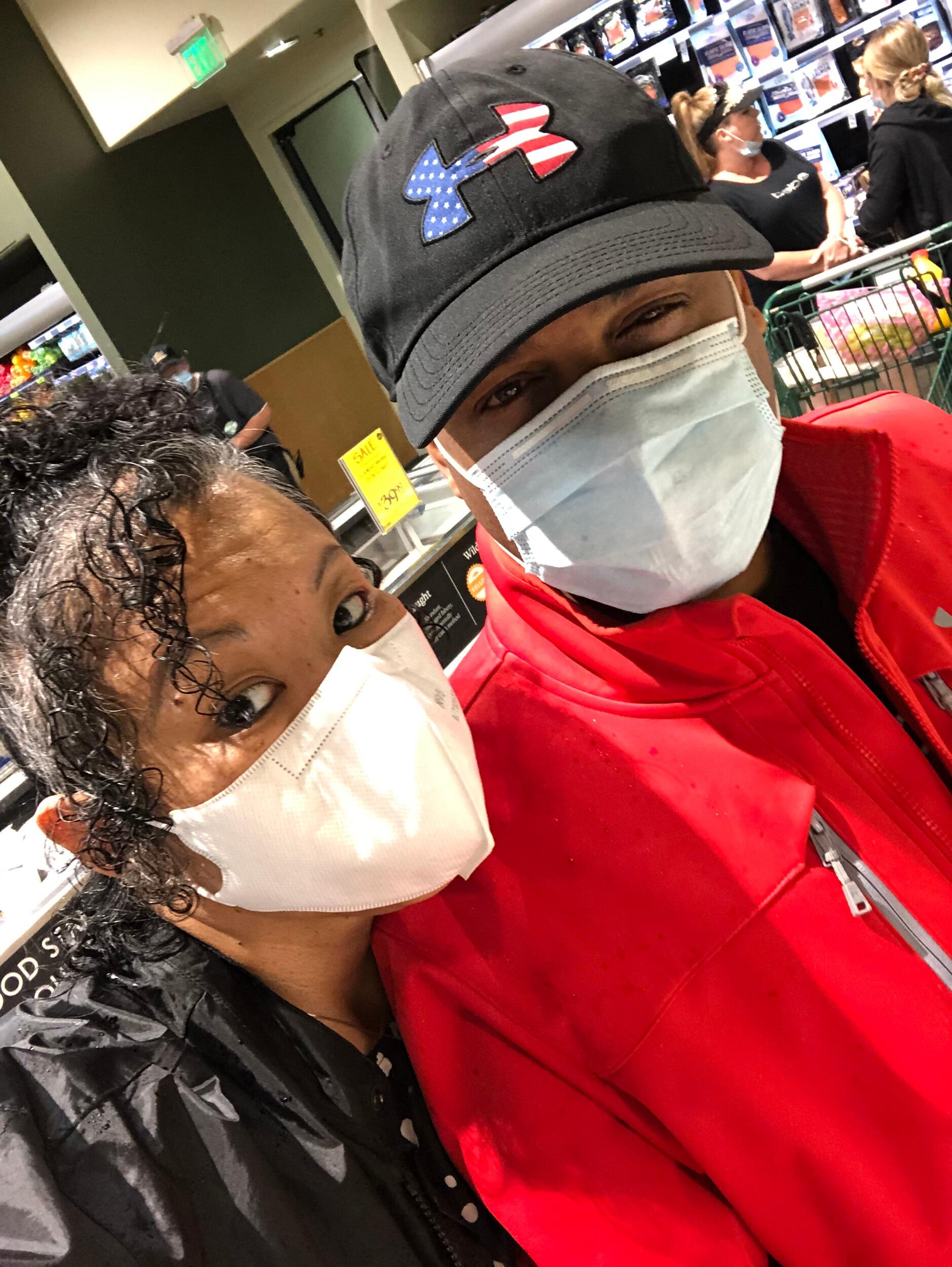
May 25, 2020
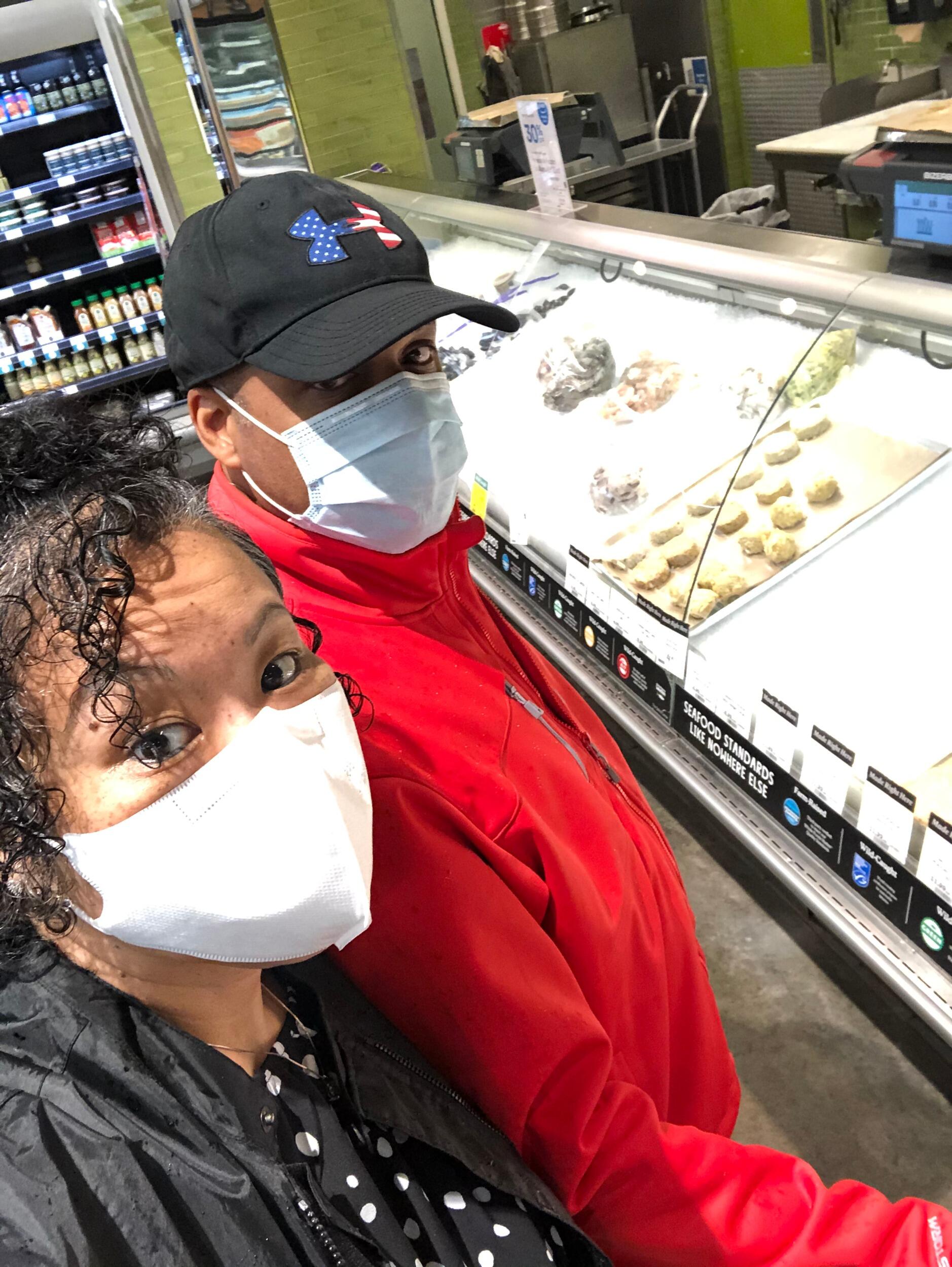
May 25, 2020

May 27, 2020
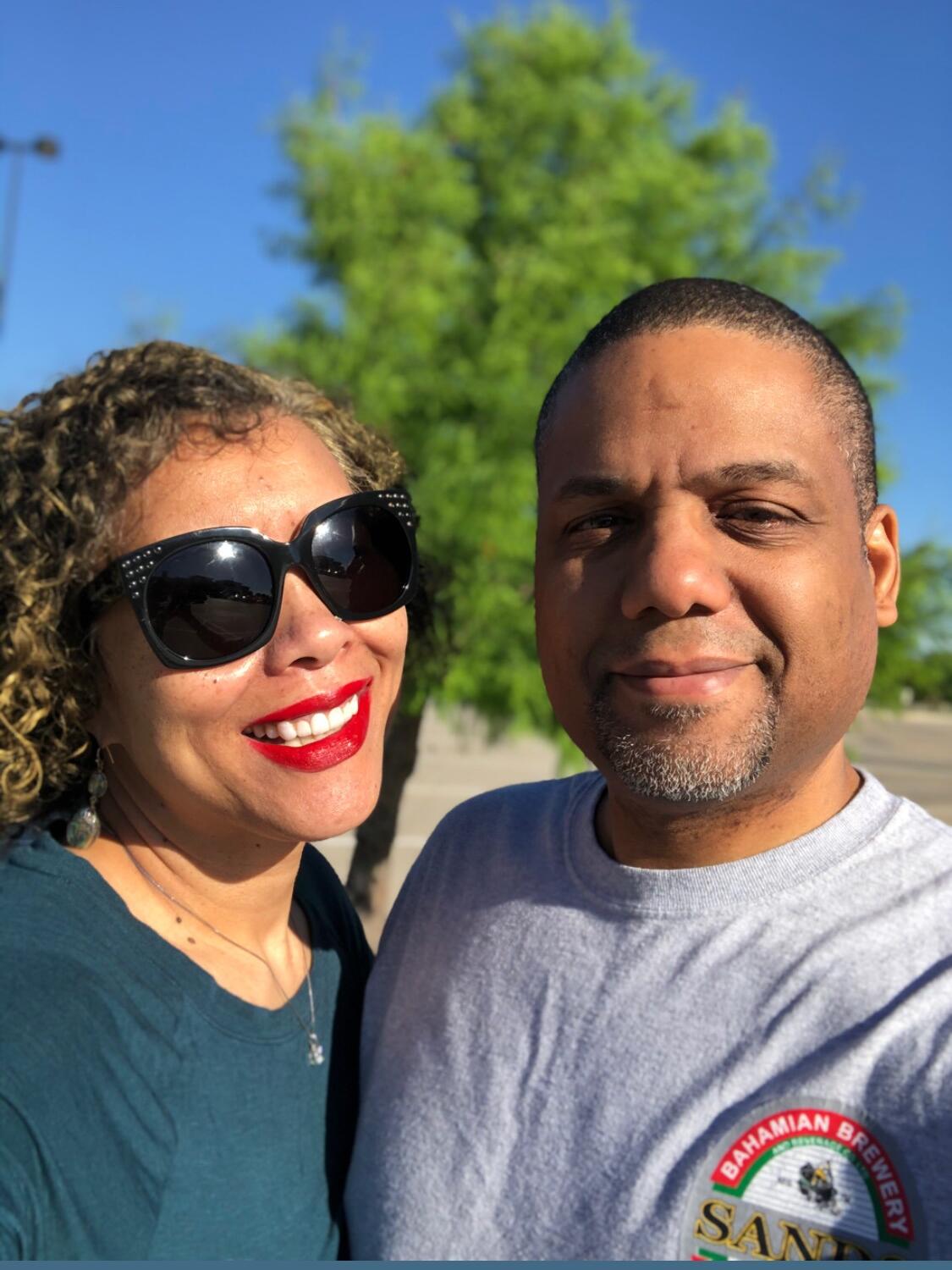
May 30, 2020
May 31, 2020

May 31, 2020
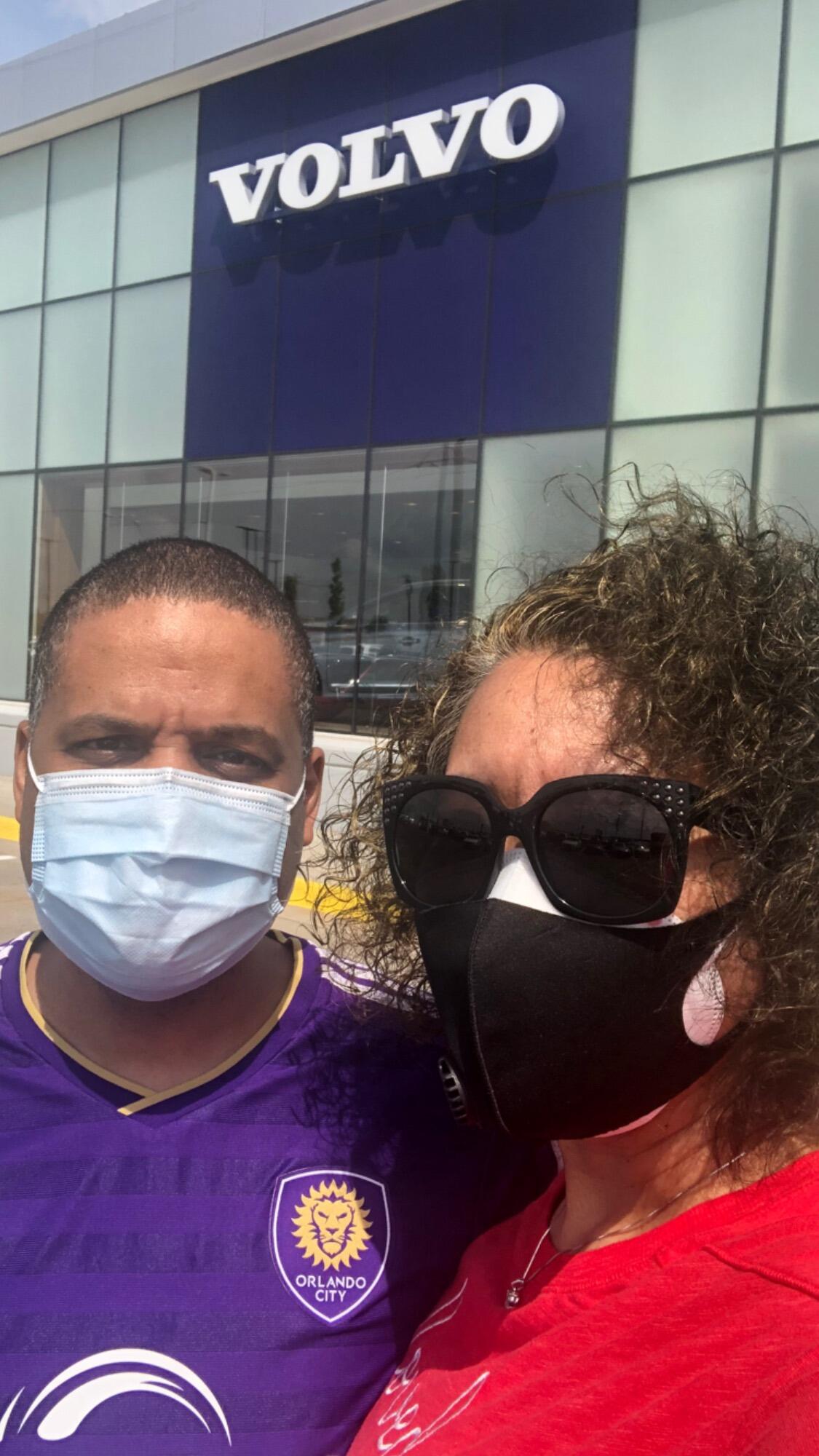
June 02, 2020
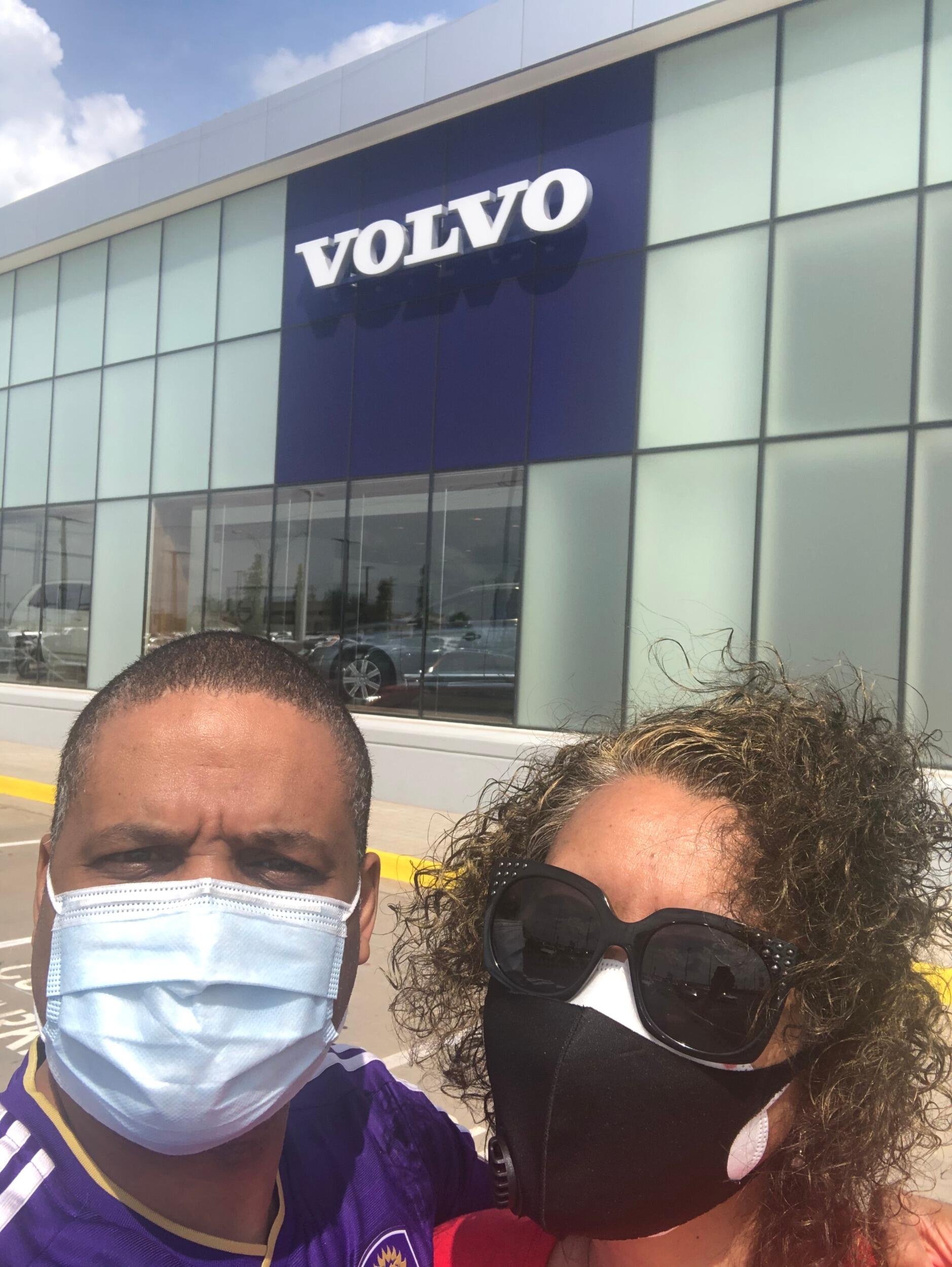
June 02, 2020
June 02, 2020

June 03, 2020

June 03, 2020

June 05, 2020
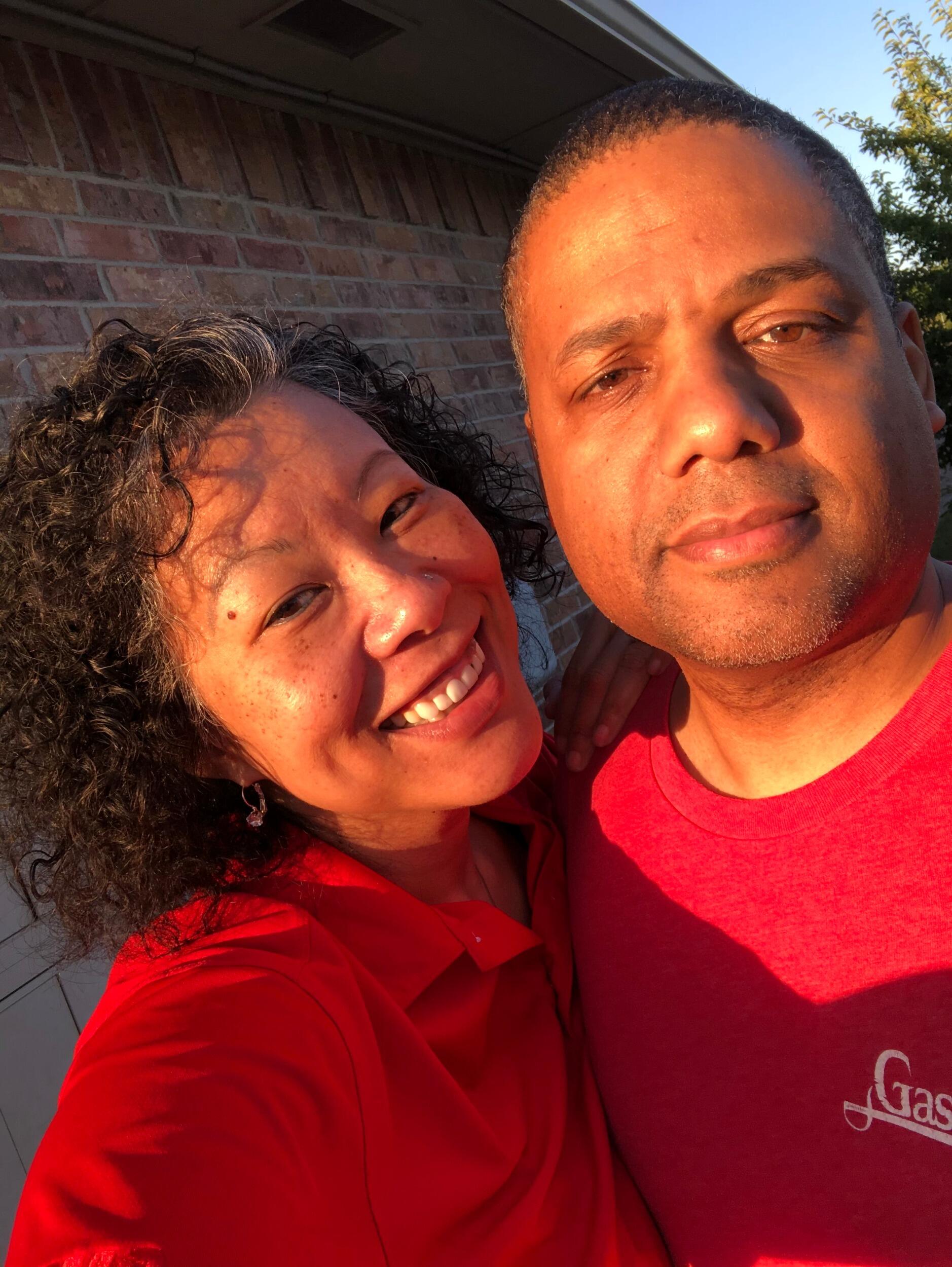
June 05, 2020
June 08, 2020
June 08, 2020

June 09, 2020

June 09, 2020
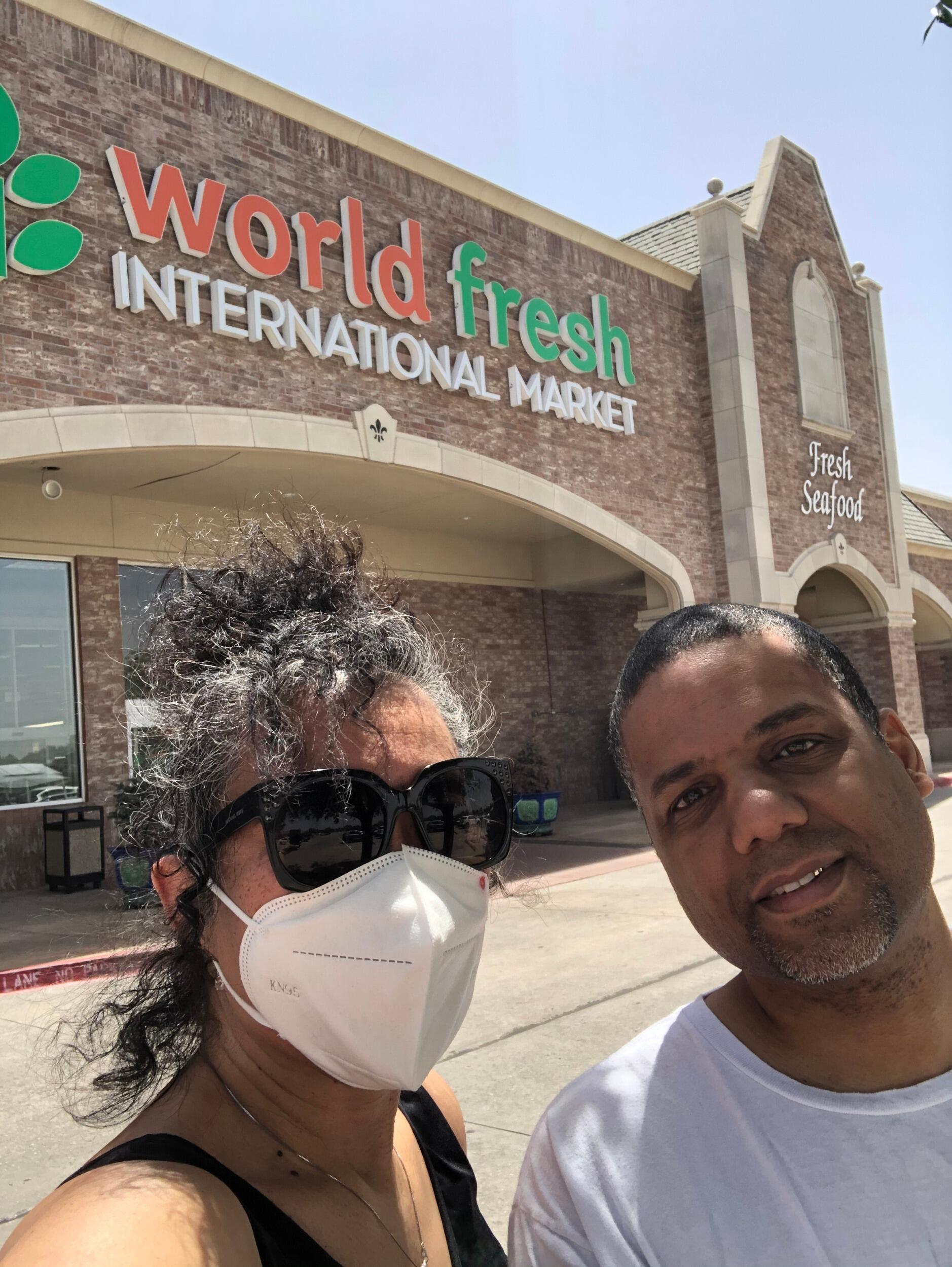
June 09, 2020
June 10, 2020
June 10, 2020
June 10, 2020
June 10, 2020

June 11, 2020

June 12, 2020
June 12, 2020

June 12, 2020
June 12, 2020

June 13, 2020
June 15, 2020
June 16, 2020

June 16, 2020

June 16, 2020
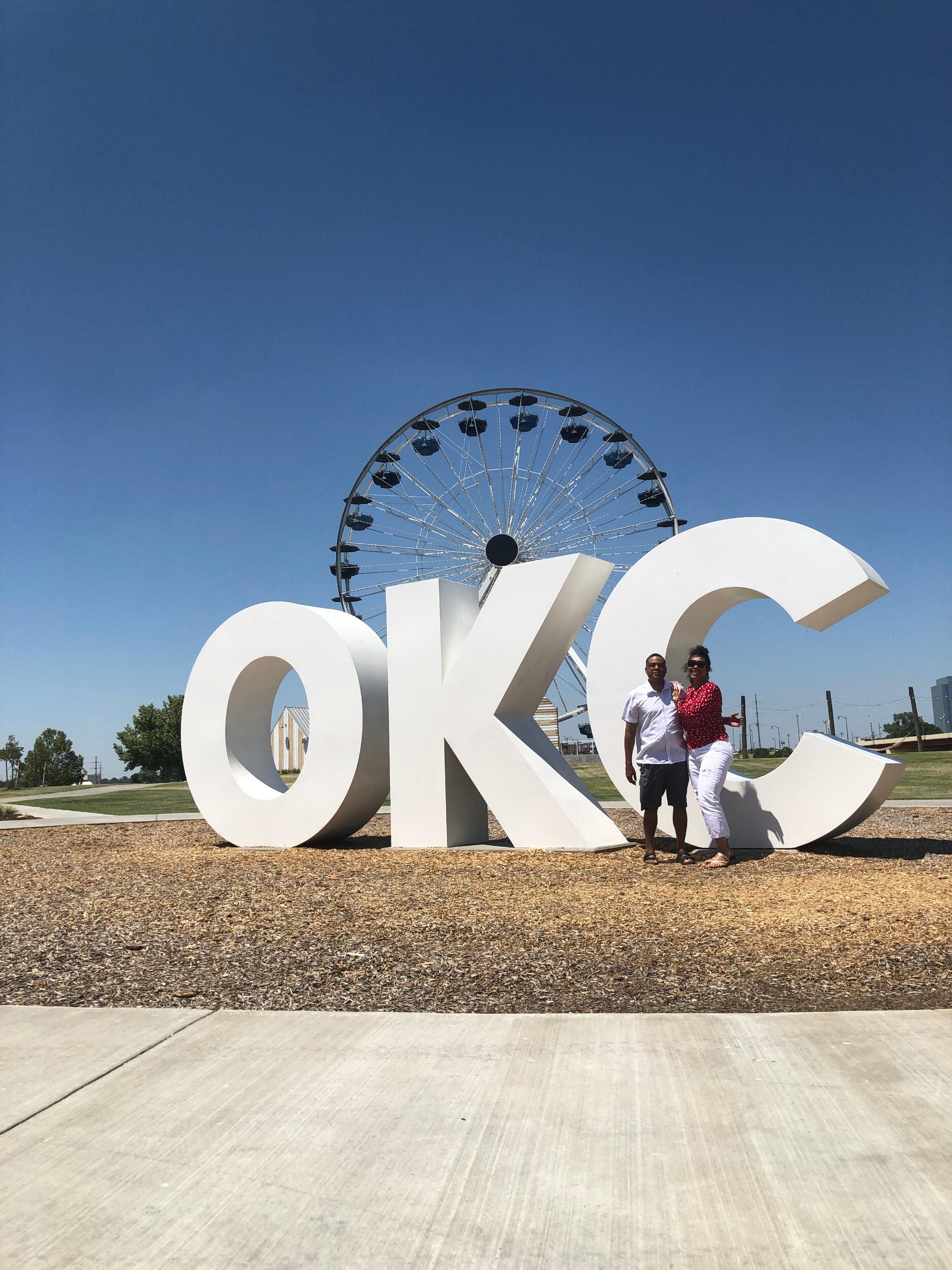
June 17, 2020

June 17, 2020

June 17, 2020

June 17, 2020
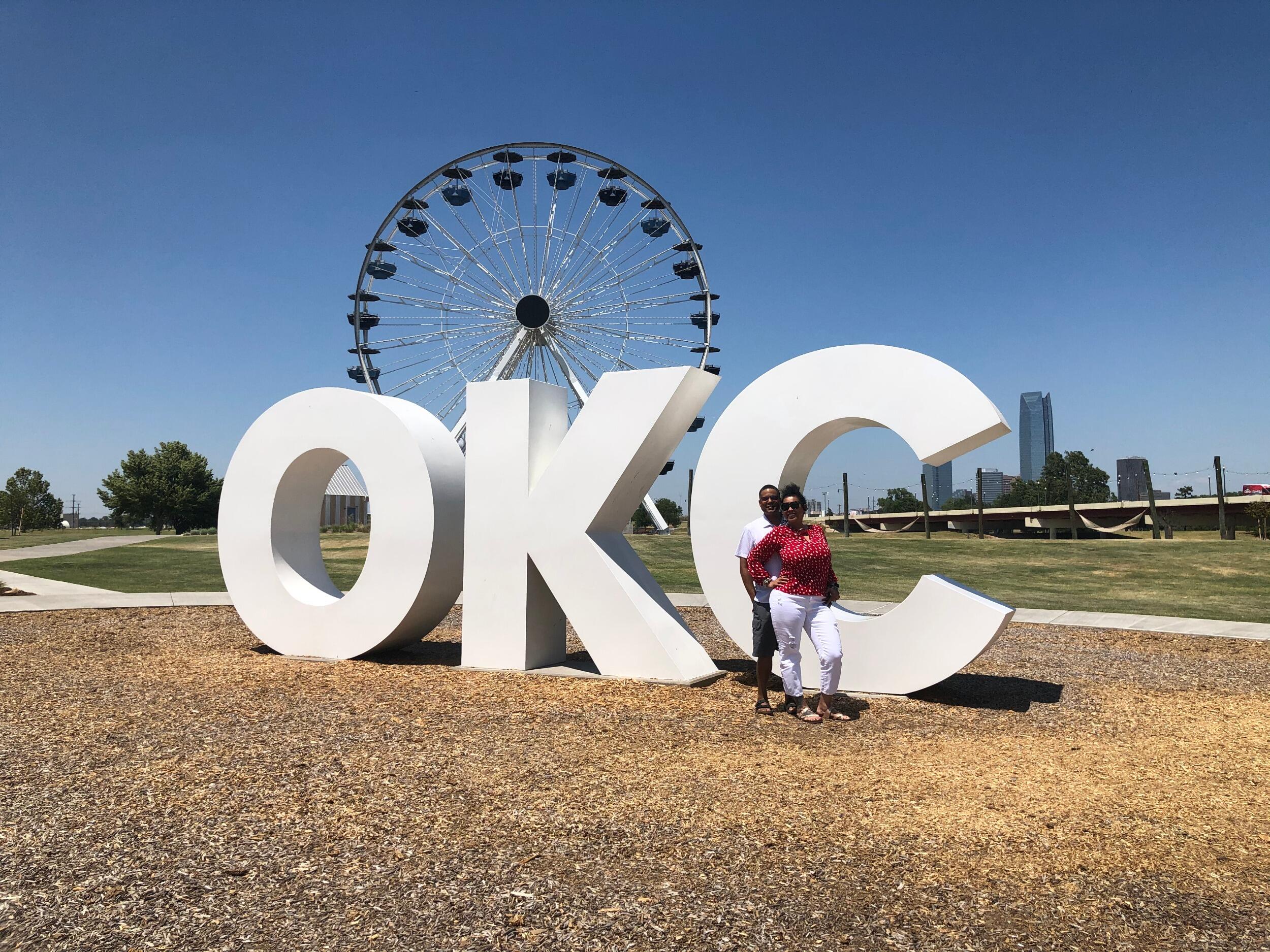
June 17, 2020

June 18, 2020
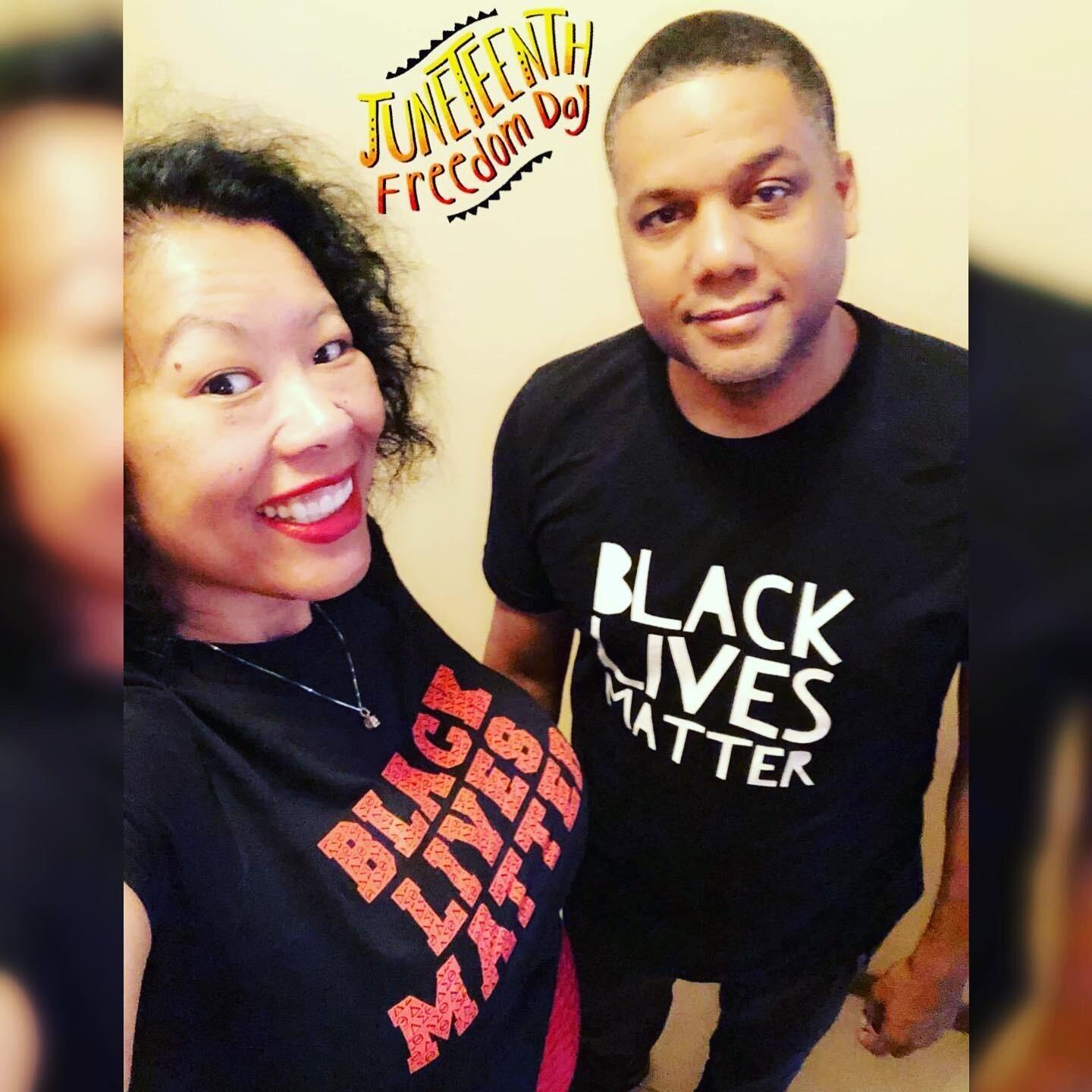
June 19, 2020

June 21, 2020

June 21, 2020
Happy Father's Day!

June 21, 2020
Happy Father's Day!

June 21, 2020
Happy Father's Day!
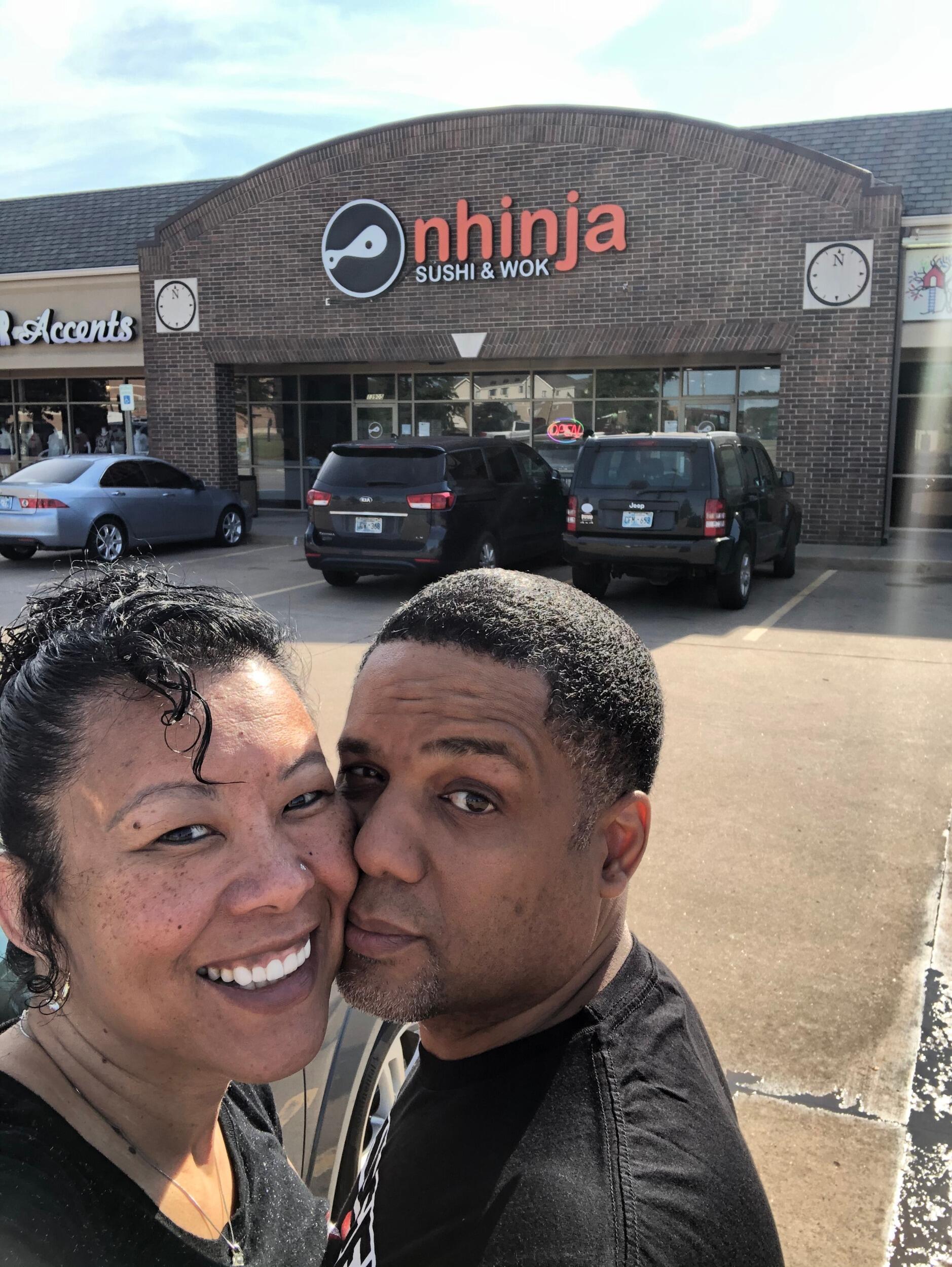
June 21, 2020
Happy Father's Day!
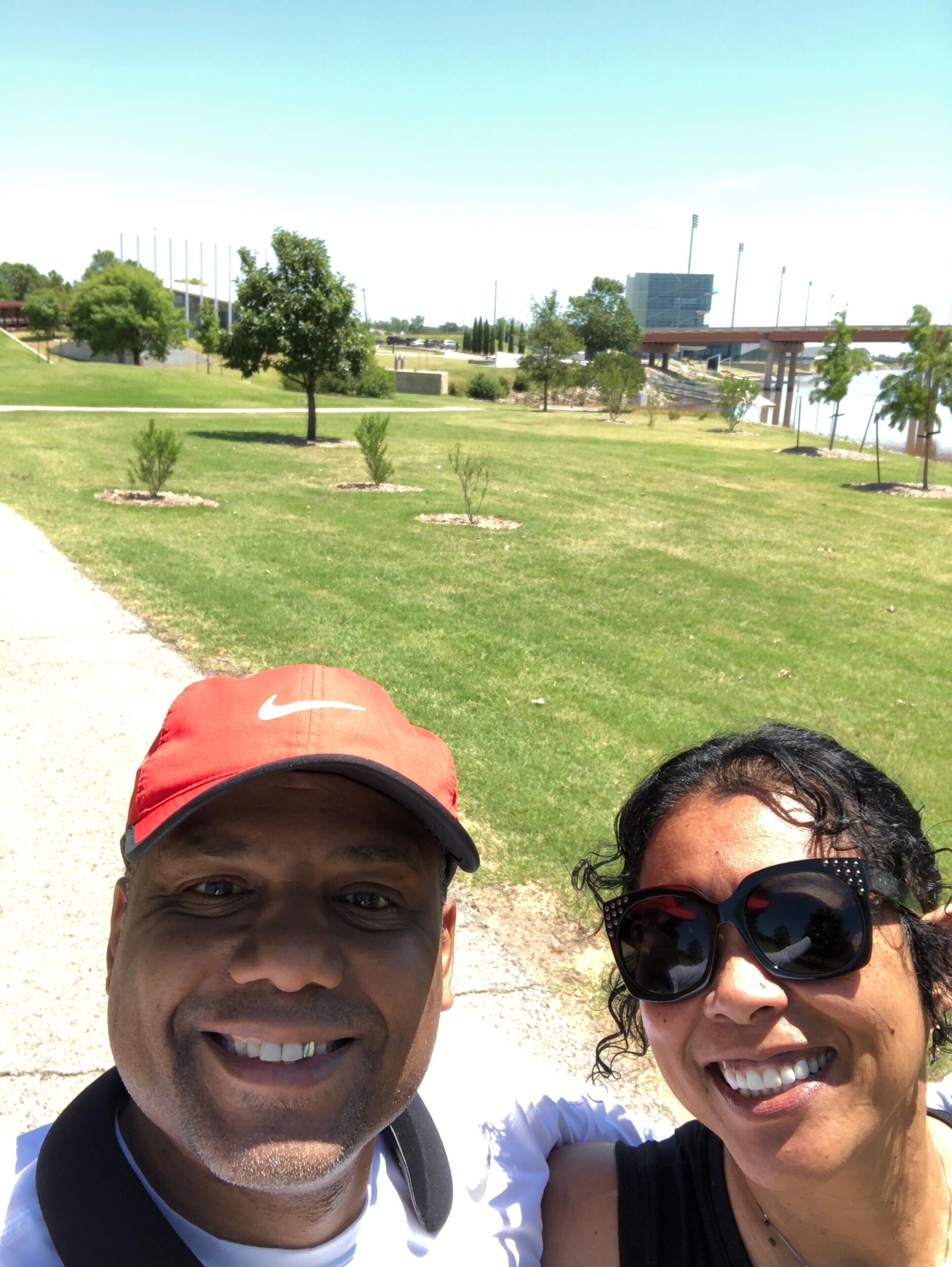
June 24, 2020
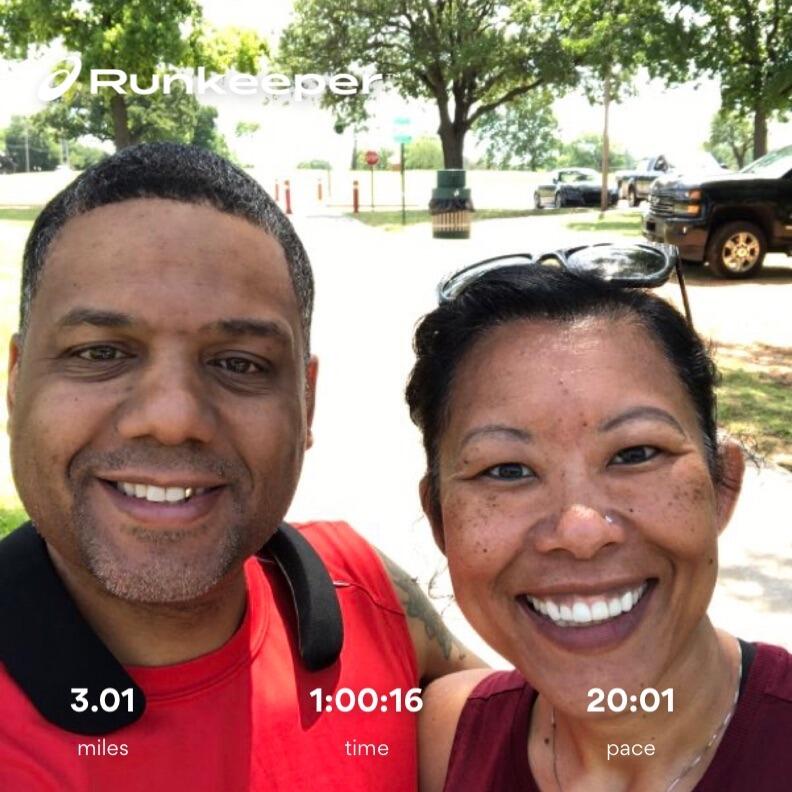
June 25, 2020

June 26, 2020

June 26, 2020

June 27, 2020
June 27, 2020
June 27, 2020
June 27, 2020

June 28, 2020

June 29, 2020

June 29, 2020

June 29, 2020

June 29, 2020
June 29, 2020

June 30, 2020

July 01, 2020

July 01, 2020
July 02, 2020
July 03, 2020

July 04, 2020

July 04, 2020
July 04, 2020

July 04, 2020
July 04, 2020
July 04, 2020

July 04, 2020

July 04, 2020
July 04, 2020

July 06, 2020

July 07, 2020

July 07, 2020

July 08, 2020
July 08, 2020
July 08, 2020
July 08, 2020
July 08, 2020
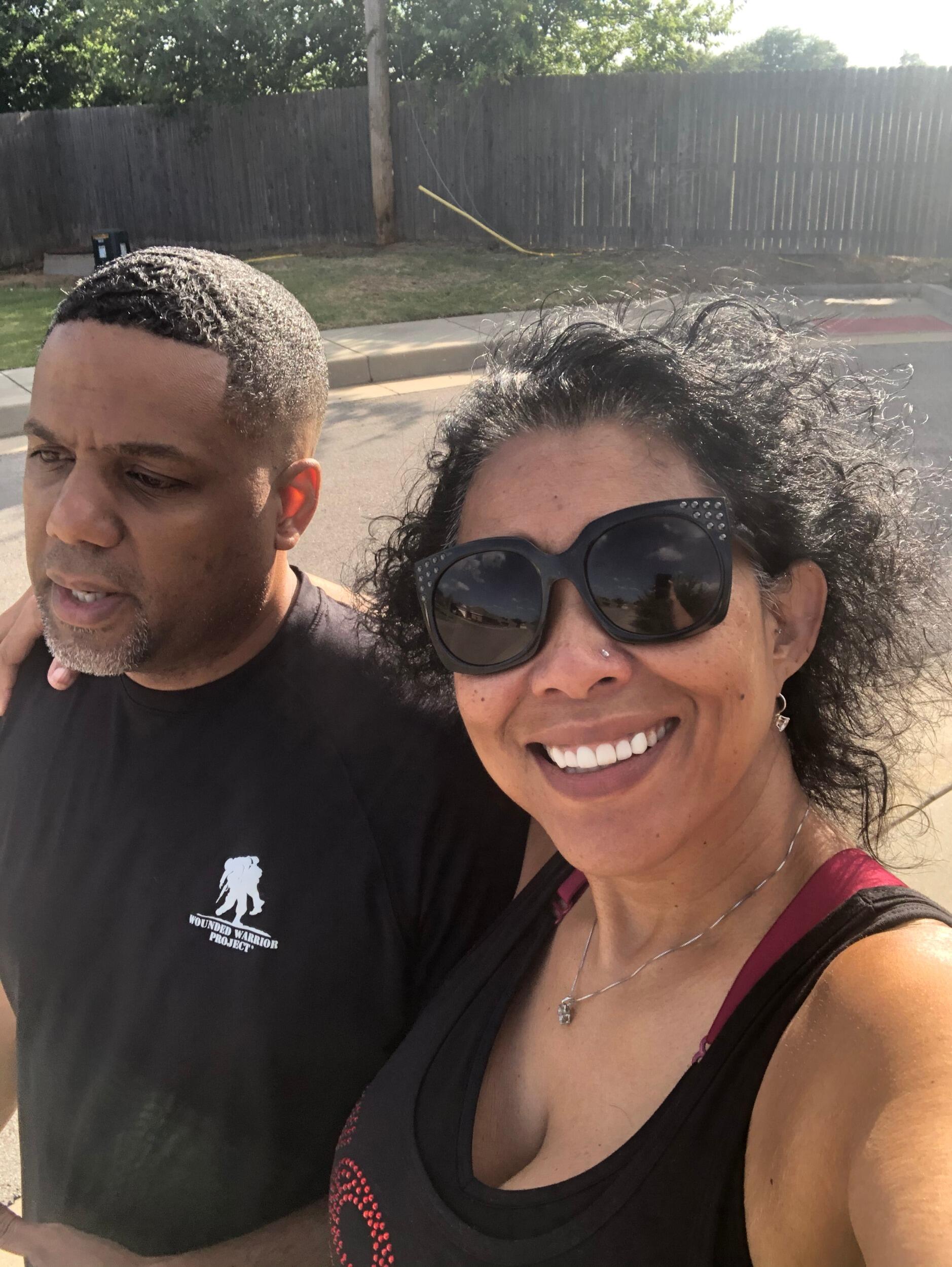
July 08, 2020
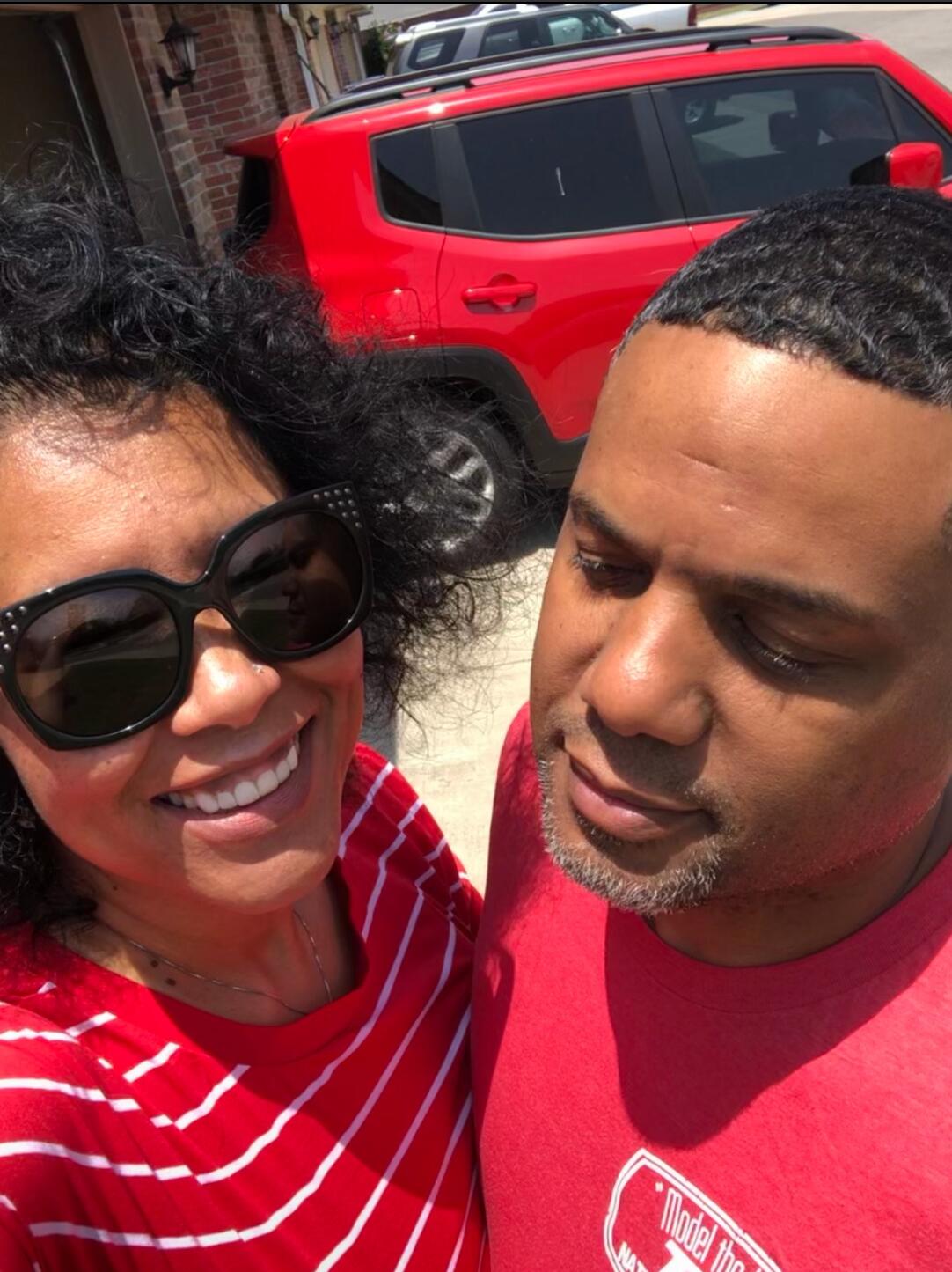
July 09, 2020
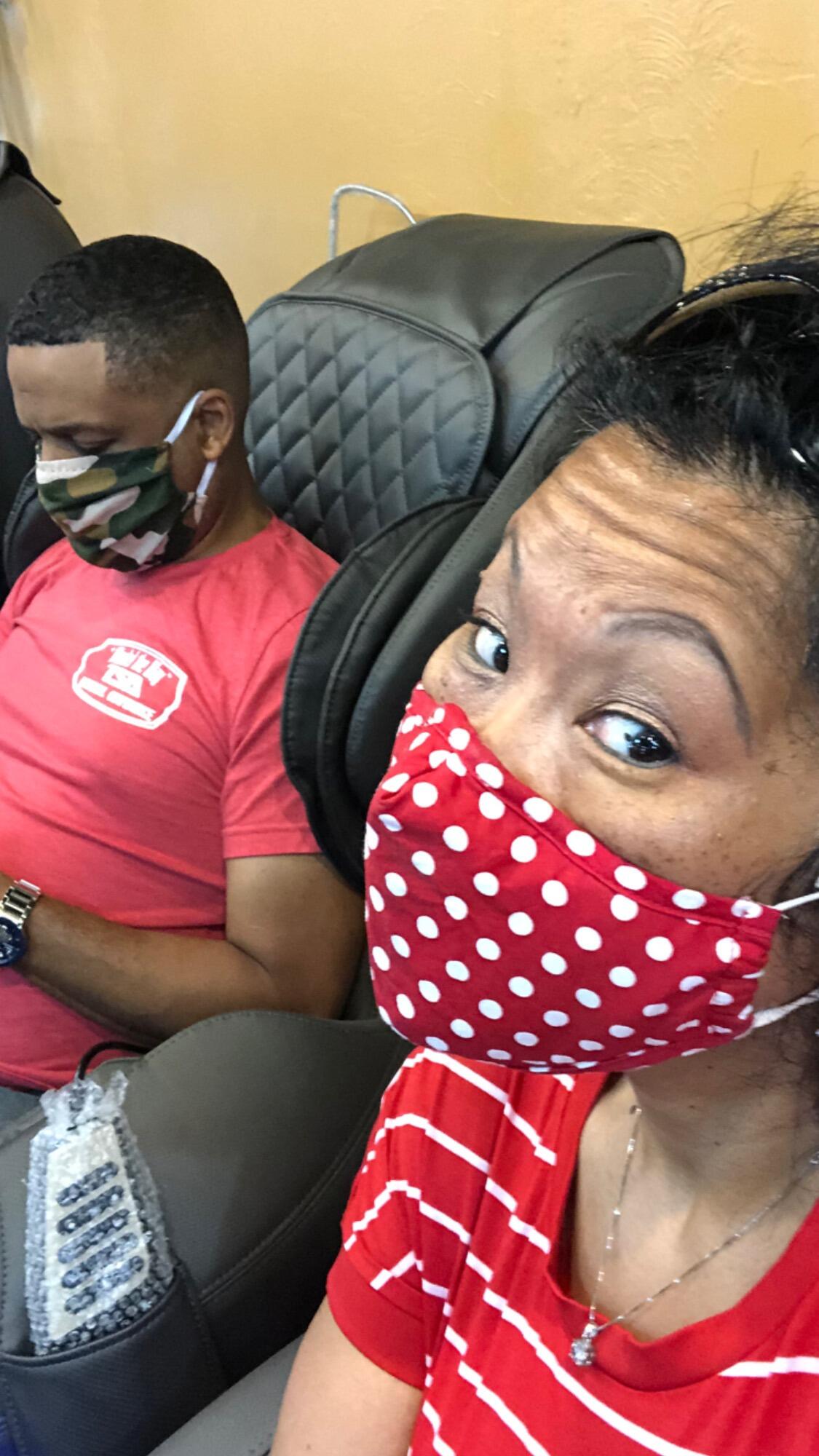
July 09, 2020

July 09, 2020
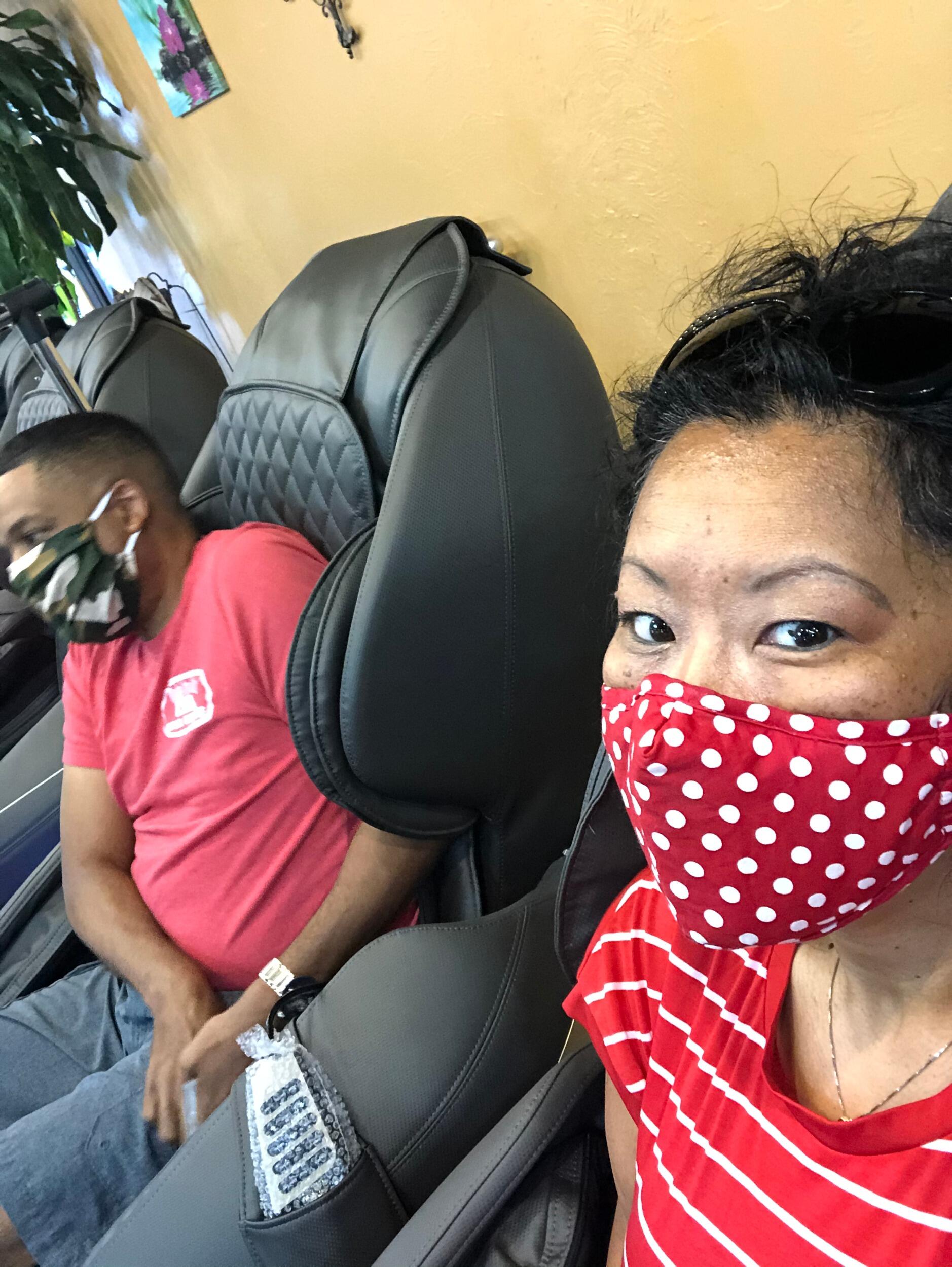
July 09, 2020
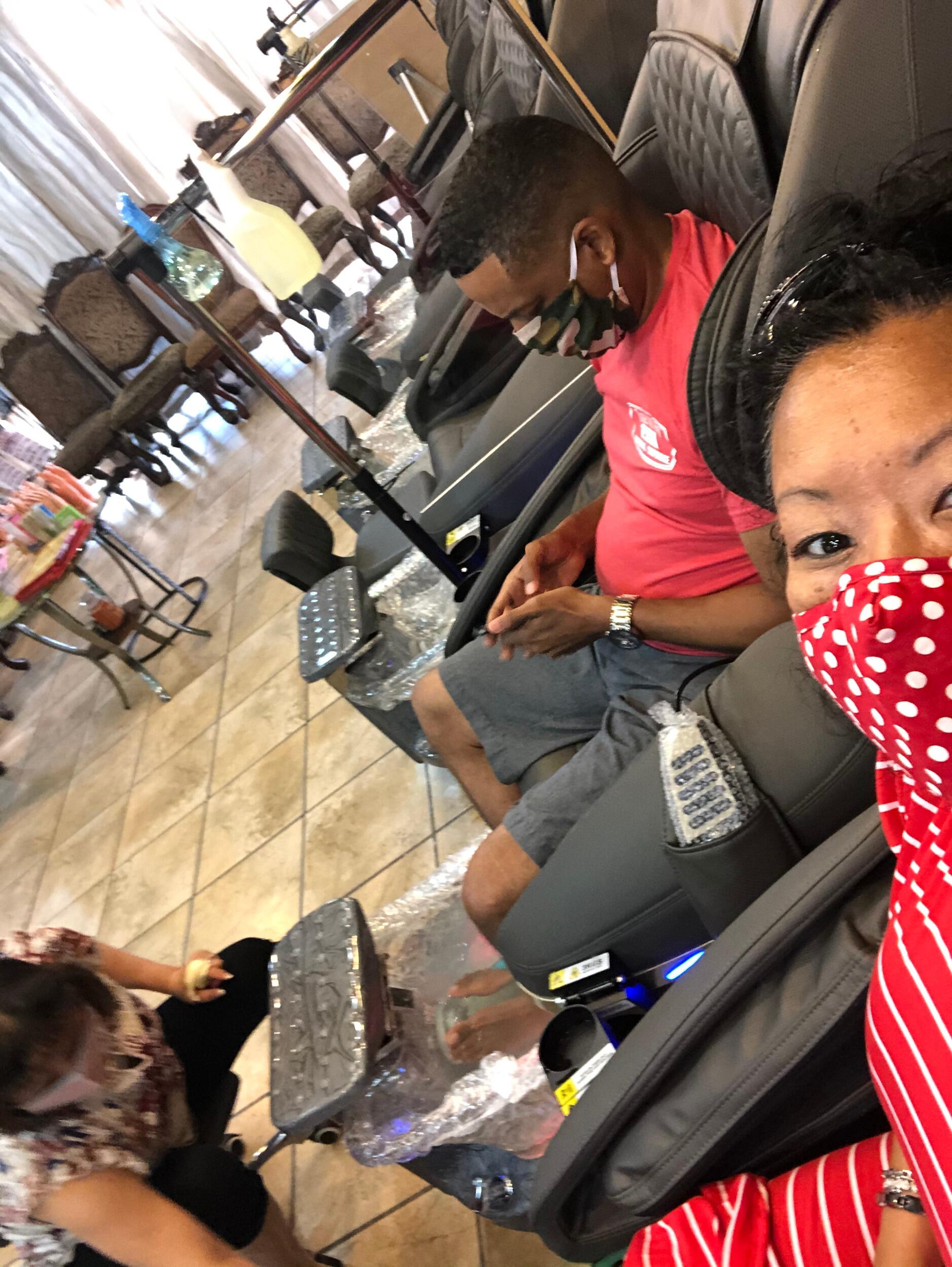
July 09, 2020
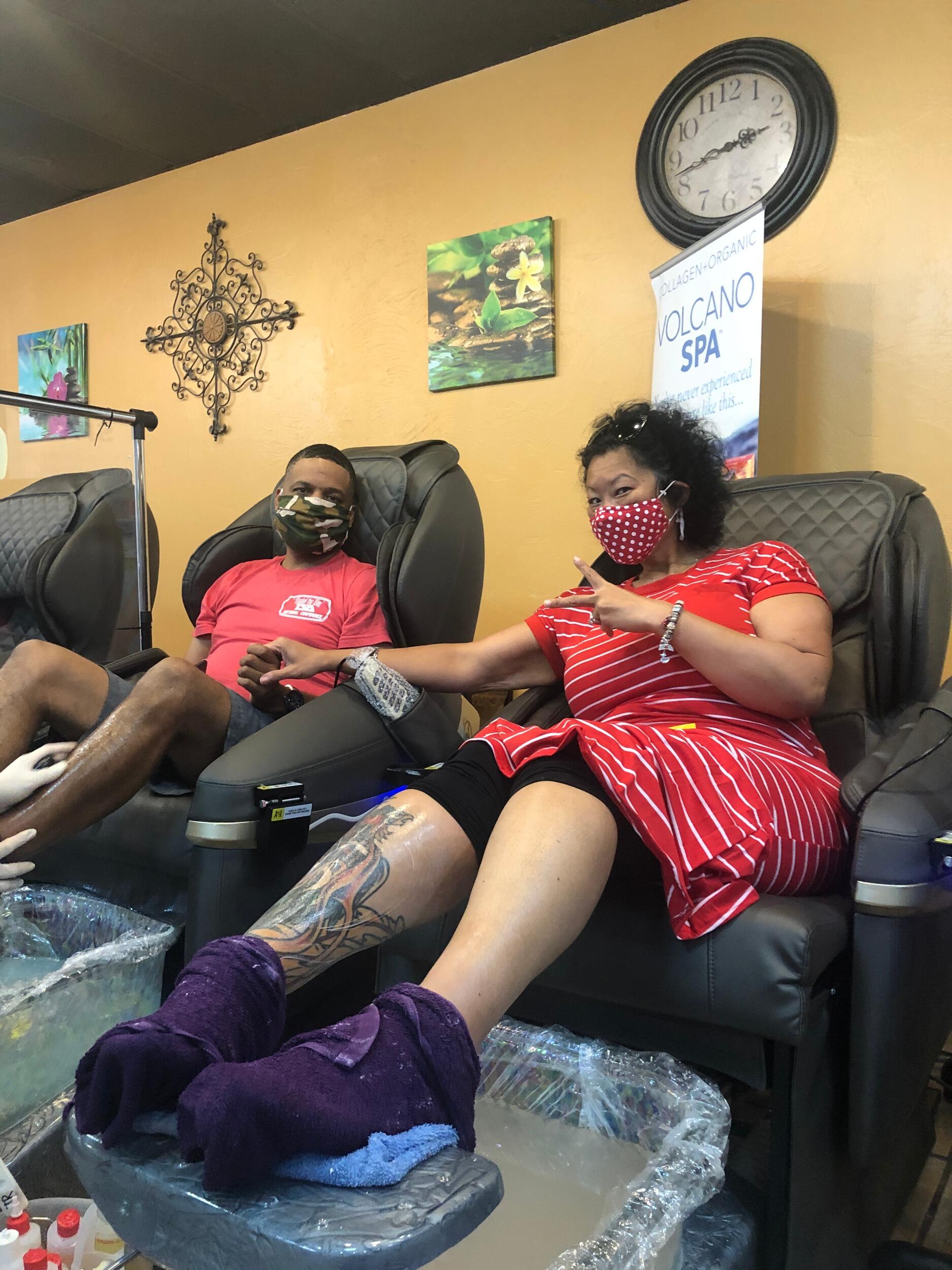
July 09, 2020

July 09, 2020

July 11, 2020
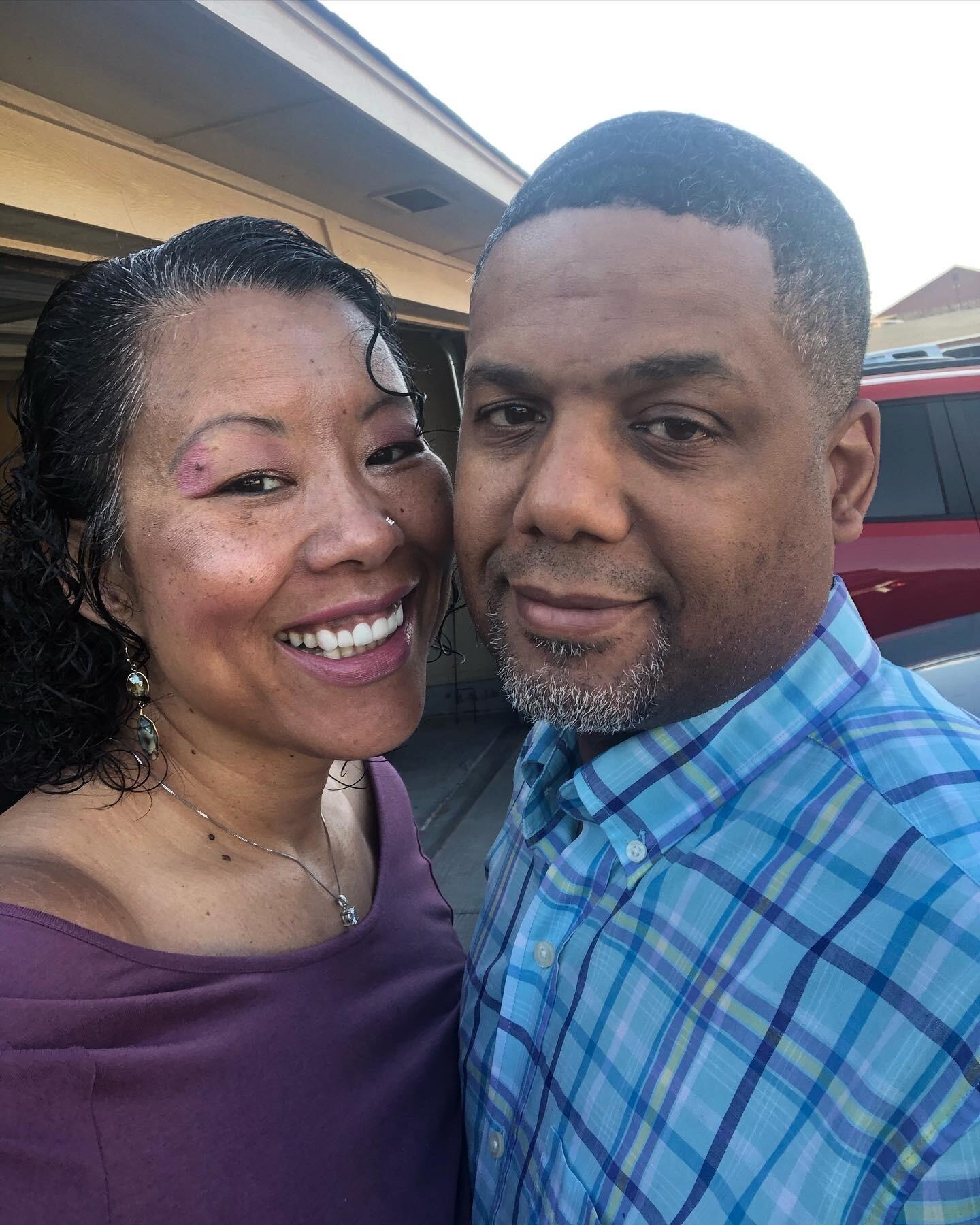
July 12, 2020
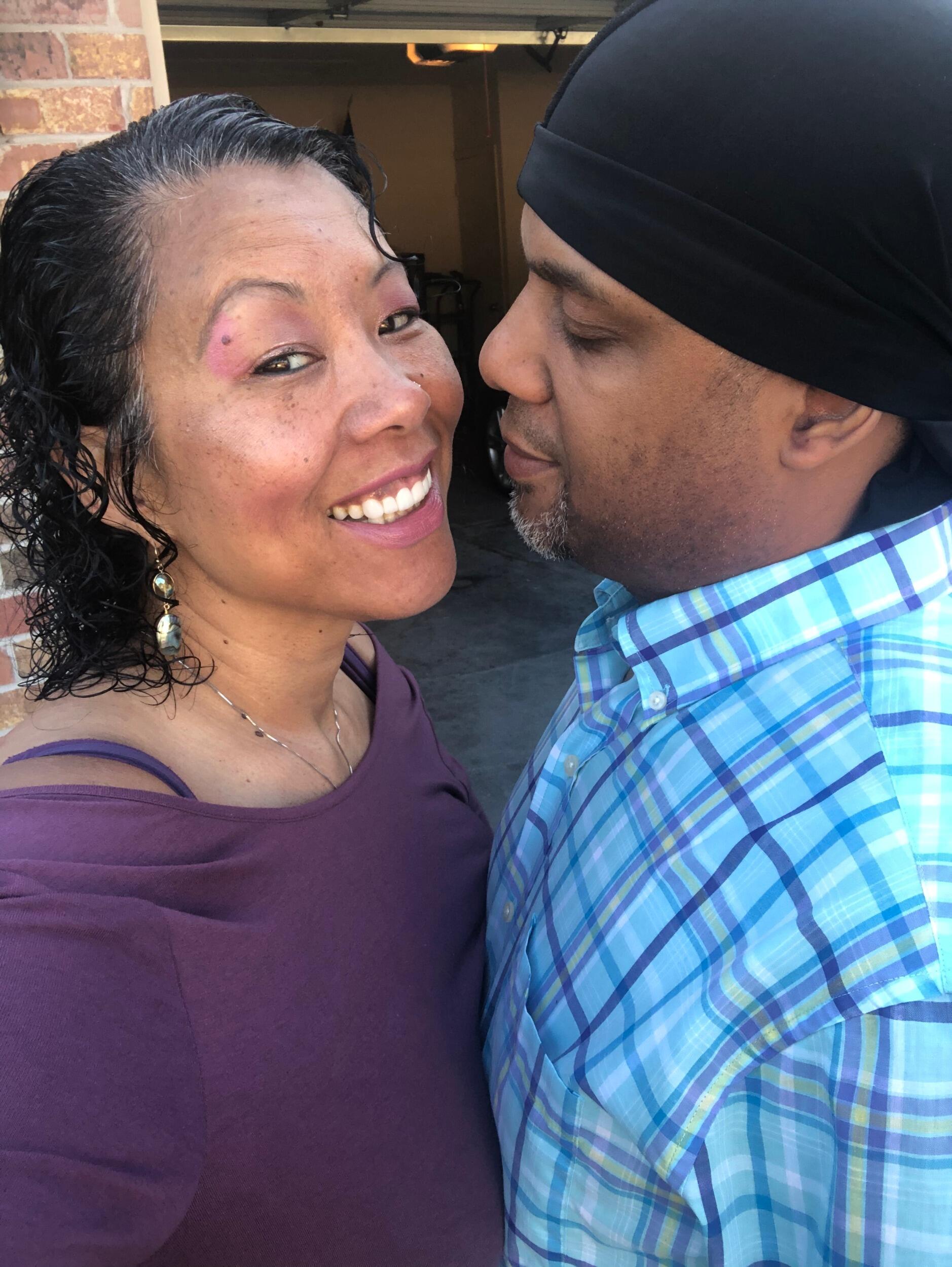
July 12, 2020
July 14, 2020
July 15, 2020

July 17, 2020

July 17, 2020

July 17, 2020

July 17, 2020
July 17, 2020

July 17, 2020

July 17, 2020

July 17, 2020

July 18, 2020
July 19, 2020
July 19, 2020

July 20, 2020

July 20, 2020
July 20, 2020
July 20, 2020
July 21, 2020
July 21, 2020

July 22, 2020
July 23, 2020
July 23, 2020

July 23, 2020

July 23, 2020
July 24, 2020
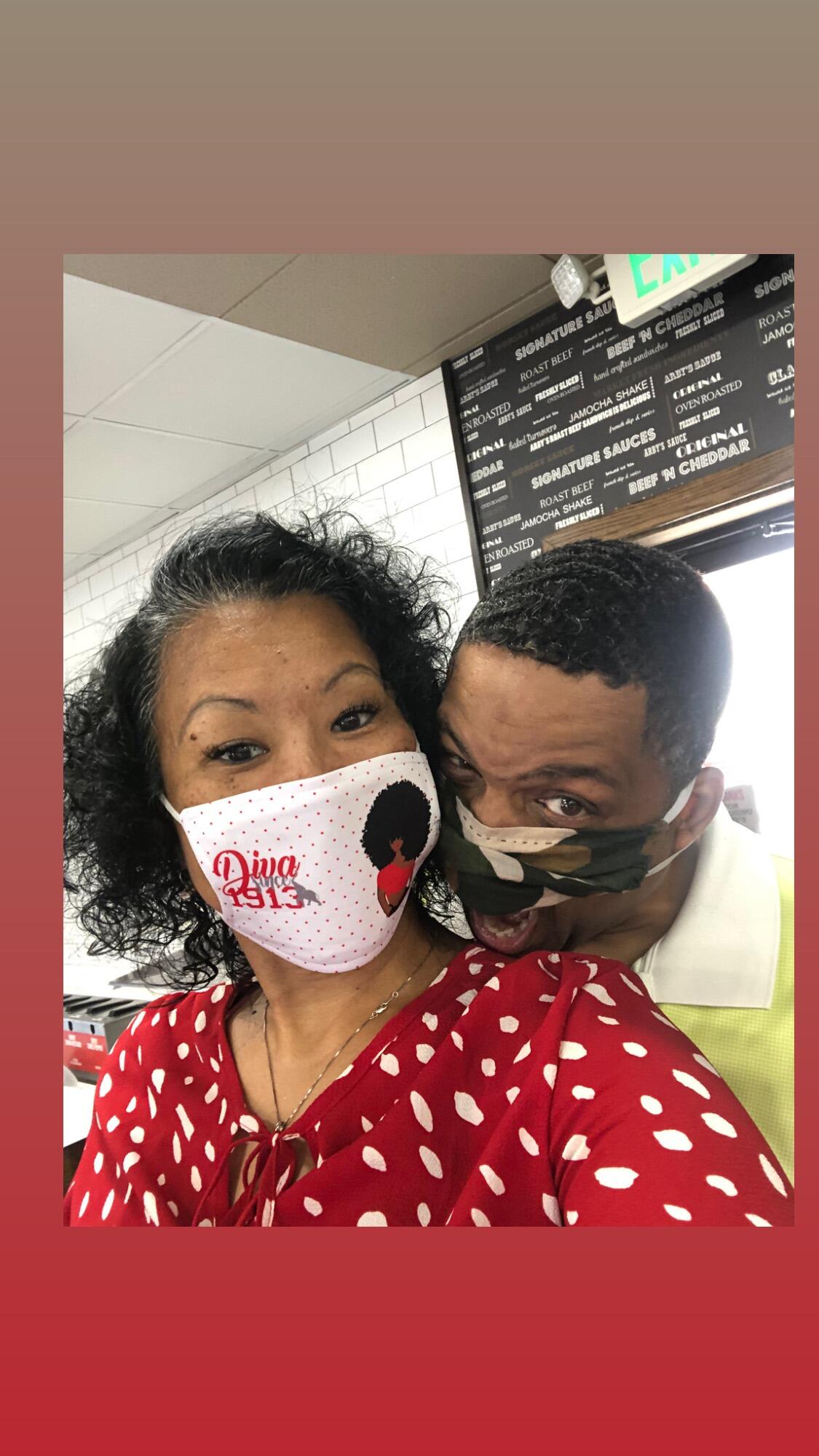
July 24, 2020

July 24, 2020

July 24, 2020
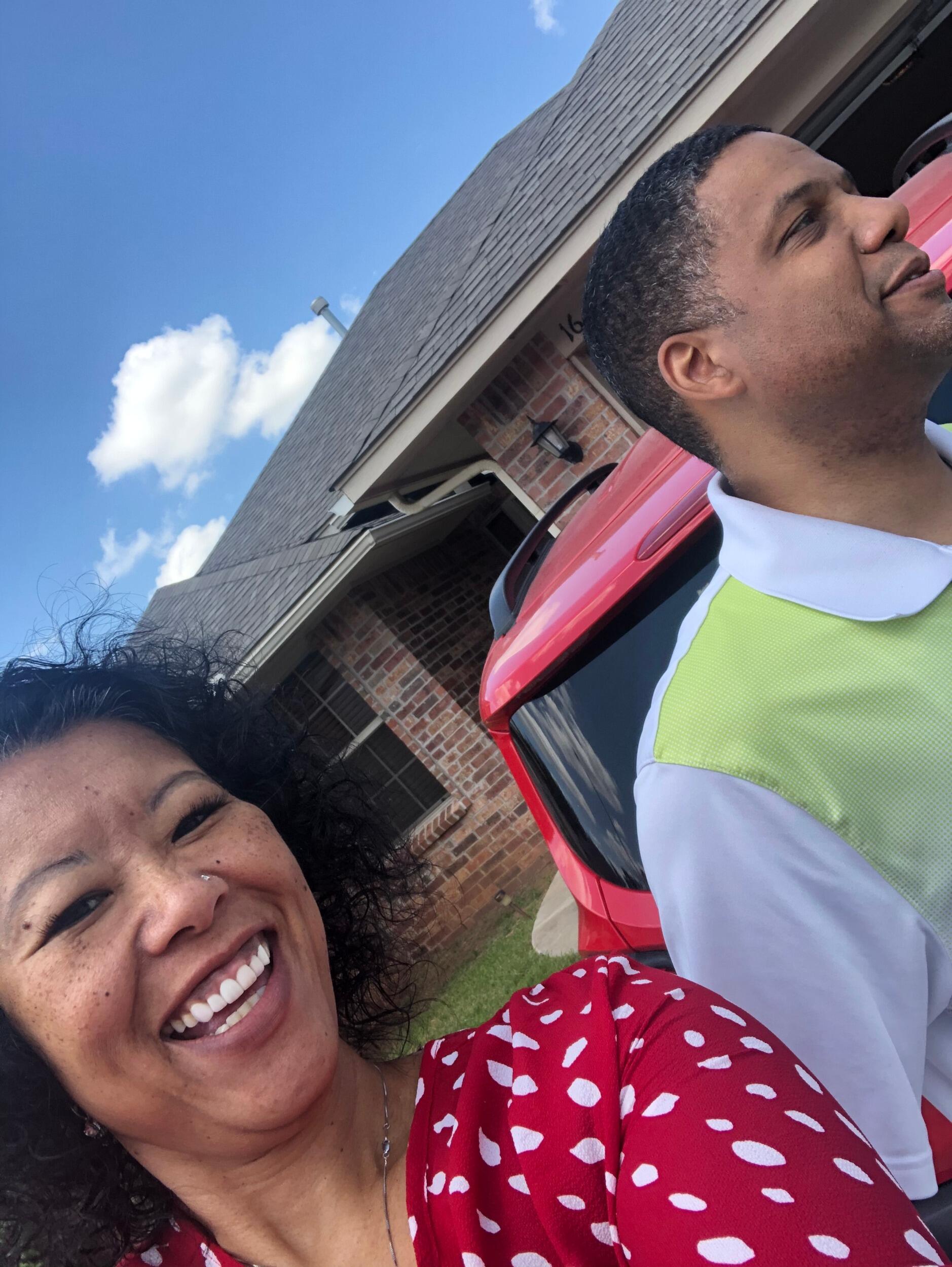
July 24, 2020
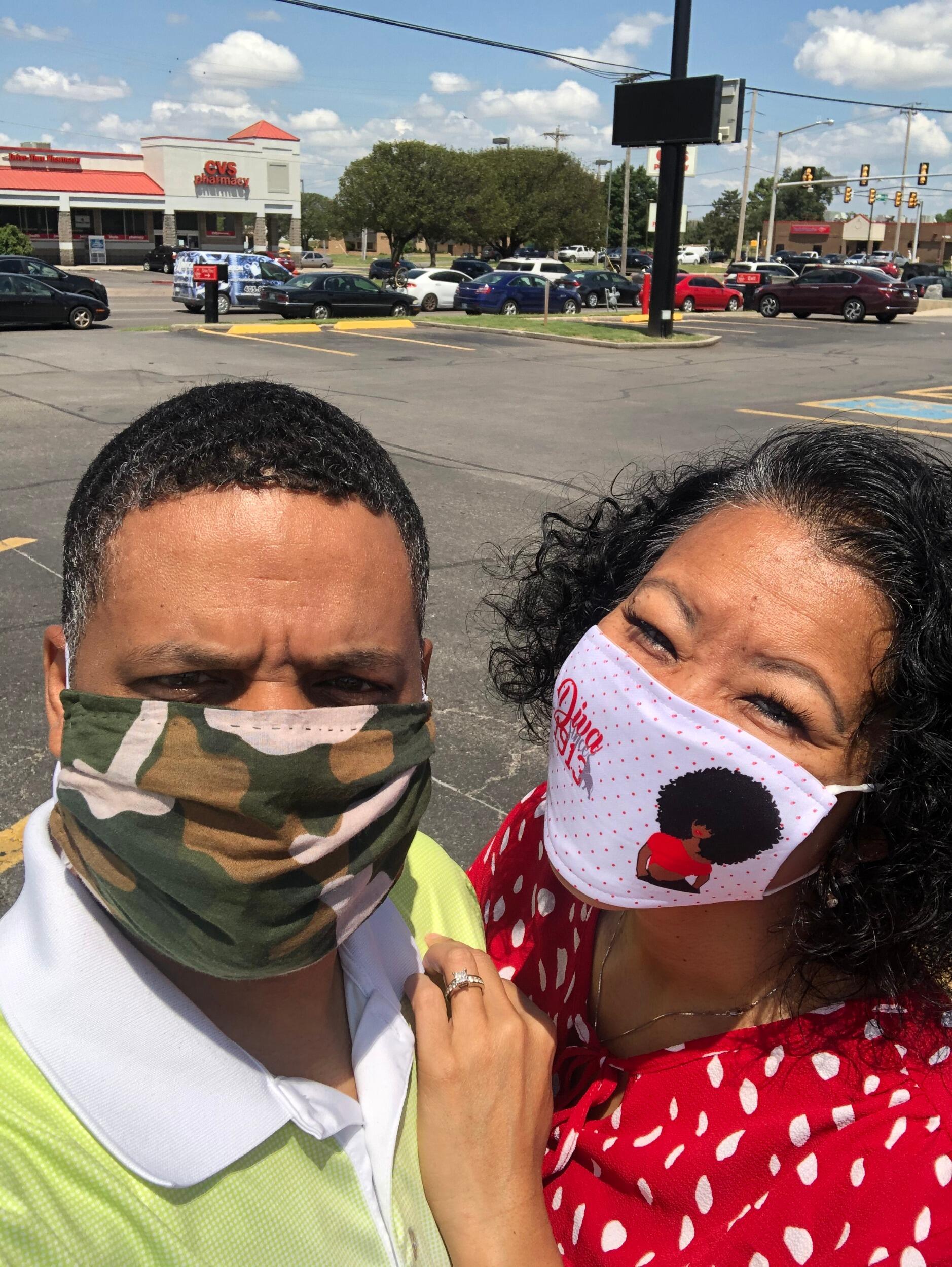
July 24, 2020
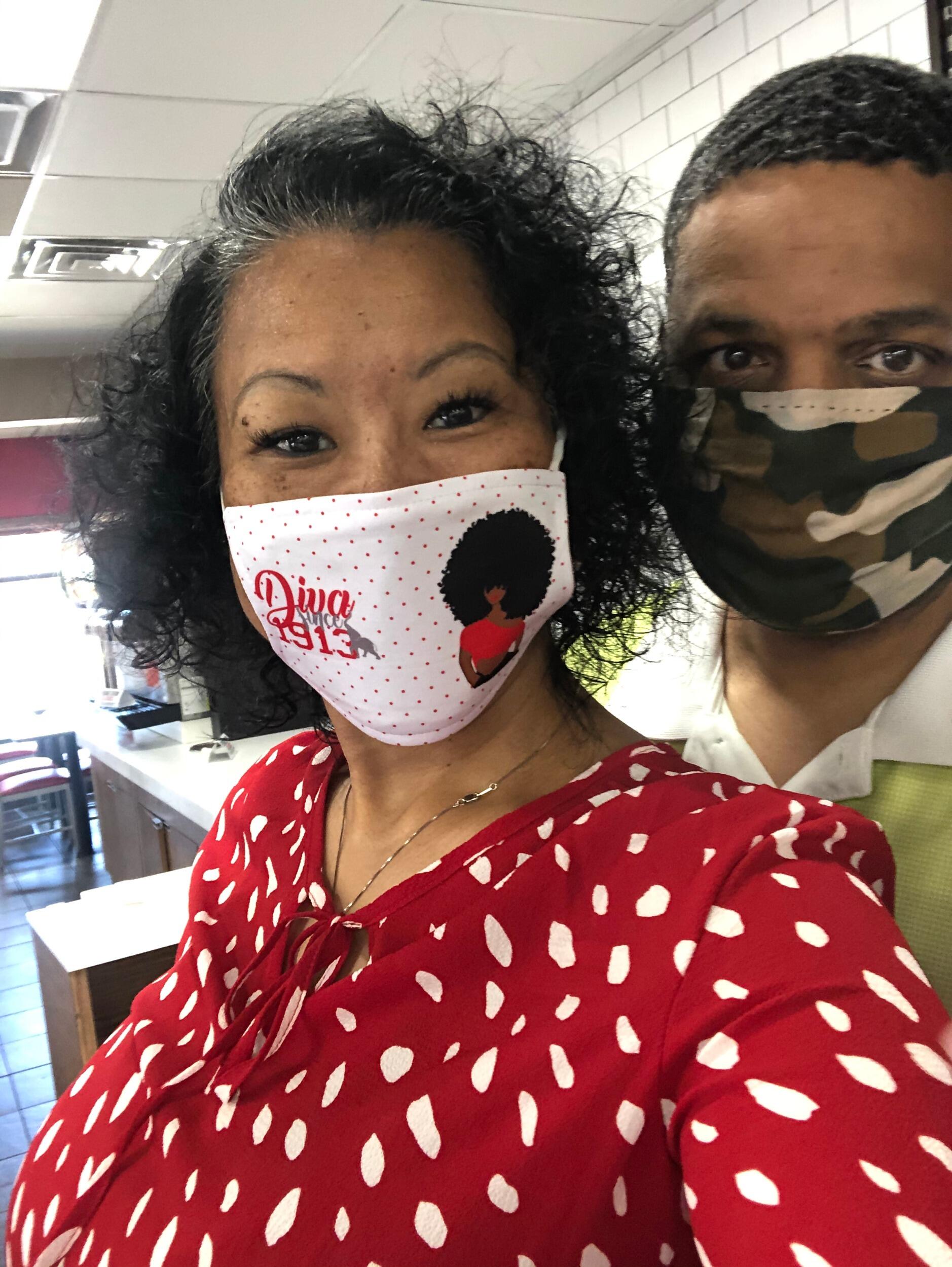
July 24, 2020

July 25, 2020

July 25, 2020

July 25, 2020

July 25, 2020
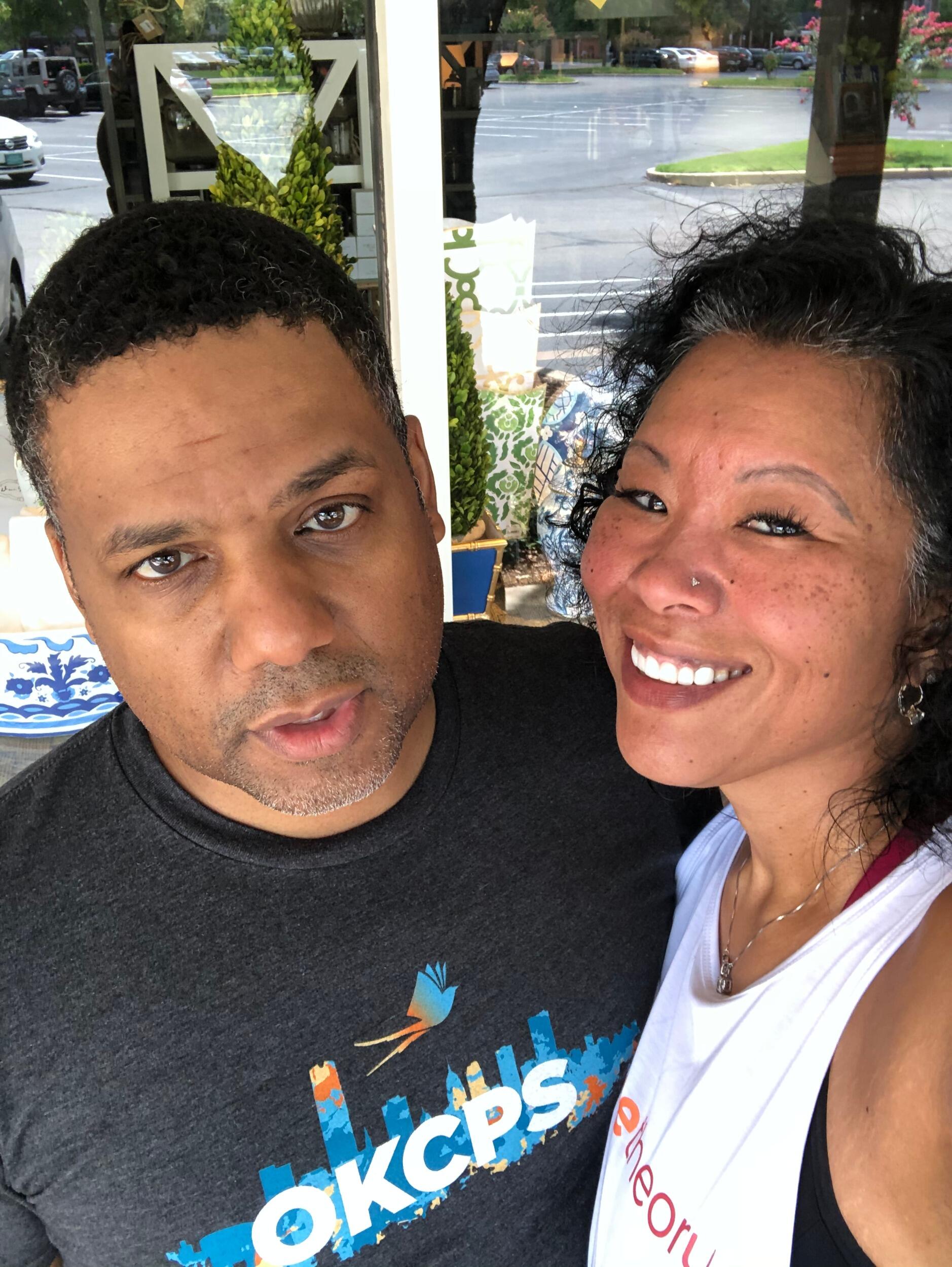
July 26, 2020
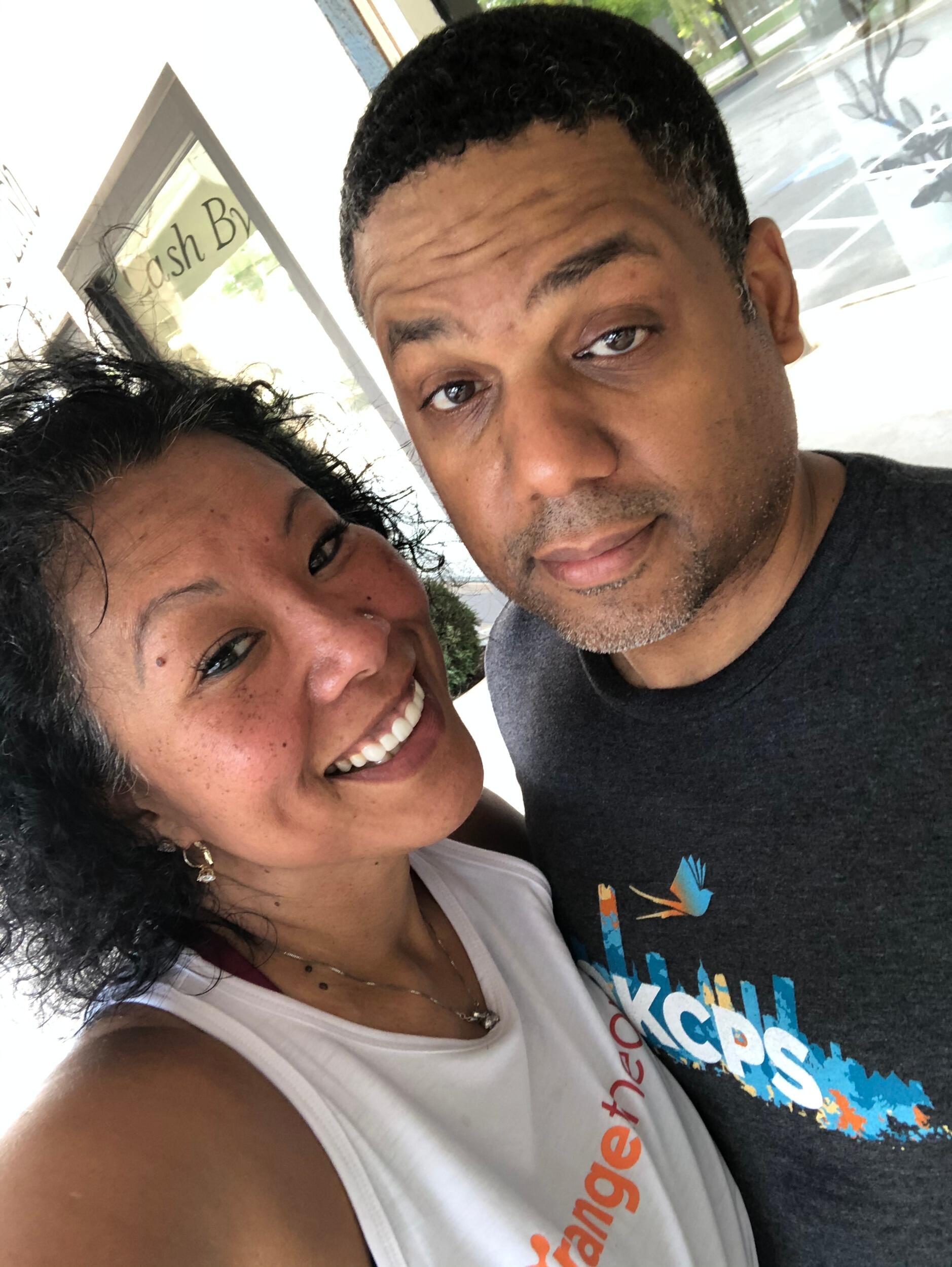
July 26, 2020

July 28, 2020
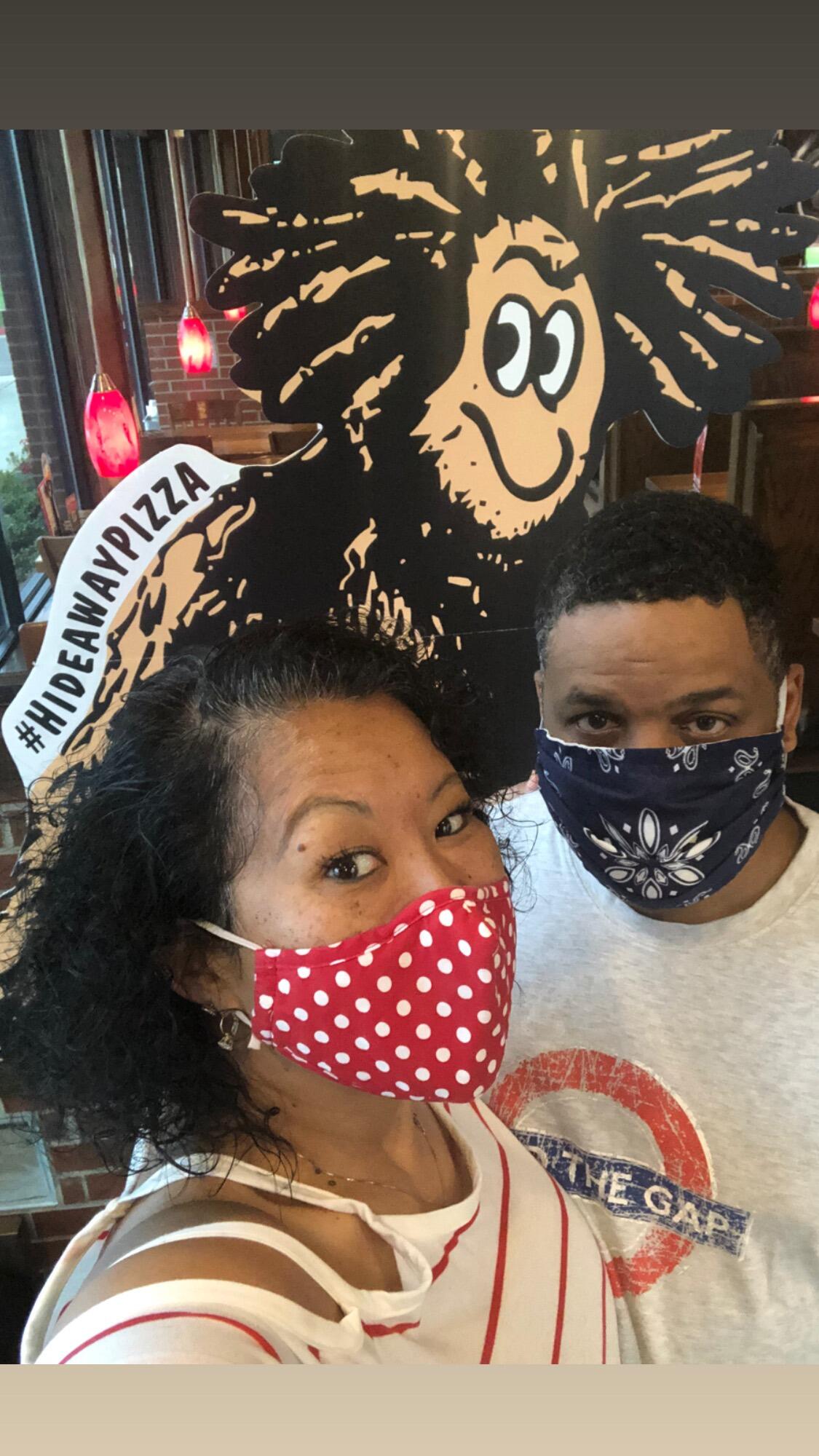
July 28, 2020

July 28, 2020
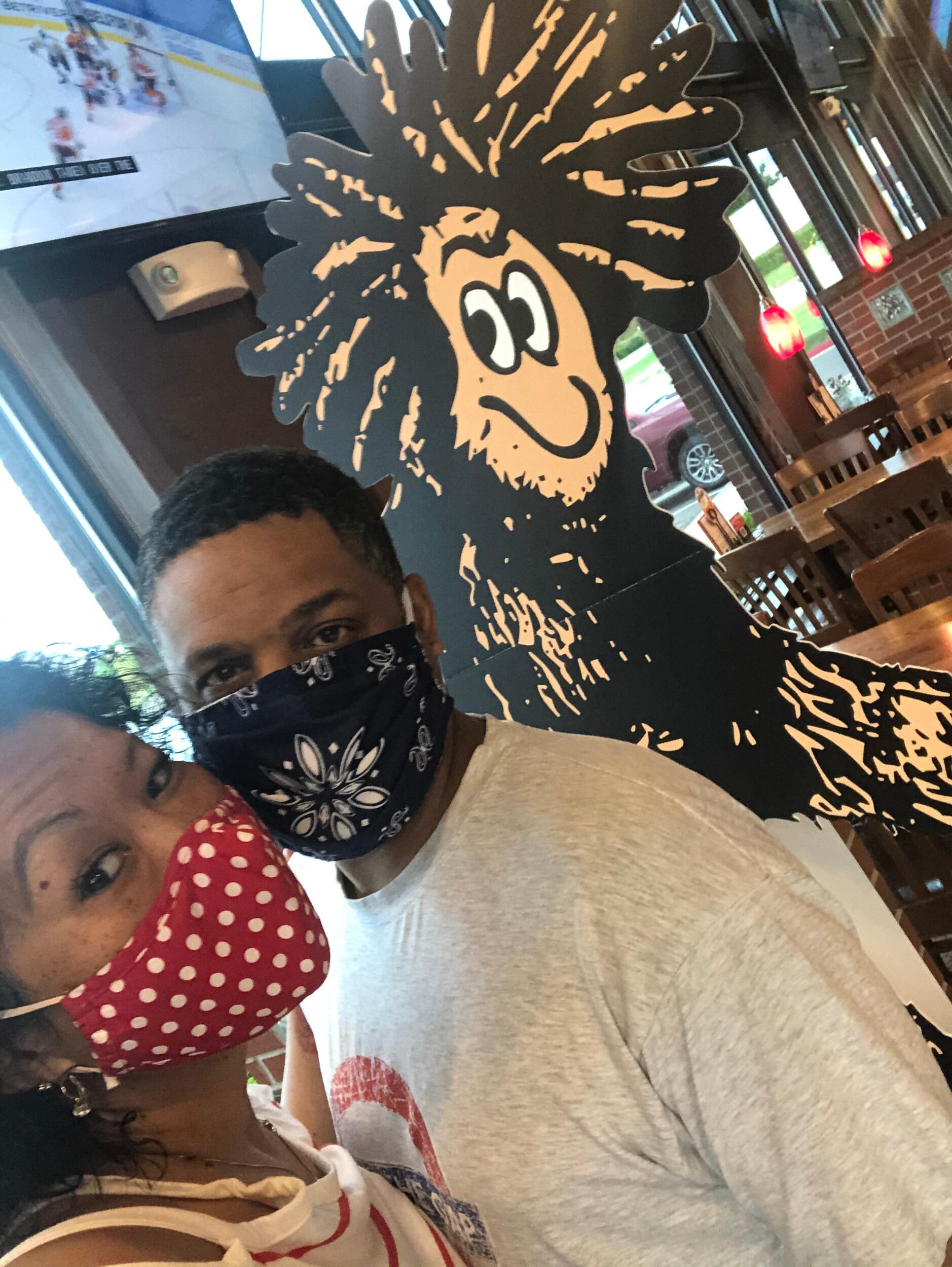
July 28, 2020
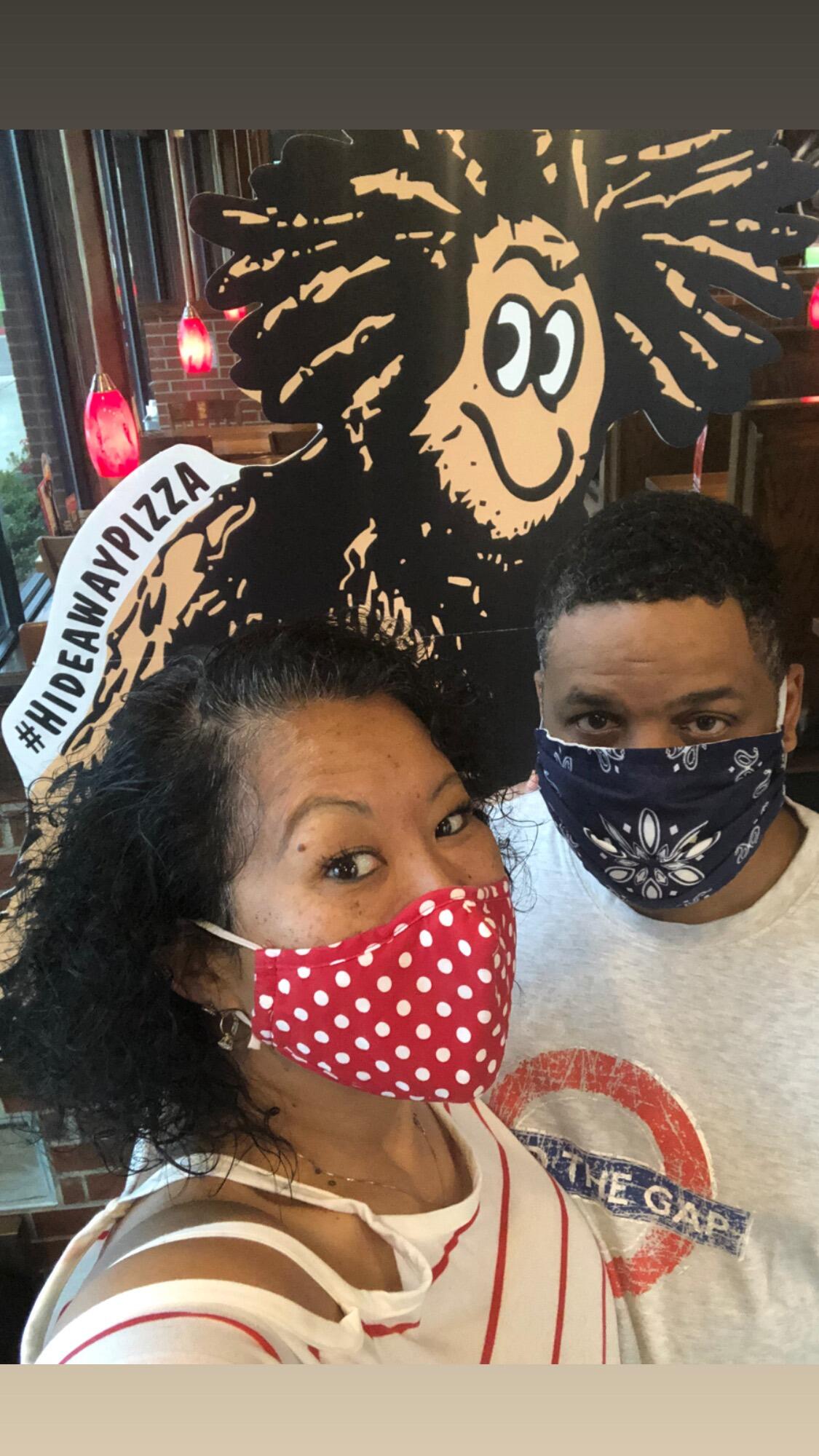
July 28, 2020

July 30, 2020
Happy National Best Friends Day

July 30, 2020
Happy National Best Friends Day

August 01, 2020
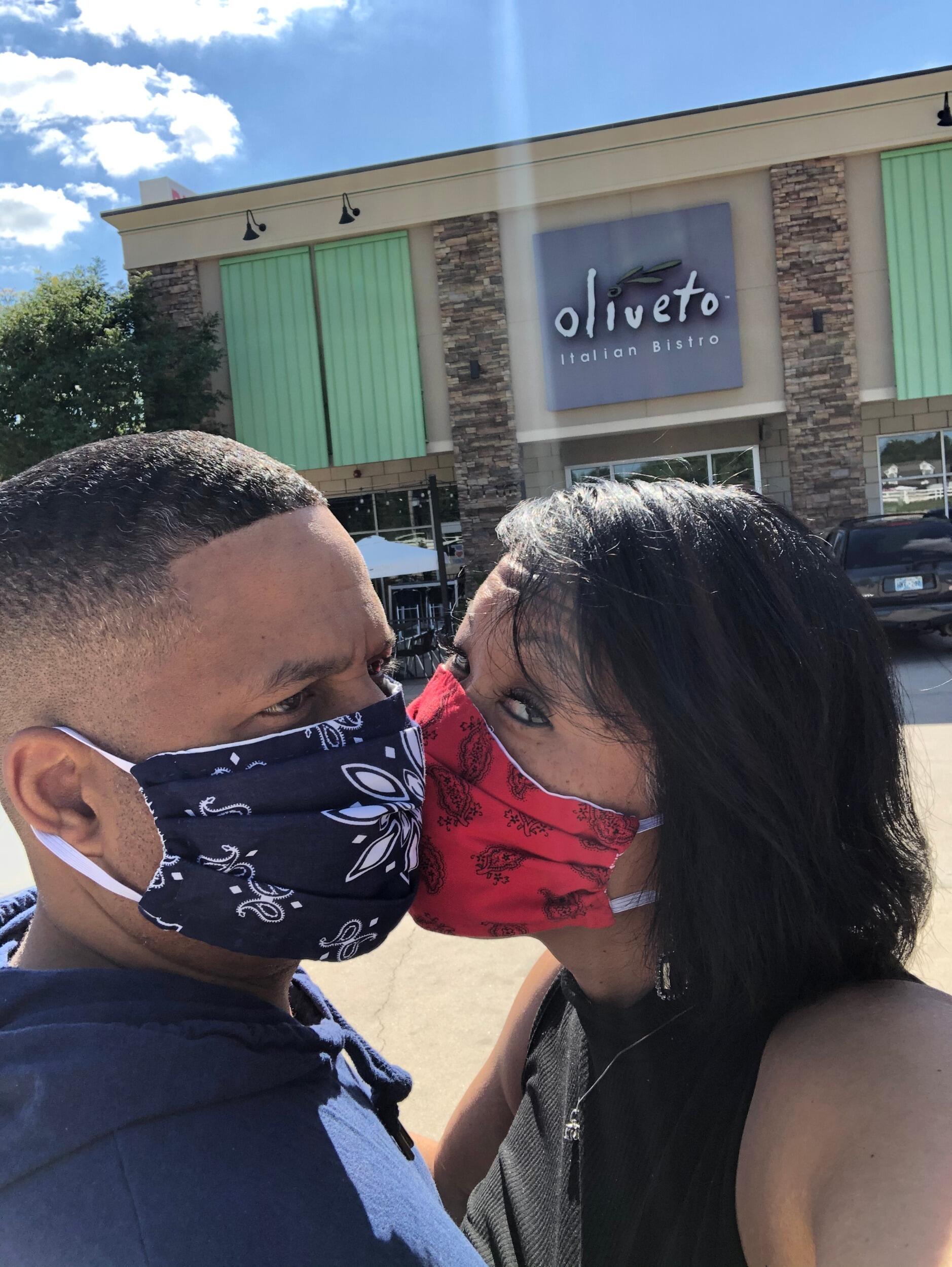
August 01, 2020
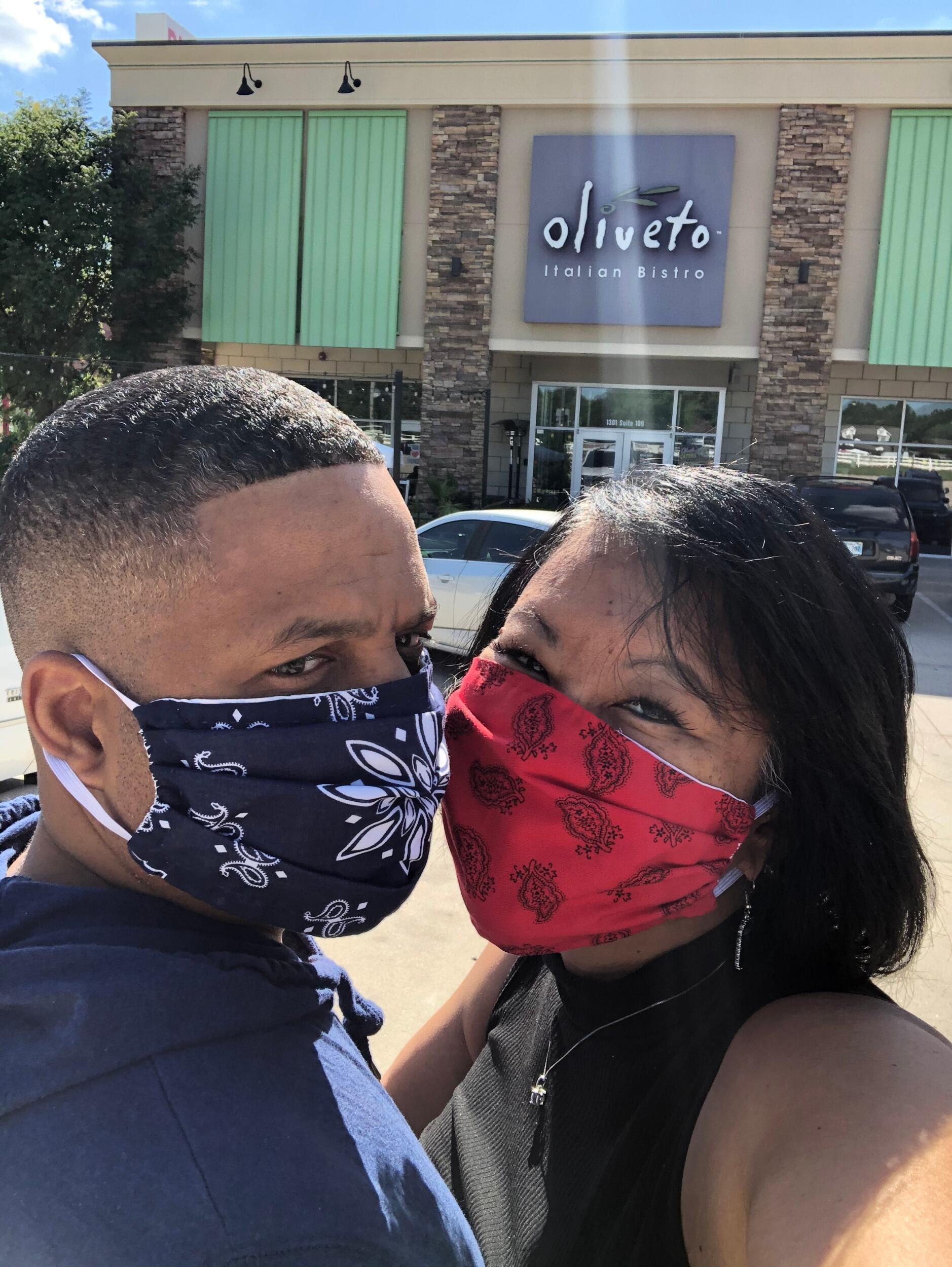
August 01, 2020

August 02, 2020

August 02, 2020

August 02, 2020
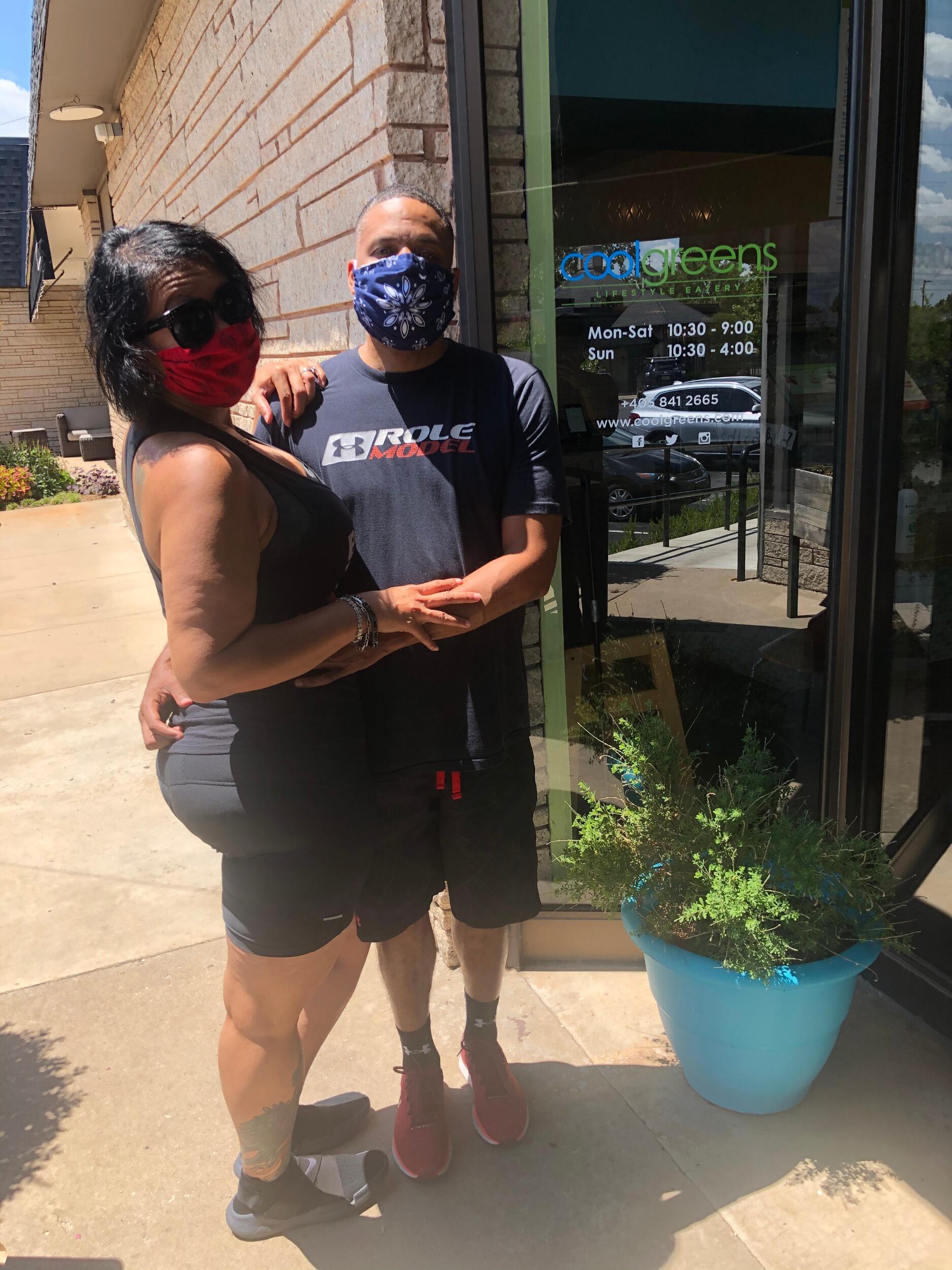
August 02, 2020
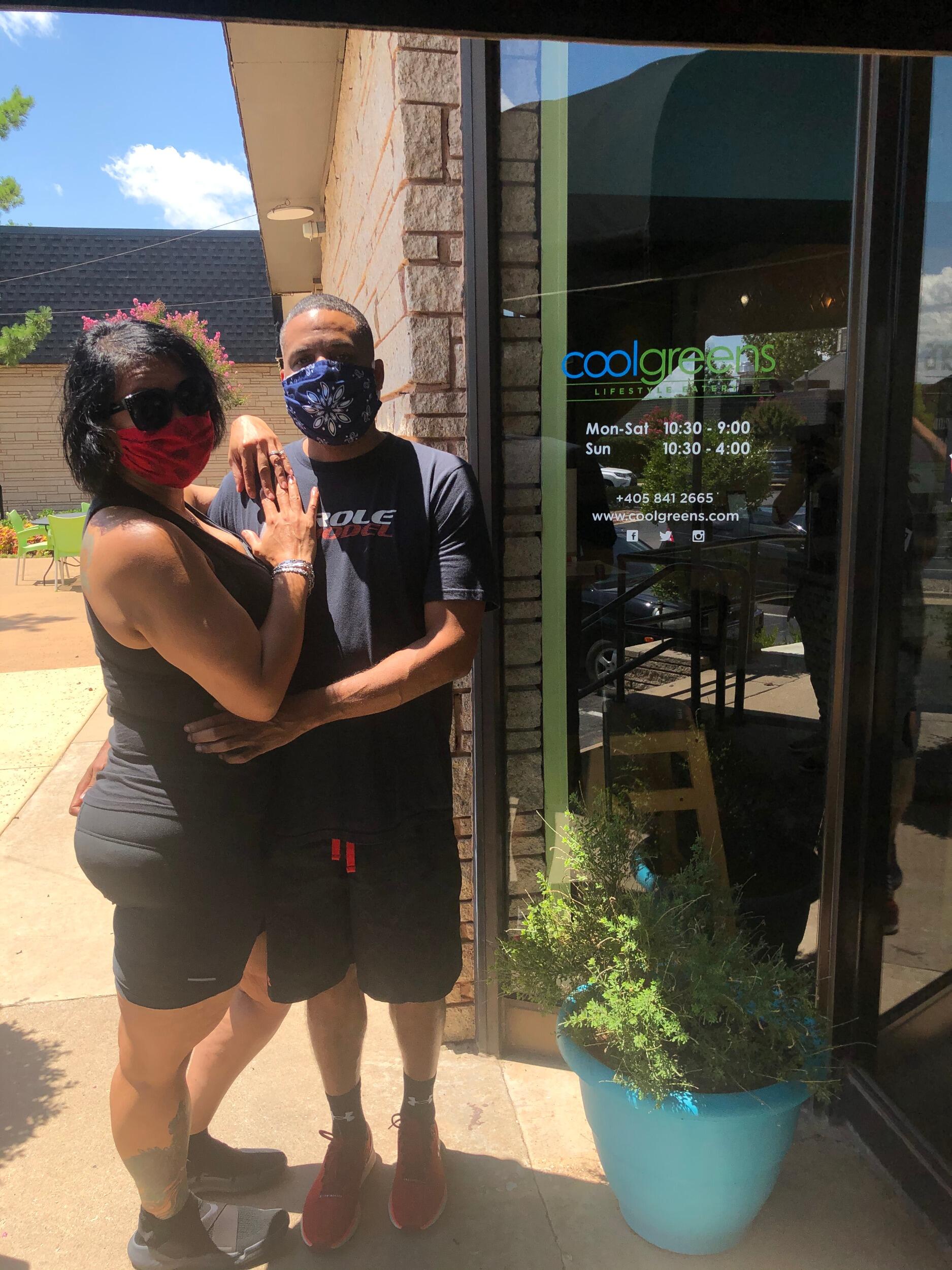
August 02, 2020
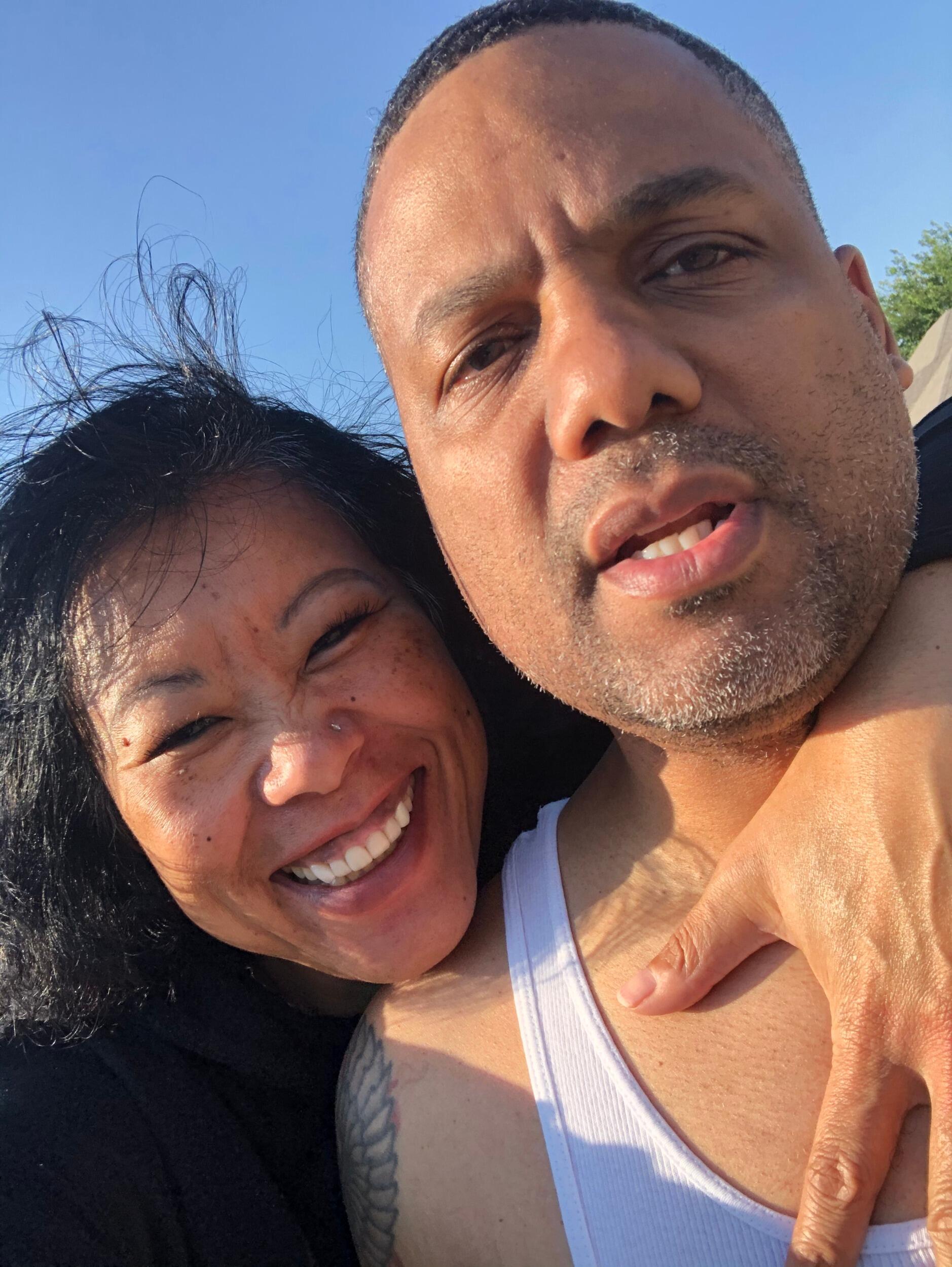
August 04, 2020

August 05, 2020
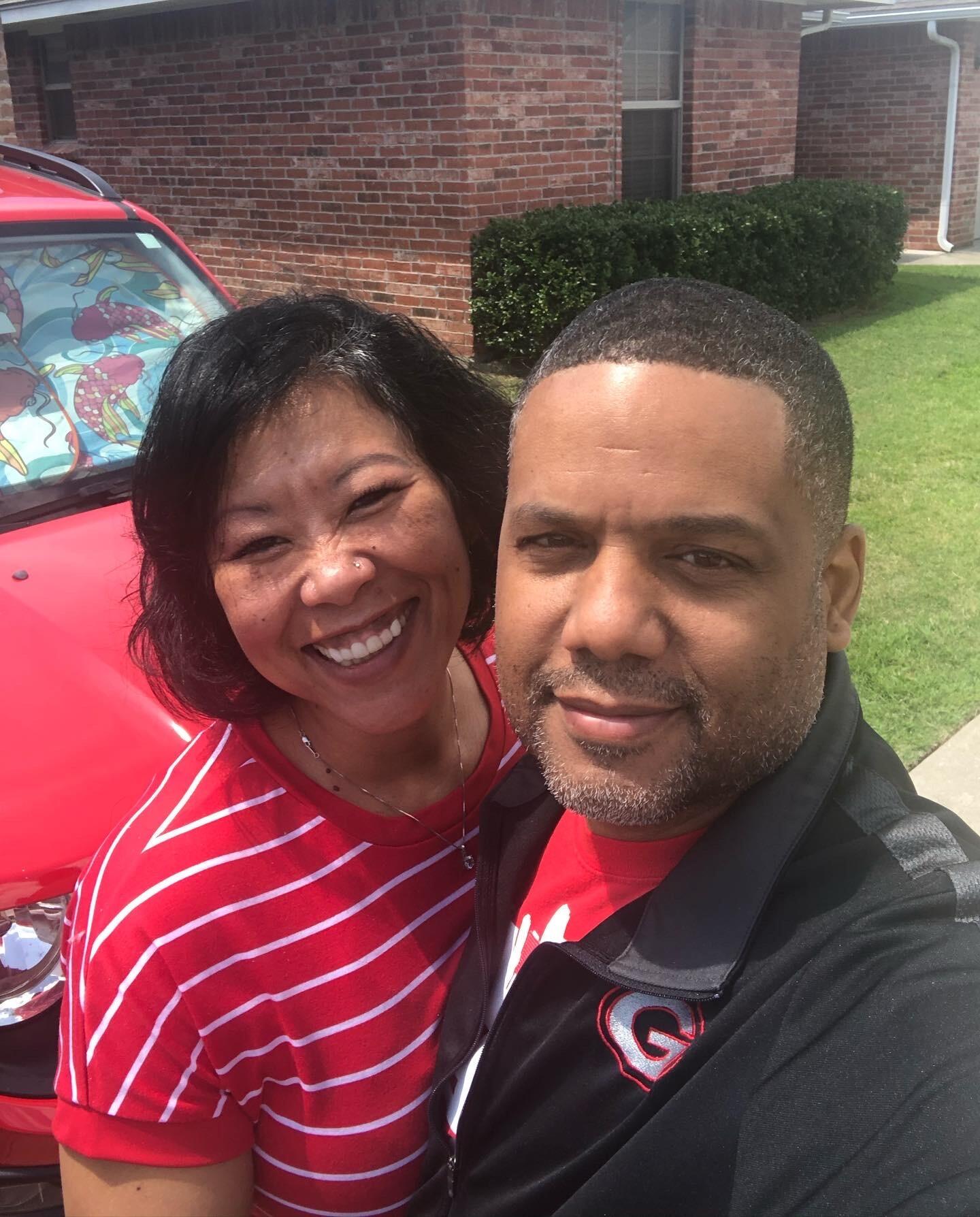
August 05, 2020
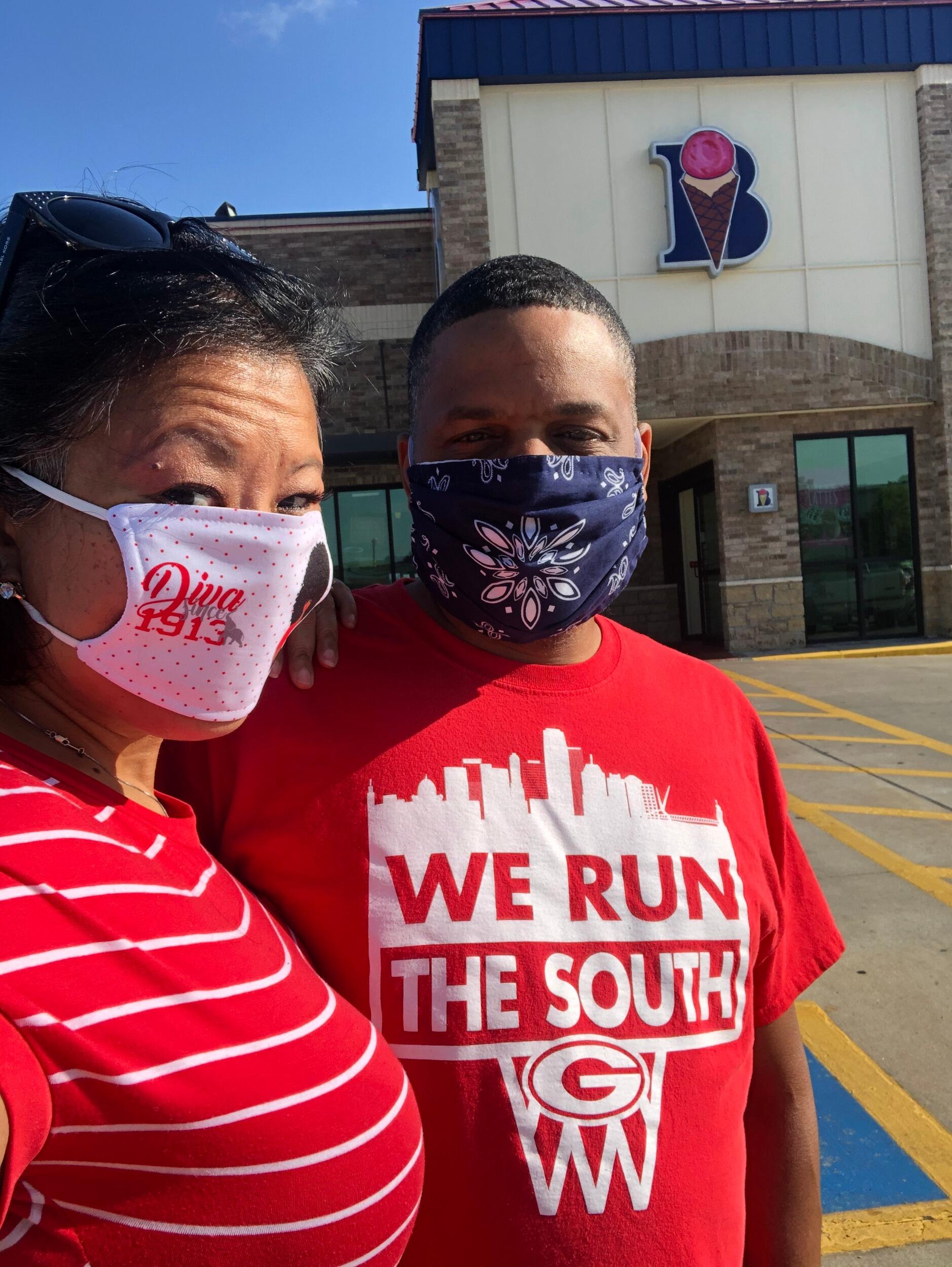
August 05, 2020
August 05, 2020

August 07, 2020

August 07, 2020

August 07, 2020

August 07, 2020
August 07, 2020

August 07, 2020

August 07, 2020
August 07, 2020
August 07, 2020
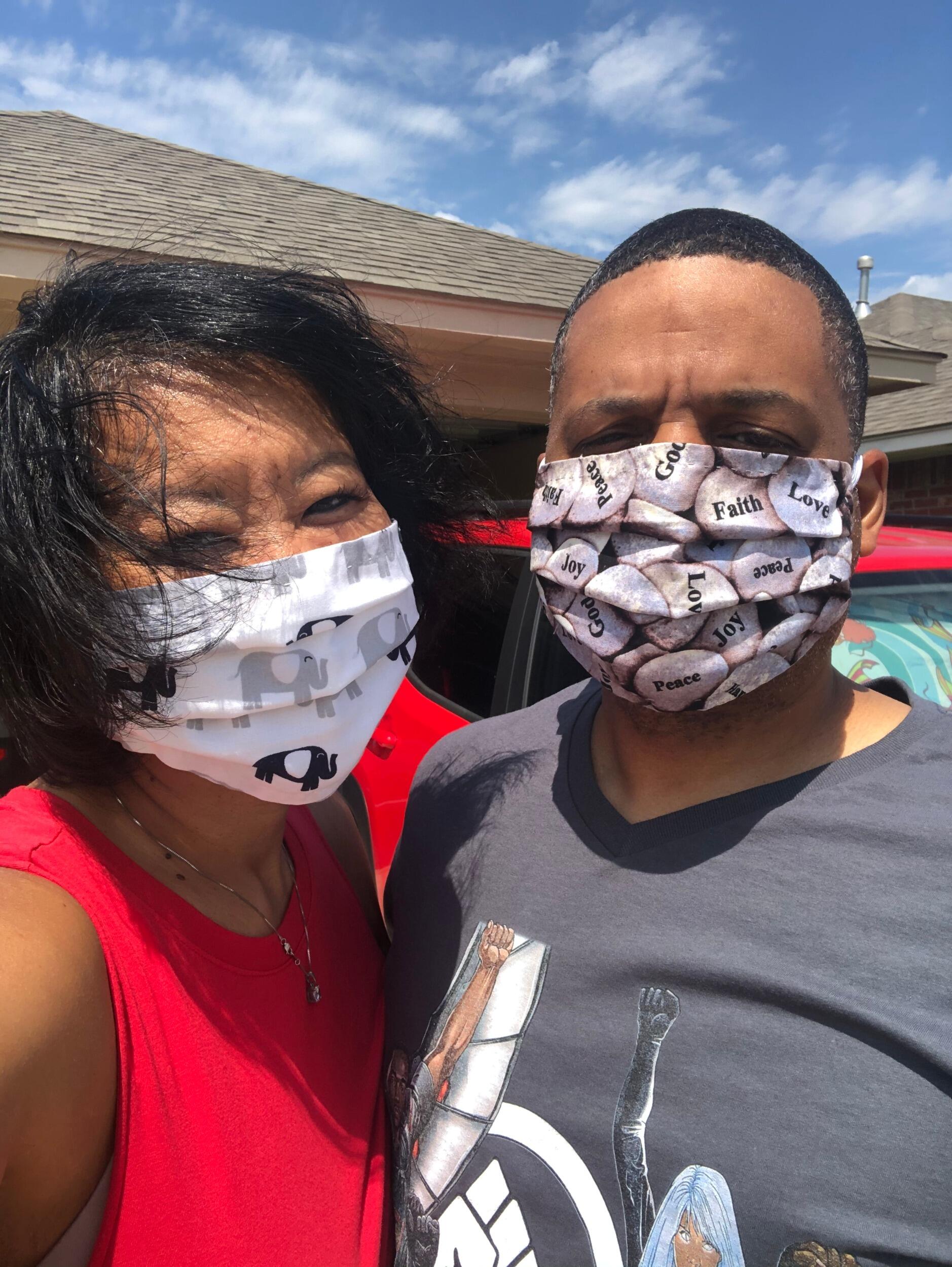
August 07, 2020

August 07, 2020

August 08, 2020
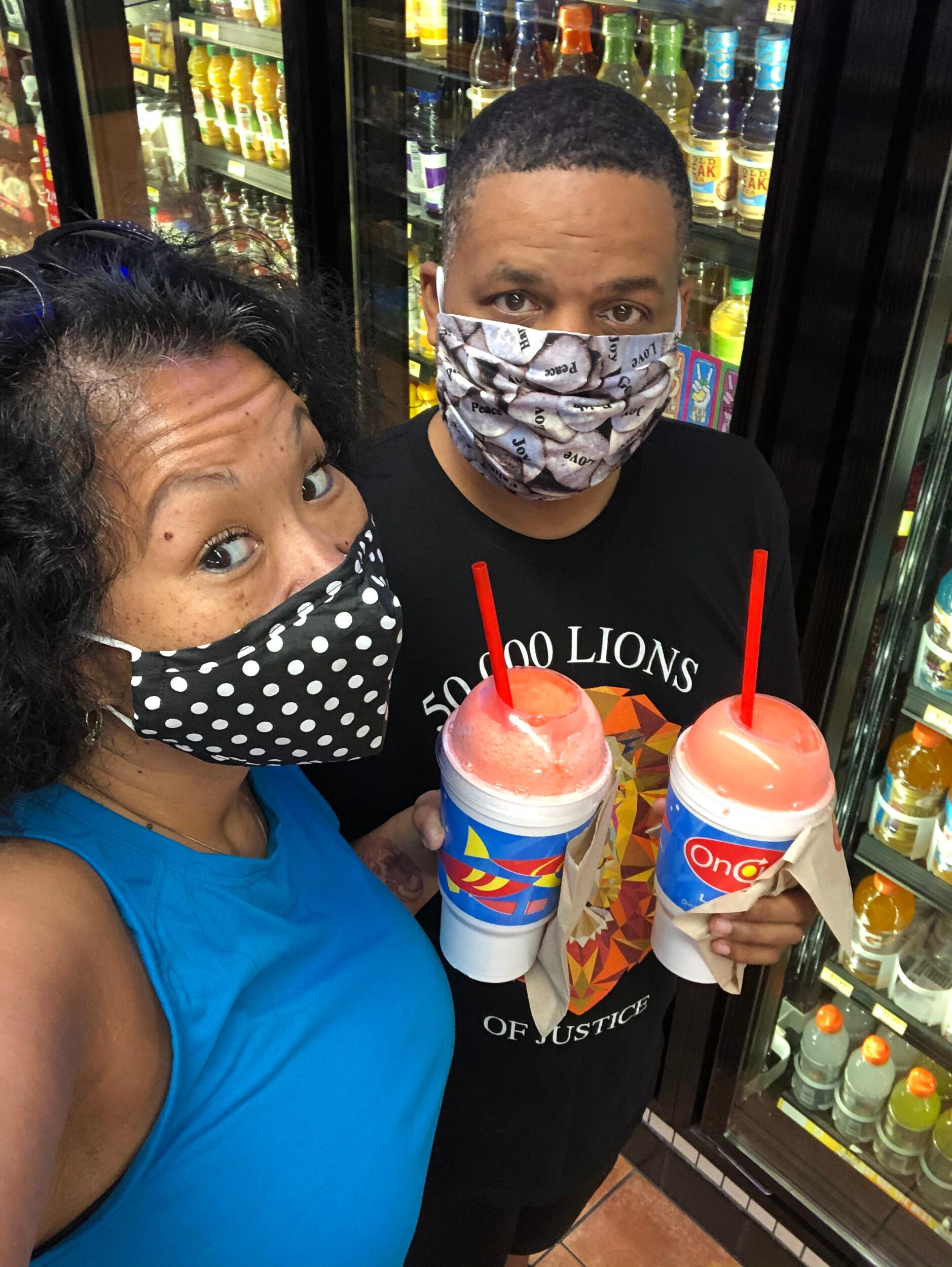
August 08, 2020
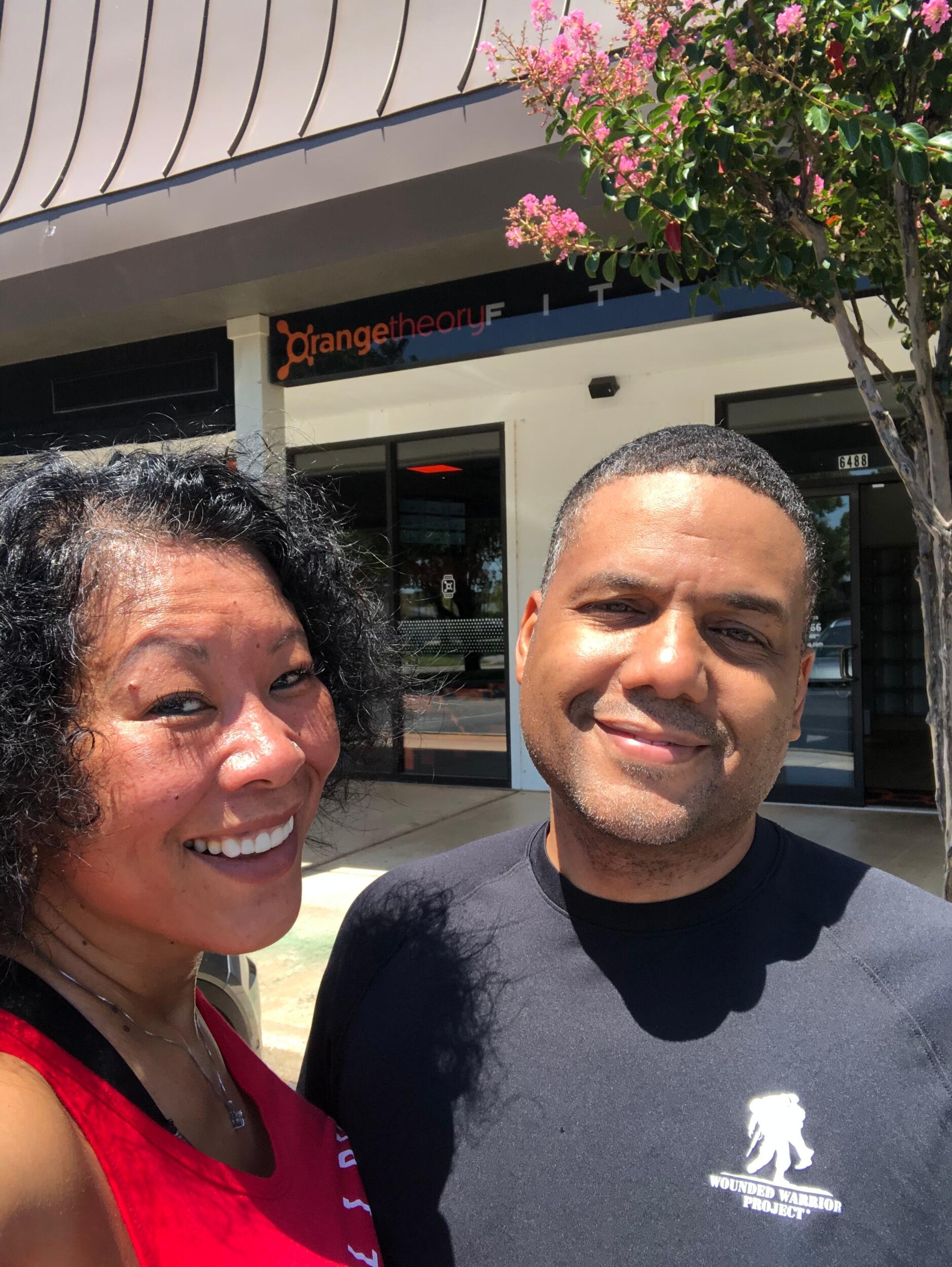
August 09, 2020
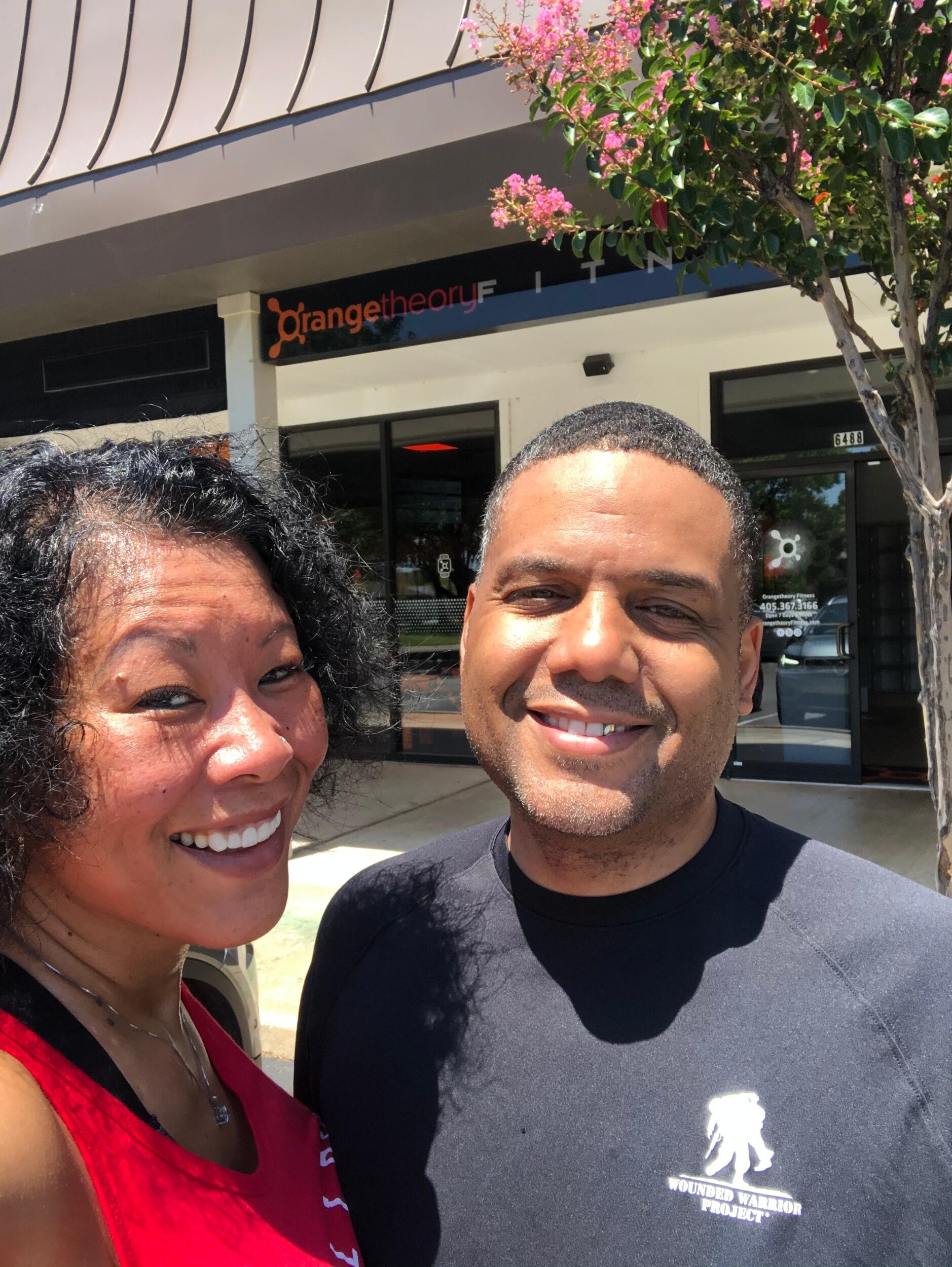
August 09, 2020
August 09, 2020
August 10, 2020
August 10, 2020
August 12, 2020

August 13, 2020
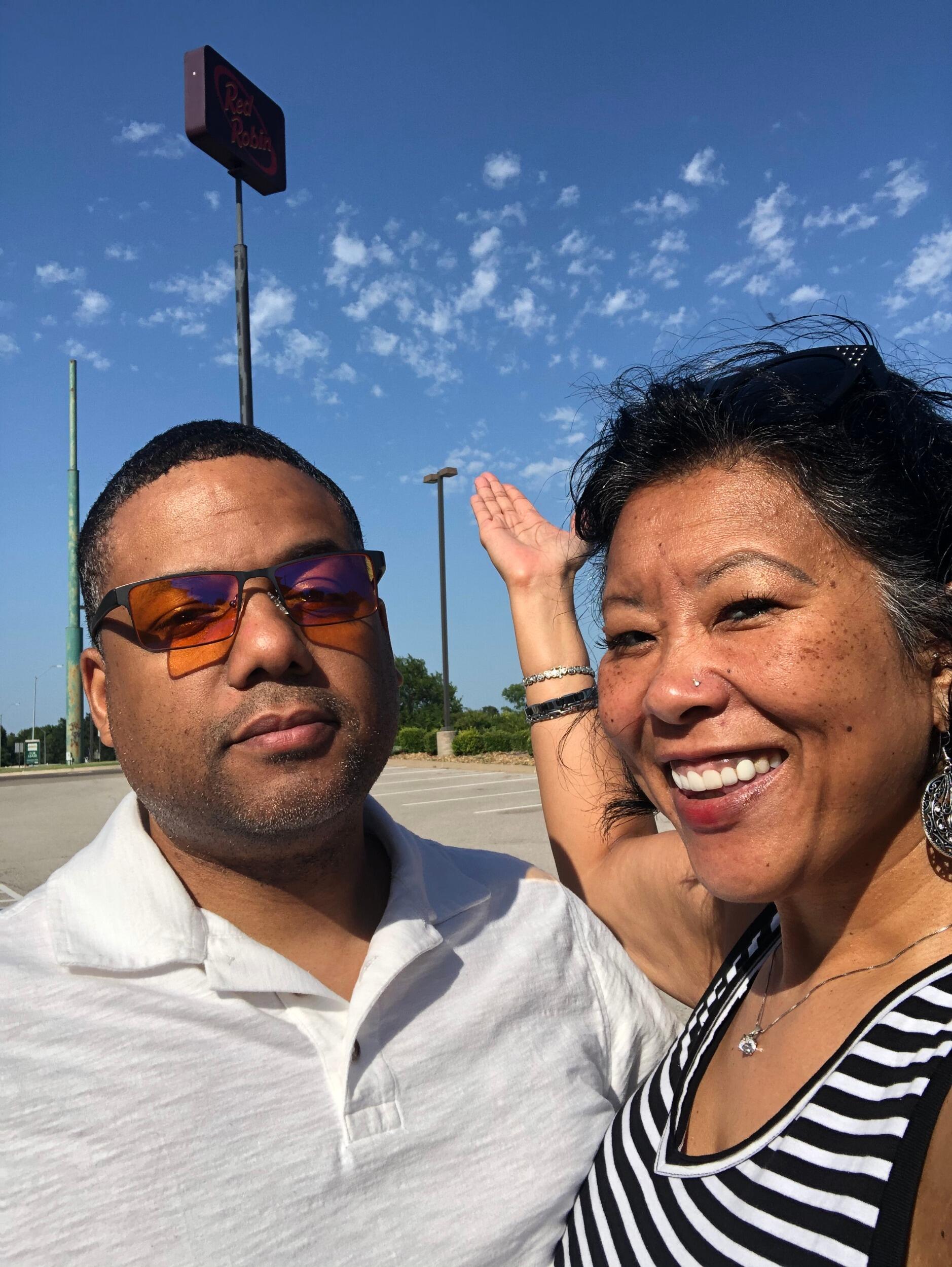
August 13, 2020
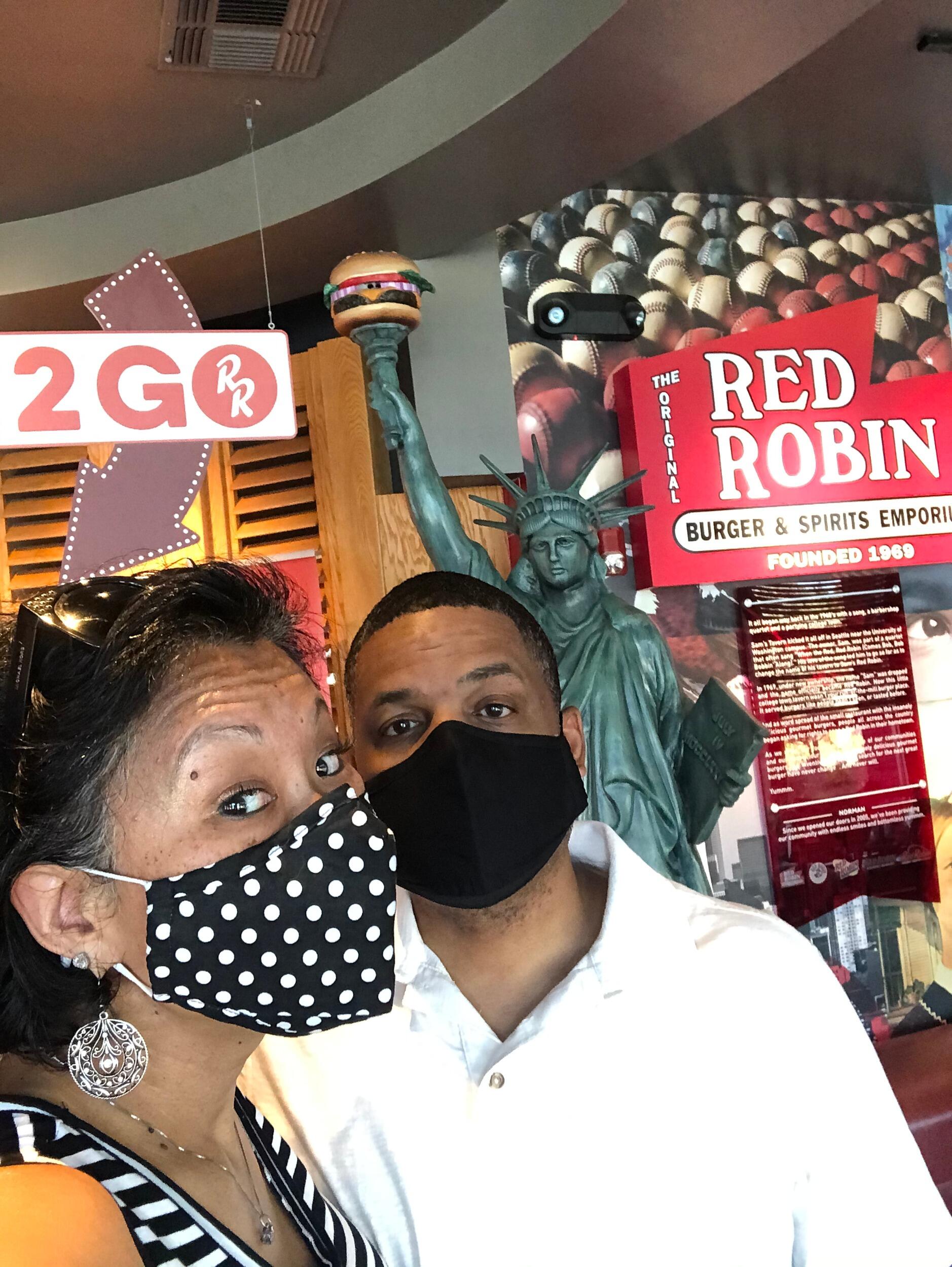
August 13, 2020

August 14, 2020

August 15, 2020

August 15, 2020

August 15, 2020

August 15, 2020
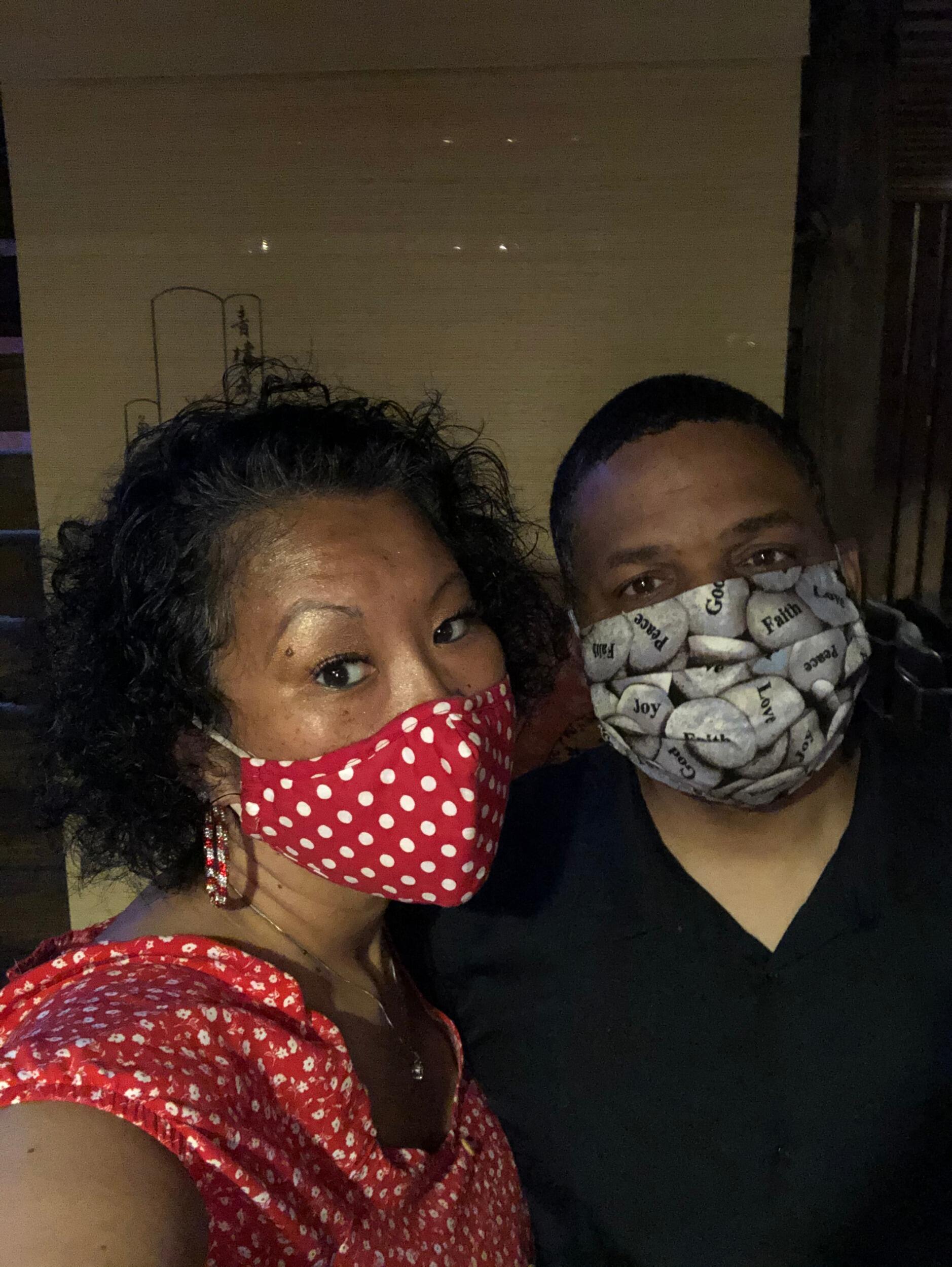
August 15, 2020

August 15, 2020
August 15, 2020
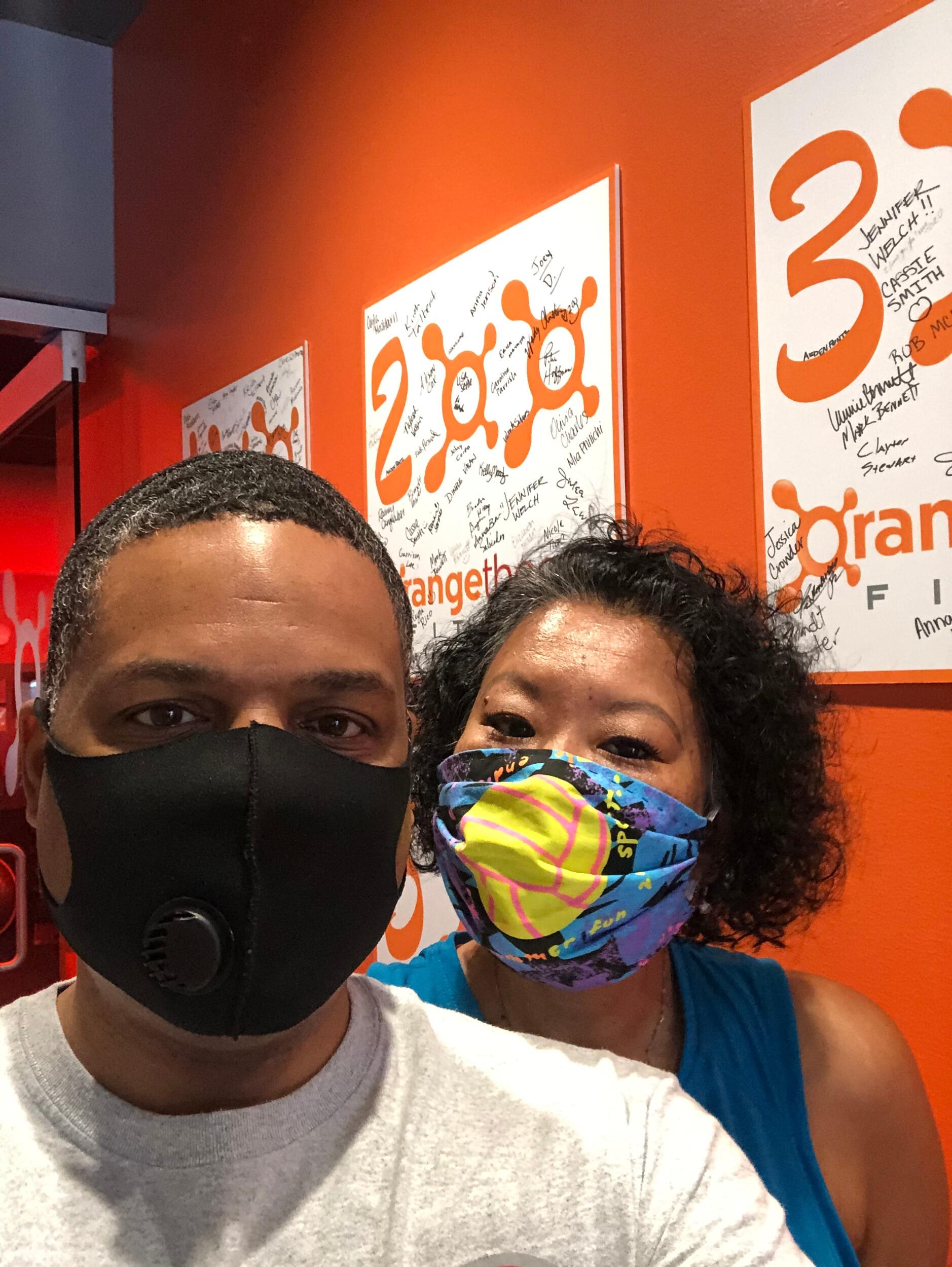
August 16, 2020
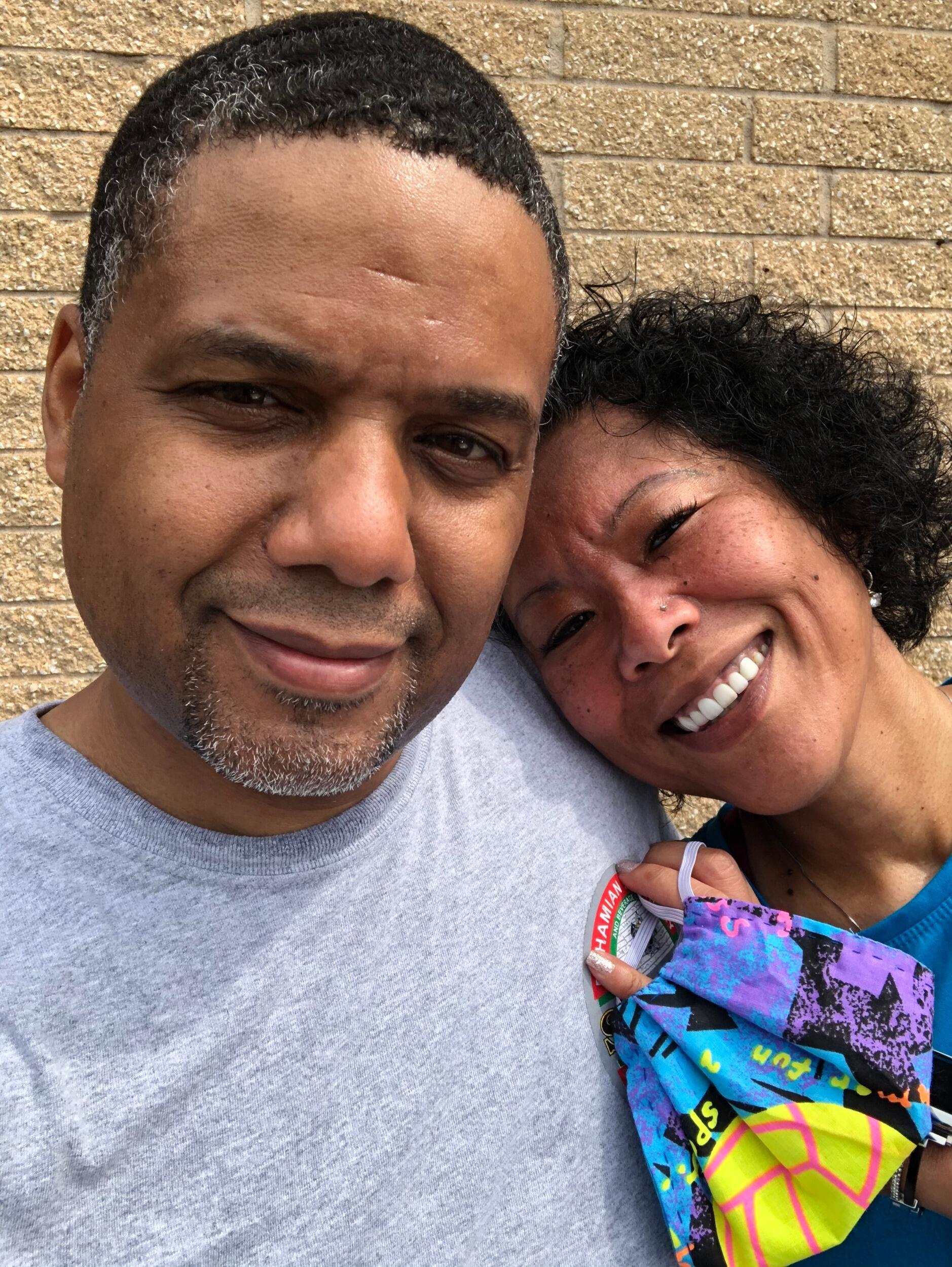
August 16, 2020
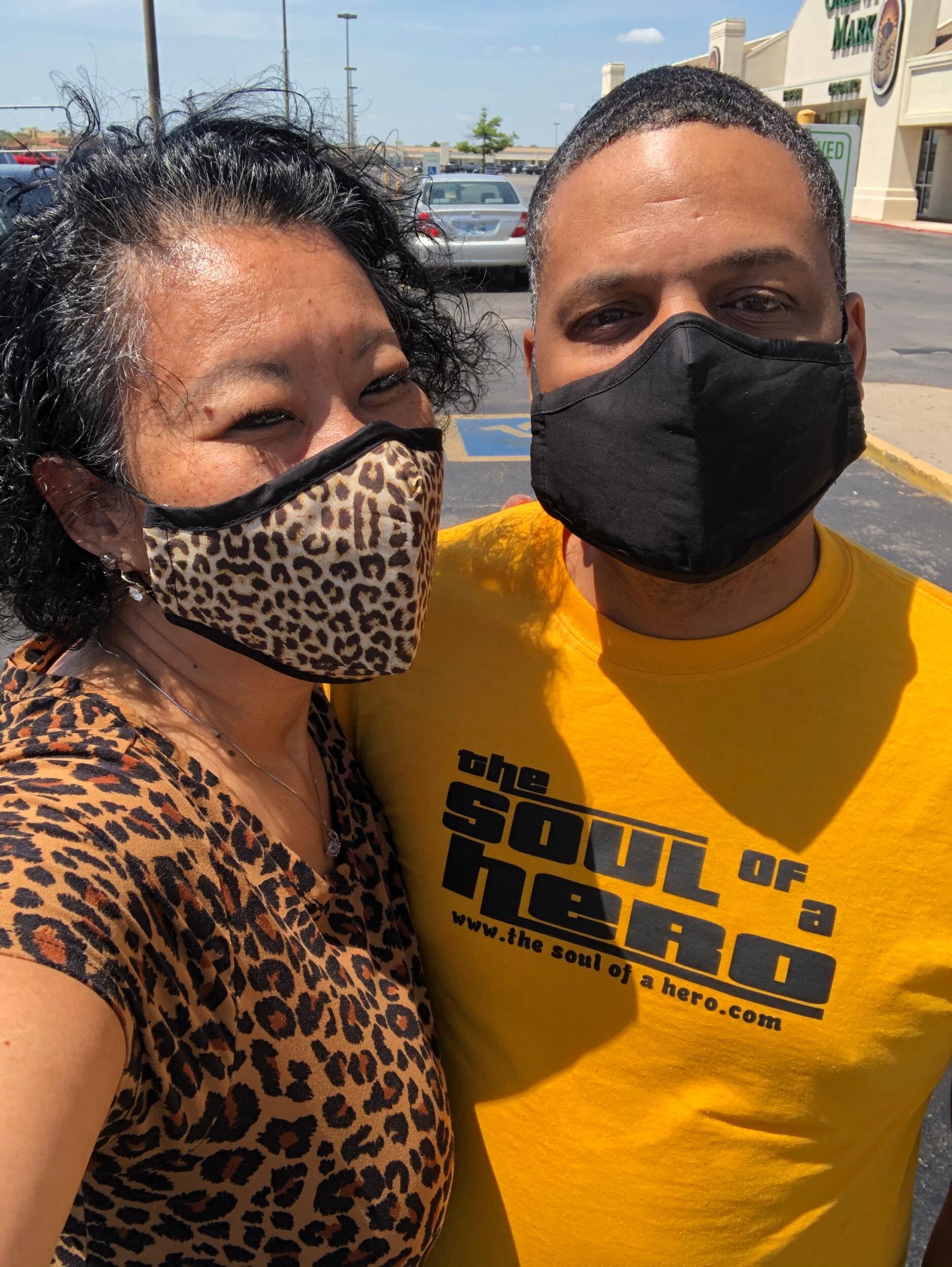
August 17, 2020
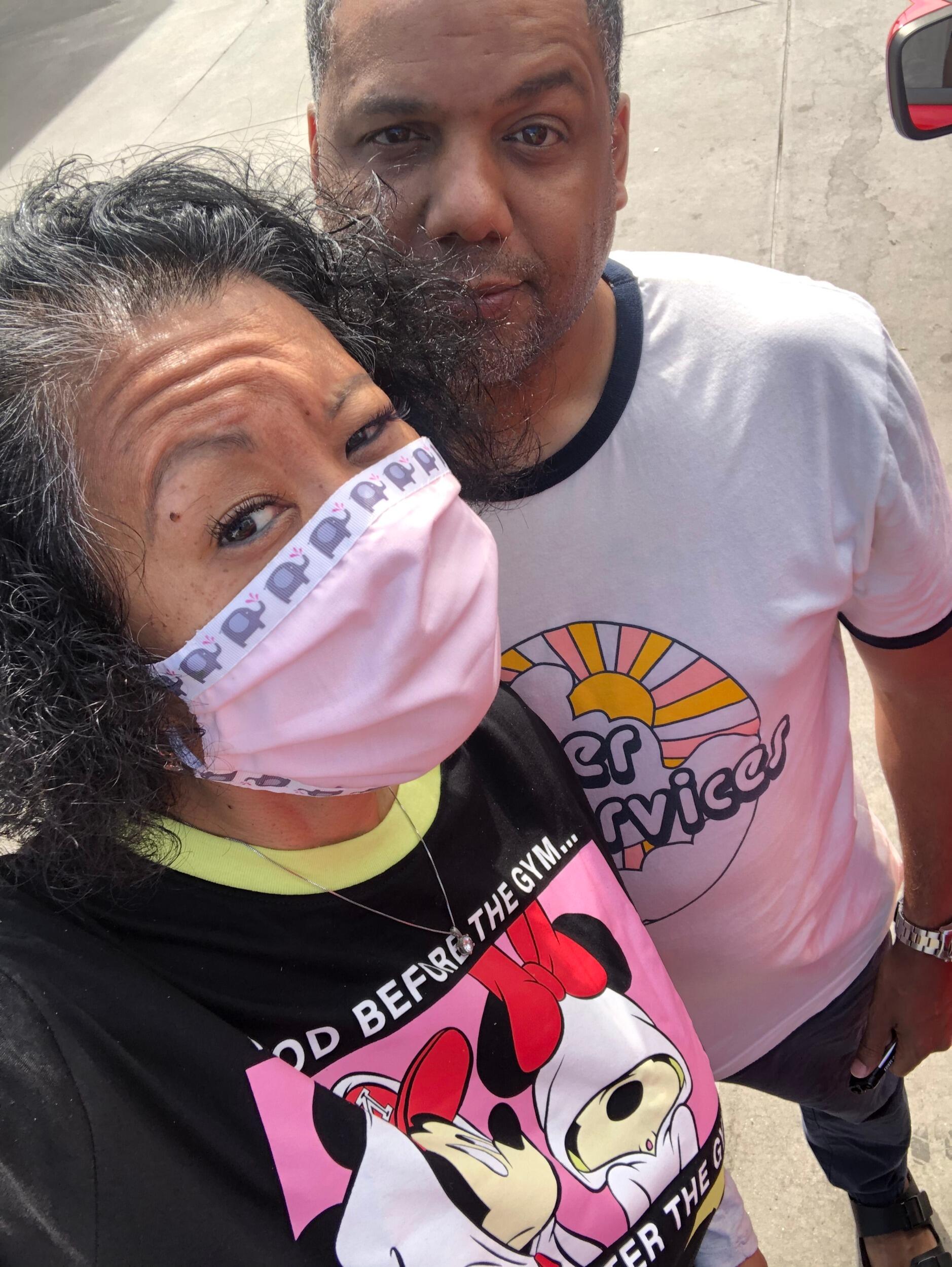
August 18, 2020

August 19, 2020

August 20, 2020

August 20, 2020
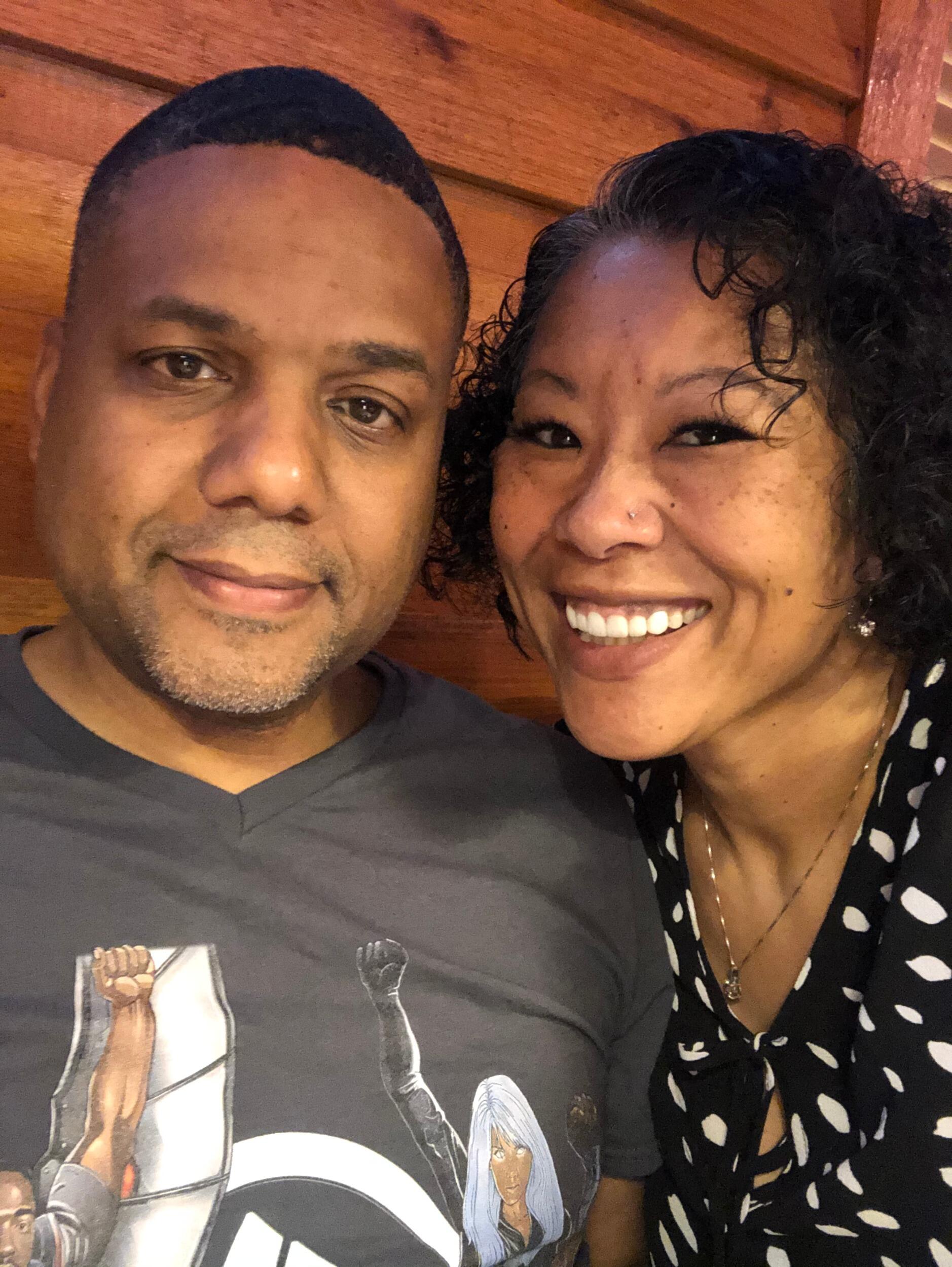
August 21, 2020
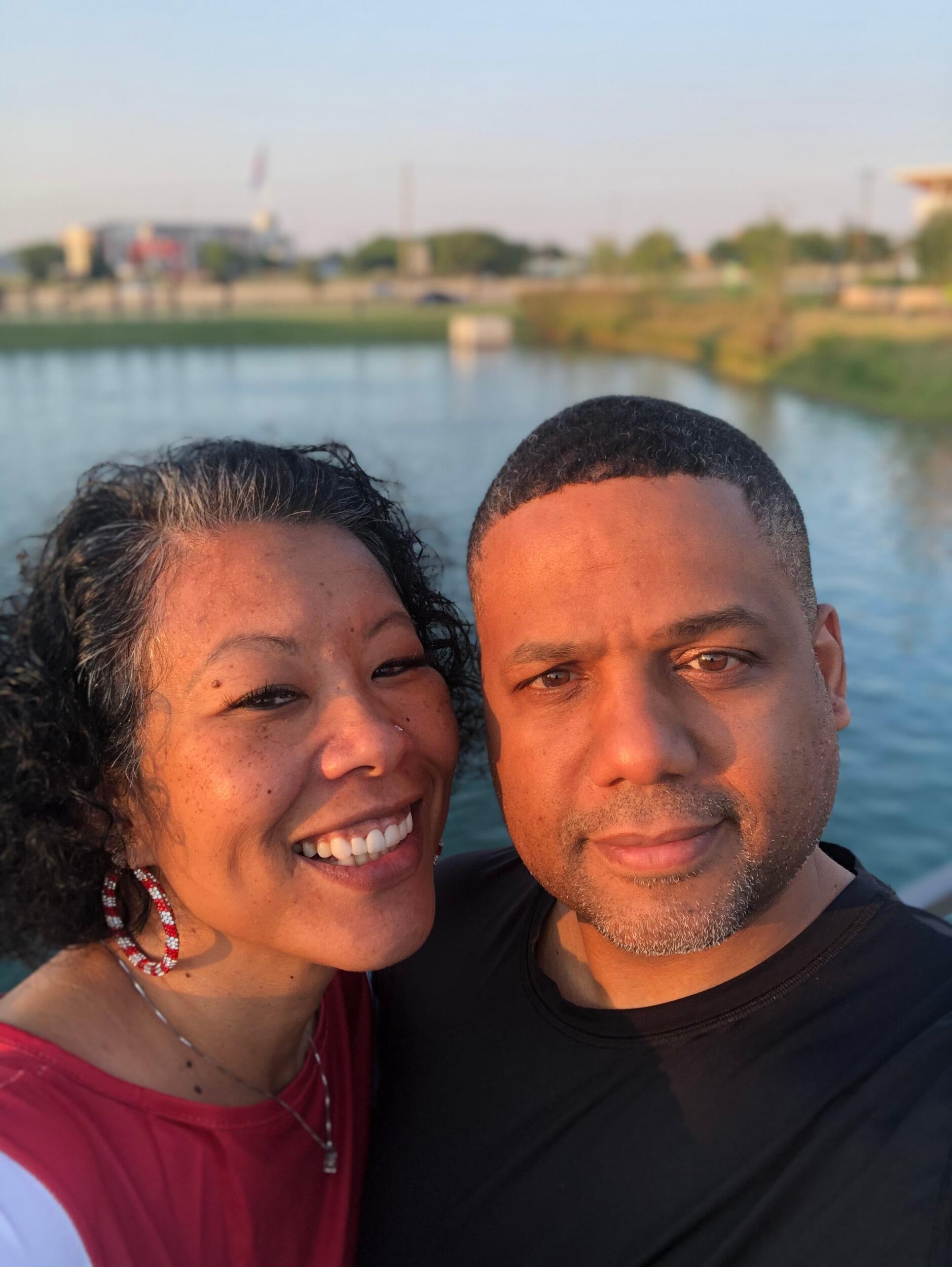
August 22, 2020
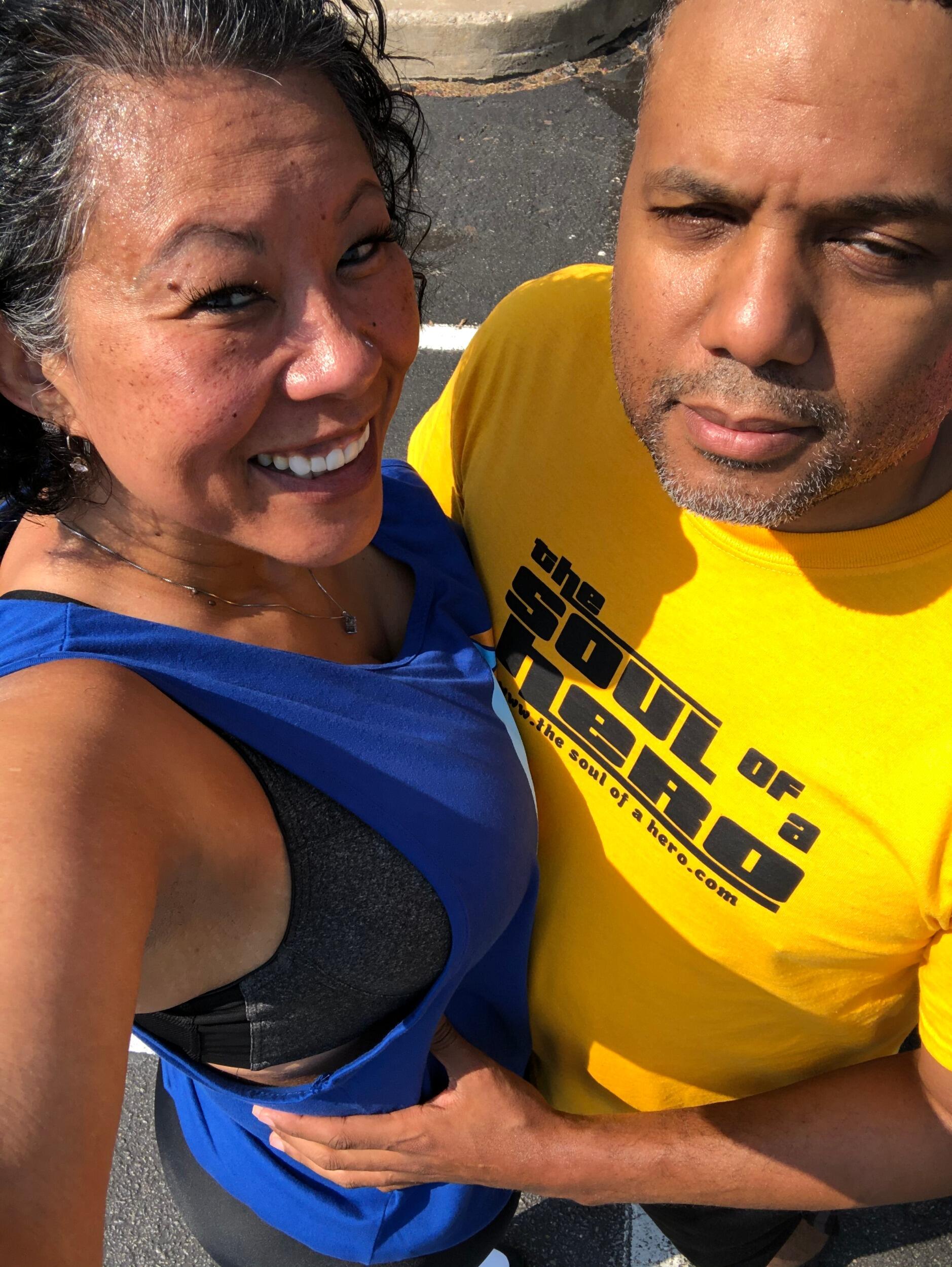
August 24, 2020

August 26, 2020

August 27, 2020

August 27, 2020

August 27, 2020
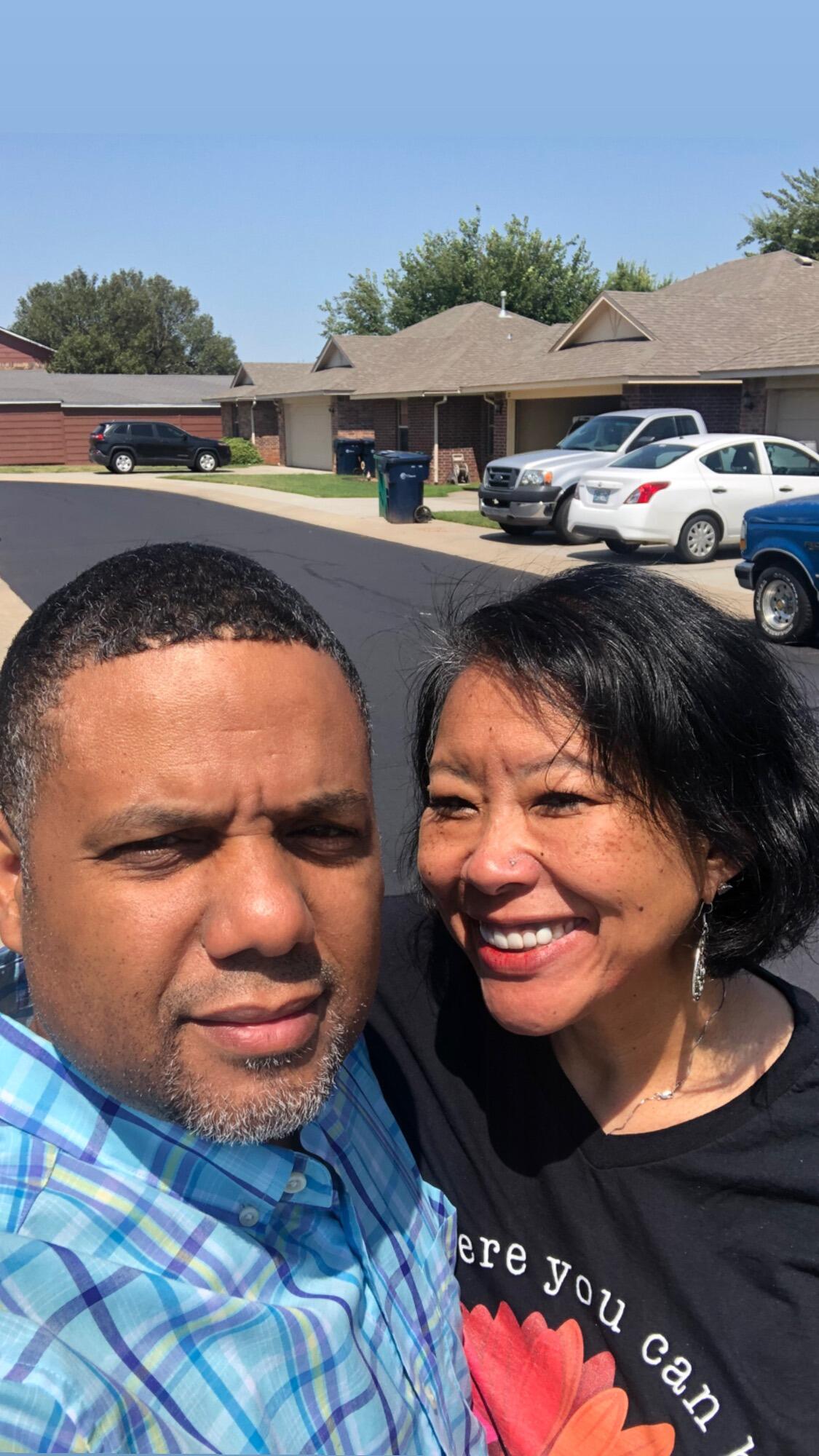
August 28, 2020

August 28, 2020

August 28, 2020
August 28, 2020

August 28, 2020

August 28, 2020
August 28, 2020
August 28, 2020
August 28, 2020
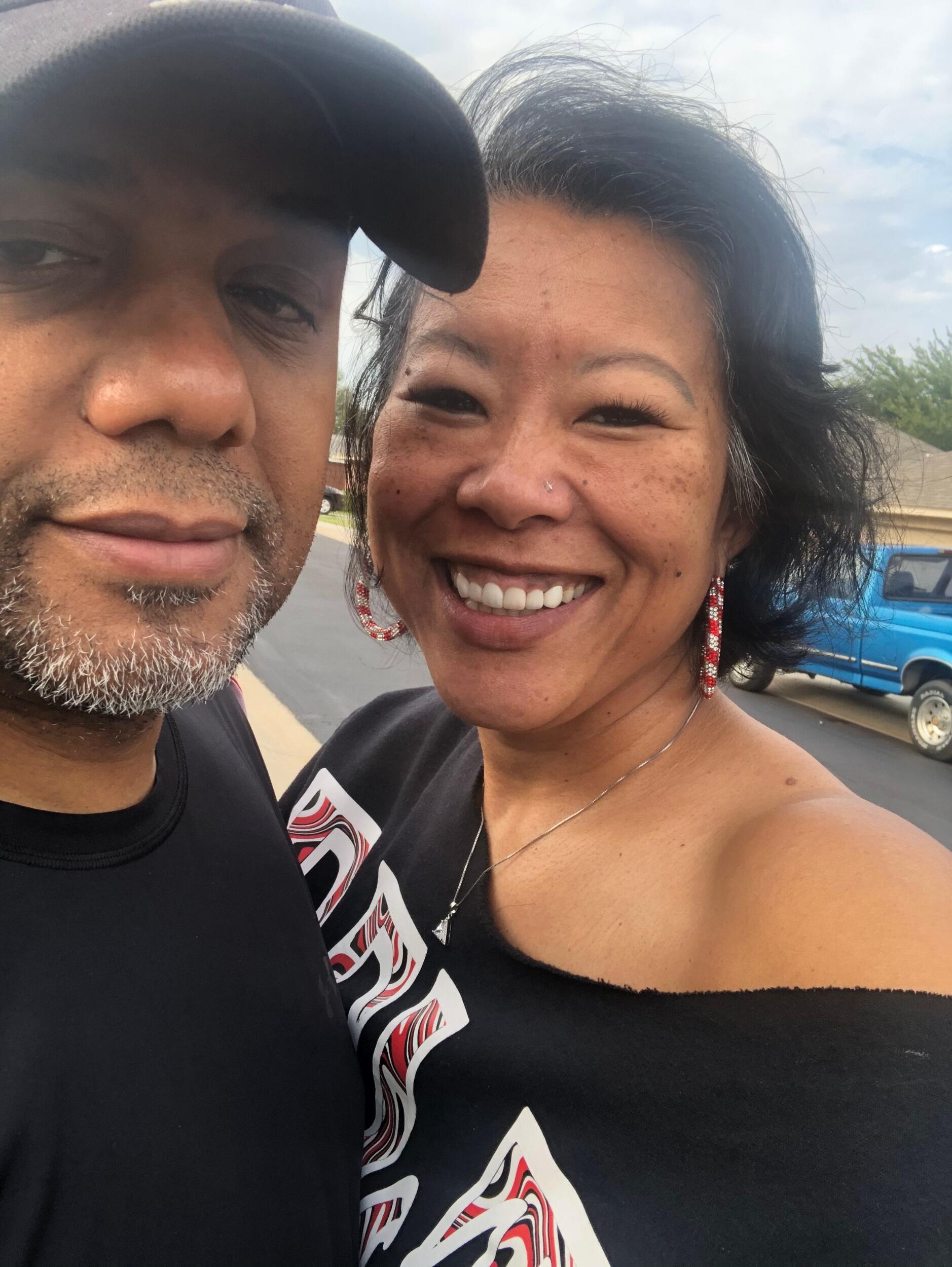
August 29, 2020
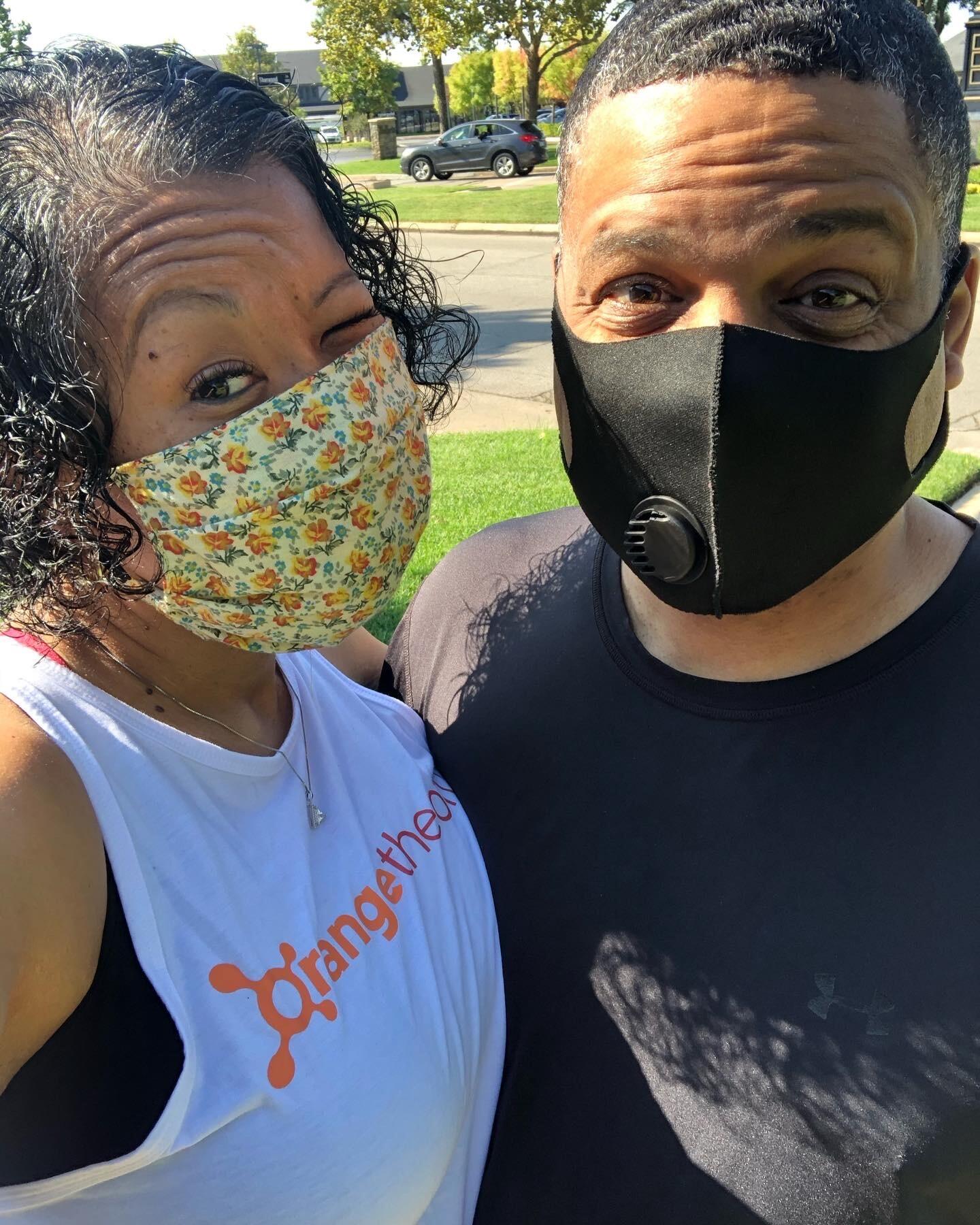
August 30, 2020
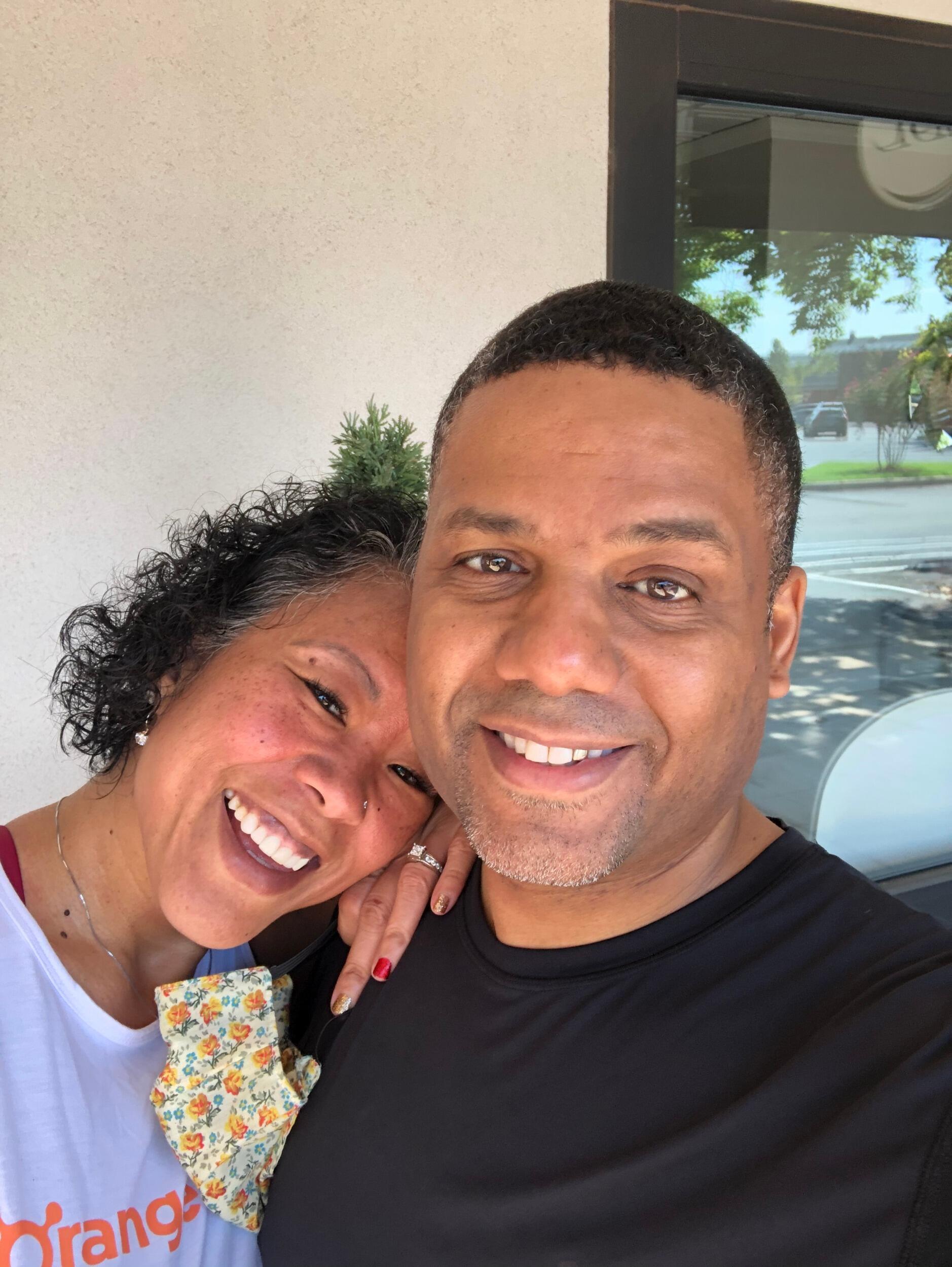
August 30, 2020
August 30, 2020

August 31, 2020

August 31, 2020

September 01, 2020

September 01, 2020
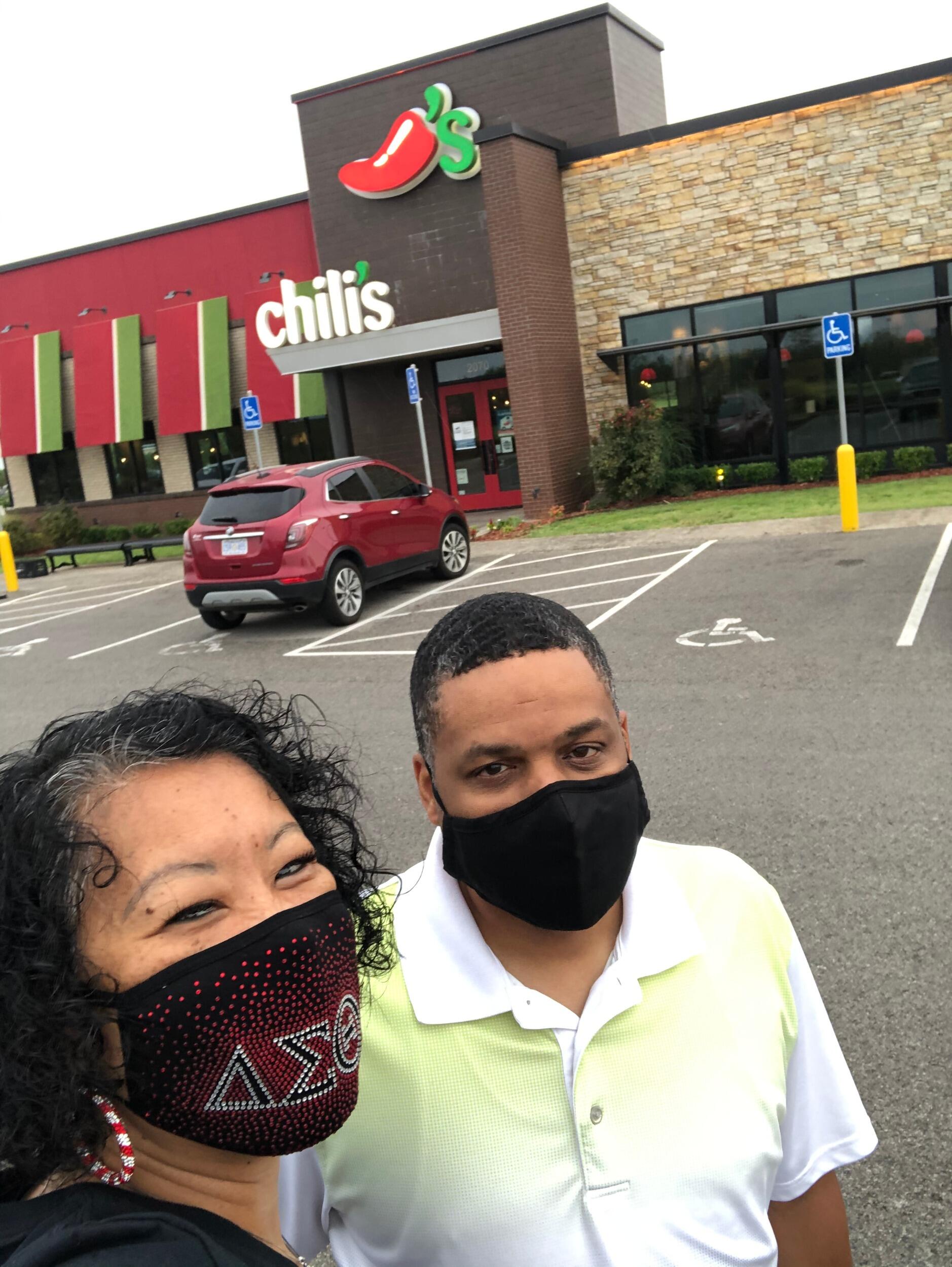
September 01, 2020
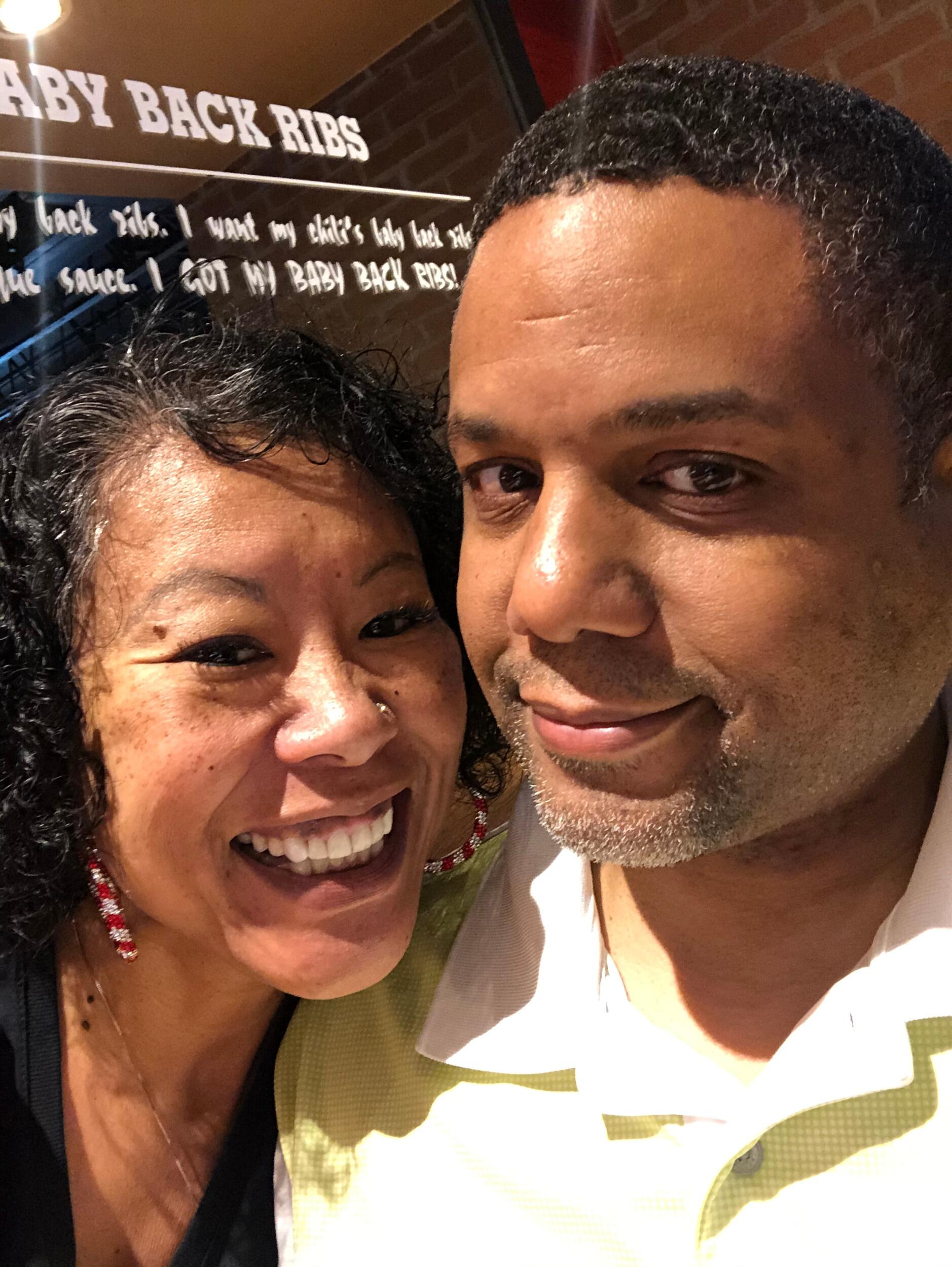
September 01, 2020
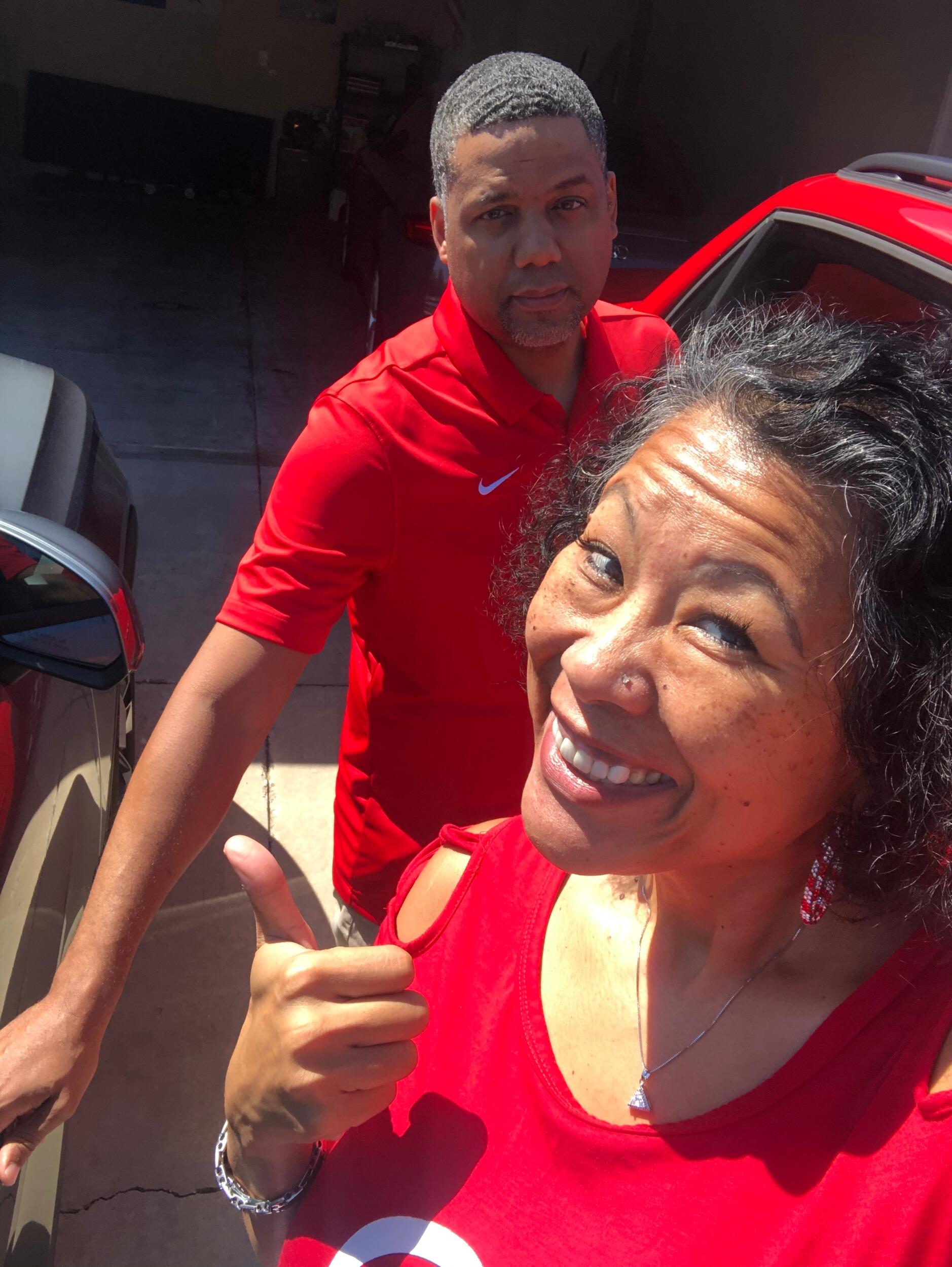
September 03, 2020

September 04, 2020

September 04, 2020
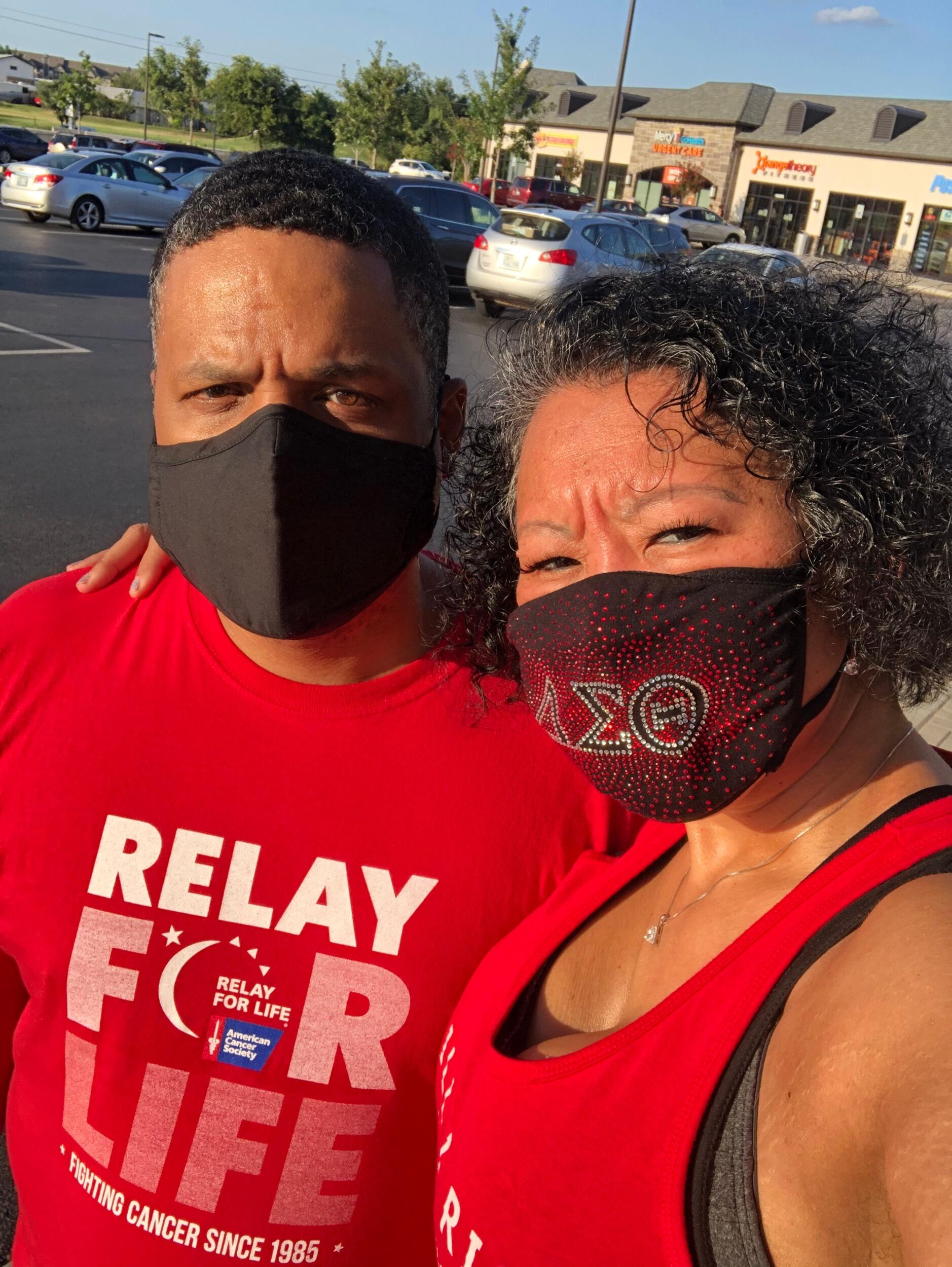
September 04, 2020
September 05, 2020
September 07, 2020
September 07, 2020
Happy Labor Day!
September 07, 2020
Happy Labor Day!
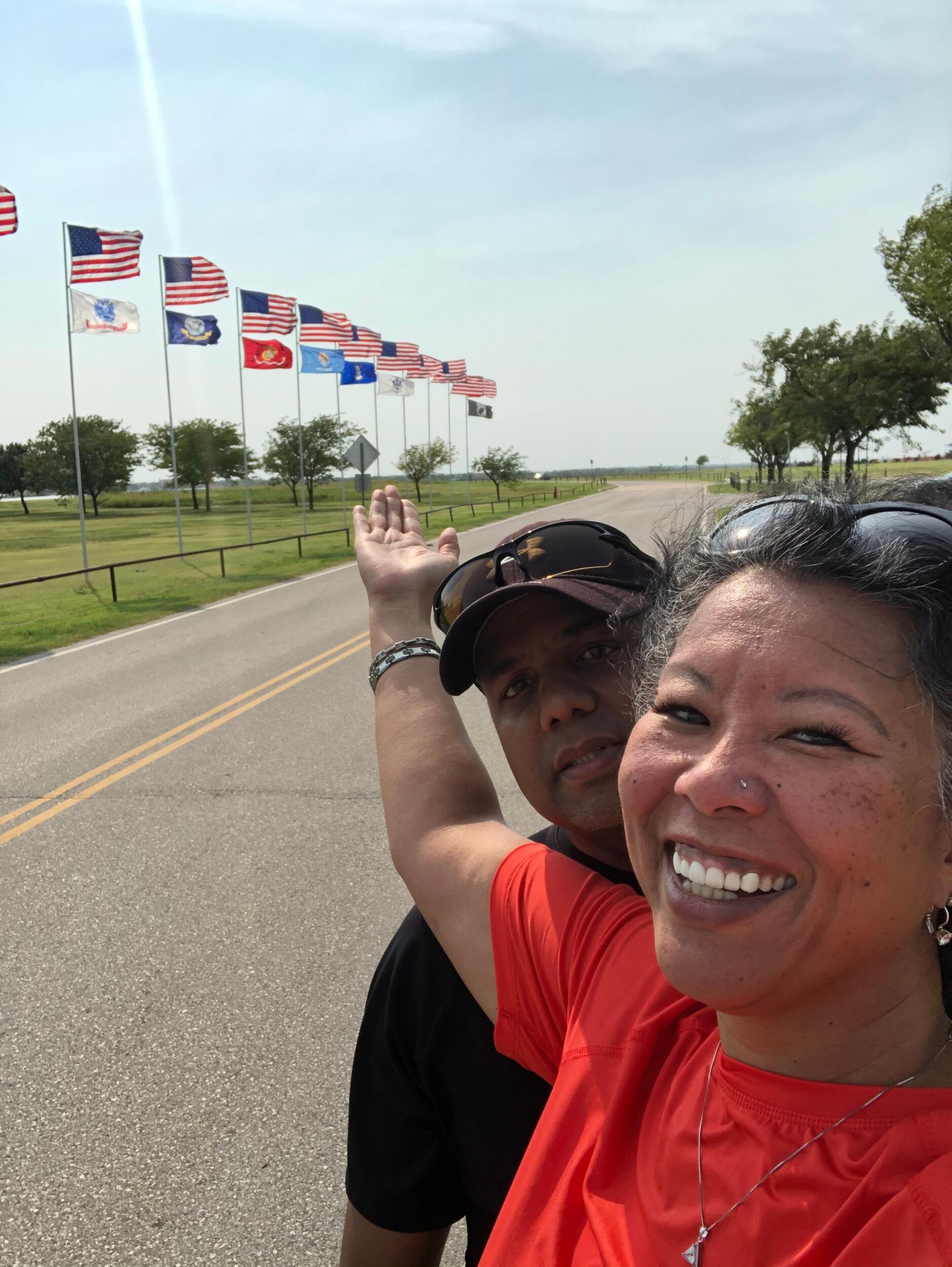
September 07, 2020
Happy Labor Day!
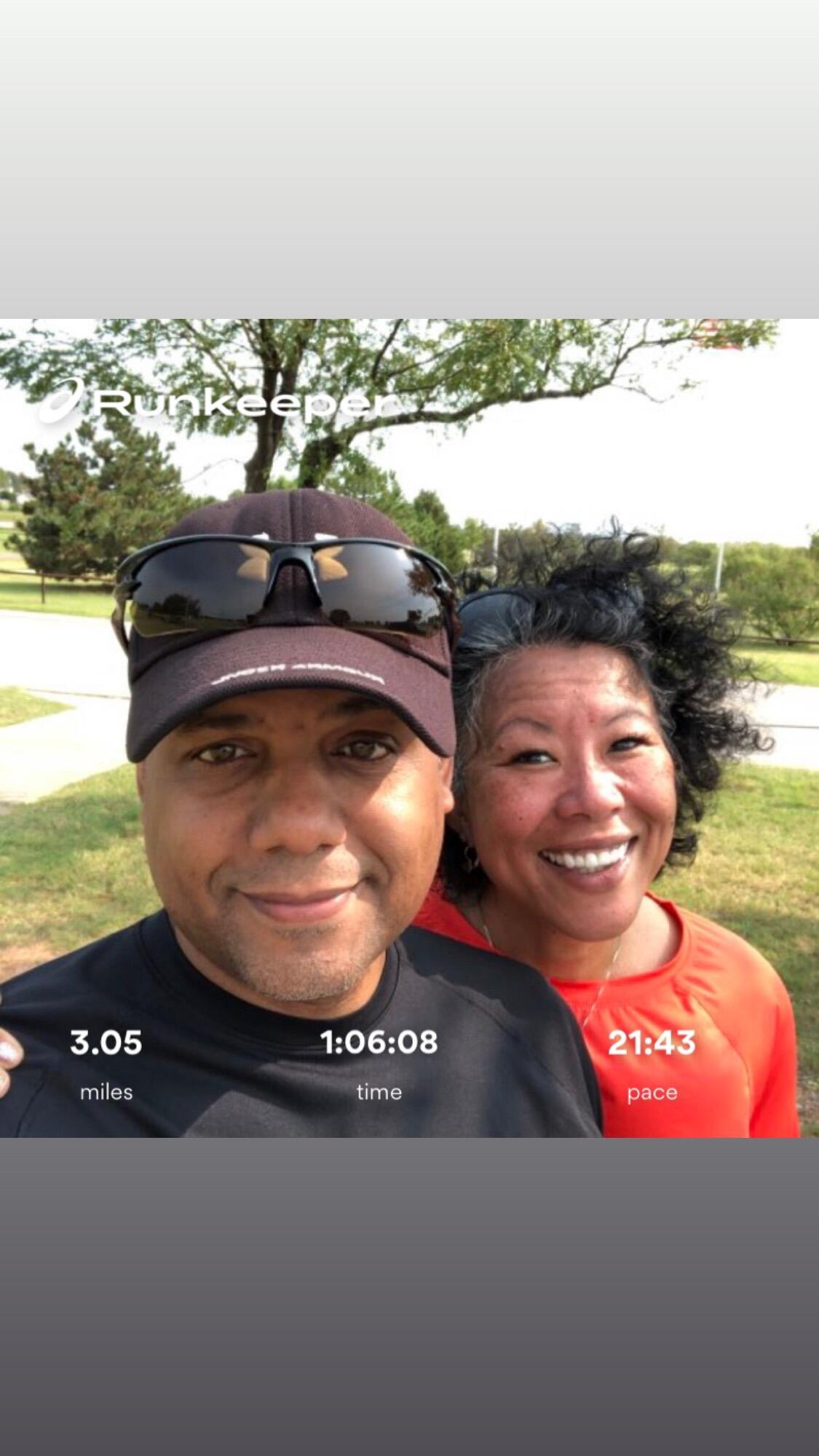
September 07, 2020

September 08, 2020
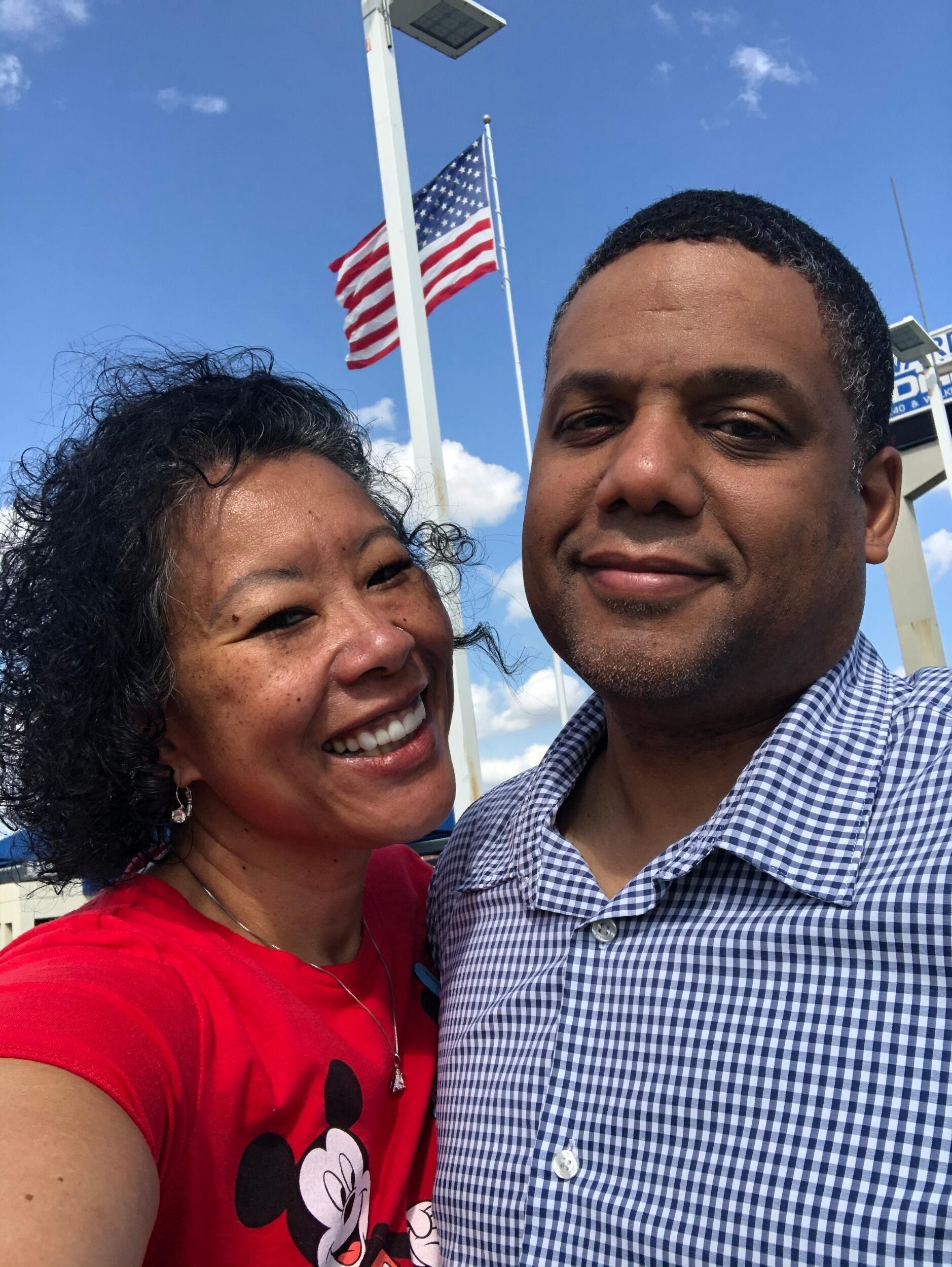
September 08, 2020
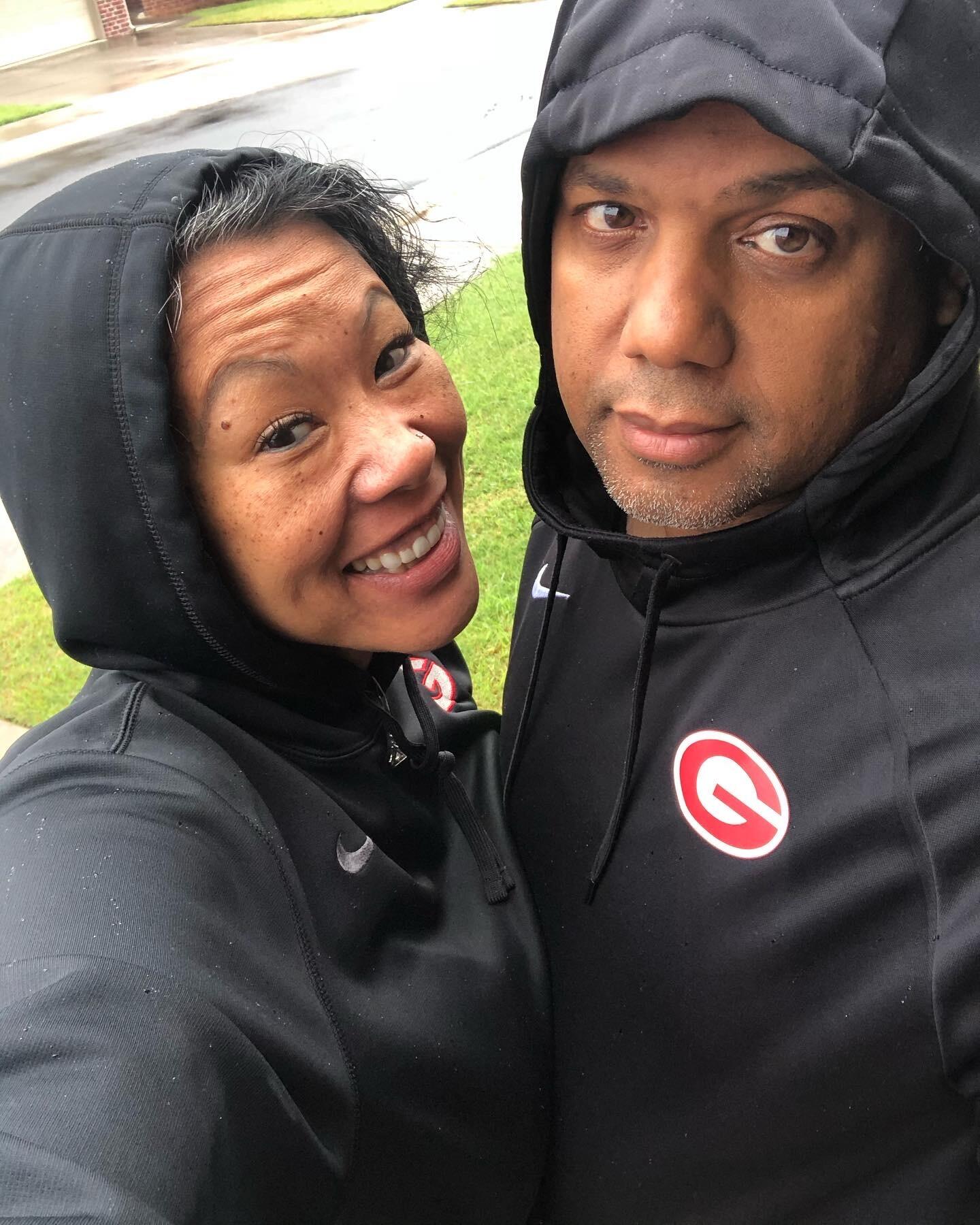
September 09, 2020
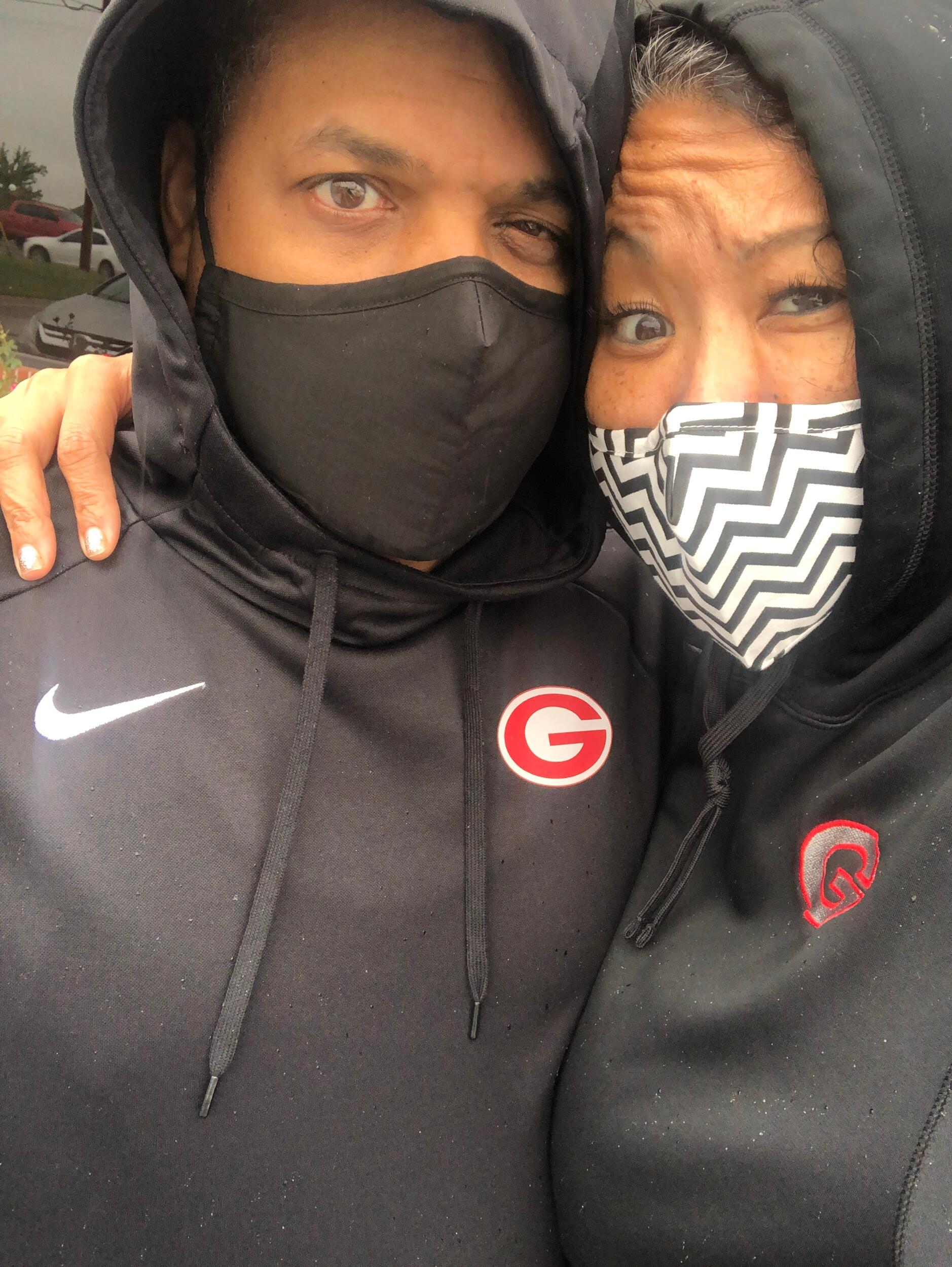
September 09, 2020
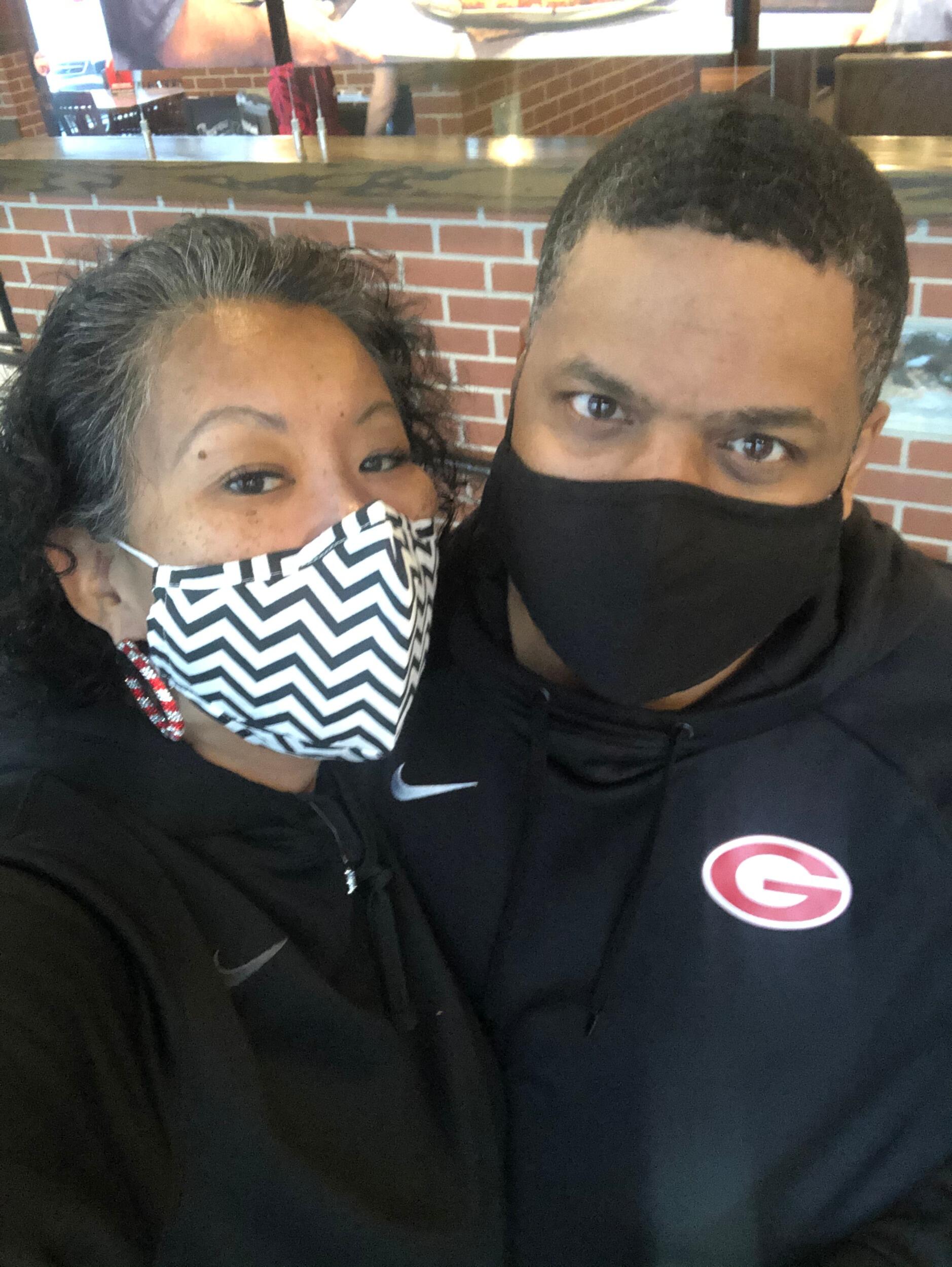
September 09, 2020
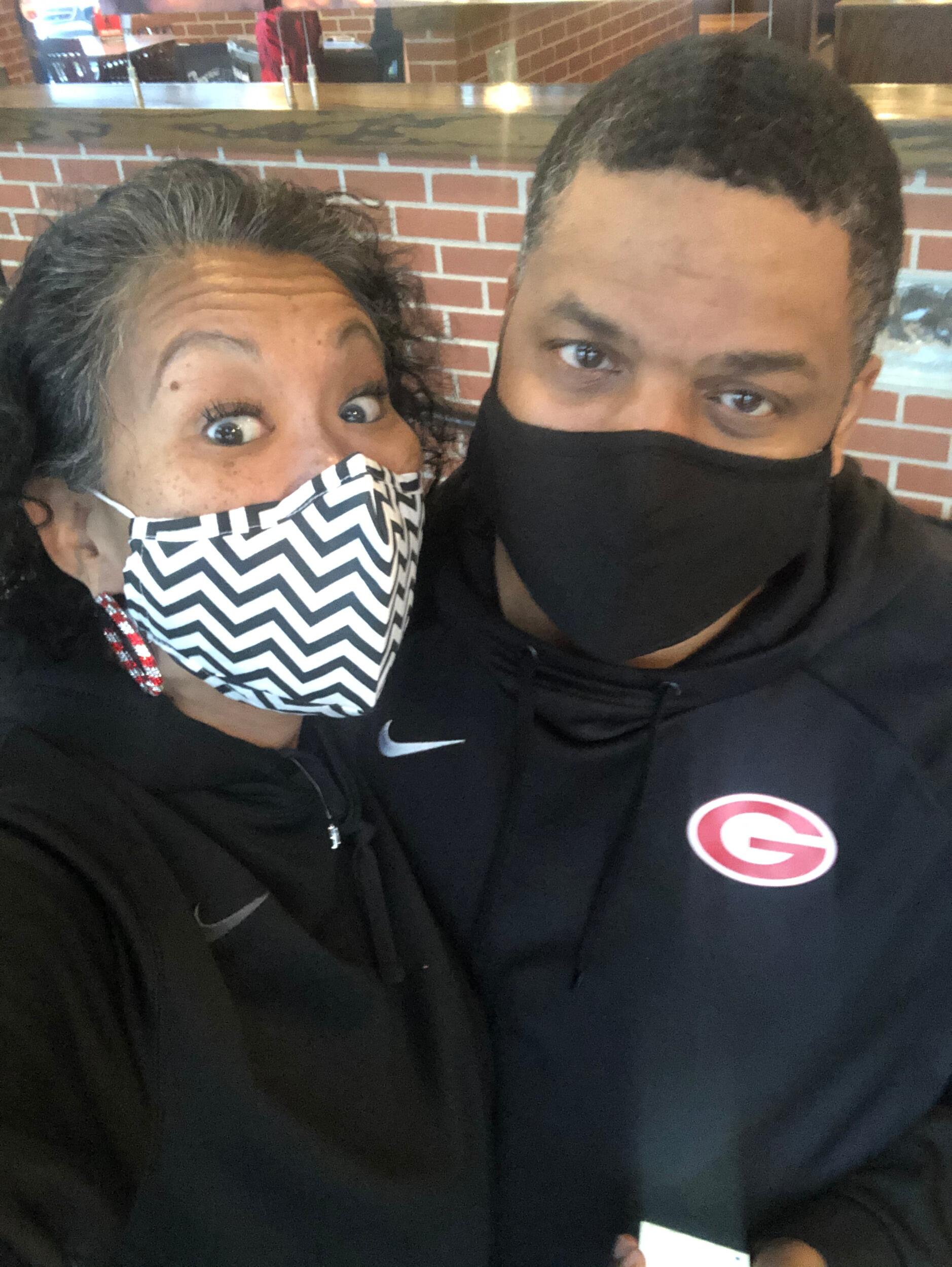
September 09, 2020

September 10, 2020
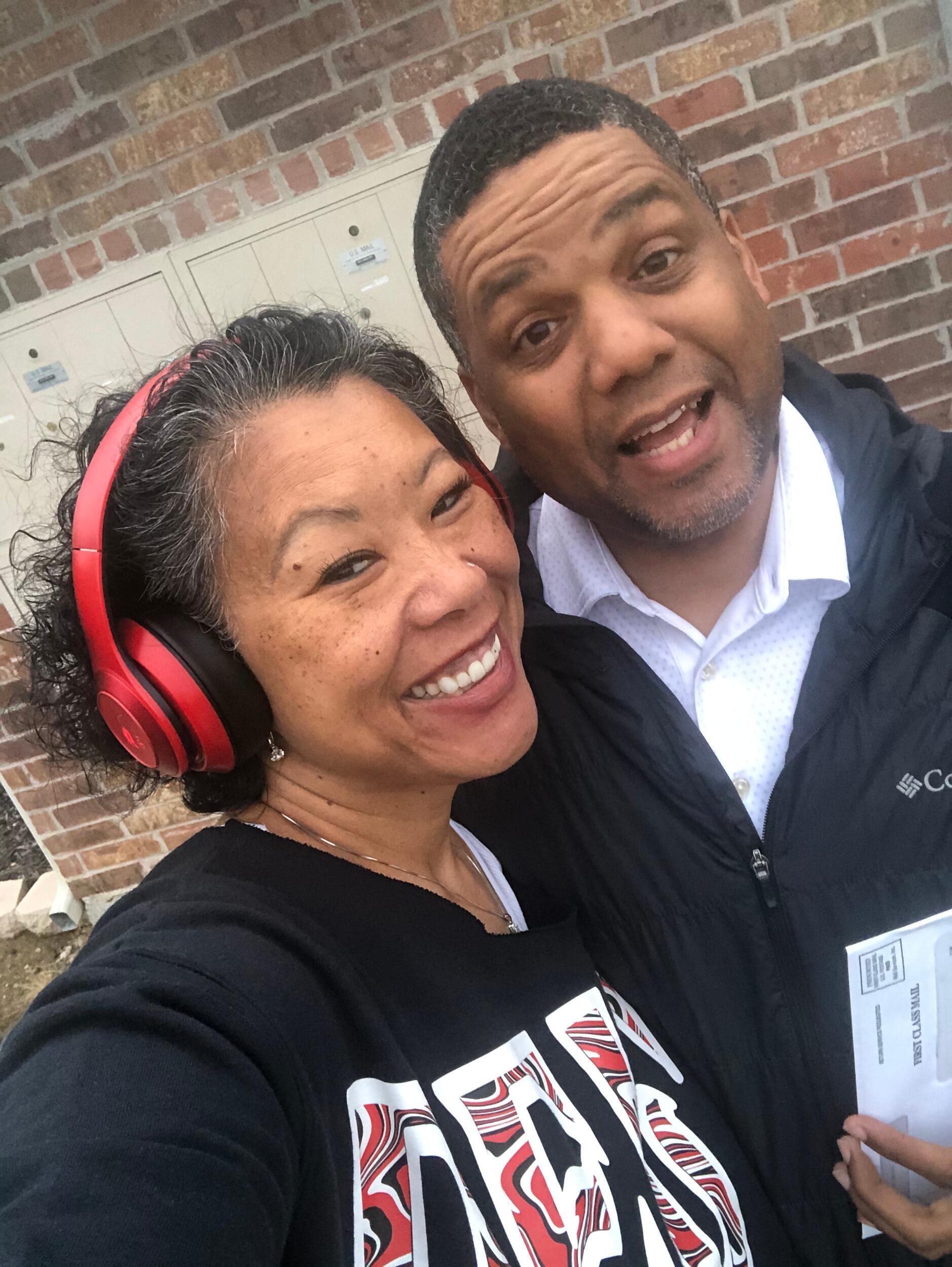
September 10, 2020

September 11, 2020
Never Forget! We remember 9/11.
September 12, 2020
September 13, 2020

September 13, 2020

September 13, 2020
September 13, 2020
September 13, 2020
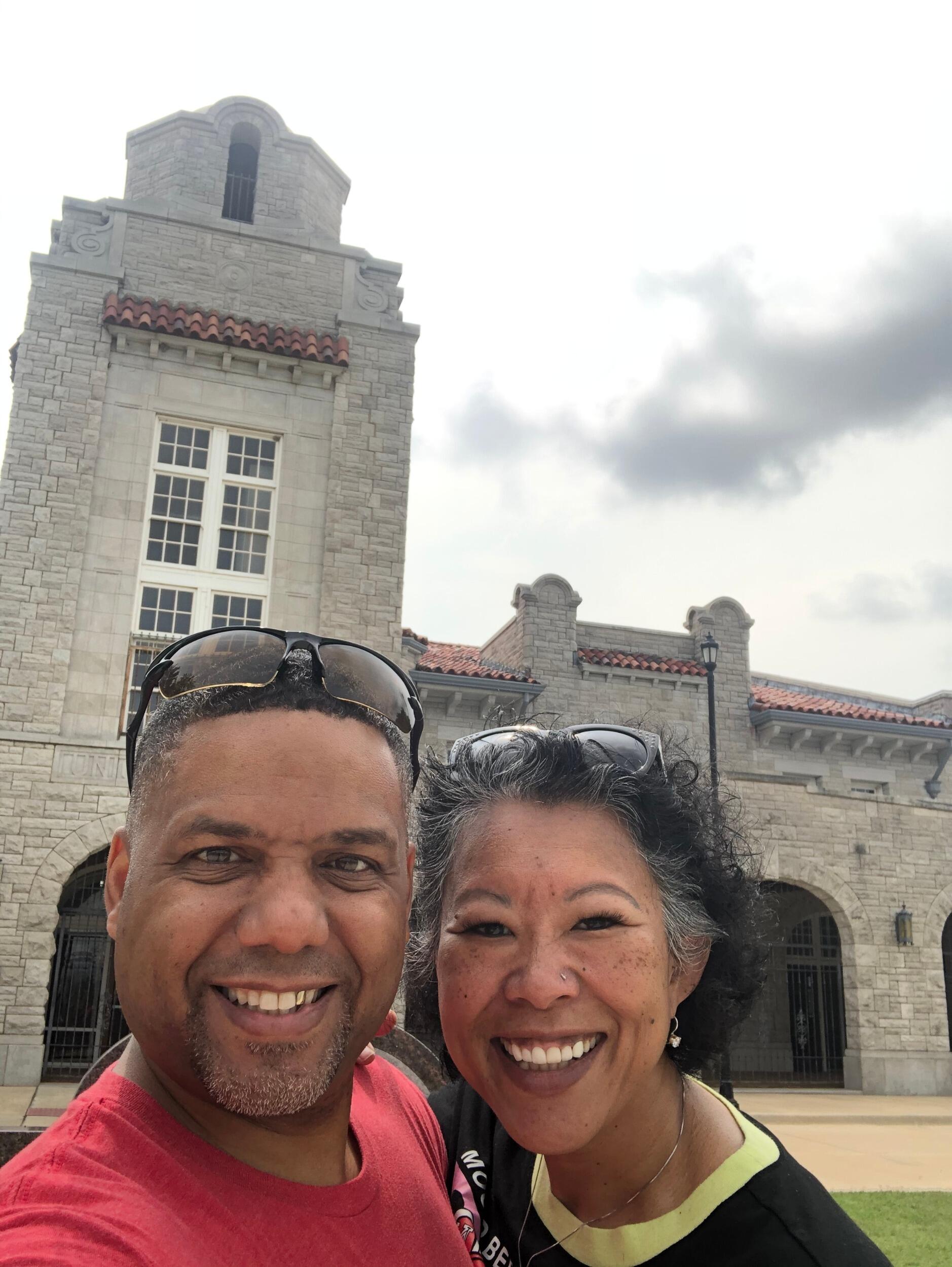
September 13, 2020
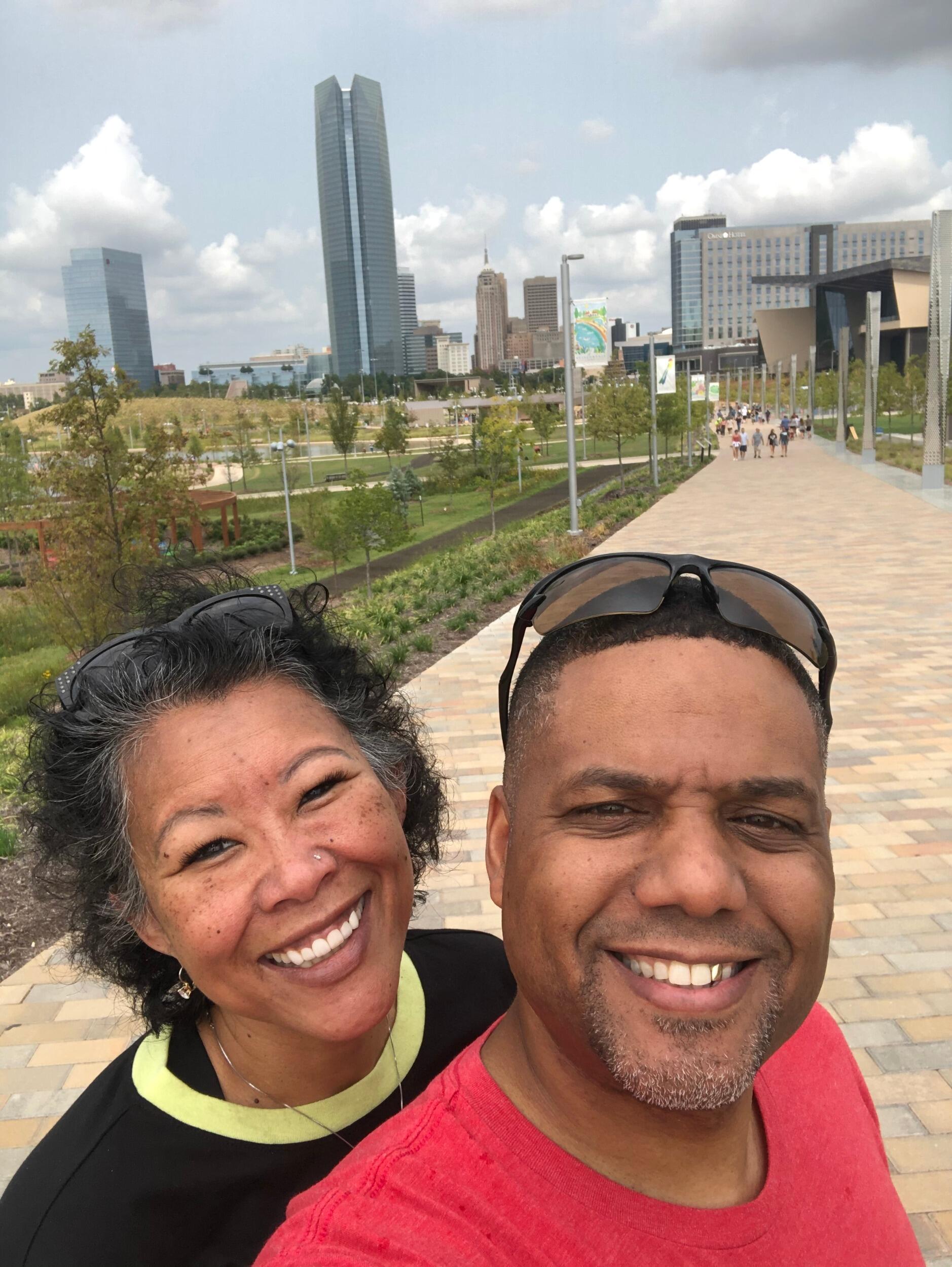
September 13, 2020

September 14, 2020
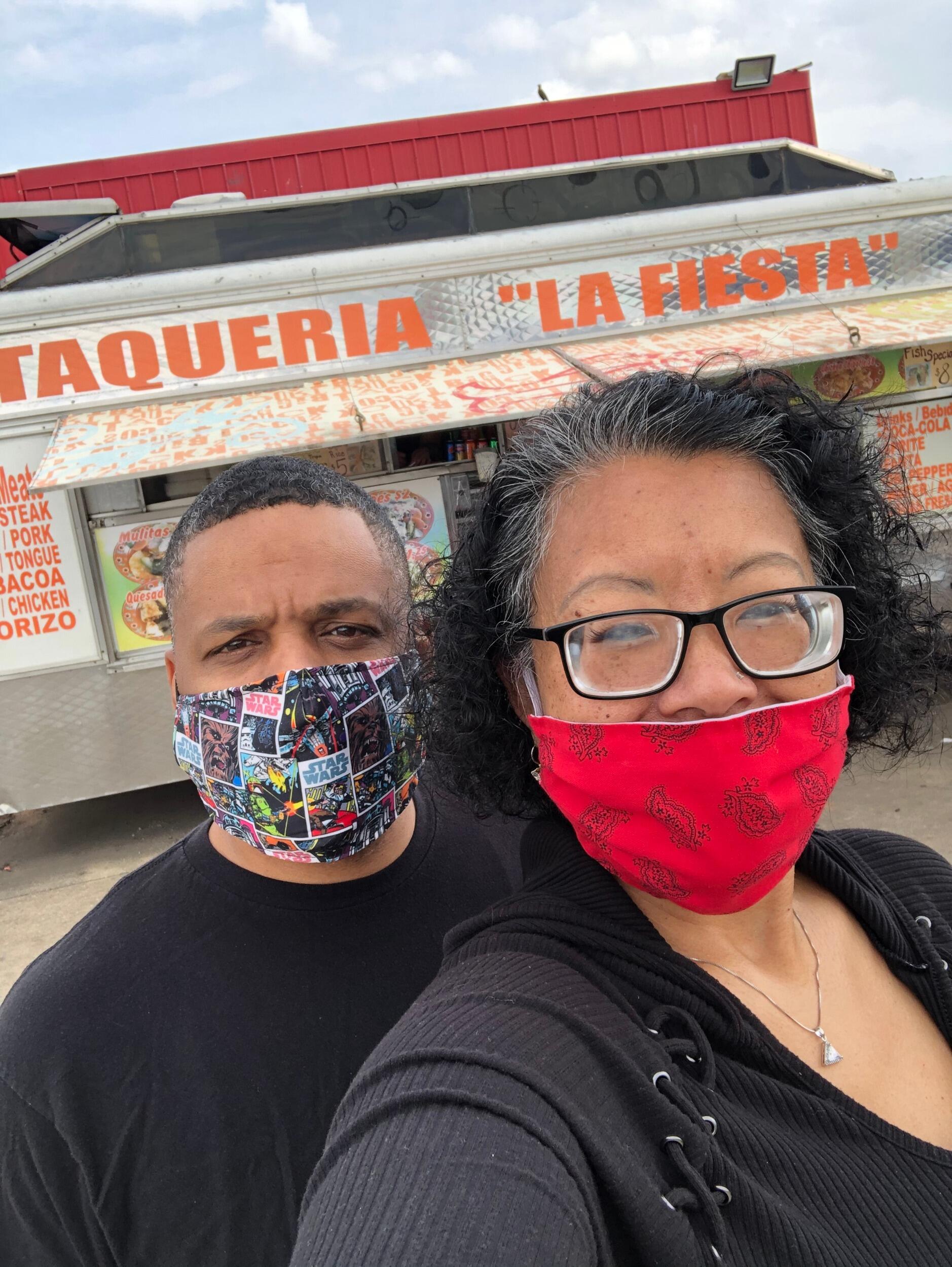
September 15, 2020
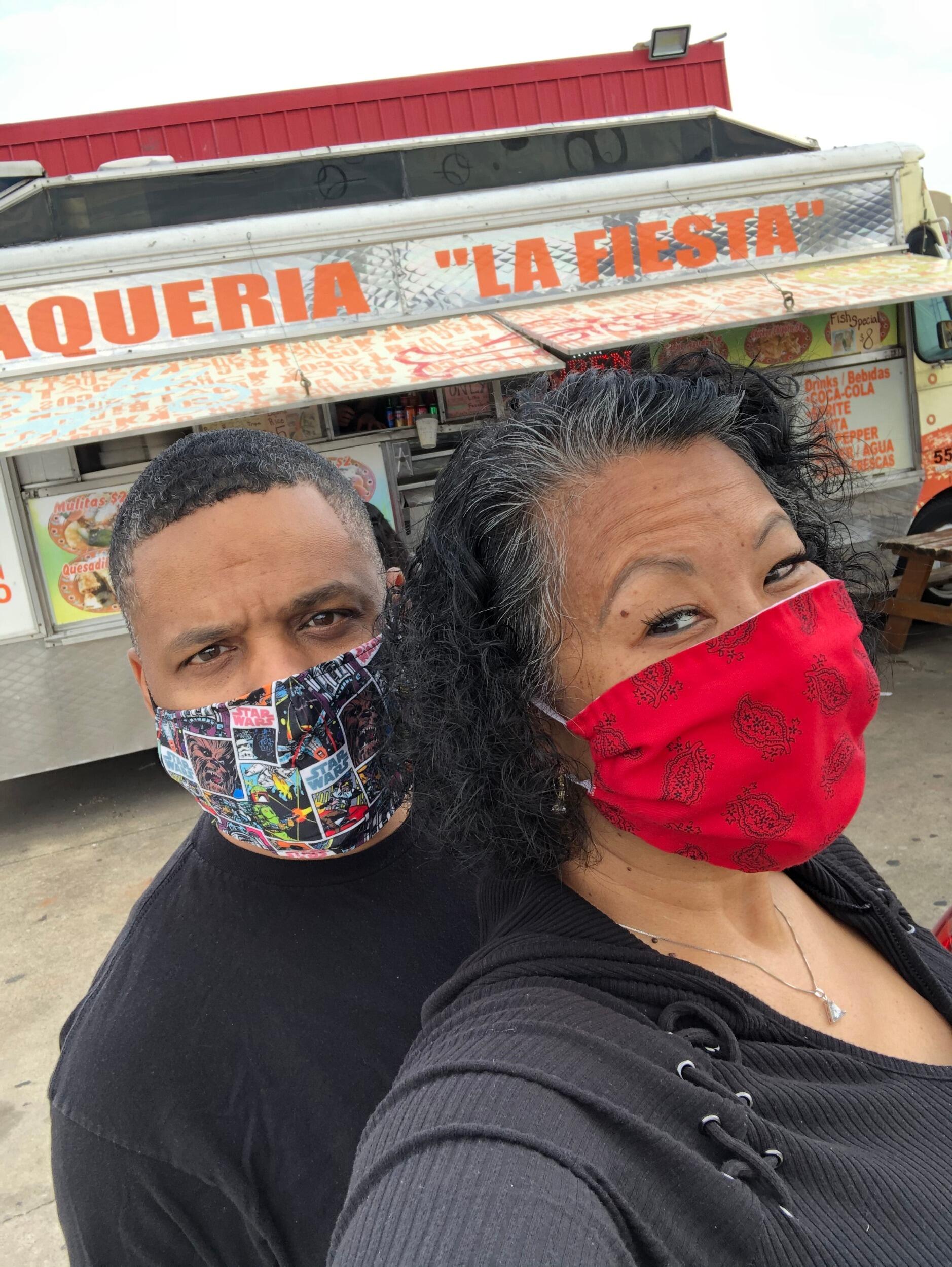
September 15, 2020
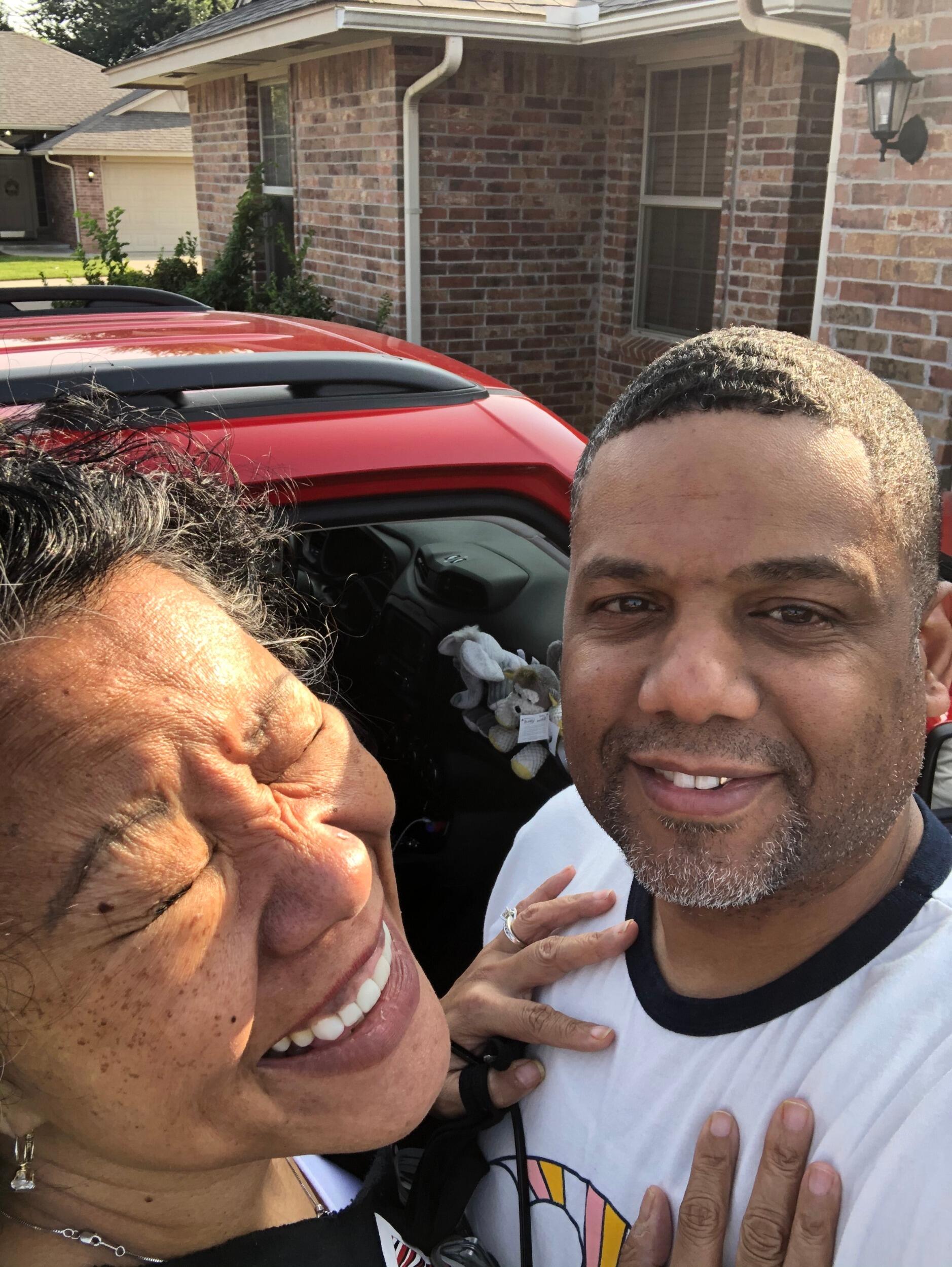
September 16, 2020
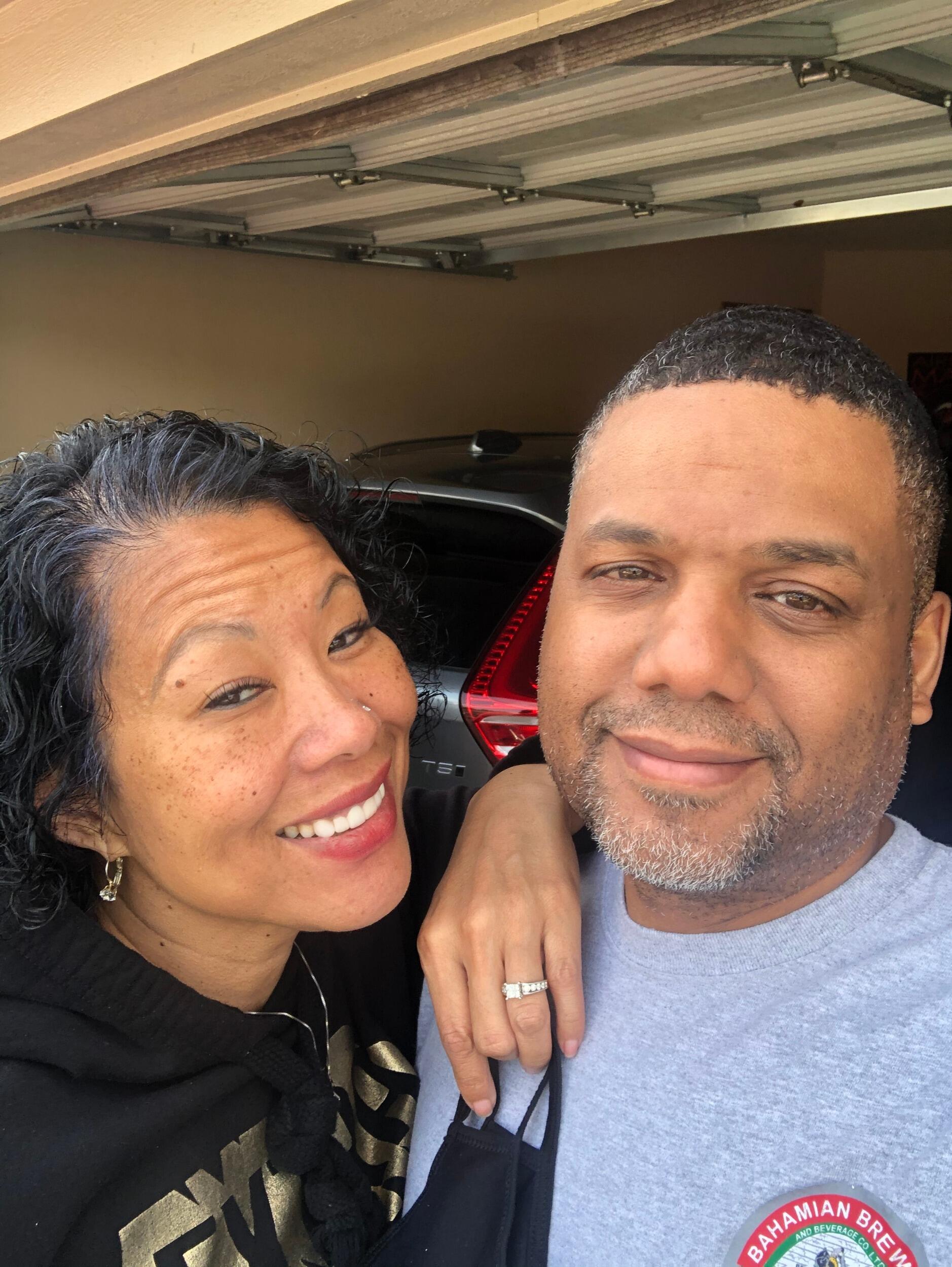
September 16, 2020
September 18, 2020
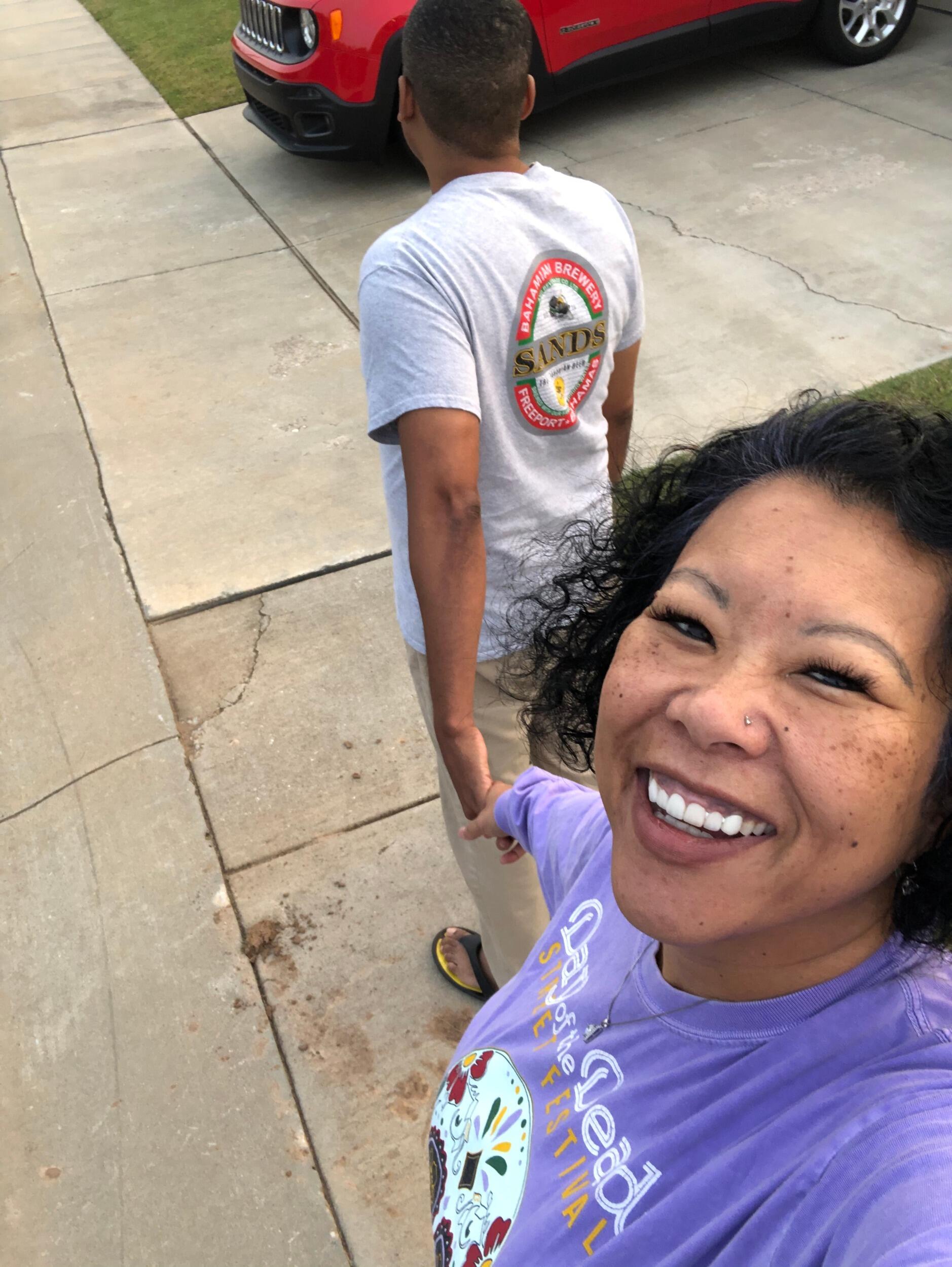
September 18, 2020
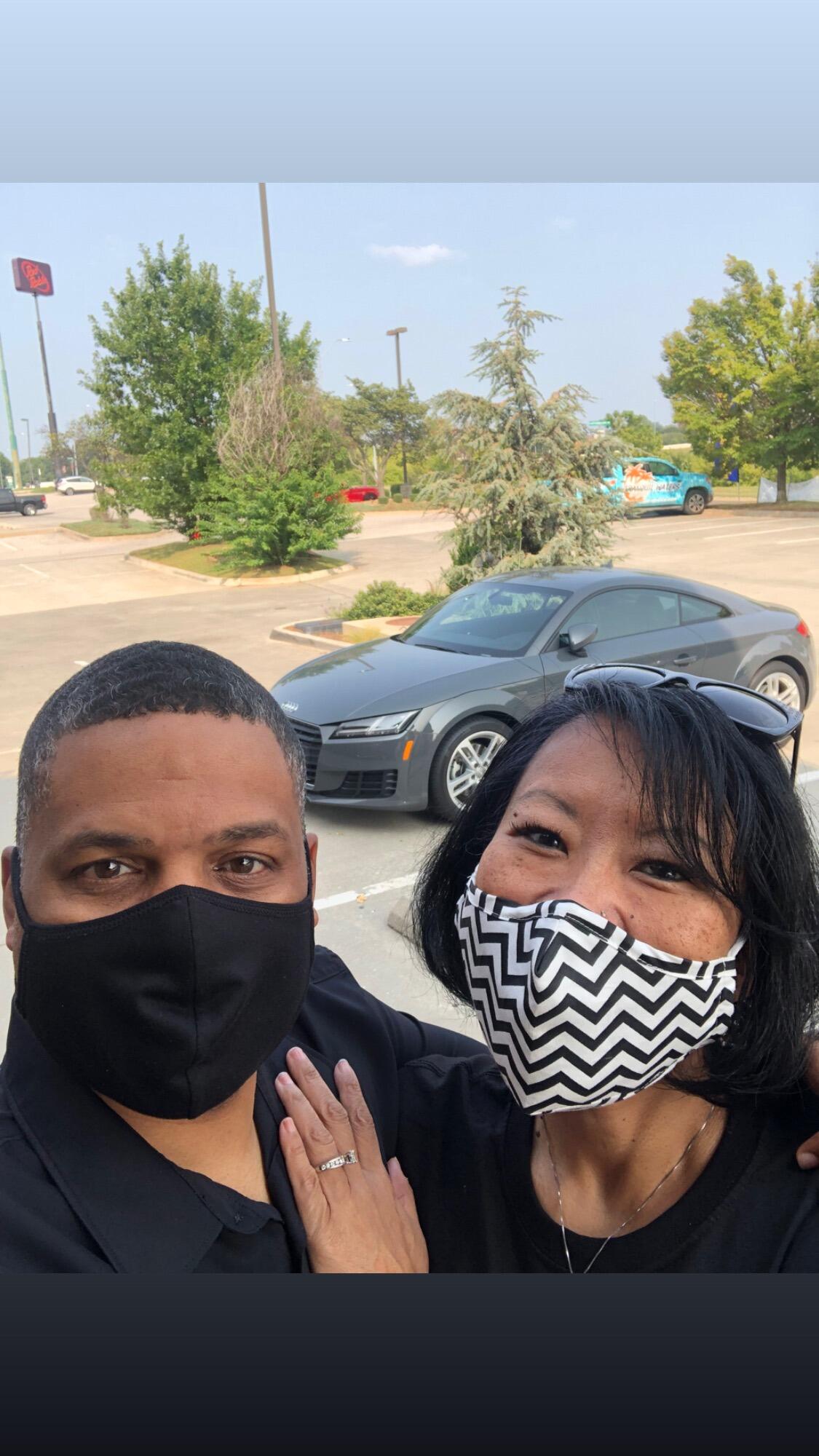
September 19, 2020

September 19, 2020

September 19, 2020
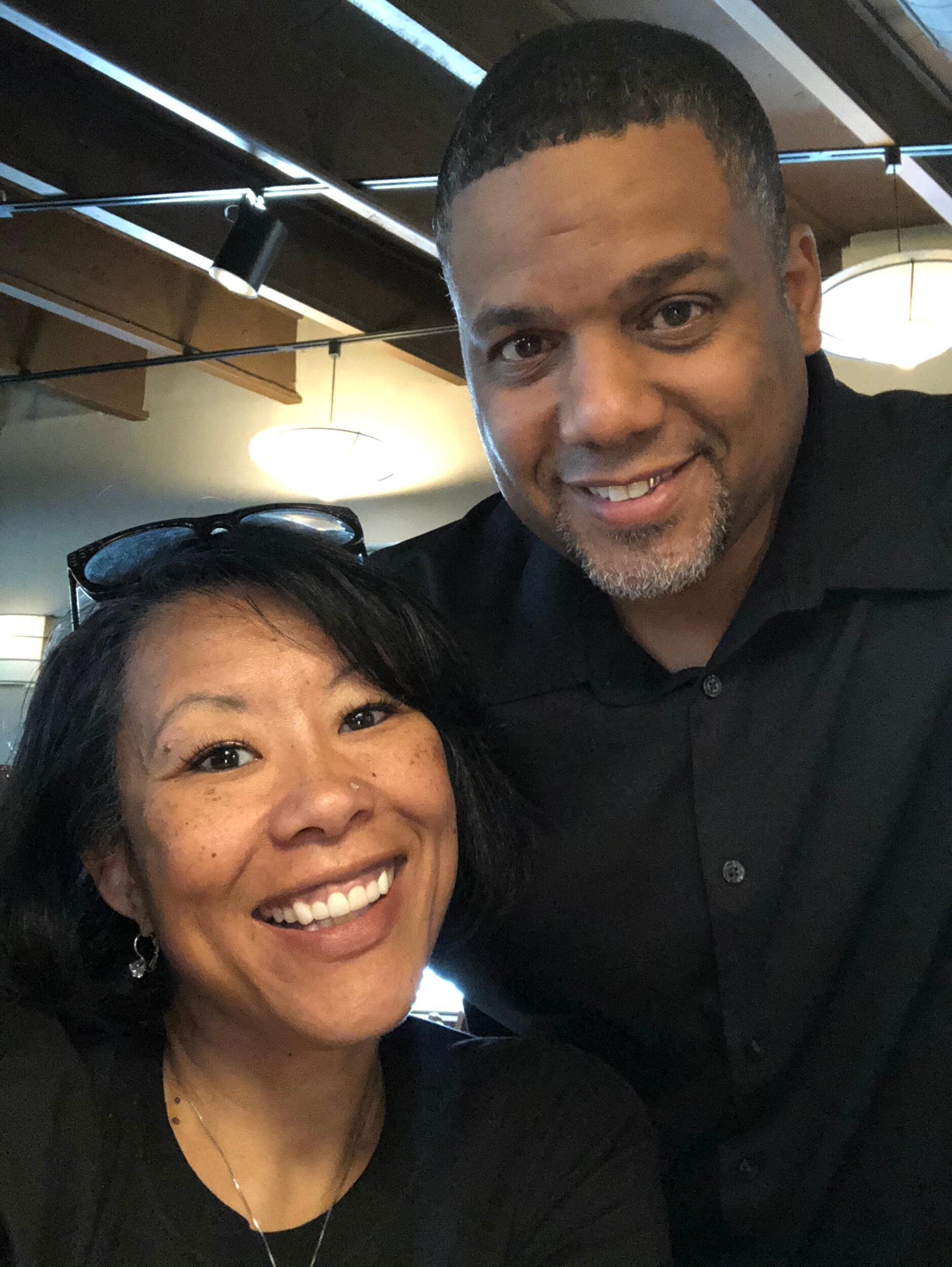
September 19, 2020
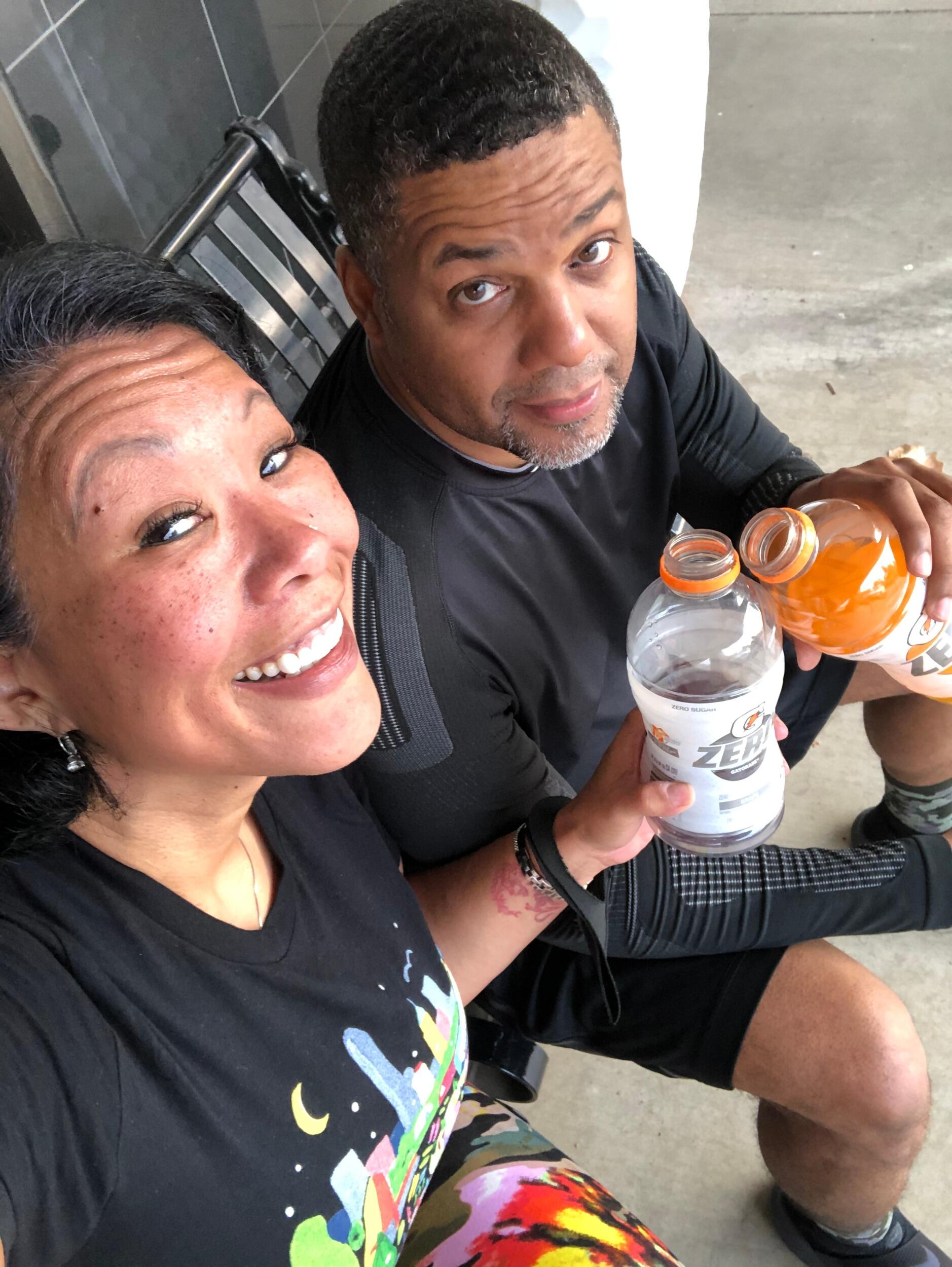
September 20, 2020
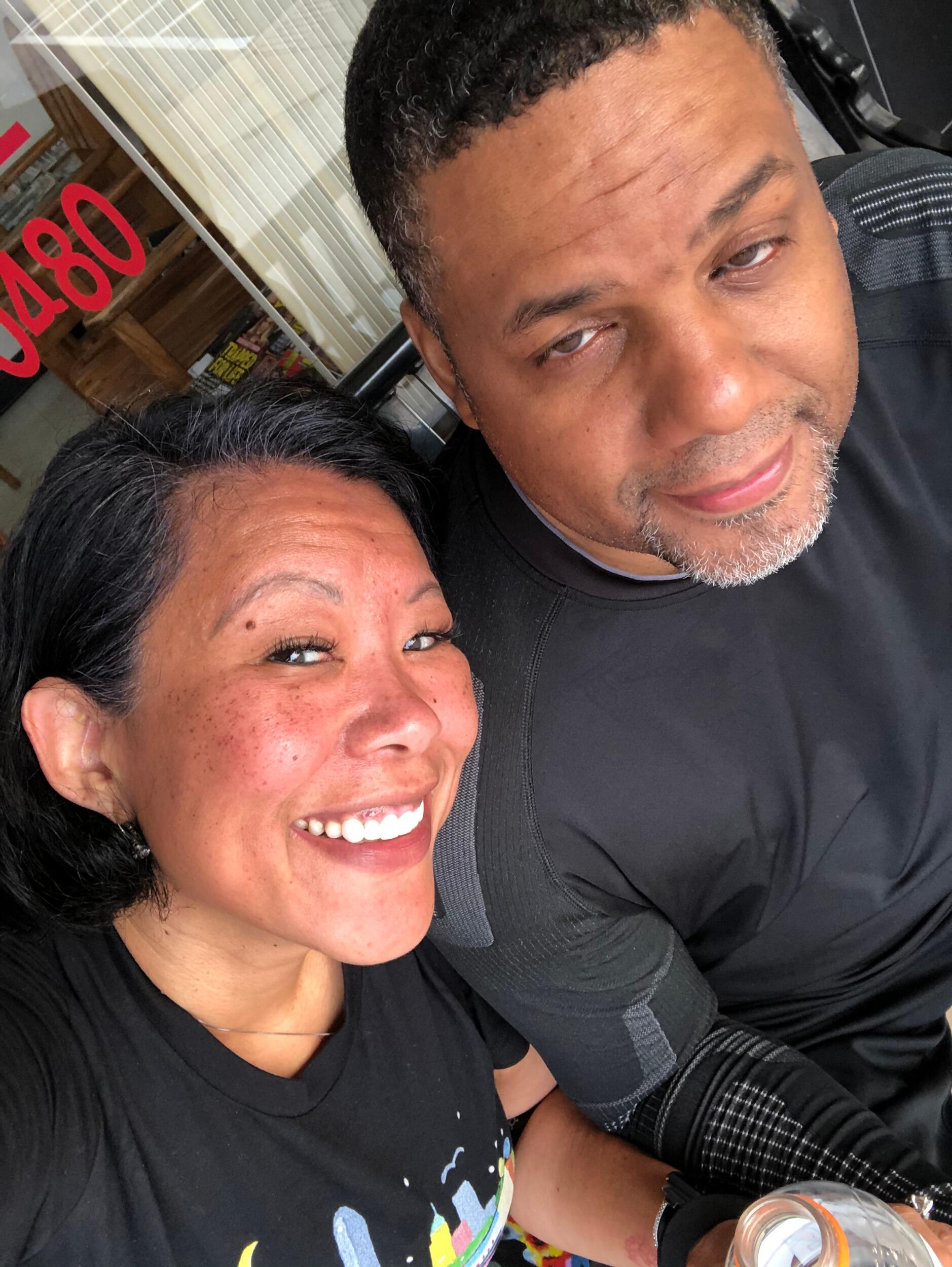
September 20, 2020

September 20, 2020
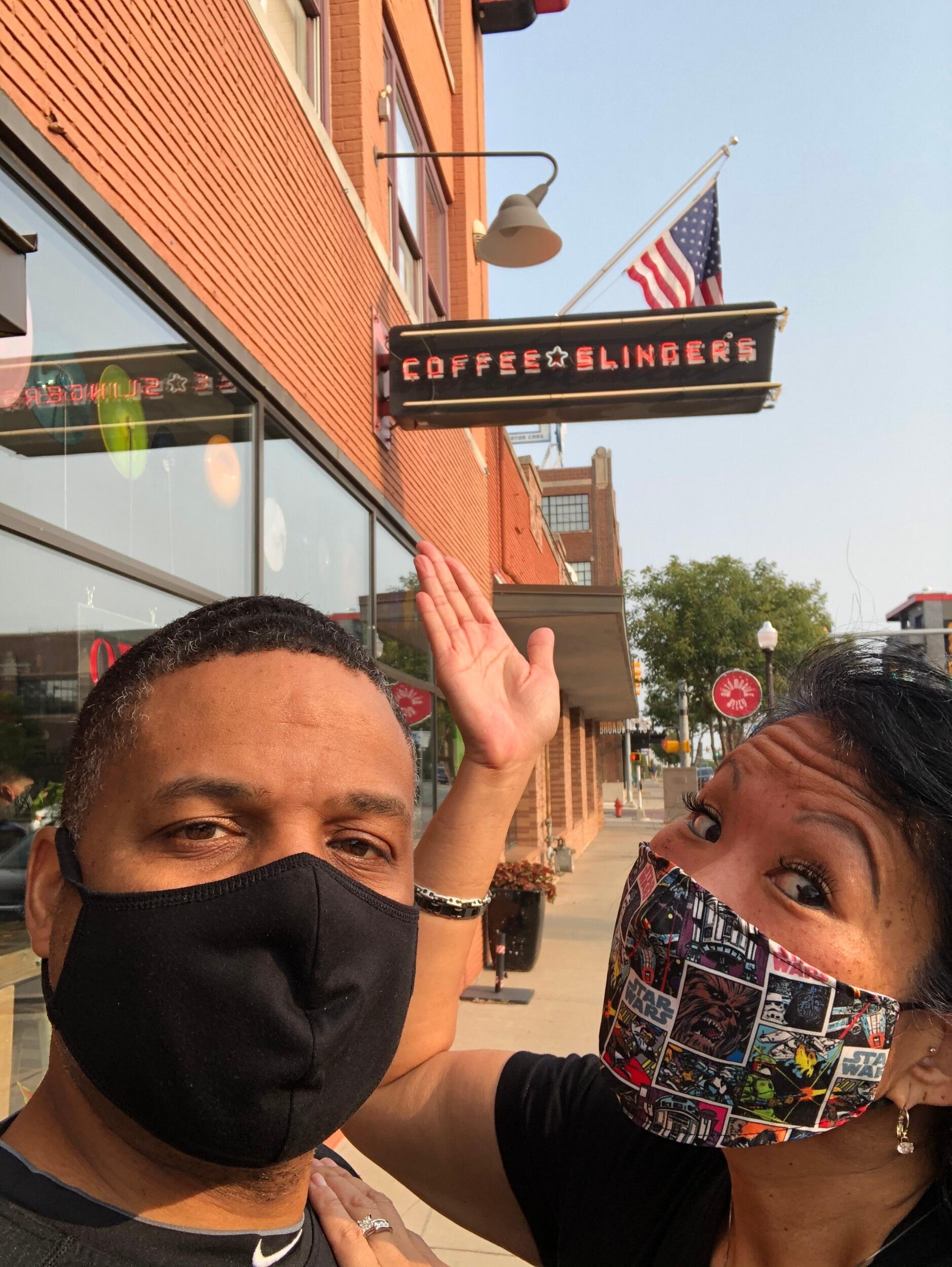
September 20, 2020
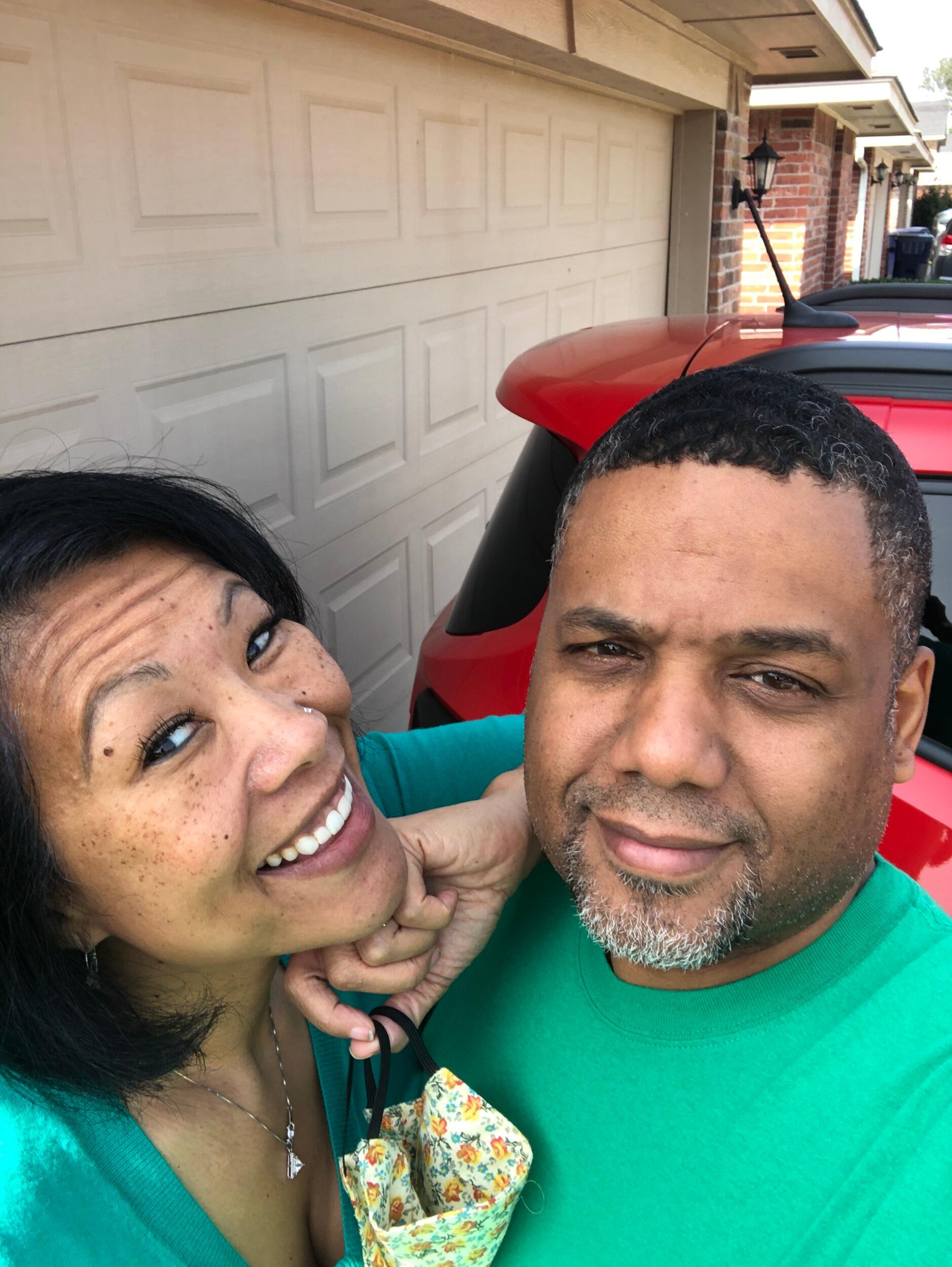
September 20, 2020

September 22, 2020
It's on the KNOT! The Venue is BOOKED!
September 23, 2020
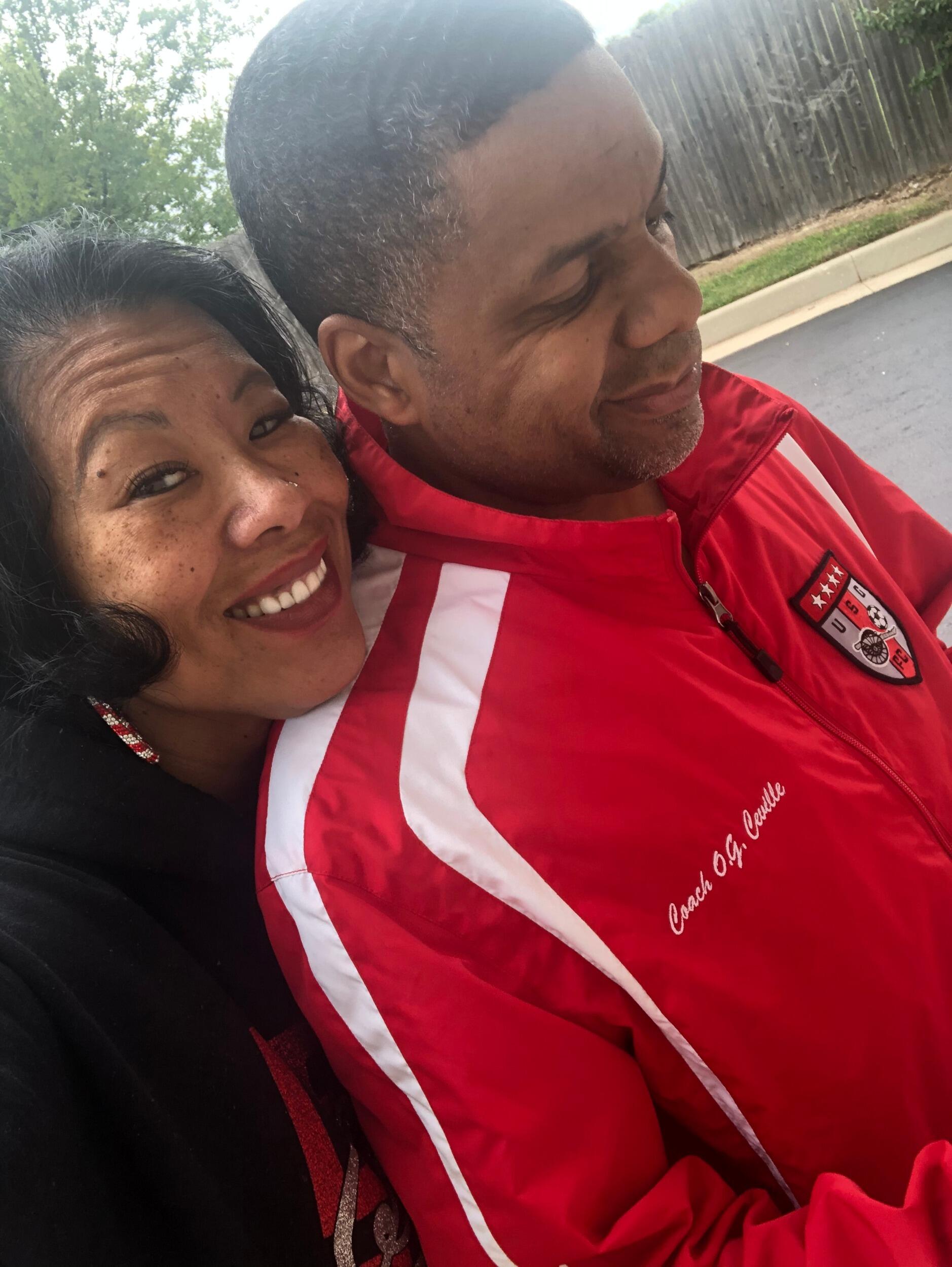
September 23, 2020
September 23, 2020
September 23, 2020

September 24, 2020

September 24, 2020

September 26, 2020
September 26, 2020
September 27, 2020
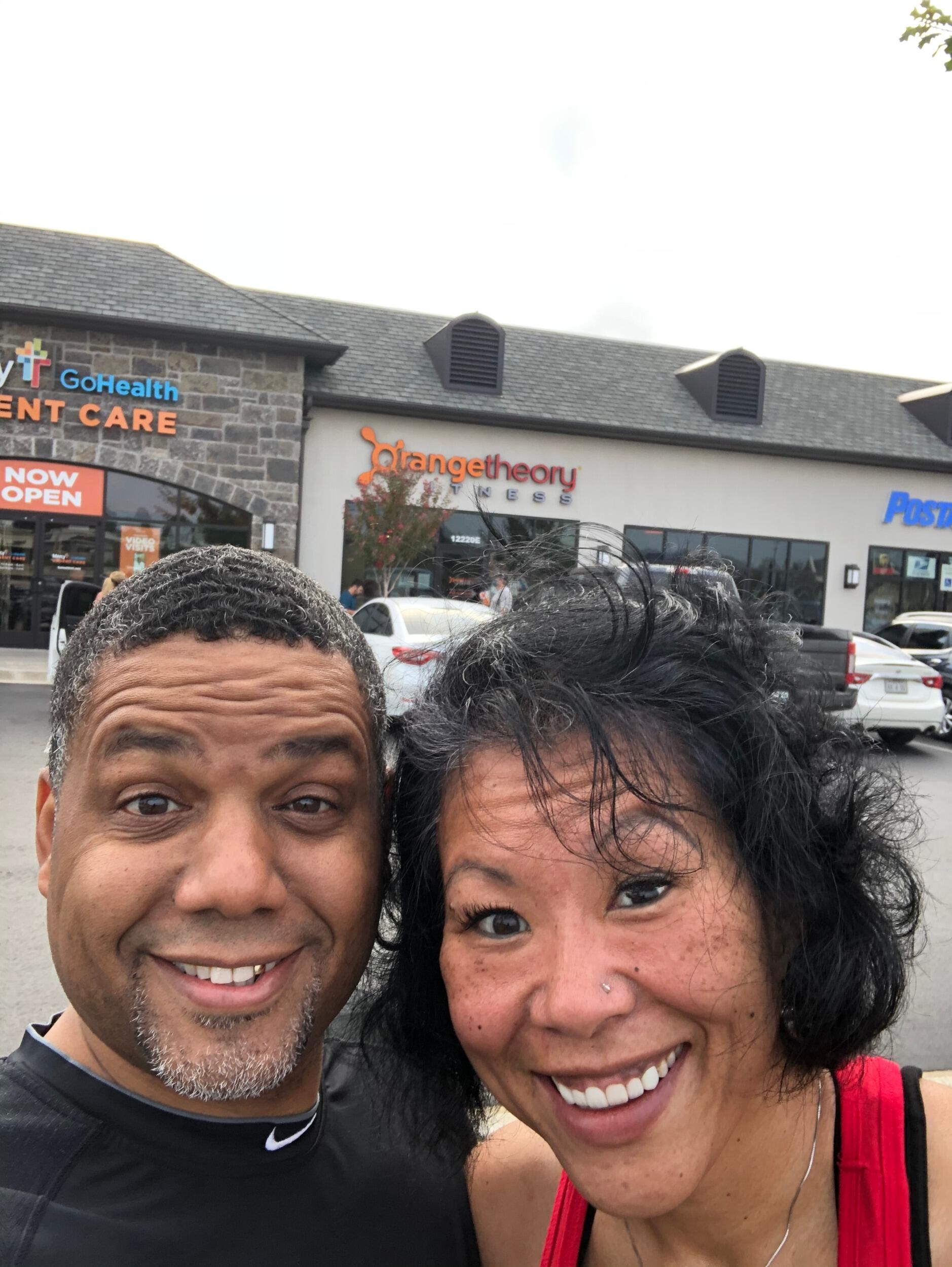
September 27, 2020
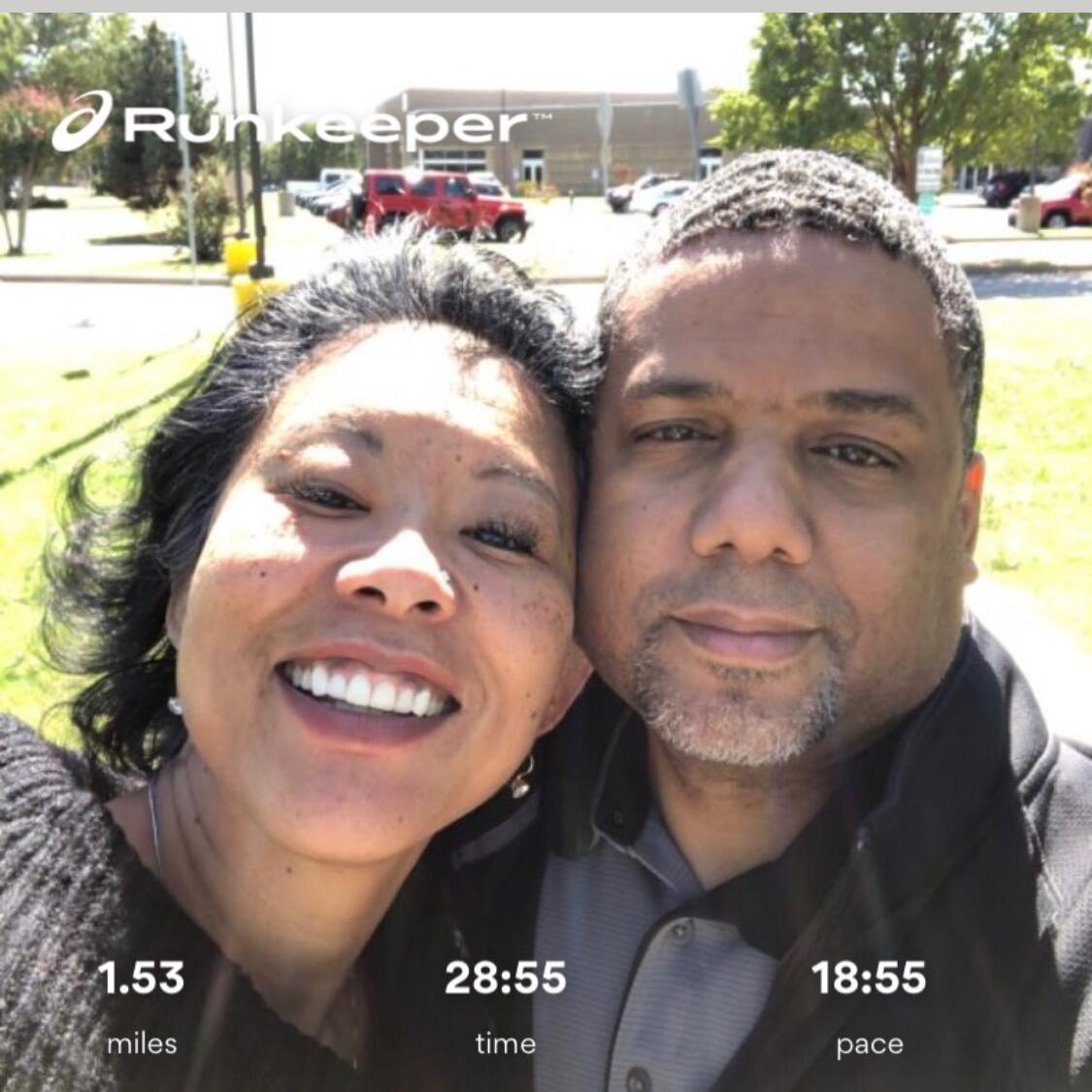
September 28, 2020
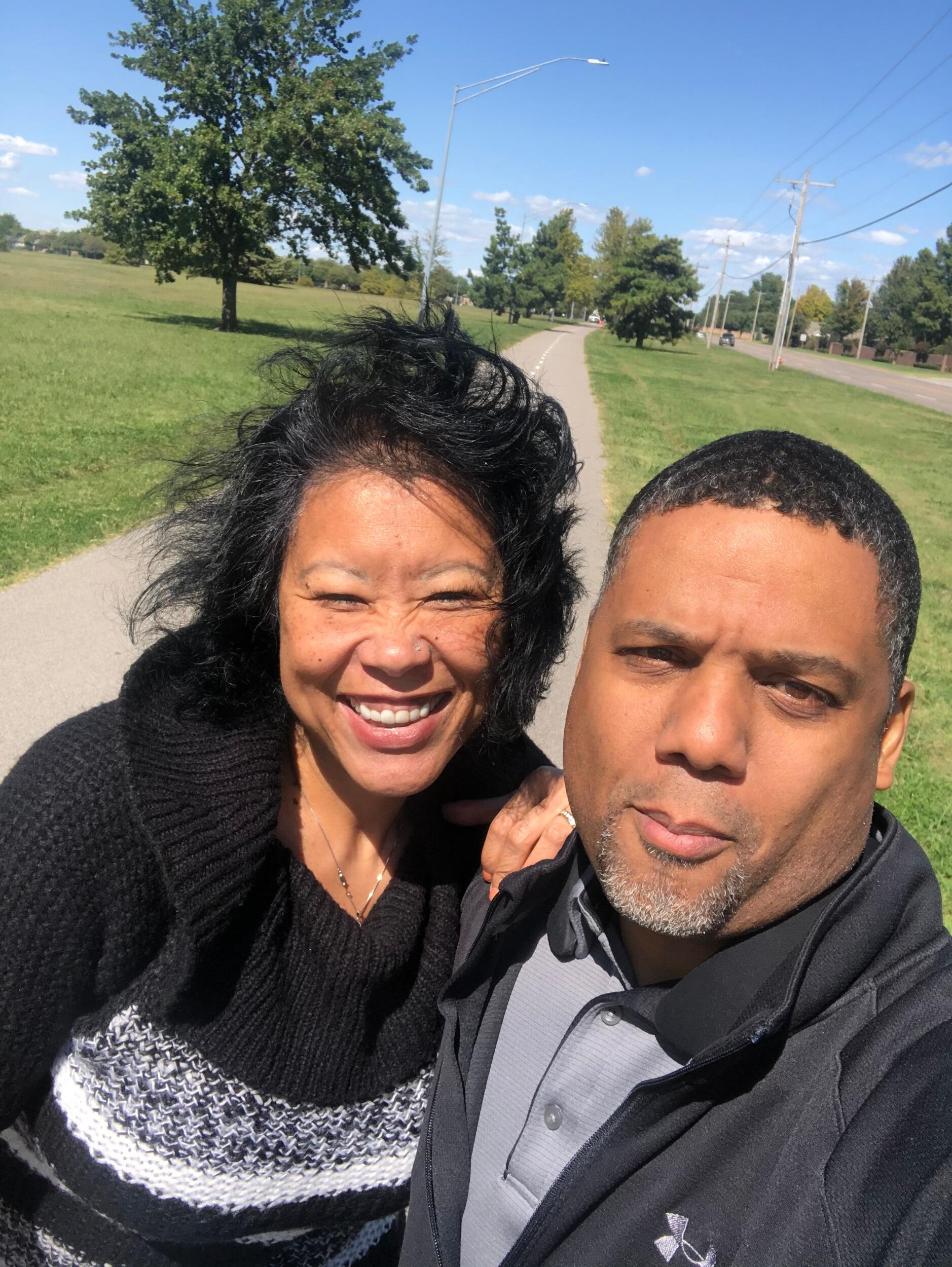
September 28, 2020
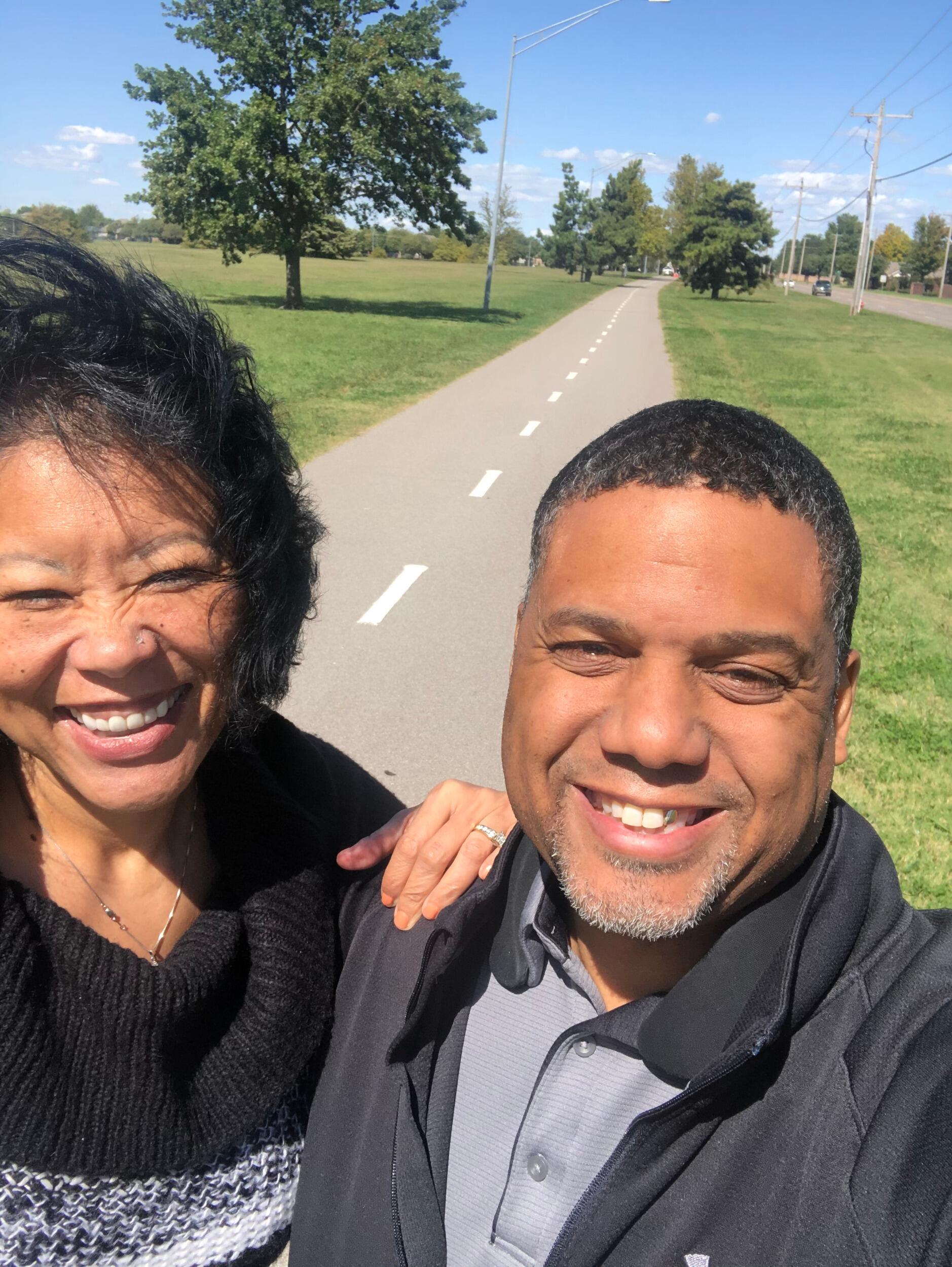
September 28, 2020
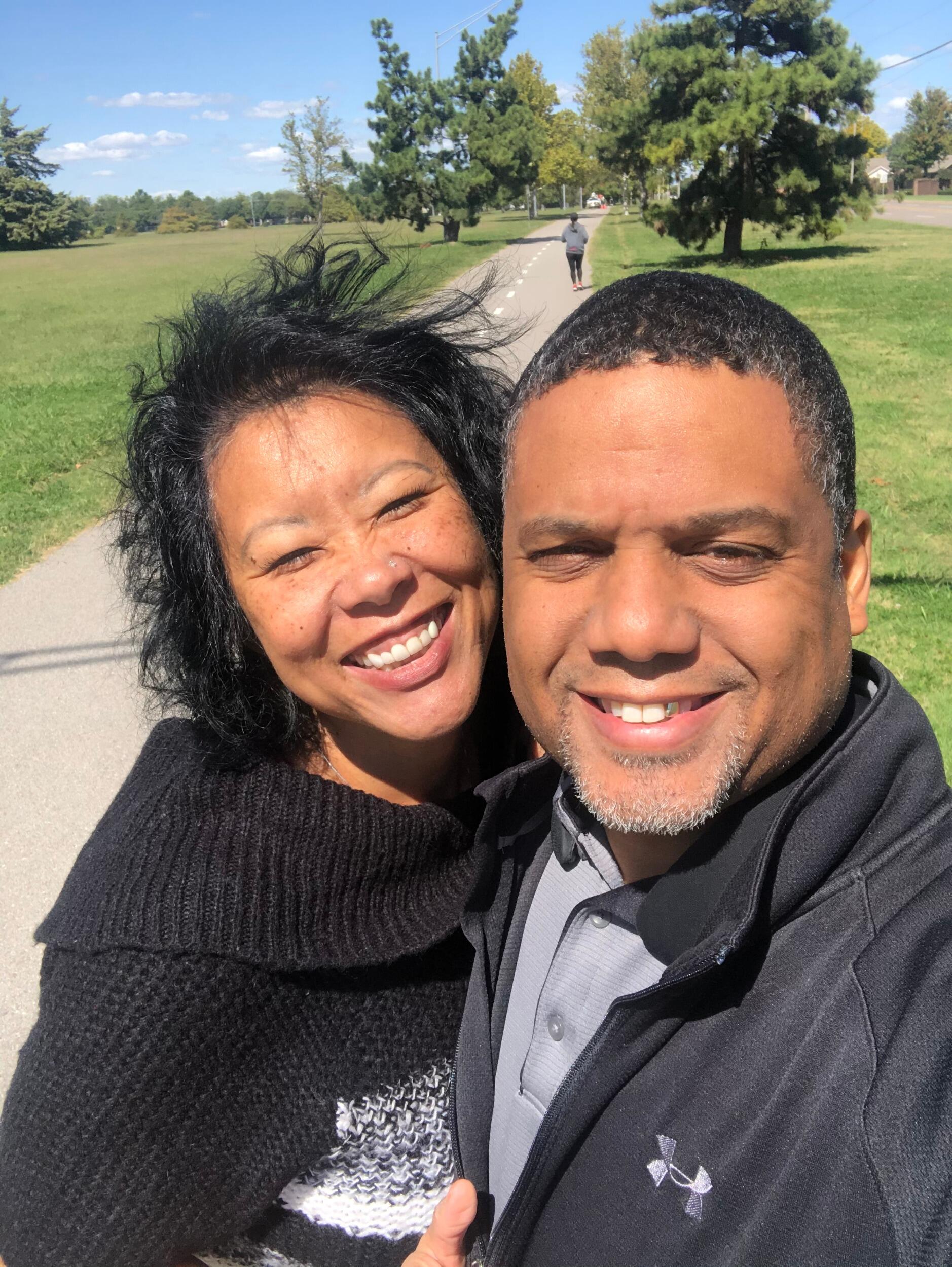
September 28, 2020
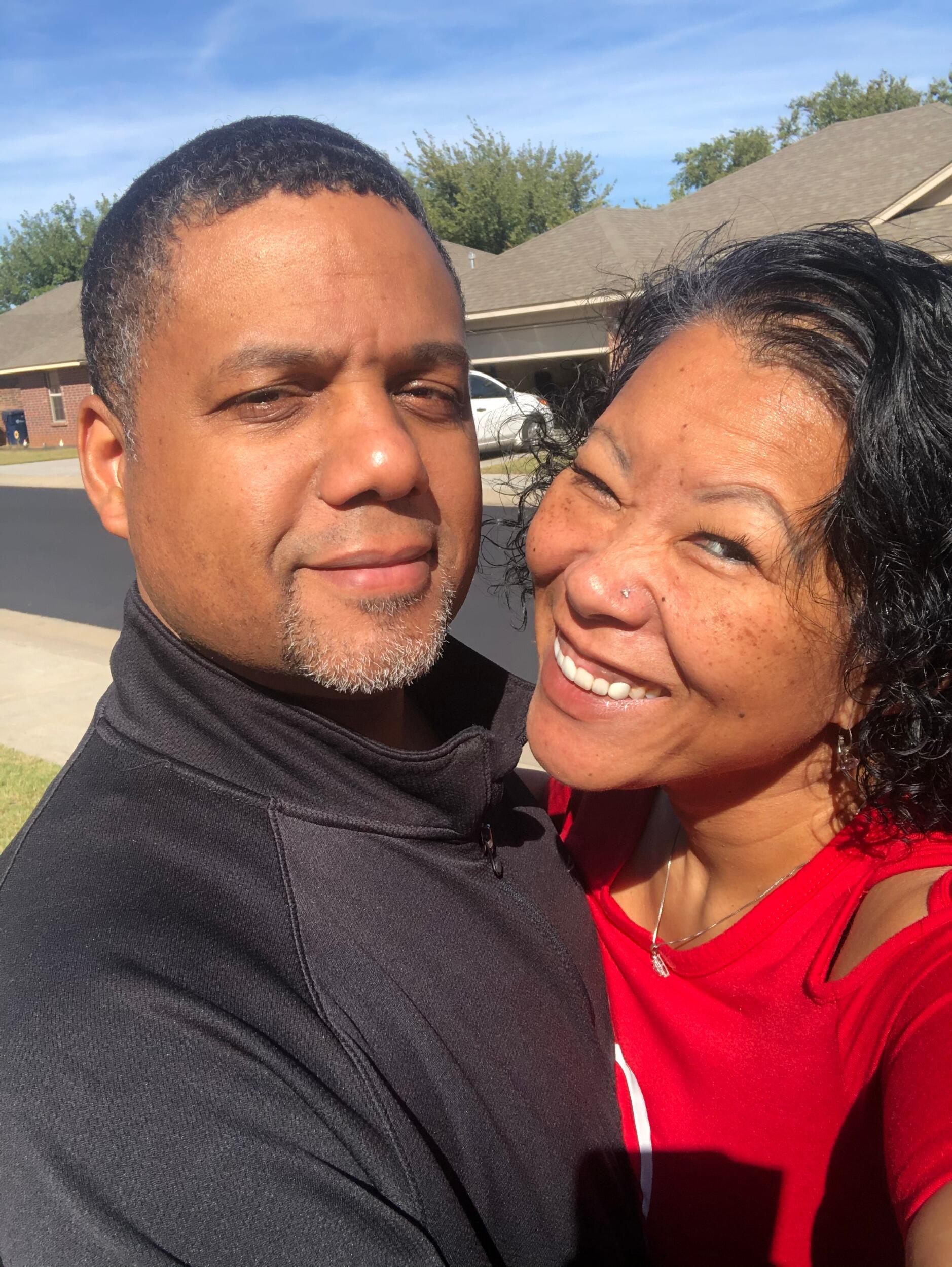
September 29, 2020

September 30, 2020

October 01, 2020

October 02, 2020
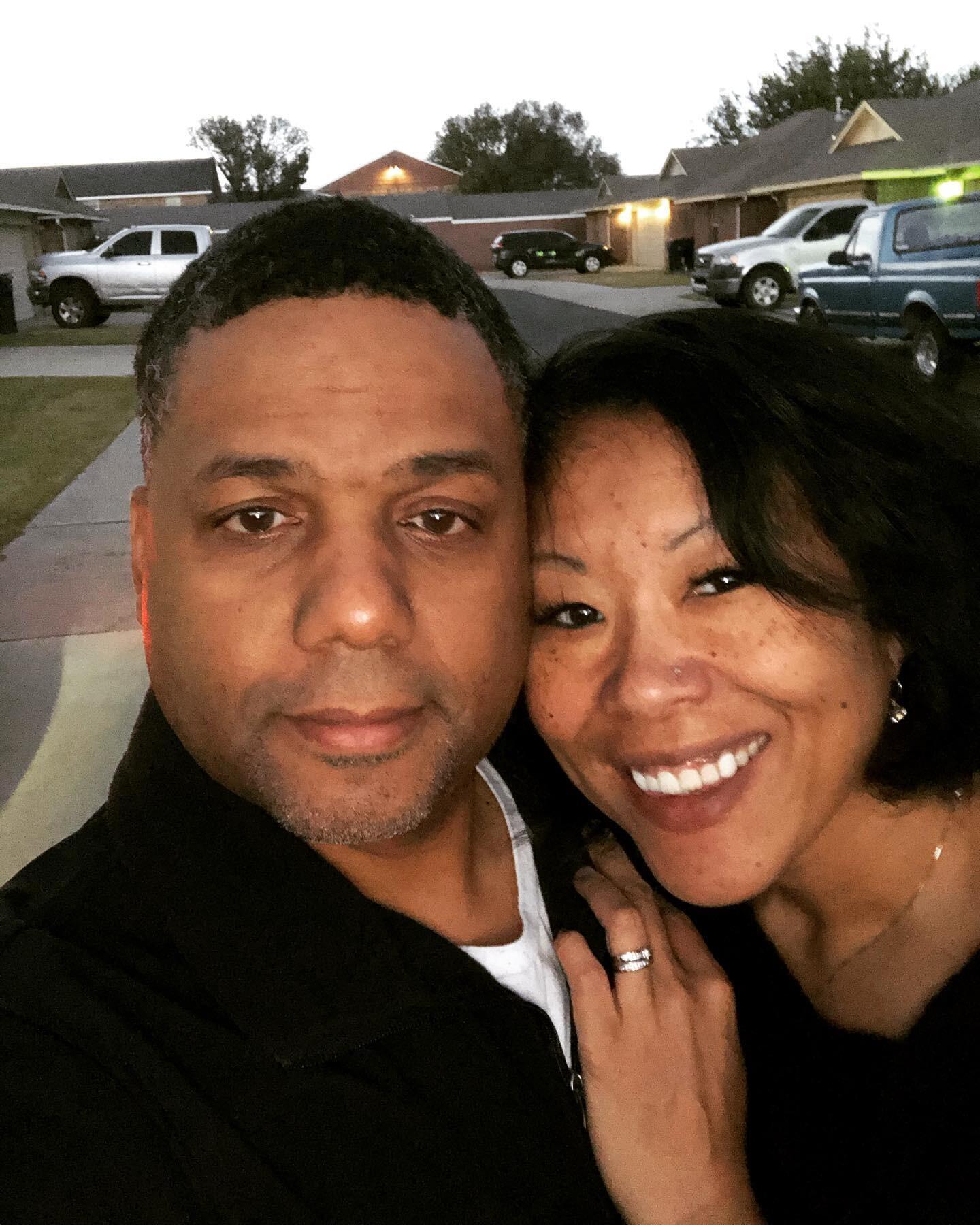
October 03, 2020
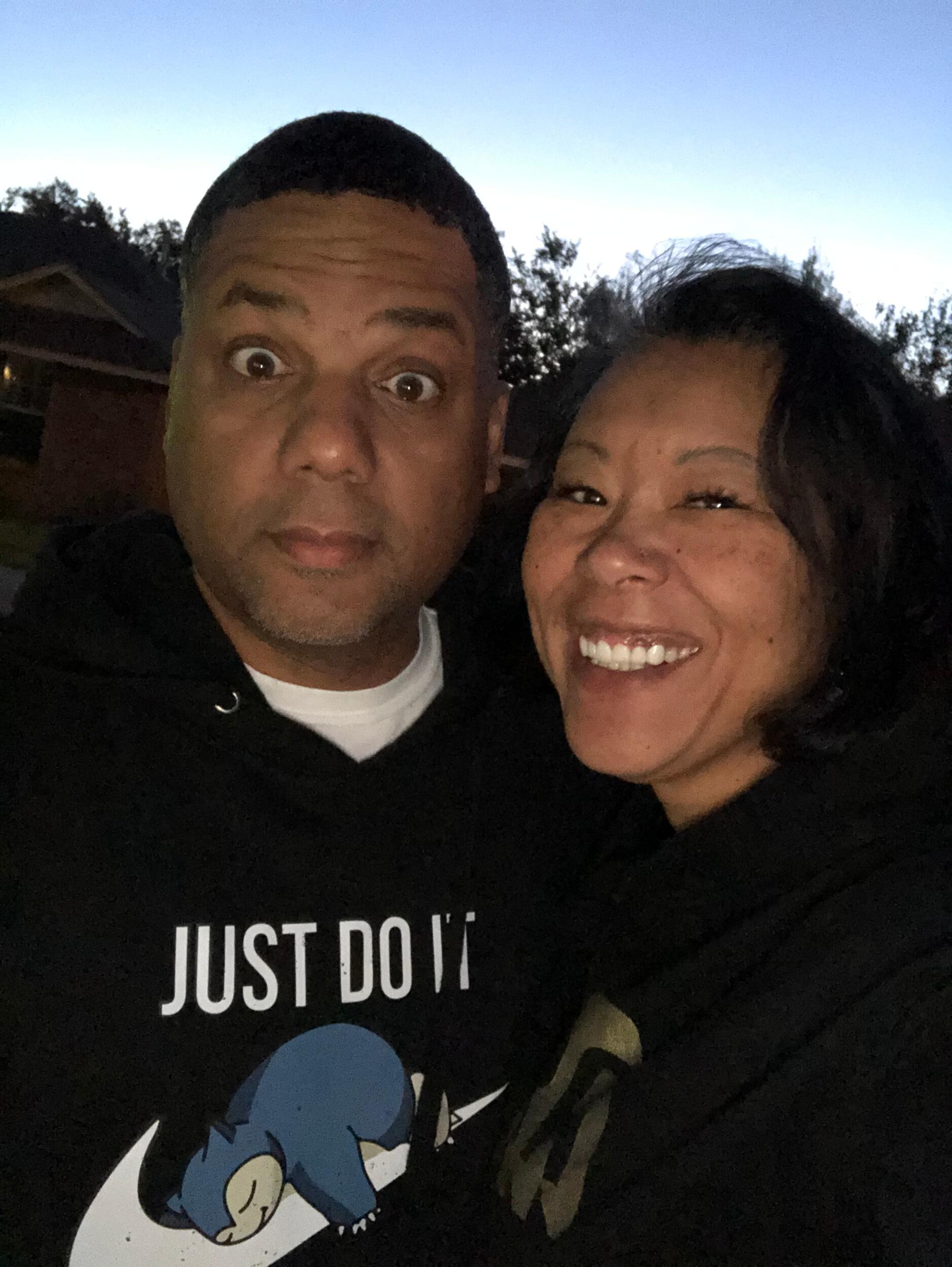
October 04, 2020
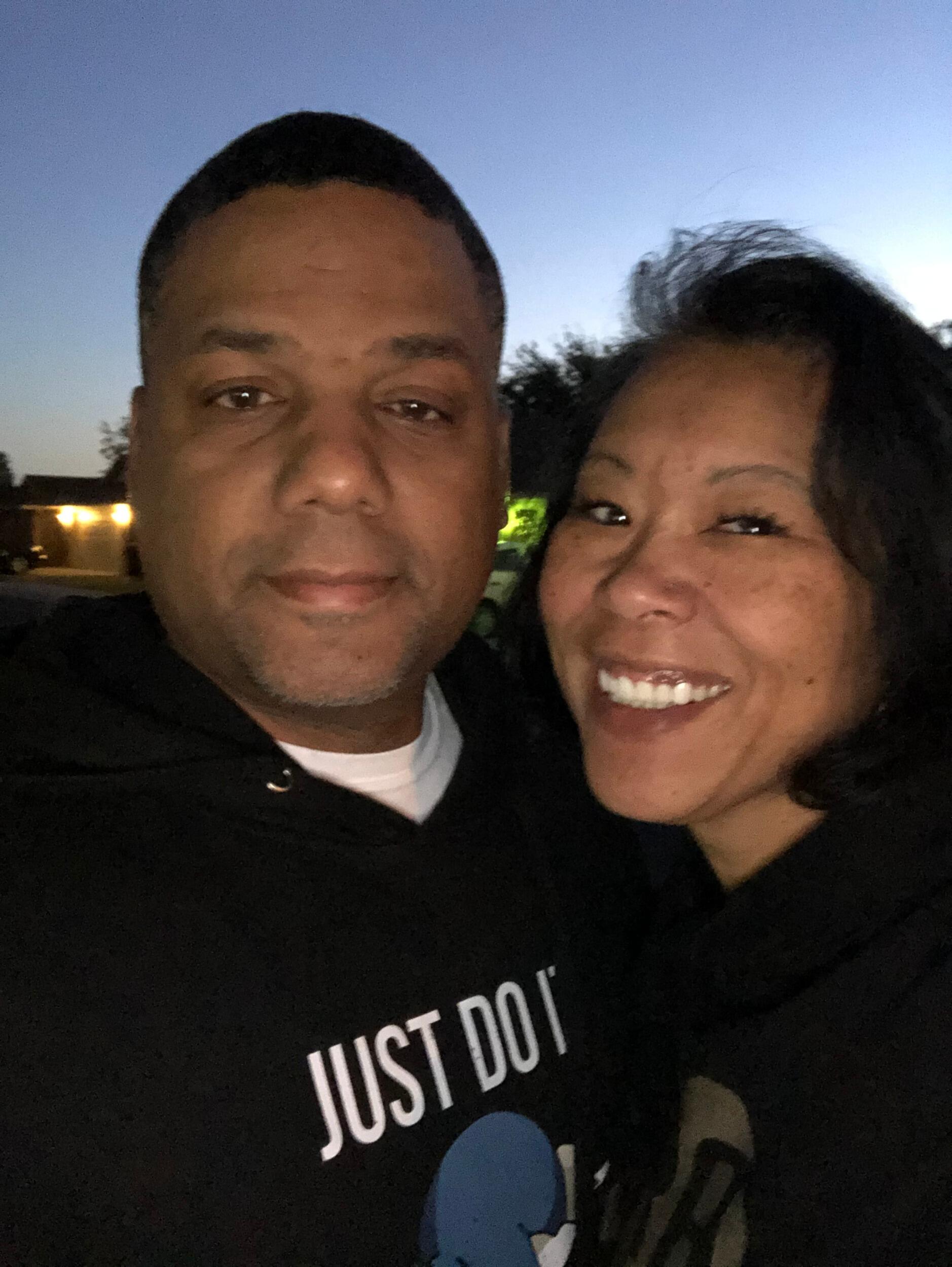
October 04, 2020

October 04, 2020

October 04, 2020

October 05, 2020

October 06, 2020

October 07, 2020

October 07, 2020
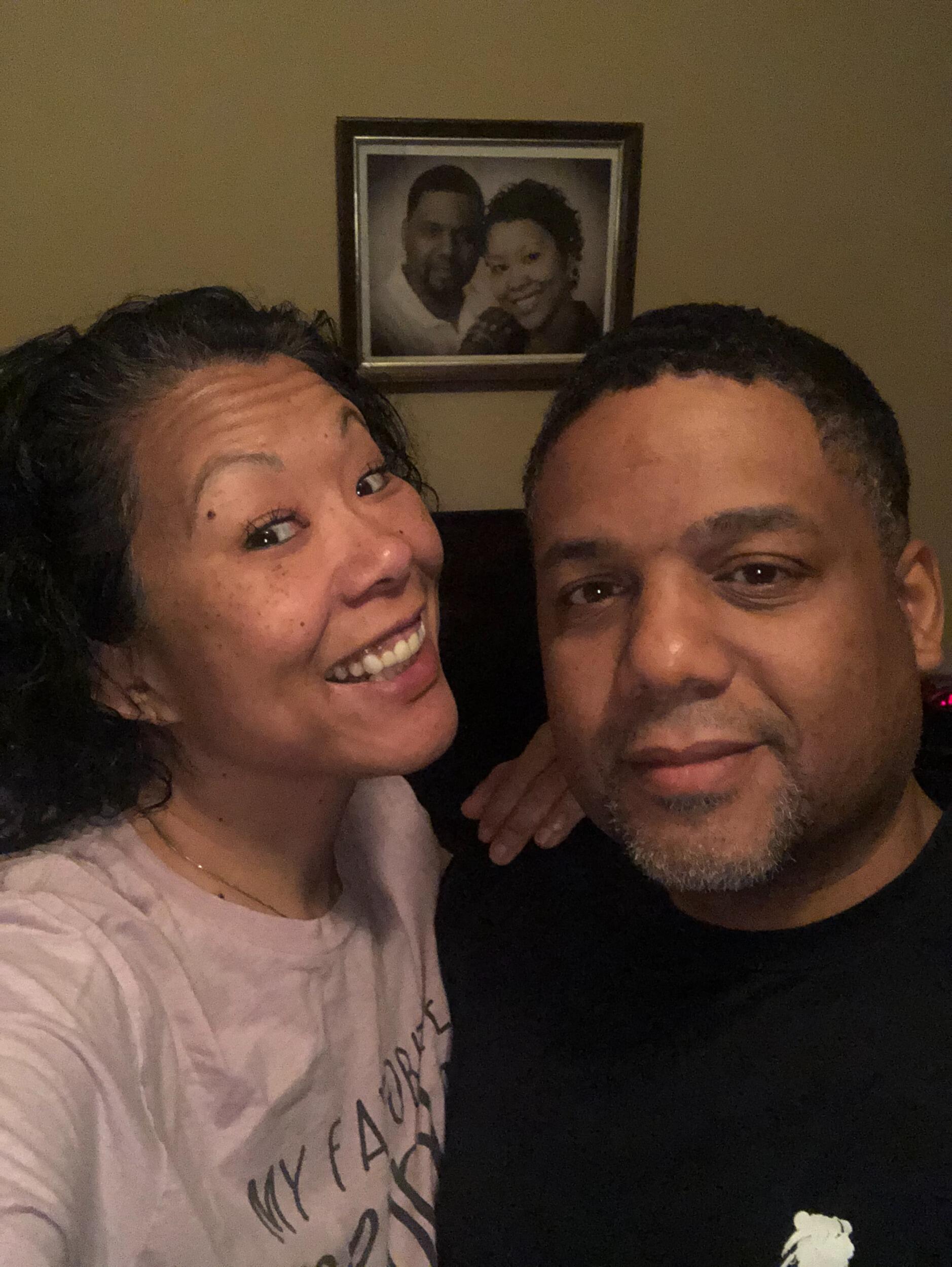
October 08, 2020
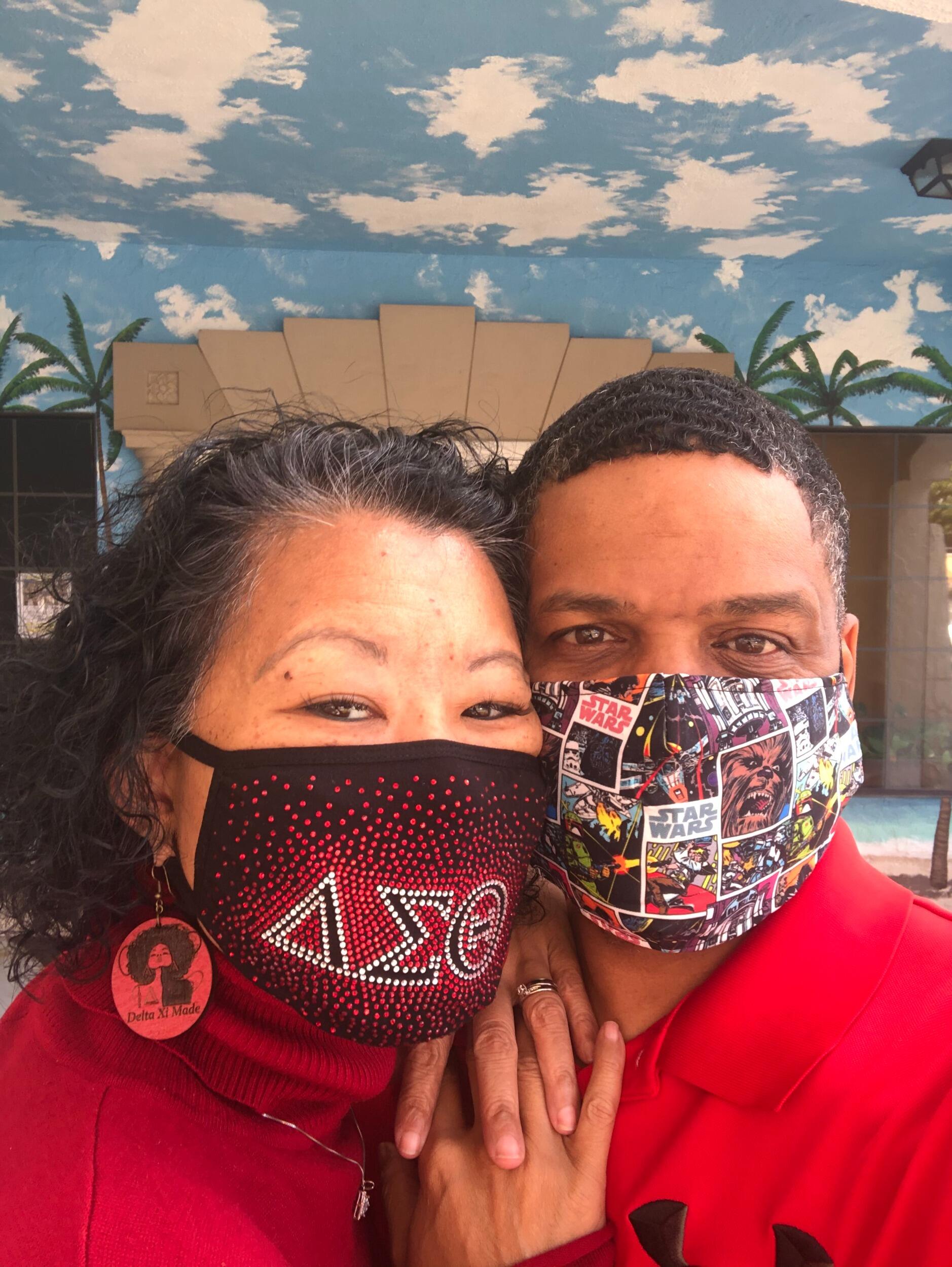
October 09, 2020
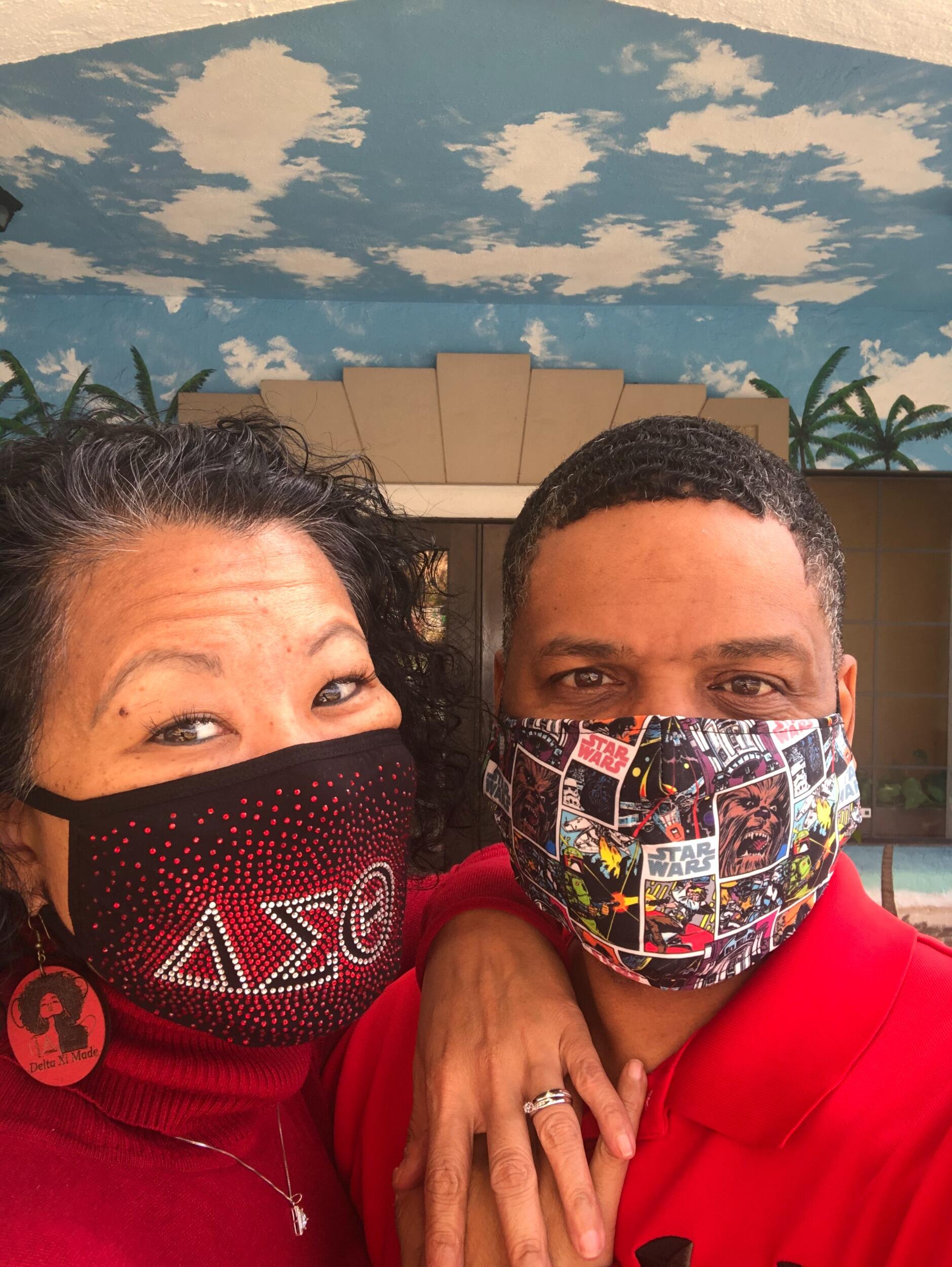
October 09, 2020

October 09, 2020
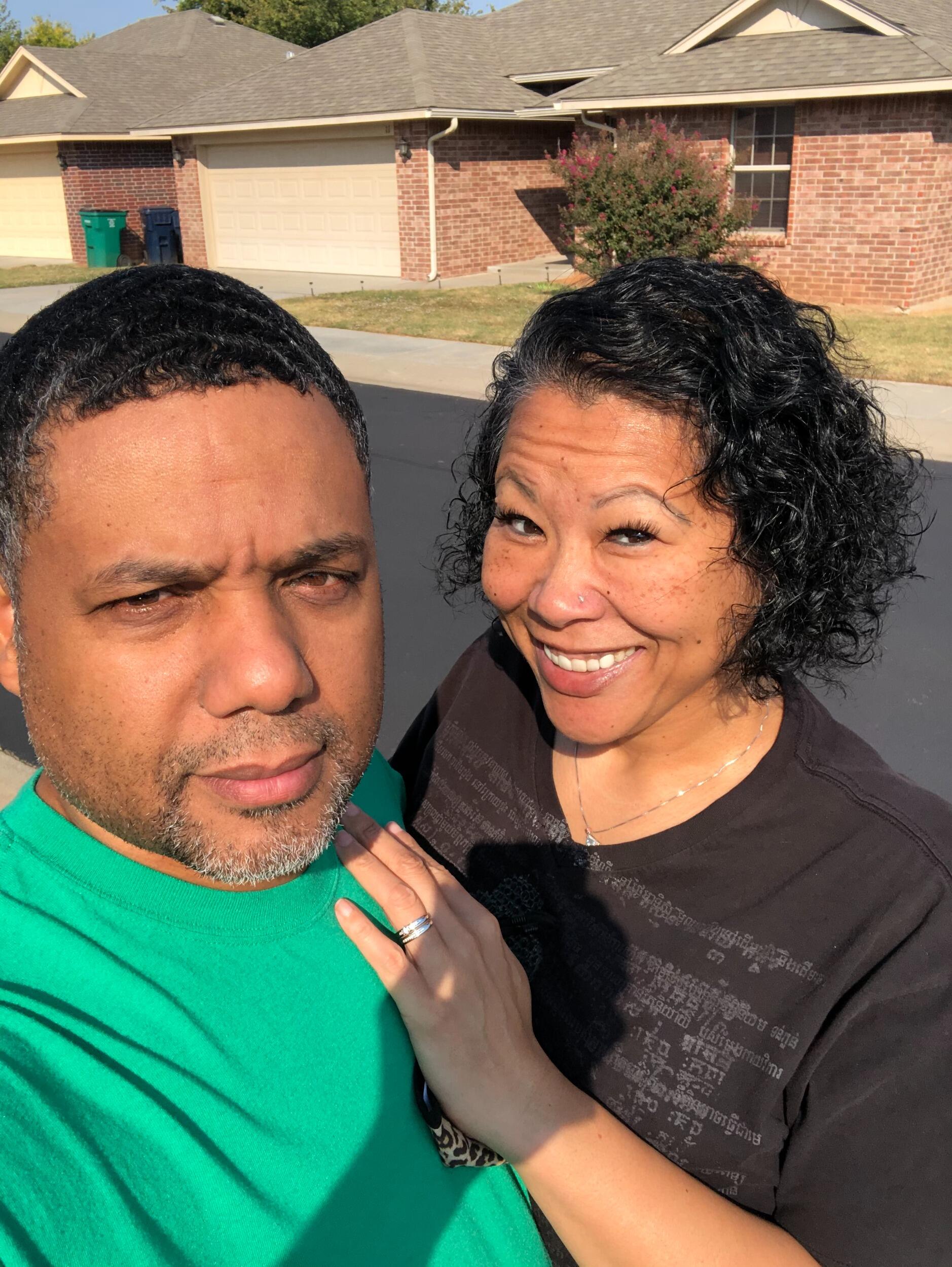
October 10, 2020
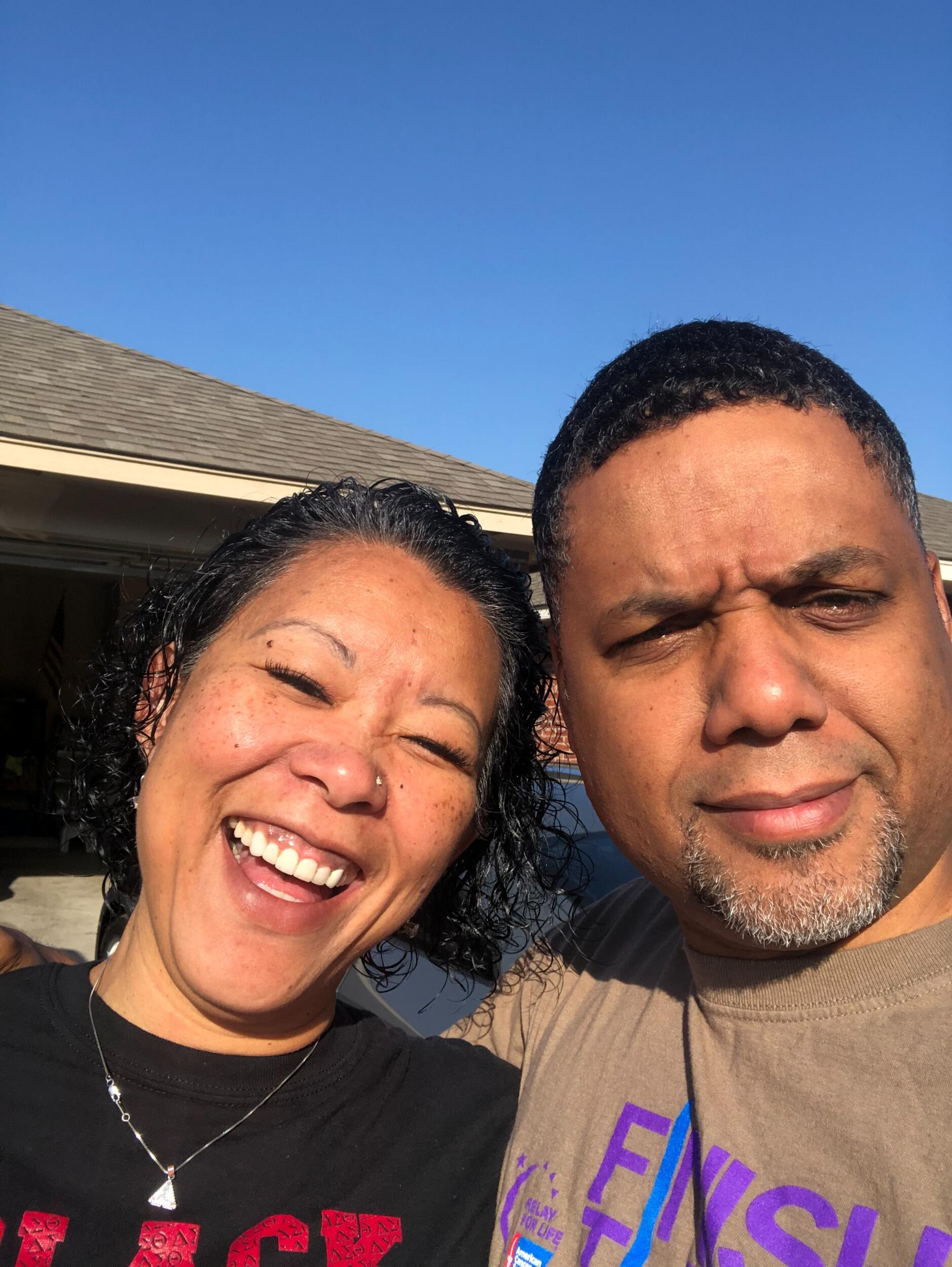
October 11, 2020

October 12, 2020
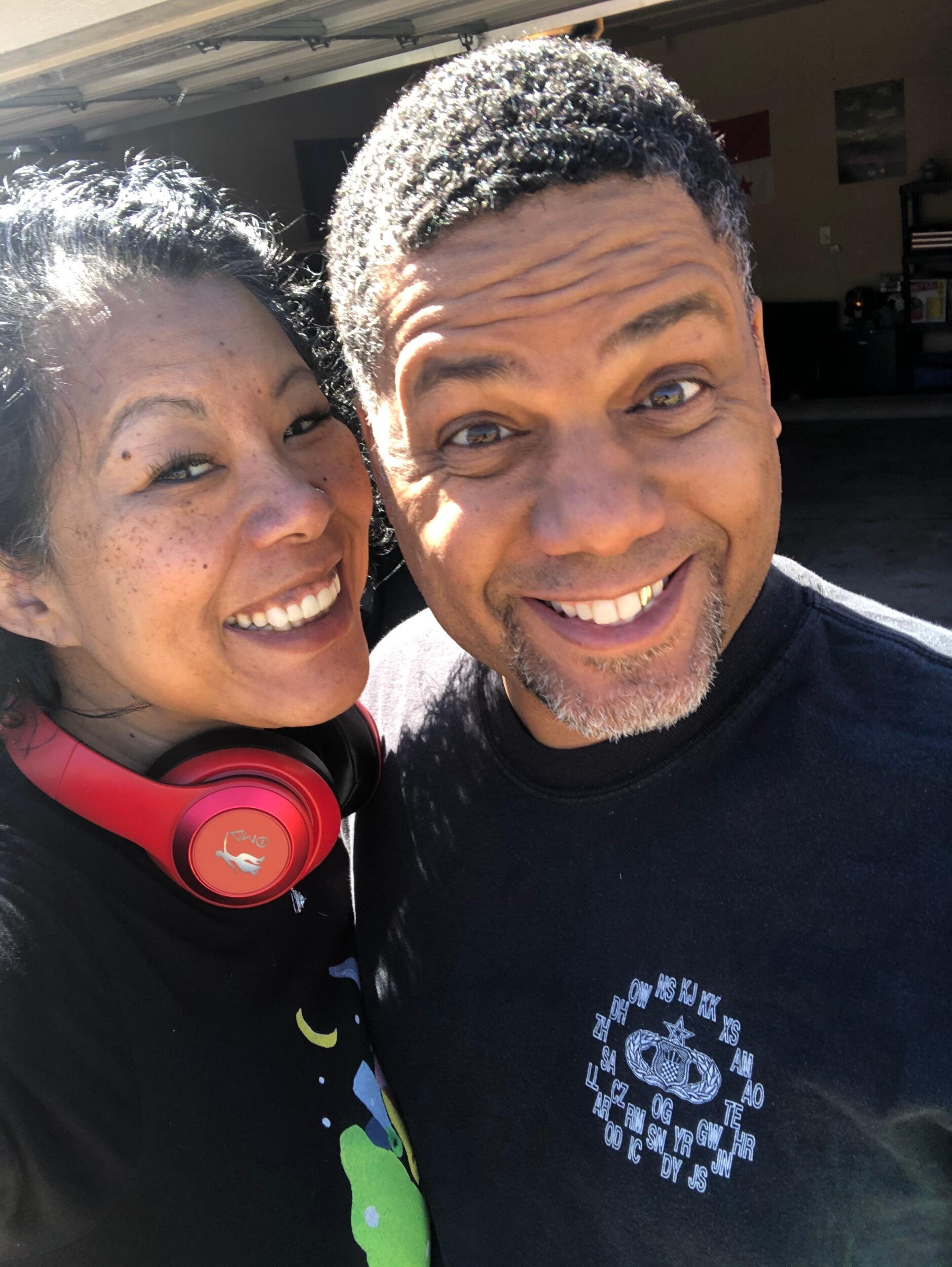
October 12, 2020
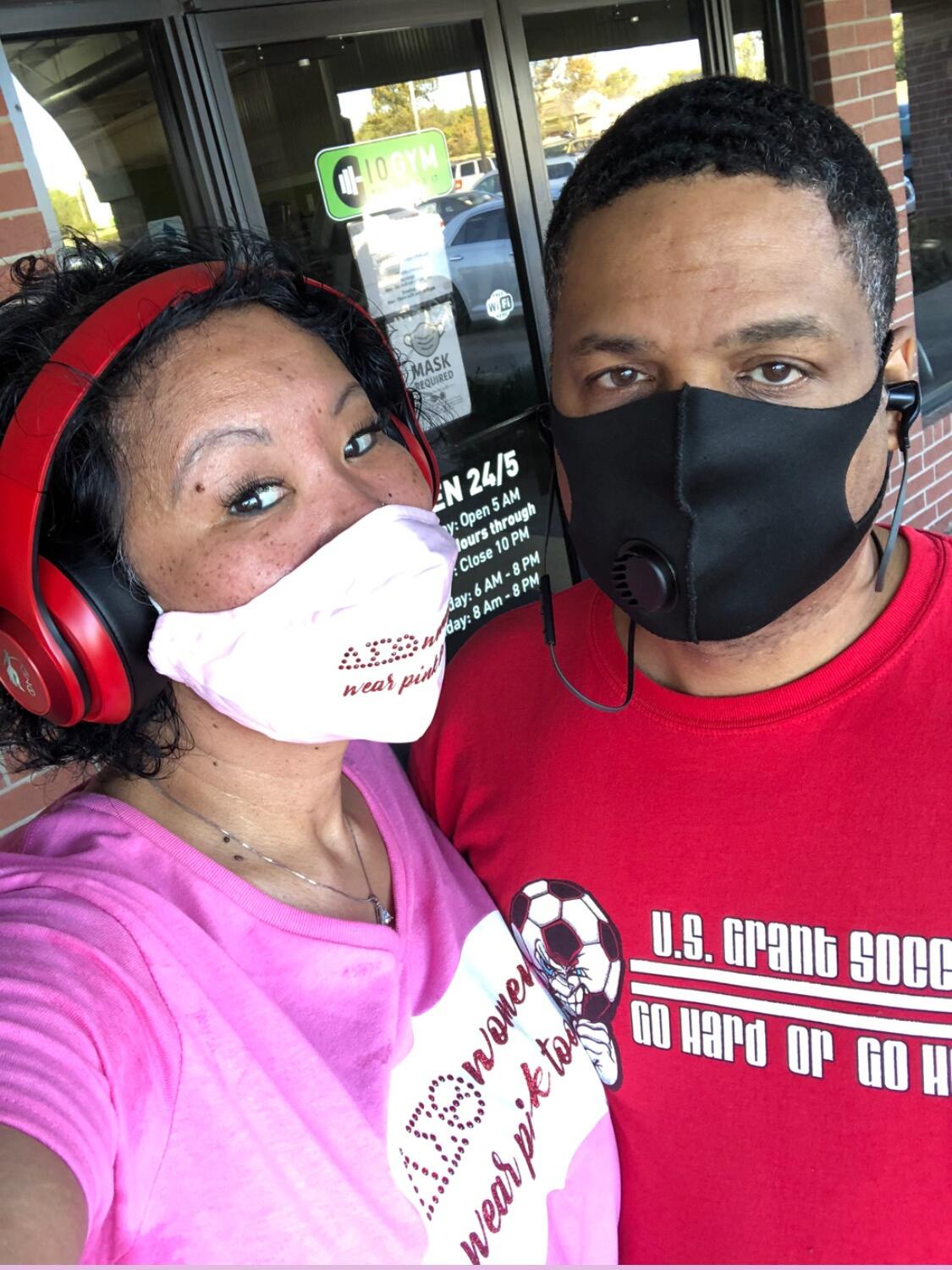
October 13, 2020
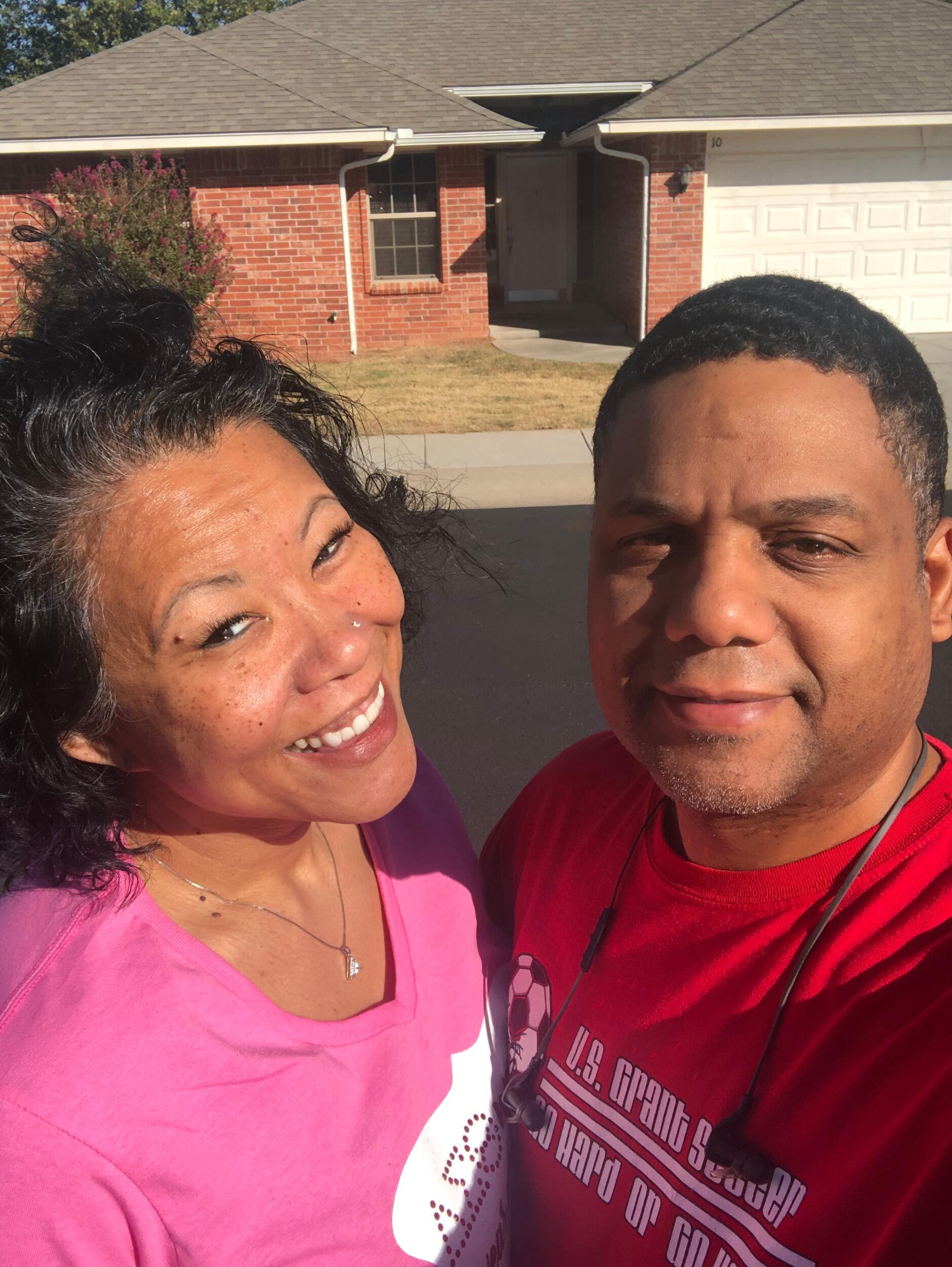
October 13, 2020
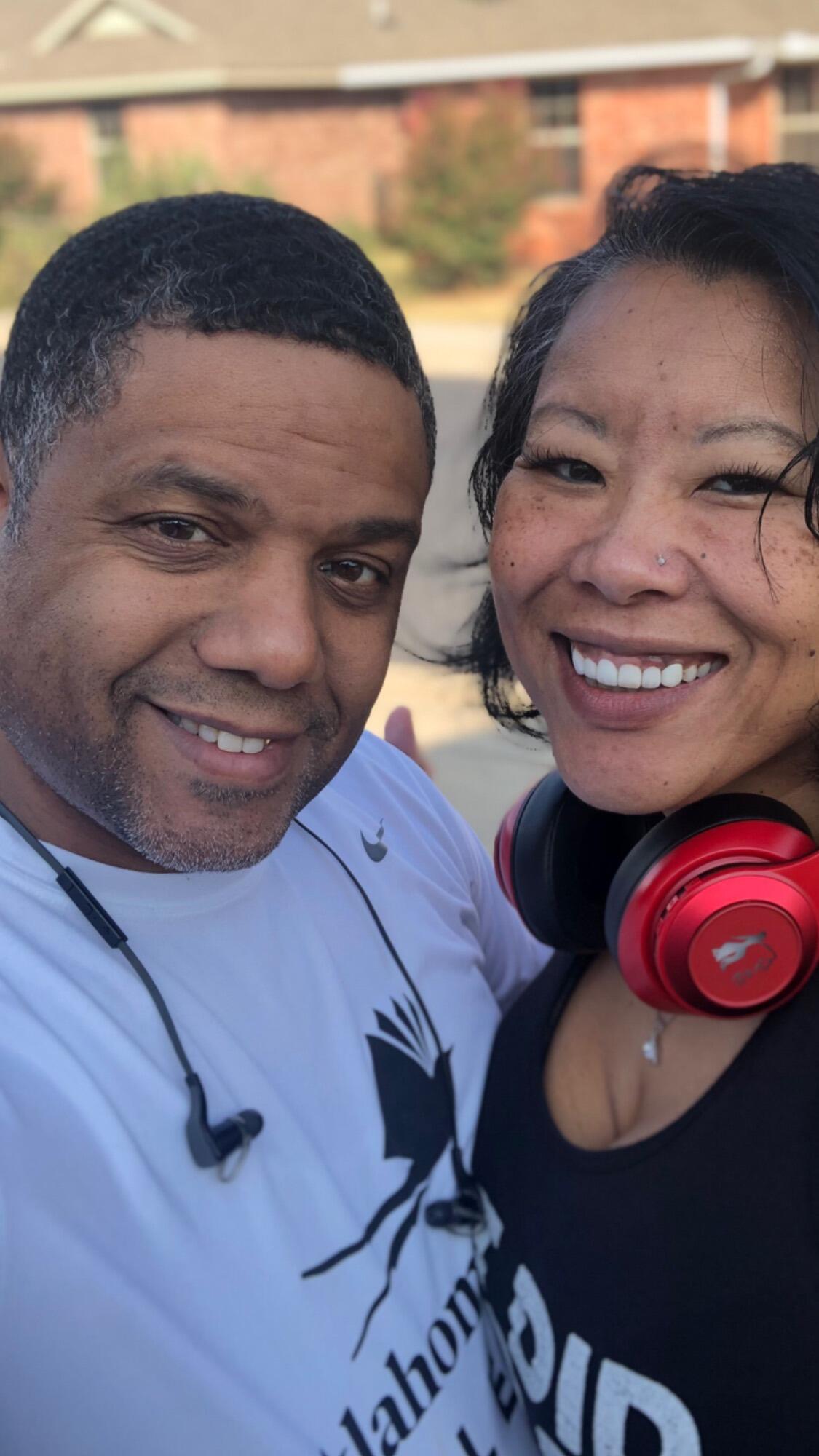
October 14, 2020
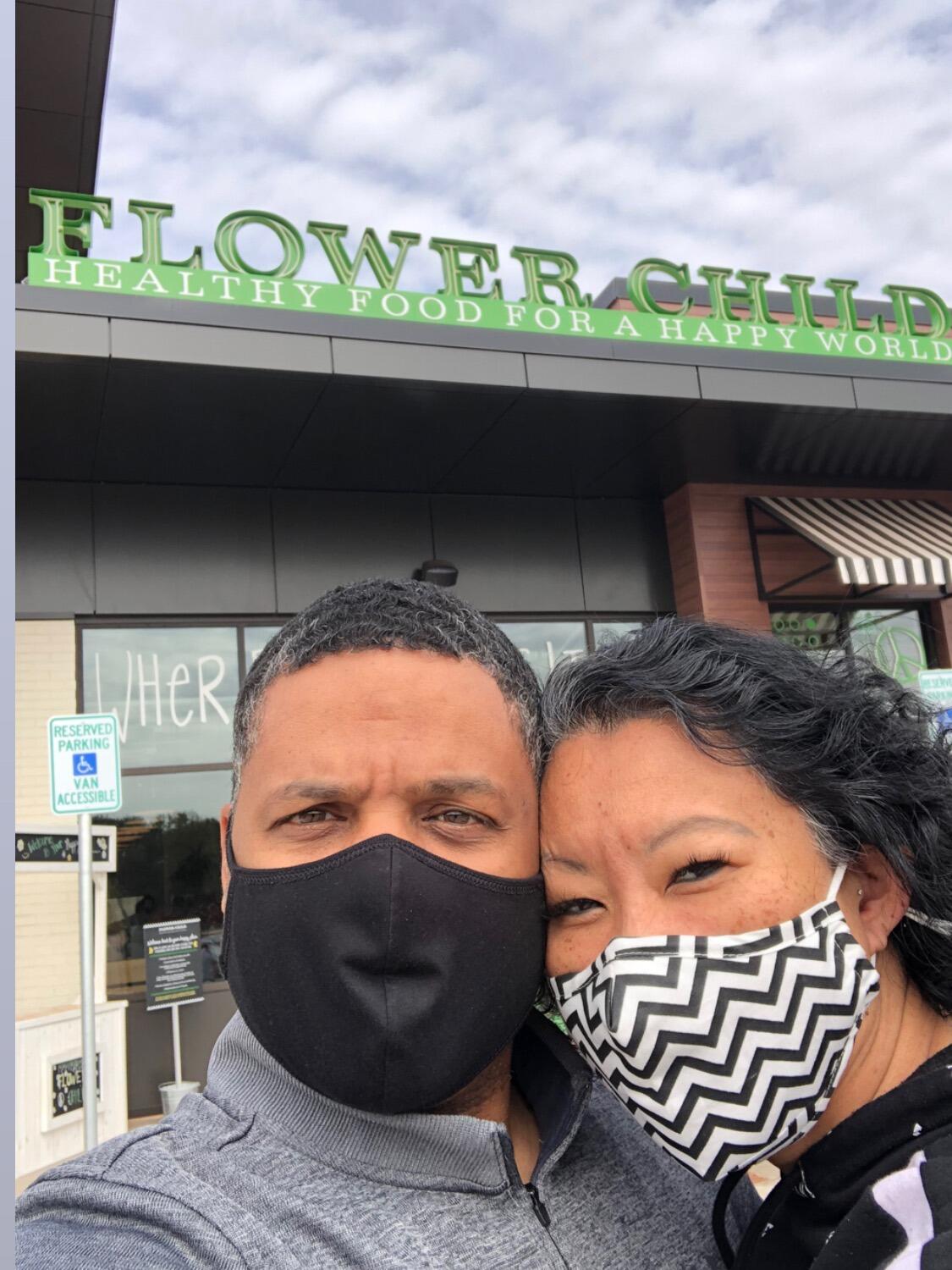
October 15, 2020

October 15, 2020
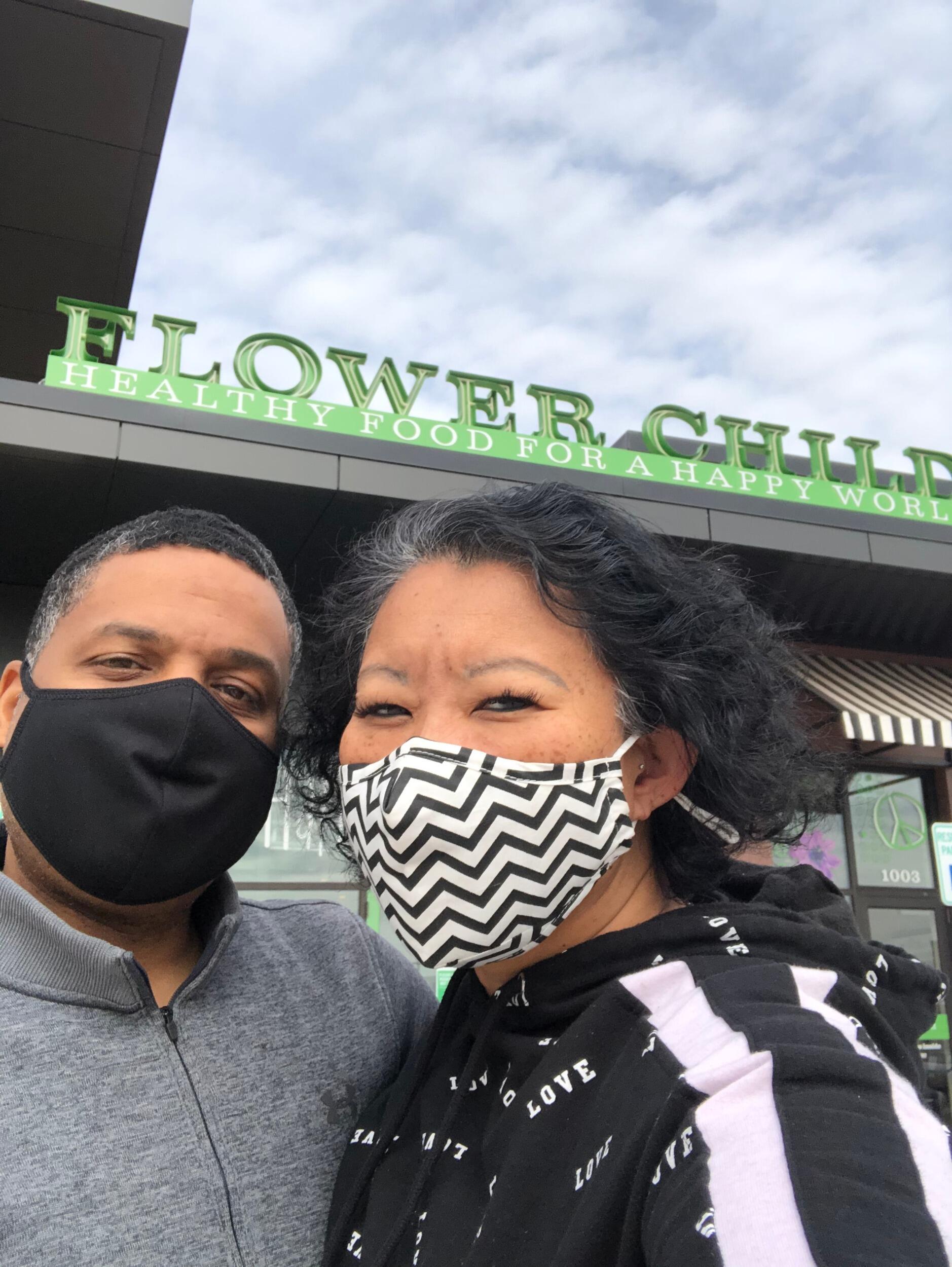
October 15, 2020
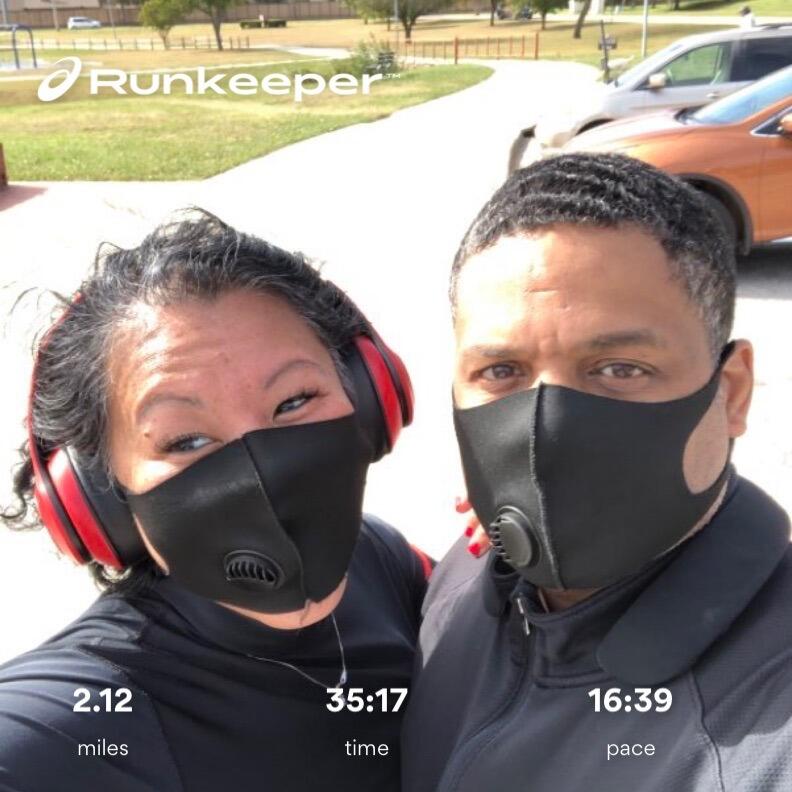
October 15, 2020
October 16, 2020

October 17, 2020
October 18, 2020
October 19, 2020
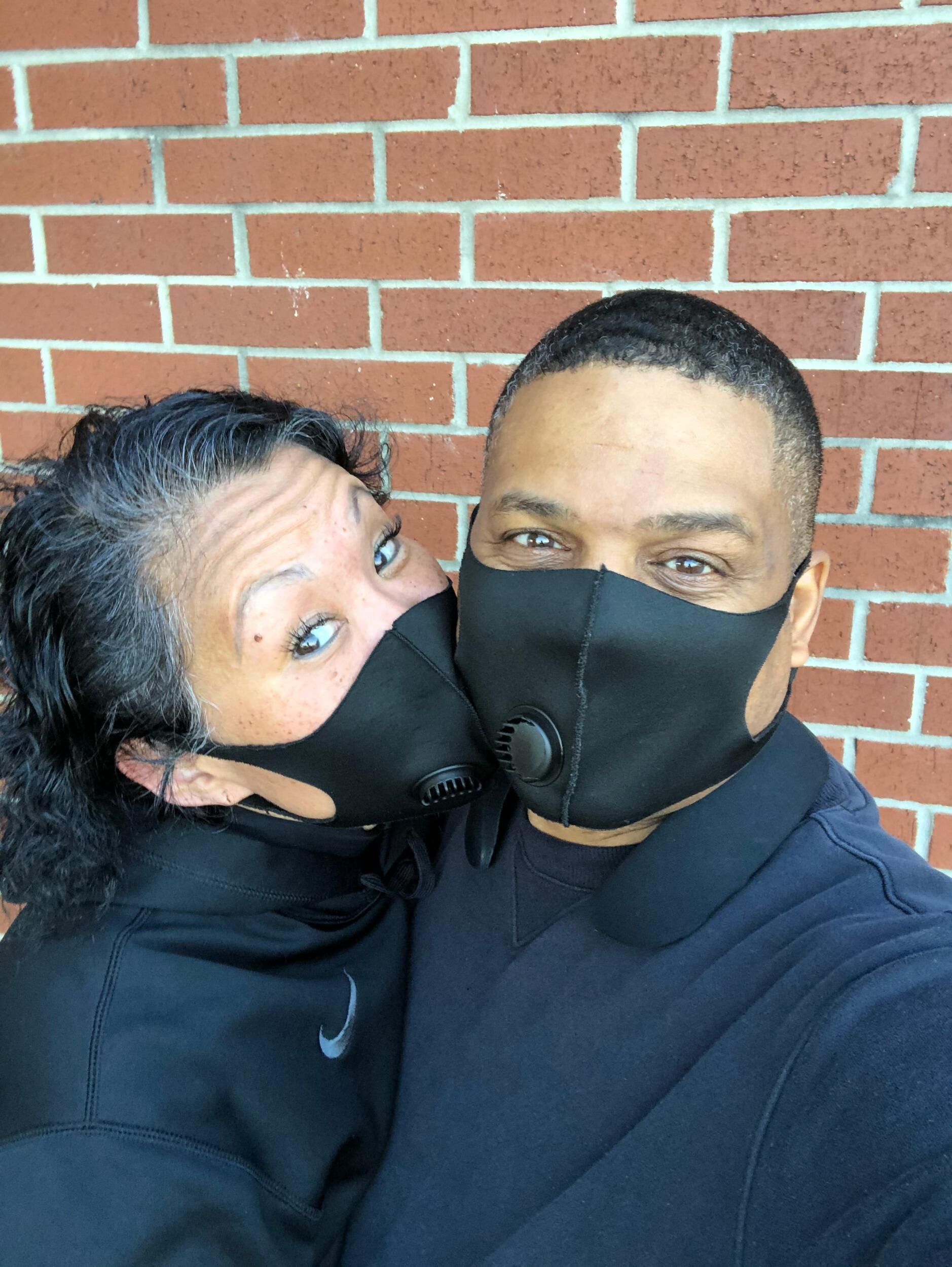
October 19, 2020
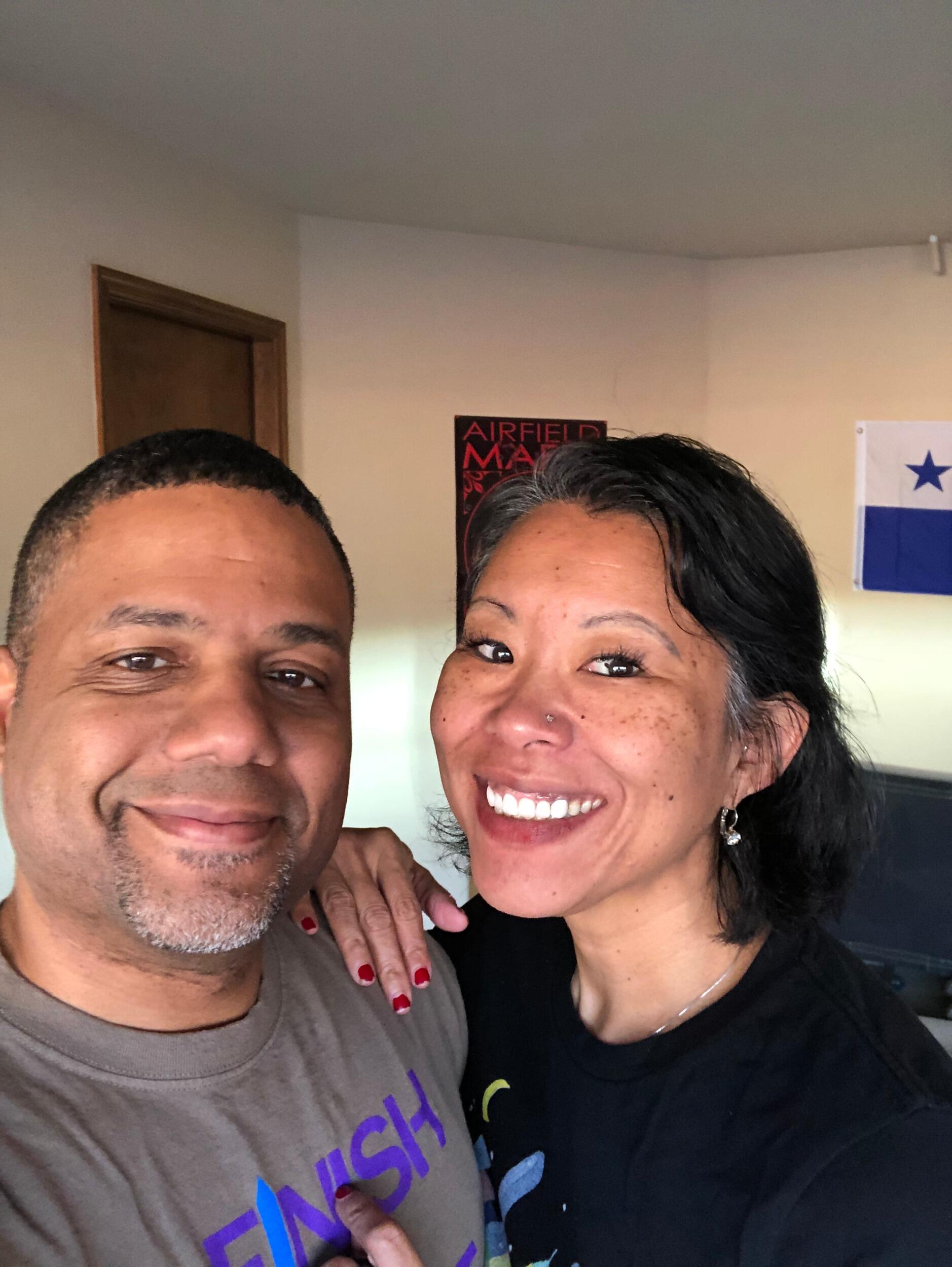
October 22, 2020

October 23, 2020
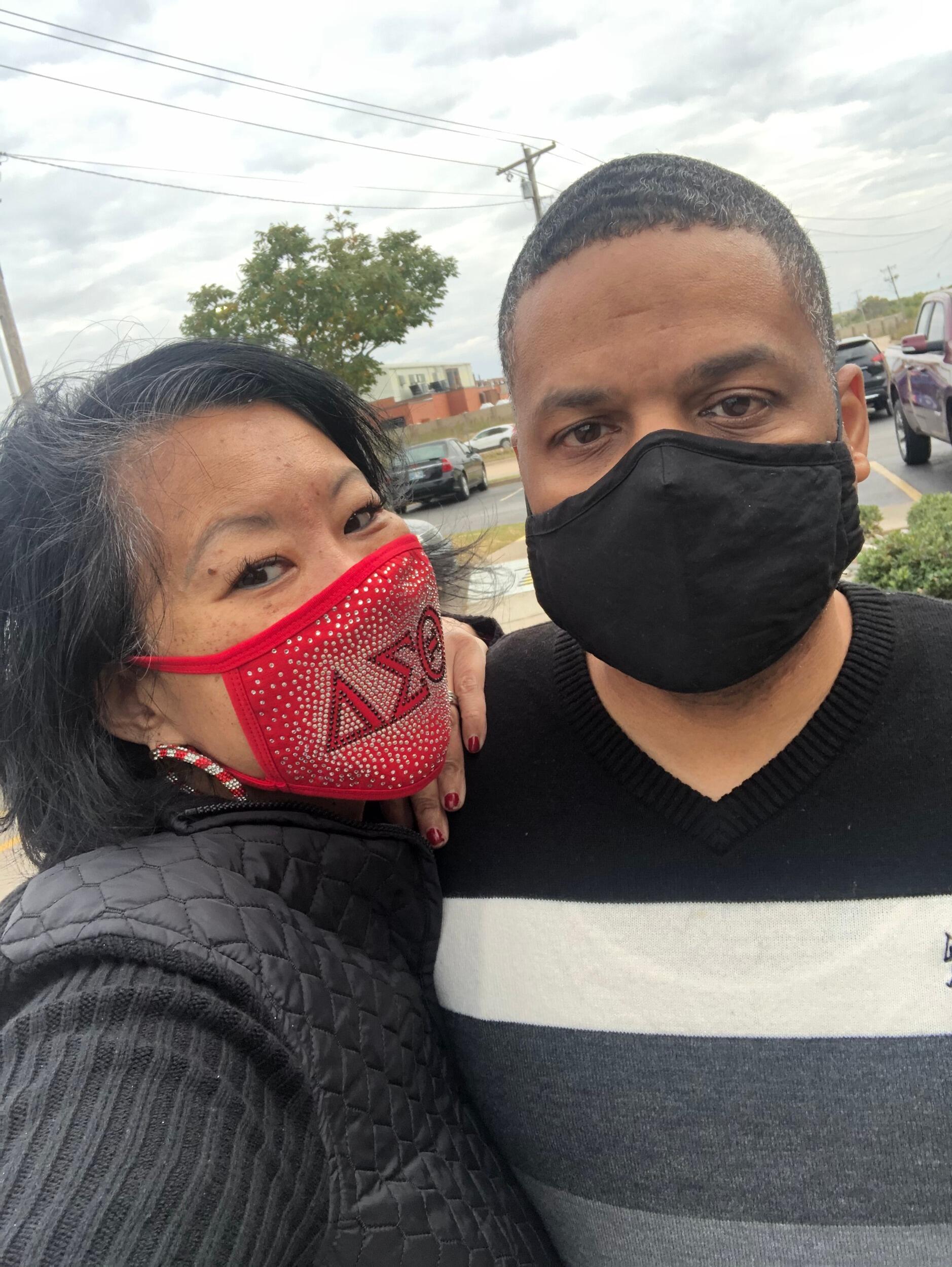
October 23, 2020

October 24, 2020
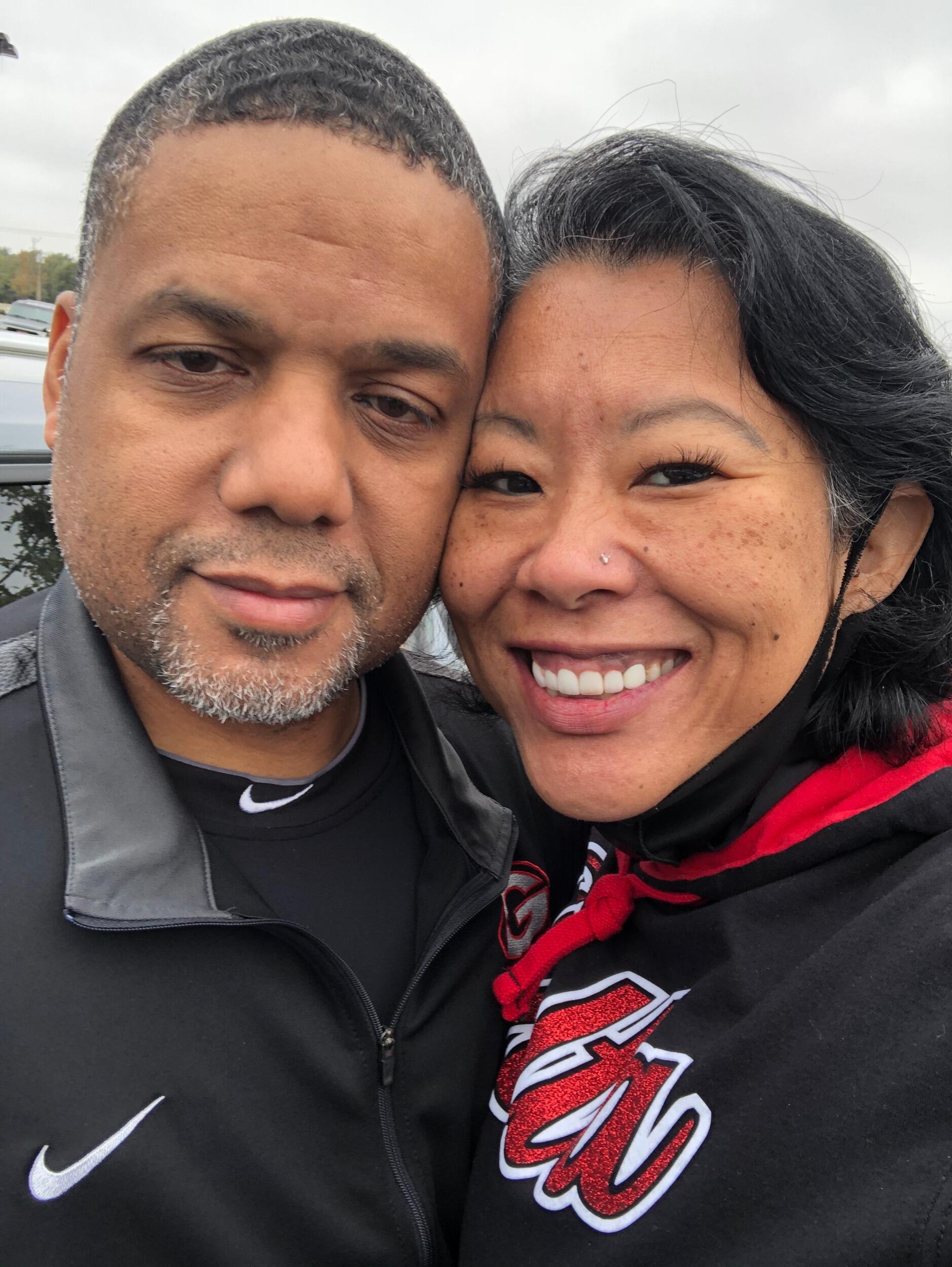
October 25, 2020
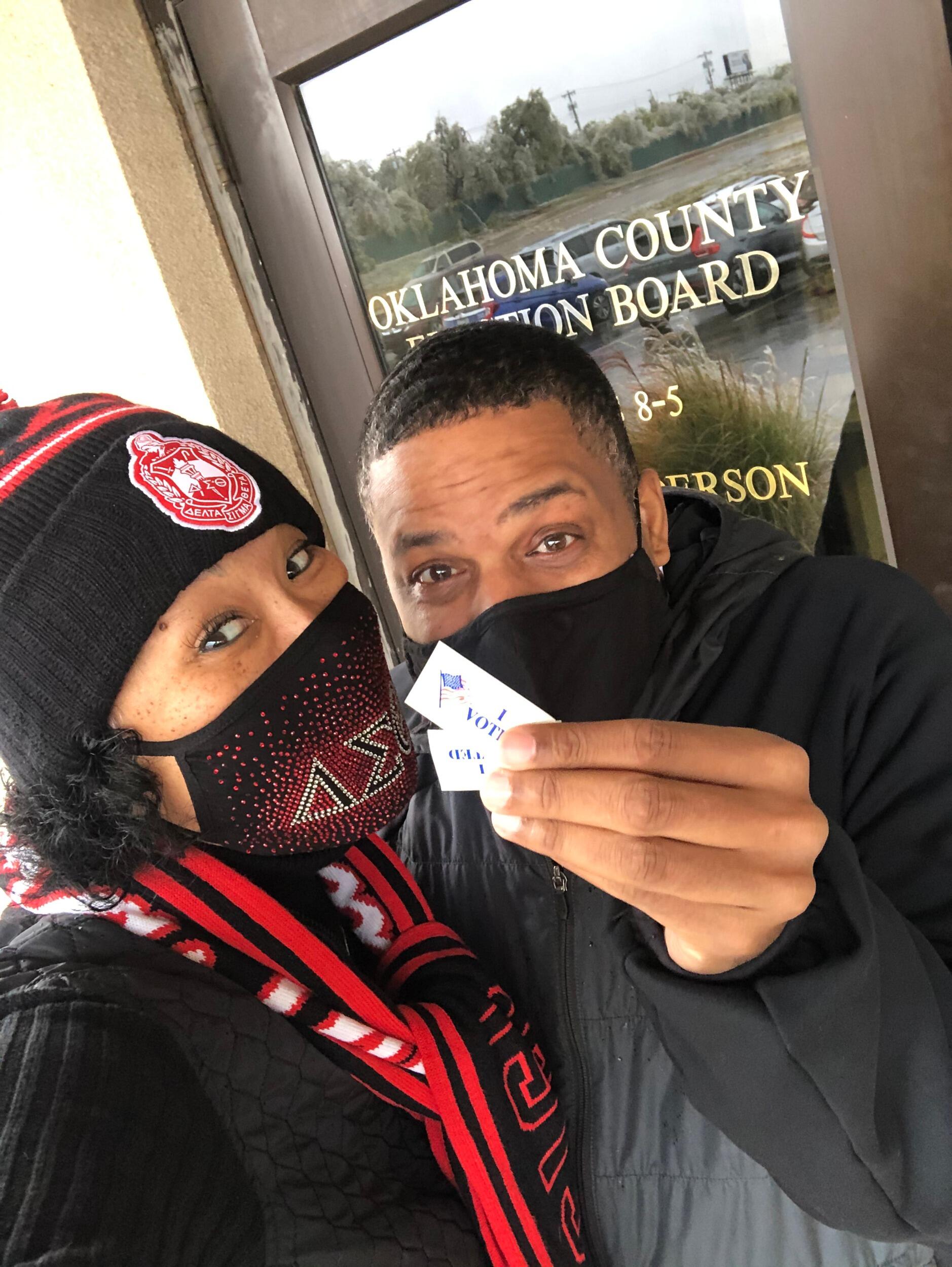
October 27, 2020
Power in our voices!
#powerinourvotes

October 28, 2020
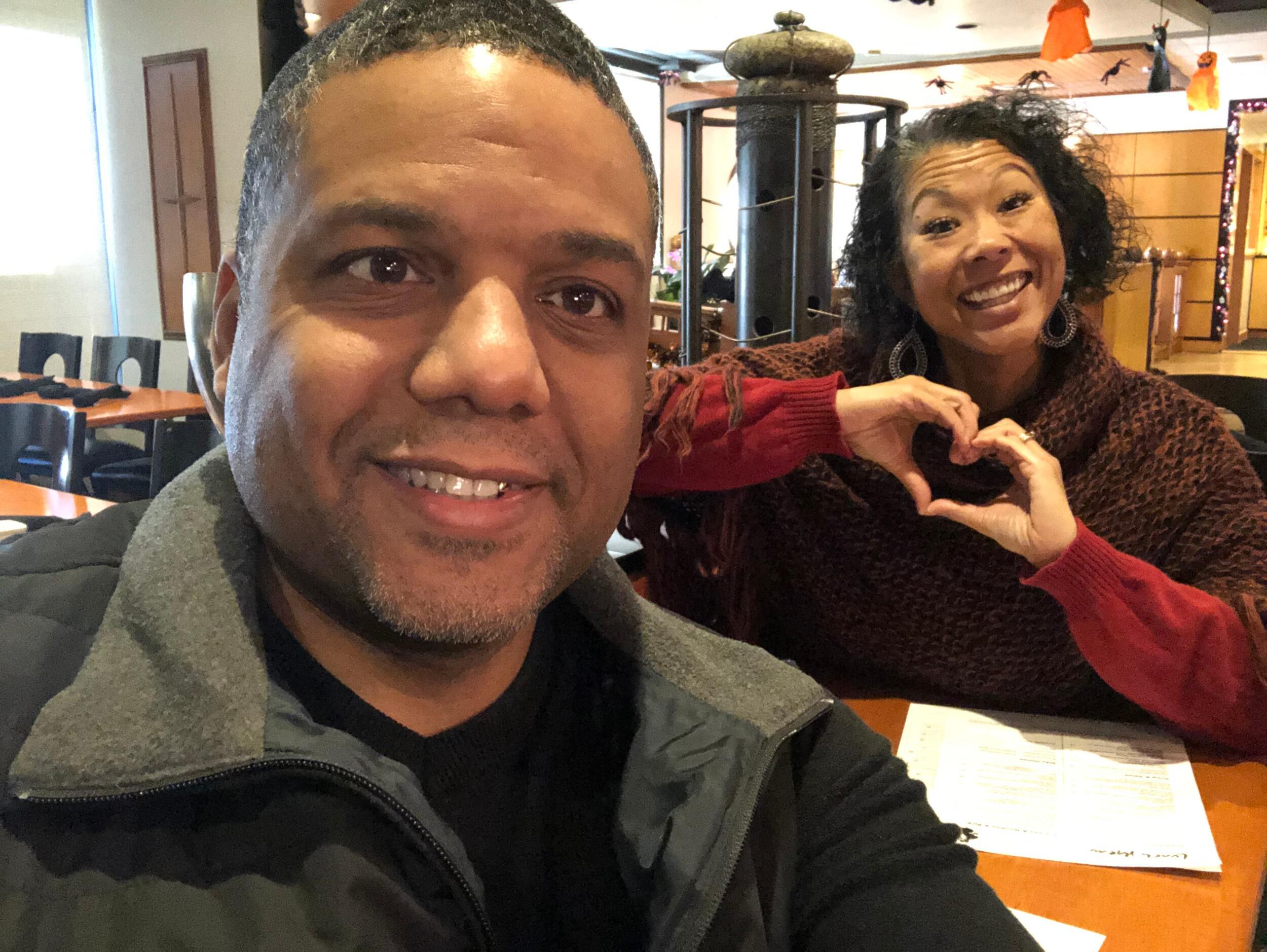
October 30, 2020
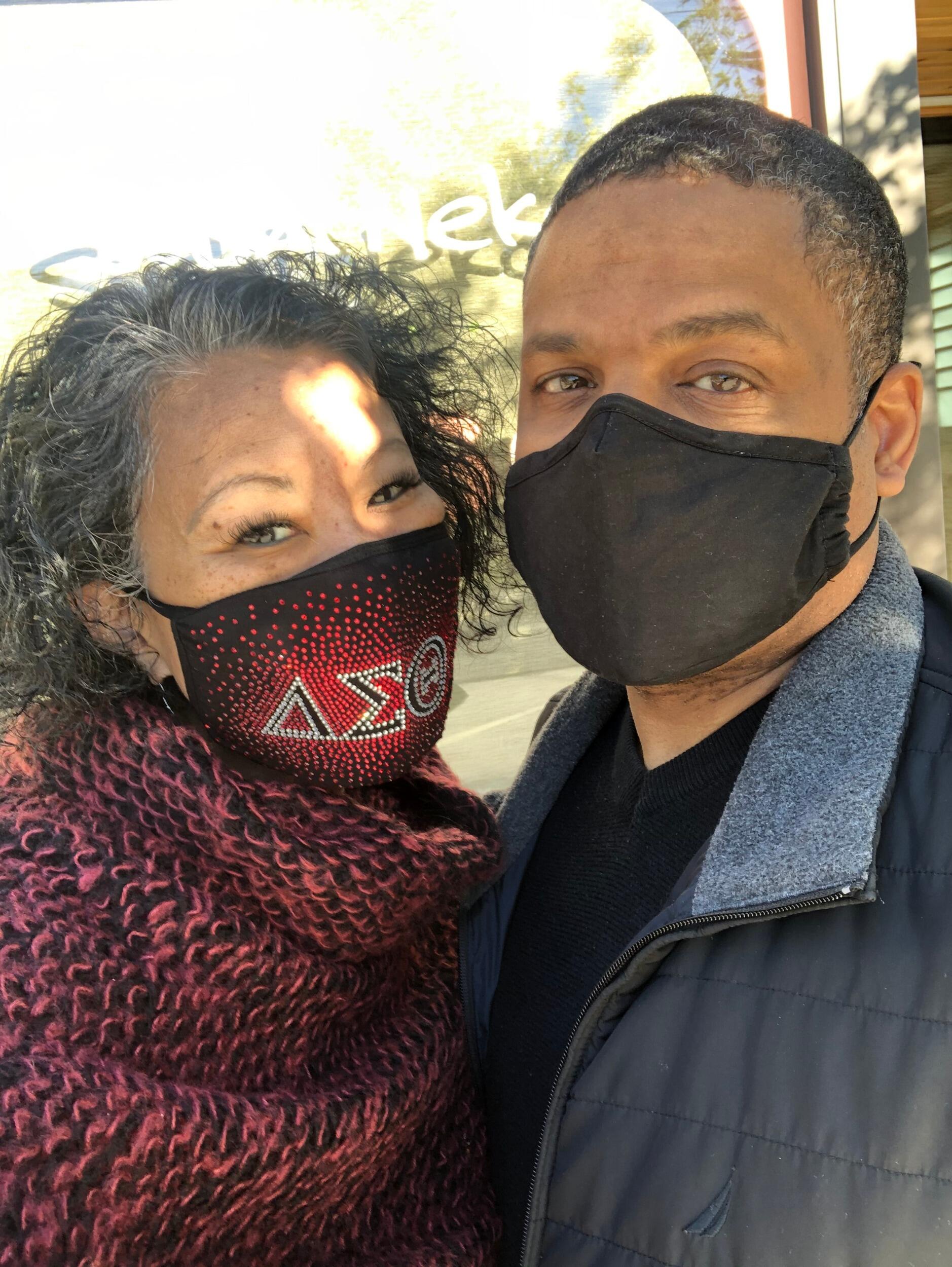
October 30, 2020
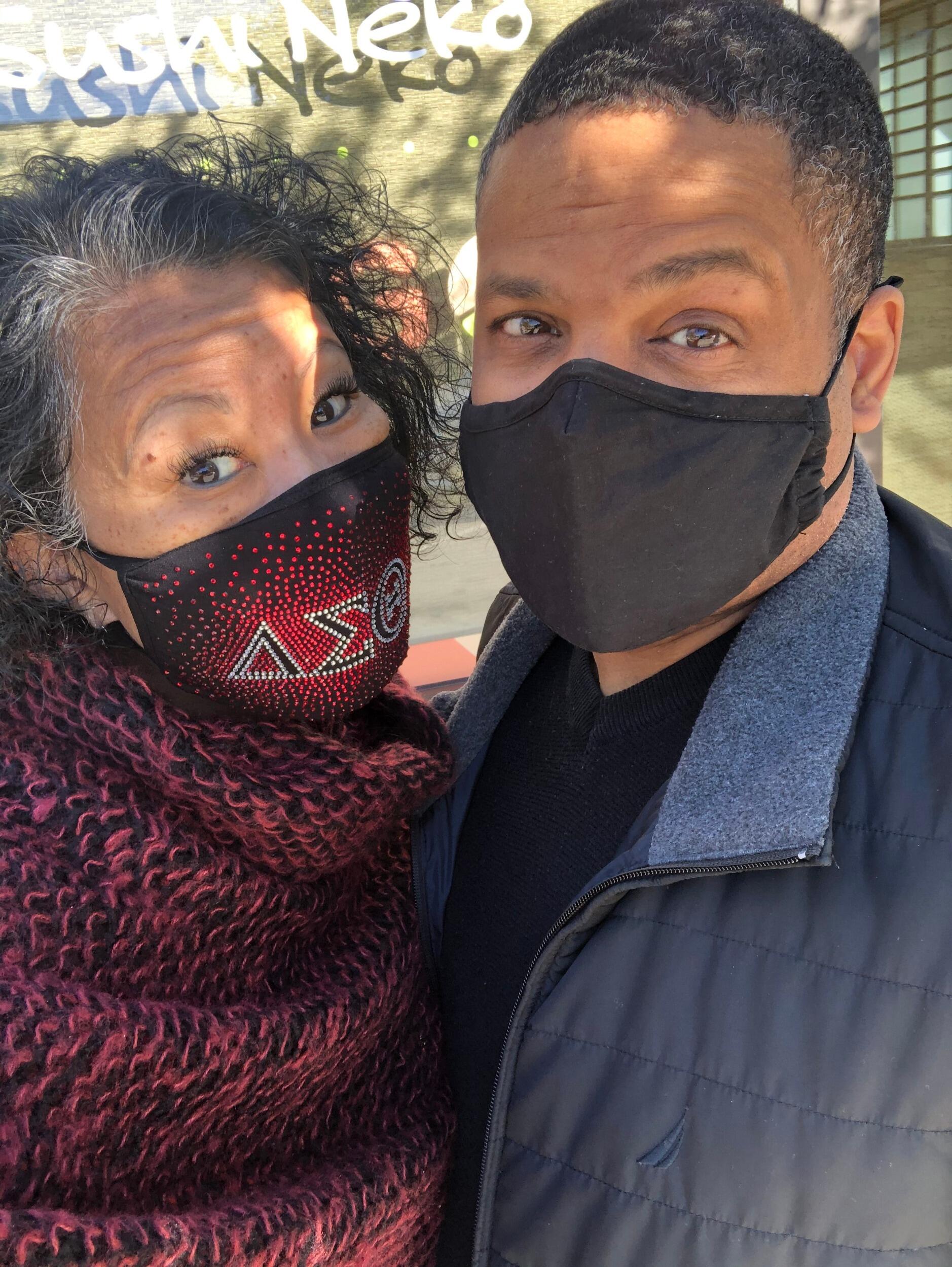
October 30, 2020
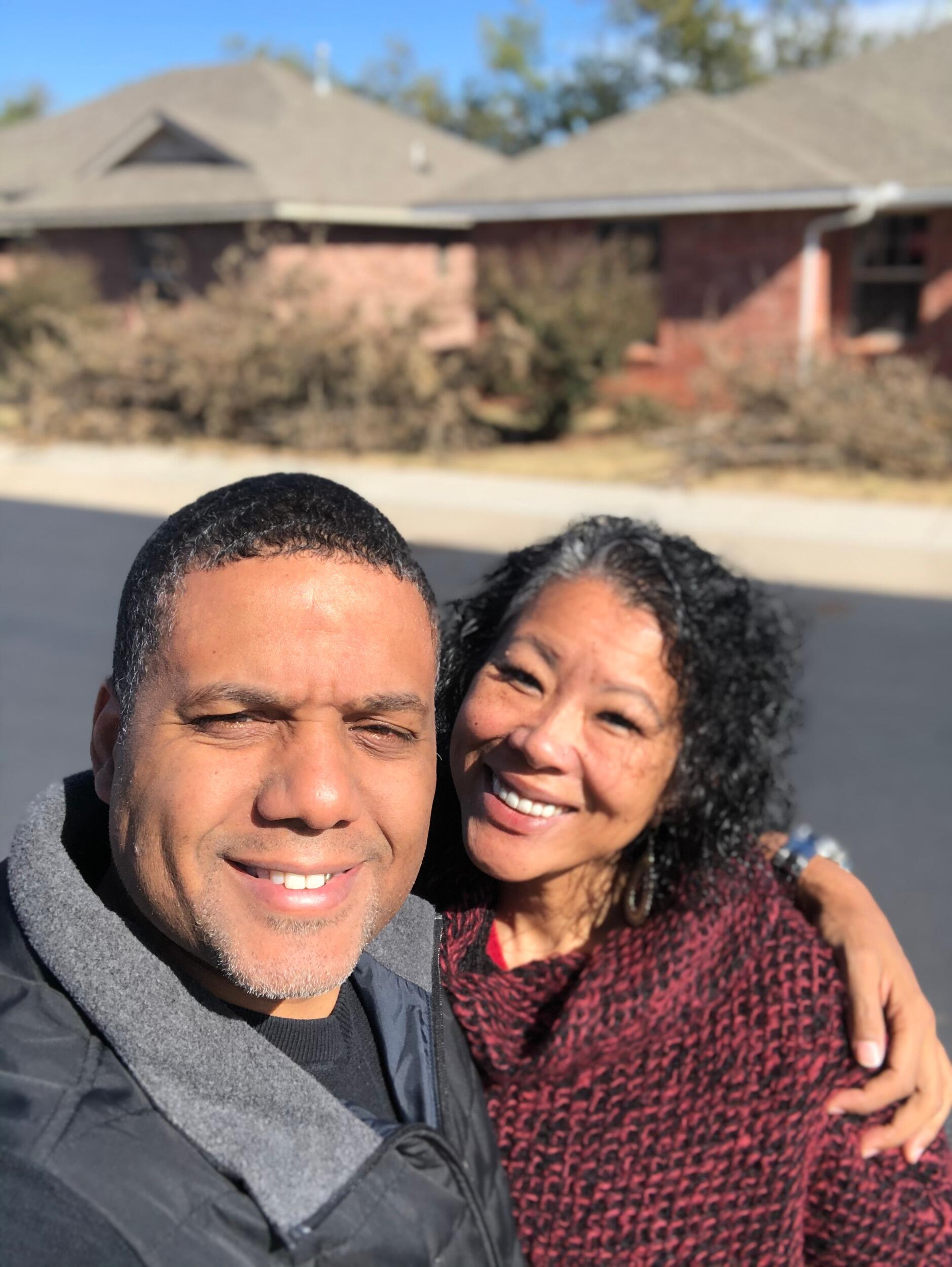
October 30, 2020
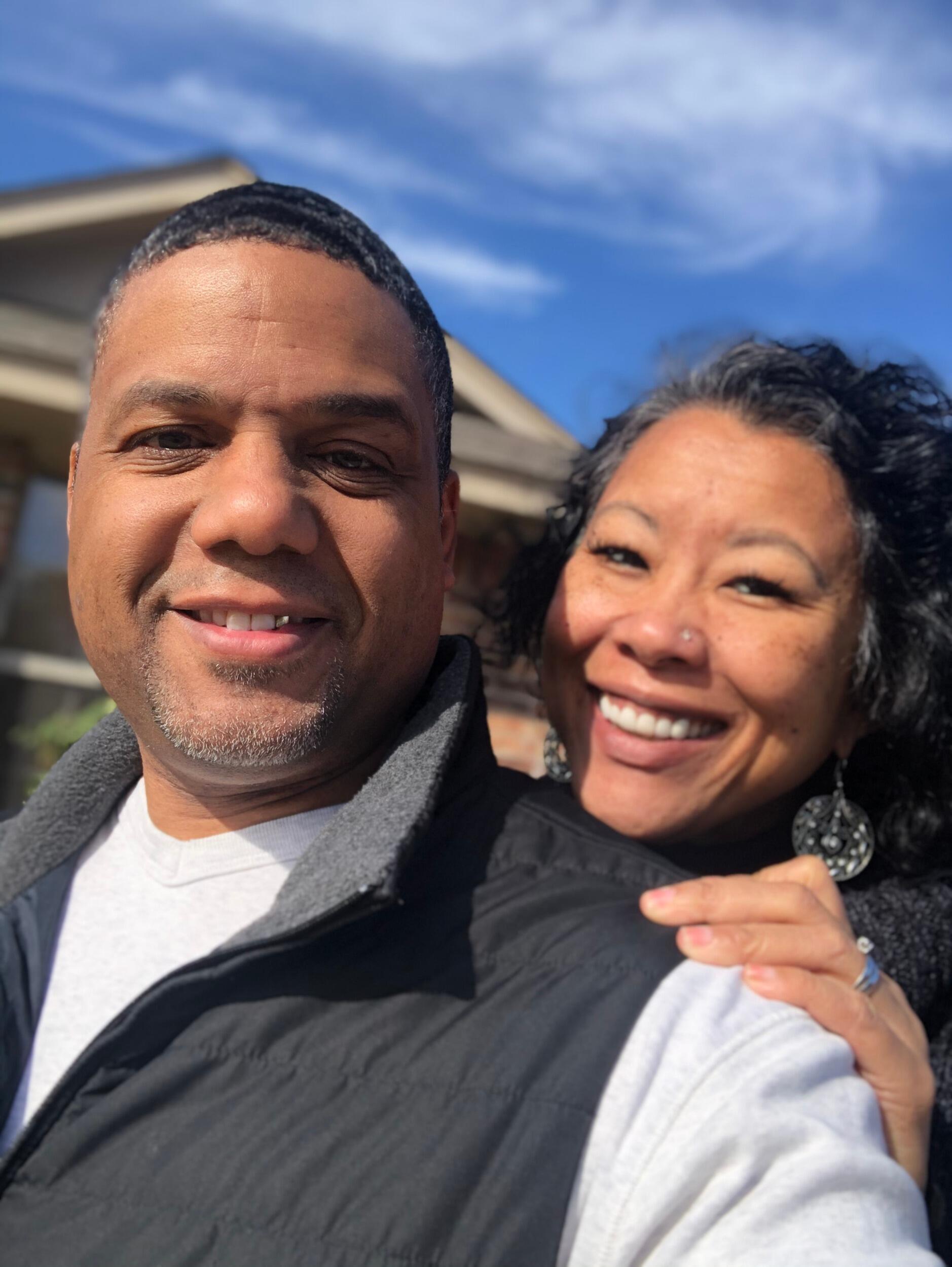
October 31, 2020

October 31, 2020

November 01, 2020
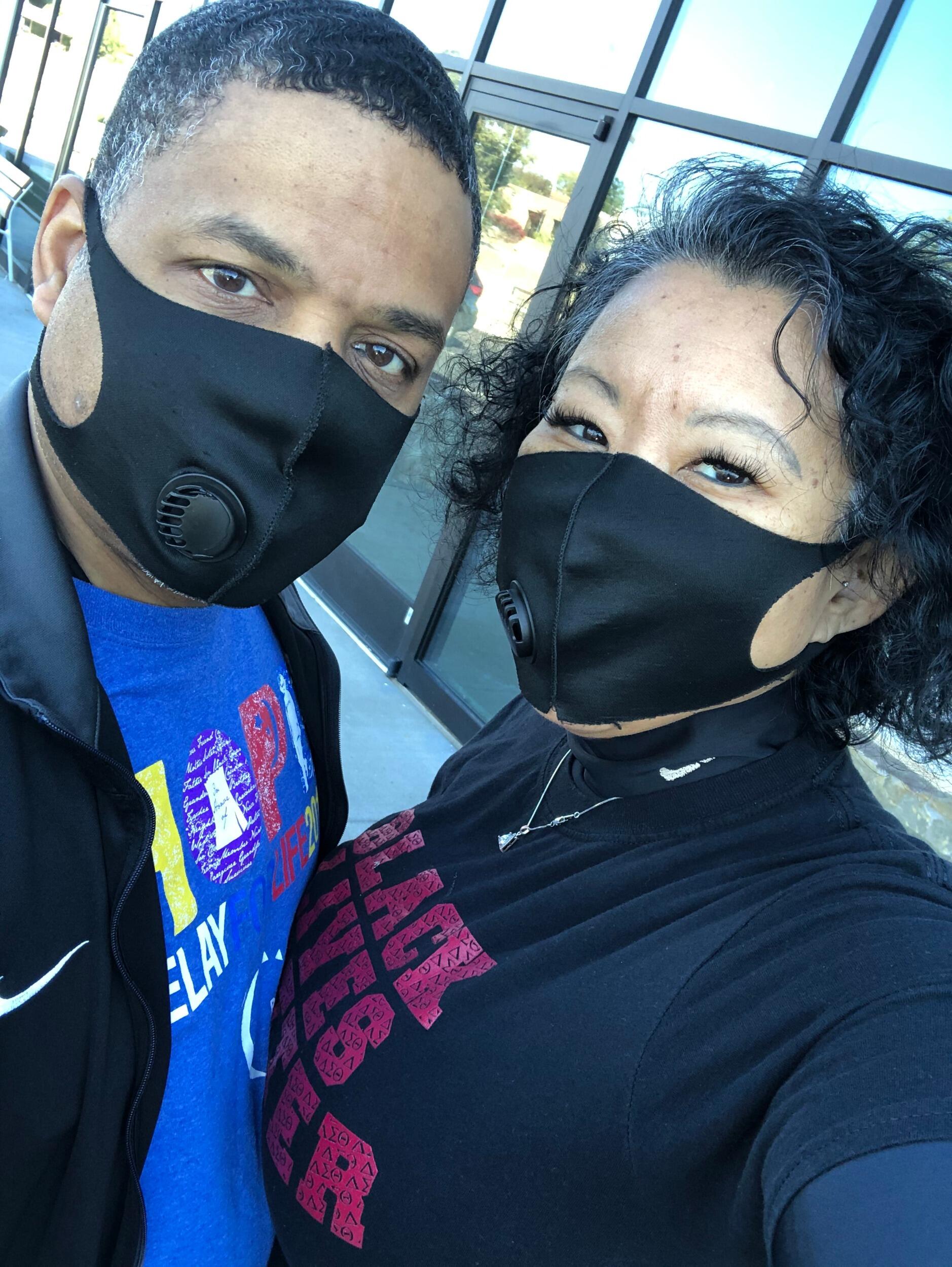
November 01, 2020

November 03, 2020

November 03, 2020

November 03, 2020
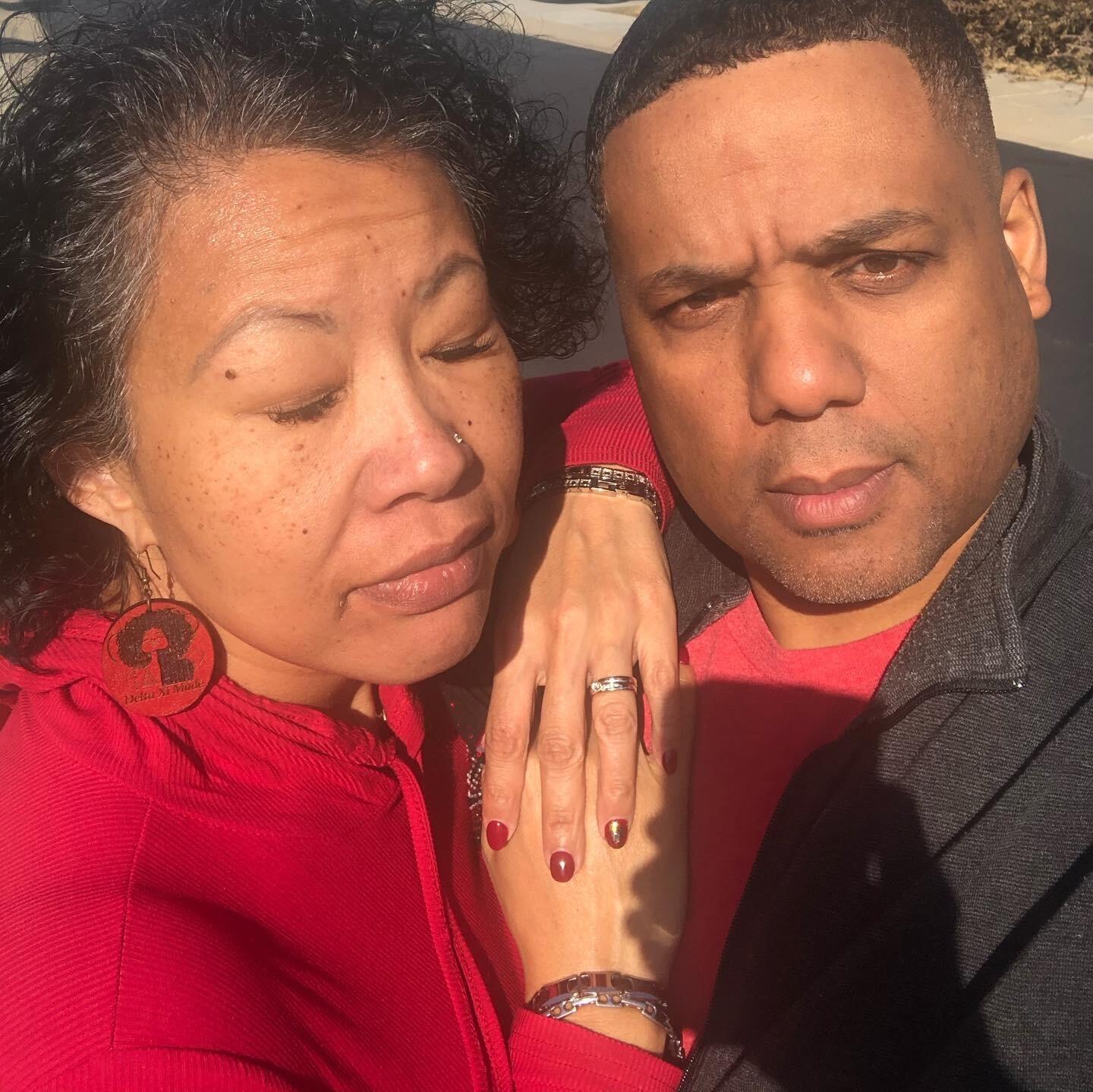
November 07, 2020

November 07, 2020
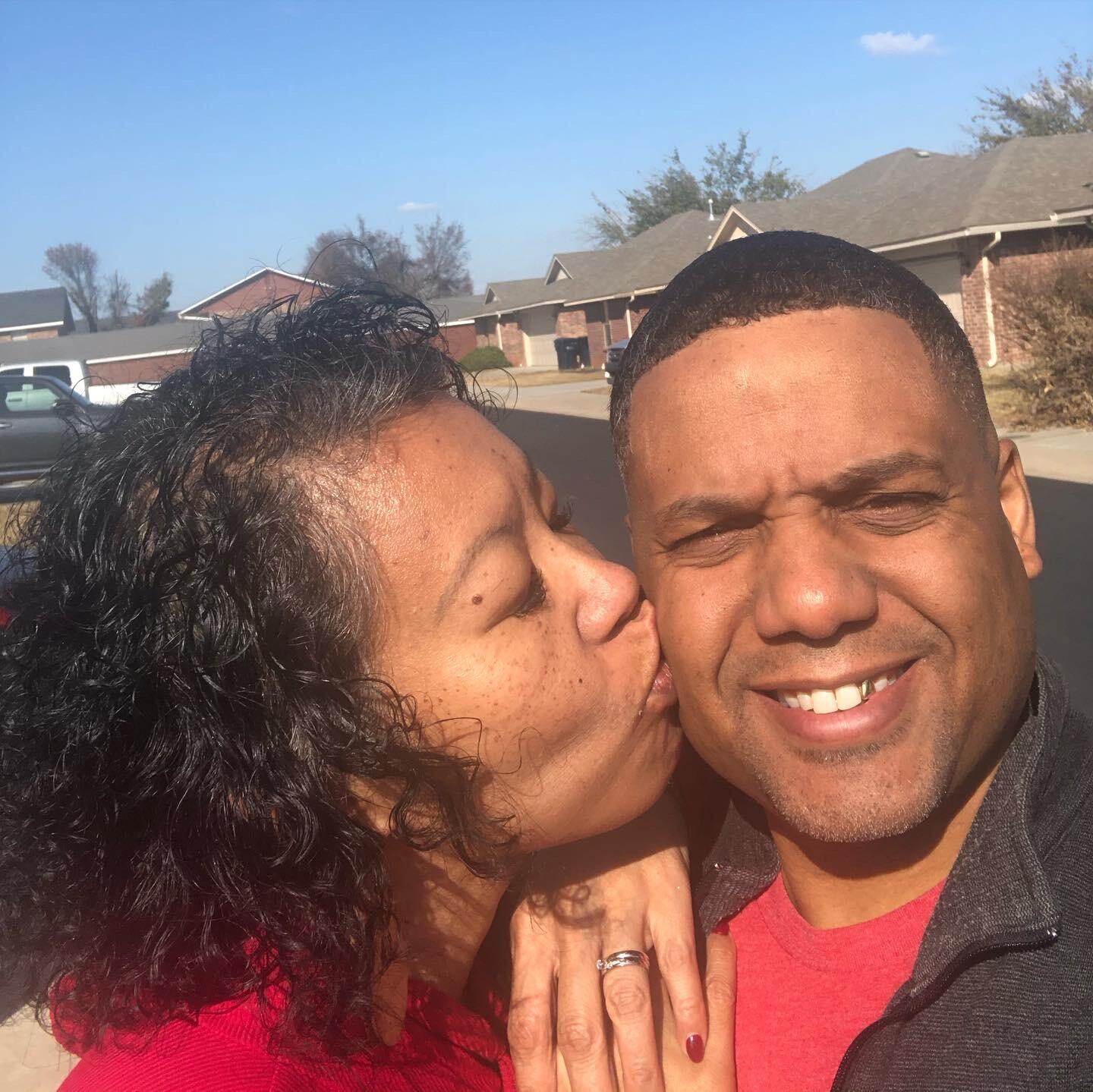
November 07, 2020

November 07, 2020

November 07, 2020
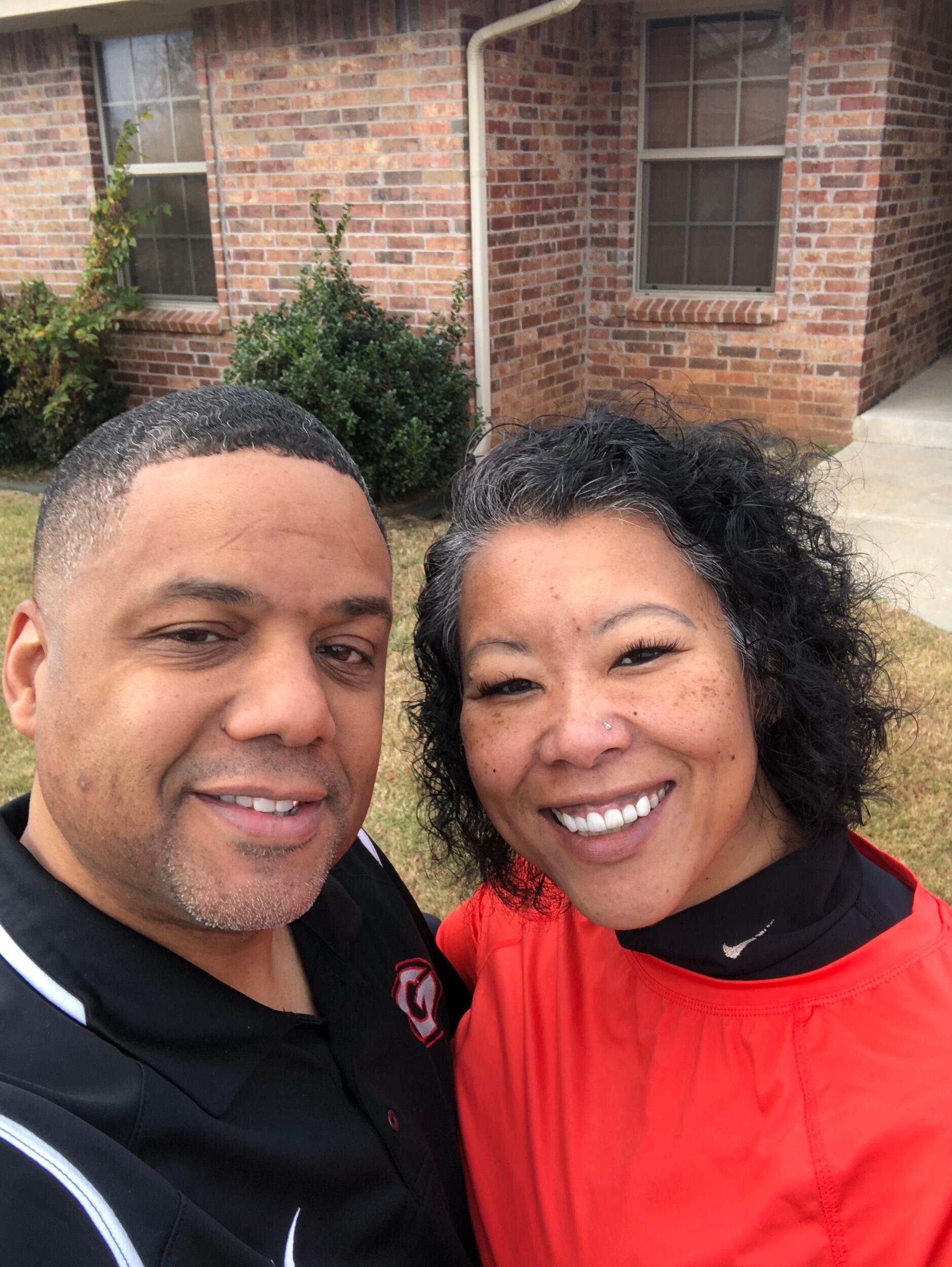
November 08, 2020

November 08, 2020

November 10, 2020

November 10, 2020

November 10, 2020

November 10, 2020

November 10, 2020

November 12, 2020

November 12, 2020

November 12, 2020

November 13, 2020
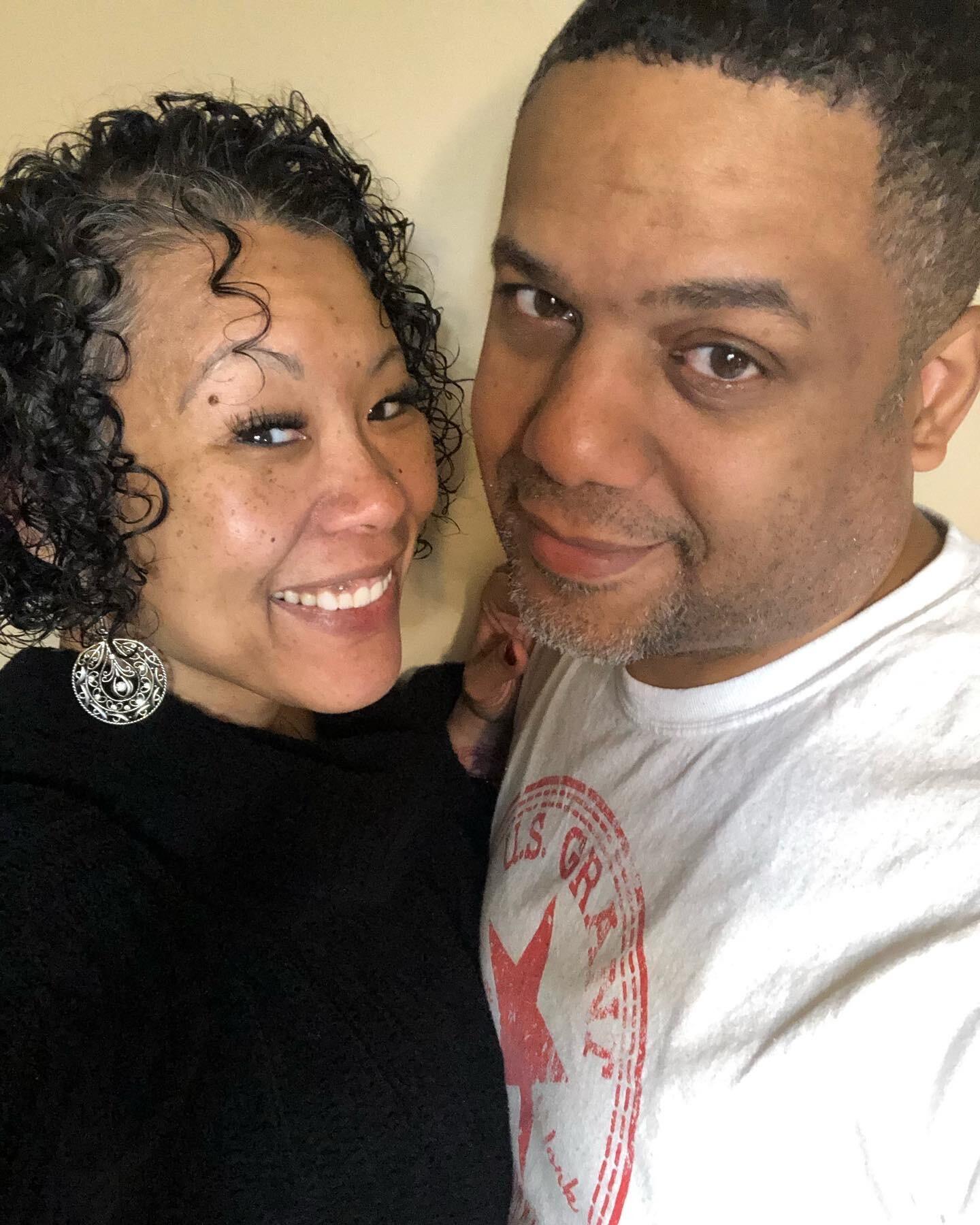
November 13, 2020
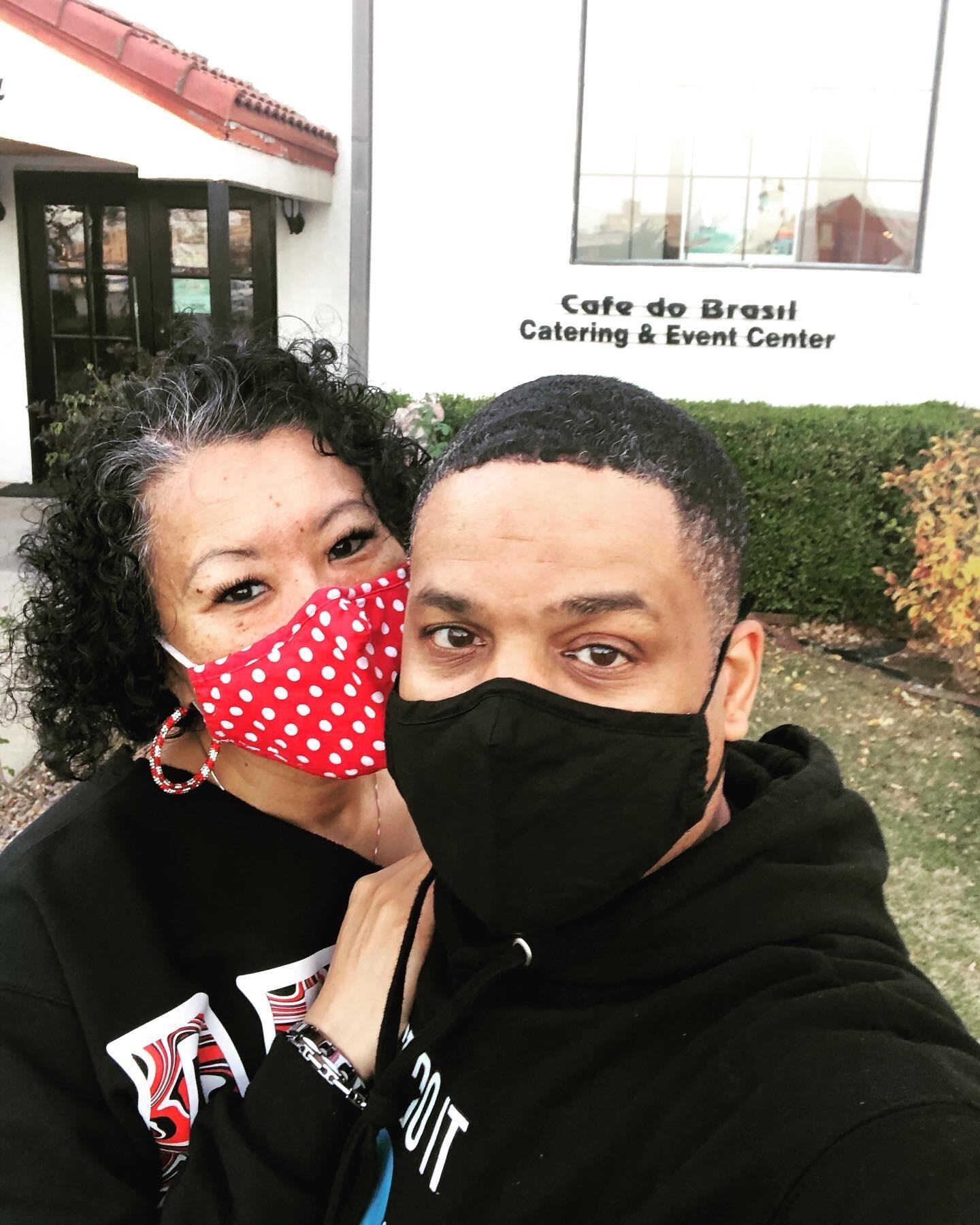
November 14, 2020

November 14, 2020
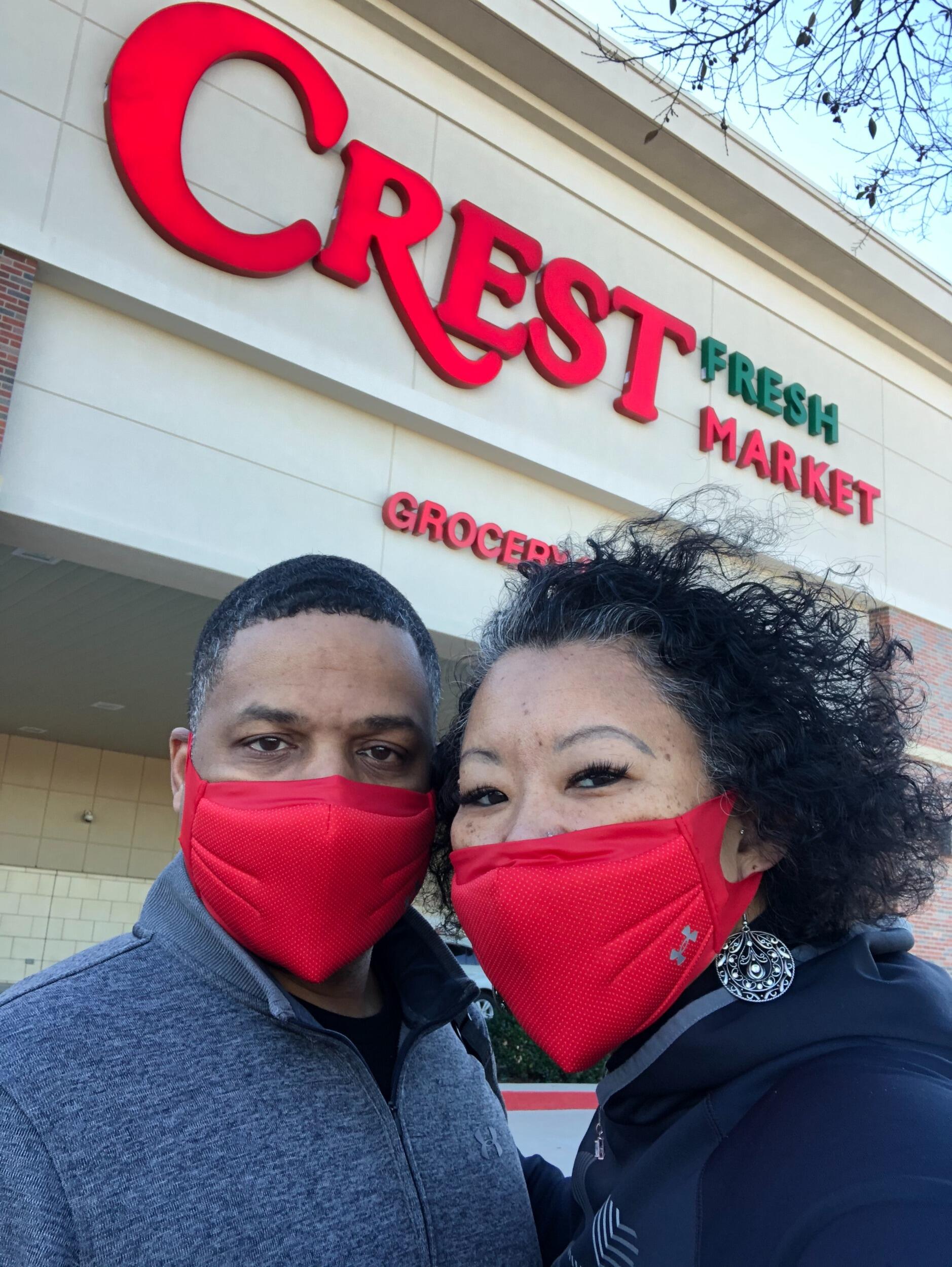
November 15, 2020

November 15, 2020

November 17, 2020
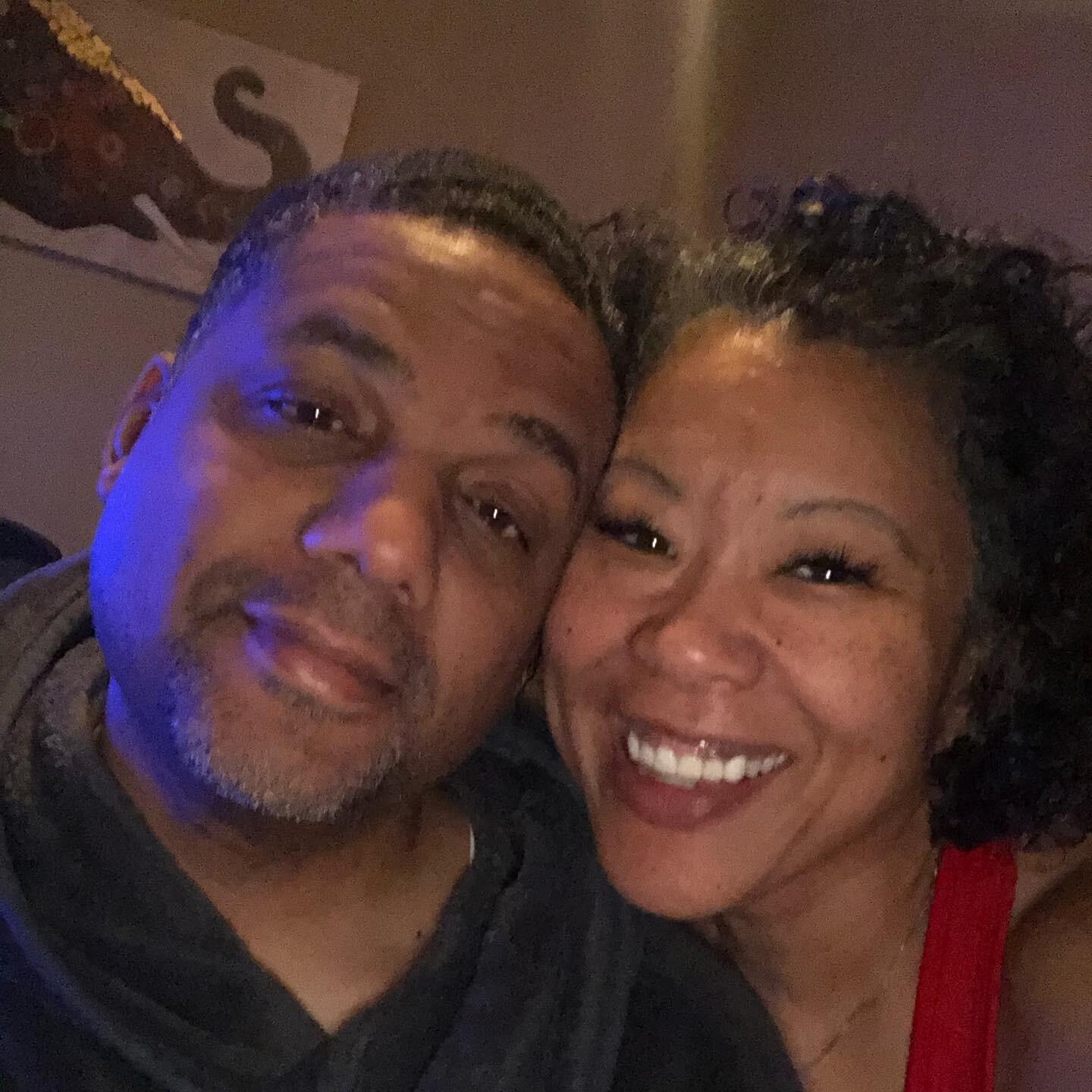
November 19, 2020
WOW! It's been a whole year!

November 20, 2020

November 20, 2020

November 20, 2020

November 21, 2020

November 21, 2020

November 21, 2020

November 22, 2020

November 22, 2020
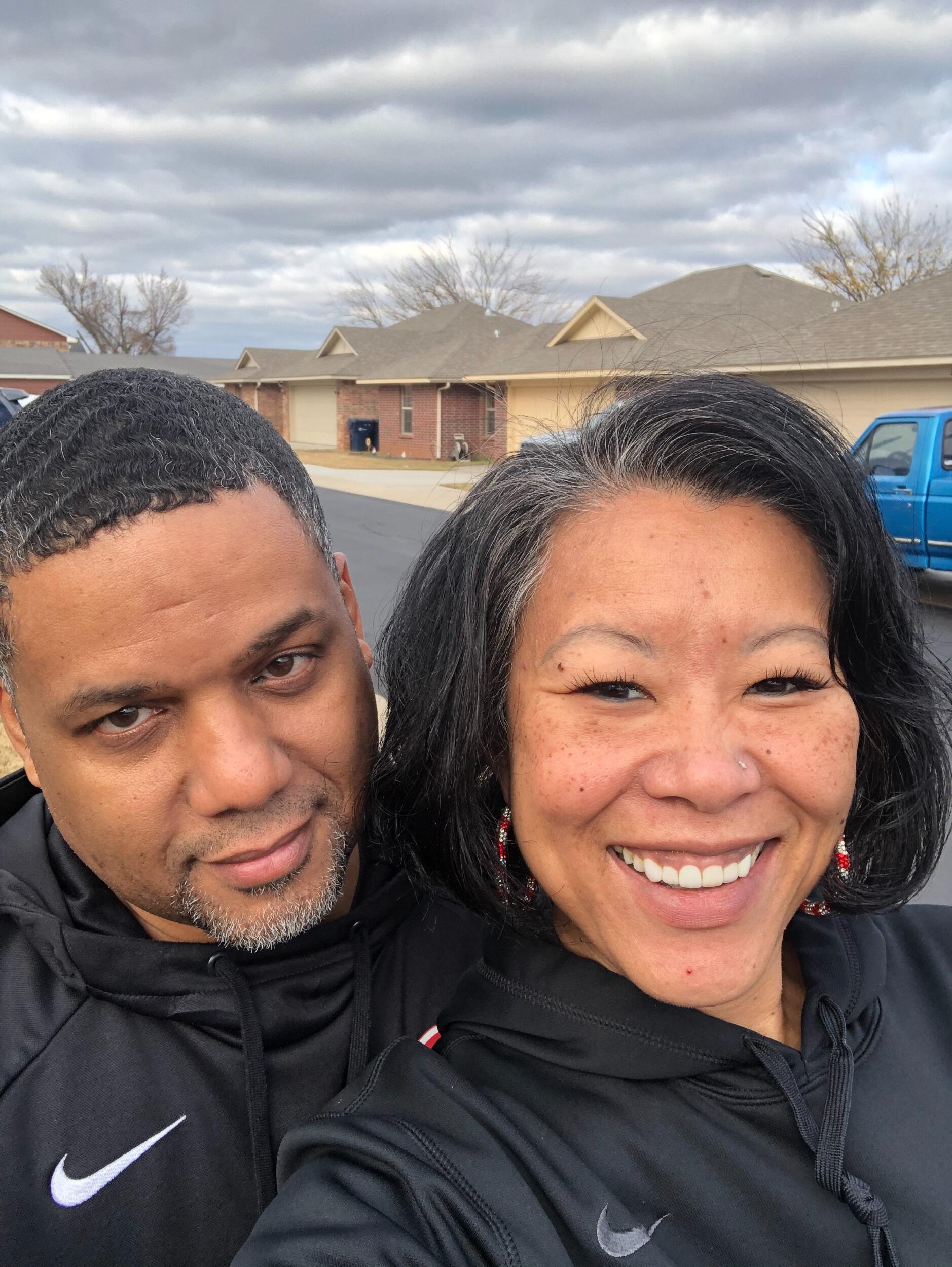
November 22, 2020
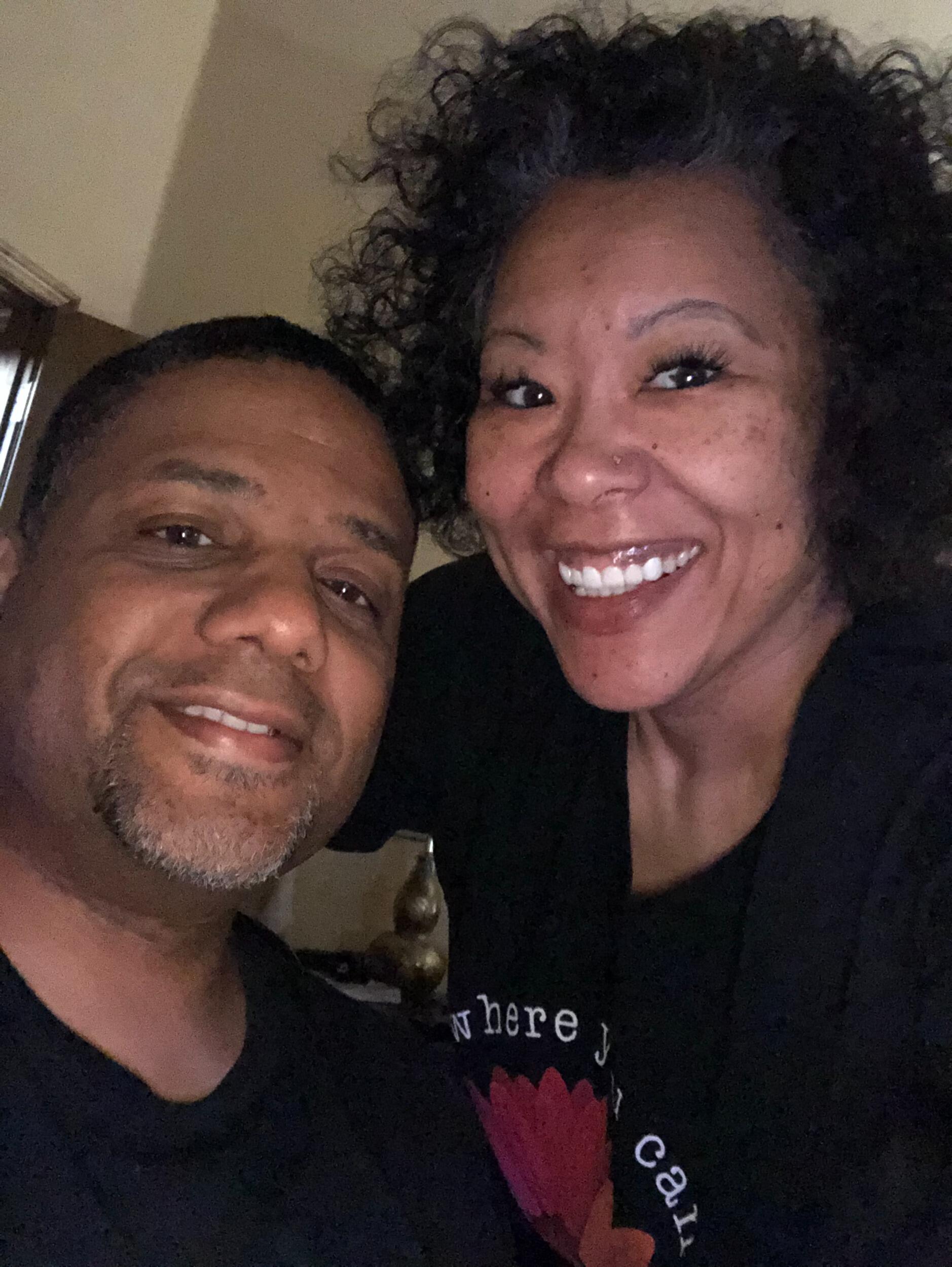
November 22, 2020
November 22, 2020

November 24, 2020
November 25, 2020

November 26, 2020
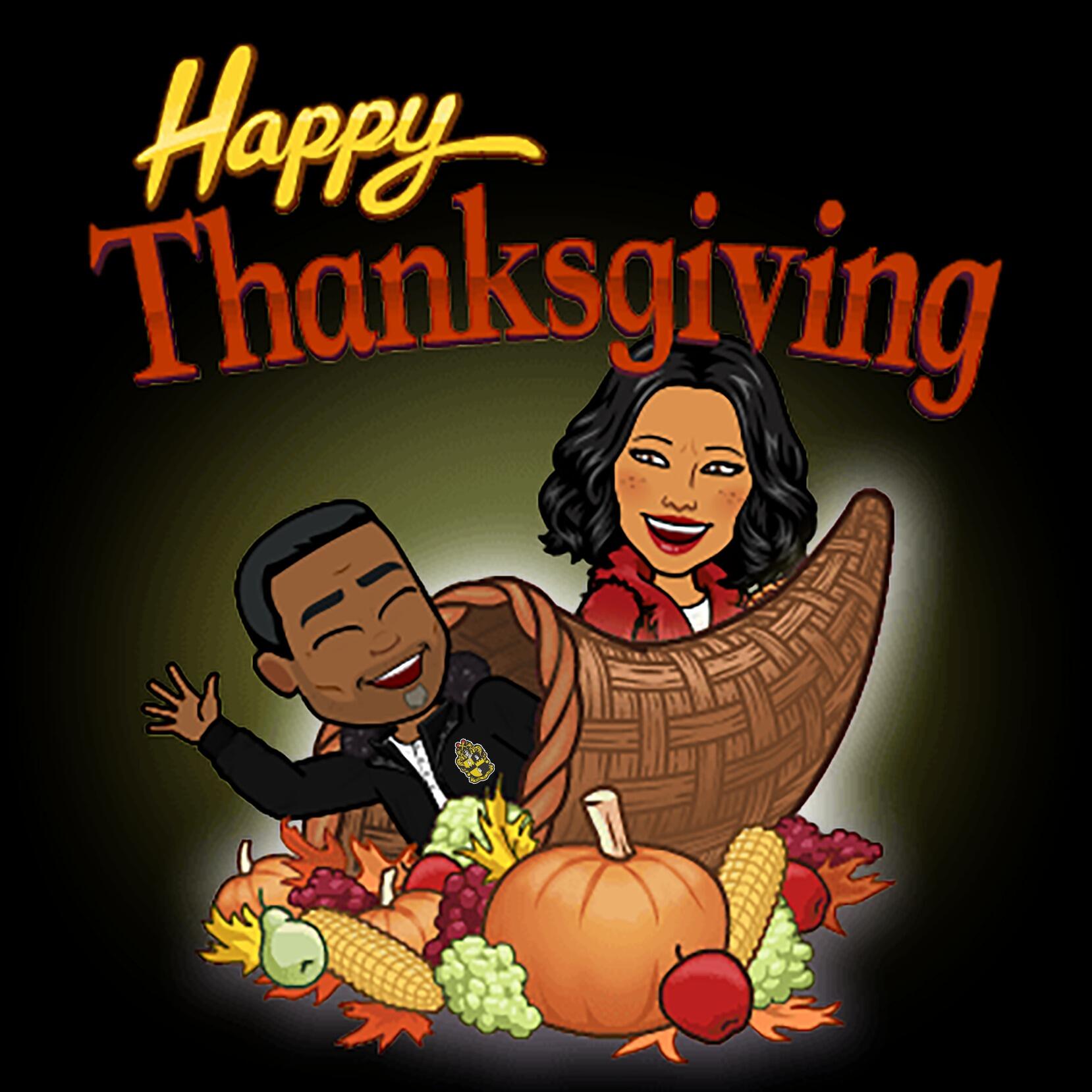
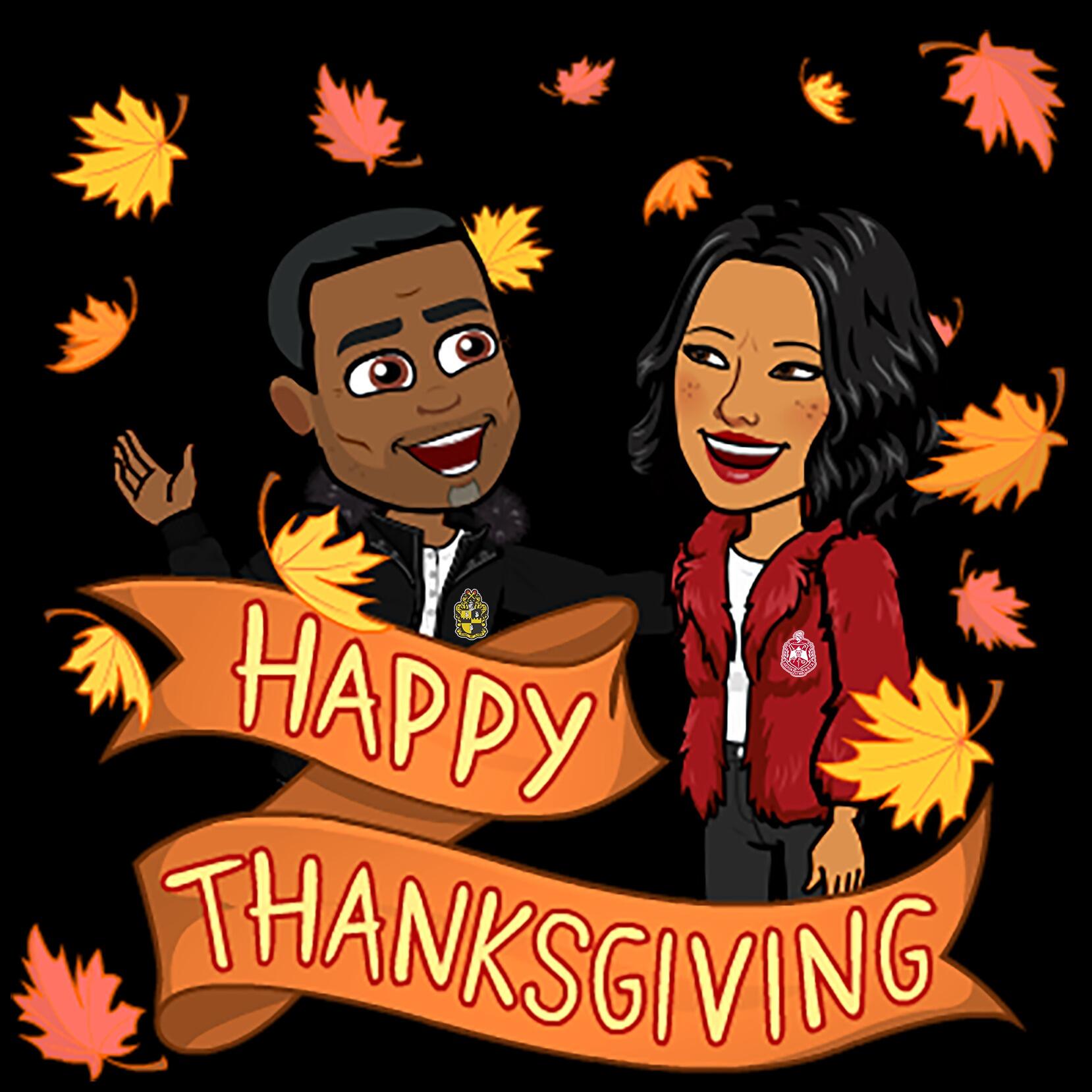
Happy Thanksgiving! We are full of gratitude for our friends and family, and most especially, US!
November 26, 2020
November 26, 2020
November 28, 2020

November 28, 2020
November 28, 2020

November 29, 2020

November 30, 2020
November 30, 2020

November 30, 2020

November 30, 2020

November 30, 2020
November 30, 2020
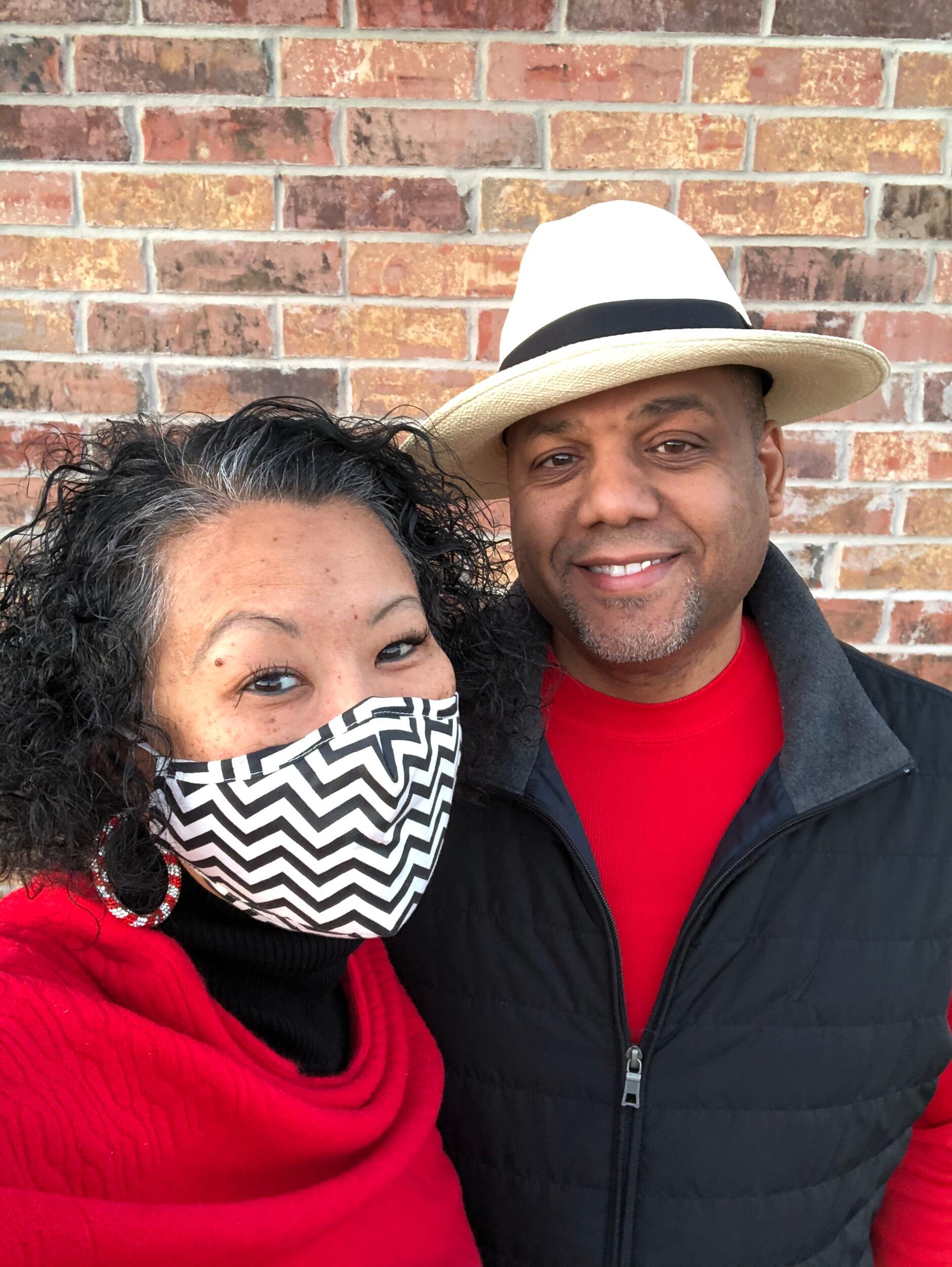
November 30, 2020

December 01, 2020
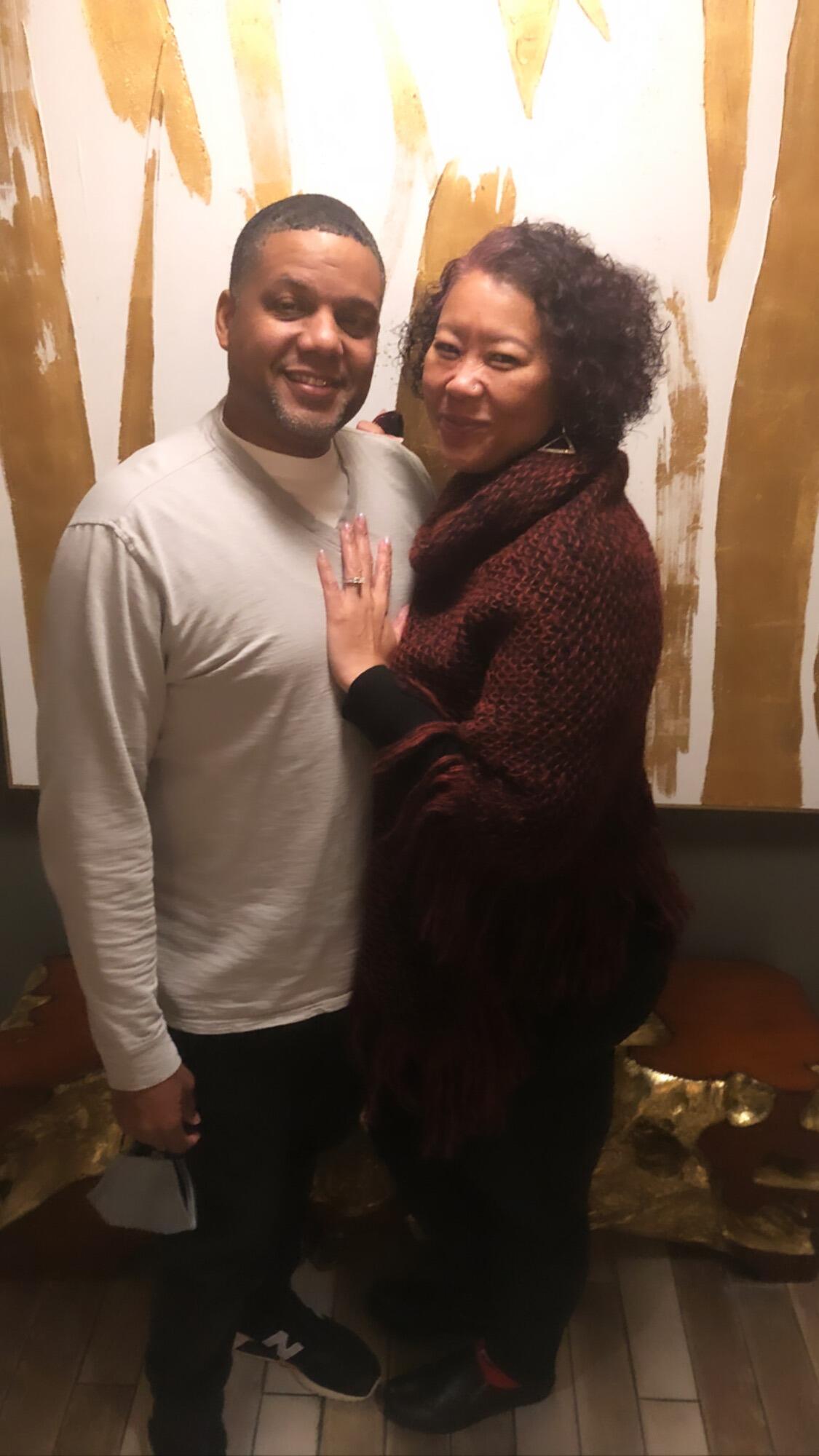
December 01, 2020
December 01, 2020

December 01, 2020

December 01, 2020

December 02, 2020
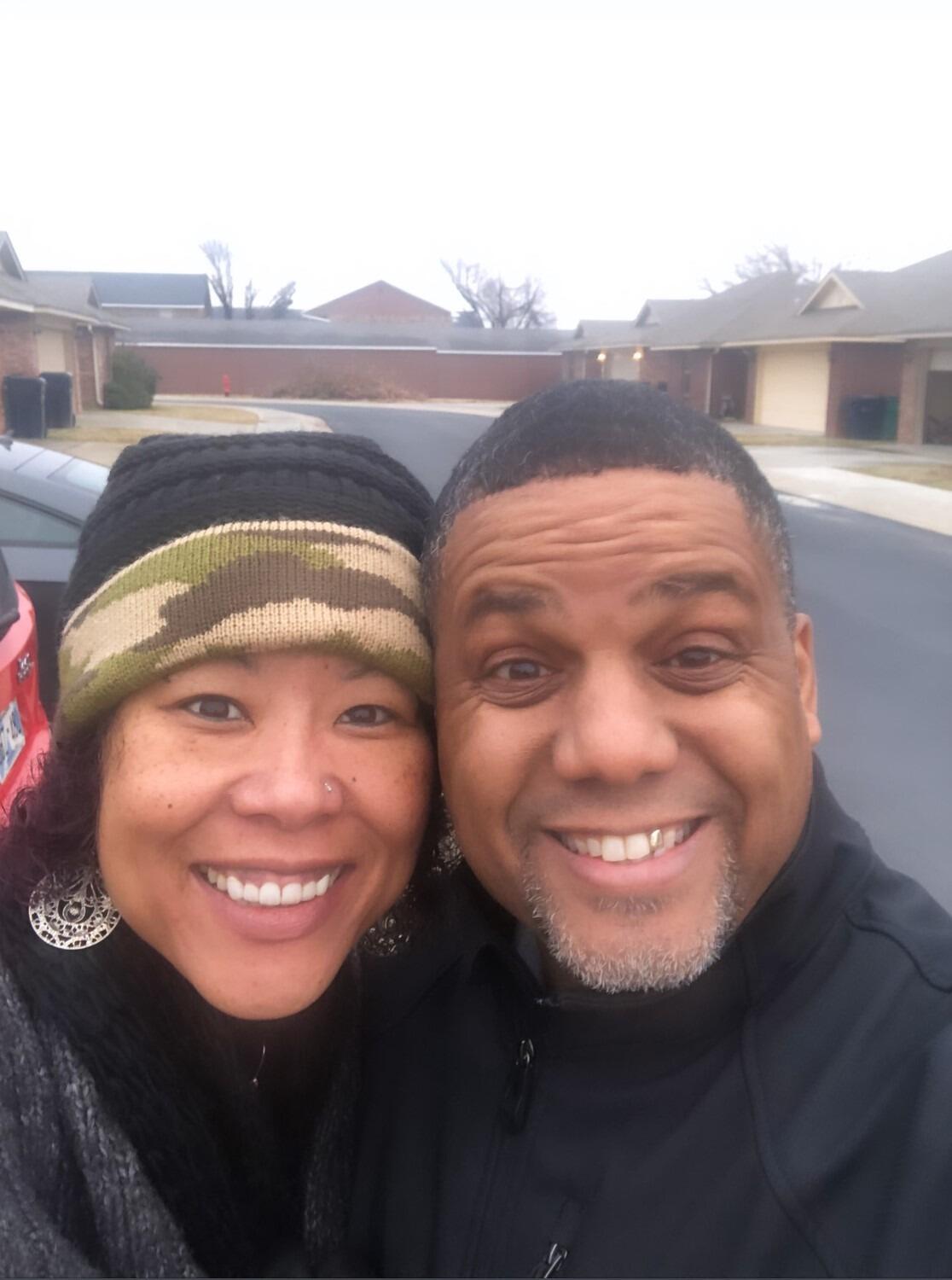
December 03, 2020
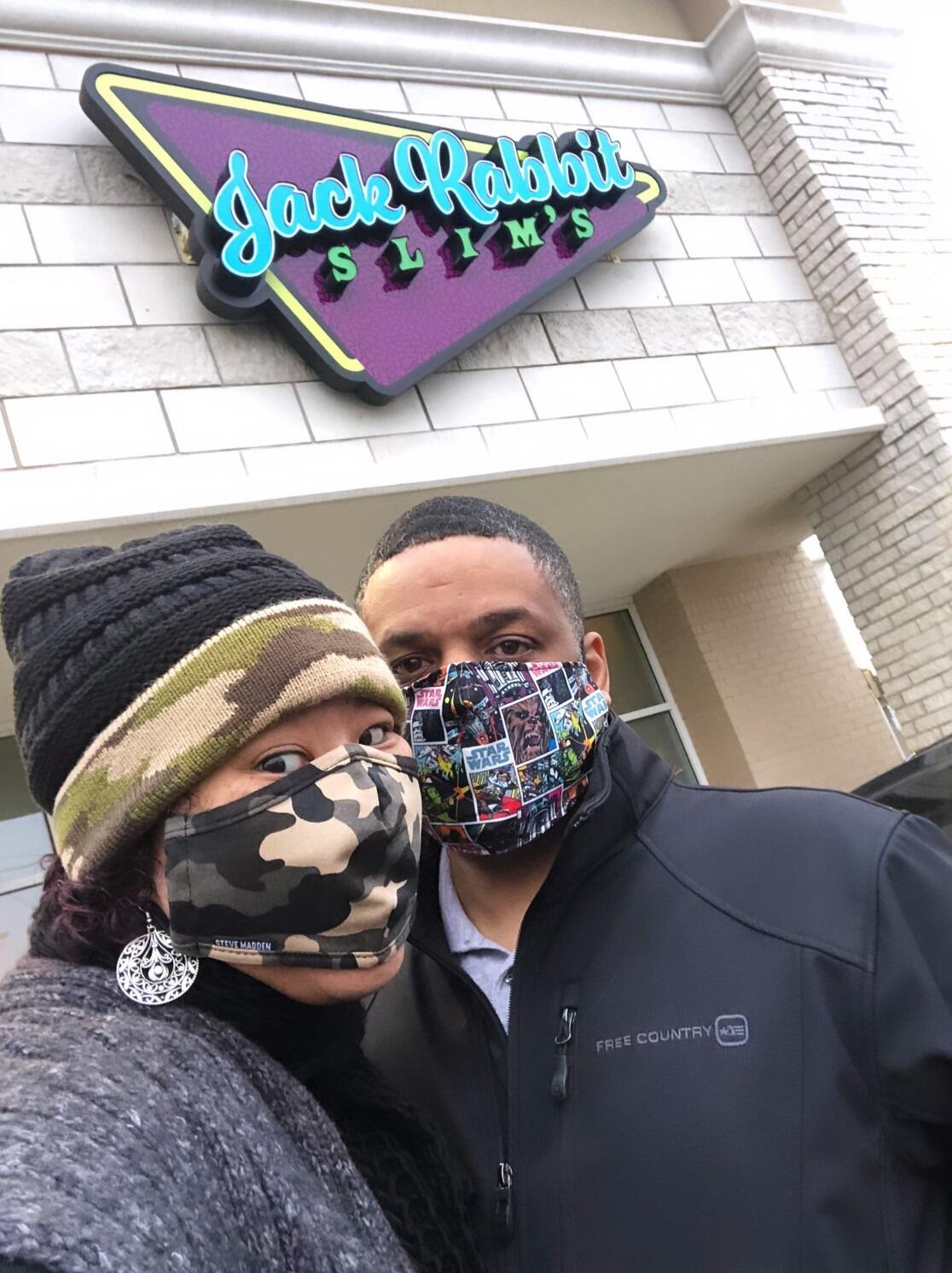
December 03, 2020

December 04, 2020
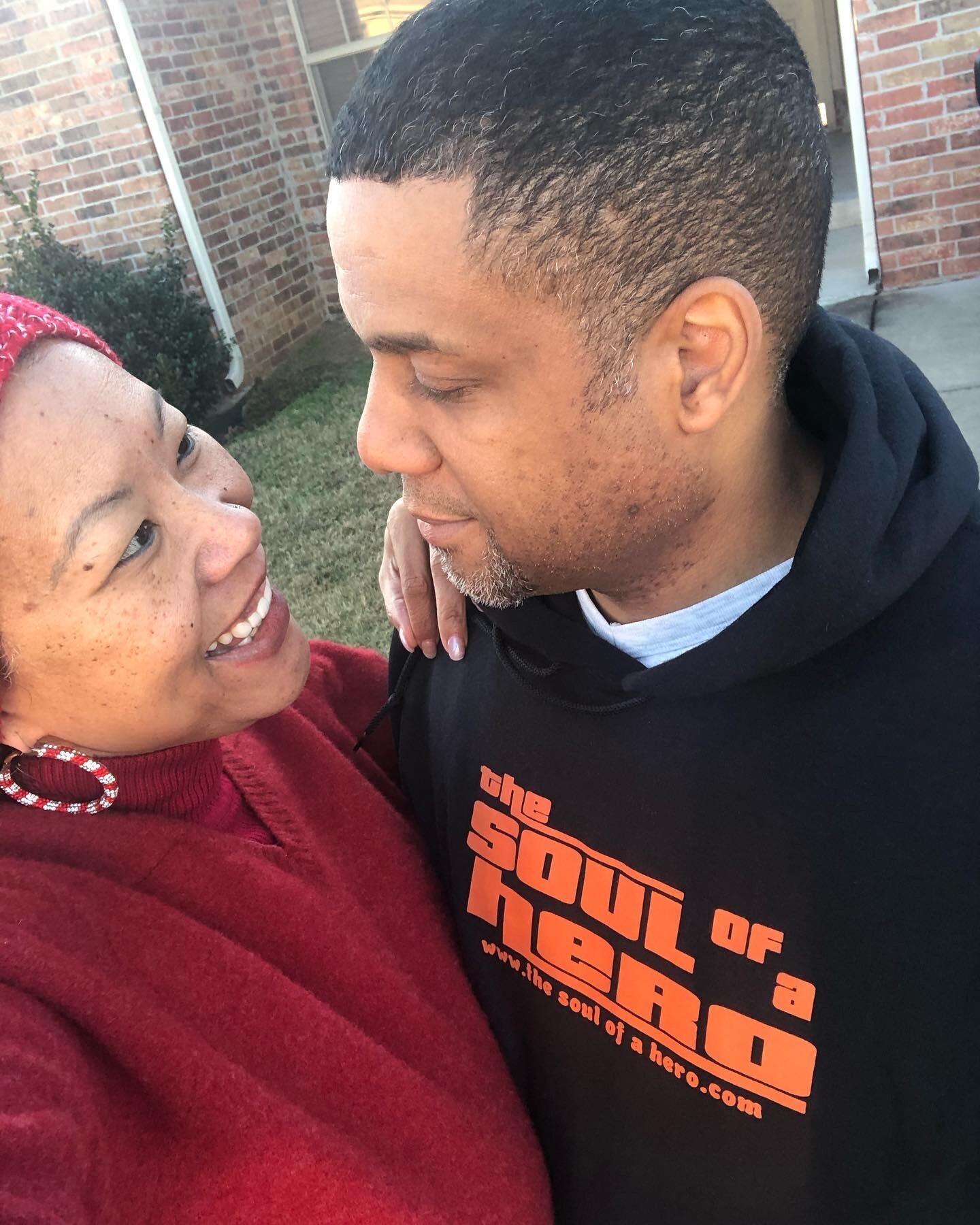
December 04, 2020
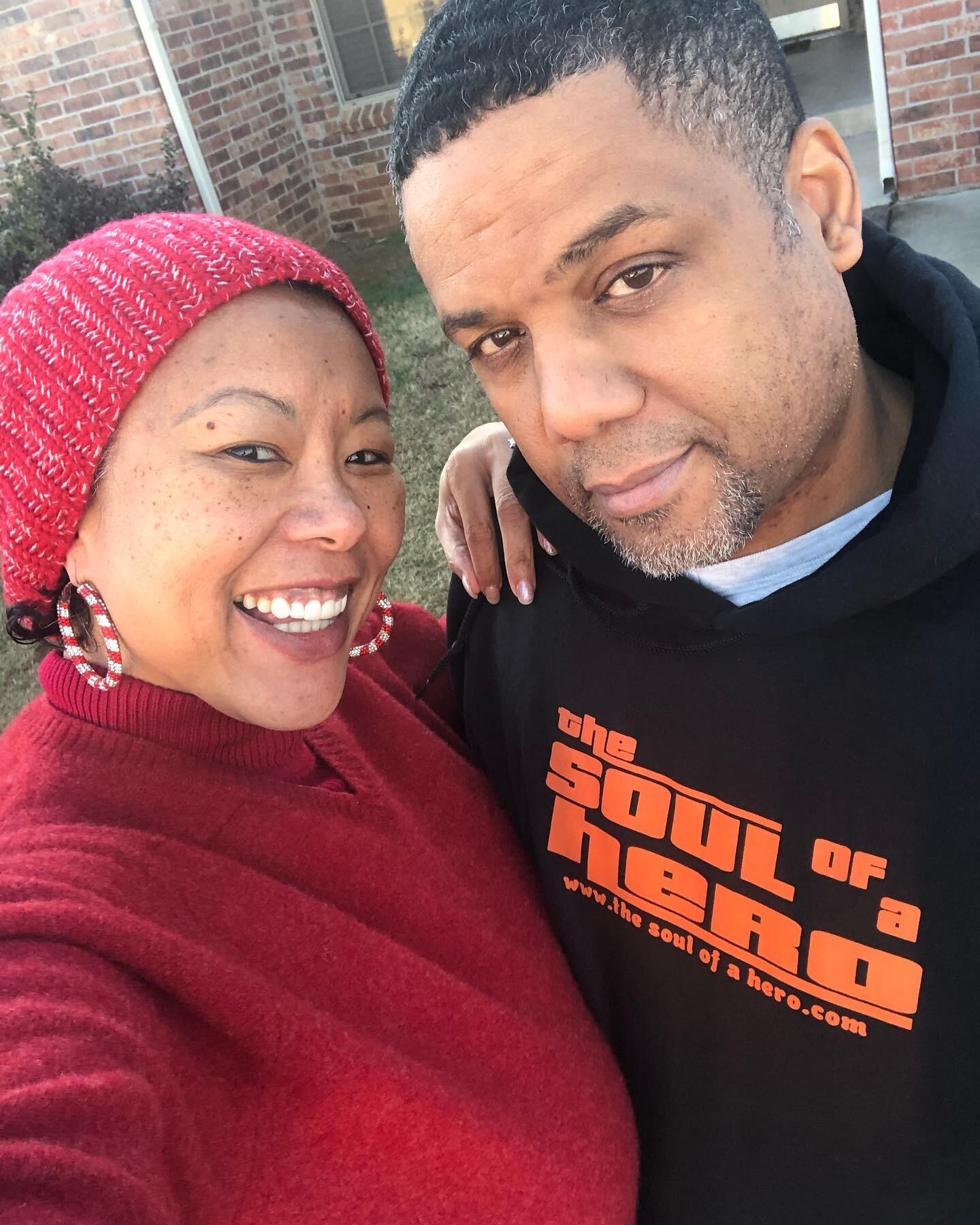
December 04, 2020

December 05, 2020
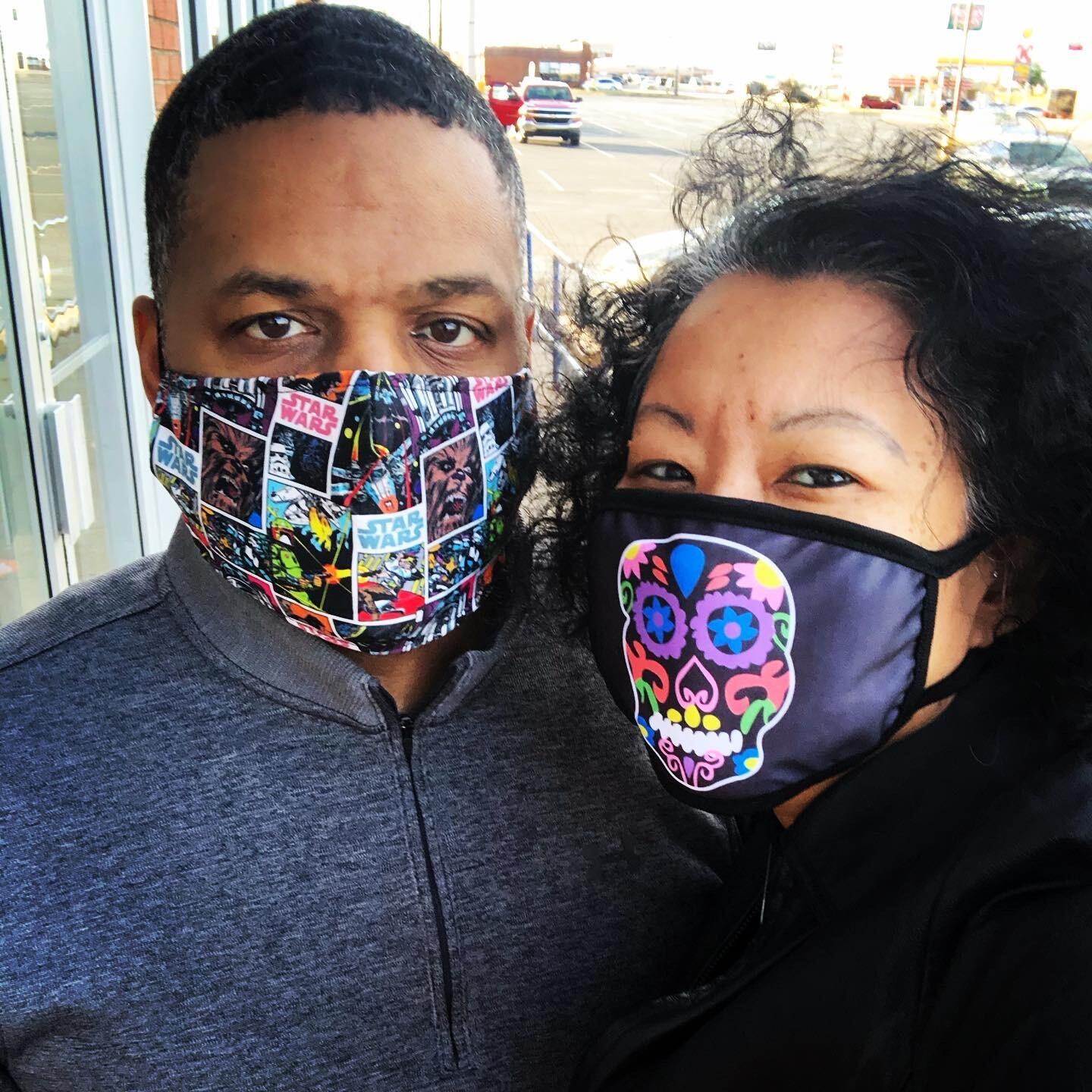
December 05, 2020
December 05, 2020
December 06, 2020

December 06, 2020

December 06, 2020
December 08, 2020

December 10, 2020
December 11, 2020
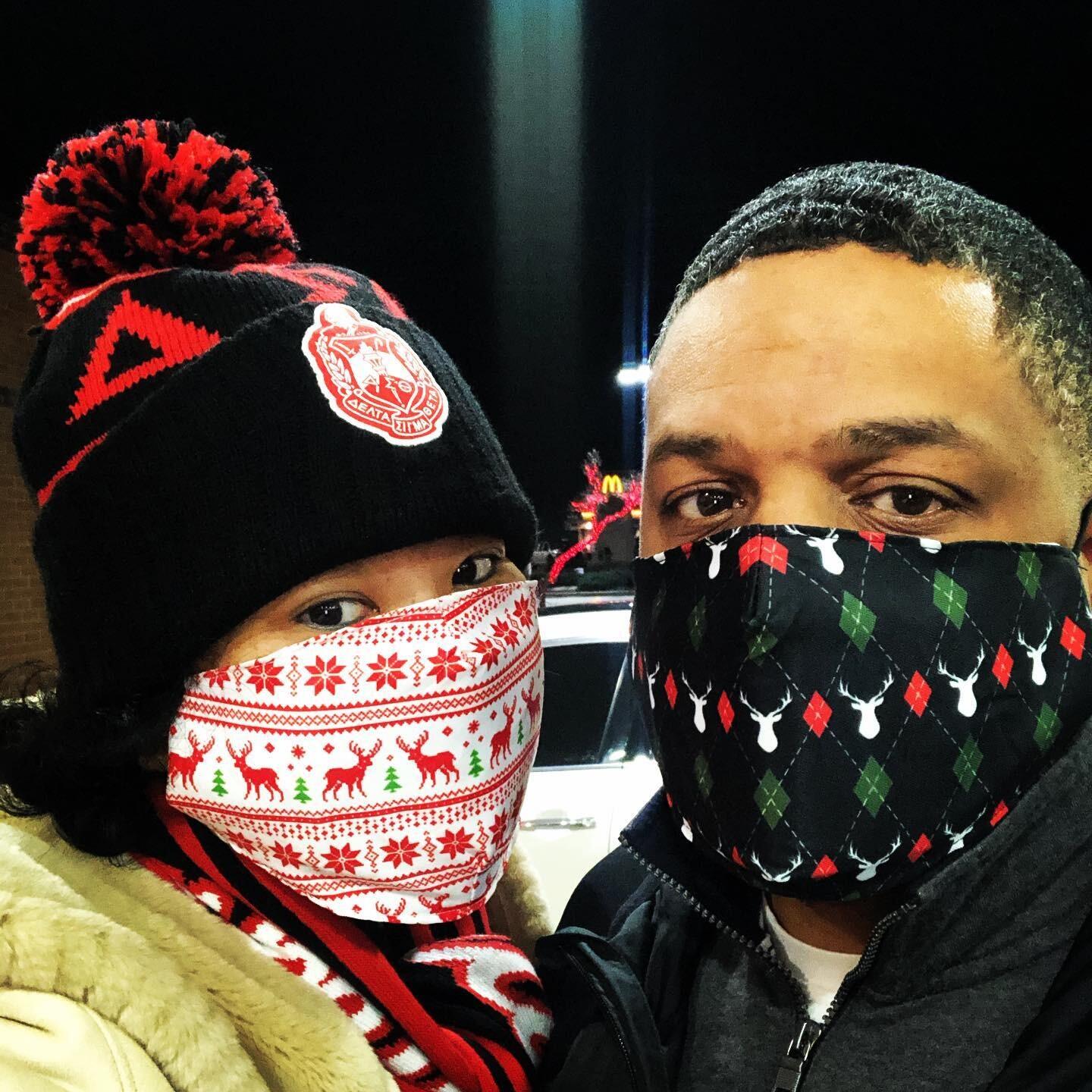
December 12, 2020
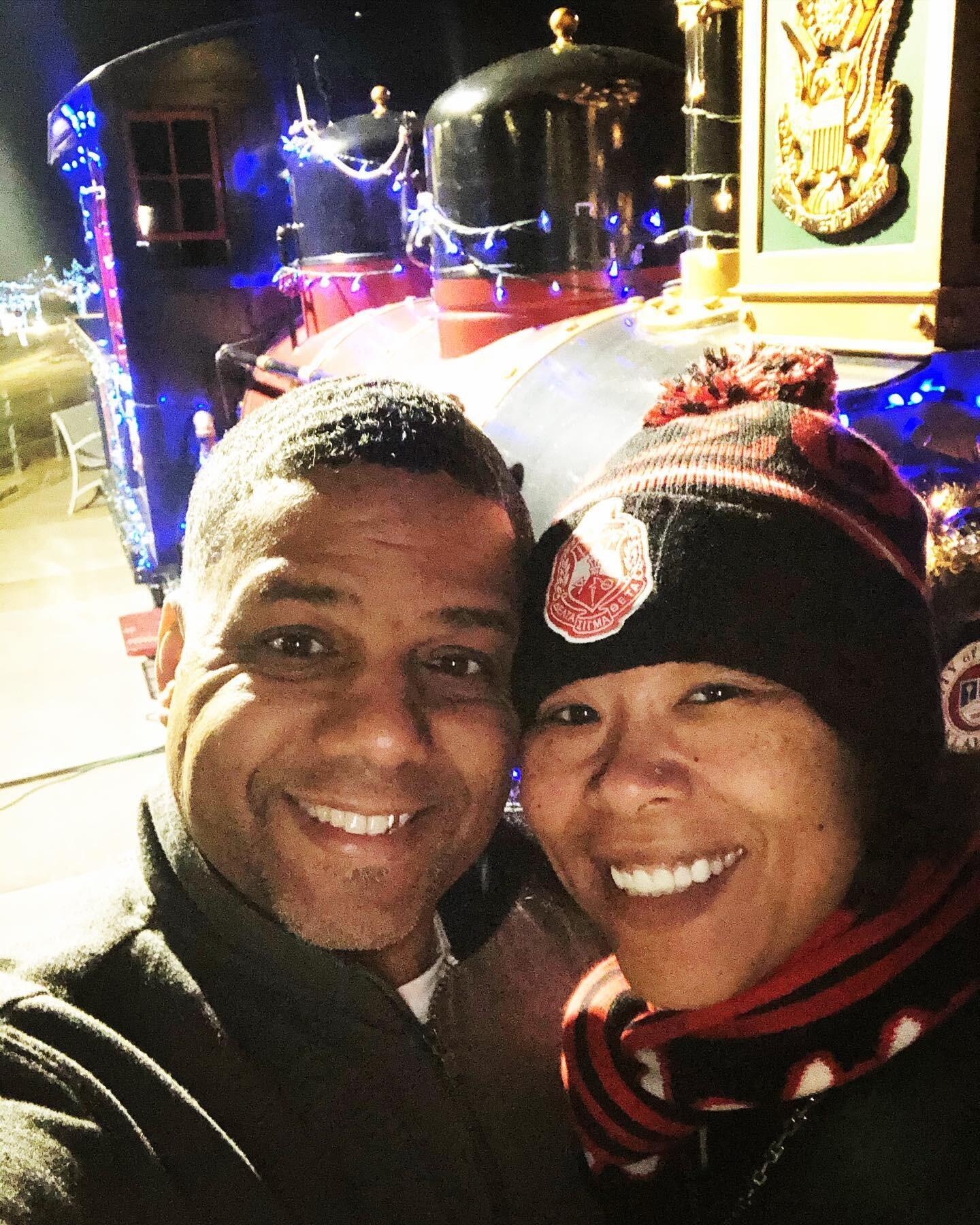
December 12, 2020
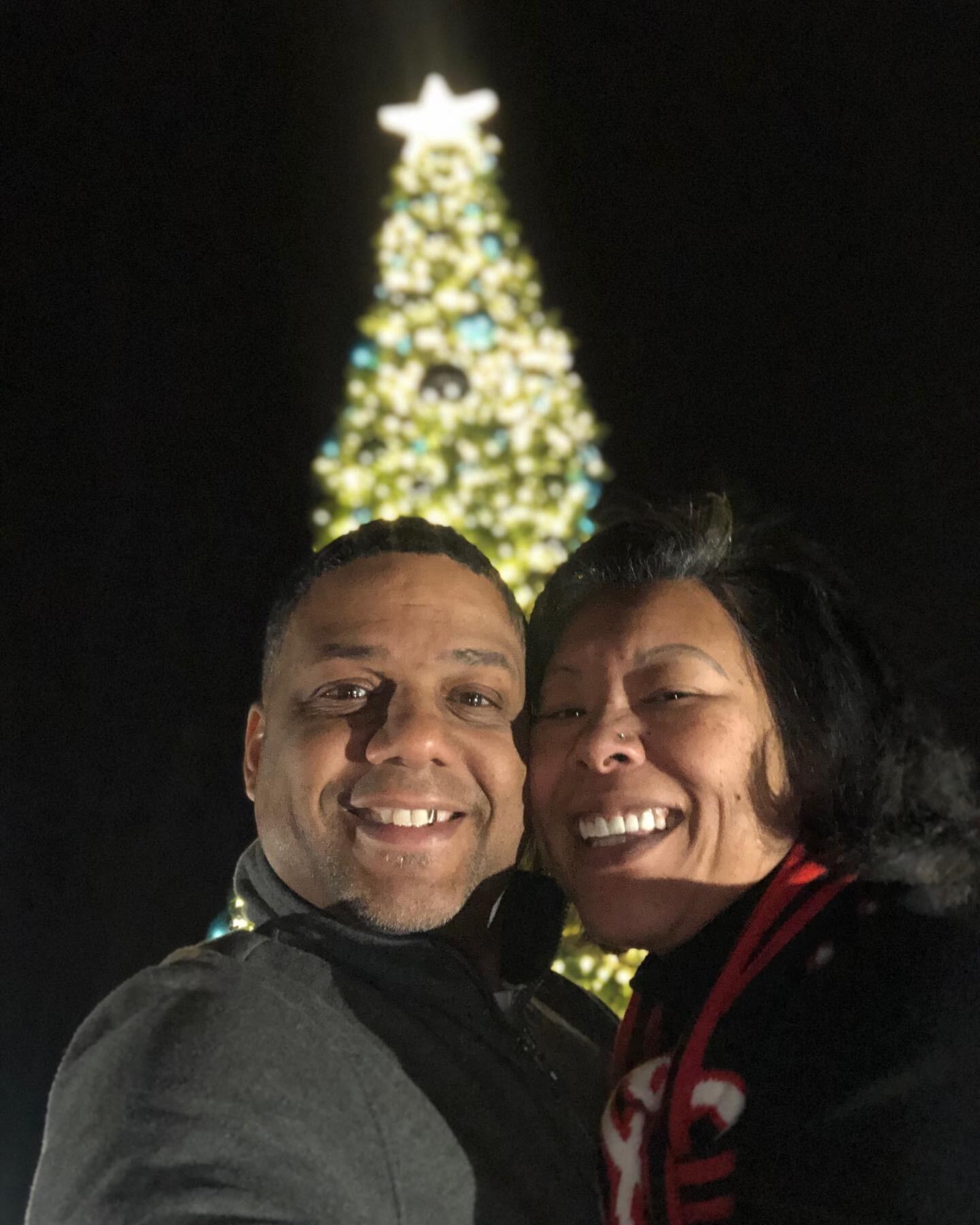
December 12, 2020
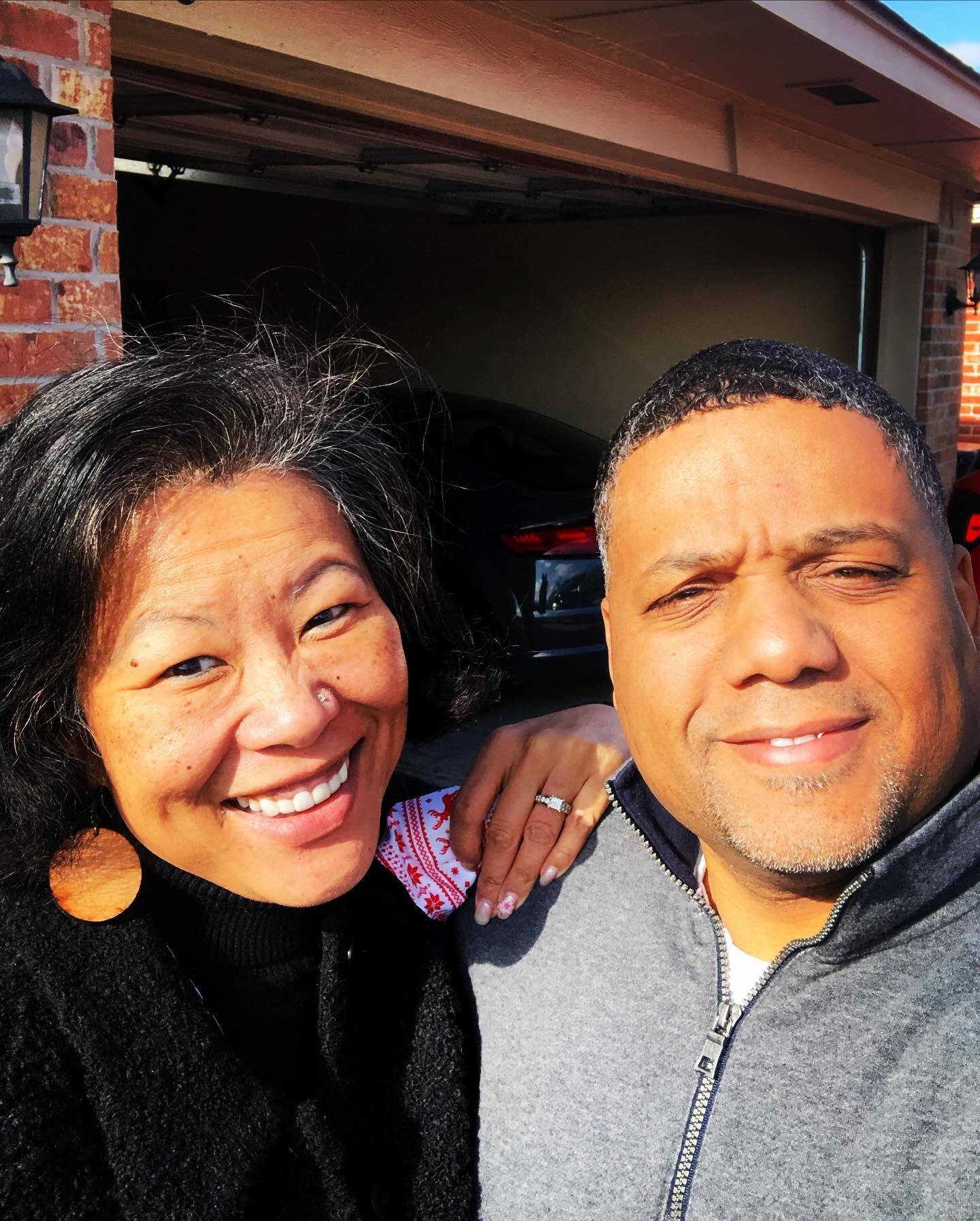
December 12, 2020

December 15, 2020

December 15, 2020

December 15, 2020

December 16, 2020

December 16, 2020
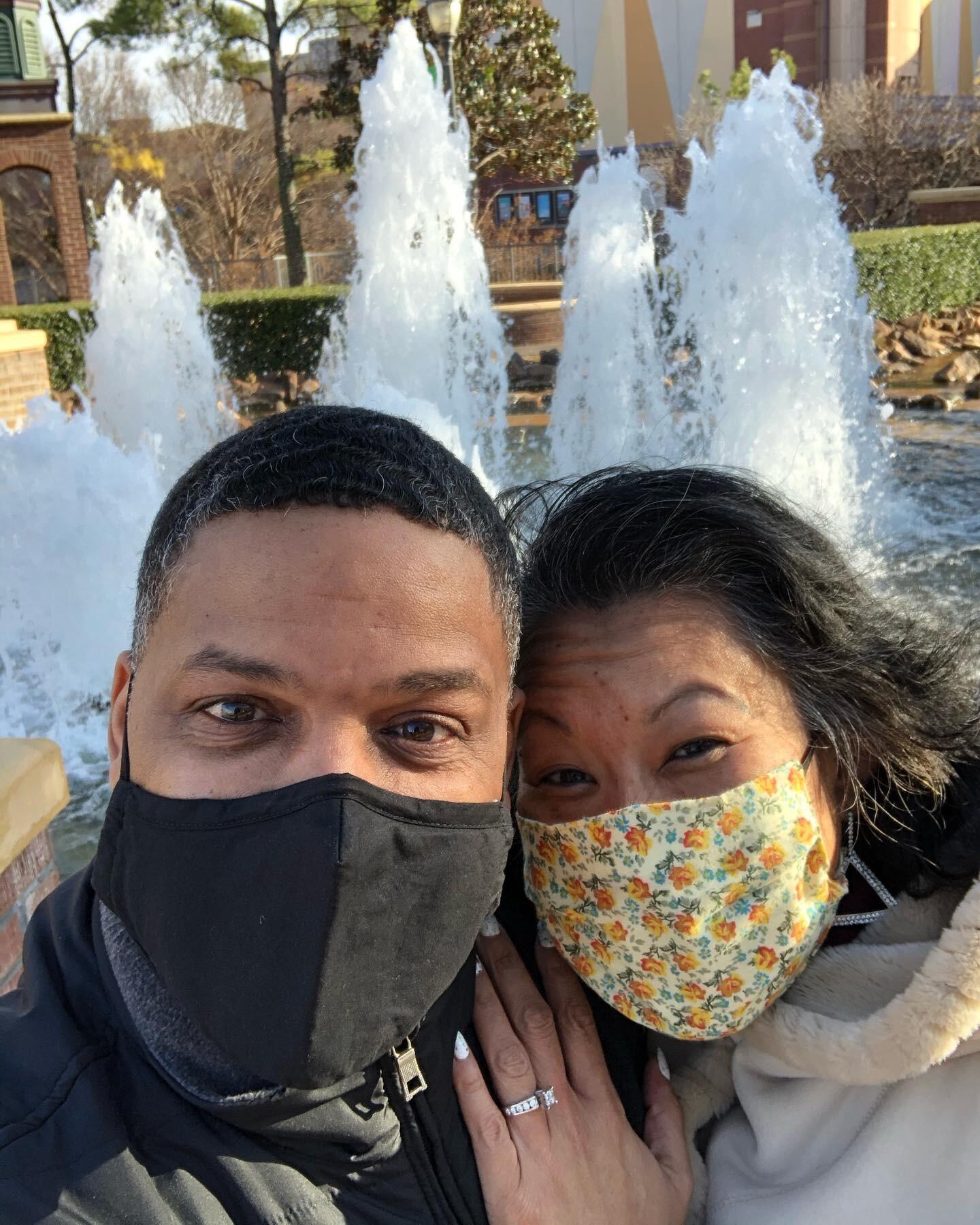
December 18, 2020
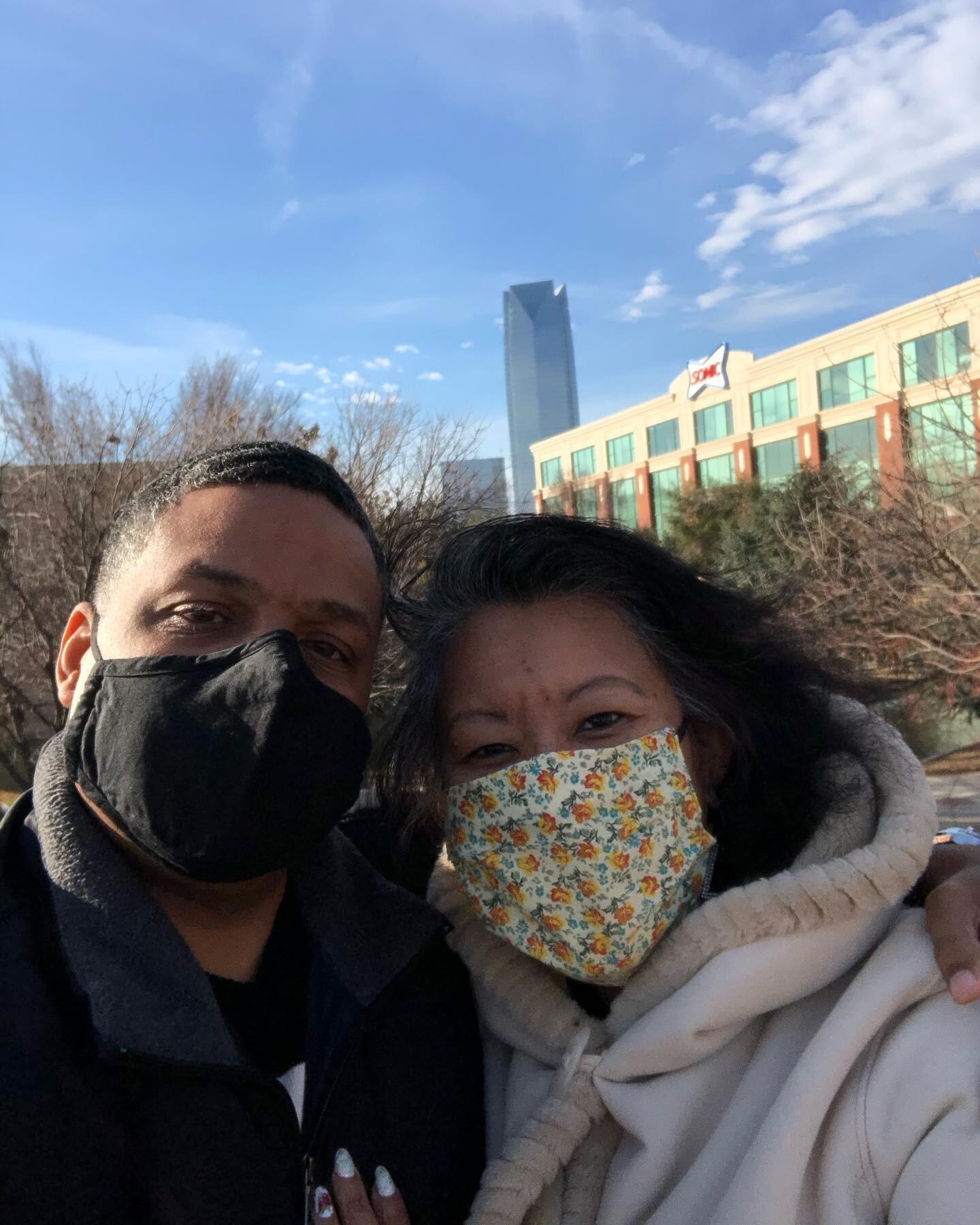
December 18, 2020
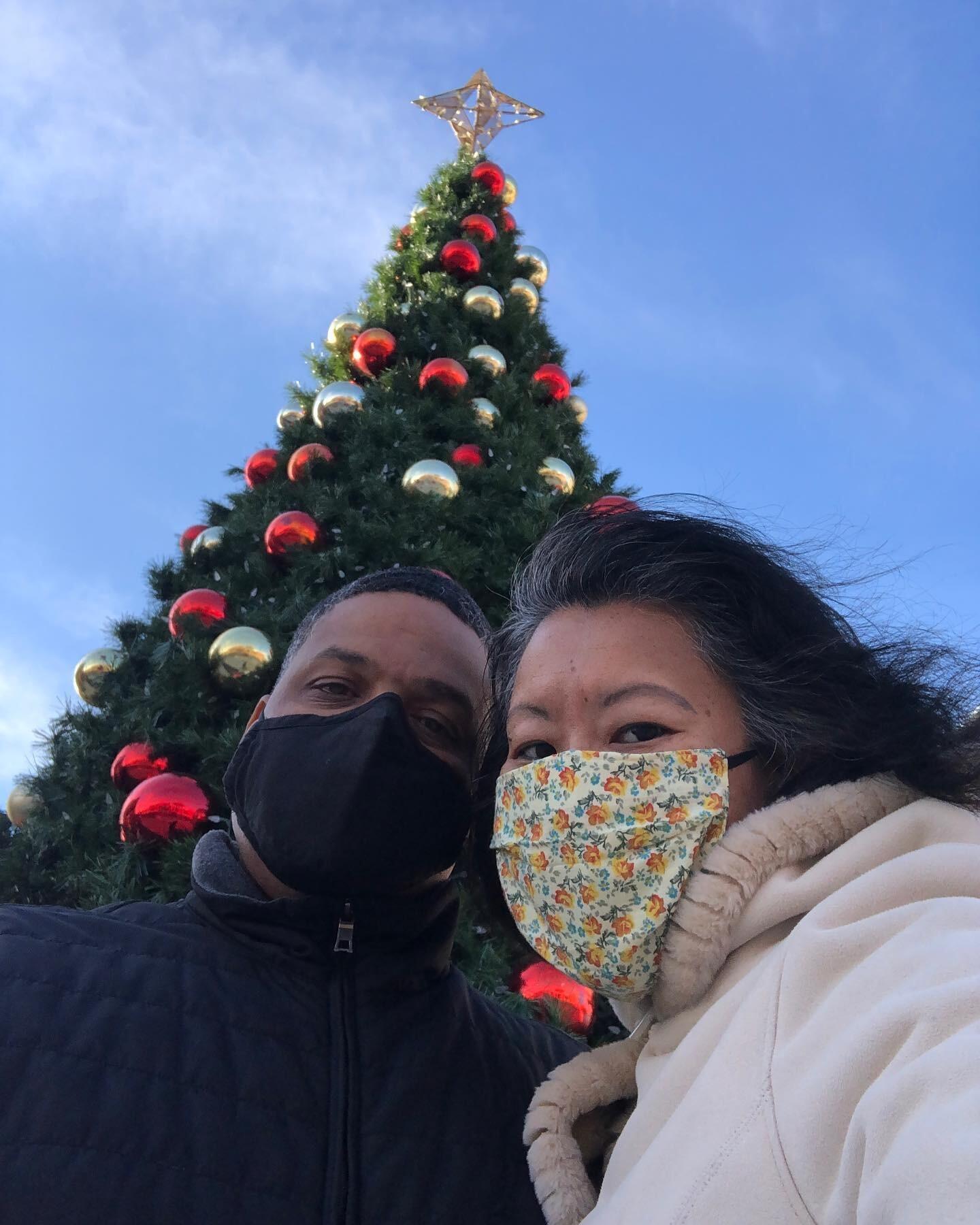
December 18, 2020
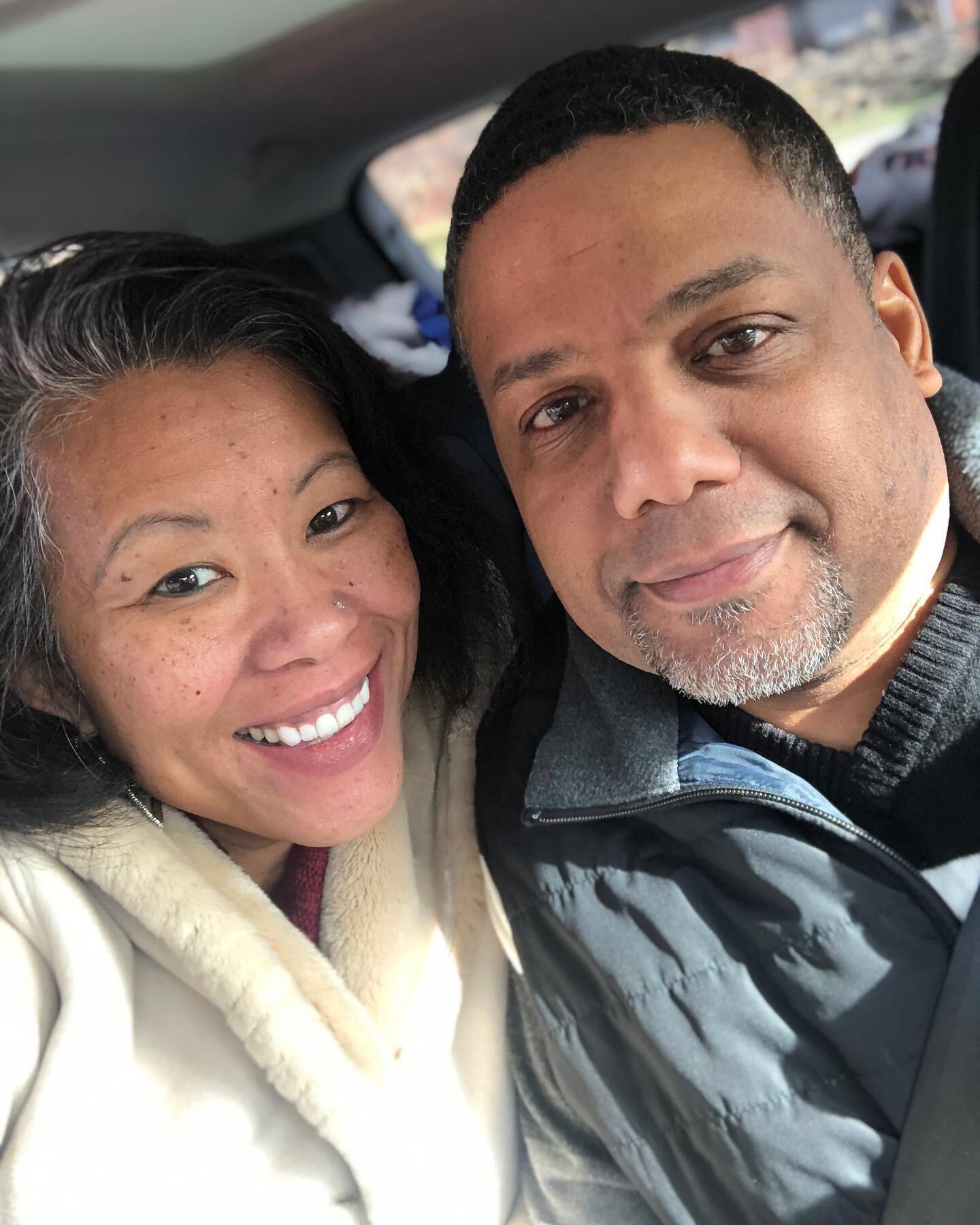
December 18, 2020
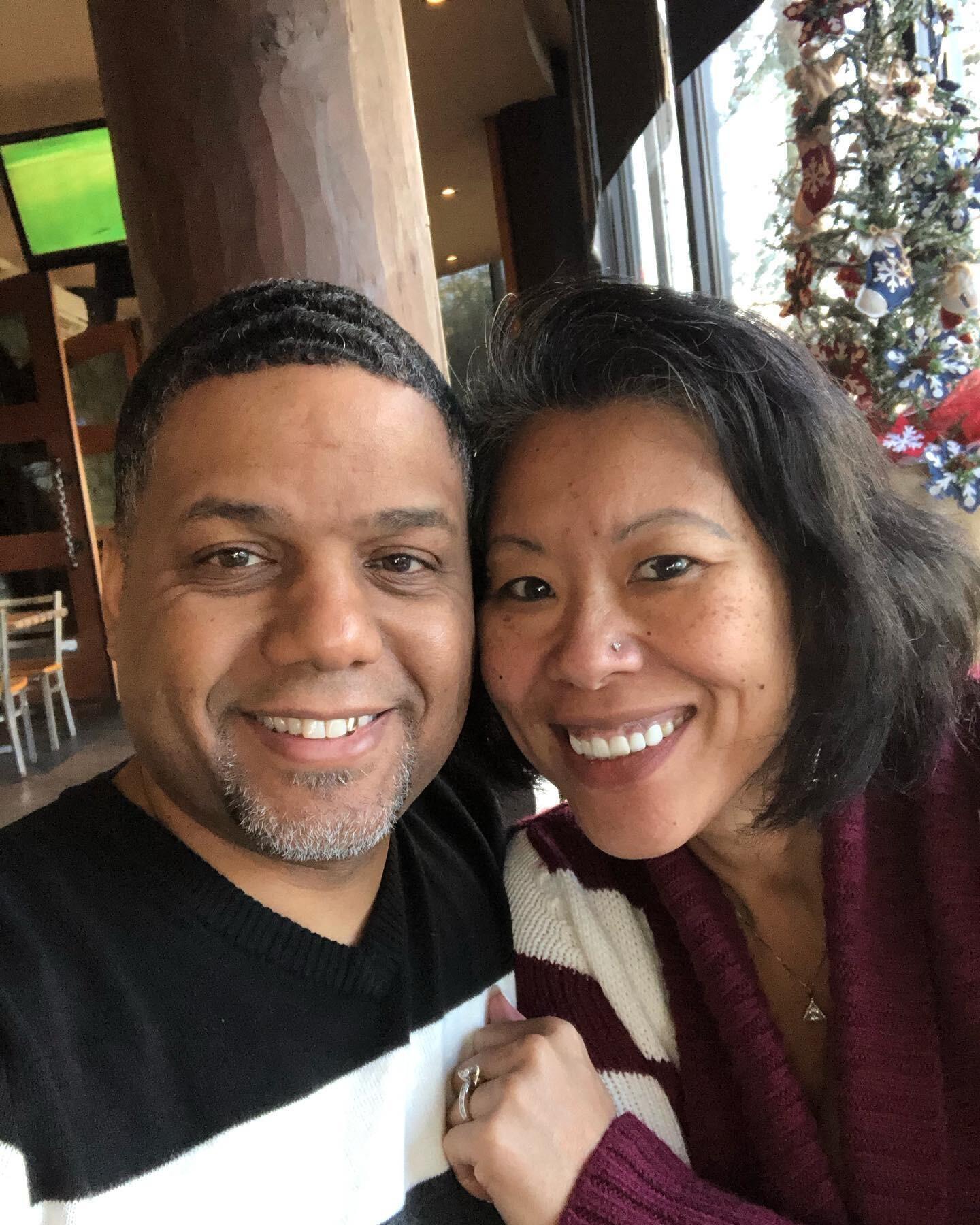
December 18, 2020
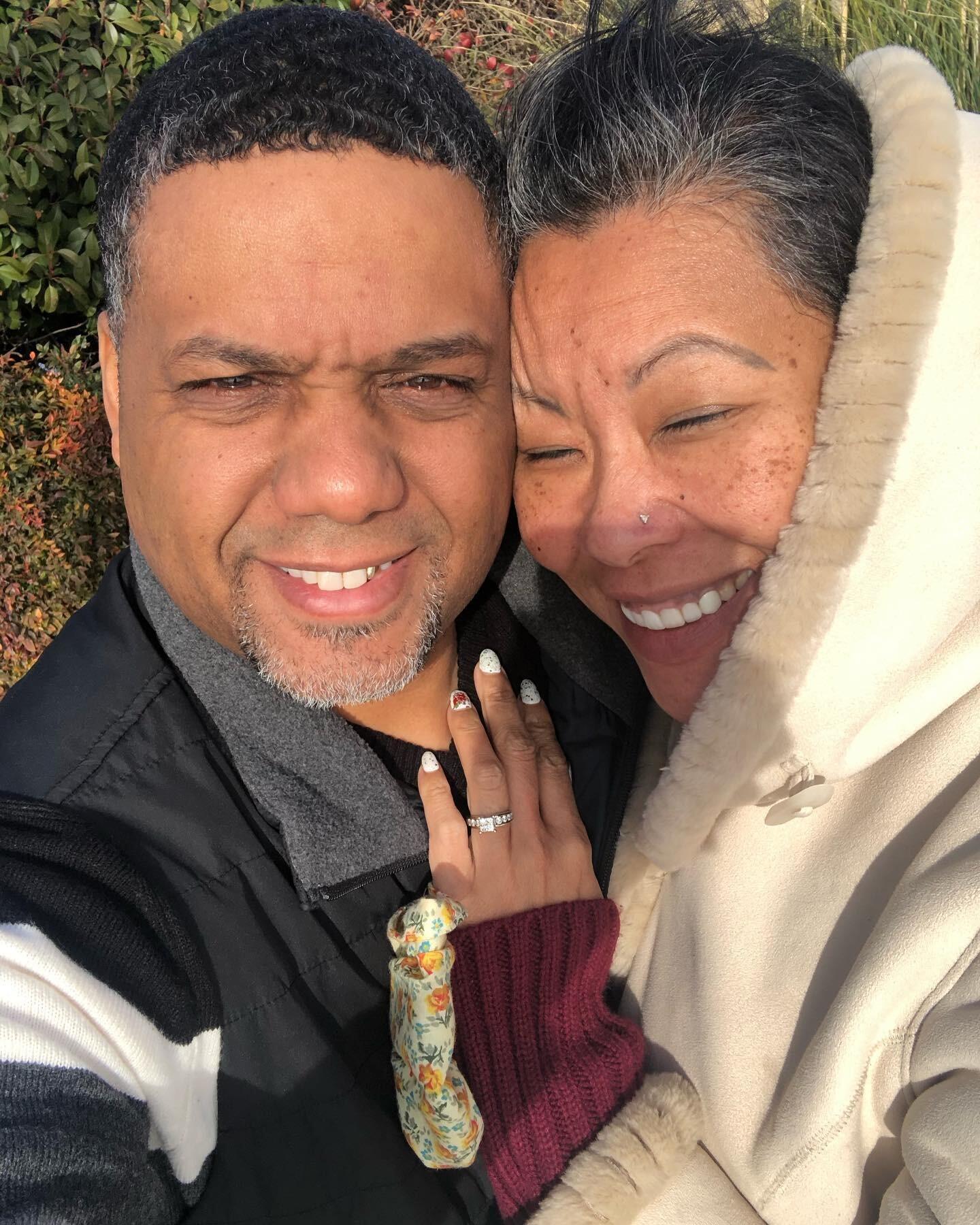
December 18, 2020
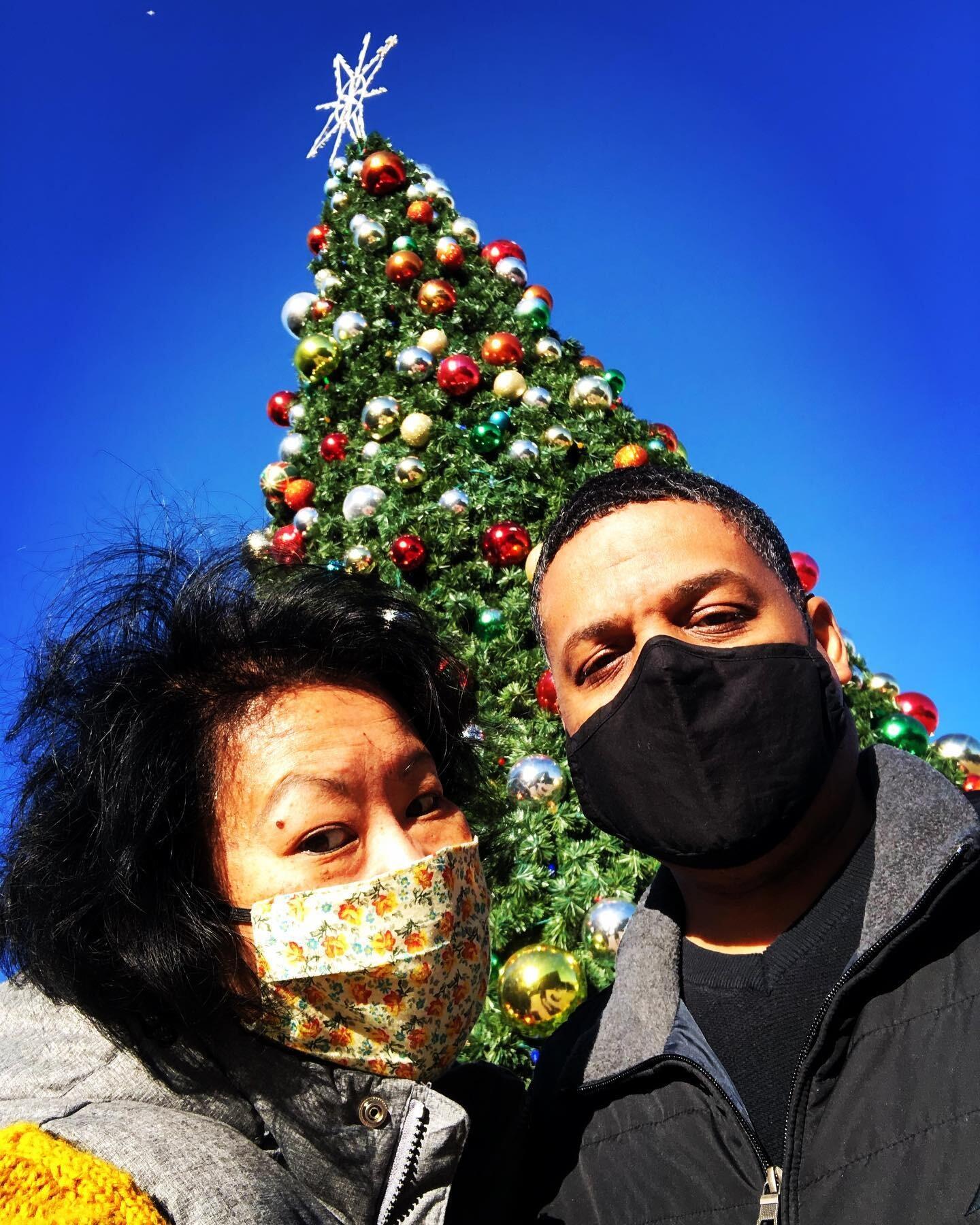
December 19, 2020

December 19, 2020

December 19, 2020

December 20, 2020

December 20, 2020
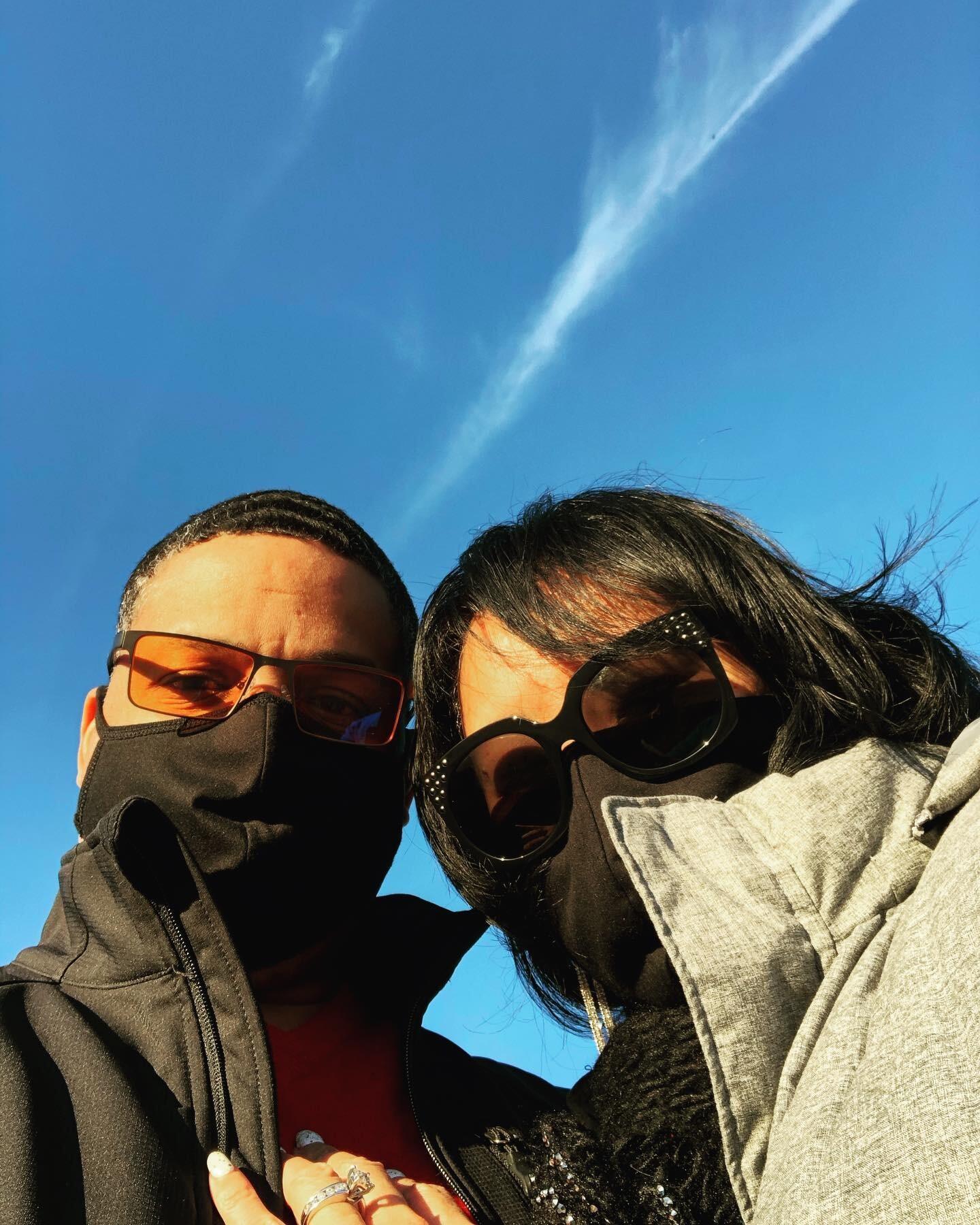
December 20, 2020
December 20, 2020
December 20, 2020

December 20, 2020
December 20, 2020
December 20, 2020

December 20, 2020
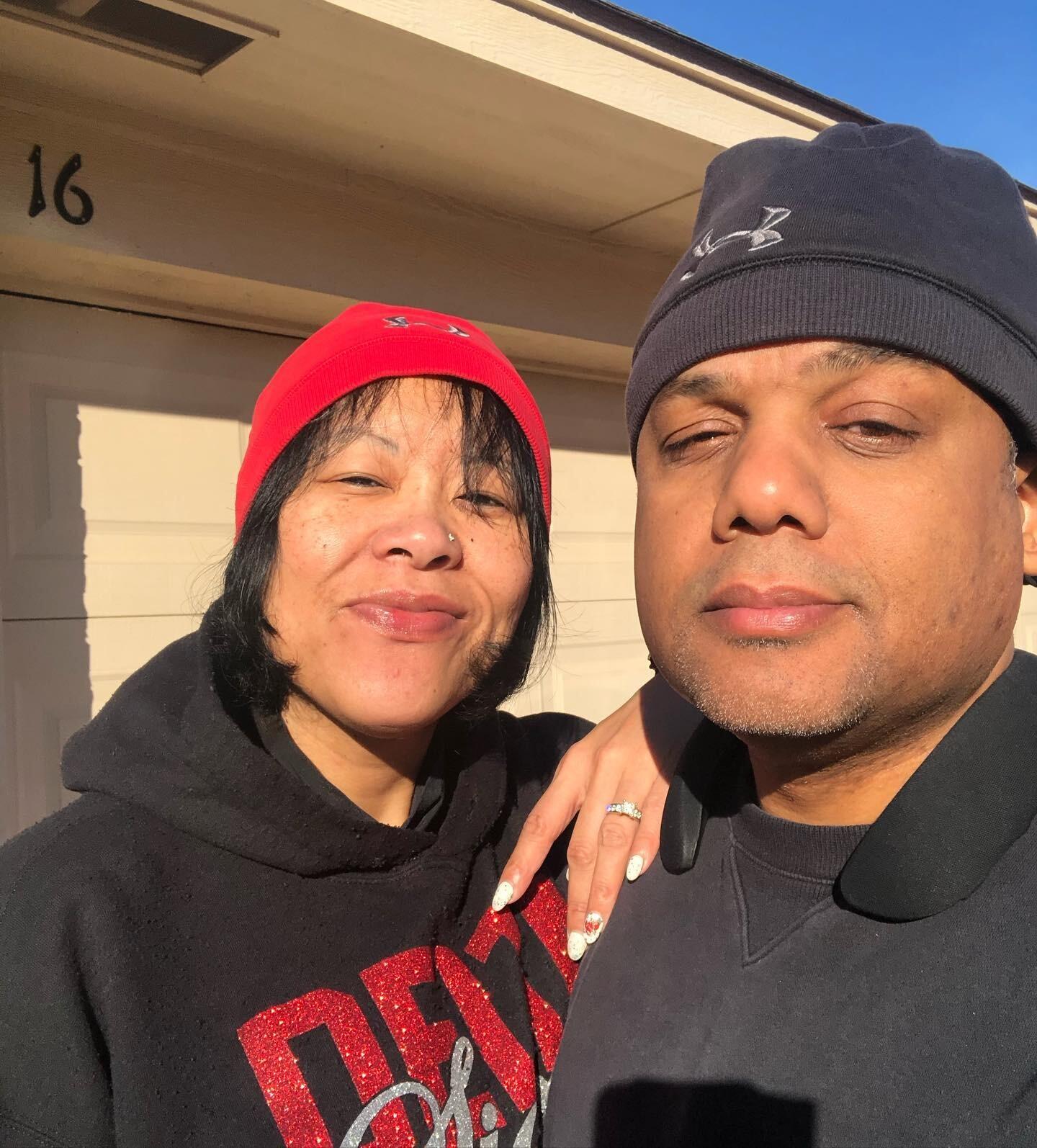
December 21, 2020
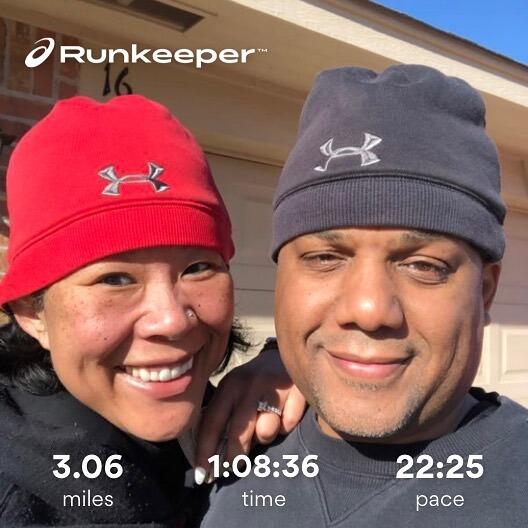
December 21, 2020
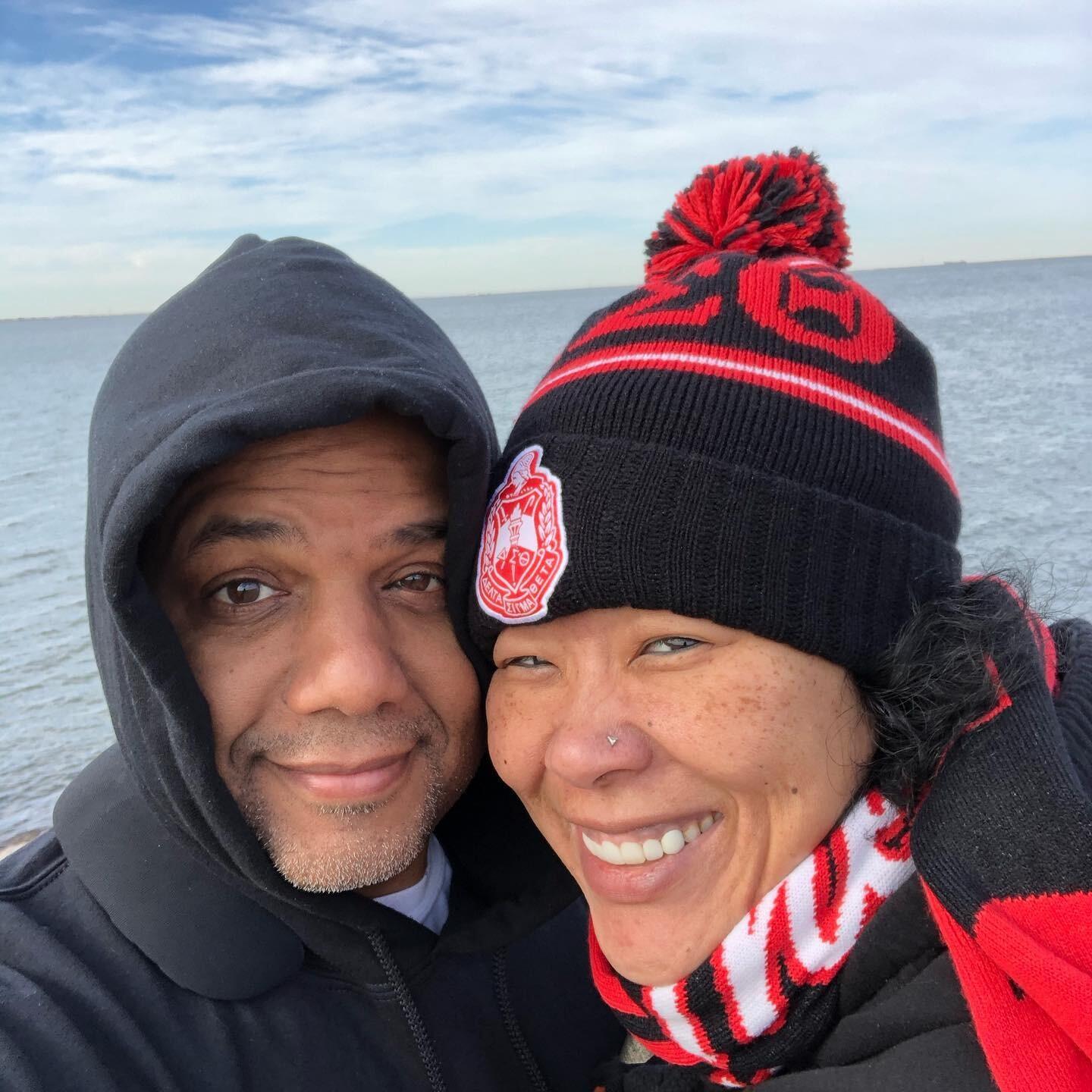
December 22, 2020
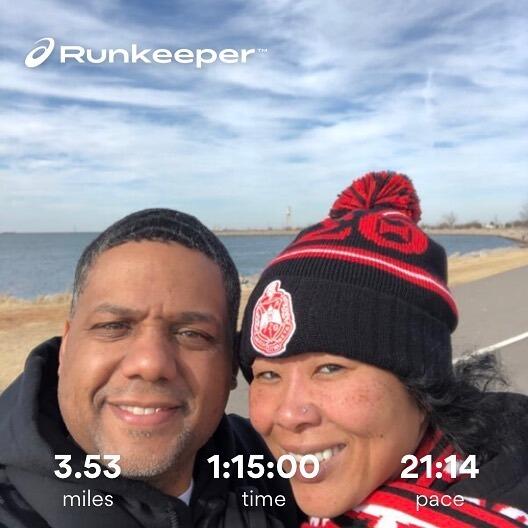
December 22, 2020

December 23, 2020
December 23, 2020
December 24, 2020

December 24, 2020

December 25, 2020

December 25, 2020

December 26, 2020
December 27, 2020
December 28, 2020

December 28, 2020
December 29, 2020
December 31, 2020
December 31, 2020

January 01, 2021

January 01, 2021

January 01, 2021
January 03, 2021
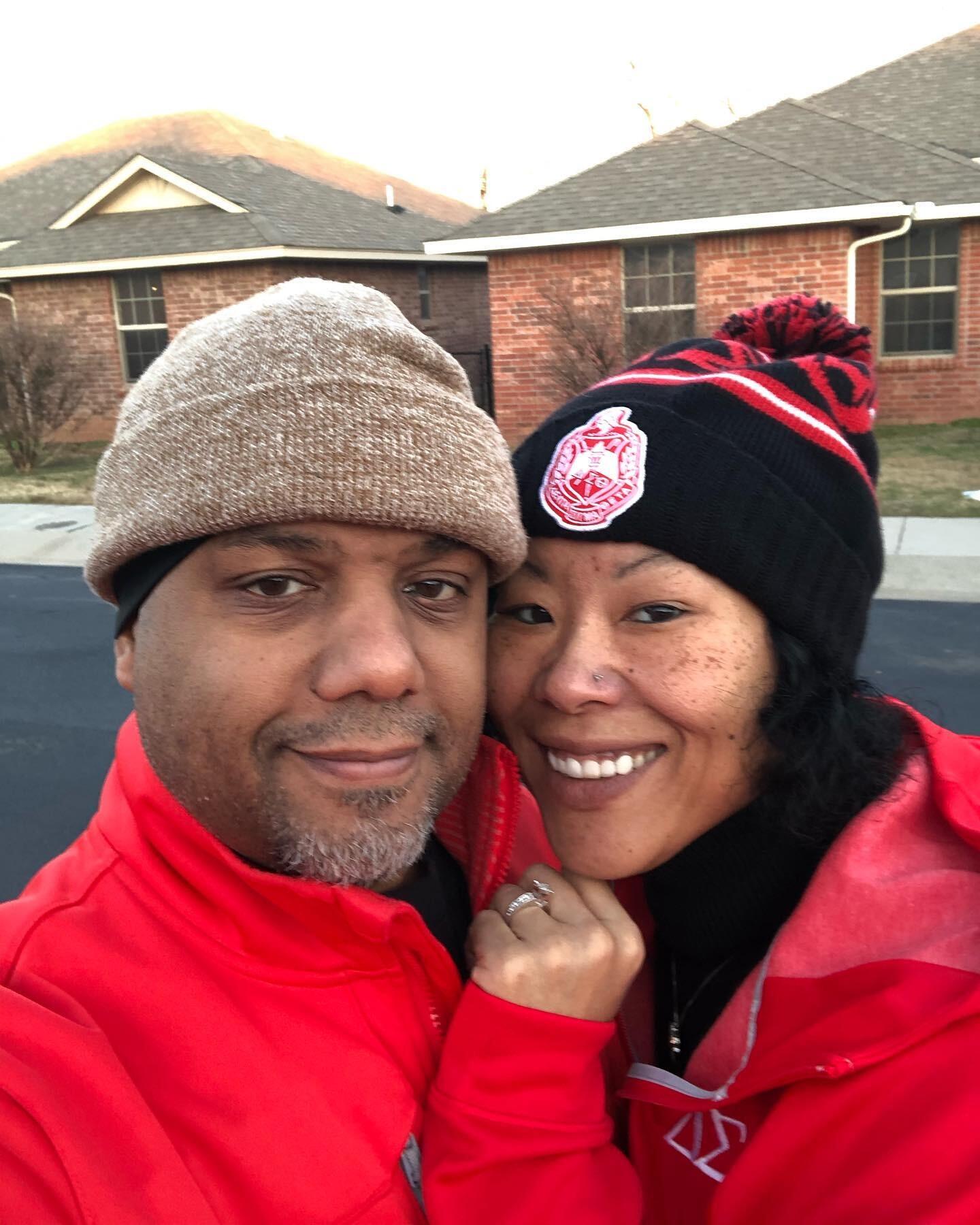
January 03, 2021
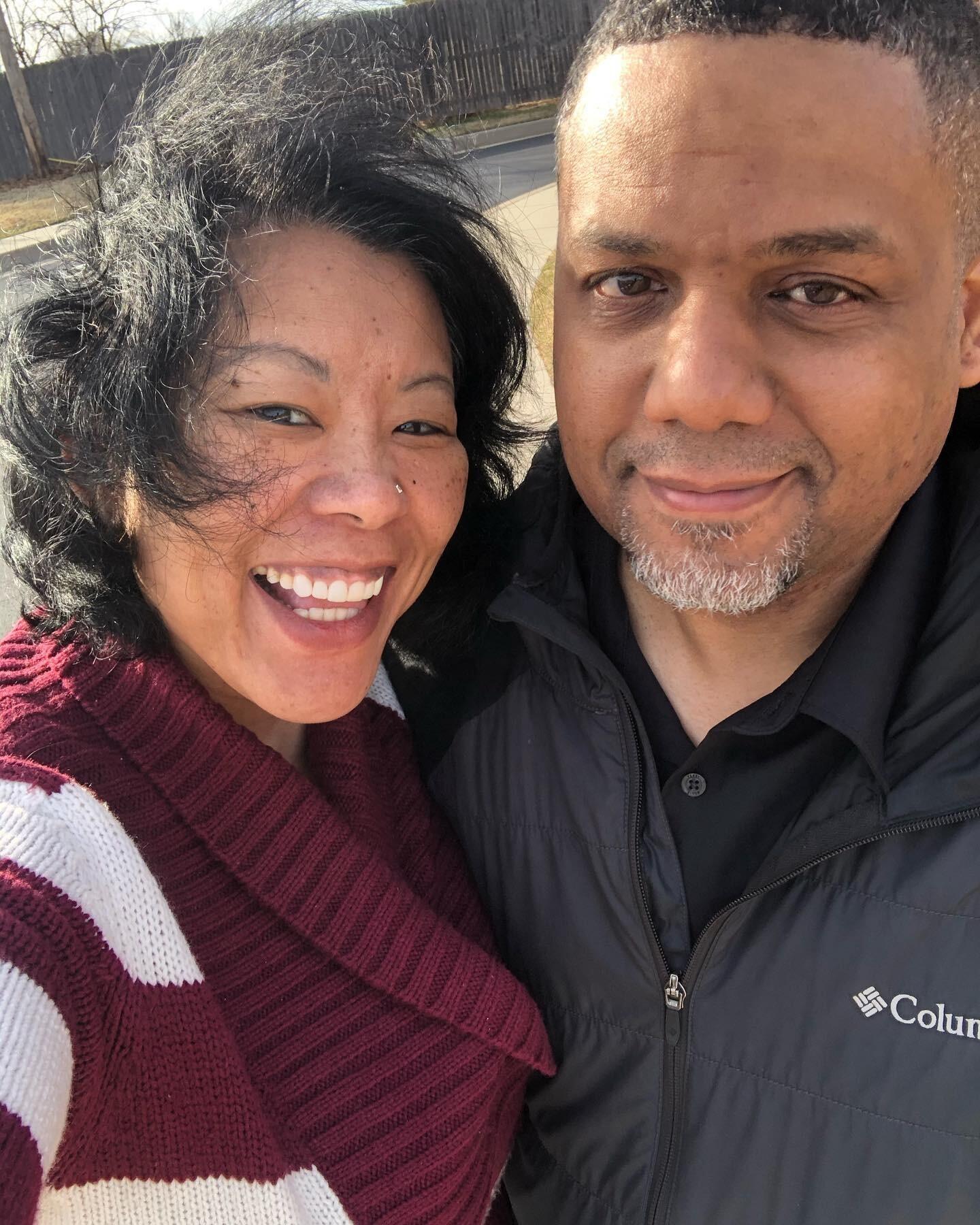
January 06, 2021
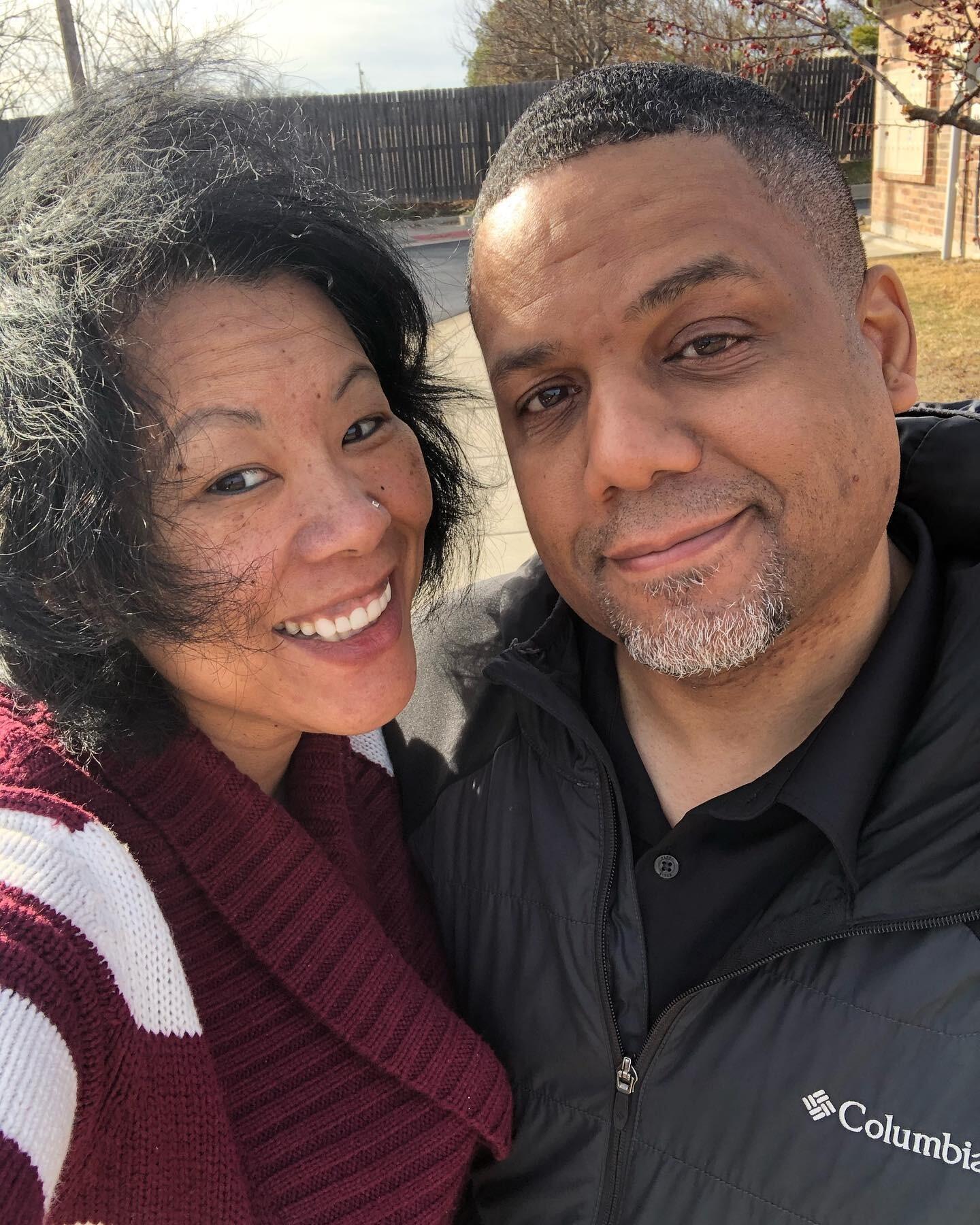
January 06, 2021
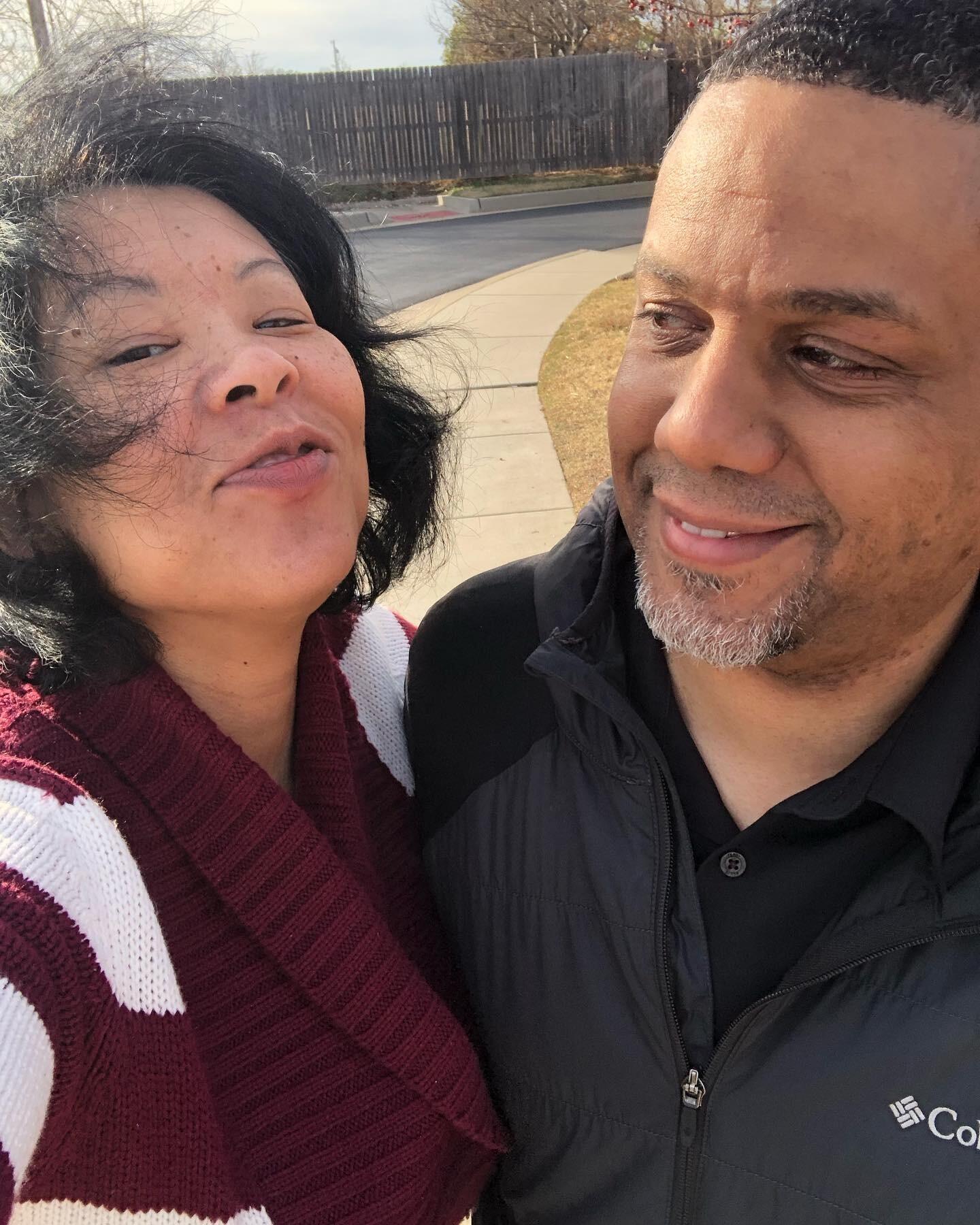
January 06, 2021

January 06, 2021

January 07, 2021
January 07, 2021
January 07, 2021

January 07, 2021
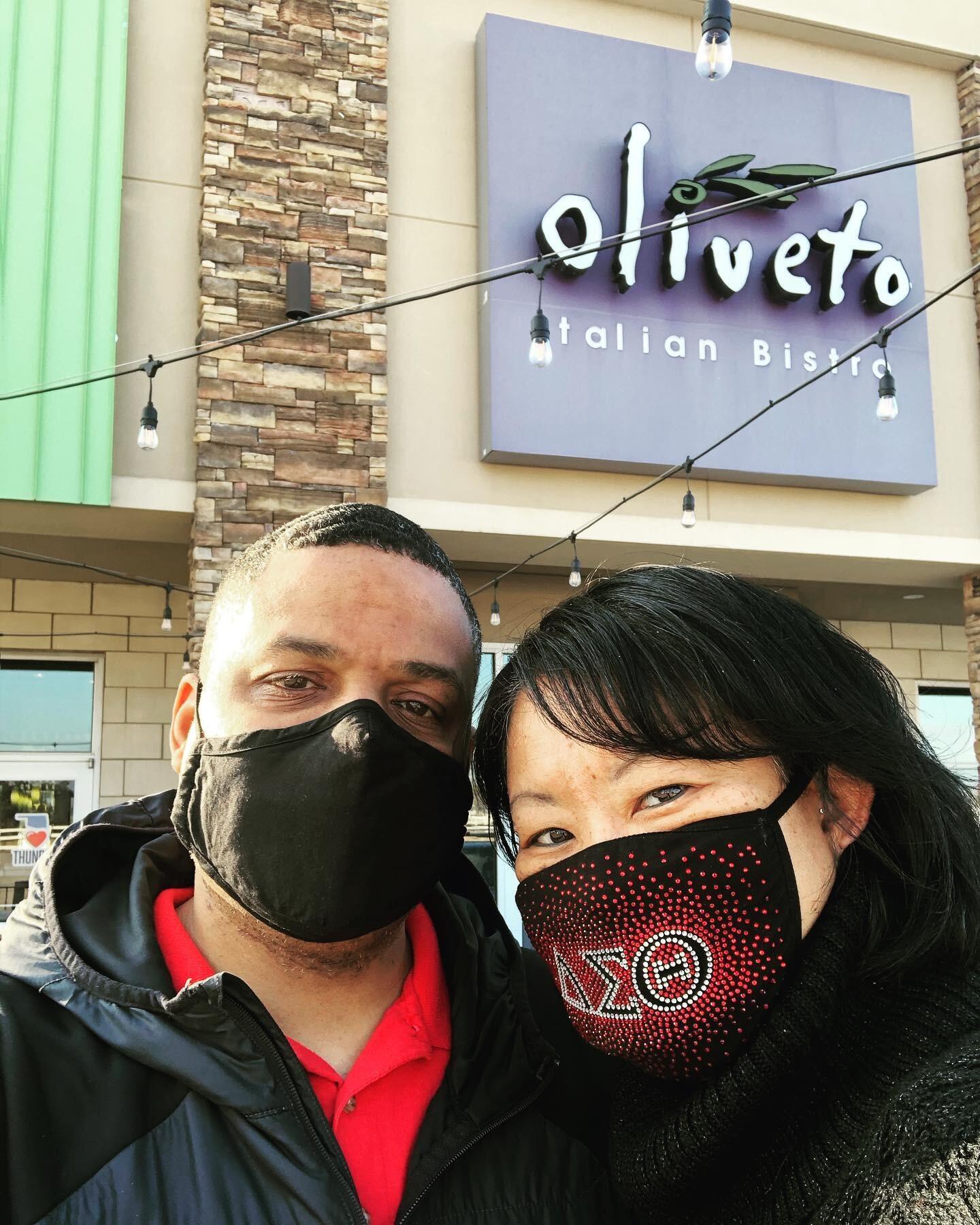
January 08, 2021

January 10, 2021

January 11, 2021

January 11, 2021
January 13, 2021
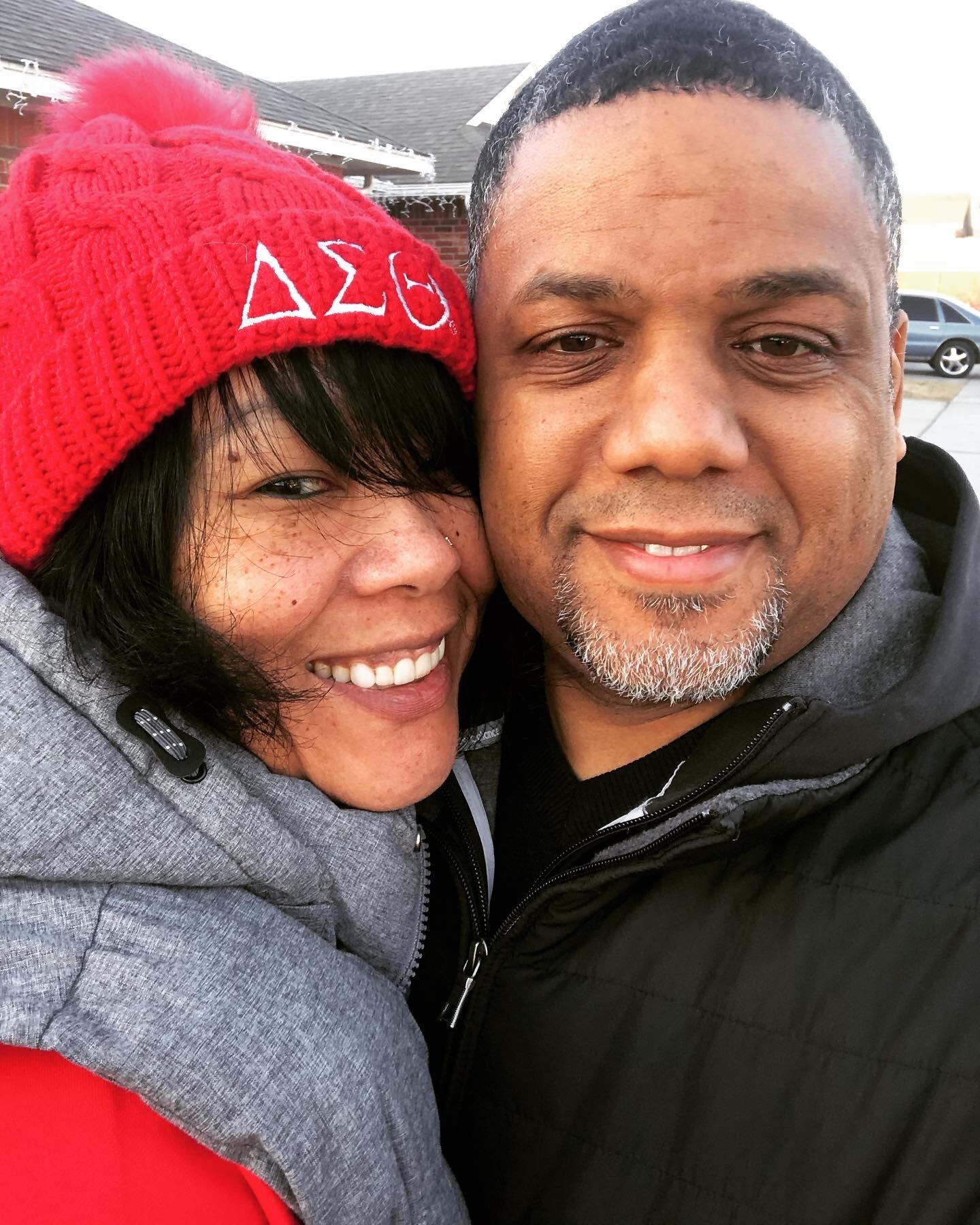
January 15, 2021
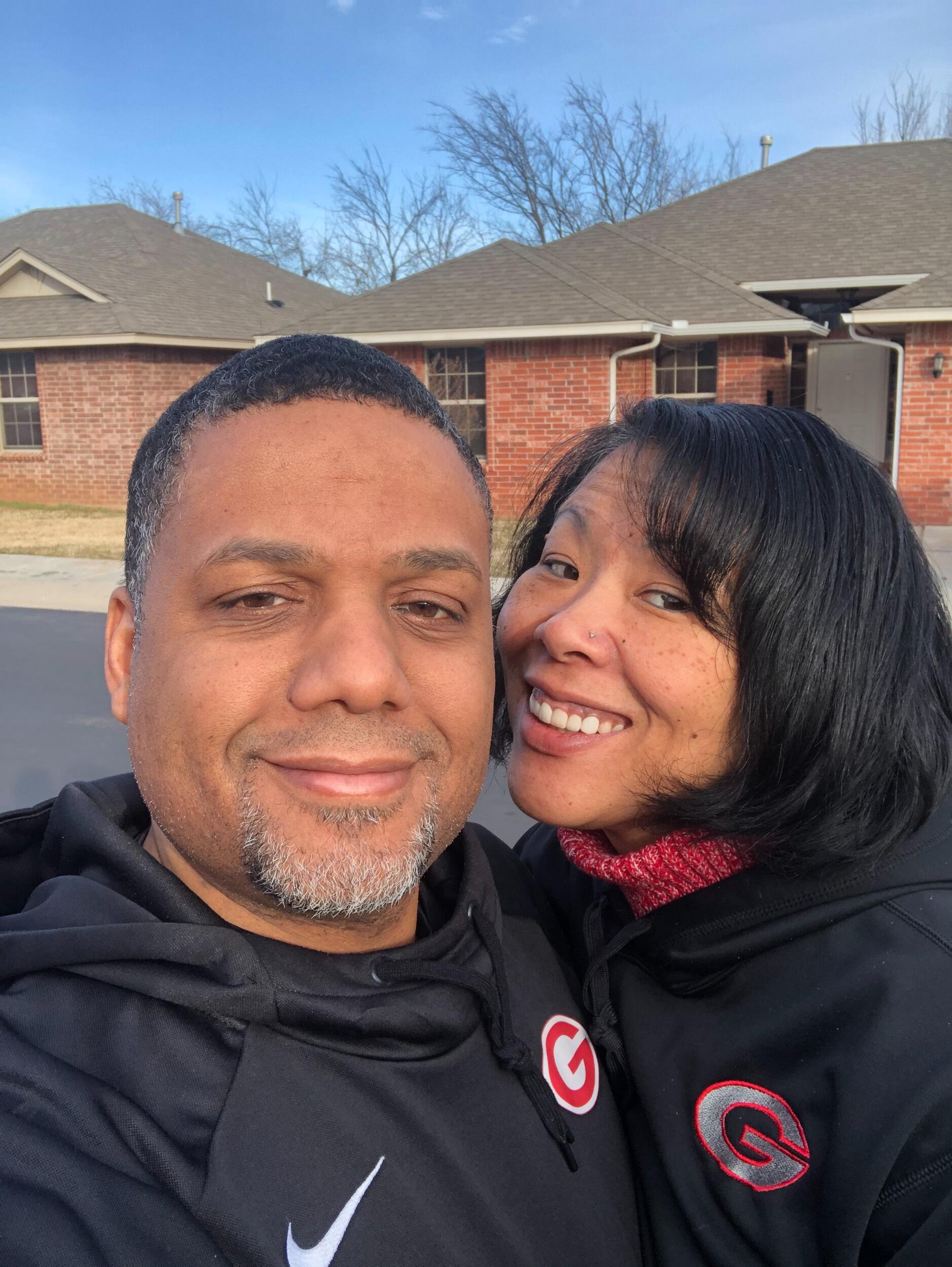
January 16, 2021

January 16, 2021
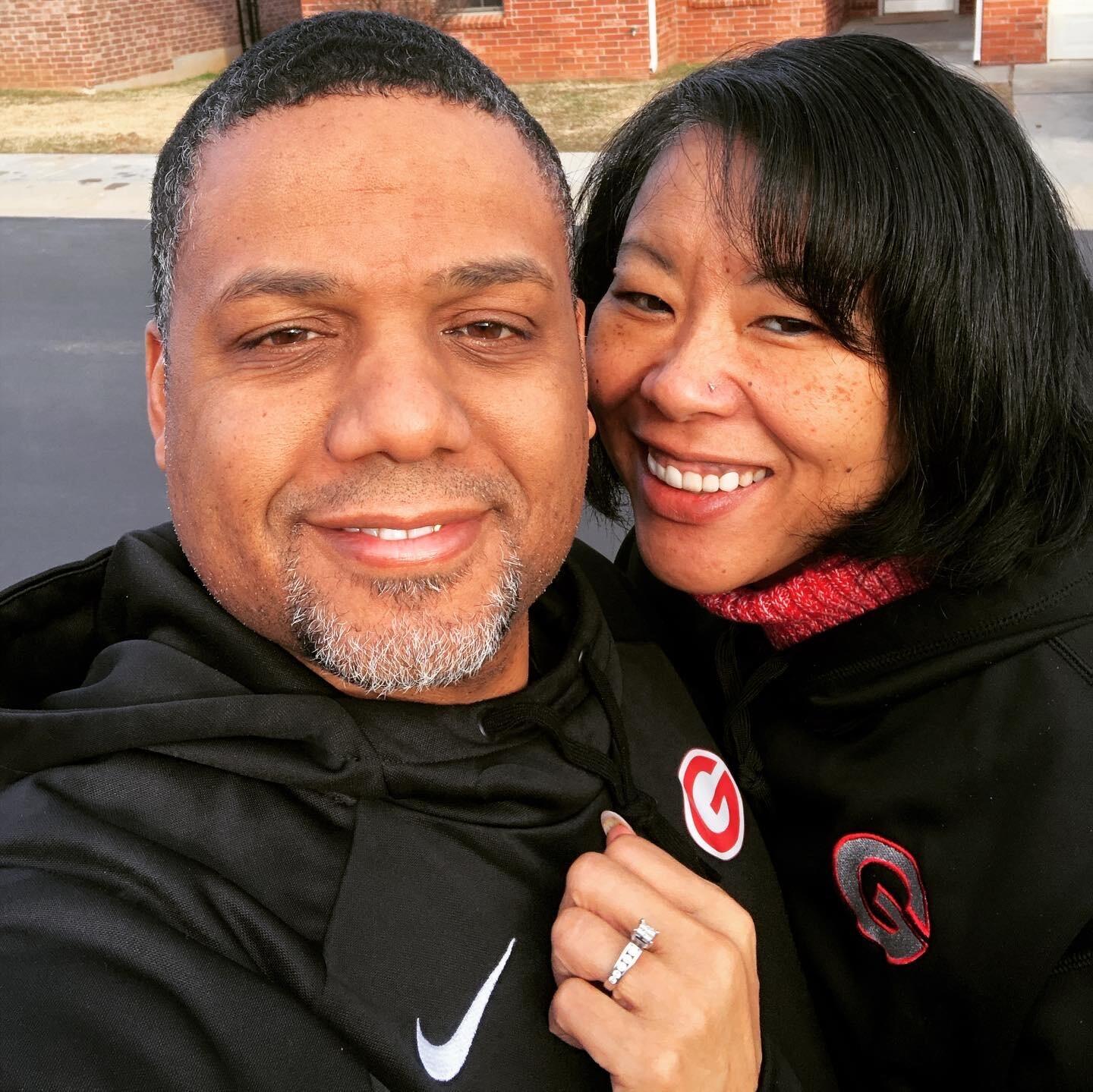
January 16, 2021

January 16, 2021