More information about the wedding celebration in Portugal on the 27 of September to come!
Nadia & Manuel
Nadia & Manuel
About Tunisian Culture
Tunisian Traditional Clothing
All Tunisian traditional clothing come nowadays in different shapes, complexity, designs and colours. The choice is yours to choose the one that you like the most.
For Men & Women - Jebba
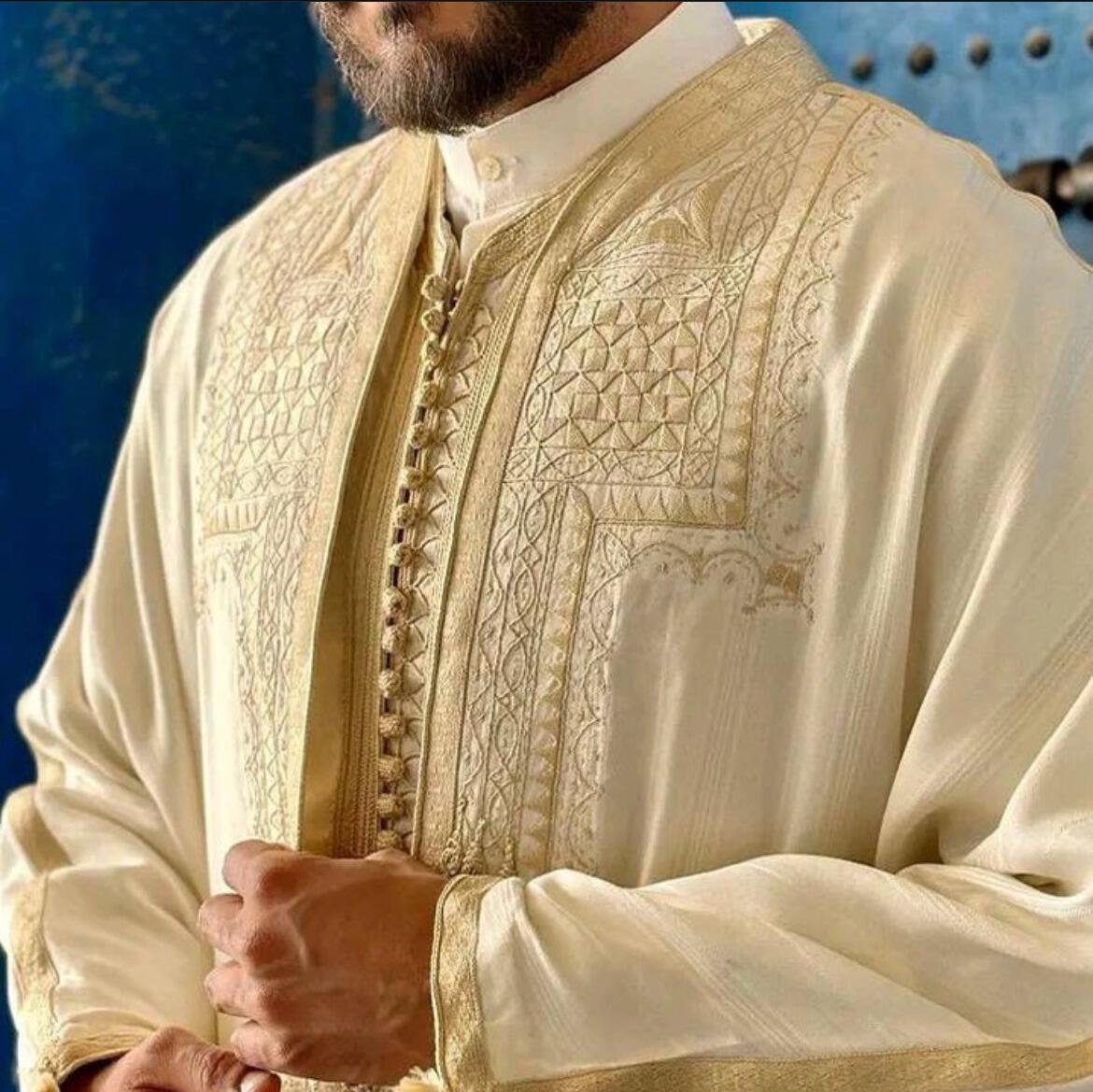
The jebba is one of Tunisia’s most iconic traditional garments, worn for centuries by both men and women. It reflects the country’s rich history and cultural influences, from Andalusian, Ottoman, and Berber traditions to Arab and Mediterranean craftsmanship. It dates back to the 12th century.
Over time, the jebba became a symbol of elegance and prestige, with different regions developing their own embroidery styles and fabric choices.
Men’s Jebba:
Typically simpler in design but made from high-quality fabrics, often layered with a farmla (vest).
Women’s Jebba:
More ornate, with intricate embroidery, often worn with gold jewelry and accessories for weddings and celebrations.
For women - Fouta & Blouza
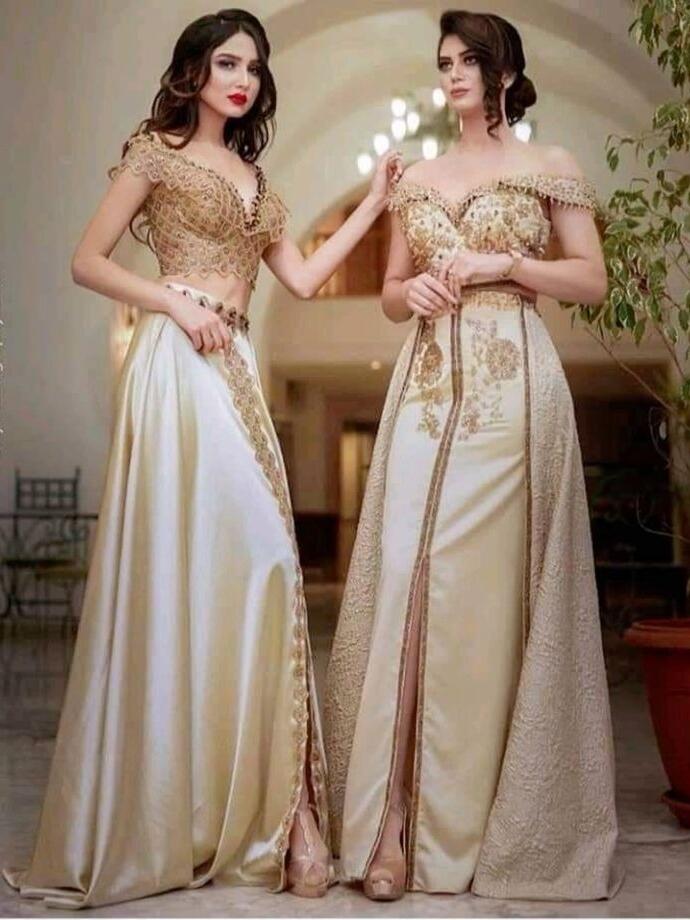
The Fouta - the Skirt:
Often made of cotton or silk, originally the fouta was worn as a sarong-like wrap around the waist. It was commonly used in hammams or worn as part of daily attire, particularly in warm climates due to its light and breathable fabric. Over time, it became an essential part of Tunisian women's festive attire, often paired with the blouza.
The Blouza - the Top:
The blouza was often handcrafted from luxurious fabrics like silk and embroidered with intricate patterns, making it a symbol of status and refinement. It became particularly popular among the women of Mahdia in the 19th and early 20th centuries, reflecting a mix of Ottoman elegance and Mediterranean influences.
Cultural Significance:
The Fouta & Blouza ensemble was historically worn by Tunisian brides and women for special occasions, including weddings and festive gatherings.
The outfit symbolized grace and femininity, and different regions had distinct embroidery styles and patterns, often passed down through generations.
While the traditional version is less commonly worn today, modern Tunisian designers have revived the fouta & blouza in contemporary fashion, blending tradition with modern aesthetics.
For women - Caftan
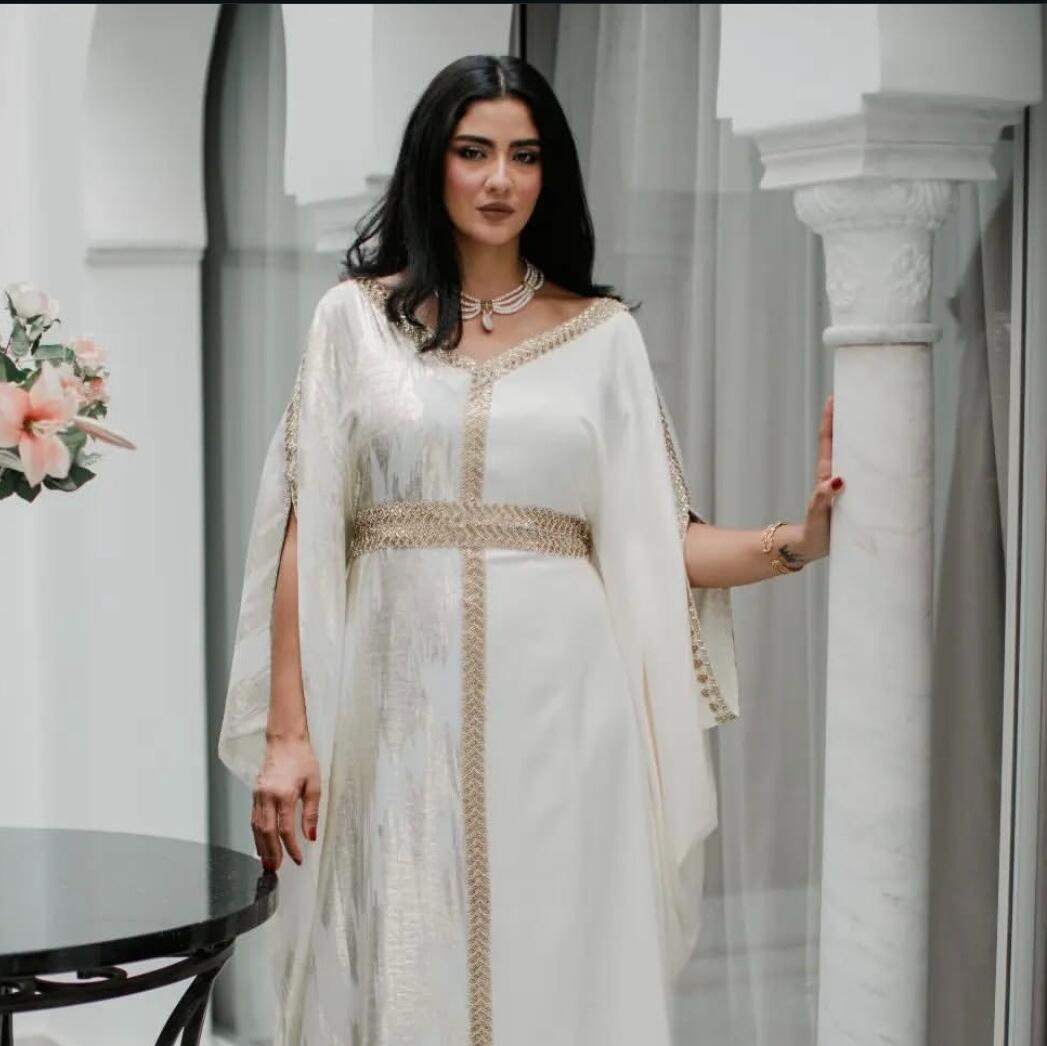
The caftan was traditionally worn by brides and noblewomen during weddings, religious celebrations, and special occasions.
It symbolized wealth, status, and femininity, as only the upper class could afford the most luxurious fabrics.
Some caftans were passed down as family heirlooms, preserving ancestral craftsmanship.