

Nirjar & Bhairovi
Nirjar & Bhairovi
Wedding Guide
MEHNDI (HENNA)
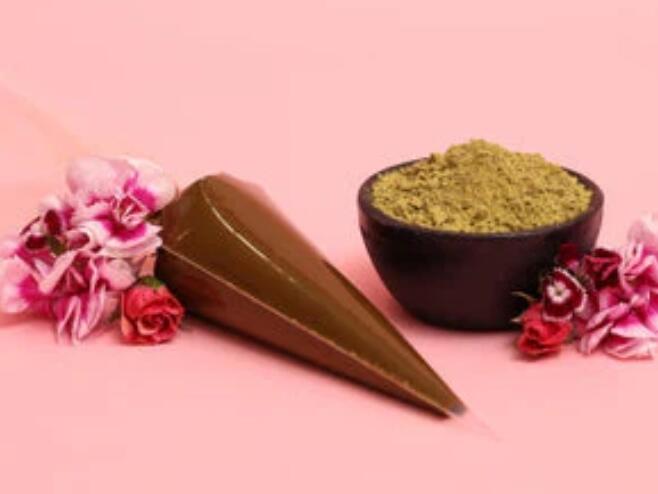
The Mehndi ceremony adds a vibrant and joyful touch to the celebrations, fostering fun and bonding among family and friends. This playful tradition involves hiding the groom’s name within the elaborate patterns, creating a fun challenge for him to find it later. It’s also believed that the deeper the Mehndi’s color, the stronger the love between the couple, adding a touch of romantic charm to this cherished ritual.
Manglik Prasango
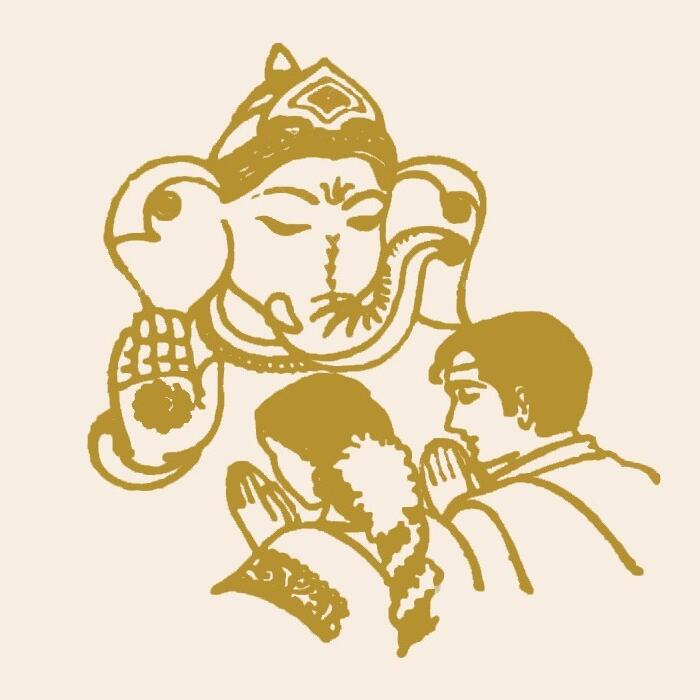
Ganesh Sthapna
The Ganesh Sthapna marks the beginning of Hindu wedding rituals, performed separately at the homes of the bride and groom. Ganesha is believed to be the lord who removes all obstacles, which is why many Hindus pray to him before starting any new venture where they may face challenges or ‘Vighna.’
In this ritual, an image is drawn or an idol of Lord Ganesh is placed to seek his blessings for a smooth ceremony and a prosperous marriage. The priests chant Vedic mantras to ensure harmony and remove any obstacles from the couple’s new journey.
Mandap Muhurat
Traditionally, Hindu wedding ceremonies were held in front of the bride’s home under a square gazebo called a mandap. This ritual involves prayers to bless the mandap, the space where sacred vows will be exchanged, and to seek blessings for the couple’s prosperous and harmonious married life. It symbolizes purifying the environment and inviting positive energies to ensure the wedding rituals proceed smoothly.
GRAH SHANTI
The Grah Shanti is an essential ceremony in Gujarati weddings, performed after the Mandap Muhurat. This ceremony seeks the blessings of all nine planets (Navagraha). It is believed that the positions of celestial bodies can influence an individual’s future, so prayers and offerings are made to appease these planetary forces. The ritual helps remove any potential obstacles, bringing positive energy , spiritual balance and peace in the couple's married life.
PITHI (HALDI)
The Pithi ceremony is a joyful pre-wedding ritual in Gujarati weddings, where a paste made from turmeric, sandalwood, rosewater, and various herbs is applied to the bride and groom. Close family, friends, and relatives participate in this lively event, which often ends with music and dancing.
Lagna (Wedding)
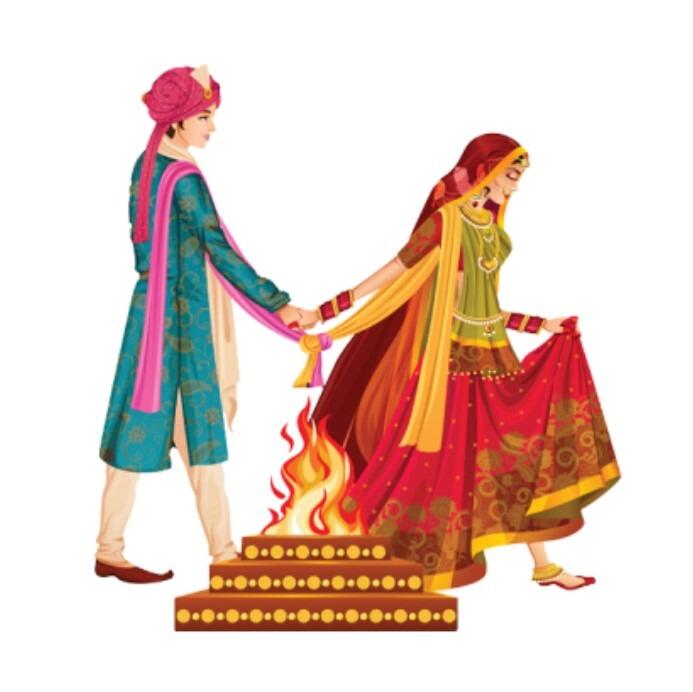
Lagna, the Gujarati wedding ceremony is a sacred and elaborate event where the bride and groom take their vows under the mandap. The ceremony is guided by Vedic rituals and performed by a priest, family, and loved ones.
Key traditions include the Hastmelap, where the bride's father places her hand into the groom's, gesturing the union of two souls.
The couple then performs Mangal Pheras, where the couple takes 4 circles around the sacred fire, each representing an important aspect of married life. Dharma (duty & morality, Artha (prosperity & wealth), Kama (love & passion) and Moksha (spiritual liberation)
Following the pheras comes Saptapadi, where 7 symbolic steps are taken representing: nourishment, strength, prosperity, happiness, family, health, and eternal companionship.
After the Saptapadi, the ritual is complete as the groom ties a Mangal sutra (sacred necklace) around the bride's neck and applies sindoor on the brides hairline signifying her transition into married life.