

Audra & Steven
Audra & Steven
New Mexican Wedding Traditions
Las Arras
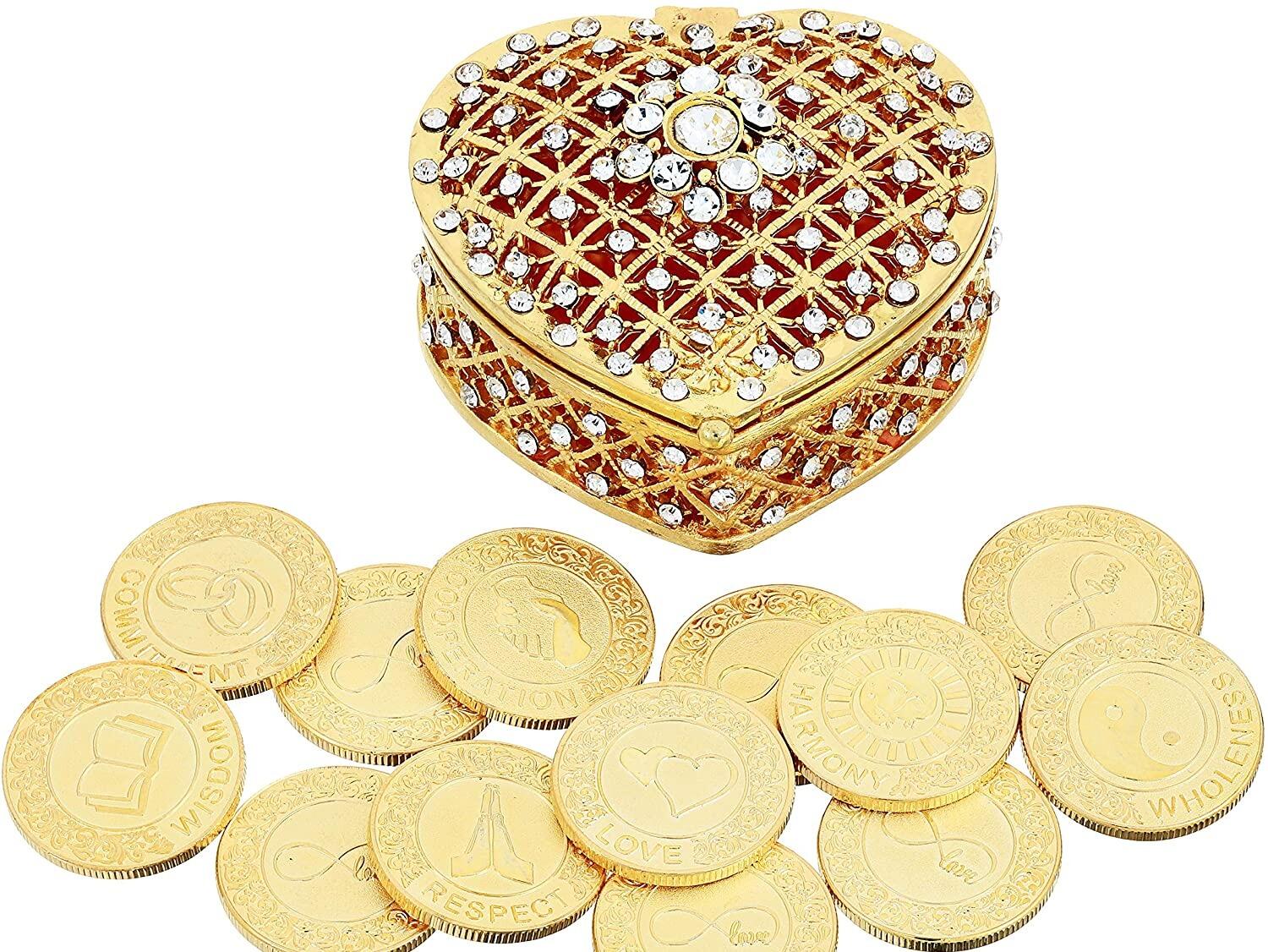
Las arras are a wedding tradition that originated in Spain and is widely practiced in Spain, Latin America, and the Philippines. In this tradition, the groom presents the bride with 13 gold coins in an ornate box, which are blessed by a priest. The 13 gold coins represent Jesus and the twelve Apostles. By giving the coins to the bride, the groom is symbolically entrusting her with all of his wealth and earthly possessions. When the bride accepts the coins, she is trusting the groom to provide for her and for their future children. Las arras are also symbolic of good fortune for the new couple.
Lazo de Boda
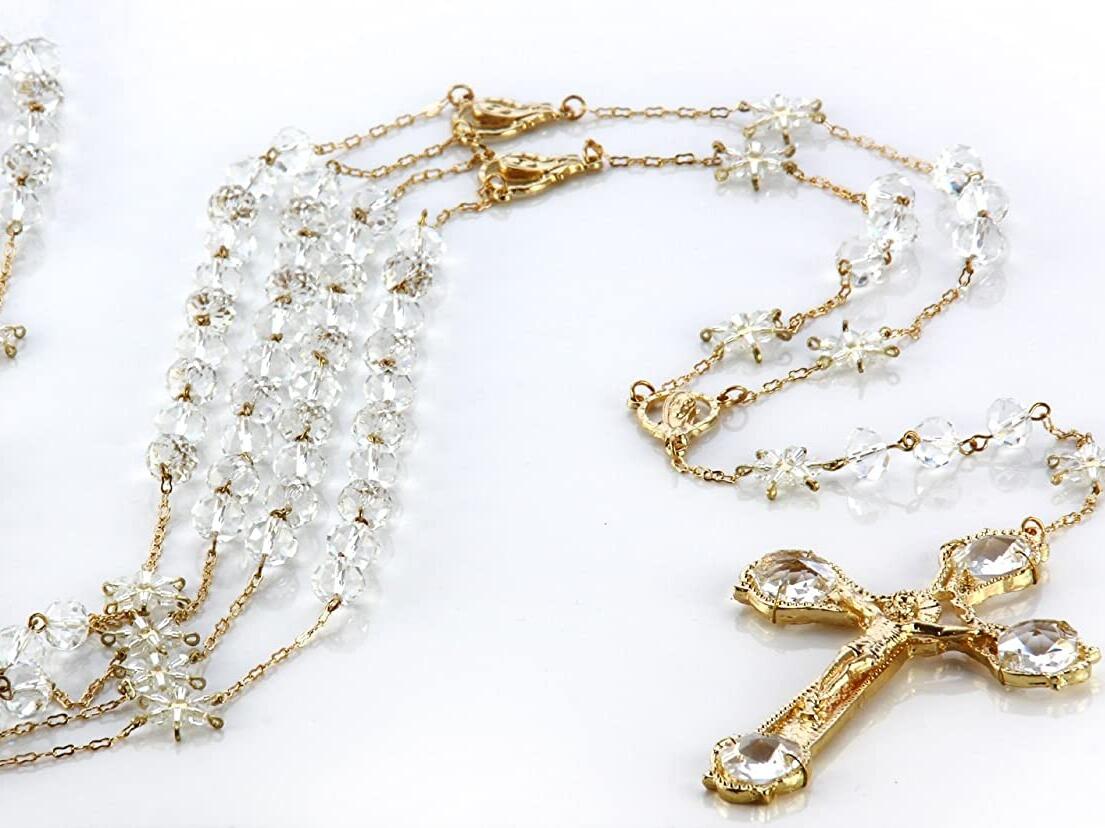
The Lazo de Boda (Wedding Lasso) is a long-standing wedding tradition that comes from Mexico. The lazo is made of two Rosary loops that are joined at the center. During the wedding ceremony, the two loops are placed around the couple—first the bride, then the groom—after the wedding vows. It represents the union that the couple just entered into. The couple traditionally wears the lazo for the remainder of the ceremony or until it is removed by the priest.
La Marcha de Los Novios
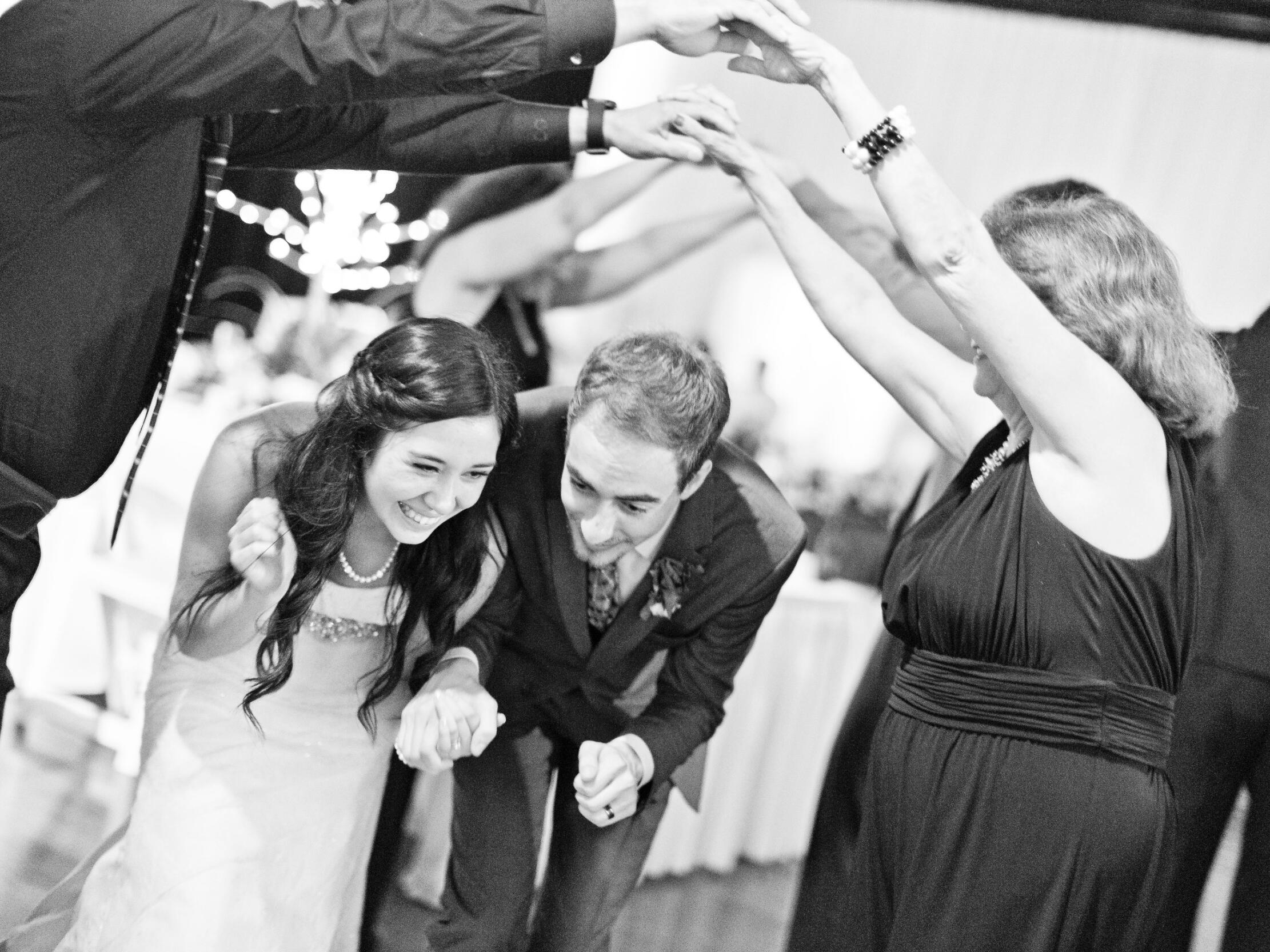
La Marcha de Los Novios (The Wedding March) is a traditional dance that takes place during the wedding reception. This tradition originated in the Middle Ages in the royal courts of Spain. However, in modern times, this tradition has become unique to Northern New Mexico and Southern Colorado. La Marcha is danced as the first public presentation and welcome of the newlywed couple. However, all wedding guests are invited to join in.
To dance La Marcha, two lines are formed: one line for the men, and the other line for the ladies. Traditionally, los padrinos (the godparents) of either the bride or groom will lead these lines, with the bride and groom following them, and the rest of the wedding guests behind the couple. Once you have joined in, just follow your line! It is simple to learn and incredibly fun!
The Dollar Dance
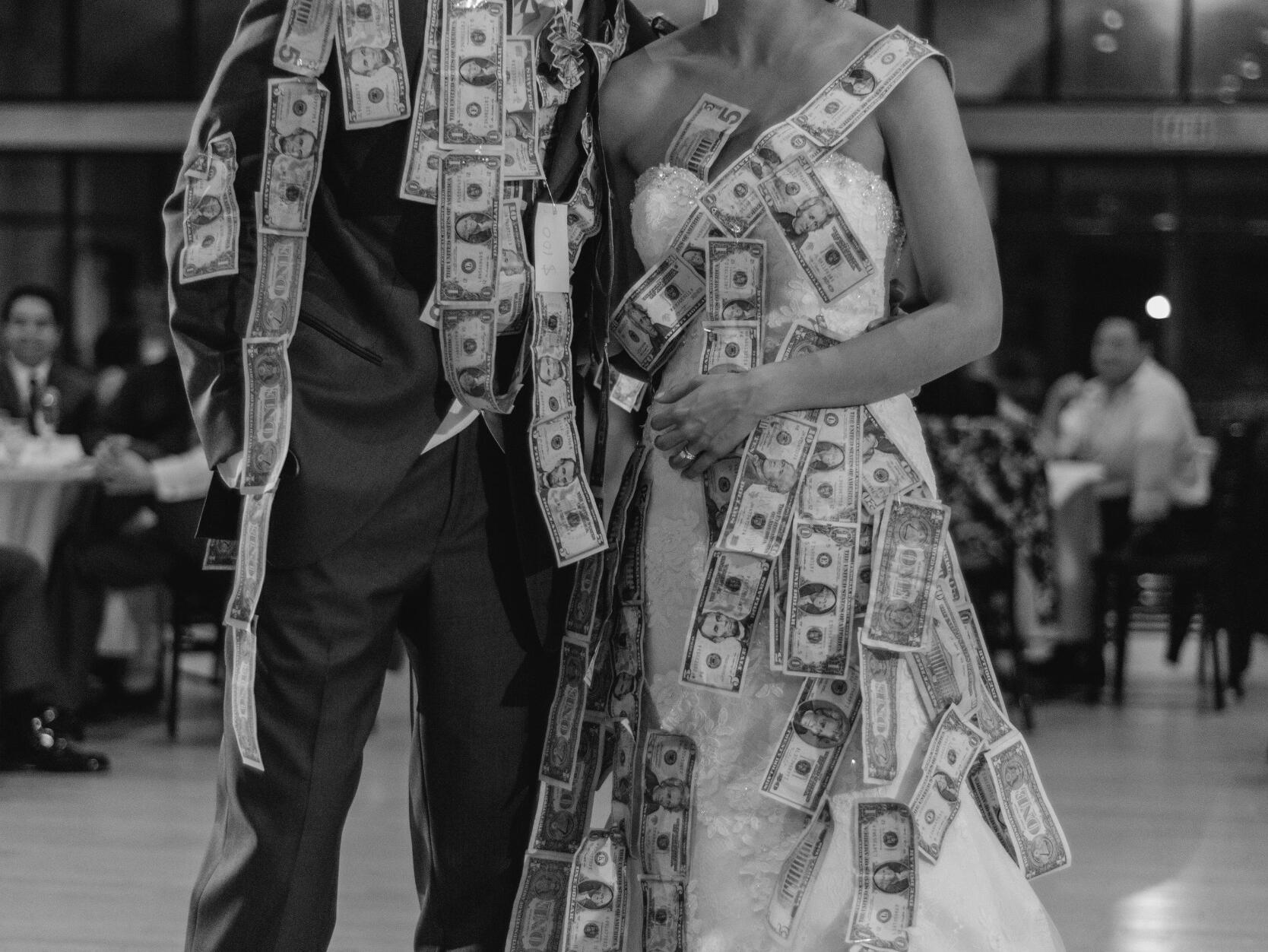
The Dollar Dance is another wedding reception tradition in New Mexico which also originated in Spain. During this portion of the reception, wedding guests exchange bills for a dance with one of the newlyweds. The best man collects the bills for the bride, while the maid of honor collects the bills for the groom. This tradition carries the significance of wishing the couple luck in their marriage.