
Carly & Logan
Carly & Logan
Things to Do
Montréal
Le Vieux Montréal

Old Montreal is a small piece of Europe in North America. In the main square, you will experience little shops, live painting & drawing as well as multiple restaurants. The cobblestone streets are lined with shops, restaurants, cafes, and boutiques. Old Montreal is also bordered by the St Lawrence River, which offers a great view to enjoy some ice cream or rent a bike along the trails.
Notre-Dame Basilica of Montreal

Notre-Dame Basilica of Montréal is Montréal’s first Gothic Revival style church in Canada. It was raised to the rank of minor basilica by Pope John Paul II in 1982 and designated a National Historic Site of Canada in 1989. Its religious, historical and artistic importance makes it a treasure of Quebec’s heritage and one of the most visited sites in Montréal.
Queues de Castor - BeaverTails (de la Commune)

Beaver Tails, also known as Queues de Castors, are fried dough pastries, individually hand stretched to resemble beaver's tails, with various toppings added on the pastry. Always a delicious treat!
Crew Collective & Cafe

Located in a heritage building that was once the Royal Bank of Canada, Crew Collective & Café is a beautiful open cafe where you can go grab a cup of coffee and relax.
Mount Royal Park

This park is one of Montreal's largest greenspaces and is a great place for admiring a wide variety of flora and fauna. Designed by Frederick Law Olmsted, the same person behind New York's Central Park, Mount Royal Park boasts miles of trails and superb views of the city. Here, you can stroll down the tree-lined paths and recharge with a picnic on the grass by Beaver Lake. There’s a mild climb to reach the viewing area at the top. Alternatively, you can hop on a public bus to reach the peak. The breathtaking view of the city never disappoints.
Montreal Botanical Garden

Montreal’s botanical garden houses a collection of 22,000 plant species across 10 greenhouses, 30 gardens, and 185 acres. The gardens are sorted by theme, ranging from Chinese, Japanese, and First Nations Cultural Gardens to Medicinal Plants and Peace Gardens. Tickets cost 21 Canadian dollars (15.30 US dollars) for adults.
Square Saint-Louis

The Carré Saint-Louis (also known as St. Louis Square) is one of Montréal’s most important literary streetscapes. Famed Québecois poets Émile Nelligan and Gaston Miron called this home. Brightly painted Victorian/Second Empire graystone rowhouses line the square—one of the best leafy spaces in the city. (It’s been called “the closest thing to a European neighborhood square you’ll find this side of the Atlantic” by the Project for Public Spaces.) A few blocks away is the fabled Schwartz’s Deli. Grab a “smoked meat” to go, then come here to chow down by the fountain, surrounded by trees and 19th-century façades. (The nearest subway is Sherbrooke station on the Orange Line.)
Marché Atwater

Open year-round, Atwater Market is celebrated for its many butcher shops and cheesemongers, its horticultural producers in the spring, and its market gardeners, who set up their stands around the building as soon as summer begins. Shopkeepers also provide a wide variety of fresh, refined and original merchandise.
Saint Joseph's Oratory of Mount Royal

Saint Joseph's Oratory is a National Historic Site of Canada and Canada's largest church, with one the largest church domes in the word. It was founded in 1904 by Saint André Bessette in honour of his patron saint, Saint Joseph. The Oratory is the highest building in Montreal and can be seen from numerous view points in the city.
Located in the heart of the Basilica, the Museum of Saint Joseph’s Oratory is dedicated to sacred art from Québec and abroad.
In addition, there is an outdoor Garden of the Way of the Cross with 17 sculptures offering a peaceful oasis from the city life below.
Montreal Biodome

With five ecosystems of the Americas under one roof, the Biodôme is like a walk in nature.
An oasis in the heart of the city, near the Olympic Stadium, the Biodôme offers an immersive visit through five ecosystems :
- In the Aisha-Savoie-Weider Gallery is the Tropical Rainforest, lush and warm even in the depths of a Montréal winter;
- The Gulf of St. Lawrence - which takes you to the heart of marine life;
- The Laurentian Maple Forest - changing with the seasons;
- The Labrador Coast and the Sub-Antarctic Islands
The Misson of the Montréal Biodôme is to allow people t better experience nature through educational activities as well as research and conservation initiatives.
The Montreal Museum of Fine Arts

Founded in 1860, the Montreal Museum of Fine Arts (MMFA) has been built on the generosity of multiple generations of Montrealers. Its mission is to acquire, conserve, study, interpret and present significant works of art from around the world and from every era, in the hope that members of its community and all Museum visitors may benefit from the transformative powers of art.
The MMFA’s collection showcases Quebec and Canadian heritage, Indigenous art and international art from a progressive and innovative perspective. It comprises close to 47,000 paintings, sculptures, graphic artworks, photographs, multimedia installations and decorative art objects dating from antiquity to the present. The MMFA’s exhibitions and cultural programming aim to inspire new ways of looking at art and the history of art.
Crescent street Montreal

Victorian architecture has been carefully showcased, giving crescent street a distinctive touch of elegance. Along this street, you will find multiple bars and restaurants, most of which will have outdoor seating in the nice weather.
St-Catherine Street
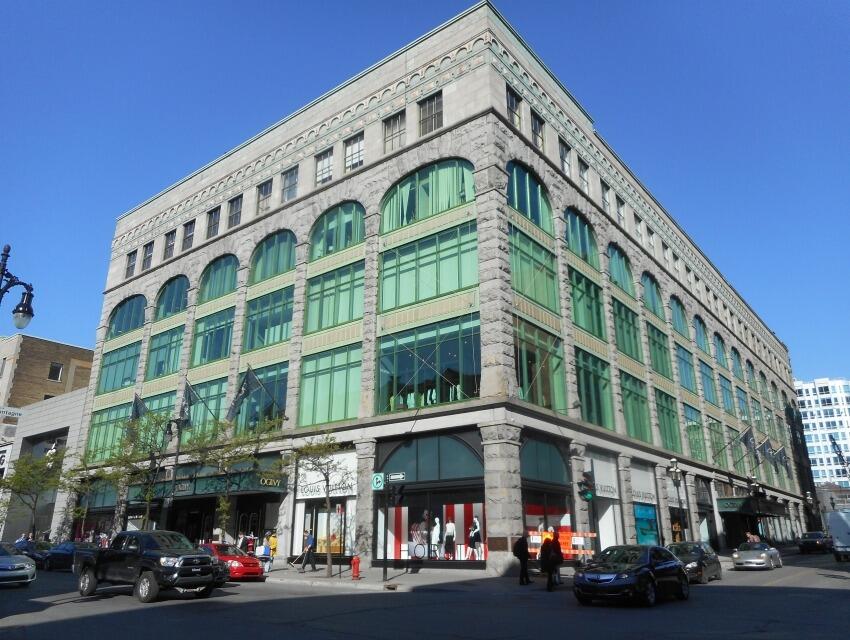
From west to east, Sainte-Catherine Street stretches 11 kilometres (9 miles) across the city. It is Montréal’s main commercial artery and one of North America’s longest and liveliest, for good reason. This is where you will find most of the shopping and commercial stores. One of Montreal's fanciest department stores, Holt Renfrew Ogilvy, is located on this street.
McGill University

One of Canada's best universities and top 30 in the world is McGill University. The campus entrance is on Sherbrooke street, right in the heart of the city. The campus is open with lots of grassy areas to sit and historical buildings.
Le Village

Le Village, is a colorful city where everyone is welcome and respected equally. From April until September, this colorful stretch of Ste-Catherine street is closed down to vehicle traffic, meaning the street fills with vibrant people, patios, and street performers.
The daytime scene will take you from half naked models in storefront windows to rich daytime patio scenes, full of French and English speaking patrons. You can even purchase and bring your own wine to some of the patios to be served to you!
Once the evening hits, bar and club goers will fill the Village bringing the vibrant nightlife scene alive.
Montreal Chinatown

Behind the souvenir stands and trinket shops are business that local Asian-Montrealers patron to source specialty imported items, such as Asian Pharmacies (herbal teas anyone?) or dine at some of the most authentic Chinese and other Asian restaurants the city has to offer.