Catherine & Nick
Catherine & Nick
Château de Jalesnes
Château de Jalesnes
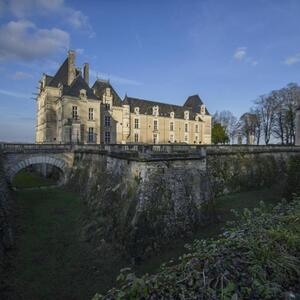
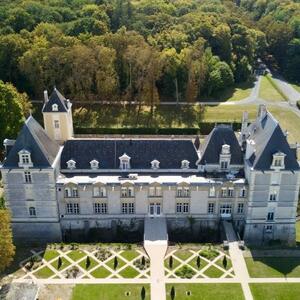
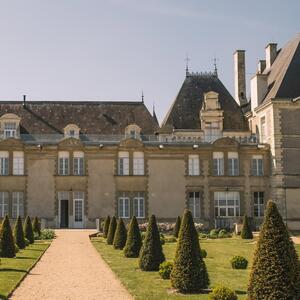
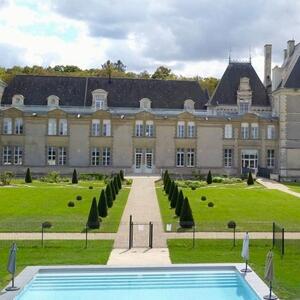
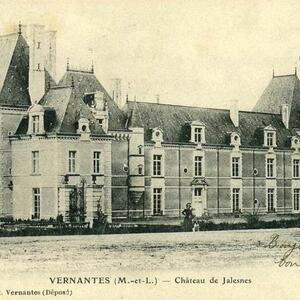
Built in 1610 in the Loire Valley, the Château de Jalesnes is rich with history, playing host to knights, royals, merchants, and more.
History
1189
On July 3, 1189 in the foothills of Hattin, near the Sea of Galilee, Saladin the Great won a victory over the Frankish armies aided in part by the incompetence of the King of Jerusalem, Guy de Lusignan, the betrayal of the Grand Master of the Templars, Gerard de Ridefort and the brutality of Renaud de Chatillon. During the action, his horse shot from under him, one of the Knights Templar, Jacquelin Jalesnes, struggled to his feet, spear in hand, and bravely continued to rebuff the enemy.
Alone on the field of battle, he was given an opportunity to escape with his life but he chose to stand and fight, losing so much blood in the process that he eventually succumbed to his wounds and died. The Turks, in awe of his courage, shredded his clothes and kept them as souvenirs. The Jalesnes continued to serve as knights of the Order of St John of Jerusalem for several hundred years.
1610
Chateau de Jalesnes was built in the 17th Century, in 1610. There is nothing left of the original old feudal castle today.
1634 – 1663
Charles de Jalesnes, first Marquis de Jalesnes, was elevated to the ranks of the Maquisat by Letters Patent issued by King Louis XIII in recognition of the loyalty of the lords of the manor of Beunesche.
In 1642 with the death of the Marquis de Jalesnes and his wife, Eléonore de Maillée Brézé, and there being no male heir, the castle was passed down to the eldest daughter’s c. It is believed that until the latter half of the 19th Century, their tombs were interred in the crypt at the chateau however their remains were removed to the local Mairie-Eglise in Vernantes. In 1663 the son of Charles de Maillée de la Tour-Landry married Bonne Marie Madeleine du Landry and produced seven children including the heir, Georges-Henri.
Want to read more?
Check out the full history on the Website