Ewelina & Omar
Ewelina & Omar
Polish Wedding Traditions 🇬🇧🇵🇱
🇬🇧 Throwing rice, capping or carrying the bride over the door threshold - these are just a few elements that make up the Polish wedding tradition.
Couples love to cultivate these unusual customs, and wedding guests cannot imagine a wedding ceremony and reception without checking off all the items on the list of old Polish beliefs.
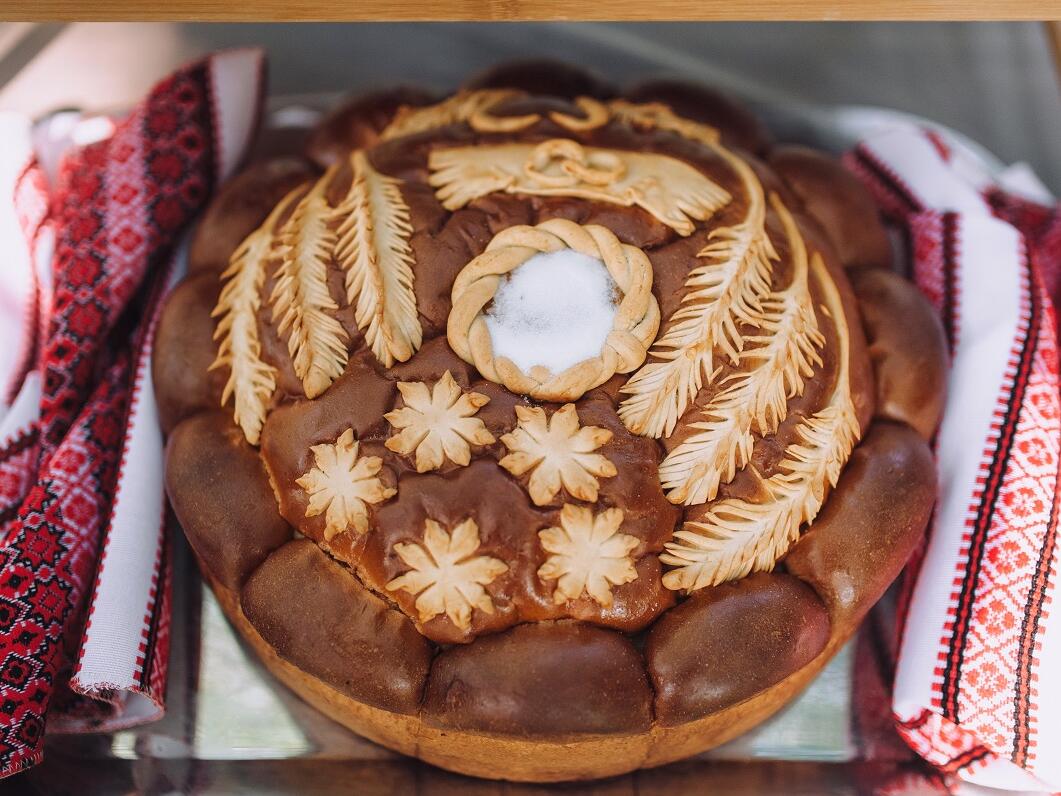
However, it is also worth mentioning the one that brings tears of emotion not only to the newlyweds, but also to their parents - the welcome with bread and salt.
Polish wedding traditions say that the wedding should take place in a month with the letter R in its name. This is supposed to make this day a happy one and ensure happiness for the spouses for the rest of their lives.
September/ Wrzesien
Dress Code
The groom should buy the bride wedding shoes. Later, on the wedding day, he should put these shoes on for her and put a coin or banknote in the shoe, which is supposed to make them live in prosperity later.
The bride should give him the shirt that the groom will wear on his wedding day.
Many brides attach importance to the right accessories for their wedding dress, which, according to Polish believes, should include:
• something white - a sign of purity of feelings
• something new - a symbol of starting a new chapter of life,
• something borrowed - a symbol of support and friendship,
• something blue - this color symbolizes modesty and fidelity.
• something old - a symbol of the coming together of two generations and family ties, a sign of support from relatives and friends;
Sprinkling rice with pennies or rose petals.
This is a custom that is cultivated immediately after the bride and groom leave. According to beliefs, showering rose petals or rice is supposed to bring happiness to the bride and groom. However, showering them with pennies is supposed to bring them prosperity. Later, the bride and groom must collect these pennies and the bride and groom who collects the most will keep the money. So it's also worth the effort.
Welcome with bread and salt
This old Polish ritual is repeated by subsequent generations, and its origins can be traced back to the 16th century! It is therefore not surprising that welcoming the young people with bread and salt is so closely connected with other components of Polish culture.
Bread is undoubtedly the basis of food and has life-giving properties. Without it, our earthly life would come to an end, therefore, by possessing it, we ensure wealth and prosperity for our married life. In turn, salt - according to ancient folk beliefs - is supposed to be a good omen for a happy life for two and will protect them from evil spells and charms. Salt also has preservative properties, so dipping a piece of bread in salt and eating it is intended to ensure that the couple will maintain their marriage for many years.
The bride and groom are welcomed with bread and salt after the wedding ceremony at the entrance to the dinner. According to wedding etiquette, the parents of the bride and groom participate in this event. However, their mothers are most often responsible for keeping the tray of bread with salt
What words should be uttered by parents greeting their children at the wedding reception door? There is no clear answer
Most often, it is a well-known formula: "We welcome you with bread and salt, so that bread and salt will never be taken away from you in your life." Often this text is spoken accompanied by sincere, spontaneous wishes coming straight from the hearts of parents
The Wedding Cake
The wedding cake is usually served when it gets dark. The idea of the cake is that the bride and groom share sweets with their guests that symbolize happiness, hoping that this happiness will come back to them with double strength later. The very moment of cutting the cake together is a symbolic moment showing mutual support in a relationship.
🇵🇱Rzucanie ryżem, oczepiny czy przeniesienie przez próg - to tylko parę elementów tworzących ślubną, polską tradycję. Pary Młode uwielbiają kultywować te niezwykłe zwyczaje, a goście weselni nie wyobrażają sobie ceremonii zaślubin i wesela nie odhaczając wszystkich punktów na liście staropolskich wierzeń
Warto jednak wspomnieć również o tym, który wywołuje łzy wzruszenia nie tylko u świeżo upieczonych Nowożeńców, ale także ich rodziców - jest nim powitanie chlebem i solą.
Polskie tradycje weselne mówią o tym, że ślub powinien być brany w miesiącu w którego nazwie występuje litera R. Ma to spowodować, że ten dzień będzie szczęśliwy i zapewni szczęście małżonkom na dalsze życie.
September/ Wrzesien
Pan młody powinien kupić Pannie Młodej buty ślubne. Później w dniu ślubu powinien jej te buty ubrać i włożyć do buta monetę lub banknot, który ma sprawić, że później oni będą żyć w dobrobycie.
Koszulę, którą Pan Młody założy w dniu ślubu powinna ufundować mu Panna Młoda.
Wiele Panien Młodych przywiązuje wagę do właściwych dodatków do sukni ślubnej, które według przesądów powinny zawierać:
• coś białego – oznaka czystości uczuć
• coś nowego — symbol rozpoczęcia nowego rozdziału życia,
• coś pożyczonego — symbol wsparcia i więzi przyjacielskich,
• coś niebieskiego — kolor ten symbolizuje skromność i wierność.
• coś starego — symbol łączenia się dwóch pokoleń i więzi rodzinnych, oznaka wsparcia krewnych i przyjaciół;
Obsypywanie ryżem grosikami, bądź płatkami róż. To zwyczaj, który kultywuje się zaraz po wyjściu Państwa Młodych. Zgodnie z wierzeniami, obsypanie płatkami róż, bądź ryżem, ma przynieść szczęście Państwu Młodym. Natomiast obsypanie grosikami ma przynieść im dobrobyt. Później te grosiki Państwo Młodzi muszą zebrać i ten z Państwa Młodych, kto zbierze najwięcej, będzie w związku trzymał kasę. Także warto się postarać.
Powitanie chlebem i sola
Ten staropolski rytuał powielany jest przez kolejne pokolenia, a jego początków możemy doszukiwać się już w XVI wieku! Nie dziwi więc fakt, że powitanie Młodych chlebem i solą łączy się tak ściśle z innymi składnikami polskiej kultury.
Chleb stanowi bez wątpienia podstawę pożywienia i posiada właściwości życiodajne. Bez niego skończyłyby się nasz ziemski żywot, dlatego też będąc w jego posiadaniu zapewniamy sobie dostatek i dobrobyt na wspólne pożycie małżeńskie. Niegdyś był uważany za rzecz świętą oraz dar zesłany prosto od bogów. Z kolei, sól – według pradawnych, ludowych wierzeń – ma być dobrą wróżbą na szczęśliwe życie we Dwoje oraz ustrzeże ich od złego czaru i uroku. Sól ma także właściwości konserwujące dlatego zamoczenie cząstki chleba w soli i jego spożycie, ma zapewnić Młodej Parze trwałość ich małżeństwa na długie lata.
Powitanie Pary Młodej chlebem i solą następuje po ceremonii zaślubin u progu wejścia na miejsce weselnej uroczystości. Według ślubnej etykiety – to rodzice Panny Młodej jak i Pana Młodego uczestniczą w tym wydarzeniu. Jednak to na ich Mamach najczęściej ciąży obowiązek trzymania tacy z chlebem w towarzystwie soli
Jakie słowa powinny paść z ust rodziców witających swoje dzieci u progu domu weselnego? Nie ma jednoznacznej odpowiedzi
Najczęściej jest to dobrze znana formuła: “Witamy Was chlebem i solą, aby Wam chleba i soli nigdy w życiu nie zabrało.” Często ten tekst wypowiadany jest w towarzystwie szczerych, spontanicznych życzeń płynących prosto z serc Rodzicieli
Tort Weselny
Tort weselny zazwyczaj podawany jest, gdy zapadnie zmrok. W tradycji tortu chodzi o to, że Państwo Młodzi dzielą się z gośćmi słodkościami, które symbolizują szczęście licząc na to, że to szczęście później wróci do nich ze zdwojoną siłą. Sam moment wspólnego krojenia tortu jest symboliczną chwilą pokazującą wzajemne wsparcie w związku.