Matthew & Inga
Matthew & Inga
Things to do
Some tourist attractions in Vilnius and nearby
The Old Town

Vilnius has an attractive old town with many cute streets, churches and other sights of interest. Our festivities will take place in the heart of the old town, but we would highly recommend wandering around the streets and alleys, and to spend some time exploring. Some highlights:
Pilies street: Pilies street is the oldest street in the old town and runs from the Cathedral Square to the Market Square.
Gate of Dawn: the most famous of Vilnius’ city gates, the Gate of Dawn was built in the early 1500s. What makes the gate a highlight to many is the chapel Our Lady of the Gate of Dawn within the gate itself. It has led to the gate being a major pilgrimage site in Lithuania.
Bastion: officially “Bastion of the Defensive Wall”, this is a circular fortification that today holds a military museum.
Market Square (also called Town Hall Square): an attractive square that was the main commercial square up to the 19th century surrounded by baroque and medieval buildings. This is adjacent to where the wedding ceremony will be held.
Presidential Palace: a palace has stood on the site since the early days of Vilnius, but as with many of Vilnius’ monuments, the various palaces have been burnt down and rebuilt a number of times. The present palace dates back to 1824 – 1832 and has been the seat of the President of Lithuania since 1997. Every Sunday at 12:00 there is a ceremony here with soldiers in ceremonial uniforms. Don’t miss the gardens around the back.
Three Cross Hill (the Monument of Three Crosses)

Vilnius was founded around this site between the 10th and 11th century and became the capital of the Grand Duchy of Lithuania in 1323. As the last country in Europe to convert to Christianity (circa 1413), Lithuania fought long and hard against the Teutonic Crusades and Christian influence. Local legend maintains that the Three Crosses Monument was erected on the hill where 7 Franciscan monks were tortured and burnt at the stake during the 14th century, having attempted to convert the denizens of Vilnius. In today's less igneous times, the hill offers lovely views of Vilnius and the old town, especially at sunset.
Gediminas Castle Tower

An imposing landmark with great views of the old town, Gediminas Castle Tower is an iconic building, symbolically important for the citizens of Lithuania and their fight intergenerational fight for independence, and is the only remaining original structure of the Vilnius castle fortification network (built in response to attacks by the Teutonic knights and finally destroyed by Tsarist and Cossack forces in 1655 during the Battle of Vilnius). The current brick tower dates from 1409. The viewing platform on top of the hill is free and has great views of the narrow winding streets, the numerous churches and the uniform red roofs of the buildings in the old town.
Trakai Island Castle

If you find yourself having a free afternoon, venture out to the old capital of Lithuania, Trakai, a town about 30km from Vilnius. The town is easily reachable by both buses and trains running frequently from the main stations.
Trakai is a well-preserved historical village with more than 5 000 residents, and one of the biggest tourist attractions in the country with a million visitors each year. It is the symbol of Lithuanian statehood, the prosperity of the Grand Duchy of Lithuania, former residence of the Grand Dukes of Lithuania. Surrounded by hundreds of lakes with the ducal castle proudly standing in one of the islands; it makes for a nice afternoon visit. Whilst there, we recommend trying some of the karaim cuisine (karaim being one of the Turkic-speaking minorities that settled in Lithuania at the end of 14th century) - Kibinai (a pastry typically filled with minced lamb) is a must.
Church of Sts. Peter and Paul

There are a lot of pretty churches in the Old Town but if you do have a bit of time, do wander around through the park to see the Church of Sts. Peter and Paul. Built in the late 17th century, it is considered a baroque masterpiece of the Polish-Lithuanian Commonwealth and one of the prettiest churches in current Lithuania
Vichy Water Park

Looking to unwind and escape and escape the elements (although we do hope for some mid-autumn sunshine)? You can always head to the water park and enjoy some saunas, swimming pools and slides (n.b. saunus are an important part of the Lithuanian psyche and social fabric - be prepared for a proper sauna session with salt rubs followed by ice buckets).
Museum of Occupations and Freedom Fights
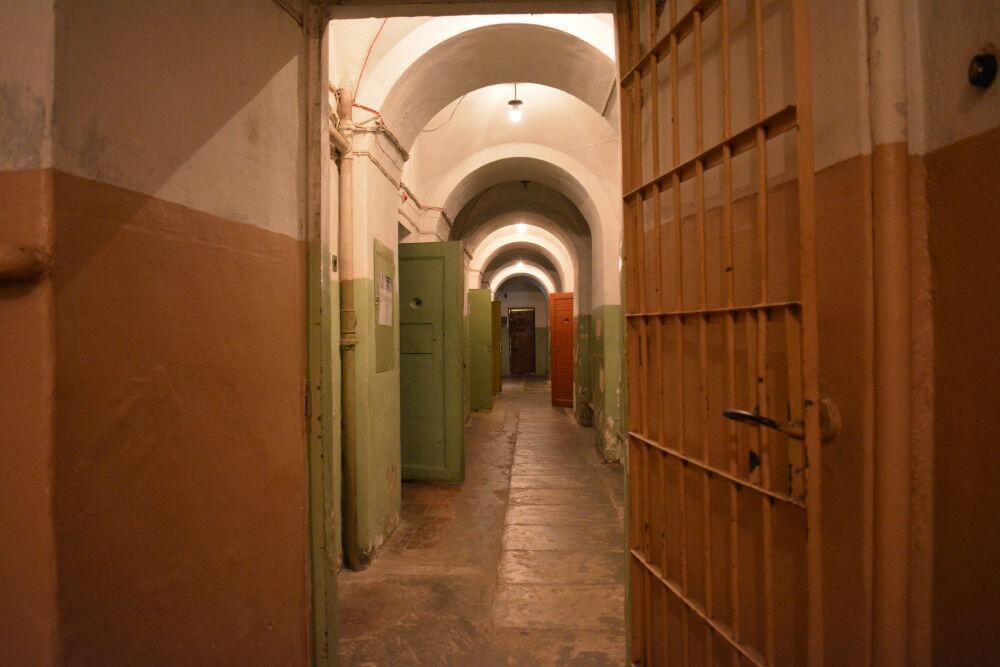
The Museum of Occupations and Freedom Fights (informally referred to as the KGB Museum) is housed in a building which has been put to many uses over the years and under various occupations (including the Russian Empire, German Empire, Republic of Poland, Nazi Germany and the USSR). Key amongst its uses are the operation a Gestapo prison and local headquarters for the KGB. We will not spoil the visit, but think you get the idea. Thoroughly worth a visit.
Restaurants and bars we enjoy when in Vilnius
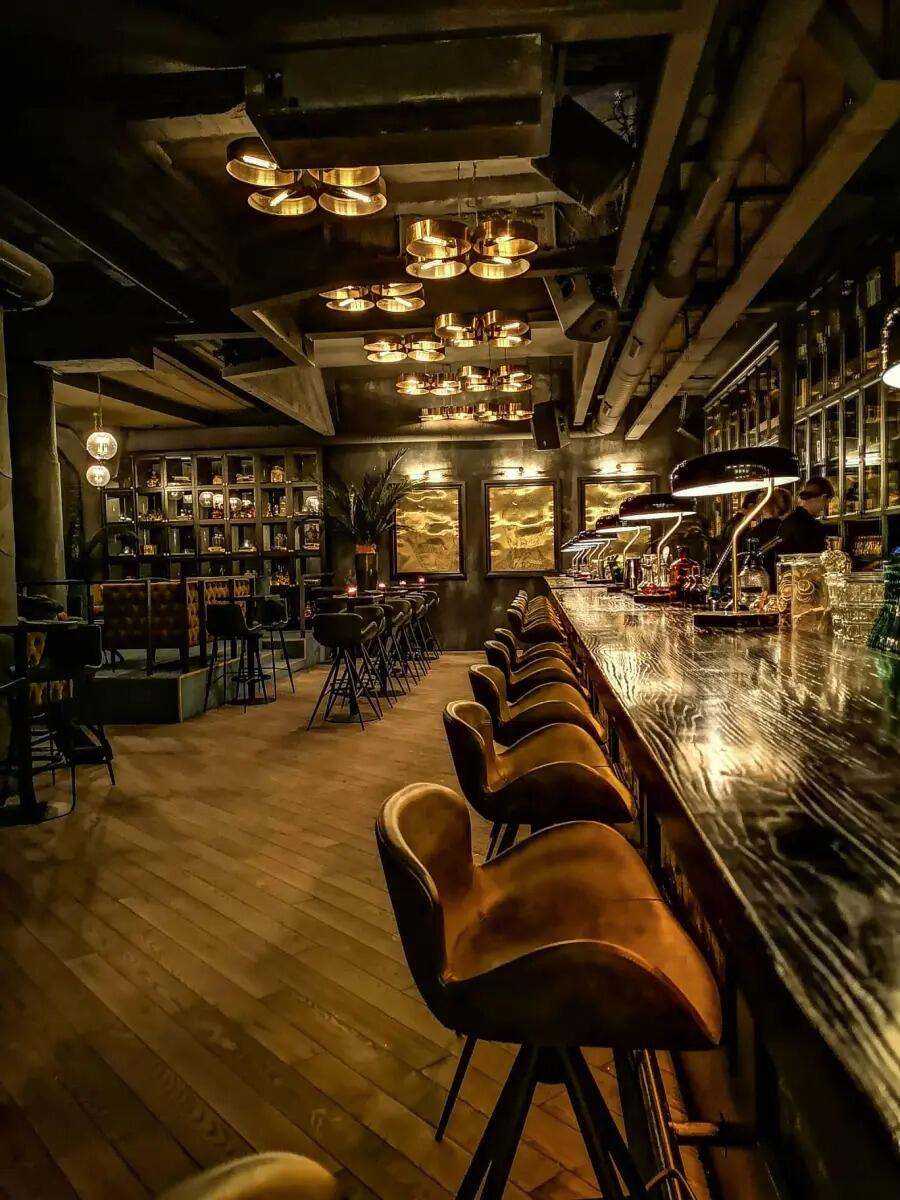


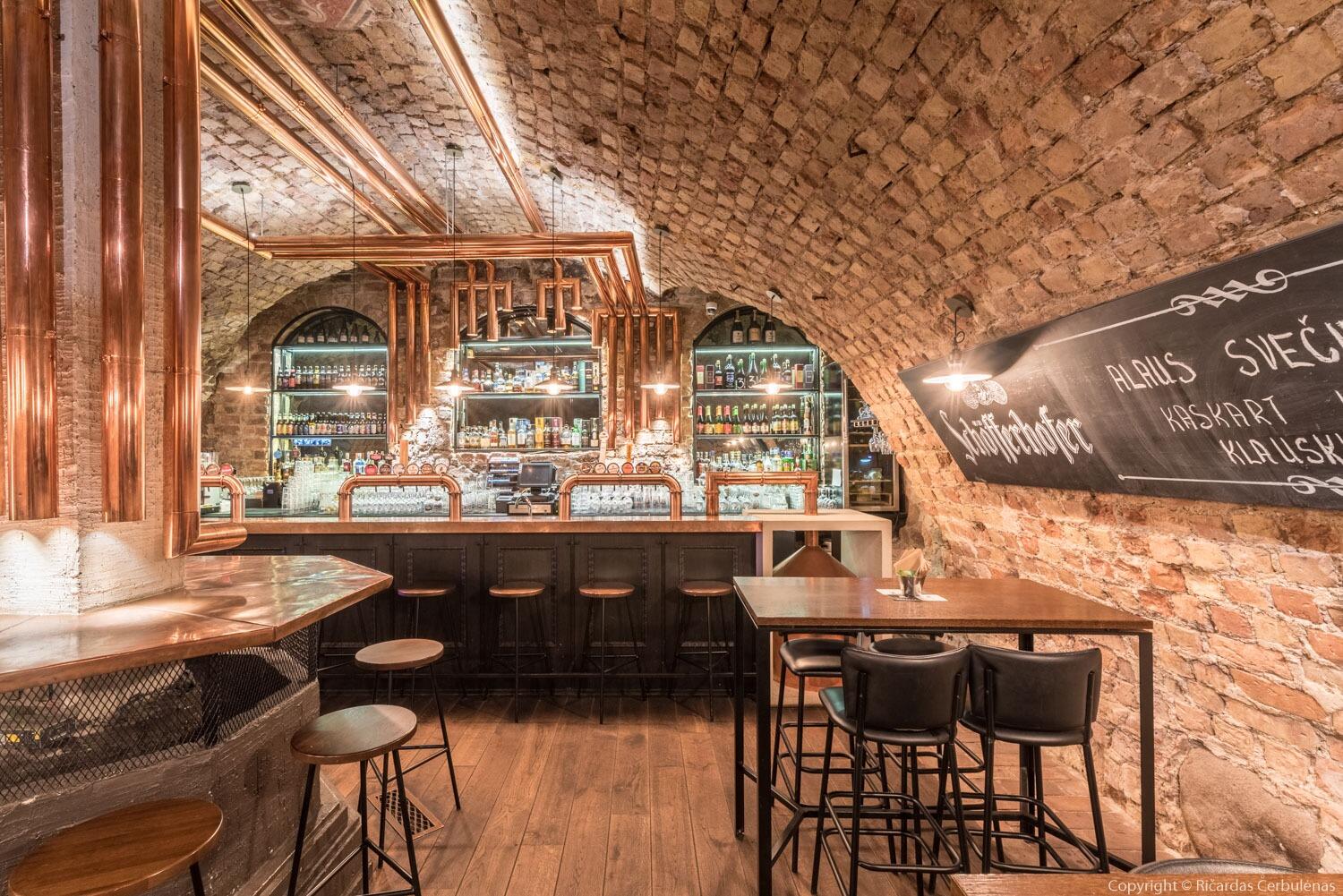
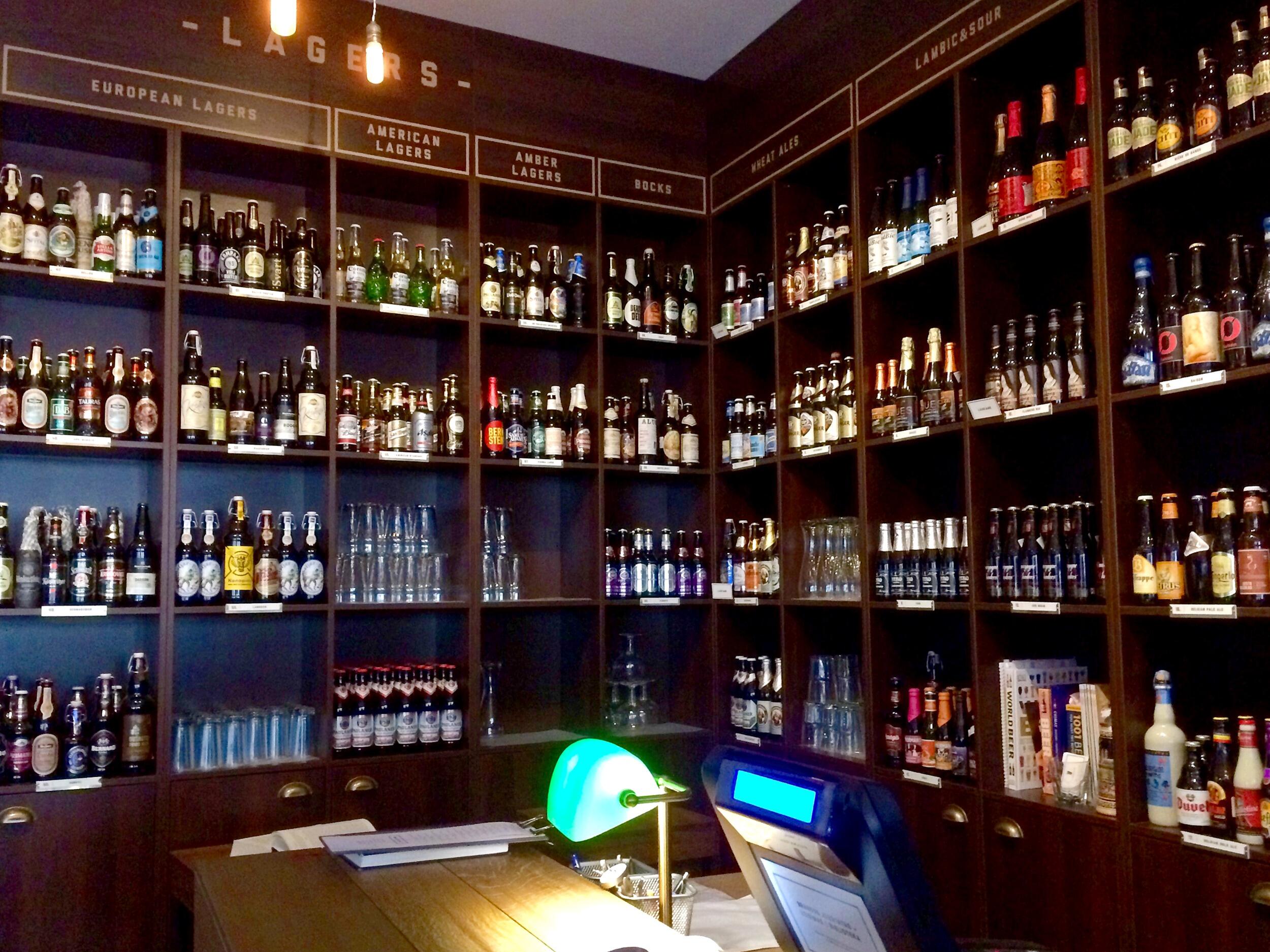

The pub Leičiai
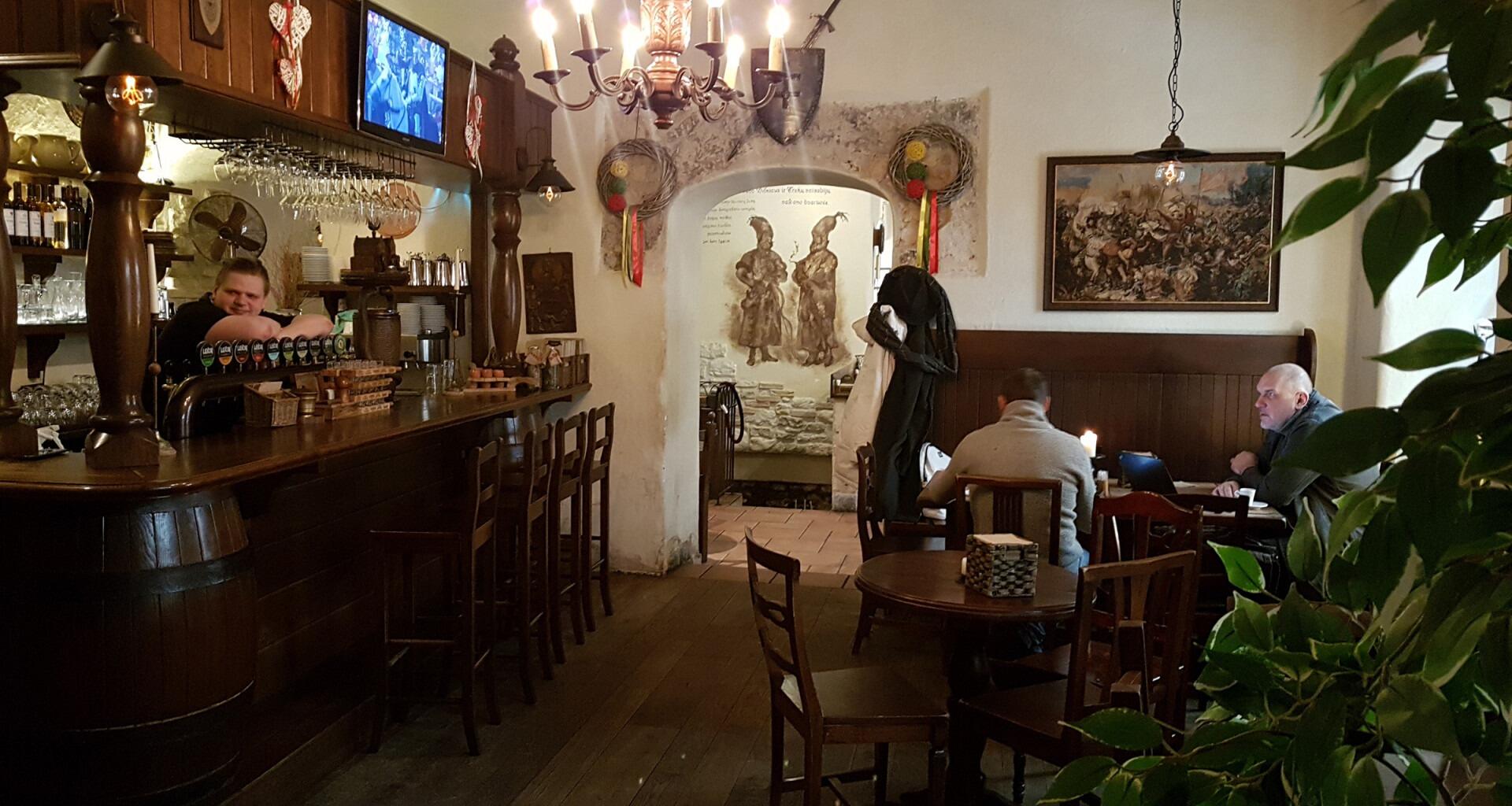
Microbrewery serving traditional Lithuanian dishes grandma style
Italala Caffè
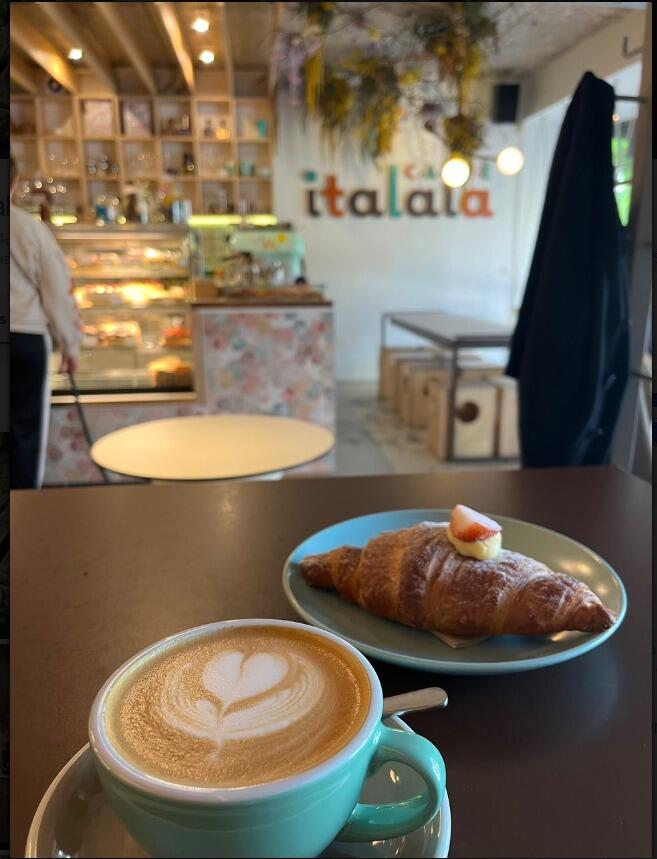
Great morning coffee in the heart of the city