Paula & Tommy
Paula & Tommy
Tours
Text/WhatsApp Valeria at +52 951 409 9155 to set up tours.
Alebrije Guided Workshop Tour
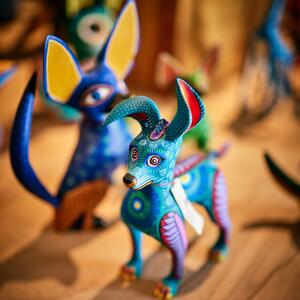
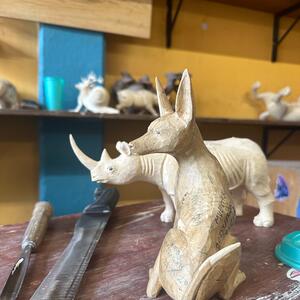
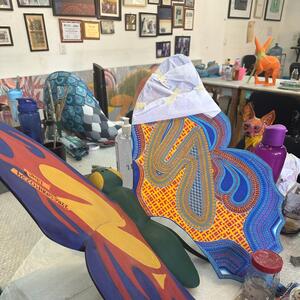
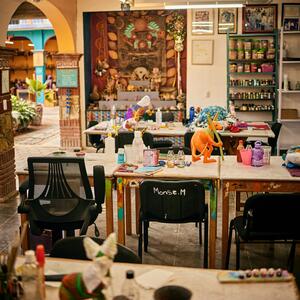
When you arrive at the workshop we will introduce you to our world, where the “tonas and nahuales” live; animals with spirit, carved and decorated with motifs represented in our Zapotec calendar . We will guide you from start to finish through a journey that covers each of the stages of elaboration of our pieces, explaining in detail how a log of wood can become a work of art. You will have the opportunity to witness up close the processes carried out by the artisans that make up our different areas.
Alebrijes, tonas, and nahuales are all protective animals that are an important part of Zapotec culture and are said to guide and protect people throughout their lives. The term alebrije is an umbrella term that encompasses both tonas and nahuales:
Tonas
These are the animals of the Zapotec calendar, and in pre-Hispanic traditions, each person has a toná spirit animal assigned to them at birth based on their year and day of birth. In Zapotec towns, fathers would traditionally assign their newborn's toná to them along with their paternal blessing.
Nahuales
These are animals that are fused with humans. In the Borgia Codex, nahuales are described as metamorphic creatures that can change their physical form into any other animal or even human form at will. For the Aztecs, the nahual may be associated with the ihiyotl, the third and less well understood aspect of the human soul.
Tour details here: https://jacoboymariaangeles.com/en/guided-tour/

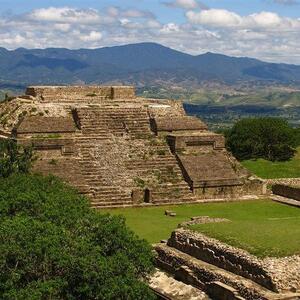
Monte Albán
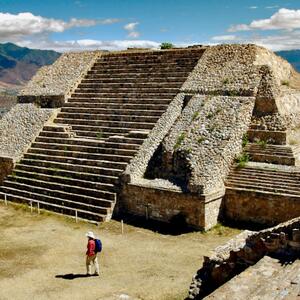
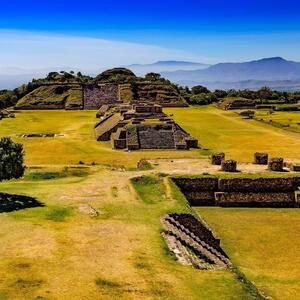
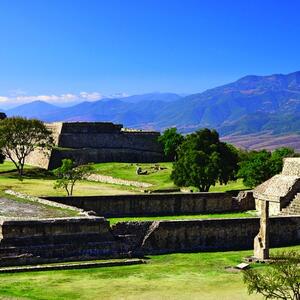
Monte Albán is a fascinating archaeological site located in the southern Mexican state of Oaxaca. It’s one of the earliest and most important Mesoamerican cities, founded around 500 BCE by the Zapotec civilization. The site is situated on a large, flattened hilltop, offering stunning panoramic views of the surrounding valleys.
Visitors to Monte Albán can explore a variety of well-preserved structures, including temples, pyramids, palaces, and an observatory. The site’s layout reflects its historical significance as a political, economic, and religious center. One of the highlights is the Great Plaza, which is surrounded by impressive stone platforms and buildings.
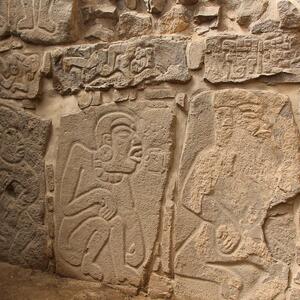
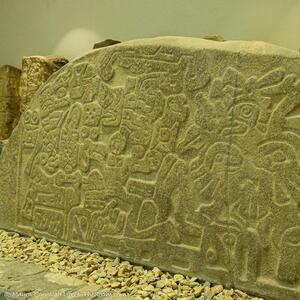
The site also features intricate carvings and inscriptions, including the famous “Danzantes” (Dancers) stones, which are believed to depict sacrificial victims or ritual dancers.
Additionally, there is a small museum on-site that provides further context and displays artifacts found during excavations.Monte Albán is a UNESCO World Heritage site, and it’s a must-see for anyone interested in ancient civilizations, architecture, and history.
Mezcal Tasting Tour
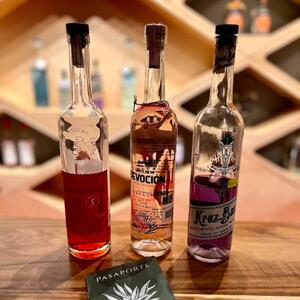
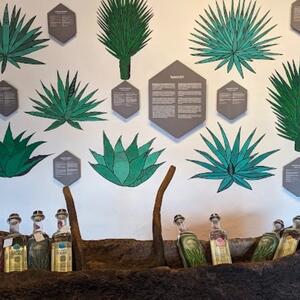
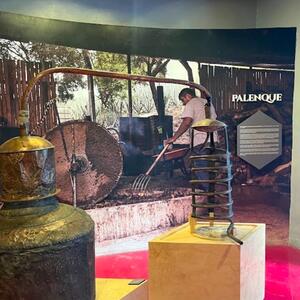
Experience the rich heritage and unique flavors of mezcal on a guided tasting tour in Oaxaca. Our tour offers an immersive journey into the heart of mezcal production, from the agave fields to the final bottled product. Try a variety of Mezcal from across the country!