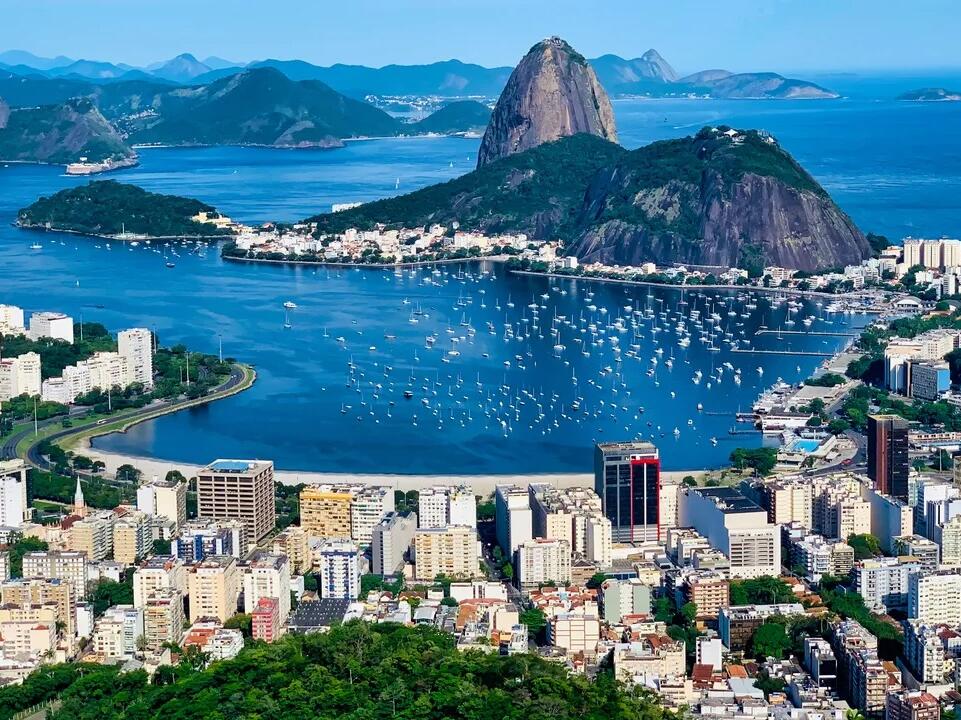
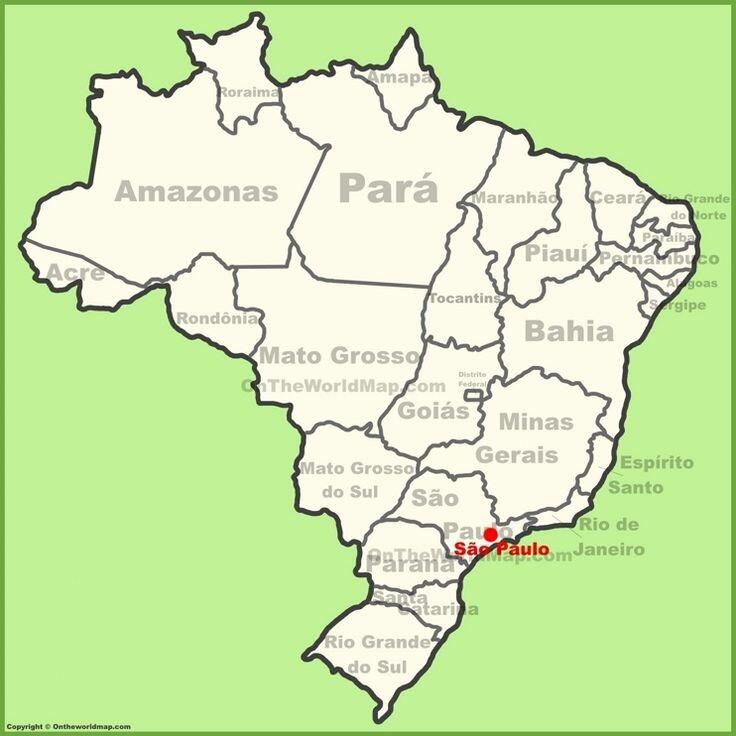
We loved having a wedding destination, so we decided to gather our families and friends in Brazil for a bigger celebration. It will be a great way to get to know a little bit about Vick's culture. We can't wait to share this day with you all!

Victoria & Douglas
Victoria & Douglas
A little bit about Brazil
1- Brazil, the largest country in South America and the fifth-largest in the world by area and population is known for its rich culture, diverse ecosystems, and significant economic influence. Here are some key points about Brazil:
Language: Portuguese is the official language, making Brazil the largest Portuguese-speaking country in the world.
Culture: Brazil's culture is a rich blend of indigenous, African, and Portuguese influences, evident in its music, dance, festivals, and cuisine.
Festivals: The country is famous for its annual Carnival, which features vibrant parades, music, and dancing.
Economy: Brazil has the largest economy in Latin America is classified as an emerging market and a developing country. It has a diverse economy with key industries, including agriculture, mining, manufacturing, and services.
Agriculture: The country is a major global exporter of coffee, soybeans, beef, sugar, and ethanol.
Biodiversity: Brazil is one of the most biodiverse countries in the world, with a wide range of flora and fauna. It is home to many species that are found nowhere else on Earth.
Sports: Soccer is the most popular sport in Brazil. The national team is one of the most successful in the world, having won the FIFA World Cup five times. Volleyball, basketball, and martial arts like capoeira and Brazilian jiu-jitsu are also popular.
Attractions: Brazil is a major tourist destination known for its natural landscapes, beaches, and cultural sites. Key attractions include the Amazon Rainforest, Iguaçu Falls, and the Christ the Redeemer statue in Rio de Janeiro.
2- Brazil's climate varies widely due to its large size and diverse geography. The country spans multiple climate zones, ranging from equatorial to temperate. Here is an overview of the typical temperatures in Southeast Brazil (Where São Paulo and Rio de Janeiro are located )
Climate: Subtropical to tropical
Average Temperatures: Ranges from 18-26°C (64-79°F).
Seasonal Variation: Hot summers (up to 35°C/95°F) and mild winters (down to 15°C/59°F).
3- Brazilian cuisine blends indigenous, Portuguese, African, and immigrant influences, resulting in various unique and delicious dishes. Here's an overview of key components and popular dishes:
Key Ingredients
Rice and Beans: Staples in Brazilian meals.
Cassava (Manioc/Yuca): Used in various forms like flour (farinha) and fried (mandioca frita).
Meat: Beef, pork, and chicken are common; Brazilian barbecue (churrasco) is famous.
Seafood: Especially popular in coastal regions.
Fruits: Tropical fruits like açaí, guava, passion fruit, and mango.
Popular Dishes
Feijoada: Brazil's national dish is a hearty black bean and pork stew.
Churrasco: Brazilian barbecue where various types of meat are grilled.
Coxinha: A popular street food, these are chicken-filled croquettes shaped like a teardrop, breaded and deep-fried.
Pão de Queijo: Cheesy bread rolls made from tapioca flour, cheese, eggs, and milk, commonly eaten for breakfast or as a snack.
Brigadeiro: A traditional Brazilian sweet made from condensed milk, cocoa powder, butter, and chocolate sprinkles, often served at celebrations.
Beverages
Caipirinha: The national cocktail made with cachaça (sugarcane liquor), lime, sugar, and ice.
Guaraná: A popular soft drink made from the guaraná berry native to the Amazon.
Coffee: Brazil is one of the largest coffee producers in the world, and coffee is a significant part of daily life.