
Laurel & Sam
Laurel & Sam
Travel
GETTING HERE
Directions to the hotel
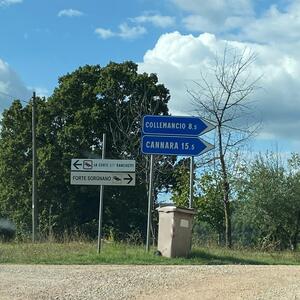
Van/Car pick-up can be arranged from Rome, Florence, or Assisi at a cost to you but we recommend taking the fast train to Perugia (2.5 hrs) and then we will come and pick you up in a car at no charge (45 min drive).
(Pictured below is the black & white sign for Forte Sorgnano.)
TRAVELLING IN ITALY IN AUGUST
National Holidays - August 15, 2024
Assumption Day is a national holiday in Italy meaning that there are processions in towns and most businesses are closed. It is also Ferragosto which is celebrated with picnics and BBQs. Beaches can become very busy in the weeks leading up to these holidays and after.
Italian summer holidays are in full swing and traveling for two weeks is common so book early and restaurant reservations are encouraged.
Dealing with the HEAT
Temperatures in August in Umbria average around high of 30°C and lows of 16°C. Carrying around a water bottle is ideal and can easily be filled with potable water from fountains on the street. These are either free flowing or have a on/off valve. If you see "ACQUA NON POTABILE" do not drink this water.
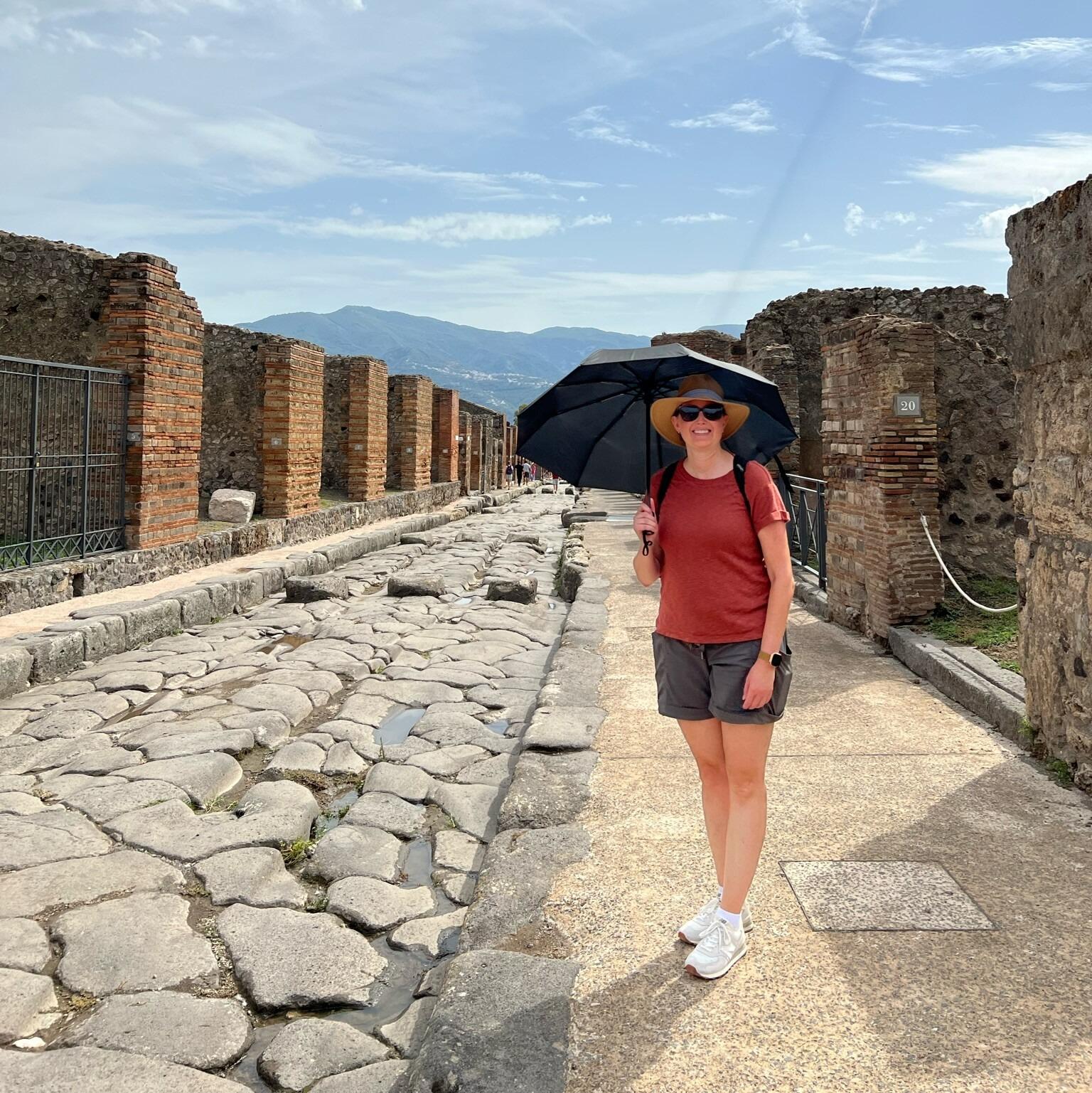
Sun protection is also recommended and don't be afraid to even use an umbrella if out under the direct sun.
DRIVING IN ITALY
Italian drivers
Italian drivers are not great about turn signals. There are two kinds of drivers in Italy: drivers that don’t use their turn signal ever, and drivers that keep the turn signal on the whole time.
Italian drivers value being fluido. If there’s an empty space, clearly this is meant to be filled by the driver. For this reason, Italian drivers often get on your butt a little closer than you’d like.
Italian drivers are impatient. If you don’t hit the gas the moment the light turns green, you will get honked at. If you wait too long to pull onto the highway, you’ll get a similar reaction.
When driving on Friday and Sunday evenings on motorways around cities, just like at home, you’re bound to run into some traffic. Urbanites return from the beach or countryside, so best avoid driving between 5pm and 11pm if possible!
Where are bad places to drive in Italy?
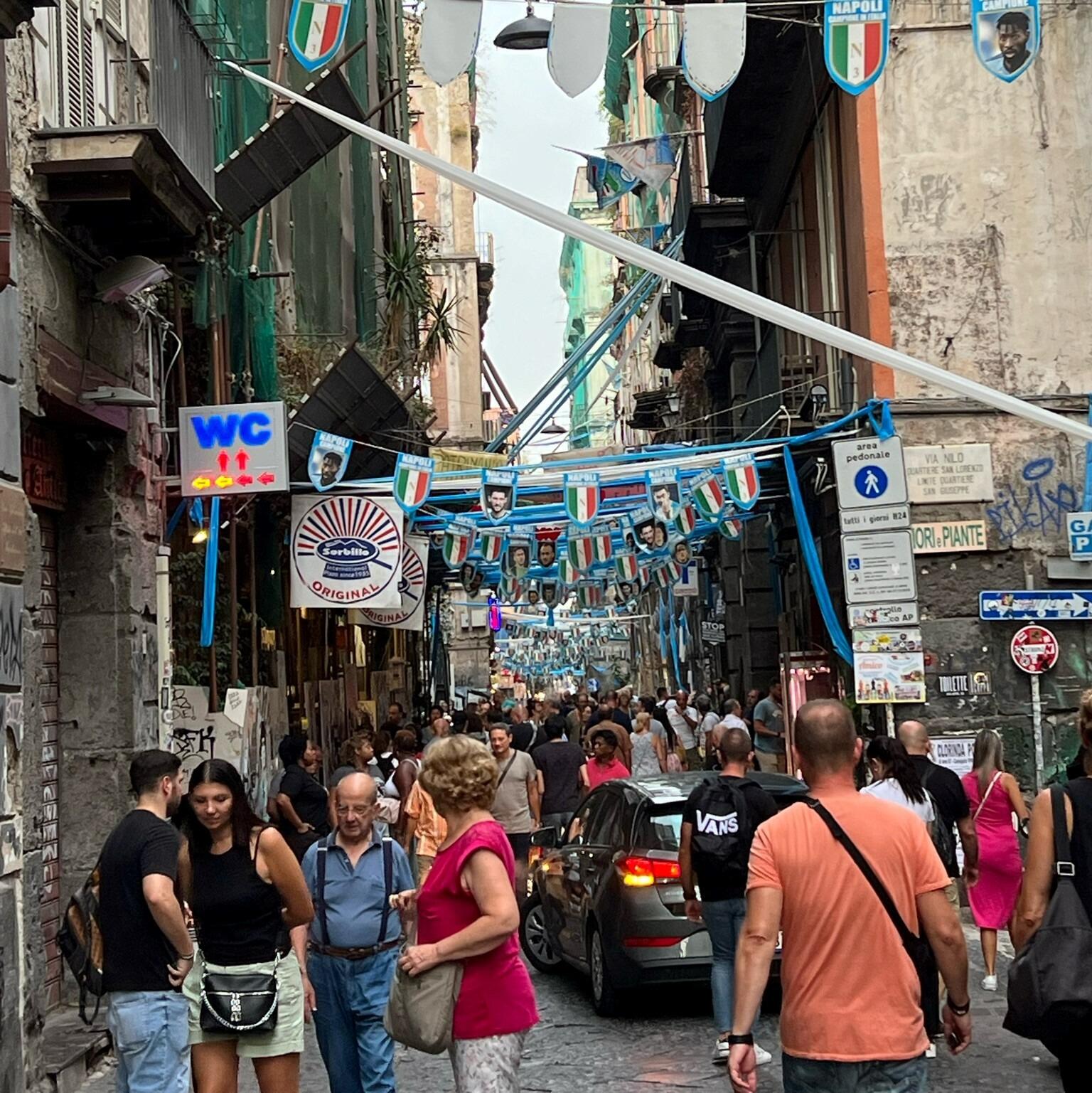
We recommend avoiding driving in major cities in Italy, especially Naples, which is known to have some of the worst driving in the country. Yes we did it and survived! Rome can be a bit rough, too. But this is by no means representative of the whole country. Northern Italy — anything north of Rome — is quite civilized when it comes to driving. Some people say that the further south you go, the worse the driving gets. Driving in much of the rural south is more relaxed than in cities.
(Pictured below is a street that we actually drove down while in Naples. The pedestrians do move but you can imagine it being a bit stressful!)
Italian Road Rules
In Italy they drive on the right side of the road. On three-lane roads, the right lane is the slow lane and the left lane is the passing lane. At crossings, vehicles on the right have the right of way. In short, always yield to the right.
Keep in mind that turning right on red is not permitted in Italy.
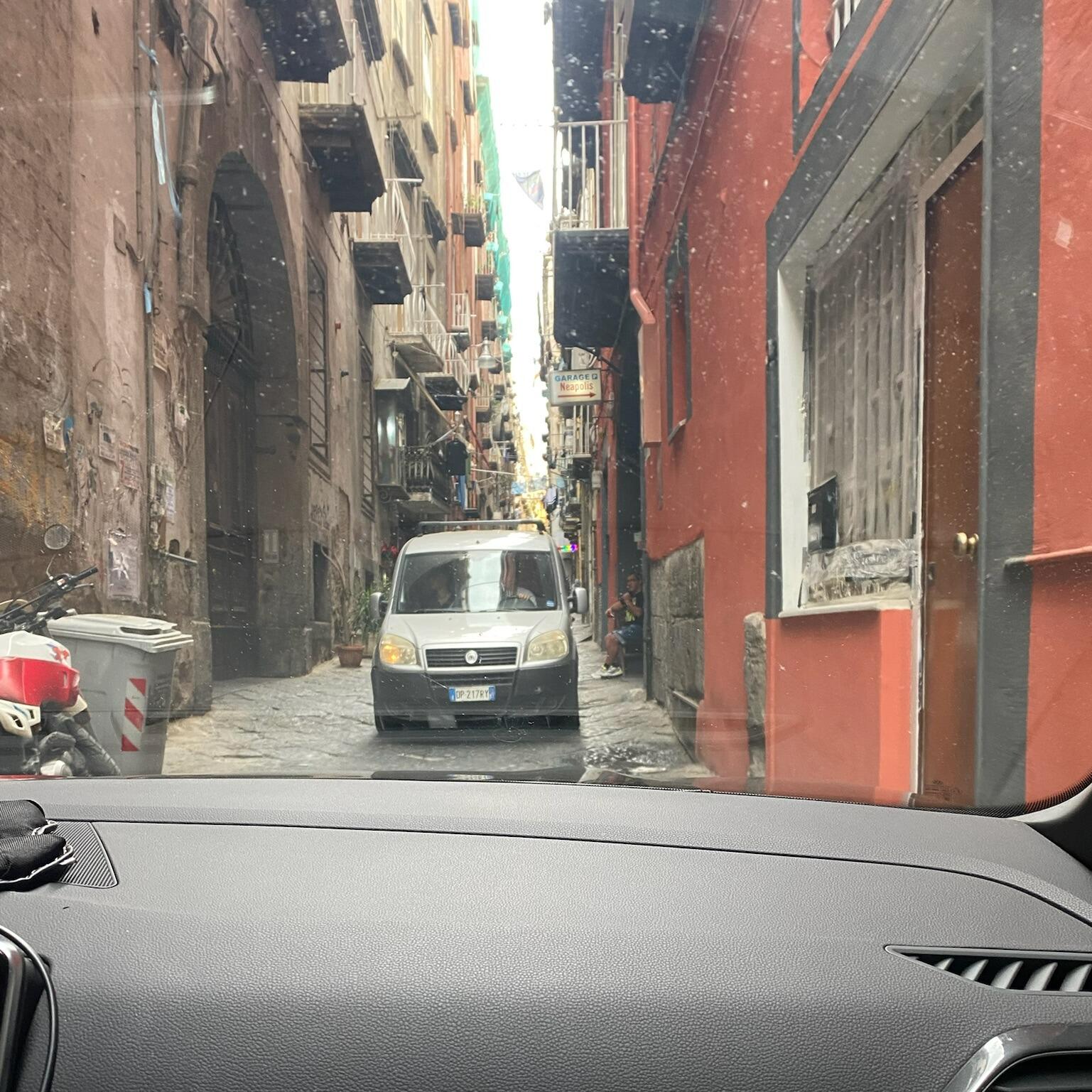
One-way streets are optional in some cities and you just drive really slow. If another car comes on a one-way street that is single lane - the driver going the wrong direction on the street must reverse to allow the other oncoming car to pass.
Seat belts are required in Italy and you can be fined if you don’t wear one.
Stop signs are more like yield signs – especially in the country outside of cities.
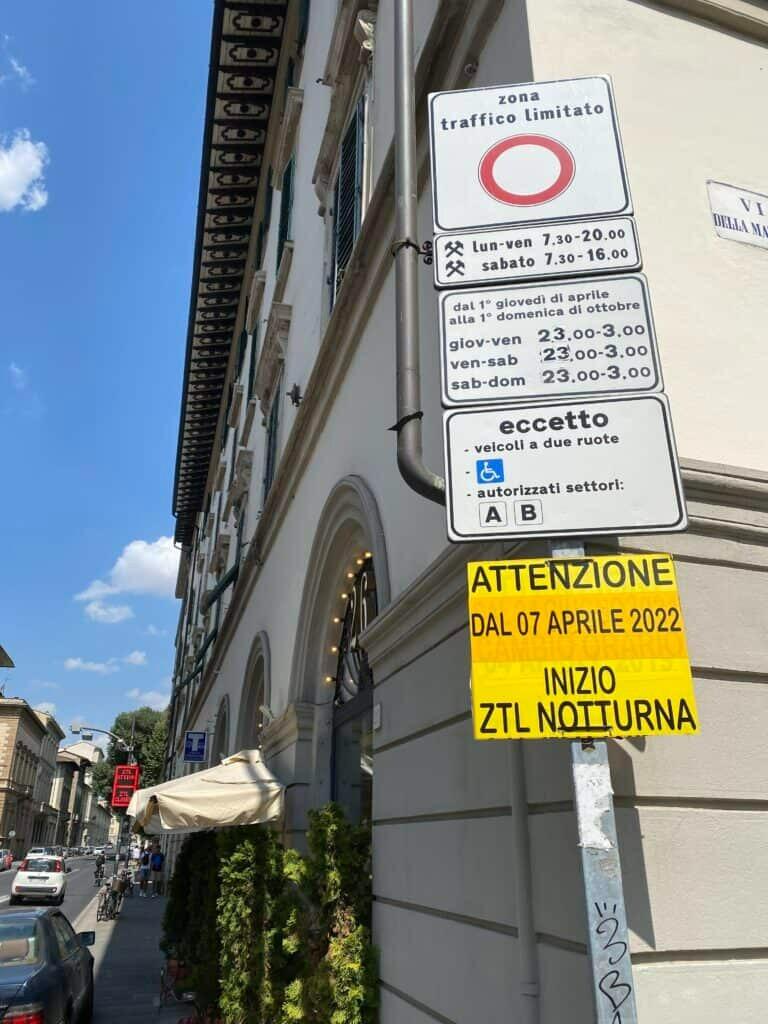
In historic city centers, cars without permits might not be permitted. Keep an eye out for the Zona Traffico Limitato (ZTL) signs. If you are staying at a hotel in that area it might require you to drive into the ZTL. Emailing hotels ahead of time to confirm directions from a main highway can be a great way to navigate these tricky areas.
Italian car rentals should come with a safety vest and reflective triangles in the trunk, which you are required to use if you need to pull over due to car trouble.
(Pictured below is a one way street where we are driving the correct direction. Do not worry the van backed up to let us pass!)
(Pictured below is one example of a ZTL with hours and days of the week)
How do you pay tolls in Italy?
You get a ticket when you enter toll roads, and then insert the ticket in the machine on the way out. There are lanes for cash or credit cards. Some are just for cars or trucks with transponders – so avoid these! We kept some cash on hand in case the credit card machines did not work but was pleasantly surprise how many had touch pay and had no issues!
Wondering how much the tolls might be from one city to another?
Check out https://tollguru.com/italy-toll-calculator this site will give you the fastest route price and cheaper route price.
Where to park?
Check online for parcheggios which can either be free or paid lots. Often you can find these outside a city and then are connected by escalator, elevator, or are a short walk into the city center.
Yellow lines are for disabled parking; once again you must display the appropriate pass.
White lines mean the parking space is for residents. If your car is parked in a white parking space and you fail to show a resident pass, you will receive a fine. White line however are likely free – always check the posted signage.
Blue is paid street parking. You are required to pay Monday to Saturday 08:00–20:00. Prices vary. Once you have your ticket, leave it on the dashboard.
If you intend to park your car overnight, we would not recommend parking on the street. Look for parking included with the hotel at a secure lot. Cars left in a street where cleaning is scheduled are towed away as well as risking being broken into.
Driving Speed Limits in Italy
More than 6,500 kms make up Italy’s national system of motorways.
Each level has a different speed limit:
Superstrade, also known as a Type B motorway, or strada extraurbana principale, are dual carriageways (divided expressways with at least two lanes in each direction), with a paved shoulder and no intersections. The speed limit is 90 km/h (56 mph).
Autostrade, are Type A motorways with a maximum speed limit of 130km/h, and link major cities. The A1, for example, goes from Milan to Rome to Naples.
Urban roads have a maximum speed limit of 50 km/h.
Strade Bianche, also known as the “white roads”, is the unpaved back roads that criss-cross the countryside through vineyards and olive groves. The name comes from the colour of the earth and small stones of these roads during the dry summer. These are ideal cycling and walking paths.
Requirements for Driving in Italy
Do you need an International Driving Permit (IDP)?
If you do get pulled over by the police you will need to have an IDP. We have heard of rumours where the police pull you over and find out you don’t have one then continue to alert police further down the same highway. This could mean multiple fines and risking having your Canadian License taken - so it’s a good idea to have an IDP.
What is an International Driving Permit?
It is basically a translation of your license and includes a photo. When accompanied by a valid driver’s licence, enables a person to drive vehicles for leisure purposes in many foreign countries. The IDP is valid for 12-months.
For Canadians, only CAA is authorized to issue IDPs in Canada. We went in person and took less then an hour, cost is $35 for CAA members and we did not need to bring passport photos.
For Australians, you can apply for an IDP online through Service NSW. Cost is $49 and you must have a passport sized photo taken within the past 6-months.
TIPS FOR HIRING A RENTAL CAR IN ITALY
1. Make sure insurance is included in your car rental. You will likely not cause damage but someone else will while you are parked. Most Italian cars are dented or scratched.
2. The majority of cars available in Italy will be manual, not automatic. Remember to specify when you reserve a car that you would like automatic if that is what you prefer.
3. Download maps to help with navigation or consider getting an eSim to have data available while traveling. GPS can be handy but are not always available to rent.
4. Organise your car rental in advance as we will be travelling in high season.
5. Do not get a Fiat… just don’t. It’s cute in theory but we have heard horror stories from people not being able to navigate country roads.