


Spice things up with these steamy flicks.
Updated Oct 14, 202414 Questions to Ask a Jeweler When Buying a Wedding Ring
Making your shopping experience helpful, not stressful.

Photo: Stocksy

Engagement rings tend to get all of the attention, but wedding bands and sets are just as important. There are questions to ask when buying a wedding ring to help you make the most informed purchase. Remember, this is a big investment in something you will probably wear every day, so it's worth doing a little research before making a commitment. Whether you're trying to choose a wedding ring for a partner or looking for something together, you want to look for something that is beautiful to look at, fits your personal aesthetic and lifestyle, and that will stand the test of time.
To help you find the perfect band, we talked to a few professional jewelers who have experience helping brides- and grooms-to-be shop for their wedding rings. Read on to find out exactly what to ask when you go to a jewelry store. To find a jeweler near you, visit The Knot Vendor Marketplace and search by location.
1. Where Do You Source Your Gemstones?
If the quality and ethical practices behind your jewelry are important to you, then by all means, ask your jeweler where they source their gemstones. "This is as much about integrity as it is about beauty," says Hannah Florman, a Boston-based fine jeweler known for her custom engagement rings. "Ethically sourced diamonds and gemstones ensure your piece was made responsibly, honoring both people and planet." She notes that even if your jeweler doesn't source directly, they should be able to verify if the stones are conflict-free and traceable.
As Megan Kothari, jeweler, founder and designer of AARYAH, notes, this can also help you cut through the "greenwashing" she says is common in the diamond industry. "With natural diamonds especially, reputable jewelers work with mines and partners that follow strong labor and environmental standards," she explains. "Understanding sourcing gives you confidence in the ethics and integrity behind your stone, not just the sparkle you see."
FEATURED VIDEO FROM THE KNOT
2. What Are the Return and Exchange Policies?
You're buying a valuable and sentimental piece of jewelry—it's essential to know what your options are if something regrettable happens. Brooklyn-based jeweler Caitlin Mociun recommends checking out the return, exchange and warranty policies on their website before you even set foot into a shop. "If you are looking for something that you can return, this might rule out some businesses for you," she notes. Be sure to discuss any return or exchange policies in detail with the jeweler you speak with at the store so that you're on the same page and don't end up with a purchase you're basically stuck with.
3. What Is the Best Ring for My Lifestyle?
Jewelry, especially a wedding ring, is a highly personal object. You really want something that works with your lifestyle, because if it doesn't, it may turn into something you can't wear every day. Florman recommends considering your job and daily activities before settling on a metal. "Each metal behaves differently over time," Florman says. "Platinum is durable and naturally white, yellow gold develops a soft patina that many find romantic, and white gold may need rhodium replacing every few years. A good jeweler will guide you toward the metal that best suits how you live and wear your jewelry."
It's also important to ask about whether the ring is a little more delicate than other options—you need to know how high-maintenance it is. "If someone wants a piece that they never have to take off, I am going to recommend a substantial platinum or gold band over a delicate band with pavé," Mociun says. Similarly, Kothari says that the design matters too. "If you're someone who handles your jewelry carefully, traditional claw prongs are fine," she notes. "But if your daily life is a bit rougher on your hands, it's smart to consider designs like a bezel setting or other protective styles to prevent snags and damage."
4. How Will This Fit With My Engagement Ring?
Your wedding band is meant to be worn with your engagement ring, so it's imperative that they go together nicely—not just in terms of aesthetics, but also in terms of how they literally fit together. "A jeweler should be able to help you pick out the best setting that will work well with your engagement ring, without requiring any sacrifice to your ideal design," Florman says. "For instance, do you want it to sit flush with your wedding band? Are you hoping to do a larger or smaller diamond band? Those are both factors that will influence what your jeweler recommends."
5. Can We Customize the Design?
Sometimes you come across a band or ring that is absolutely gorgeous, but just doesn't have every single element you were looking for. In that case, customization may be an option, but you won't know unless you ask. "Even a small design adjustment, like changing the width, altering the setting, or selecting a different metal, can make a ring feel like yours," Florman says. She recommends asking about the customization process and timeline so you can get exactly what you want. You can also ask about the possibility of an engraved wedding band if you want to make it feel more personal.
6. What Is Your Process for Custom or Bespoke Design?
If you're interested in a custom design, it's important to discuss not only the timeline but also the entire process. "Every jeweler works differently," Kothari says. "Understanding their steps, way of working, design rounds, payment expectations, timelines and communication helps set expectations and a better experience." Be sure to discuss everything before you get started on the process, which can be time-consuming.
FOR YOU

The Best Wedding Tiara Picks That Aren’t Tacky
Let your bridal tiara be the crown jewel of your wedding day.
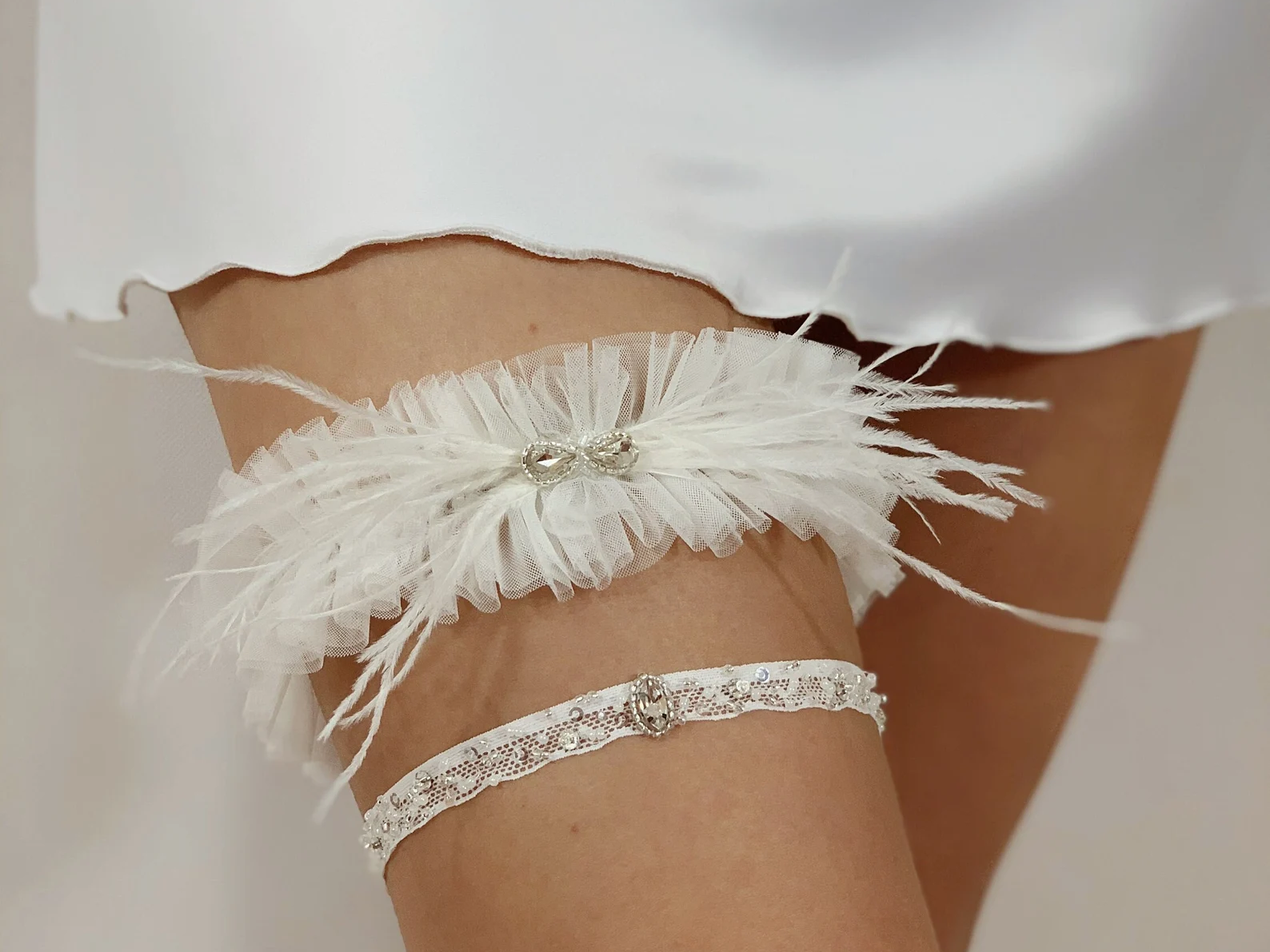
26 Chic Wedding Garters for the Modern Bride
Toss up tradition with these modern and fashionable bridal garters.

A Guide to Different Wedding Veil Styles and Lengths
Welcome to wedding veil 101.
7. Is This Able to Be Resized in the Future?
It's not uncommon to require a ring resizing years or even months after a wedding. There can be any number of reasons for that, including injury, weight gain or pregnancy. "Some rings cannot be resized, like an infinity/eternity style band, anything with an inlay around it or an engraved pattern," Mociun notes. It's also worth pointing out that some jewelers may charge for this service. "With rising gold prices, many jewelers now charge for resizing, so it's smart to confirm costs upfront," Kothari says. If the option to do this is important to you, you may want to choose a ring based on that information.
8. What Is Your After-Care or Maintenance Policy?
Taking good care of your rings means that you need to put a little effort and work into them every few months or even just once a year. Sometimes, jewelers offer this service as a benefit to buying a wedding band from them, but it's something you may not know unless you ask. "Rings endure daily wear, and knowing whether your jeweler offers complimentary cleanings, prong checks or polishing gives you peace of mind that your piece will remain as beautiful as the day you received it," Florman says. Ask your jeweler if they allow you to bring it in for cleaning and if there is a charge.
9. Can You Give Me a Basic Timeline?
Knowing the timeline of when your ring will be ready, especially if you're getting a custom ring or customizing something about the ring you're buying, is one of the most important things to consider so that it aligns with the time of your wedding. "If you are going somewhere more specialized that is not selling rings out of the box, you need to know the lead time for the ring," Mociun says. "For example, all of our bands are made to order and take between four and eight weeks to make." You don't want to purchase a ring only to realize that it won't even make it to the wedding ceremony.
10. Can You Provide an Appraisal?
This is a technical question to ask when buying a wedding band that many shoppers may not even think about during the ring shopping experience, but can still be really important. "A professional appraisal establishes your ring's replacement value for insurance purposes," Florman explains. "A trustworthy jeweler can provide documentation or connect you with a recommended provider." Don't skip this step—even if it never comes in handy, it's really nice to have if necessary, and it may be key if you want to insure your ring.
11. Does This Ring Require Any Special Care?
Taking care of your wedding ring is so important and can make your ring not only look better but also help it last longer. "A good jeweler will share at-home cleaning tips, storage recommendations and guidance on when to take your rings off," Florman says. "For instance, in the gym, during skincare routines or while swimming. Small habits like these can preserve your ring's beauty for decades." Ask about how often you should be cleaning it, if it can snag easily, or if it's not recommended for wear when doing certain things.
12. Do You Have a Diamond Certificate?
If you're purchasing a ring with diamonds and you want to know all of the details behind the stone, you can ask about a diamond certificate, which is usually from an organization like the Gemological Institute of America (GIA). The certificate assesses the quality and authenticity of the stone while verifying the cut, color, clarity, and carat weight. "Essentially, the jewel's passport," Florman says. "A reputable jeweler will provide this documentation proactively as it's a reflection of their transparency and professionalism."
However, Mociun notes that with bands, especially ones that only feature small or pavé diamonds, this may not always be available. "They are usually going to be too small to be worth certifying," she explains, noting that GIA only certifies stones as small as .15 carats. She says that the jeweler should still be able to tell you the color and clarity the stones fall into, and whether the diamonds are natural or lab-grown.
13. How Will This Ring Evolve Over Time?
Remember that wedding rings withstand daily wear and tear, which means that the overall look can change over time. "Metals develop a soft patina, prongs may need a touch of reinforcement and gemstones may shift subtly in hue," Florman points out. "Ask your jeweler how the metals will wear, what maintenance schedule they recommend, and what kind of natural beauty develops with age. This foresight ensures your ring becomes a living heirloom, one that tells your story in texture and tone."
14. Does Your Style Align With Mine?
Kothari stresses the importance of making sure a jeweler is a good fit for you before deciding to go with them, especially if you're opting for a bespoke ring or customization. She advises doing some research, like looking through their portfolio, past client work and social media. "Not every jeweler is the right match for every aesthetic," she says. "You want to make sure they've created pieces similar to the style or stone shape you're interested in. This saves time and ensures you're choosing someone who can execute your vision beautifully and has the expertise needed to do so."


