

Spice things up with these steamy flicks.
Updated Oct 14, 2024How to Honor Tradition With a Meaningful Roka Ceremony
Here's what you need to know about this centuries-old tradition popular with the Punjabi and Sikh cultures.

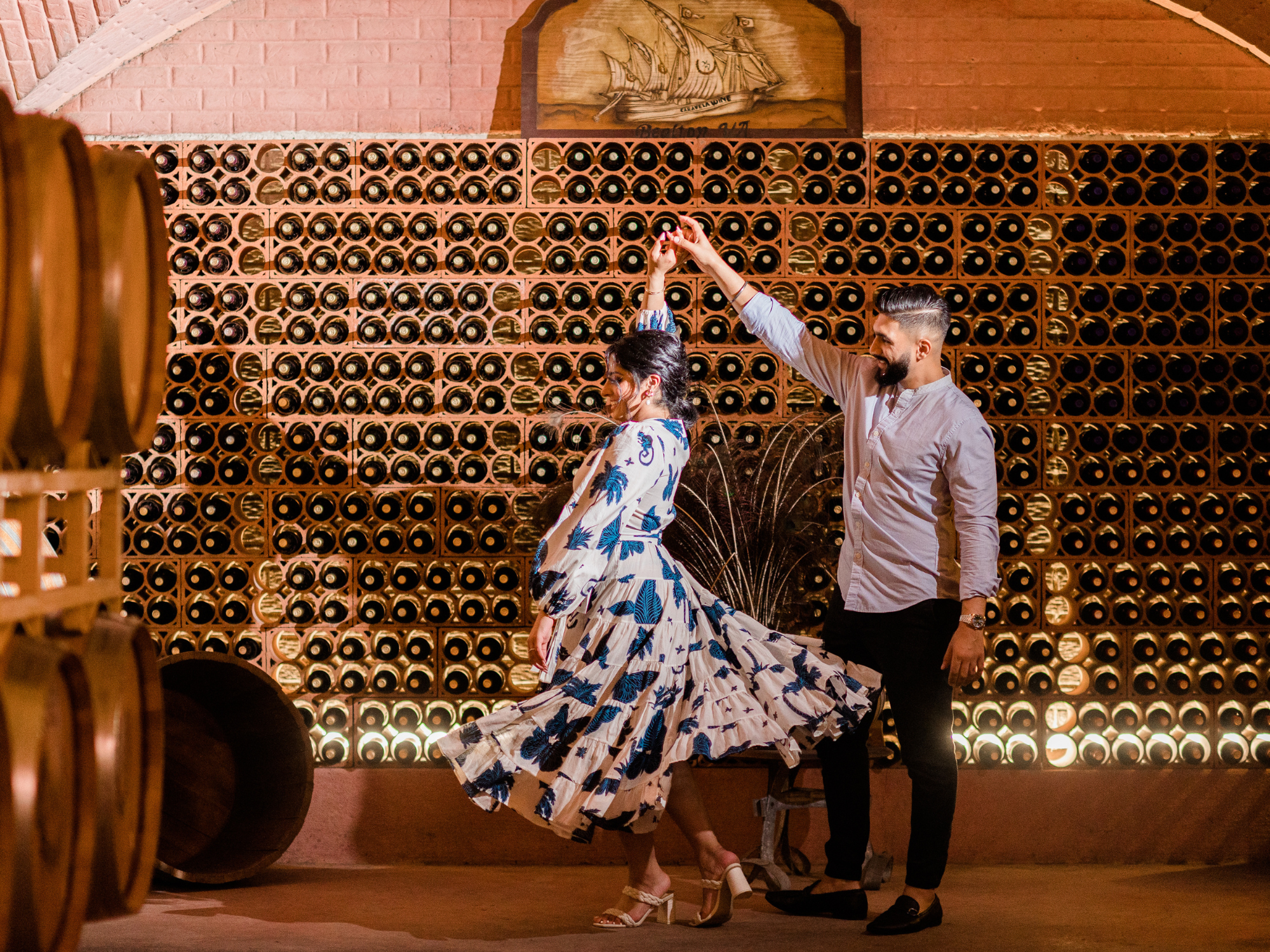
Photo: Banga Studios

Indian weddings are known for being days-long affairs, full of celebration, joy and friends and family. But the festivities start long before the big day. In Punjabi and Sikh cultures, the roka ceremony is one of the first milestones leading up to the wedding.
The translation of roka means "to stop," and the ceremony is a symbol of the couple stopping their search for a partner because they have committed to their spouse-to-be. This is a celebration of two families coming together, and while it's similar in notion to a modern-day engagement party, it's typically much smaller and more low-key. The emphasis is on the meaningful union of the families rather than jubilantly toasting the new couple.
To learn more about this ages-old Indian wedding tradition and how to incorporate it into your celebration, here's a look at everything from what to expect to what to wear and everything in between.
In this article: What Is a Roka Ceremony | Traditions | FAQ | Attire
What Is a Roka Ceremony?
The roka ceremony is a meaningful part of Hindu wedding traditions, and it's often held soon after the couple is engaged. It's not a large celebration, but rather a time for the two families to come together and acknowledge the future union.
FEATURED VIDEO FROM THE KNOT
Pooja Yenamandra, owner and lead planner of Eventful by Pooja, based in Sacramento, California, explains the roka meaning is "when both families come together to formally bless the union and acknowledge that the couple has chosen each other. It signifies that both families agree that the search for a life partner is now complete, no need to look further."
This is often a short and sweet event where prayers and blessings are offered, the families mix and mingle, gifts may be exchanged, and the families discuss the timing of the rest of the wedding season. There may be an official ceremony during the roka, but it is not required.
Yenamandra points out that the concept of a formal blessing between families exists across most Indian communities, but it's most often called a roka in Punjabi and North Indian cultures.
"Each tradition looks slightly different, but the heart of it is the same—a formal blessing and acknowledgment that the families agree to the match," Yenamandra says.
How Is Roka Different from an Engagement?
Couples today often celebrate their engagement with a big party with friends and family. But the roka is different from modern-day engagement traditions. Instead, Yenamandra explains, "The roka is usually smaller and more intimate. Engagements tend to be larger celebrations, while a roka is more about blessings, gifts and 'making it official' between families."
While you might invite all of your closest friends and wedding party, as well as colleagues and other connections, to an engagement party, the roka is limited to only those within your family. There is less of a party atmosphere and more of an emphasis on the sentimental nature of the occasion.
Roka Ceremony Traditions
"Traditions definitely vary, but you'll usually see an aarti or small prayer, exchanging some sweets, and symbolic gifts like fruits, clothes or jewelry for the couple," Yenamandra says. "Depending on the family's style, I've seen families keep it to a short 20-minute prayer at home with lunch."
Roka Prayer
Often, elder family members offer their blessings and prayers for the couple. These are words designed to set the marriage up for strength and stability through the years.
FOR YOU
Roka Gifts
The gifts at the roka ceremony are typically small and sentimental. There may be sweets, fruit or other small items exchanged. The couple will also give small gifts to their family members in attendance.
Roka Dancing
While most roka ceremonies are intimate occasions limited to the closest family and friends, some couples choose to turn it into a more celebratory occasion. In these cases, Yenamandra says, "I've seen it turn into an evening-long celebration with music and dancing."
Roka Ceremony FAQ
Whether you're hosting a roka ceremony or attending as an honored guest, knowing the traditions and expectations will help you have a meaningful experience. These are a few of the frequently asked questions that come up again and again when planning a roka.
When does the roka occur?
The roka is the first of the prewedding celebrations. It's often held shortly after the engagement as a way for the families to come together to celebrate and get to know each other better ahead of the wedding season.
Who hosts the roka and where does it take place?
"Traditionally, if the couple is a bride and groom, the groom's family will host the roka at home with the other's family visiting and bringing gifts," Yenamandra says. However, she notes that in more modern settings, couples may choose to host the roka together or host it at another location, like a restaurant, hotel or garden. Because a roka is so much smaller than many of the other wedding events, there's more flexibility in where the couple chooses to celebrate.
Who attends the roka and what should they bring?
Yenamandra notes that in Indian culture, weddings are often just as much about two families coming together as they are about the couple. This deepens the importance of bringing close family members together for blessings to kick off the wedding season. "The roka is usually kept very intimate, just close family, rather than the larger guest list you'd see at an engagement or wedding," Yenamandra explains.
Are photos allowed during the roka ceremony?
Photos are allowed during the roka ceremony, just as they are throughout the prewedding and wedding events. Many couples will hire a professional photographer to capture the event.
What happens between the roka and the wedding?
There are several prewedding ceremonies that occur in the months and days leading up to the wedding. Modern couples may have a larger engagement party in addition to the roka, then, in the days immediately preceding the wedding, they'll celebrate with the mehndi ceremony, sangeet ceremony and haldi ceremony.
Roka Ceremony Attire
While traditional Indian wedding attire is often formal and heavily dictated by custom, there's more flexibility in what the couple and guests wear as their roka outfit. This is where a couple can have a little more fun with color and detail.
What to Wear as the Couple
"Couples often wear traditional festive outfits like a saree, lehenga, anarkali or kurta set," Yenamandra says. "Usually something elegant but not overly formal." Brides may wear lighter, pastel colors, but they can pair those with beautifully detailed embellishments that might feel too trendy or fanciful for the wedding day.
What to Wear as a Guest
Guests also wear traditional Indian wedding attire, but not as formal as what they plan on wearing for the wedding weekend. "Guests are encouraged to wear colorful Indian outfits, again, lighter than what they might choose for a wedding day," Yenamandra explains.


