


Spice things up with these steamy flicks.
Updated Oct 14, 2024The Top Wedding Dress Designers Through the Decades
Preeminent designers like Reem Acra, Sareh Nouri and Galia Lahav share their perspectives in exclusive Q&As with The Knot.

COURTESY OF THE DESIGNERS

ONE MIGHT ARGUE that no aspect of wedding planning holds more importance to a bride than what she will wear. The white dress, an archetype emblematic of weddings around the world, has held sway since Queen Victoria first formally introduced the enduring fashion symbol in the 19th century. Beyond that, however, trends constantly shift to reflect the times: 100 years ago, in the 1920s, for instance, bridal gowns consisted of bias-cut silk with embellishments, reflecting the flapper-era style. A decade later, during the height of the Great Depression, a more modest and simple style took hold.
As for the year 2026, future fashion and wedding historians (myself included) will note that the fast turnover of macro trends, fueled by social media and driven by hyper-personalization, resulted in many different types of styles. But the truth is, it's up to the forces behind the looks to shape what will become emblematic of this period. So while the rest can speculate, we went directly to the creators.
Featured Top Bridal Designers: Reem Acra | Mark Ingram | Sareh Nouri | Galia Lahav | Kyha Scott | Hayley Paige
Reem Acra
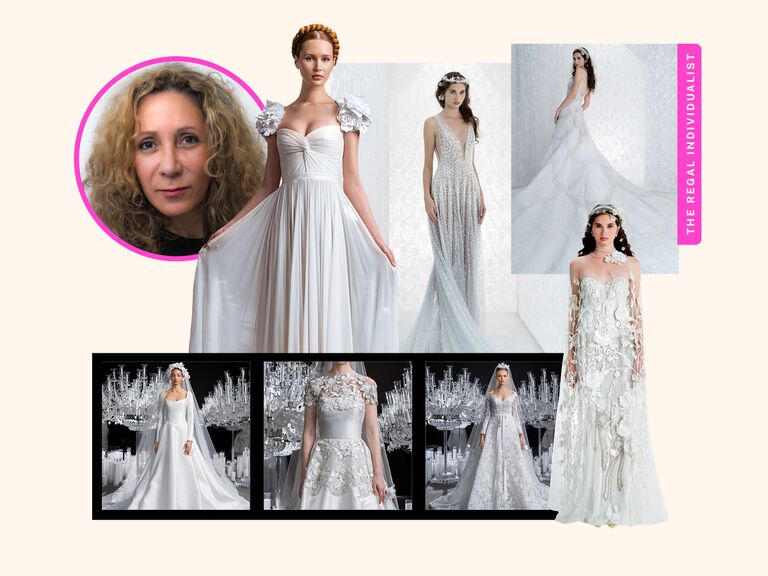
ACRA: FADI ACRA; ALL OTHER IMAGES COURTESY OF THE DESIGNER
One of my first and most formative weddings was that of a family friend when I was in college. At a cricket club, the bride stood resplendent in a strapless, off-white crepe gown with intricate embellishments that flickered as she danced around the venue. It was a Reem Acra gown, and a couture piece at that—and it was my first impression for what a wedding dress should be. "My aesthetic has always been regal, embellished and guided by a belief in individuality," says Acra, who launched her eponymous bridal brand 29 years ago. "Rather than following an existing path, I focused on creating something authentic and true to myself. I'm grateful that this approach has resonated with others, has inspired designers who came after me and continues to shape the work of the brand today."
FEATURED VIDEO FROM THE KNOT
Esther Lee: What is it about you, your brand and your influence that you particularly feel has been resonant with couples throughout the years?
Reem Acra: I have always believed that a bride should feel powerful, confident and unmistakably herself. That commitment to elegance with personality has resonated for decades, because it celebrates not just beauty, but identity.
EL: What do you love most about the business of weddings? What compelled you to enter the industry and to remain in it?
RA: I entered the wedding industry because I love helping each bride shine on one of the most meaningful days of her life. There's nothing more rewarding than seeing it come to life on her wedding day.
EL: Share a defining moment for your brand when you knew you were onto something special. How did it change the game for you and your business?
RA: From day one, the brand stood apart. It was bold and distinctive, and carried a clear sense of individuality. That early connection confirmed I was building something special, and it set the tone for the brand's evolution ever since.
EL: What do you wish modern couples knew about weddings today?
RA: I hope this beautiful new generation focuses on who they truly are, rather than trying to be someone else. Marriage is a celebration of two individuals coming together, each with their own identity. With so much information and influence surrounding weddings today, it's important not to lose sight of authenticity and personal expression.
EL: What do you forecast for the weddings of tomorrow?
RA: While weddings will continue to evolve into many different forms, I see the future leaning toward experiences that are deeply personal and rich with emotional traditions.
Mark Ingram
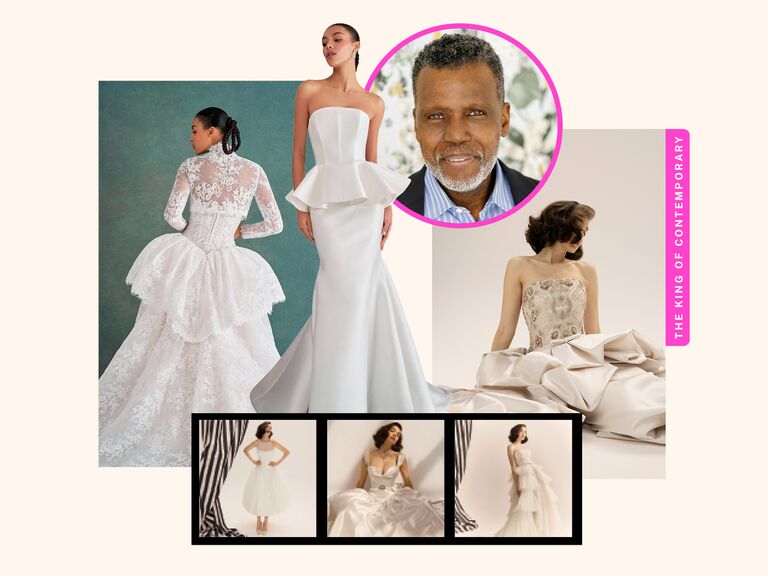
INGRAM: JAYMO JAYMES; ALL OTHER IMAGES COURTESY OF THE DESIGNER
I last ran into Mark Ingram several years ago, at an industry gala in Boca Raton, Florida, with a theme of gold-gilded glamour. "I love your look," he said, pointing to my gold silk skirt. I beamed, and the industry would agree: There is no greater compliment in the bridal-styling business than one from Ingram, the arbiter of great taste and a force to be reckoned with. A seller, merchandiser, retailer, stylist and now designer, he has touched every aspect of luxury bridal fashion. It is what makes him the best in the game. The owner of his own namesake retail location and bridal line, Ingram also carries Vera Wang, Ines Di Santo and other coveted names at his atelier on Madison Avenue in NYC.
Esther Lee: In your opinion, what is your main differentiator? What is the point of view that makes you and your brand so "you"?
Mark Ingram: Most designer flagships rarely have the designer or owner on premises. It sets brides at ease to meet the designer, to be "heard" by the designer. With more and more no longer visiting stores and attending trunk shows, I believe the connection with their customer gets weaker. In turn, I get firsthand knowledge of how to interpret what brides want for themselves, and I use that as fodder for my future collections. Additionally, I buy and represent 14 other designer brands at my atelier. It allows me a broader overview of the bridal market, and can offer my brides so many stylistic options.
EL: What do you love most about the business of weddings? What compelled you to enter the industry and to remain in it?
MI: As a child, I'd watch brides enter and leave the church literally across the street from my grandparents' living-room window on Saturdays. I would make tissue-paper dresses and veils on my grandmother's delft figurines. So brides and bridal gowns were an early obsession. Many years later, helping plan my sister's wedding introduced me to the industry, and that's when I truly became enchanted. I moved out of the extremely fast-paced, cutthroat ready-to-wear segment of the fashion business into the slower-paced, more intimate and personalized world of bridal. Lucky to land my first position at Amsale, and sitting beside her daily, I learned from the master and honed the additional skills I needed, as well as the ones I innately had that suited me for a career in bridal. I love making people happy ...making dreams come true ... creating beautiful things and experiences. That is the essence of me. (Editor's note: The late Amsale Aberra remains one of the most formative bridal designers in the business, particularly for her impact on gowns in the 1990s. Her legacy lives on with her husband and daughter at the Amsale flagship store in NYC and local bridal salons that carry the brand today.)
EL: Share a defining moment for your brand when you knew you were onto something special. How did it change the game for you and your business?
MI: There have been many defining moments in my 30-year bridal career, and I hope there will be many more as I continue to evolve. But I must say that three events changed the trajectory of my brand overall. The first was early live appearances on the Martha Stewart Living TV program, which gave me validation as a luxury bridal brand retailer, expert and spokesperson. The second was when I appeared as myself in a "re-created for TV" version of my atelier on season 1 of Gossip Girl. It was an absolute game changer. Despite having aired 18 years ago on network TV, it remains the gift that keeps giving, introducing me to millions of viewers over the years. My stock certainly shot up after that initial appearance! Third was the creation of my own bridal designs, which at the time I believed necessary after having lost a very important label in my store. That void—the loss of this popular luxury bridal brand, as well as what I felt was missing in the US market—provided the impetus to create my own [label].
Sareh Nouri
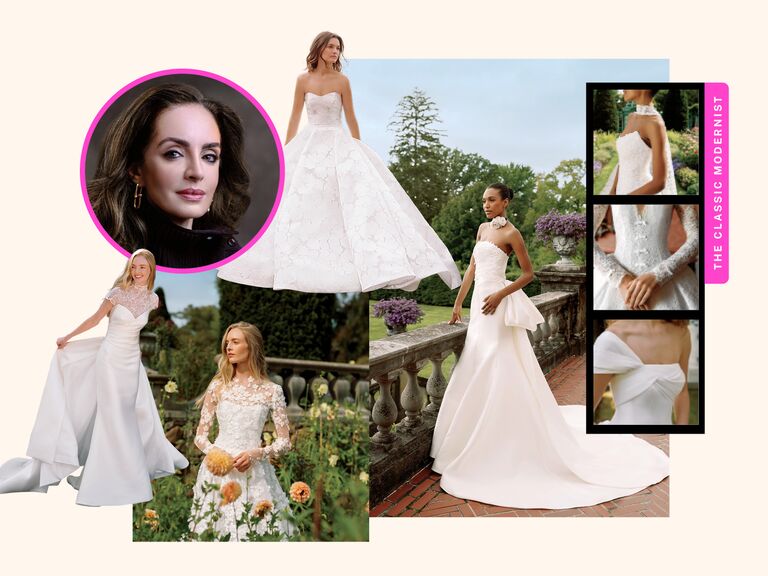
ALL IMAGES COURTESY OF THE DESIGNER
Ask the biggest planners, designers and pros in the industry how they came to be, and many will say their joy in weddings was sparked by planning their own. "I have always loved designing for real moments and real women," says designer Sareh Nouri of her namesake label and USA-based atelier. "My own wedding gown was the first dress I ever designed, and that experience sparked everything that [followed]. I realized how powerful it was to create something that could make a woman feel beautiful, strong and herself on such an important day."
Esther Lee: What is it about you, your brand and your influence that you particularly feel has been resonant with couples throughout the years?
Sareh Nouri: I think what has resonated most over the years is that my designs have always come from a very personal place. I started this brand with the idea that a wedding gown should feel emotional and meaningful, not just beautiful. I have never been interested in chasing trends—I want brides to look back at their photos decades from now and still love what they wore. My brand has always focused on craftsmanship, quality and romance, and I think couples feel that care in every detail. So many of our brides come from families where a sister, cousin or even mother wore one of my gowns, and that means everything to me. It tells me that what we create becomes part of their story, not just their wedding day. At the heart of it, I just want each bride to feel like the most confident and beautiful version of herself, and I think that authenticity is what's connected with couples year after year.
EL: In your opinion, what is your main differentiator? What is the point of view that makes you and your brand so "you"?
SN: Everything I create is driven by emotion, craftsmanship and intention. I don't design gowns just to be worn once—I design them to become part of a woman's story, something she will look back on with pride and love for decades. My point of view has always been rooted in timeless beauty rather than trends, with a focus on romantic silhouettes, beautiful fabrics and thoughtful details that feel personal to each bride. Another huge part of what makes my brand "me" is that every gown is proudly made in the USA in our own atelier. That allows me to be deeply involved in the process from sketch to final fitting, and it ensures an incredible level of quality, fit and care. It also means we're supporting skilled artisans and keeping the craft of bridal design close to home, which is something I'm very proud of. At the heart of it, my brand is about authenticity—creating gowns that feel elegant, emotional and truly reflective of the bride wearing them.
EL: Share a defining moment for your brand when you knew you were onto something special. How did it change the game for you and your business?
SN: When I was still so new and just starting out, I had only a small collection and very little experience in the business side of things, but I believed deeply in what I was creating. When Kleinfeld Bridal picked up my collection, it was one of those moments where everything suddenly felt real. I remember thinking, "Maybe I really can do this." That opportunity changed the game for me. Kleinfeld introduced my designs to brides from all over the world and gave the brand a level of visibility and credibility at a time when I was still finding my footing. It pushed me to grow faster, work harder and take my craft even more seriously. More than anything, it gave me confidence—not just in the business, but in my point of view as a designer. It showed me that there was room in the bridal world for my romantic, timeless style, and that brides were truly connecting with it. That moment was the beginning of everything that followed.
EL: What do you wish modern couples knew about weddings today?
SN: I wish they knew that a wedding doesn't have to look like anyone else's to be meaningful. With social media and trends everywhere, it's easy to feel pressure to do what's "in" instead of what feels right to you. Some of the most beautiful weddings I have seen are the ones that reflect the couple's personalities, values and story—not just what's popular at the moment. I also wish they knew it's okay to slow down and really be present. The day goes by so quickly, and it's easy to get caught up in timelines and details. The moments that stay with you are the emotional ones—walking down the aisle, seeing your families together, laughing with your closest friends. Those are the things that matter most in the end. At the heart of it, I want couples to remember that their wedding is about connection and commitment, not perfection. If it feels true to who you are, then it's already beautiful.
EL: What do you forecast for the weddings of tomorrow?
SN: I think they will feel even more personal and meaningful. Couples are already moving away from cookie-cutter celebrations and focusing more on what truly reflects who they are—from the venue to the guest list to the details that matter most to them. I also see a big shift toward quality and intention. Brides want pieces that feel special and lasting, not just trendy for one season. There's more appreciation for craftsmanship and for things that are made with care and purpose. Overall, I think weddings will become more about connection and experience—less about putting on a show, and more about celebrating love in a way that feels honest, emotional and unforgettable.
FOR YOU

A Deep Dive Into 2025's Bridal Scarf Trend
Expert-backed styling tips and shopping recommendations, right this way.
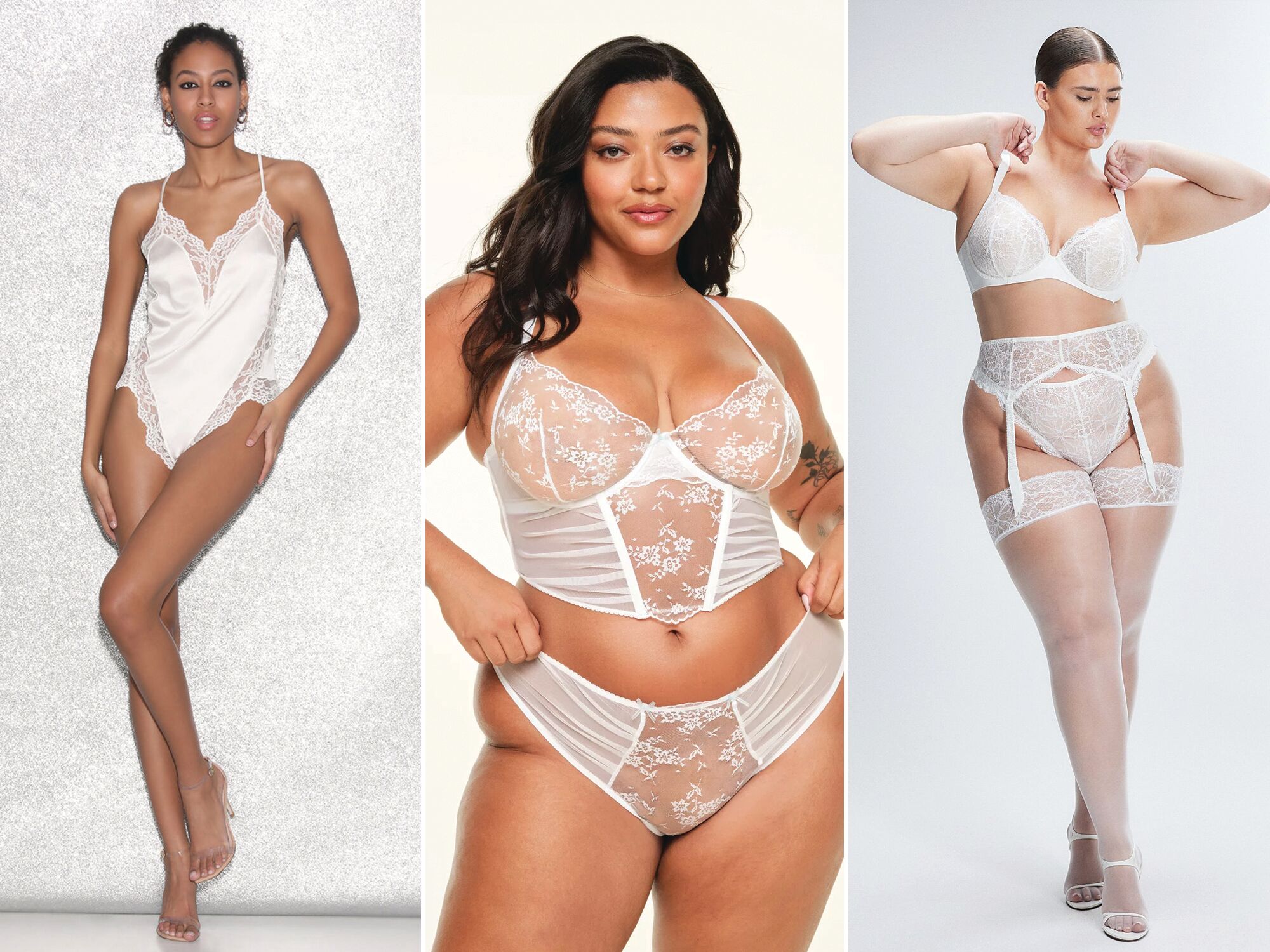
The Sexiest Bridal Lingerie for Your Wedding Night
Your search for the best bridal boudoir ends here.
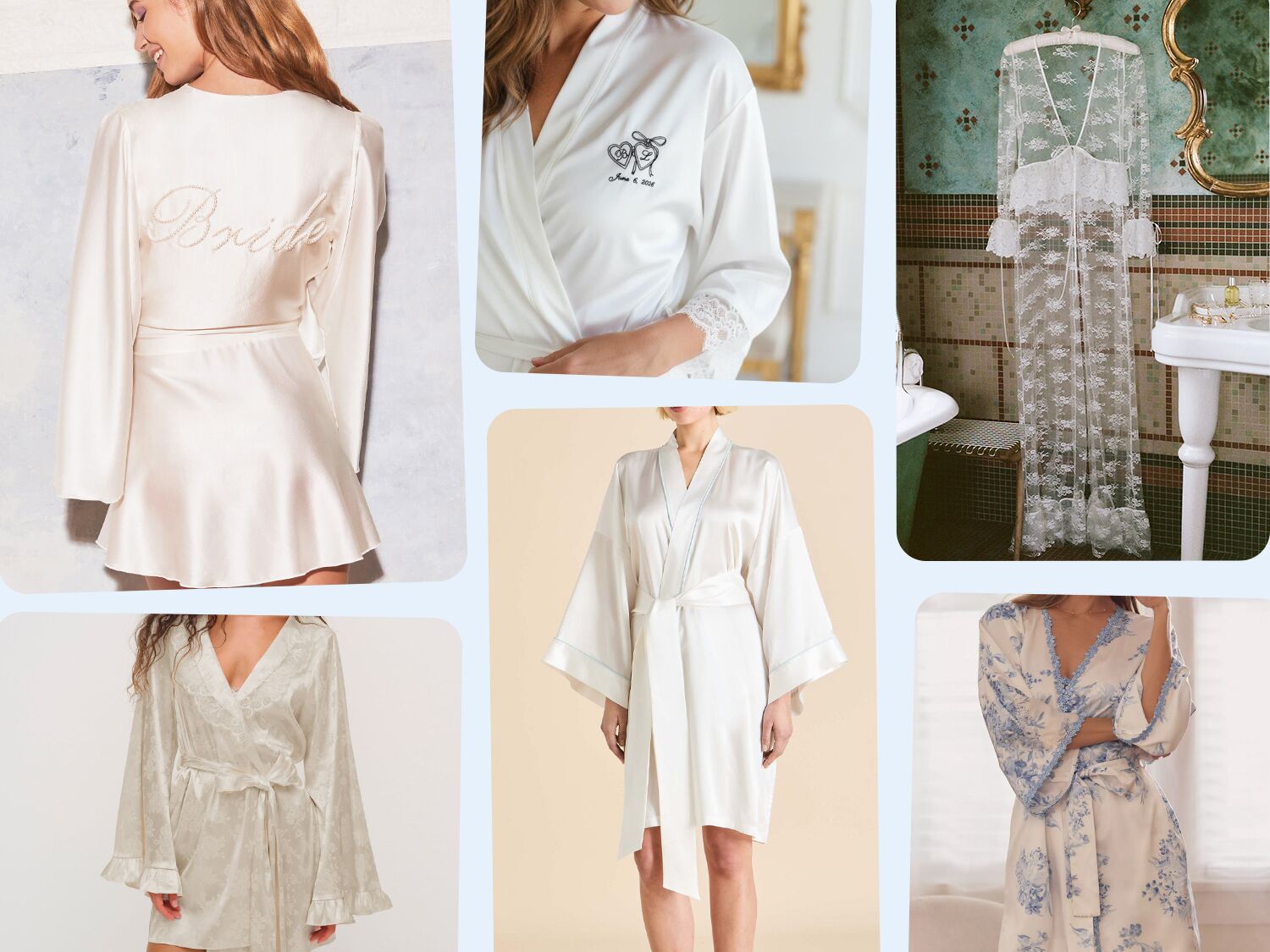
We Found It: Your Perfect Bridal Robe
Lounge around the bridal suite *and* honeymoon suite in these pretty picks.
Galia Lahav

ALL IMAGES COURTESY OF THE DESIGNER
One of today's most coveted wedding-designer names, Galia Lahav has dressed some of the best-known brides of modern times, including the likes of Beyoncé, for her 2018 vow renewal to Jay-Z, and Paris Hilton, for her 2021 wedding to Carter Reum. Lahav, who operates a global atelier in Tel Aviv, Israel, launched her line in 1986. Within the last decade, her illusion necklines and bodices and sensual details have made her brand the go-to for confident and bold brides.
Esther Lee: In your opinion, what is your main differentiator? What is the point of view that makes you and your brand so "you"?
Galia Lahav: When a bride walks into one of our stores, she's not only choosing a gown, she's entering a "relationship" with us, as I like to call it. From the first fitting to the last, we're with her for months: We celebrate her, we host her, we invite her into our world. She becomes part of our Galia Lahav family.
We've built a real bridal community through events, through storytelling, through the way we showcase our brides on our platforms and make them feel seen. No other bridal house does it quite this way. It's not just about the dress, it's about the whole experience, the connection and the feeling that she's never alone in the process.
That philosophy is very me. I care deeply, I'm involved in everything and I believe relationships are everything. Couture is not only about how something looks, it's about how it makes you feel, from the very first moment to the very last fitting.
EL: What do you love most about the business of weddings? What compelled you to enter the industry and to remain in it?
GL: Weddings are the most special, magical and happy day of people's lives. There is emotion, celebration, family and hope, all wrapped into one moment. I never take that for granted.
What pulled me into bridal was the creativity. I saw an industry full of tradition and remember thinking, "Why can't this be reimagined?". I wanted to bring something new. I loved the challenge of pushing boundaries. What keeps me here is that bridal will never stand still. Every bride is different, every story is different and there is always room to reinvent. I still get excited by the process, by taking something familiar and turning it into something unexpected. As long as there are brides dreaming and boundaries to push, I'm not going anywhere.
EL: Share a defining moment for your brand when you knew you were onto something special. How did it change the game for you and your business?
GL: There wasn't one single dramatic moment—it was more of a quiet realization that kept repeating itself. I started noticing brides traveling from all over the world just to come to our atelier in Tel Aviv. They were coming because they had found something they couldn't find anywhere else. That's when I understood we had created more than dresses. We had created an experience, an emotion and a point of view that resonated globally.
Later, when our designs moved beyond bridal salons and began appearing on major red carpets, it confirmed that our language spoke to women everywhere, not only brides. That shift changed the scale of the business. Around the same time, social media was just beginning to emerge. We were the first bridal brand to truly embrace platforms like Instagram not as a catalog, but as a storytelling tool. Suddenly, our gowns were being shared, saved and talked about globally. Certain designs went viral before "viral" was even a word, and that visibility changed everything. "I never tried to tell brides who they should be," Lahav says. "Since day one, I believed a wedding dress should reflect the woman wearing it, not tradition, not rules, not other people's opinions. [For that reason,] I designed gowns that were confident, sensual and a little rebellious at a time when bridal was expected to be very proper. Some people said it was too much. But my brides said, 'Finally, this feels like me.' That honesty is what stayed consistent over the years, even as the brand grew."
EL: What do you wish modern couples knew about weddings today?
GL: Today, couples have an incredible opportunity not only to celebrate their love, but to inspire others along the way. With the reach we have now, and the rise of social media, weddings can be shared in a way that sparks creativity, connection and joy for future brides and couples around the world.
At the same time, the heart of a wedding remains the same: It's the beginning of a life together, a commitment to each other and a moment to celebrate love with the people closest to them. When couples stay grounded in that meaning and share their day from a place of authenticity, the impact becomes even more beautiful—both for them and for everyone they inspire.
EL: What do you forecast for the weddings of tomorrow?
GL: I see weddings becoming even more personal and expressive. Couples will continue to move away from bridal norms and instead create weddings that truly reflect who they are, their values, their stories and the way they love. There will be more intention behind every choice, from the setting to the guest list to the gown itself. Craftsmanship and meaning will matter more than ever. I think brides will gravitate toward pieces that feel special, emotional and made just for them. In sum, the weddings of tomorrow will be less about following rules and more about creating moments that feel timeless, authentic and just unforgettable.
Kyha Scott
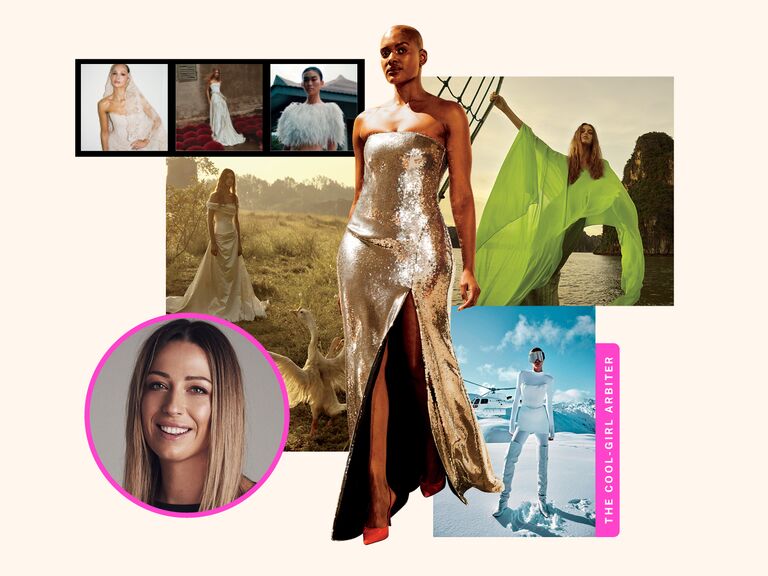
ALL IMAGES COURTESY OF THE DESIGNER
During every New York bridal market of the past two years, the name that has continued to be raised and praised is that of Kyha. "There really are no rules anymore," says Kyha Scott, who founded the Melbourne, Australia-based label in 2011. Today, her designs can be found in over 20 countries, including at a New York flagship store. "Weddings today do not have to look a certain way or follow a prescribed format. When you let go of expectation and focus on what feels like a reflection of you, the day becomes far more meaningful."
Esther Lee: What is it about you, your brand and your influence that you particularly feel has been resonant with couples throughout the years?
Kyha Scott: From the outset, our focus has been bridal design as a form of self-expression, rather than tradition for tradition's sake. As a result, Kyha connects with brides seeking our signature silhouettes, craftsmanship and point of view, which sits closer to ready-to-wear than bridal. For me, what has been just as important as the designs themselves is the experience we create—one that is thoughtful, personal and warm, allowing each bride to feel truly seen. The combination of this and our distinctive aesthetic is what I believe has created a lasting relevance over time.
EL: In your opinion, what is your main differentiator? What is the point of view that makes you and your brand so "you"?
KS: Empowering women is at the heart of our mission and what sets us apart. It underpins every decision, from the way we design and construct each piece to the experience itself. So our pieces are not just a reflection of aesthetic intent; they are a statement of self-expression for our customers. Our creative handwriting is a further point of differentiation. An emphasis on effortlessness, restraint and craftsmanship defines the work, creating fresh designs that seem to consistently resonate with our customer.
EL: What do you love most about the business of weddings? What compelled you to enter the industry and to remain in it?
KS: I was led into the bridal industry through my own wedding experience, which highlighted an opportunity at the time for a more positive, considered approach for brides. Bridal has allowed me to fully explore my passion for design, textiles and craftsmanship. And to contribute in a small way to such a meaningful moment in our clients' lives remains a privilege and an ongoing source of motivation.
EL: Share a defining moment for your brand when you knew you were onto something special. How did it change the game for you and your business?
KS: After over a decade in the industry, I am grateful that there have been many meaningful moments along the way. Opening our New York flagship was a major milestone and a clear sign of the direction the business was heading in. For a brand that began in Australia, establishing a presence in New York felt especially significant. Presenting the Moon Plain collection at the Guggenheim Museum last April was another standout moment. Launching in such an iconic cultural space—and witnessing the response from our customers—was a powerful reflection of how far the brand has evolved. That was followed by the launch of Waterlines in Vietnam, which marked another meaningful chapter and felt incredibly special.
EL: What do you forecast for the weddings of tomorrow?
KS: I think we will continue to see weddings become less and less traditional and more free and expressive, whether it's the choice of wedding dress, where a couple celebrates or how the day unfolds. Fashion will play a bigger role, with more confidence around individuality and an emphasis on craftsmanship.
Hayley Paige
Hayley Paige is back and busier than ever. The bubbly designer still carries the bright energy she has long brought to entire rooms. While Paige is an evolved version of herself, her purpose in bridal fashion remains the same. "Early on, I saw brides getting emotional not because they looked 'perfect,' but because they finally felt seen. That was a lasting moment for me," she says. "More recently, returning to the runway under my own name after years of silence was deeply defining. It reaffirmed that creativity doesn't disappear when it's interrupted—it simply waits. That moment changed everything, personally and professionally. It reset my foundation to encompass authorship, creativity and designing on my own terms."
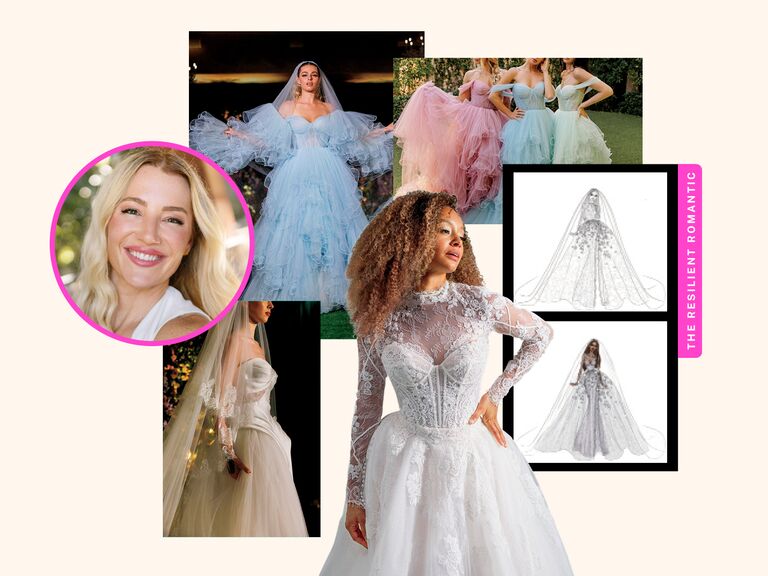
PAIGE: CHARD PHOTO; ALL OTHER IMAGES COURTESY OF THE DESIGNER
Esther Lee: What is it about you, your brand and your influence that you particularly feel has been resonant with couples throughout the years?
Hayley Paige: This is such a meaningful question. I hope what's resonated most is the sincerity behind the work—the belief that design is, at its core, an act of love and listening. I've always wanted brides to feel permission to be unapologetically themselves, whatever that looks like for them. A wedding dress should never costume you into someone else's fantasy; it should feel like a reflection of your truest self—mirror, mirror—while still inviting a sense of wonder.
And beyond that, I hope there's a sense of friendship woven into the brand. Fashion can so often feel intimidating or inaccessible, and I've always wanted to flip that script—making the experience feel warm, human and joyful. When a gown can be both grounding and inspiring, personal yet poetic, that's where the magic lives. I think that honesty—both in design and in connection—is what couples have truly responded to over the years.
EL: In your opinion, what is your main differentiator? What is the point of view that makes you and your brand so "you"?
HP: I design for how it feels to get dressed, not just how it photographs. Comfort, movement and emotion aren't afterthoughts in my work; they're the blueprint. If you can't sit, eat or dance comfortably, then what's the point? I've always believed you can have an iconic, timeless moment and fully enjoy yourself.
At the heart of my point of view is the idea that romance can be intelligent, playful and strong all at once. A gown can be ethereal and engineered, feminine yet fearless. I'm not interested in shrinking women down or freezing them in tradition; I'm interested in celebrating their presence, their confidence and the way they move through the world.
EL: What do you love most about the business of weddings? What compelled you to enter the industry and to remain in it?
HP: What I love most is that weddings sit at the intersection of emotion and dreams. People don't come to this space casually; they come with meaning, history, nerves, joy and hope all bundled together. There's an honesty to this moment that you don't get very often in fashion, and it keeps me deeply engaged and approaching my work with vulnerability.
I was drawn to bridal because it's one of the few design categories where what you make becomes part of someone's memory forever. A wedding dress isn't just worn—it's lived in, loved and remembered forever. I've stayed because weddings continue to evolve alongside culture, identity and how people define partnership and celebration. As long as love keeps changing shape, there will always be room to design for it.
A version of this article first appeared in The Knot Magazine 30th Anniversary Issue in Spring 2026.


