


"I like it when people say, 'How did it last so long?' I say, 'It's still going."
Updated Mar 04, 2025How to Plan a Bengali Wedding Full of Lively Tradition
The Bengal region blends cultures and religion in its days-long celebrations.

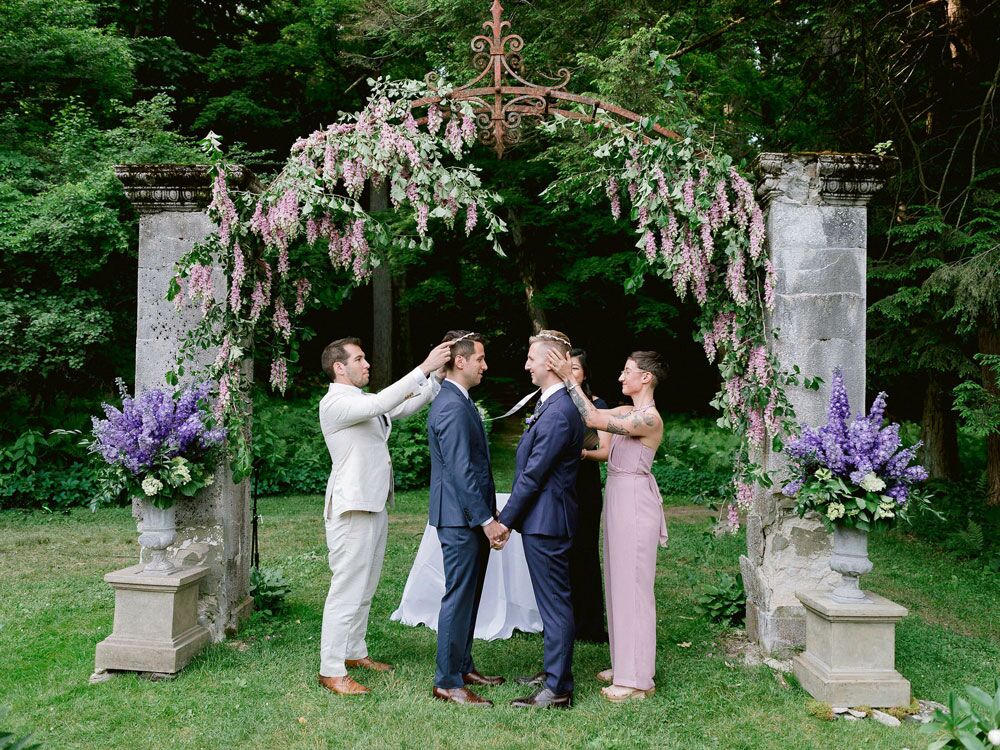
Photo: Renee Lemaire Photography,Design: Natalie Romine

South Asian weddings are full of vibrant color and lively celebrations, and Bengali weddings show off the traditions, customs, and religious rituals of both the Hindu and Muslim cultures in the Bengal region. "Bengali weddings, primarily referring to those from the Bengal region, which includes West Bengal in India and Bangladesh, are known for their colorful, ritual-filled festivities that blend tradition, family bonds and joy," says Amrit Dhillon-Bains, owner of Anais Events based in Sacramento, California.
Often, when couples are planning a wedding that focuses on their family's heritage and traditions, they'll look for vendors specifically experienced in that area. You can find Bengali wedding vendors on The Knot Vendor Marketplace by searching for vendors across styles, budgets and categories. You can also save your favorites using the heart icon to come back to later—just log in to access your favorites.
To learn more about the global wedding traditions that go into a Bengali wedding, Dhillon-Bains shared her expertise on everything from the attire to the prewedding celebrations, ceremony traditions and key postwedding customs.
Bengali Wedding Traditions in This Story: History | Prewedding | Attire | Ceremony | Reception | Food & Drink | Postwedding
A Brief History of Bengali Wedding Traditions
Bengali weddings are rooted in centuries-old Bengali marriage customs that span days, weeks and months leading up to the wedding. Many of these traditions stem from the region's multicultural history, and their modern iterations were solidified throughout the 19th and 20th centuries. Dhillon-Bains explains, "Customs can vary between Bengali Hindu and Muslim communities. Hindu wedding traditions feature elaborate multi-day rituals. Muslim Bengali weddings are tailored to incorporate Islamic prayers."
FEATURED VIDEO FROM THE KNOT
Prewedding Bengali Traditions
While the Bengali wedding is already a multi-day event, there are also wedding proposal rituals and prewedding traditions to consider. Each of these Bengali wedding customs has family at the core. "Elders perform pujas and blessings, mothers welcome the groom with aarti (lamps), and siblings or uncles carry the bride during rituals," says Dhillon-Bains. "This involvement strengthens bonds and ensures traditions are passed down."
Adan Pradan
After the engagement, the families meet to decide on an auspicious day for the wedding date. Dhillon-Bains explains, "Often, the families will exchange initial gifts, and this is followed by Ashirbaad (blessings), where the groom's family visits the bride (and vice versa) to shower her with gold jewelry, sarees, sweets and heirlooms, symbolizing acceptance into the family."
Aai Buro Bhaat
Similar to a family-driven bachelor party or bachelorette, the Aai Buro Bhaat is the last meal as a single person. "The bride and groom enjoy favorite Bengali dishes prepared by relatives," Dhillon-Bains says.
Gaye Holud
In South Asian Muslim weddings, the Gaye Holud is when a turmeric paste is applied to both partners. Married women in the groom's family apply the paste to him, and then it is applied to the bride.
Vridhi Puja
The day before the wedding ceremony, both partners gather with their families for the Vridhi Puja. This is a time for blessing and to honor the ancestors and generations that came before them.
Shankha-Pola
"The bride dons conch shell bangles, known as Shankha-Pola, as a marital symbol," Dhillon-Bains says. These are often given to her by her mother.
Traditional Bengali Wedding Attire
Bengali couples often lean into traditional and elegant Bengali wedding outfits, where the focus is on beautiful textiles. "The bride typically wears a red Benarasi silk brocade saree for the main ceremony, draped in the classic Bengali style, paired with heavy gold jewelry, a golden veil and white conch shell bangles with red coral," Dhillon-Bains says.
Her hands and feet are decorated with mehndi, and fresh flowers are incorporated throughout her look, including in her hair. "For prewedding events like Gaye Holud, she opts for yellow or red cotton sarees to handle turmeric stains," adds Dhillon-Bains.
The groom is equally elegant, with a silk dhoti and kurta. "The groom will switch to patta bastra, a sacred dhoti and upper cloth, for the ceremony, topped with a conical topor made of shola.
If you're attending a Bengali wedding rooted in Islam and wondering what to wear to a Muslim wedding, Dhillon-Bains says, "In Muslim weddings, attire may include more modest variations, like salwar kameez or sherwanis, though specifics blend with cultural elements."
Bengali Wedding Ceremony Traditions
From sentimental wedding ceremony entrances to meaningful symbols, Bengali weddings are vibrant, playful affairs that balance the upbeat moments with traditions and wedding prayers designed to reverently honor previous generations. "Bengali weddings are a symphony of colors, sounds and symbolism, often spanning four to five days with rituals that emphasize purity, blessings and union," Dhillon-Bains says.
FOR YOU

45 Wedding Entrance Ideas for the Reception
We've done the creative thinking for you.

49 Fun Wedding Send-Off Ideas for Your Final Exit
Time to make your wedding exit epic.
34 Wedding Unity Ceremony Ideas to Symbolize Your Union
Lighting candles and pouring sand are good starts, but there's more where that came from.
She points out that community and family are key elements in any Bengali wedding. "In Muslim Bengali weddings, traditions adapt Islamic elements, such as prayers during the ceremony, while retaining cultural practices like Gaye Holud. The ceremony, often held in the evening under a decorated canopy, is poetic and ritualistic."
Procession
"The ceremony begins with the groom's procession, called Bor Jatri and Bor Boron, where the bride's mother welcomes him with lamps, sweets and foot-washing," says Dhillon-Bains. This is usually a joyful, lively event, and the groom arrives on a horse or by decorated vehicle.
Subho Drishti
Subho Drishti is the auspicious first gaze between partners on the wedding day. It's a meaningful pause in the day, just after the procession.
Seven Sacred Circles
"Saptapadi is the seven circles around the sacred fire with Vedic mantras for promises like love and support," Dhillon-Bains says. Typically, the bride sits on a wood stool and her brothers or other male family members carry her around the circle. This is followed by the kanyadaan, where the bride's father gives her away.
Wedding Blessings
The entire Bengali marriage ceremony and celebration are filled with blessings, but there are a few that are particularly important. "Blessings include anjali, which includes offering puffed rice to the fire, and sindoor daan, which is when the groom applies vermilion to the bride," Dhillon-Bains says.
Garland Exchange
The garland exchange, known as the mala badal, is when the couple playfully exchanges garlands three times. There are aromatic and auspicious flowers incorporated in the garlands, and it's meant to be a lighthearted occasion.
Symbolic Items
There are symbolic items used in all Bengali wedding events. As Dhillon-Bains explains, "There is the use of turmeric for purification, conch shells for auspicious sounds (ulu dhwani), and symbolic items like betel leaves and puffed rice." You'll also see a Bengali wedding fish cutting ceremony, where a fish is cut by the bride for good luck and prosperity.
Bengali Wedding Reception Traditions
The Bengali wedding reception doesn't typically occur on the same day as the wedding ceremony. Instead, the reception is the last official event in the multi-day Bengali wedding celebration, and it is often held the day after the wedding. It is known as the Bou Bhaat, which is translated into "bride's rice." This is when the couple is officially introduced as a married unit to all their family and friends. There are gifts, blessings and lots of food.
"The Bou Bhaat is a postceremony feast at the groom's home the day after the wedding," Dhillon-Bains explains. "It introduces the bride to her new family and community, with elements like gift-giving (clothes, cosmetics and sweets) and cultural games."
Traditional Bengali Wedding Food, Drinks and Desserts
Like many cultures around the world, there are vibrant wedding food traditions associated with Bengali weddings. "Guests enjoy a lavish spread, often with live folk music or dances. Muslim wedding traditions have their own customs around the reception, and the bride's family brings gifts in a procession, followed by a shared meal emphasizing sweets and fruits," Dhillon-Bains says.
Savory Food
Throughout the wedding celebrations, there's a focus on indulgent spreads that represent the best in Bengali food traditions. "Bengali cuisine shines with non-veg delights like fish curry (maach bhaja or shorshe ilish), mutton kosha and vegetarian options like aloo posto," says Dhillon-Bains.
Sweets
The sweets are a highlight of any wedding, including Bengali weddings. Dhillon-Bains explains, "Sweets are essential: mishti doi (sweet yogurt), rosogolla, sandesh and payesh (rice pudding)."
Drinks
"Drinks include refreshing sharbat or lassi, though alcohol is rare in traditional settings," Dhillon-Bains says. Depending on the couple's religion or the emphasis on a traditional wedding, alcohol could be served.
Bengali Postwedding Traditions
As Dhillon-Bains explains, most of the postwedding Bengali marriage traditions center around bidding farewell to the couple's previous life and integrating themselves into their new family unit.
Bashi Biye
"Bashi Biye occurs the morning after, where the groom reapplies sindoor at the bride's home," says Dhillon-Bains. This is the paste that signifies that a Hindu woman is married, and during the Bashi Biye, it is typically applied in conjunction with blessings and cleansing with holy water.
Bidai
Dhillon-Bains explains that the bidai is an emotional, significant postwedding moment for the bride and her family. She says, "The bride throws rice backward as she leaves her family, symbolizing repayment of debts."
Kaal Ratri
"At the groom's home, the bride is welcomed with Kaal Ratri, which is a night of separation for adjustment," Dhillon-Bains says. This allows the couple to rest up and slowly ease into their new married life.
Phool Shojja
"Phool Shojja, also known as the flower-bedecked night, marks the couple's first night together," says Dhillon-Bains. Traditionally, the groom's family decorates the room, but today, a florist or decorating professional is often brought in to help bring the vision to life.


