Here's Everything to Know About Wedding Party Roles
What a wedding party (and everyone in it) actually does.

Design: Natalie Romine

You've picked your person, now it's time to round up your people. Forming a wedding party is a wonderful way to include loved ones in your nuptials (and the prewedding festive fun), acknowledging their support and significance in your life. Whether you already know the different wedding party roles or need a breakdown of which roles in the wedding are considered part of the wedding party, this guide breaks it all down. Ready to assemble your "I do" crew? Read on.
In this article: What Is a Wedding Party? | Wedding Party Roles | Wedding Party Responsibilities | Family Member Wedding Roles
Plus: Optional Additional Wedding Party Roles
What Is a Wedding Party?
A wedding party, also often known as a bridal party, is a group of people that are close to an engaged couple selected to be a part of the wedding ceremony, plan prewedding events and support the couple in myriad ways ahead of their walk down the aisle. Wedding party members are usually close friends or family members of the couple like the maid of honor/best man/ bridesmaids/etc, with some roles designated for young children like the flower girl/ring bearer. There can be as many or as few wedding party positions as you'd like.
Wedding Party Roles
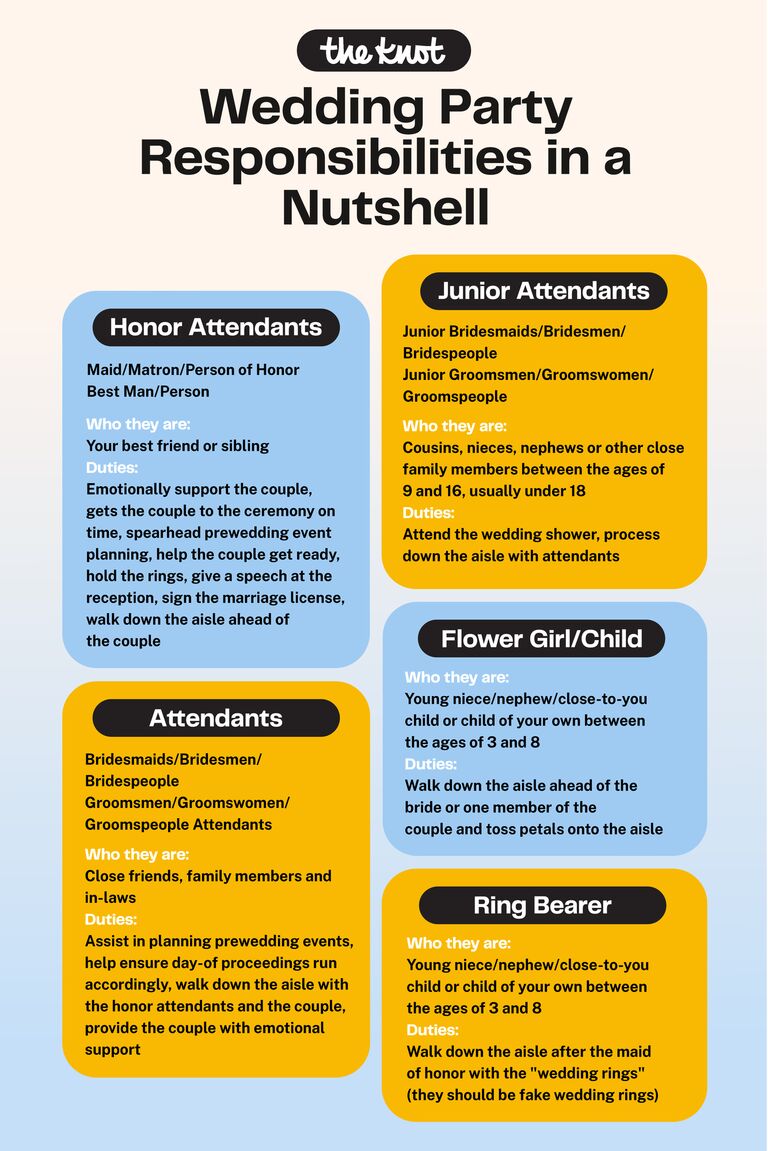
Design: Falak Khoja
The bridal party list primarily consists of the honor attendants (best man and maid of honor), the attendants (bridesmaids and groomsmen) and junior attendants (junior bridesmaids and junior groomsmen), if the couple chooses to include them. The flower girl and ring bearer are also members of the wedding party, though they have vastly different duties than the adult members.
Keep in mind that most roles in a wedding can be played by all genders and by as many people as you want. Feel empowered to update the titles of each wedding party role to best reflect the loved one filling it as well. And to take gender out of the equation altogether, you can simply use the terms "honor attendant" and "attendant" to reference your wedding party members. Make it easy to remember who does what by saving the wedding party responsibilities guide to Your Favorites. Just log into your The Knot account, then click the heart in the top-right corner of the image. That way you can easily access it when you need a referesher.
FEATURED VIDEO FROM THE KNOT
Maid, Matron, Man or Person of Honor
The maid of honor is a bridal party role filled by the bride's right hand for the duration of the planning process. This person supplies a second pair of eyes and provides emotional support as needed. In general, the maid of honor's duties include: heading up the wedding shower and handling numerous wedding-day tasks (like toasting the newlyweds, signing the marriage license, adjusting the bride's train at the altar and holding her bouquet during the vows).
The maid of honor also helps the bride get dressed and is the last attendant to walk down the aisle before the bride enters, traditionally holding the groom's wedding ring. They also usually give a speech during the reception. As for the difference between a maid of honor vs. matron of honor, a maid of honor is unmarried, while a matron of honor has tied the knot. A bride can have a maid of honor, a matron of honor, man of honor or a combination. The matron or maid of honor and best man (below) can also be referred to as "honor attendants."
Best Man, Woman or Person
This person acts as the groom's personal aide and advisor through all stages of wedding planning. They're a fashion consultant, bach-party master of ceremonies and commander-in-chief of the groom's attendants. Best-man duties include (but aren't limited to): getting the groom to the ceremony on time, giving the wedding officiant their fee after the ceremony, signing the couple's marriage license and holding the bride's wedding ring at the altar. They'll also be responsible for a reception toast as well as keeping the dance party going throughout the reception.
Bridesmaids, Bridesmaid or Bridespeople
Bridesmaids are the trustworthy pals and family members who fall on the bride's side of the wedding party attendants. They're a support team for the maid of honor and their bridesmaid responsibilities entail helping the MOH and the bride with prewedding tasks when asked (addressing invites, making shower favors, planning the bach party and more). Bridesmaids are often expected to keep the dance floor running and play cohost to guests.
An honorary bridesmaid is a close friend or family member of the bride who may attend pre-wedding events like the bachelorette party or rehearsal dinner, but does not stand with the bride or appear in the program. It's essentially an honor title without as much responsibility as others on the wedding party list.
Groomsmen, Groomswomen or Groomspeople
Groomsmen are a posse of family and friends who assist the groom in planning and preparing for the big day. Like bridesmaids, they can also help with wedding-planning tasks that fall on the groom's docket, if asked. Though, the most common groomsmen responsibilities are to assist the best man as they plan (and pay for) the bach party and also to support the groom emotionally. It's also common to have groomsmen do double duty as ushers, leaving their posts in time to process down the aisle with the rest of the bridal party. Traditionally, they also get to decorate the getaway car and act as a resource for confused wedding guests.
Junior Attendants
These are young members of the wedding party (aged 9 to 16). They'll attend all major functions (excluding the bach parties) and fulfill the same responsibilities as senior squad members in terms of set-up and support. Though, they will not be expected to financially contribute to any of the prewedding events. Junior bridesmaids can wear more age appropriate versions of the bridesmaid dresses, or a style and color dress all their own, and junior groomsmen may sport a tux or suit.
FOR YOU

9 Wedding Inquiry Email Templates You Can Steal
Watch the response emails roll in.

Creating a Wedding Guest List, According to Experts
Should Aunt Betty get an invite? Here's the tea.

How to Plan a Wedding 101: Your Step-by-Step Guide
Step 1: Bookmark this page, because it's going to become your new best friend.
Flower Girl or Child
The primary duties of a flower child are walking down the aisle before the bride and scattering flower petals from a basket (or carrying a pomander). Child attendant age is usually between 3 and 8. Children or even a favorite pet decked out in a flower collar can fill this role of a wedding. Most flower children sit with their parents after their walk down the aisle.
Ring Bearer
Similarly, the ring bearer is also a young child aged 3 through 8. Ring bearer responsibilities include walking down the aisle just before the flower girl (if there is one), carrying a small decorative pillow with two wedding bands tied to it (usually fakes, in case they got lost).
Wedding Party Responsibilities
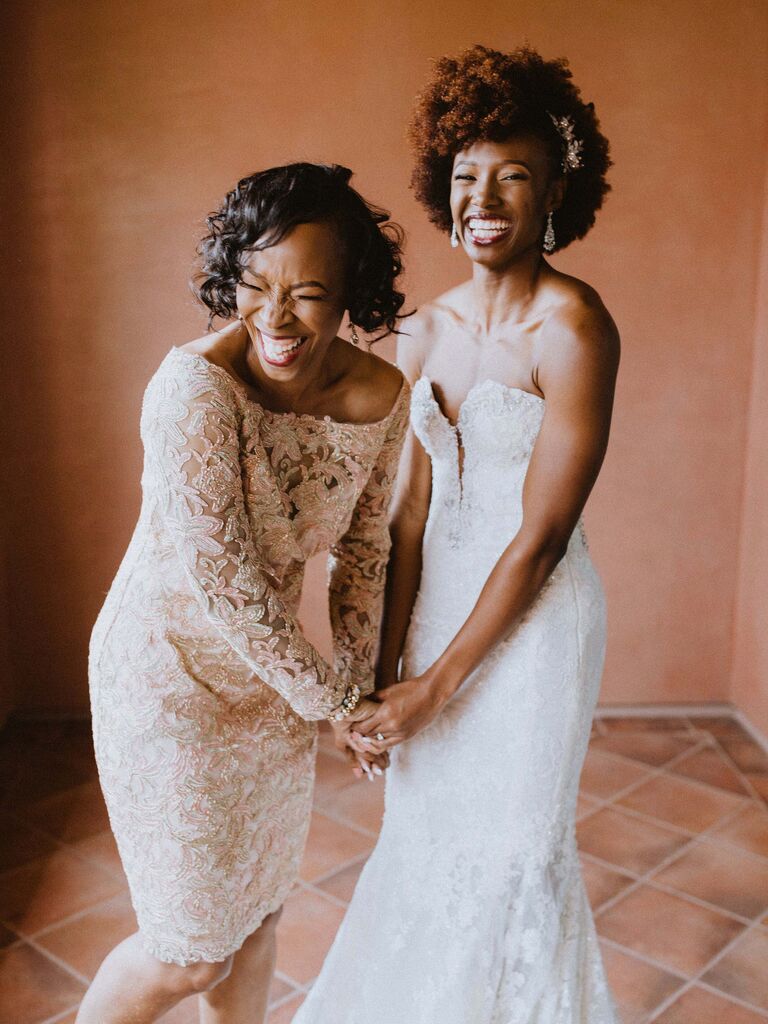
We've discussed the duties that accompany each of the most common wedding party titles (which you can always change based on your individual preferences). Now, we'll dive into what a wedding party does as a whole. Considering these bullets is a great exercise if you're on the fence about having a wedding party at all—see how one might make things go more smoothly. Wedding party members:
- Take point on planning and hosting many of the events surrounding the wedding, including the engagement party, showers and bach parties.
- Help with many different aspects of the wedding planning process. The people who make up your wedding party may help a couple choose vendors (which you can find on The Knot Vendor Marketplace), pick out wedding attire, mail out invites, assemble favors and be down for any heart-to-heart chats that might arise.
- Wear special or matching attire. They may match each other or wear wedding colors. Usually, the wedding party members are dressed formally, even if the dress code is semi-formal or even casual.
- Take portraits with the couple after the ceremony. The couple will likely ask for different configurations of wedding party members for family-and-friend pictures.
- Sit near the couple during the reception. They may sit at a large table with the newlyweds or at the closest tables to them.
- Assist the couple as they get dressed and emotionally ready on the day of the wedding.
- Offer moral support for the couple during the wedding planning process and during the wedding itself. They help the couple work through any nerves or big emotions that pop up and provide lots of love and encouragement.
Family Member Wedding Roles
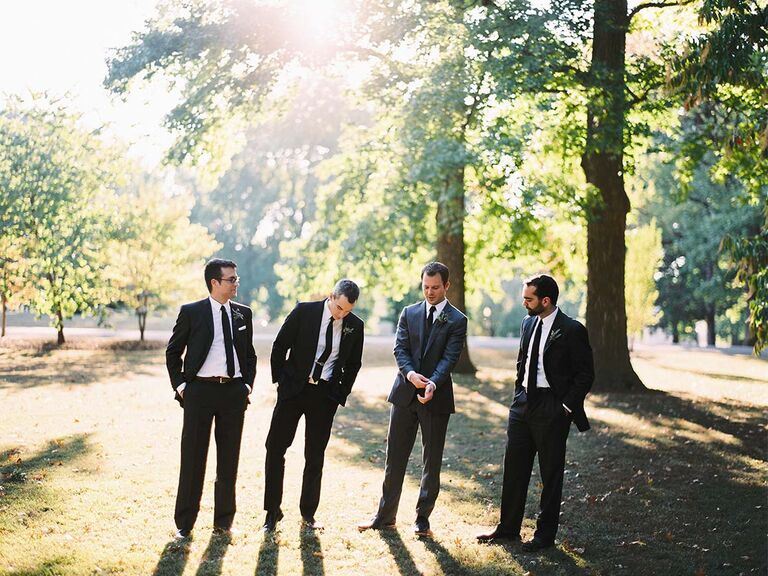
Sometimes, immediate family members like siblings are a part of the official wedding party (often as honor attendants). Though they aren't official wedding party members, the parents of the couple usually hold the same VIP status and provide similar planning and emotional support to the couple as the wedding party does. Here's a breakdown of what they do:
Fathers of the Bride and Groom
Traditionally, in the case where the bride's parents pay for the bulk of the wedding, the father of the bride fronts most of the budget (and dances with his daughter at the reception). But now, the father of the bride and father of the groom responsibilities are shared. Responsibilities for the dads might include airport duty, coordinating maps/directions to the wedding site, moving tables, escorting guests, scouting potential wedding reception venues, doling out tips to wedding day staff and a variety of toasting and hosting tasks.
Mothers of the Bride and Groom
The mother of the bride's duties may include serving as wedding planner, guest-list moderator, traditional reception host and therapist. Other possible duties include researching family and ethnic wedding traditions, attending the wedding shower (maybe even hosting it) and rehearsal dinner, and dancing the night away at the wedding reception.
The nature of the bride's mother's role is entirely up to the bride. The groom's mom's duties include much of the same. She doles out to-dos diplomatically to prevent conflicts. She attends the bridal shower and is escorted down the aisle during the prelude. Her shining moment? The mother-son dance.
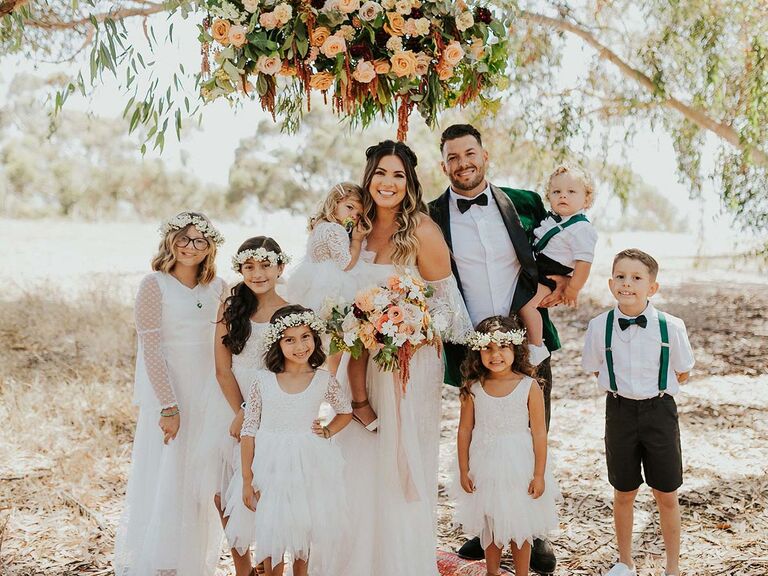
Photo: Amanda Noel Photography
Optional Additional Wedding Party Roles
You can have as many wedding attendants as you'd like, but not everyone may be a fit for such a front-and-center wedding position. Here are a few additional wedding ceremony roles that aren't part of the core wedding party to make friends, siblings-in-law or family members who aren't attendants feel included.
Usher
Ushers are technically members of the wedding house party, which is an extension of the central wedding party. It's the responsibility of the usher to escort guests to their seats before the wedding ceremony. Ushers are often close friends or family members, including preteen relatives who may not have been up for all of the attendant duties. These folks will be called out in your program and could be given corsages or boutonnieres to wear to signify their status.
Reader
Readers recite a passage from scripture, a meaningful quotation, a special poem or other special text during the ceremony. (Some of the best wedding readings even come from movies and TV shows.) This is a great bridesmaid or attendant alternative for cherished friends.
Candlelighters
In some traditional Christian ceremonies, preteens aged 9 to 12 (or even adults) light candles at the altar just before the mother of the bride is seated. Candlelighters may dress like the wedding party or not—your choice.
Pages
Pages are young kids aged 6 through 9 who carry the bride's extra-long wedding gown train (think: Lady Di's dress) as she walks down the aisle. They're also known as "train bearers."
Chuppah Carriers
In Jewish ceremonies, individuals who are near and dear to the to-be-weds (usually family members or close friends) may hold up the wedding chuppah poles during the ceremony. They're often part of the shushavim (see below).
Shushavim
This is a Jewish term that describes anyone close to the couple who helps them plan and prepare for marriage. In many Jewish weddings, there's no traditional bridal party, but certain members of the shushavim (a mom, sister, best friend) might perform similar wedding party duties.
Koumbaro or Koumbara
The koumbaro is the Eastern Orthodox groom's best man. (The koumbara is the female version.) Traditionally, the koumbaro was the groom's godfather, but today any close male relative or friend can do the job.
In traditional Greek weddings, the koumbaro's role is highly symbolic, and his duties are many. For example, during the crowning ceremony, he must place the crowns on the bride's and groom's heads, then switch the crowns back and forth three times, uniting and binding the two lovebirds.
Hattabin
A Muslim term for male family or friends who help prepare the groom for and participate in the wedding. Among Moroccan Muslims, it's common for the hattabin to propose to the bride on the groom's behalf.
Vratimi
Basically, they're Greek groomsmen. In traditional Eastern Orthodox weddings, the vratimi is a group of the groom's male friends who help the koumbaro carry out his traditional role and perform various rituals.
Additional reporting by Shyla Watson


