

Spice things up with these steamy flicks.
Updated Oct 14, 2024Introducing the Quiet Wedding and Why Gen Z Is Loudly Embracing This Trend
Shh... Gen Z couples know exactly what they want from their weddings.

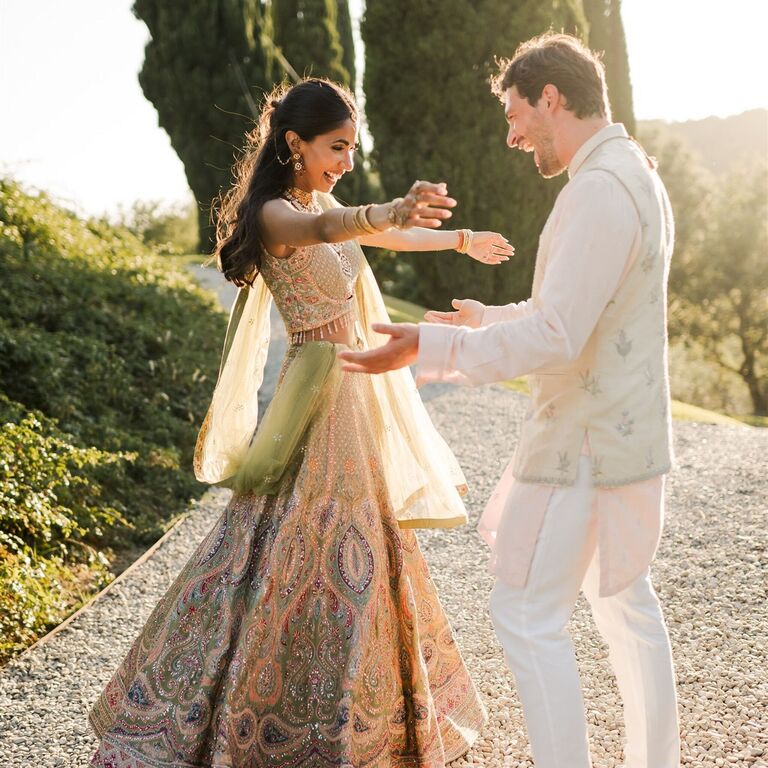
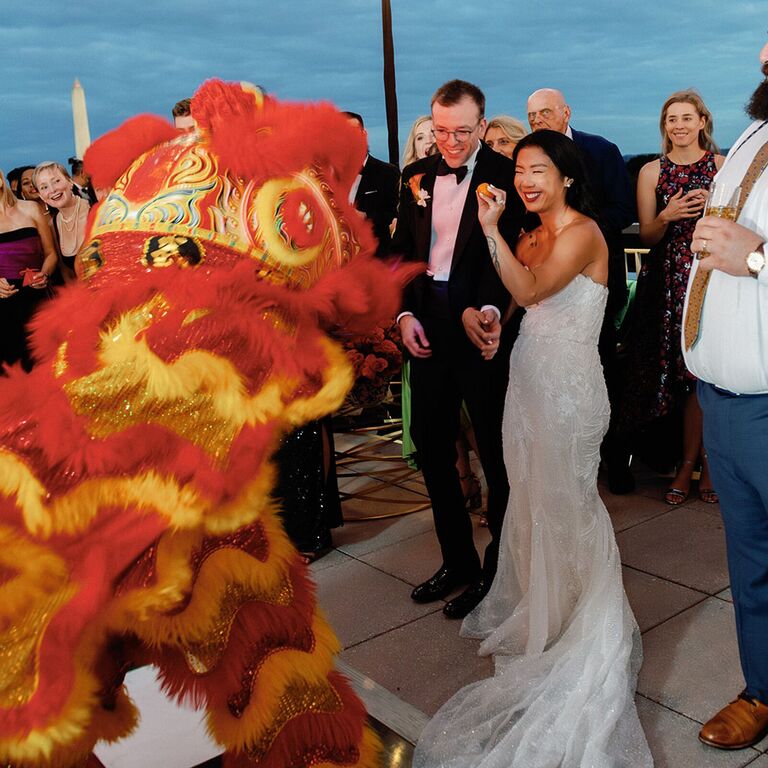
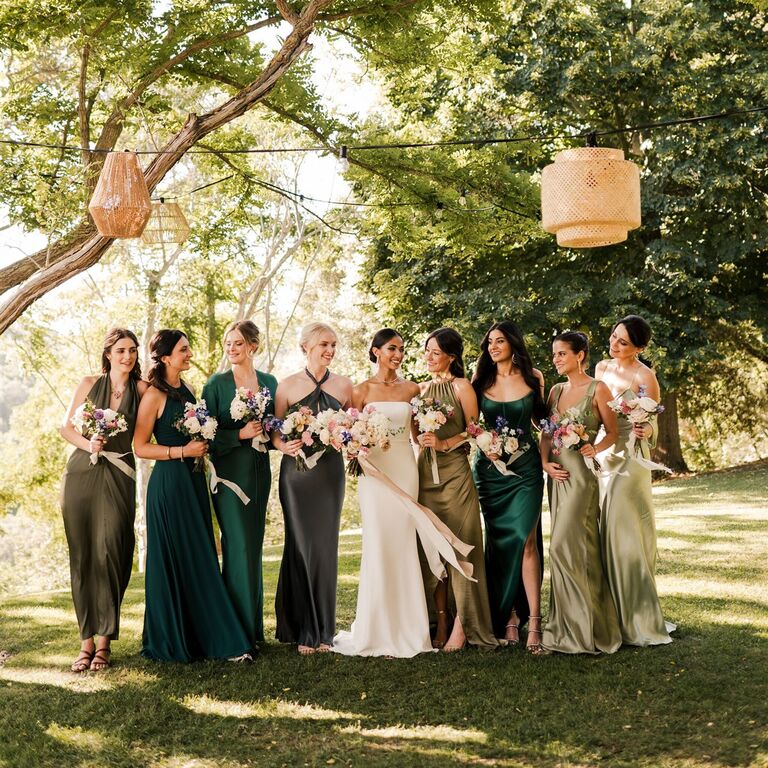
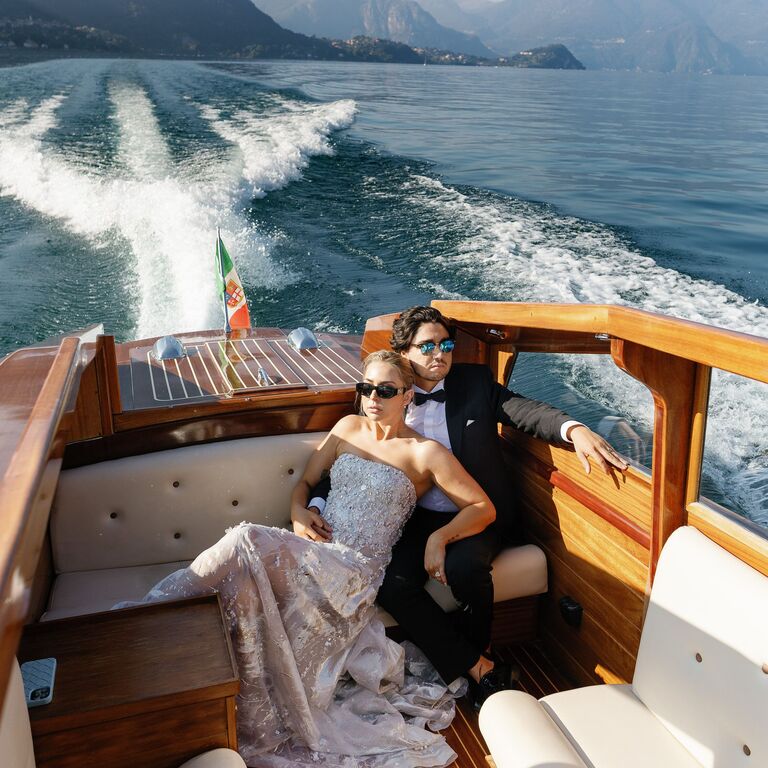
Photos: Siobhan Stanton Photography, Ruét Photo, Calenrose, Sarah Lord Photo, Rachel Leiner Photography,Design: Natalie Romine

Updated Jun 23, 2025
Boisterous wedding announcements and maxed-out guest lists may be on their way out. While some couples prefer to document every step of their planning journey and entire wedding day online, others are choosing to keep their life stages more low-key. They're doing so by soft-launching the photos long after the date or keeping them private altogether. There's a name for this preference—the quiet wedding—and its takeover is just beginning.
In the past, some couples have announced their weddings publicly by unveiling the photos with hashtags on social media, inviting their whole phonebook, or vlogging every wedding detail online along the way; but those days might be long gone. Now, the younger generation is outwardly pioneering a new trend that silently existed among certain A-listers and the fiercely private. Yes, the quiet wedding may have lacked a name then, yet now we know exactly how to define it.
As the cohort that grew up with technology and social media, Gen Z has been exposed to both the uniqueness and conformity of all things wedding-related, which encourages them to take inspiration from celebrities and strangers alike. Some Gen Z-ers now prefer "soft launches" as a way to keep their personal lives private, instead of opting for publicity, which especially goes against the grain where social media use is pervasive. Let's explore the rising trend of quiet weddings, including how to have your own.
FEATURED VIDEO FROM THE KNOT
In this article:
- What Is a Quiet Wedding?
- Why Gen Z Loves The Concept of Quiet Weddings
- How to Have a Quiet Wedding
- Why Less Can Be More
What Is a Quiet Wedding?
Design: Natalie Romine
A quiet wedding is a wedding celebration in which the couple intentionally keeps their announcement and photos low-key or entirely private. Of course, there's much more to a quiet wedding than just the media privacy. Couples might pursue the route of a deconstructed wedding, such as an elopement followed by a reception; or they may throw a minimony to bookend a thoughtful destination wedding weekend.
The excitement and celebration surrounding your marriage doesn't have to be broadcast online; it can be kept as personal as you want it to be. "People want their wedding to feel sacred, not like content," says wedding photographer Lexsey Lanzotti of Camera Witch. "And with so much of life already online, keeping this one moment just for themselves and their closest people can feel really special." Instead of catering to the crowd, to-be-weds have the ability to plan without fear of judgment from strangers and in accordance with their own preferences. We've also seen the general decline of wedding hashtags as social platforms become more sophisticated and optimized. In the hashtags place, you may see a subtle caption or carefully selected emojis. But you aren't imagining it: fewer couples are blasting their quippy tags across the internet, and it's in line with the quiet wedding trend.
Why Gen Z Loves The Concept of Quiet Weddings
Gen Z, known as the "collaborative generation," is already all-in on the idea of quiet weddings. The older subset of this generation has only recently entered peak marrying age, and they've already made their mark on the wedding industry by rewriting tradition and prioritizing personalized elements. "The thing I love about Gen Z is that their lives are built around intentionality," says Brian A. M. Green, CMP, CMM, and Chief Event Architect of By BrianGreen. "They are a generation that believes in community, they focus on who and what is aligned with their values."
Staying true to our own preferences, Gen Z chooses everything about their weddings with consideration and authenticity. In fact, some couples know exactly what they want going into planning, especially regarding boundaries and the looming presence of the internet. "Not everyone will rush to this trend, but what I think it is doing more than anything else is showing couples that they can set healthy boundaries around their wedding and what they wish to share and what they will keep sacred for themselves," Green adds. "As more and more people seek genuine authenticity and emotional intimacy, they will find ways to protect their joy, and I am here for it."
How to Have a Quiet Wedding
When it comes to throwing a quiet wedding, there's no shortage of possibilities; your celebration should be planned with intention and enthusiasm. Here are our top recommendations for bringing your quiet wedding dreams to life.
1. Plan Your Guest List Accordingly
Having a quiet wedding doesn't always equate to a miniature guest list, but many couples inspired by this trend may choose to have a smaller number of attendees. Not only does this make the celebration more intimate, it also minimizes publicity. Start by prioritizing the VIPs you absolutely want present on your wedding day. A more compact group allows for the couple to spend more time with each other and the people they love without running from table to table the entire evening to talk to an overload of guests.
FOR YOU
Are Wedding Bathroom Baskets Really Necessary?
We have the checklist you need so you don’t miss a thing.
26 Beautiful Wedding Cake-Cutting Sets Worth Buying
Utensils that are as sweet as the dessert.
Exactly How to Find a Wedding Cake Baker
These tools and tricks will make the research process sweet.
Part of a quiet wedding also means not feeling obligated to include people you wouldn't necessarily prioritize. Considering this wedding trend is all about intentionality, your guest list should include only your nearest and dearest—not a distant relative you feel you have to invite "just because."
2. Vet Your Vendors
When planning a quiet wedding, there's a lot of room to experiment with different vendors, starting with the setting. "The priority [of a wedding] is to give their friends and family a unique experience," says Nora Sheils, a Seattle-based wedding planner and founder of Bridal Bliss and Rock Paper Coin "Couples are choosing venues meaningful to them like their family home, a favorite vacation destination they want to share, where they met, or somewhere that holds special value."
It's important to note that a "quiet" wedding is quiet only in terms of digital sharing, and that this style of celebration is not lacking in unique experiences. Memorable moments can come from many different parts of the wedding: the location, the food, the entertainment, and the party, to name a few. Novel destinations are a great way to maximize guest experience, especially if you choose a location with meaning, such as a favorite city or another iconic setting. You can also level up your day with non-traditional dining options, like crepe cakes, casual fast food catering or espresso martini towers—we've even spotted some mozzarella cakes. Start your search on The Knot Vendor Marketplace, where you can find and book pros who will bring every detail of your dream vision to life.
3. Appoint a Theme
A quiet wedding doesn't necessarily mean a quiet theme. We've seen couples do the most by experimenting with niche vibes, from quiet luxury weddings to retro glam elopements. To find inspiration, browse The Knot Real Weddings to get a glimpse at how other real couples nailed their aesthetics. (Pro tip: Once you sign up for The Knot, you can save your favorites by clicking the heart icon in the upper right-hand corner, thus curating your own vision board to make planning a breeze.)
To accompany unique themes, the era of non-traditional dress codes has arrived. Quiet weddings generally drop the tradition of matching styles or exact colors down to the hue as a way to give the party freedom and ensure everyone's feeling their best. Gen Z loves giving guests the freedom to choose their own attire, but with a twist, such as "no black, only bright colors" dress codes, or color requirements—take blue, for example—in any style, cut, or shade.
We also recommend checking out the latest wedding trends as you start planning. Don't be afraid to experiment with creative concepts—sometimes the best ideas stem from your and your partner's most personal interests.
4. Craft the Flow
Intentionality is the heart of a quiet wedding—including how your day unfolds. It's important to set clear expectations from the start, so personalize what is actually going to make your wedding "quiet" and plan the guidelines for during and after the event itself.
To capture the day, you might hand out digital or disposable cameras for added nostalgia, or hire a videographer to create a documentary film-style wedding recap. These options are meaningful alternatives to standard social media posts announcing your marriage.
Then, decide on a post-wedding plan for once the party's over. Will you share a "soft launch" with wedding photos in a month, a year, or not at all? The boundaries for your wedding are yours to decide, so be intentional with the sharing of photos and details to make your wedding authentically you.
Why Less Can Be More
While quiet weddings are quiet online, they can still be roaring, glamorous and beautiful at the same time. It's about you, your experience and what you make it, not what the internet or your social media followers have to say.
Quiet weddings are the antithesis to viral weddings, which continue to dominate feeds and garner attention. Take influencer Jaz Smith and her husband Kevin Callari, for example, who updated their social media pages throughout their May 2025 wedding in real-time and sent the internet abuzz with fodder about Etsy witches. Their wedding was quite the contrast to Hailee Steinfeld and Josh Allen, who swiftly dropped their wedding photos through her newsletter after staying silent throughout their engagement.
As the to-be-weds, your marriage can be as personal as you like. After all, when you're celebrating your 10th, 20th or even 30th anniversary, you won't remember how many likes you got on the IG drop, but you will certainly remember the love in the moment.


